Understanding the Role of a Rubber Expansion Joint
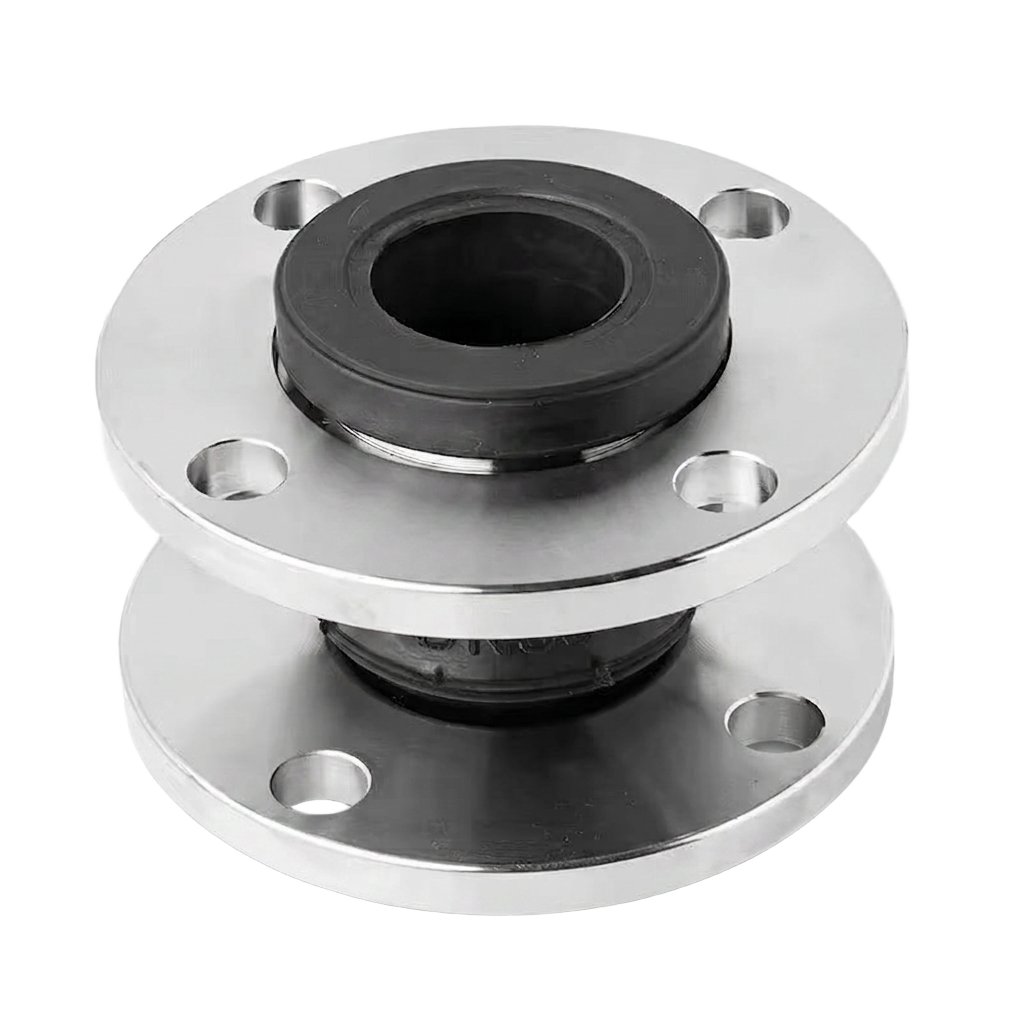
In the context of modern UK building services, the rubber expansion joint serves as a vital flexible connector designed to alleviate stress within piping systems. As water temperatures fluctuate during heating and cooling cycles, pipework naturally expands and contracts according to its material coefficient. Without adequate compensation, these forces can lead to catastrophic joint failure, pump casing stress, or anchor point fatigue. A high-quality rubber expansion joint acts as a mechanical fuse, absorbing axial, lateral, and angular movements while simultaneously providing a significant level of noise and vibration attenuation that rigid metallic piping simply cannot offer.
Engineering consultants frequently specify these components at pump suctions and discharges to isolate high-frequency vibrations generated by rotating equipment. This is particularly relevant in high-density commercial developments where acoustic performance is a key KPI. Unlike metallic bellows, a rubber expansion joint is manufactured through a vulcanisation process, combining elastomers like EPDM or NBR with synthetic fibre or steel wire reinforcements. This construction allows the unit to handle varying pressure gradients while remaining resilient to the chemical additives often found in closed-loop systems, such as corrosion inhibitors and glycol mixes used to prevent freezing.
From a commercial perspective, procuring the right specification involves more than just matching a pipe diameter. It requires a thorough analysis of the system's maximum operating temperature, peak pressure ratings, and the specific chemical composition of the fluid. Failure to account for these variables often leads to premature elastomeric degradation. By selecting a rubber expansion joint from a reputable UK supplier like UKGP Industrial, M&E contractors ensure that their installations remain compliant with British Standards and insurance requirements. Our technical team supports consultants in mapping thermal throughput to the correct displacement capacity for every project.
- Absorption of 4-way movement: axial compression, axial extension, lateral offset, and angular deflection.
- Vibration isolation to protect sensitive downstream instrumentation and sensors.
- Significant reduction in water hammer effects and hydraulic shock loads.
- Lower installation costs compared to complex multi-plane metallic loop configurations.
Compliance with BSRIA BG29 and BG50 Standards
Adherence to BSRIA BG29/2021 for pre-commission cleaning and BG50/2021 for water treatment in closed systems is a fundamental requirement for UK plant rooms. A rubber expansion joint must be selected for its compatibility with the aggressive chemicals often used during the system flushing phase. If the elastomer is not rated for the specific pH levels or surfactant concentrations used during commissioning, it may experience swelling or surface cracking, compromising the seal. It is essential that the rubber expansion joint specified can withstand both the temporary high-dosage chemical cleaning and the lower-concentration, long-term inhibitor treatments required for system longevity.
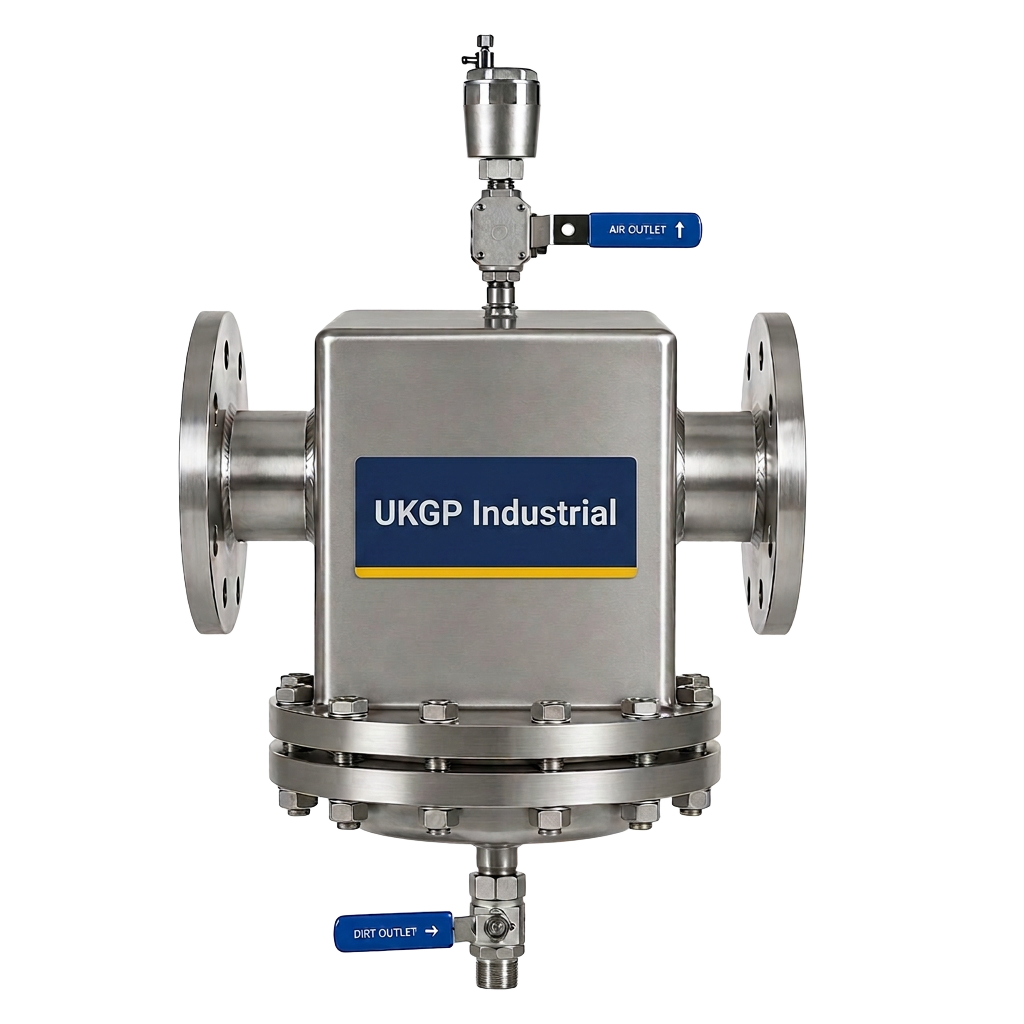
The presence of a rubber expansion joint also influences the strategy for air and dirt separation within the circuit. Entrained air and micro-bubbles can lead to oxidative degradation of internal pipe surfaces, but they can also cause localized cavitation within the bellows of the expansion unit. By integrating high-performance air and dirt separators alongside flexible connectors, engineers can maintain laminar flow and prevent the accumulation of magnetite and scale. This holistic approach to system design is encouraged by CIBSE guidelines and ensures that mechanical joints are not subjected to abrasive particulate matter that could erode the internal liner of the elastomer.
Furthermore, modern specification documents frequently call for expansion bellows that meet the rigorous pressure testing requirements of BS EN 12166 and relevant ISO certifications. When a rubber expansion joint is integrated into a system, its performance must be verified during the initial hydrostatic pressure test, typically performed at 1.5 times the design pressure. UKGP Industrial provides EPDM and NBR units that are specifically engineered to pass these stringent site tests without deformation. We recommend that site managers keep detailed logs of installation dates and batch numbers to facilitate future BSRIA-compliant audits and maintenance cycles.
- Compatibility with BSRIA BG29 pre-commissioning chemical flushes.
- Resistance to dissolved oxygen and chemical inhibitors as per BG50 guidelines.
- Certified pressure ratings to withstand rigorous 1.5x design pressure hydrostatic testing.
- Integration with air and dirt separation units to prevent abrasive liner wear.
Material Selection: EPDM vs NBR in Rubber Expansion Joint Design
Choosing the correct elastomer for a rubber expansion joint is the most critical step in the procurement process. EPDM (Ethylene Propylene Diene Monomer) is the industry standard for general HVAC applications, including LTHW (Low Temperature Hot Water) and chilled water systems. It offers excellent resistance to heat, ozone, and weathering, making it suitable for both internal plant rooms and external pipework bridges. However, EPDM has poor resistance to oils and hydrocarbons. If the system involves fuel lines or lubricants, specifying an EPDM rubber expansion joint would lead to rapid structural failure and leaks that could halt operations.
For applications where oil-resistance is paramount, such as industrial process lines or systems where petroleum-based lubricants may enter the stream, an NBR (Nitrile Butadiene Rubber) joint is necessary. NBR provides the required chemical stability to maintain its physical properties when exposed to fats, oils, and greases. Specialists also look toward PTFE-lined components for highly aggressive chemical environments where neither standard elastomer suffices. Understanding this distinction is vital for procurement leads who must balance upfront costs against the risk of catastrophic system downtime. A correctly specified rubber expansion joint will vastly outperform an incorrectly chosen material, even if the latter is cheaper.
At UKGP Industrial, we stock a comprehensive range of solutions. Our rubber expansion joint options include EPDM for standard building services and NBR for specialized industrial requirements. Available in sizes from DN15 to DN600, our units are offered with either flanged or weld-end connections to suit any project requirement. We offer a 2-year warranty on our expansion bellows series, reflecting our confidence in the durability of our materials. Whether you are dealing with a standard commercial boiler circuit or a complex industrial process loop, our technical experts can help you select the exact elastomer and reinforcement profile needed for your specific operating environment.
- EPDM: Best for hot and chilled water, ozone resistant, temperature range up to 100°C.
- NBR: High resistance to oils, hydraulics, and hydrocarbons for industrial use.
- PTFE Liners: Available for extreme chemical resistance and high-purity applications.
- Reinforced bellows with synthetic fibres or steel wire to ensure high burst pressure safety.
Correct Installation Procedures for Expansion Bellows
Proper installation of a rubber expansion joint is just as important as the specification itself. One of the most common errors seen in UK plant rooms is the over-extension or over-compression of the joint during the fitting process. Mechanical contractors must ensure that the pipework is properly aligned before the joint is bolted into place. A rubber expansion joint should never be used to compensate for significant piping misalignment, as this puts constant shear stress on the elastomer, leading to premature fatigue and eventual cracking. Instead, the piping should be properly supported with primary and secondary anchors to manage the structural load.
Another vital consideration is the use of tie rods or control units. In systems where pressure is high or where the pipework is not adequately anchored, the internal pressure of the fluid can cause the rubber expansion joint to extend beyond its design limit. Under these conditions, the joint can 'balloon' or pull away from its flanges. Control units act as safety limiters, preventing the joint from over-stretching while still allowing it to absorb the necessary vibration and movement. For M&E contractors, following the manufacturer’s torque settings for flange bolting is also essential to ensure an airtight seal without crushing the integrated rubber flange face.
Regular inspection is the final piece of the lifecycle puzzle. Maintenance managers should look for signs of 'crazing' (fine surface cracks), hardening of the rubber, or any evidence of leakage around the sealing face. Because a rubber expansion joint is a wear item, it should be included in the annual plant room audit. UKGP Industrial recommends a proactive replacement strategy, especially in critical facilities like hospitals or data centres where a leak could result in significant financial loss. Our DN15 to DN600 units are designed for ease of inspection, and our UK-based stock ensures that replacements can be dispatched rapidly to minimize any necessary system downtime.
- Ensure precise pipe alignment to avoid permanent shear stress on the flexible element.
- Utilise control rods for high-pressure applications to prevent over-extension of the bellows.
- Apply correct torque to flange bolts to prevent damage to the integral rubber seal.
- Incorporate regular visual inspections for hardening, crazing, or chemical degradation.
Environmental and Thermal Factors in Commercial Systems
The external environment of the plant room also impacts the longevity of a rubber expansion joint. Factors such as UV exposure, ambient temperature, and humidity can accelerate the ageing process of certain elastomers. In outdoor applications, such as rooftop chiller plants, the rubber expansion joint must be treated or chosen for its UV stability to prevent the rubber from become brittle. Heat radiation from nearby uninsulated steam pipes or high-temperature boilers can also raise the surface temperature of the joint beyond its rated capacity, necessitating the use of thermal shields or high-temperature specific materials such as stainless steel or fabric bellows.
Thermal expansion calculations must be performed by the building services consultant to determine the total anticipated movement. This calculation involves the pipe material, the length of the run between fixed points, and the temperature differential (Delta T). Once the total movement is known, a rubber expansion joint with a suitable axial compression rating can be selected. It is often necessary to install multiple joints in a single long run to distribute the movement evenly. Overlooking this calculation is a frequent cause of system failure in large-scale commercial retrofits where old steel pipework is replaced but existing anchor points are reused without verification.
For UK-based projects, compliance with BS EN 14917 and CIBSE Guide B is often referenced when designing for thermal expansion. These standards provide the framework for ensuring that expansion devices are appropriately sized and located. When specifying a rubber expansion joint through UKGP Industrial, you gain access to technical data sheets that detail the precise movement capabilities of each unit. Our commitment to commercial excellence means providing products that not only meet the functional requirements but also simplify the installation and commissioning phases for M&E teams across the South East and the wider UK market.
- Protect joints from UV radiation and extreme ambient heat to prevent elastomer thinning.
- Calculate Delta T accurately to ensure the joint's axial compression rating is not exceeded.
- Reference BS EN 14917 guidelines for movement compensation in metallic piping.
- Select flanged or weld-end connections based on site-specific installation constraints.
Procuring Quality with UKGP Industrial
In a market often flooded with low-quality imports, procuring a rubber expansion joint with a documented pedigree is essential for risk mitigation. UKGP Industrial understands the pressures faced by procurement leads and FMs to manage budgets without sacrificing safety. Our range of expansion bellows covers the full spectrum of industrial requirements, from small-bore DN15 units for local heater batteries to large DN600 flanged units for main headers. Each rubber expansion joint we supply is built to withstand the rigours of commercial HVAC service, backed by our industry-leading 2-year warranty and expert technical support located here in Surrey.
By choosing UKGP, you are not just buying a component; you are securing a partnership. We provide comprehensive documentation to support your O&M manuals, ensuring that all health and safety requirements are met. Our rubber expansion joint range is manufactured to high tolerances, ensuring that they fit seamlessly into existing or new-build configurations. We also stock a wide array of complementary products, including dosing pots, low loss headers, and pH transmitters, allowing for a single-source procurement strategy that reduces logistical complexity and ensures component compatibility throughout the entire hydraulic circuit of the building.
Whether your project is a new commercial office development in London or a scheduled maintenance shutdown for a manufacturing facility, we can assist. Request a quote today for our rubber expansion joint solutions to experience the service and reliability that UKGP Industrial is known for. Our stock availability and technical expertise ensure that your project remains on schedule and within budget, with the peace of mind that comes from using premium-grade expansion bellows. Contact our Surrey office to discuss your specific requirements and let us help you build a more resilient and efficient mechanical system for your clients.
- Available sizes from DN15 to DN600 to suit all commercial and industrial pipe scales.
- Full technical support and 2-year warranty on all rubber and metallic expansion bellows.
- UK-based stock for rapid dispatch to sites across the United Kingdom.
- Single-source supply for headers, separators, and expansion joints to streamline procurement.
Frequently asked questions
What is the maximum temperature a rubber expansion joint can handle?
- Standard EPDM rubber expansion joints are typically rated for continuous service up to 100°C. For higher temperature applications, such as steam or high-pressure hot water, stainless steel bellows or fabric expansion joints are recommended to maintain safety.
Can a rubber expansion joint be used to fix pipe misalignment?
- While they have some flexibility, a rubber expansion joint should not be used to correct significant piping misalignment. Doing so places constant stress on the elastomer, which can lead to premature failure. Pipework should be aligned as closely as possible before installation.
What is the difference between EPDM and NBR liners?
- EPDM is ideal for hot and cold water systems but will fail if exposed to oils. NBR (Nitrile) is specifically designed for systems containing oils, fuels, or other hydrocarbons. Always check your fluid's chemical composition before specifying.
Do I need tie rods for my rubber expansion joint?
- Tie rods, or control units, are recommended in systems where the pipework is not sufficiently anchored or in high-pressure applications where internal pressure could cause the joint to extend beyond its maximum design limits.
How long does a rubber expansion joint typically last?
- With correct specification and installation, a high-quality rubber expansion joint can last 7 to 10 years. However, factors like high temperature, chemical exposure, and ozone can shorten this lifespan, making annual inspections essential.