The Global Market for Rubber Expansion Joint Manufacturers in India
The expansion of industrial hubs in South Asia has positioned rubber expansion joint manufacturers in India as high-volume suppliers for global infrastructure projects, often offering significant discounts on bulk orders compared to domestic production. For UK mechanical and electrical (M&E) contractors, the primary appeal lies in the lower manufacturing overheads associated with these regions. However, a pure cost-per-unit analysis often fails to account for the complexities of UK building services requirements, where specific rubber compounds like EPDM and NBR must meet stringent chemical resistance and temperature profile benchmarks. Ensuring that these offshore manufacturers adhere to Western quality management silos is the first hurdle in a successful procurement strategy.
To successfully integrate components from rubber expansion joint manufacturers in India into a UK commercial heating system, engineers must demand full material traceability and third-party verification. While many Indian facilities are ISO 9001 certified, the specific pressure and temperature cycling tests required for modern LTHW (Low Temperature Hot Water) systems can differ significantly from standard industrial specifications used in local domestic markets. Consultants often find that the documentation provided doesn't always align with the rigorous expectations of BSRIA BG29 or the ongoing system management protocols defined in BG50, leading to potential delays during the commissioning phase of a project.
Furthermore, the logistical chain when dealing with rubber expansion joint manufacturers in India introduces lead-time risks that can derail tight construction schedules. Shipping from major Indian ports like Mundra or Nhava Sheva typically takes several weeks, and any quality defects discovered upon arrival on-site in the UK can cause catastrophic project delays. Procurement officers must therefore weigh the unit savings against the risk of 'project stall.' Investing in a UK-based partner who manages these supply chains or provides locally stocked alternatives can often provide a more robust commercial solution, ensuring that the 2-year warranties expected by UK building owners are fully backed by accessible technical support.
- Assessment of material certifications against BS EN standards
- Verification of rubber polymer grades for specific UK HVAC fluids
- Evaluation of logistical lead times and port-to-site transit risks
- Gap analysis between international manufacturing and BSRIA BG50 compliance
Technical Compatibility and BSRIA Compliance
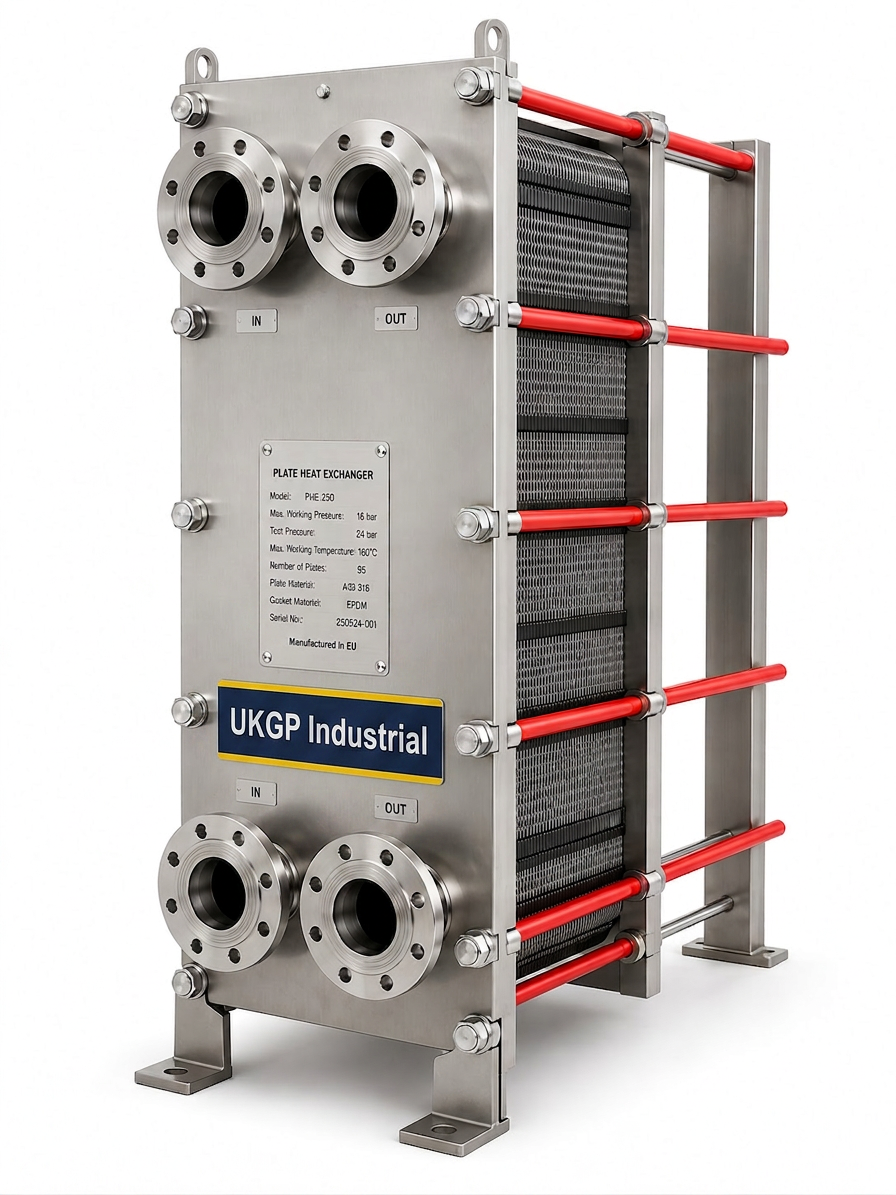
In the context of UK building services, any component sourced from rubber expansion joint manufacturers in India must be strictly evaluated against BS EN 14917 and other relevant European directives. In modern plant rooms, where high-efficiency pumps and variable frequency drives are standard, the expansion bellows must handle varying degrees of axial, lateral, and angular movement without compromising the integrity of the pipework. If an offshore manufacturer provides a product that lacks the necessary reinforcement or high-grade EPDM lining, the resulting failures can lead to system leaks, scale buildup, and significant damage to expensive equipment such as plates in a plate heat exchanger or high-efficiency boiler blocks.
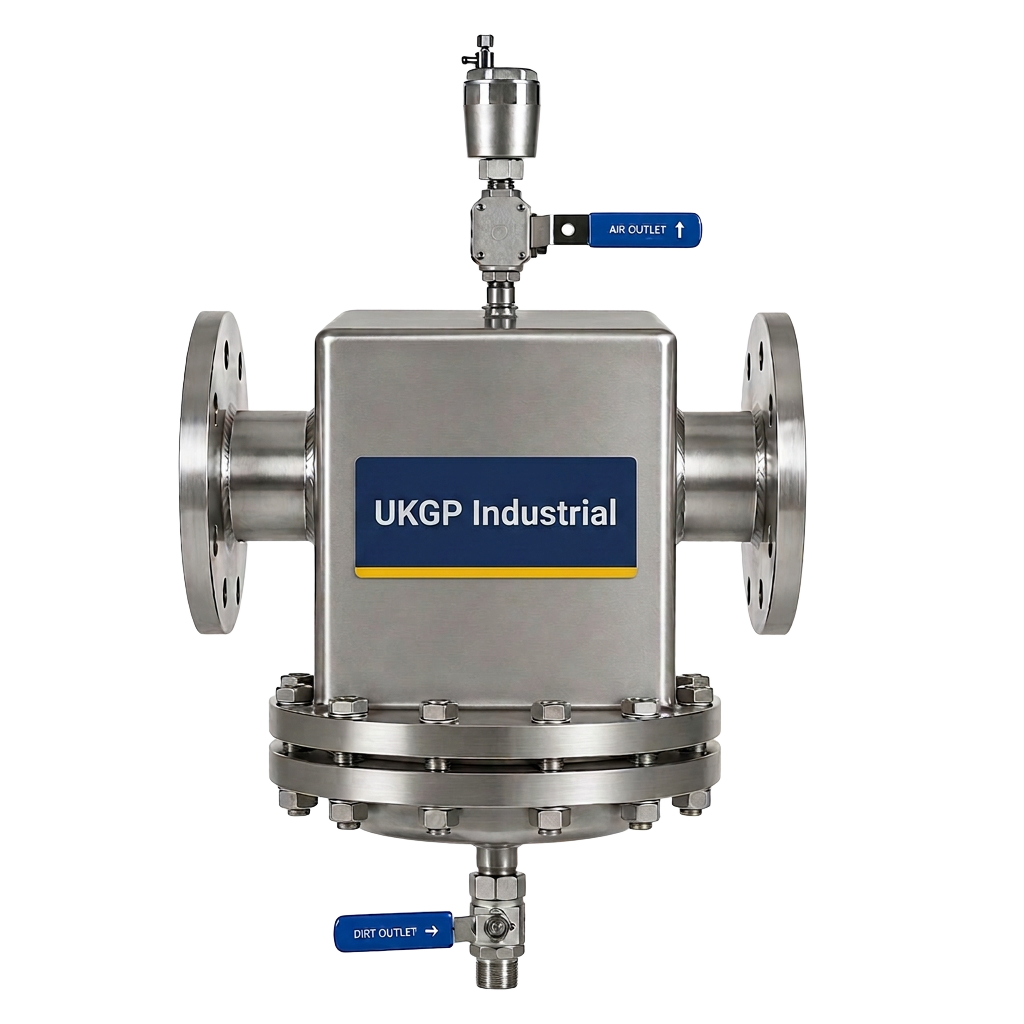
Maintaining water quality is another critical factor where the choice of rubber expansion joint manufacturers in India becomes pivotal. UKGP Industrial emphasises that materials must not leach chemicals into the system water, as this can affect the pH levels and total dissolved solids (TDS) monitored by sophisticated sensors. Poorly vulcanised rubber joints from lower-tier suppliers can degrade rapidly when exposed to modern chemical dosing regimes, leading to oxygen ingress or debris that compromises the efficiency of air and dirt separators. Therefore, the specification must always focus on longevity and chemical compatibility over the immediate allure of the lowest possible purchase price.
Consultants should also consider how expansion joints interact with the wider system dynamics. For example, if you are installing a low loss header to maintain hydraulic separation, the thermal expansion within the primary and secondary loops must be perfectly managed to prevent stress on the header's nozzles. Components sourced from reputable suppliers—whether they utilize global manufacturing or local assembly—must provide documented proof that their bellows will survive thousands of expansion cycles without failure. Without this assurance, the 'value' offered by budget-conscious rubber expansion joint manufacturers in India quickly evaporates when faced with the cost of remedial works and system downtime.
- Alignment with CIBSE Guide S for thermal expansion management
- Impact of rubber degradation on plate heat exchanger performance
- Integration with air and dirt separators to maintain system hygiene
- Ensuring hydraulic stability in systems utilizing low loss headers
Sourcing Reliable UKGP Industrial Expansion Bellows
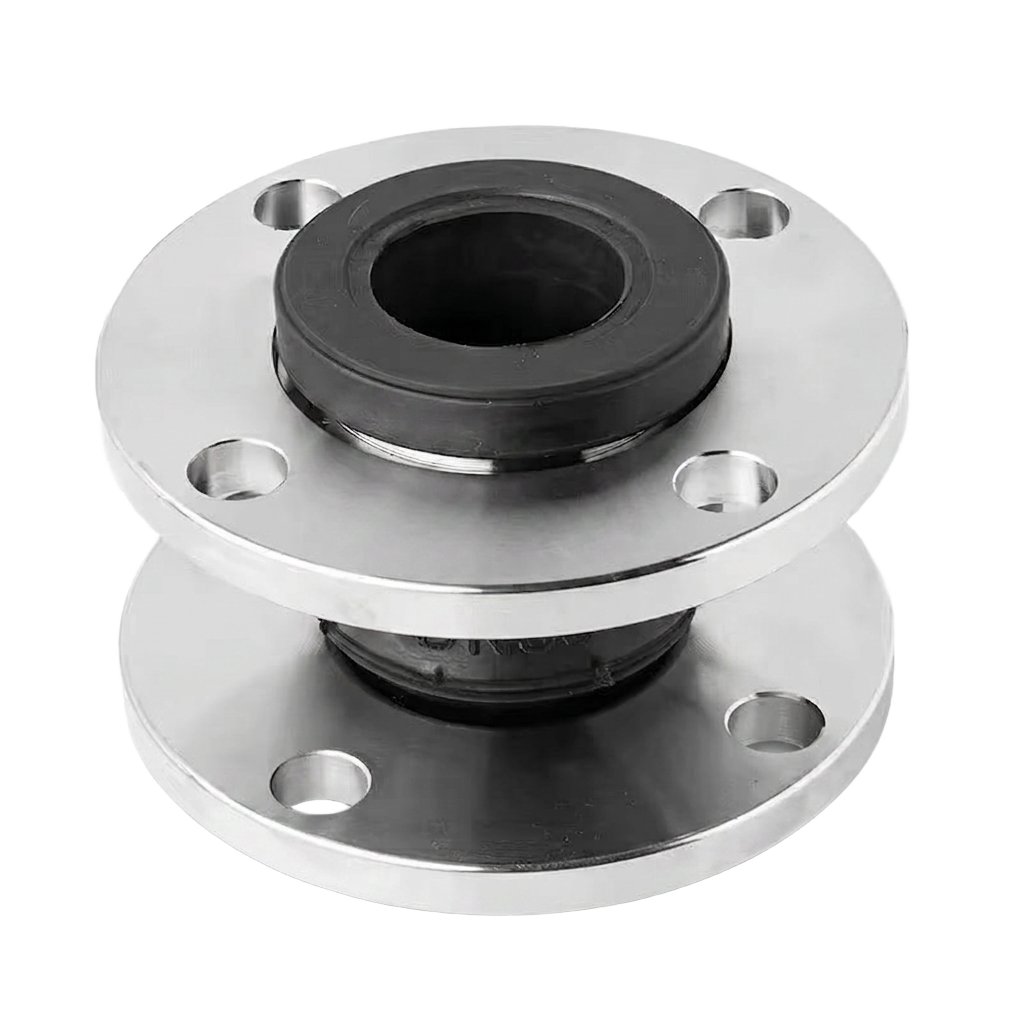
While exploring the feasibility of rubber expansion joint manufacturers in India, many UK contractors find that sourcing locally from UKGP Industrial offers a superior balance of technical excellence and commercial security. Our range of expansion bellows covers everything from DN15 to DN600, available in EPDM, NBR, stainless steel, PTFE, and even fabric for specialized applications. By choosing a UK-based supplier, you eliminate the risks associated with international shipping and varying manufacturing standards. Our products are designed specifically for the UK market, ensuring full compliance with the pressure and temperature ratings required by major UK commercial boiler OEMs and facility management companies.
UKGP Industrial expansion bellows are available with flanged or weld-end connections to suit any installation requirement, from new builds to retrofits. We understand that in a high-pressure commercial environment, a 2-year warranty isn't just a piece of paper; it's a commitment to the quality and durability of the component. Whether you are dealing with a simple LTHW loop or a complex industrial process line involving aggressive chemicals, our technical team provides the expertise needed to select the right material and configuration. This level of bespoke support is often absent when dealing directly with large-scale rubber expansion joint manufacturers in India, who may focus on volume over project-specific engineering.
To ensure your plant room remains operational for its intended lifespan, we recommend a quote for our expansion bellows as a benchmark against any offshore alternatives. Our stock is ready for immediate dispatch across the UK, significantly reducing the 'lead time anxiety' often associated with global procurement. By selecting UKGP, you are investing in a product that has been vetted for use in systems containing chemical dosing pots and high-precision pH transmitters, ensuring that every part of your HVAC infrastructure works in harmony. Contact our Surrey office today for a technical datasheet or a competitive quotation tailored to your latest project specifications.
- Wide material selection including EPDM, NBR, Stainless Steel, and PTFE
- Sizes ranging from DN15 to DN600 with multiple connection types
- Comprehensive 2-year warranty for peace of mind
- Expert technical support based in Surrey, UK
Risk Mitigation in Global HVAC Procurement
Strategic procurement involves more than just selecting a product; it requires a deep understanding of the total cost of ownership. When comparing UK stocks to rubber expansion joint manufacturers in India, one must consider the cost of independent testing. If a consultant requires a specific batch test to verify the tensile strength or burst pressure of a rubber joint, performing this at a facility located in the UK is significantly more straightforward. If you import directly, you may need to hire an independent inspection agency in Mumbai or Gujarat, adding layers of cost and administrative burden that negate any initial savings on the unit price.
Another factor is the environmental impact and corporate social responsibility (CSR) reporting that is now mandatory for many large UK M&E firms. Sourcing from rubber expansion joint manufacturers in India adds a significant carbon footprint to the project due to long-haul sea or air freight. In contrast, utilizing a UK supplier like UKGP Industrial can help streamline your supply chain and contribute to more sustainable project delivery goals. Furthermore, our products are engineered to reduce the risk of system leaks, which indirectly promotes water conservation and efficiency within the building's hvac system—a key pillar of modern building management.
Finally, the legal protection offered by UK contract law cannot be overstated. When you purchase expansion solutions locally, you are protected by statutory rights and industry-standard terms that may be difficult to enforce against rubber expansion joint manufacturers in India. In the event of a product failure that causes property damage, having a UK-domiciled manufacturer with professional indemnity insurance and a clear liability framework is essential. UKGP Industrial provides this security, ensuring that should any issue arise, you have a local partner ready to resolve it with minimal friction and maximum technical competence.
- Independent batch testing and verification of material properties
- Carbon footprint considerations and CSR alignment
- Legal and insurance advantages of UK-based procurement
- Sustainability through leak prevention and system longevity
Comparing Material Grades: EPDM vs. NBR
A common challenge when communicating with rubber expansion joint manufacturers in India is the precise specification of rubber grades. EPDM (Ethylene Propylene Diene Monomer) is the workhorse of the UK commercial heating industry, prized for its resistance to heat, ozone, and weather. However, there are various grades of EPDM, and using a lower-spec version in a high-temperature LTHW system can lead to premature embrittlement. Engineers must specify exactly what 'commercial grade' means to their offshore supplier, as ambiguities here can lead to joints that fail within months rather than decades, necessitating expensive hot-works to replace.
NBR (Nitrile Butadiene Rubber) is the preferred choice for systems involving oils or hydrocarbons, which are common in certain industrial processes or combined heat and power (CHP) installations. When sourcing NBR from rubber expansion joint manufacturers in India, the acrylonitrile content must be verified, as this determines the oil resistance and low-temperature flexibility. Without this technical granularity, an 'off-the-shelf' joint may not fulfill the specific demands of a UK plant room. UKGP Industrial bridges this gap by providing full technical datasheets for all rubber variants, ensuring that the selected material is perfectly suited to the medium being transported.
For even more aggressive environments, PTFE-lined bellows or fabric joints may be required. These specialized products are often where smaller or generalist rubber expansion joint manufacturers in India struggle to maintain consistent quality. PTFE lining requires precision manufacturing to ensure it doesn't delaminate under vacuum conditions or high-velocity flows. By consulting with UKGP, you gain access to a supply chain that has already undergone these quality checks, allowing you to focus on the broader engineering challenges of the project while we handle the intricacies of expansion management and material science.
- EPDM suitability for LTHW and chilled water loops
- NBR applications in oil-rich industrial environments
- The role of PTFE linings for chemical resistance and vacuum stability
- Fabric bellows for high-temperature low-pressure air systems
Installation Best Practices for Expansion Joints
Regardless of whether your components come from rubber expansion joint manufacturers in India or from our Surrey warehouse, correct installation is paramount. BSRIA guidelines suggest that expansion joints should never be used to compensate for pipework misalignment unless specifically designed for that purpose. Forcing a bellows into position creates pre-stress that drastically reduces its cycle life. Contractors should ensure that pipework is adequately anchored and guided according to the joint manufacturer's instructions. A failure to follow these best practices often results in the bellows being blamed for a leak when the root cause was actually poor installation technique.
Regular inspection is also a requirement under BS 8552 for water quality and system maintenance. Rubber joints should be checked for signs of 'alligatoring' (surface cracking), swelling, or hardening. When sourcing from rubber expansion joint manufacturers in India, these signs of degradation should be monitored even more closely during the first year of operation to ensure the material is performing as expected. If you find that joints are degrading prematurely, it may be time to upgrade to UKGP Industrial's MDPE or high-spec EPDM bellows, which are designed to withstand the rigors of modern chemical dosing and high-velocity flows without losing their elasticity.
In summary, while rubber expansion joint manufacturers in India offer a compelling price point, the hidden costs of quality control, logistics, and technical risk must be managed. UKGP Industrial provides the ideal middle ground: high-quality expansion solutions designed to British standards, backed by a 2-year warranty and a team of experts who understand the UK building services landscape. From DN15 domestic crossovers to DN600 industrial mains, we have the flanged and weld-end solutions your project demands. Reach out to us for a comprehensive quote and see how we can secure your system's expansion needs with reliable, locally supported technology.
- Importance of proper anchoring and guiding per CIBSE standards
- Regular inspection for signs of material fatigue or chemical attack
- Avoiding pre-stress during installation to preserve cycle life
- Choosing between flanged and weld-end connections for security
Frequently asked questions
What are the risks of using rubber expansion joint manufacturers in India?
- The primary risks include longer lead times, potential inconsistencies in material grades (such as EPDM quality), and the difficulty of enforcing warranties. Additionally, ensuring compliance with UK standards like BSRIA BG29 can be harder without local technical representation.
Do UKGP Industrial expansion bellows come with a warranty?
- Yes, all UKGP expansion bellows, including our rubber EPDM, NBR, and stainless steel ranges from DN15 to DN600, come with a comprehensive 2-year warranty, providing significantly more security than many offshore manufacturers.
Can rubber expansion joints handle high-temperature commercial heating systems?
- High-quality EPDM expansion joints are designed for LTHW systems, but it is crucial to verify the temperature and pressure ratings. UKGP provides technical datasheets to ensure the product meets the specific requirements of major UK commercial boiler installations.
What materials are available for expansion bellows?
- We offer a variety of materials including EPDM and NBR rubber, stainless steel, PTFE, and fabric. These are available with flanged or weld-end connections to suit diverse industrial and building services applications.
How does shipping from India affect project timelines?
- Lead times from rubber expansion joint manufacturers in India can vary from 6 to 12 weeks depending on shipping method and customs. UKGP Industrial maintains local stock to provide next-day or short-lead delivery for urgent UK projects.