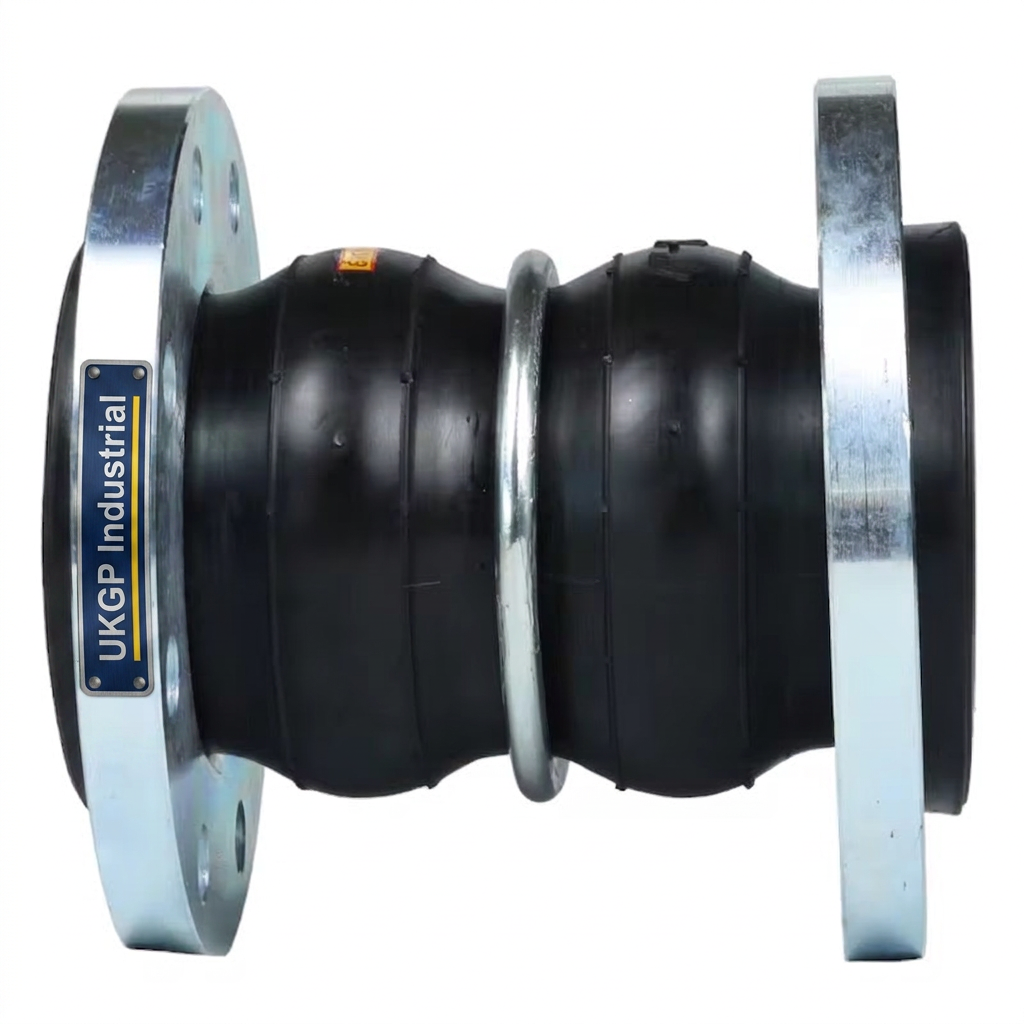
Understanding the Rubber Expansion Joint for Pipe and Pump Sets
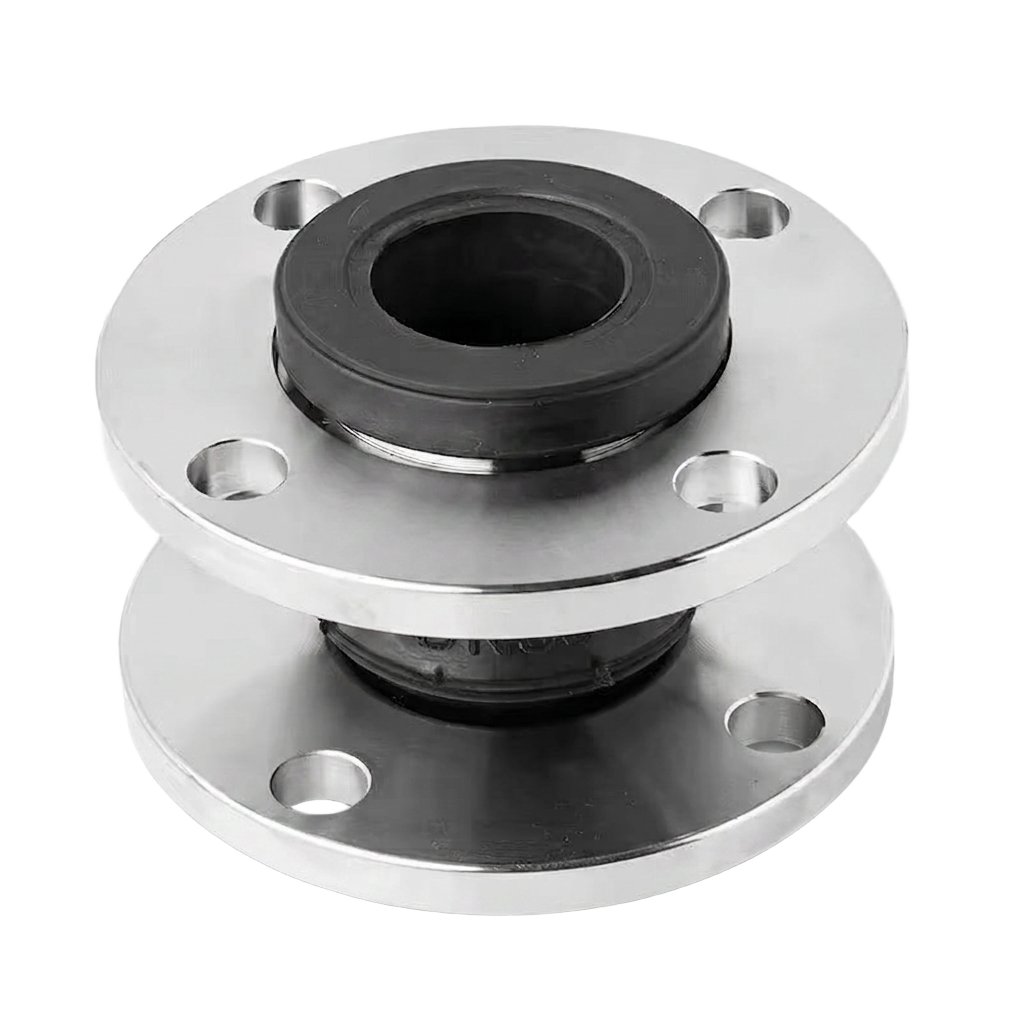
In the sphere of UK building services, the integration of a rubber expansion joint for pipe installations near pump sets is a fundamental requirement for system longevity. Centrifugal pumps naturally generate high-frequency vibrations and turbulent flows that, if left unmitigated, can propagate through the pipework, leading to fastener loosening, seal failure, and structural noise. The rubber expansion joint for pipe acts as a vital decoupling point, absorbing these dynamic forces before they reach the main distribution lines. By choosing EPDM or NBR materials, engineers can ensure that the transition between the vibrating equipment and the rigid piping remains secure and flexible. This is particularly critical in high-rise commercial structures where noise transmission through the building fabric can lead to significant tenant dissatisfaction and costly remedial works.
When designing a pump set configuration, the orientation and positioning of the rubber expansion joint for pipe must be meticulously planned to handle both axial compression and lateral offset. UKGP Industrial provides a wide range of DN15 to DN600 units that cater to these specific stresses. Whether the application involves chilled water circuits or LPHW heating, the material selection of the bellows must align with the operational temperature and fluid chemistry to prevent premature degradation. Failure to select the correct grade of rubber can lead to perishing or embrittling, which compromises the integrity of the secondary circuit. Our technical team works alongside M&E contractors to ensure that every expansion joint matches the specific pressure drop and flow characteristics of the plant room design.
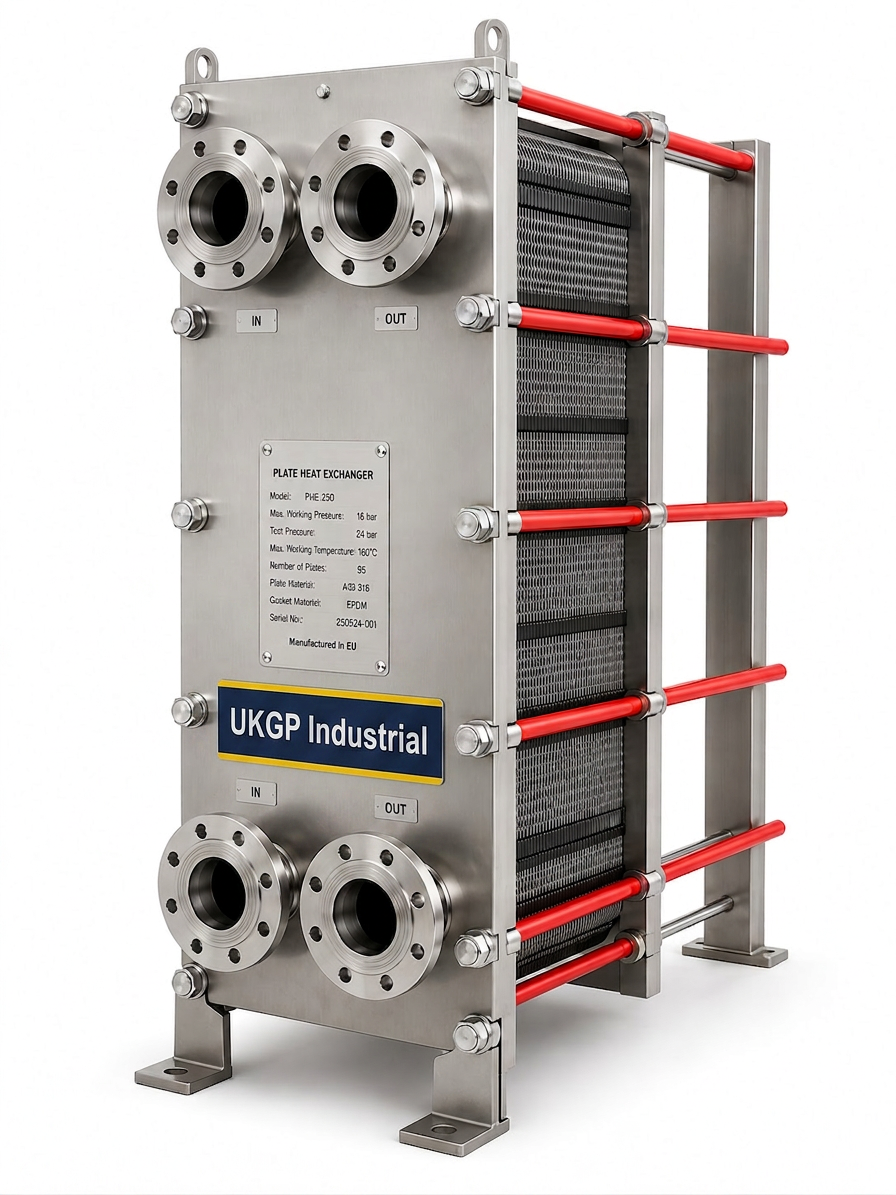
The commercial implications of omitting a high-quality rubber expansion joint for pipe are profound. Beyond the technical failures, non-compliance with industry best practices can void warranties on primary equipment like plate heat exchangers or boilers. By integrating these flexible units, consultants can provide clients with a robust system that meets the stringent requirements for vibration isolation. UKGP Industrial offers these units in flanged or weld-end configurations, providing the versatility needed for both new builds and complex fit-out projects. Investing in a durable expansion joint is a proactive measure that reduces the total cost of ownership by extending the Mean Time Between Failures for the entire pump set and its associated pipework.
- Protects expensive centrifugal pumps from mechanical stress
- Significantly reduces acoustic transmission in commercial buildings
- Accommodates minor misalignments during plant room installation
- Reduces harmonic frequencies that lead to metal fatigue
Material Selection and BS Standards for Pipe Joints
Material science plays a pivotal role in the performance of a rubber expansion joint for pipe systems within the UK market. EPDM (Ethylene Propylene Diene Monomer) is the industry standard for hot and cold water applications due to its excellent resistance to heat, ozone, and atmospheric ageing. For systems involving hydrocarbons or oily fluids, NBR (Nitrile) is the preferred choice to prevent swelling and failure. It is essential that engineers refer to the chemical compatibility charts before procurement. UKGP Industrial ensures that all supplied rubber joints are manufactured to withstand the fluctuating pressures common in variable speed drive pump installations. By adhering to BS EN 14917 and other relevant international standards, we guarantee that our products provide a reliable barrier against leaks and structural stress.
In addition to EPDM and NBR, certain specialized applications may require PTFE-lined rubber expansion joints for pipework conveying aggressive chemicals or highly demineralized water. These liners provide an additional layer of protection, preventing the rubber core from contacting the fluid while maintaining the flexibility required for vibration isolation. This is often necessary in industrial processing plants or bespoke cooling systems where water treatment regimes are particularly aggressive. Understanding the interplay between temperature, pressure, and chemical composition is the hallmark of a well-engineered HVAC system. UKGP Industrial's technical support department is available to guide procurement leads through these technical variables, ensuring the correct specification is met every time to satisfy the most demanding project briefs.
Compliance with BSRIA BG29 and BG50 is non-negotiable for modern UK facilities management. These guides emphasize the importance of maintaining water quality and mechanical integrity to allow for effective system commissioning and long-term operation. A rubber expansion joint for pipe that is correctly specified contributes to these goals by preventing the ingress of air and minimizing the risk of seal leaks that could introduce oxygen into the system. Our expansion bellows are designed with integrated reinforcement fabrics, such as nylon or synthetic fibers, to provide the necessary tensile strength while permitting the required degree of movement. This balance of strength and flexibility is what differentiates a standard industrial joint from a high-specification UKGP solution.
- EPDM for LPHW and CHW general applications
- NBR for oil-laden environments and compressed air
- PTFE liners for chemical resistance and high purity
- Reinforced fabric layers for enhanced pressure ratings
Installation Best Practices for the Expansion Joint
Correct installation is the key to maximizing the lifespan of a rubber expansion joint for pipe. It is fundamental that the expansion joint is not used to correct significant pipework misalignment, as this places permanent 'set' stress on the rubber, leading to premature failure. Instead, the piping should be accurately aligned and supported with fixed anchors and guides as per CIBSE recommendations. The rubber expansion joint for pipe should be installed as close to the pump suction and discharge flanges as possible to isolate the vibration at its source. Over-tightening of the flange bolts should be avoided; using a torque wrench to reach the manufacturer’s specified values ensures an even seal without crushing the integral rubber flange face.
Thermal expansion must also be accounted for when positioning the rubber expansion joint for pipe. While these units are excellent at absorbing vibration, their capacity for axial travel is finite. For systems with significant thermal runs, a combination of rubber joints for vibration and stainless steel bellows for thermal expansion might be necessary. It is also vital to check the rating of the tie rods. Tie rods are used to prevent the bellows from over-extending under pressure, particularly in unanchored systems. UKGP Industrial provides these assemblies pre-fitted or as kits, ensuring that the installation team has everything required to secure the pump set safely. Following these steps ensures that the 2-year warranty provided by UKGP remains fully supported by correct site practice.
Maintenance teams should conduct periodic visual inspections of the rubber expansion joint for pipe. Signs of distress include surface cracking (ozoning), bulging, or signs of weeping at the flange interface. In plant rooms where chemical dosing is frequent, such as those utilizing chemical dosing pots for corrosion inhibition, it is important to ensure that the chemical concentrations remain within the limits tolerated by the rubber compound. If a system is being chemically cleaned as part of a BSRIA BG29 pre-commissioning flush, the expansion joints should be inspected post-cleaning to ensure no debris has become lodged in the convolutions, which could restrict movement or cause abrasion during operation.
- Always use a torque wrench to prevent over-tightening
- Install tie rods on unanchored piping to control extension
- Verify pipe alignment before bolting the joint into place
- Ensure guides are placed correctly to direct thermal movement
The Role of Expansion Bellows in System Integrity
UKGP Industrial’s range of expansion bellows is designed to meet the rigorous demands of the UK’s commercial and industrial sectors. For pump set applications, whether in a basement plant room or a rooftop skid, the rubber expansion joint for pipe serves as the first line of defense against mechanical fatigue. Our units are available from DN15 up to DN600, ensuring compatibility with everything from small circulation pumps to massive primary distribution headers. With options for EPDM, NBR, PTFE, and stainless steel, we provide a holistic solution for thermal and vibrational management. Every product is backed by a 2-year warranty, reflecting our confidence in the manufacturing quality and the durability of the materials used in our UK-stocked inventory.
Beyond the standard rubber expansion joint for pipe, we offer flanged or weld-end configurations to suit the specific installation requirements of the M&E contractor. In retrofitting scenarios, where space is often at a premium, our compact expansion bellows provide the necessary flexibility without demanding excessive footprint. This is particularly advantageous when upgrading older plant rooms with modern high-efficiency pumps that may have different vibrational profiles than the equipment they replace. Our expertise ensures that even the most complex piping geometries are protected from the stresses of thermal cycling and mechanical pulse, maintaining system uptime and protecting the client's investment in their building's infrastructure.
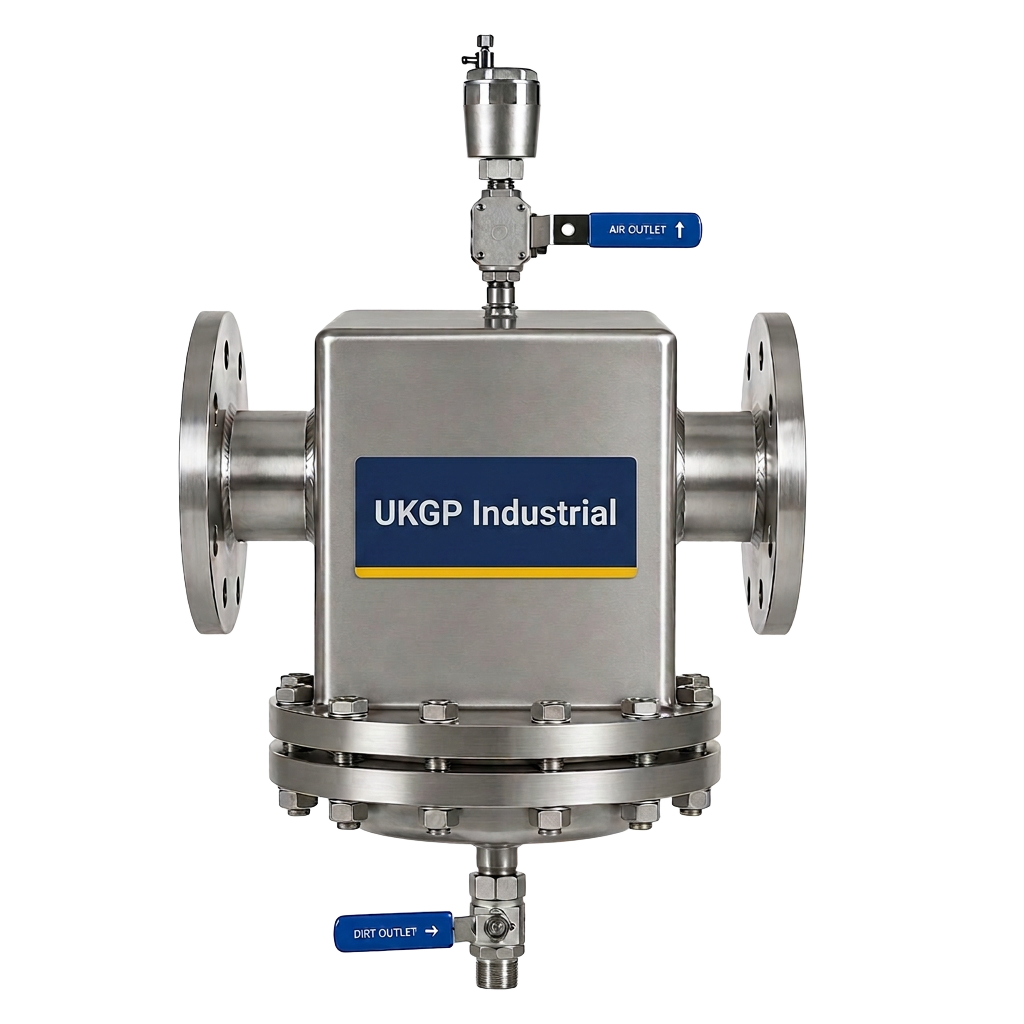
We encourage consultants and procurement leads to contact us for technical datasheets and bespoke quotations. By specifying UKGP expansion bellows, you are choosing a partner that understands the nuances of British standards and the practicalities of on-site installation. Our goal is to streamline your supply chain by providing a one-stop-shop for high-quality expansion solutions, alongside our other plant room essentials like air & dirt separators and plate heat exchangers. Whether you are dealing with a standard HVAC circuit or a specialized industrial process, our rubber expansion joint for pipe is the reliable choice for vibration control and thermal compensation.
- Available in DN15 to DN600 sizes for all pipe scales
- 2-year warranty for peace of mind and quality assurance
- Choice of flange or weld-end for installation flexibility
- Expert technical support for material selection and design
Vibration Isolation and Acoustic Performance
The primary reason for selecting a rubber expansion joint for pipe over a metallic alternative in pump sets is the superior acoustic damping properties of elastomers. While stainless steel bellows are excellent for high-temperature thermal expansion, they can transmit high-frequency noise. Rubber, by its nature, absorbs these frequencies, preventing the pipework from acting as a giant speaker that broadcasts pump hum throughout the building. This is essential in hospitals, hotels, and schools where CIBSE noise criteria must be met. The internal construction of a UKGP rubber joint is designed to minimize turbulence, which further reduces flow-induced noise at the pump discharge side, creating a quieter and more efficient environment.
When calculating the vibration isolation efficiency, engineers must consider the pump's operating frequency and the stiffness of the rubber expansion joint for pipe. A softer compound generally provides better isolation but may have lower pressure ratings. UKGP bridges this gap by offering reinforced rubber compounds that maintain high pressure ratings while remaining flexible enough to decouple the pump from the building structure. This technical balance is why our products are specified in some of the UK’s most sensitive commercial developments. By reducing the transmission of vibration, the rubber joint also protects downstream components like sensors and low loss headers from mechanical shock, ensuring accurate readings and longer component life.
Furthermore, the use of a rubber expansion joint for pipe facilitates easier pump maintenance and replacement. The inherent flexibility of the rubber allows for a small amount of movement when unbolting the pump, making it significantly easier to remove and reinstall heavy equipment without having to dismantle large sections of rigid pipework. This practical benefit is highly valued by Facilities Managers and plant-room engineers who are tasked with minimizing downtime during scheduled maintenance intervals. Efficient installation and ease of service are key components of a commercially successful plant room design, and UKGP products are engineered with these practicalities at the forefront of their design philosophy.
- Superior noise attenuation compared to metal bellows
- Reduces high-frequency hum in sensitive environments
- Protects downstream sensors and headers from vibration
- Facilitates easier removal and maintenance of pump sets
Final Considerations for Procurement and Specification
Selecting the right rubber expansion joint for pipe involves more than just matching the pipe diameter. It requires a thorough understanding of the maximum system pressure (including surge), the minimum and maximum temperatures, and the specific movement requirements (axial, lateral, and angular). All UKGP expansion joints are rigorously tested to ensure they can handle the specified parameters. For those managing procurement, ensuring that the components carry a valid warranty and are sourced from a reputable UK supplier like UKGP Industrial reduces the risk of project delays and future liability. Our extensive stock levels in Surrey allow for rapid dispatch, helping contractors meet tight project deadlines without compromising on quality.
Consultants should also ensure that the rubber expansion joint for pipe is included in the project's commissioning plan. This includes verifying that all temporary shipping bolts (if applicable) have been removed and that the units are installed in the correct orientation. As part of a holistic system, these joints work alongside air and dirt separators to maintain a clean and stable fluid environment. By preventing mechanical stress-induced leaks, the expansion joints help maintain the hydraulic balance of the system, which is critical for the efficient operation of variable speed pumps and energy-saving control strategies. Our team is available to provide on-site guidance or remote technical reviews to ensure your specification is perfectly suited to the application.
In conclusion, the humble rubber expansion joint for pipe is a critical component that warrants careful selection and professional installation. It serves as a guardian for the pumps, the piping, and the building's acoustic environment. UKGP Industrial is committed to supplying the UK market with the highest quality expansion solutions, backed by technical expertise and a 2-year warranty. Whether you require a single DN50 joint for a small booster set or a full suite of DN600 bellows for a district heating project, we have the stock and the knowledge to support your success. Contact us today to discuss your requirements and request a quote for your next project.
- Verify pressure surge ratings during the selection process
- Check compatibility with water treatment chemicals
- Ensure fast delivery from UK-based stock in Surrey
- Request comprehensive technical support for complex skids
Frequently asked questions
What is the maximum temperature a rubber expansion joint for pipe can handle?
- Typically, EPDM rubber expansion joints are rated for temperatures up to 100-110°C, making them suitable for LPHW systems. For higher temperatures, stainless steel bellows may be required.
Do I need tie rods for my pump set expansion joints?
- Tie rods are recommended whenever the pipework is not sufficiently anchored to resist the pressure thrust of the bellows. They prevent the rubber expansion joint for pipe from over-extending.
Can I use a rubber joint for suction and discharge on a pump?
- Yes, it is standard practice to use a rubber expansion joint for pipe on both the suction and discharge sides to fully isolate the pump set from the rest of the system.
How long do rubber expansion joints usually last?
- With correct installation and water treatment (matching BS 8552/BSRIA BG50), a high-quality rubber joint can last over 10 years, though we recommend inspections every 2 years.
What is the difference between EPDM and NBR in expansion joints?
- EPDM is best for hot and cold water and is resistant to ozone. NBR is oil-resistant and should be used if the system fluids contain hydrocarbons or oils.