Understanding the Engineering Behind Rubber Expansion Bellows Manufacturers
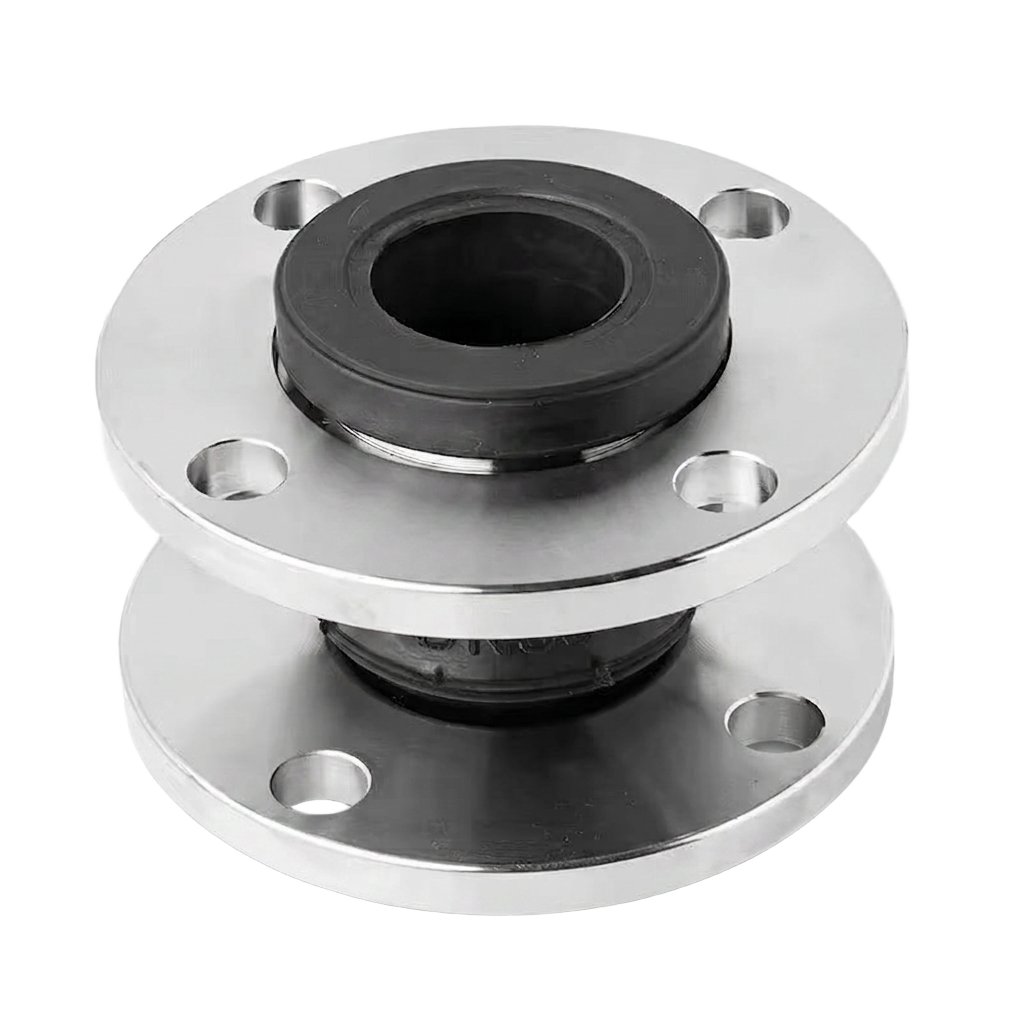
In the UK's demanding commercial building services sector, the distinction between generic imports and the quality provided by established rubber expansion bellows manufacturers is significant. These components are not merely rubber tubes; they are precision-engineered pressure vessels designed to absorb axial, lateral, and angular movement. Quality manufacturers utilize composite materials, incorporating internal reinforcements such as nylon, polyester, or steel cords, depending on the pressure rating and temperature requirements. This is particularly vital in modern plant rooms where space is at a premium and piping layouts are increasingly complex. Following BSRIA BG29 and BG50 guidelines, designers must account for the physical transitions in pipework, and sourcing from proven manufacturers ensures the bellows can withstand the system's operational lifecycle without catastrophic failure.
Choosing to partner with reputable rubber expansion bellows manufacturers allows engineers to specify materials tailored to the specific medium being transported. For example, EPDM rubber is commonly selected for LTHW and CHW systems due to its excellent resistance to heat and ageing. Conversely, NBR (Nitrile) is preferred for oil-laden environments to prevent material degradation. The manufacturing process involves rigorous vulcanization techniques that ensure a homogeneous structure capable of resisting the cycling pressures found in primary heating circuits. When M&E contractors source these components, they are buying more than a physical part; they are securing technical assurance that the material compatibility aligns with the chemical dosing regimes and system temperatures specified in the mechanical design.
Precision in the manufacturing stage also dictates the acoustic performance of the plant room. Experienced rubber expansion bellows manufacturers design their products to provide a break in the metal-to-metal contact of the pipework, which significantly reduces the transmission of structure-borne noise and high-frequency vibrations from pumps and chillers. This is a critical consideration for HVAC systems installed in hospitals, schools, or high-end residential developments where acoustic comfort is a key performance indicator. By utilizing flanged or weld-end connections manufactured to BS EN standards, these flexible joints become the first line of defence against mechanical noise, ensuring that the heavy machinery operating within the plant room does not disturb the occupants of the building above.
- Materials include high-grade EPDM for water and NBR for oil applications.
- Engineered to absorb axial, lateral, and angular thermal expansion.
- Specifically designed to reduce structure-borne noise in sensitive environments.
- Compliance with UK pressure vessel and piping standards is guaranteed.
Material Selection and BSRIA Compliance Standards
The guidance provided by BSRIA in BG29/2021 highlights the importance of system cleanliness and the management of physical stress during the pre-commissioning cleaning process. Rubber expansion bellows manufacturers play a vital role here, as their products must be robust enough to handle the bypass flow and chemical flushing required to reach the target water quality metrics. If a bellows is of inferior quality, the high-velocity flushing required by BSRIA standards can lead to internal erosion or premature swelling. Therefore, UKGP provides technical support to ensure the selected bellows—whether EPDM or PTFE lined—are compatible with the intended chemical treatment plan. This level of technical oversight is why building services consultants prefer working with manufacturers who offer transparency in their material data sheets and pressure testing certifications.
Furthermore, BS EN 14917 provides the framework for the design and manufacture of metal bellows, but for rubber variants, the focus remains on the polymer quality and the reinforcement layers. Top-tier rubber expansion bellows manufacturers ensure that every unit is pressure tested prior to dispatch to verify its integrity. In a commercial plant room, a failure of a single expansion joint can lead to significant water damage, unplanned downtime, and expensive emergency repairs. By specifying UKGP products, which come with a 2-year warranty and a range of sizes from DN15 to DN600, procurement leads can mitigate these risks effectively. The peace of mind offered by a manufacturer-backed warranty is invaluable when managing the handover of a large-scale district heating scheme or a high-rise office development.
Consulting with rubber expansion bellows manufacturers also ensures that the anchoring and guiding of the pipework are handled correctly. A flexible joint is only as effective as the pipe supports surrounding it. Without proper guiding, the bellows can squirm or over-extend, leading to rapid failure. Manufacturers provide the necessary spring rate data and movement limits that allow structural engineers to calculate the loads on main anchors. This collaborative approach ensures that the entire system expansion strategy is sound, adhering to the best practices laid out by CIBSE. Whether you require flanged rubber bellows or stainless steel alternatives for higher temperature applications, the technical data provided by the manufacturer is the foundation of a safe and reliable HVAC installation.
- BSRIA BG29 compliance during pre-commissioning cleaning phases.
- Adherence to CIBSE guidelines for pipe anchoring and guiding.
- Material compatibility checks with chemical dosing pots and water treatments.
- Verification through rigorous pressure testing and material certification.
How Rubber Expansion Bellows Manufacturers Impact System Lifespan
The longevity of a commercial heating or cooling system is inextricably linked to the quality of its expansion management. When procurement teams look for rubber expansion bellows manufacturers, they are often focused on the initial capital expenditure, but the true value lies in the reduction of life-cycle costs. A high-quality EPDM bellows from a reputable firm can last for many years, whereas a lower-grade alternative may crack or lose flexibility within months. These cracks are often the result of ozone exposure or thermal cycling beyond the rubber's elastomeric limits. UKGP Industrial understands these challenges and provides bellows designed to withstand the rigours of modern plant room operations, including the occasional pressure surges associated with pump start-ups and valve closures.
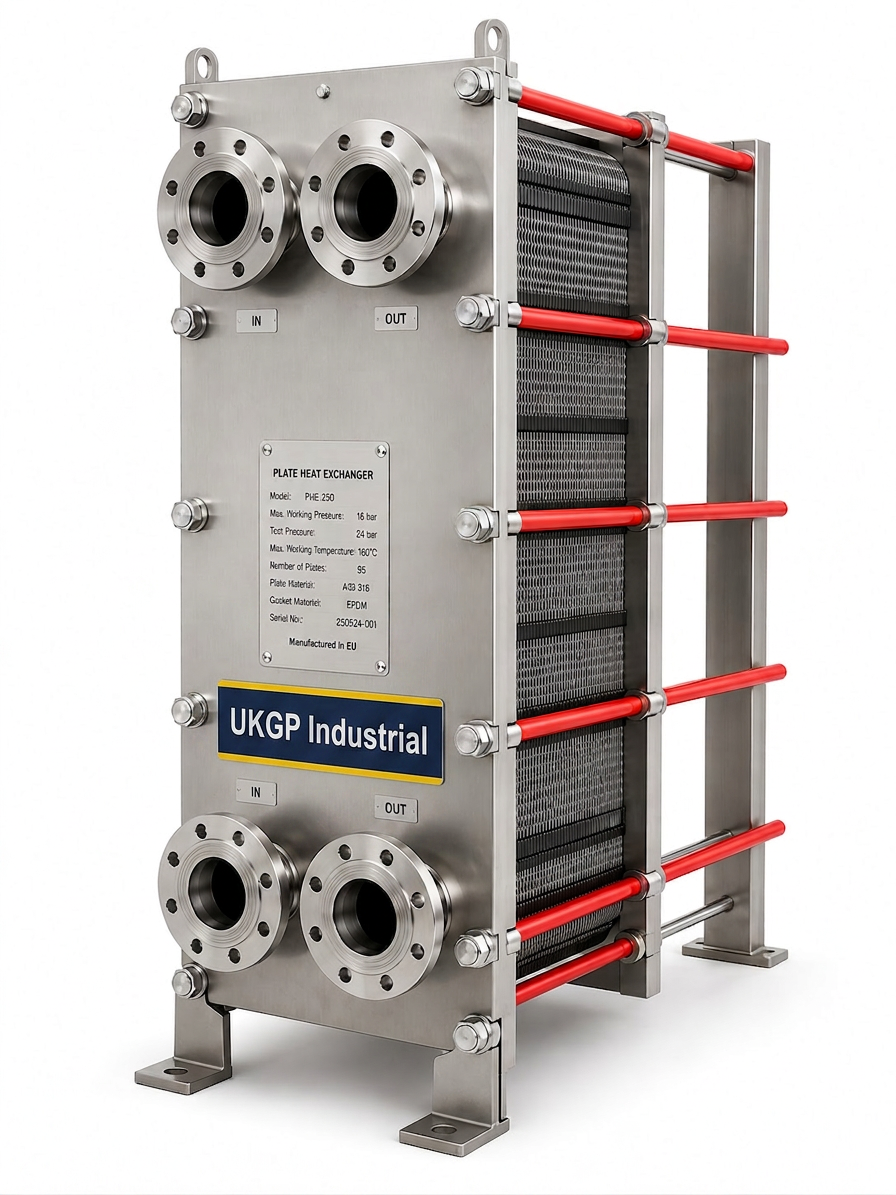
Integrity in manufacturing also prevents the ingress of oxygen and other contaminants into the system. While the bellows themselves are flexible, their connection points must remain completely airtight. Leading rubber expansion bellows manufacturers utilize precision-machined flanges that ensure a perfect seal against the mating pipework. This is essential for preventing the corrosion of internal components like plate heat exchangers and boiler heat exchangers. If air is allowed into the system through a faulty flexible connection, it can lead to the formation of magnetite and sludge, which eventually settles in low-velocity areas. By choosing a manufacturer that prioritizes seal integrity, you are protecting the entire asset base of the building's HVAC infrastructure from premature degradation.
Ultimately, the decision to source from specialist rubber expansion bellows manufacturers provides a layer of professional indemnity for the contractor. When a UKGP expansion bellows is installed, it is backed by an engineering team that understands the nuances of BS EN standards and UK building regulations. Our range spans DN15 to DN600 in multiple materials including EPDM, NBR, and PTFE, ensuring we can meet any specification. We invite M&E contractors and FMs to request a quote for our expansion bellows to see how our engineering-led approach can improve the resilience of their next project. With a 2-year warranty and technical data ready for CIBSE-compliant designs, UKGP is the partner of choice for those who cannot afford to compromise on quality.
- Reduction in life-cycle costs through enhanced durability and material science.
- Protection of sensitive equipment like plate heat exchangers from vibration stress.
- Prevention of oxygen ingress through precision-engineered flange seals.
- Availability of 2-year warranties for added commercial security.
Technical Specifications: Sizing and Pressure Ratings
Sizing is perhaps the most critical technical hurdle when interacting with rubber expansion bellows manufacturers. A bellows that is too small for the pipe diameter will cause excessive flow turbulence, while one not rated for the system's maximum operating pressure risks a blowout. In the UK, commercial systems typically operate between 6 bar and 16 bar, depending on the height of the building and the primary circuit design. Reliable manufacturers provide detailed tables showing the maximum allowable working pressure (MAWP) at various temperature points. It is crucial to remember that as temperature increases, the pressure-holding capability of rubber decreases. This relationship is why engineering consultation is necessary to ensure the right safety margins are maintained in every installation.
UKGP Industrial offers a comprehensive range of bellows from DN15 to DN600, catering to everything from small-scale residential plant rooms to massive district heating hubs. Our technical support team works with rubber expansion bellows manufacturers to ensure that every unit supplied meets the necessary PN rating (PN10, PN16, or PN25). Whether the project requires flanged ends for easy maintenance or weld-ends for a permanent, leak-proof joint, the manufacturing precision remains constant. We also offer tied bellows with limit rods, which are essential in systems where the anchors cannot take the full pressure thrust of the pipework. This engineering flexibility allows contractors to adapt to specific site constraints without compromising safety.
Beyond standard sizes, specialized rubber expansion bellows manufacturers can produce bespoke solutions for unique applications, such as high-movement requirements or particularly aggressive fluid types. For example, in systems where chemical dosing is frequent or concentrated, a PTFE-lined rubber bellows may be required to prevent corrosive attack. By providing a broad spectrum of materials and sizes, we enable procurement leads to consolidate their sourcing while maintaining high technical standards. Each product is built to last and comes with the assurance of a 2-year warranty, reflecting our confidence in the manufacturing processes used to create these vital pipework components. Requesting a quote for these high-spec items ensures your project stays on track and within budget.
- Comprehensive sizing from DN15 to DN600 for all commercial applications.
- Pressure ratings spanning PN10, PN16, and PN25 for varied system demands.
- Choice of flanged or weld-end connections to suit contractor preferences.
- Specialized PTFE linings available for aggressive chemical environments.
Installation Best Practices and Common Pitfalls
Even the best products from the most renowned rubber expansion bellows manufacturers can fail if they are installed incorrectly. One common mistake in the field is over-compressing or over-stretching the bellows during installation to compensate for poorly aligned pipework. A bellows should never be used to correct piping misalignment; it is designed to manage movemement that occurs *after* installation due to thermal shifts. Professional M&E contractors know that the pipework must be fully supported and aligned before the bellows is bolted into place. This ensures that the rubber is in its neutral state at the neutral system temperature, allowing for maximum flexibility in both expansion and contraction as the boilers and chillers cycle on and off.
Another pitfall is the failure to use backing flanges or the incorrect tightening of bolts. Leading rubber expansion bellows manufacturers specify torque settings that must be followed to avoid crushing the rubber bead, which can lead to leaks or structural failure of the joint. Furthermore, when welding near a rubber bellows, it is imperative to protect the elastomer from heat and sparks. Many failures on site are traced back to weld splatter burning through the reinforcement layers of the bellows before the system is even commissioned. By adhering to a strict installation protocol and referencing BS 8552 for water quality and system integrity, plant room engineers can significantly extend the time between maintenance intervals and prevent early-life failures.
The impact of poor installation is not just mechanical but financial. A leaked joint in a penthouse plant room can cause millions of pounds in damages to the structure below. This is why rubber expansion bellows manufacturers emphasize the importance of regular inspections. During annual FM walkthroughs, bellows should be checked for signs of 'alligatoring' or surface cracking, which indicates UV or heat degradation. If any abnormalities are found, the unit should be replaced immediately. UKGP simplifies this replacement process by stocking a huge variety of standard sizes, ensuring that FM teams can source a high-quality replacement with minimal lead time. Our 2-year warranty further protects the asset owner, ensuring that the components perform as expected in the long term.
- Ensure neutral state installation to maximize thermal movement capacity.
- Adhere to manufacturer-specified bolt torque settings to protect the bead.
- Protect rubber components from heat and sparks during nearby welding work.
- Implement annual visual inspections for surface degradation or alligatoring.
The Future of Fluid Control and Expansion Management
As the UK transitions toward low-carbon heating solutions like heat pumps, the operating conditions of plant rooms are changing. While temperatures may be lower than traditional gas-fired systems, the flow rates and pressures are often more dynamic. This shift makes the expertise of rubber expansion bellows manufacturers even more critical. New designs must account for different vibration frequencies and different thermal expansion coefficients of modern composite piping. Manufacturers are continuously innovating, creating hybrid products that combine the flexibility of rubber with the extreme temperature resistance of stainless steel or fabric. Staying ahead of these trends is essential for building services consultants who are designing the next generation of sustainable buildings.
Digital integration is also beginning to play a role in expansion management. Some forward-thinking rubber expansion bellows manufacturers are exploring the use of sensors to monitor the movement and health of expansion joints in real-time. While still in the early stages for many standard commercial projects, this level of data can provide Facilities Managers with predictive maintenance alerts before a leak occurs. In the meantime, the focus remains on traditional quality—ensuring that every bellows that leaves the factory is capable of fulfilling its 10-to-15-year design life. UKGP Industrial remains at the forefront of this industry, supplying the UK market with expansion solutions that bridge the gap between traditional reliability and modern engineering requirements.
In conclusion, selecting rubber expansion bellows manufacturers is a decision that impacts the safety, efficiency, and noise levels of a building's mechanical services. From adhering to BSRIA BG50 for system maintenance to ensuring compliance with BS EN 14917 for metal variants, the standards are clear. UKGP offers the expertise and inventory to support M&E contractors and procurement leads in making the right choice. Whether you need stainless steel, fabric, or EPDM rubber expansion bellows from DN15 to DN600, we provide the flanged or weld-end solutions your project demands. We invite you to contact us today to request a quote and secure the 2-year warranty that comes standard with our professional-grade expansion solutions.
- Adaptation to low-carbon heating systems and dynamic flow rates.
- Innovation in hybrid material bellows for high-movement applications.
- Potential for future integration with building management systems (BMS).
- Continued focus on long-term reliability and 2-year warranty assurance.
Frequently asked questions
What materials do rubber expansion bellows manufacturers typically use?
- Common materials include EPDM for hot and cold water systems, NBR for oils and fats, and PTFE-lined rubber for aggressive chemicals. The choice depends on temperature, pressure, and the medium being transported.
How can rubber expansion bellows manufacturers help with plant room noise?
- Precision-engineered bellows act as vibration isolators, breaking the metal-to-metal contact in pipework. This absorbs the high-frequency vibrations from pumps, significantly reducing structure-borne noise in the building.
What is the standard warranty for expansion bellows in the UK?
- While many suppliers offer only 12 months, UKGP Industrial provides a 2-year warranty on our expansion bellows, covering sizes DN15 to DN600 in rubber, stainless steel, and fabric variants.
Do rubber expansion bellows meet BSRIA BG29 standards?
- Yes, high-quality bellows from reputable manufacturers are designed to withstand the chemical cleaning and high-velocity flushing procedures outlined in BSRIA BG29 and BG50 without degrading.
Can I use rubber bellows for high-temperature steam applications?
- Standard rubber bellows are typically rated up to 100°C or 110°C. For high-temperature steam, rubber expansion bellows manufacturers usually recommend upgrading to stainless steel or specialized fabric bellows.