Technical Role of a Reflex Rubber Expansion Joint for Concrete
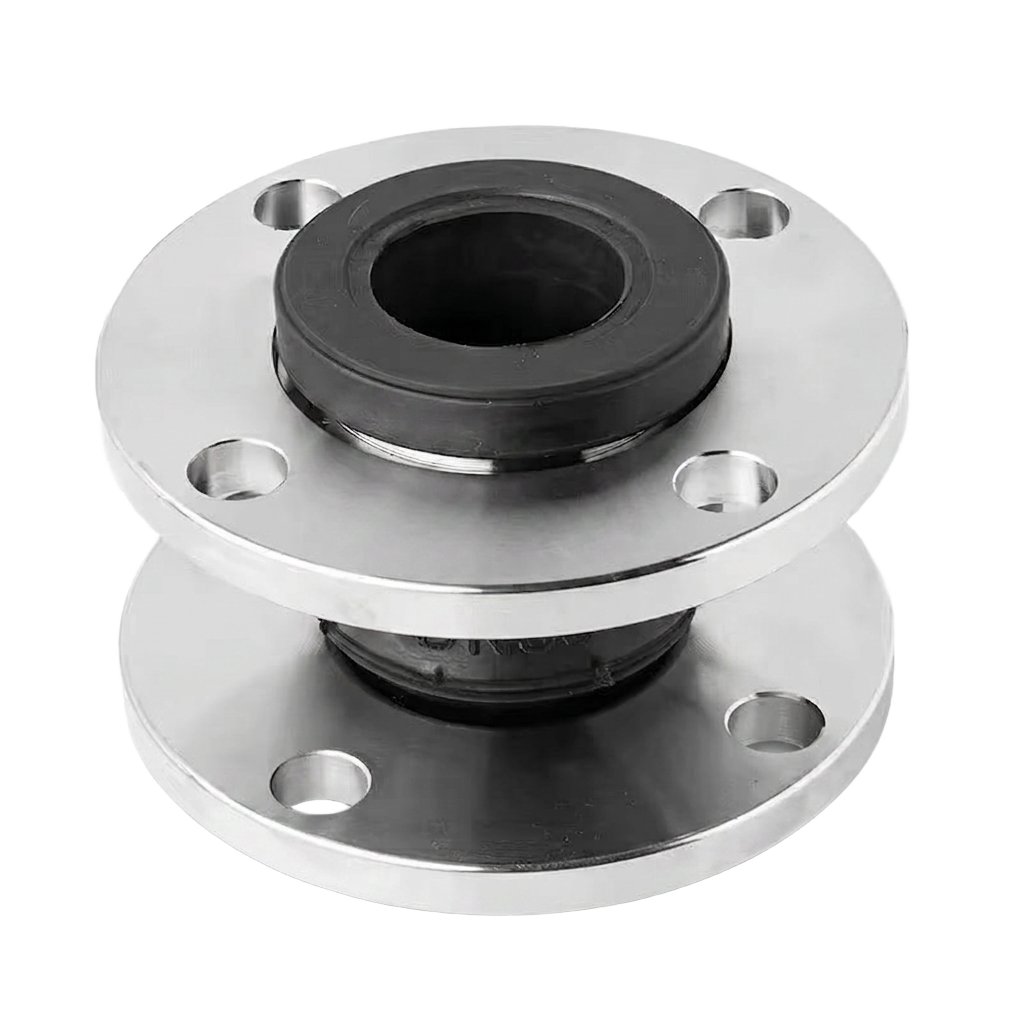
In modern mechanical and electrical installations, the requirement for a reflex rubber expansion joint for concrete often arises when pipework transitions through building foundations or structural slabs. These components act as a critical buffer, absorbing the axial, lateral, and angular movements that occur during thermal cycling. In large commercial developments across London and the Home Counties, the stresses generated by temperature fluctuations in LTHW or CHW systems can cause significant fatigue to rigid pipework if not properly isolated. A reflex rubber expansion joint for concrete ensures that these forces are not transmitted directly to the building fabric, preventing cracks in the concrete and potential shear failure in the pipe supports. This is particularly vital in high-rise constructions where vertical expansion requires precise calculation and robust hardware.
When engineering these systems, consultants must refer to CIBSE Guide AM14, which outlines the necessity for flexible connections in HVAC infrastructure. The reflex rubber expansion joint for concrete serves as more than just a movement absorber; it also acts as a vibration dampener, isolating heavy plant noise from the main skeletal structure of the building. By decoupling the mechanical equipment from the concrete floor slab, engineers reduce the transmission of structure-borne noise, which is a key performance indicator in residential apartments and commercial office spaces. UKGP Industrial specializes in providing technical guidance on selecting the correct elastomer for these environments, ensuring that the selected joint can withstand the specific chemical and pressure parameters of the project while maintaining an airtight seal against the structural interface.
Choosing a reflex rubber expansion joint for concrete requires a deep understanding of the chemical compatibility of the rubber compound and the curing agents used in the concrete. Standard EPDM or NBR elastomers are common, but specific industrial applications might require specialized materials to prevent degradation. UKGP provides a 2-year warranty on our expansion solutions, giving M&E contractors the assurance that the equipment installed today will perform reliably through years of thermal cycling. Whether you are dealing with a new build basement plant room or a retrofit within an aging industrial facility, the integration of a reflex rubber expansion joint for concrete is a non-negotiable step in modern system design. Failure to account for these movements often leads to expensive remedial works under BSRIA BG50 maintenance protocols, making early specification essential for procurement leads.
- Primary protection against thermal axial expansion and structural settlement.
- Mitigation of structure-borne noise and mechanical vibration.
- Compliance with CIBSE AM14 guidelines for flexible pipework connections.
- Prevention of aesthetic and structural cracking in plant room floor slabs.
Material Selection and BS EN Standards
The performance of a reflex rubber expansion joint for concrete hinges entirely on the quality of its construction and the alignment with British Standards. BS EN 14917 provides the framework for the design and testing of expansion joints, ensuring they can handle the specified pressure and temperature ranges. At UKGP, we manufacture expansion bellows in various materials including EPDM for standard heating systems and NBR for oil-contaminated environments. When a reflex rubber expansion joint for concrete is positioned in a buried or cast-in application, the durability of the outer cover is just as important as the inner liner. It must resist moisture ingress and the alkaline environment typical of concrete structures. Our technical team works closely with plant-room engineers to verify that every component meets these stringent requirements before delivery.
For procurement leads, the long-term value of a high-quality reflex rubber expansion joint for concrete is found in its operational life expectancy. Lower-quality alternatives often suffer from elastomer hardening or reinforcement fatigue, leading to premature failure and system downtime. By specifying UKGP expansion bellows, which are available from DN15 to DN600, engineers gain access to a product range that supports both small-scale commercial boilers and massive industrial chillers. These units come with flanged or weld-end connections to suit any installation preference. Ensuring that the chosen reflex rubber expansion joint for concrete matches the pressure rating of the system—often PN10 or PN16 in UK commercial buildings—is a fundamental step that our technical documentation covers in granular detail to avoid onsite installation errors.
Furthermore, BS 8552 monitoring of water quality is impacted by the integrity of flexible joints. If a reflex rubber expansion joint for concrete fails, it can introduce oxygen or contaminants into a sealed system, accelerating corrosion in heat exchangers and boilers. Therefore, selecting a joint with a known heritage and a 2-year warranty is a strategic decision for Facilities Managers tasked with the lifecycle management of a building. UKGP Industrial ensures that all rubber expansion joints are tested to exceed standard operating pressures, providing a safety margin that is essential for critical infrastructure. In the procurement phase, verifying the origin and testing certification of your reflex rubber expansion joint for concrete will mitigate risks during the commissioning phase handled by BSRIA BG29 water treatment specialists.
- Available in EPDM, NBR, and specialized PTFE or fabric versions.
- Full compliance with BS EN 14917 design and safety standards.
- Corrosion-resistant flanged or weld-end terminations for all sizes.
- Operational safety margins for high-pressure commercial LTHW systems.
Installation Best Practices in Concrete Environments
Proper installation of a reflex rubber expansion joint for concrete is just as important as the specification itself. M&E contractors must ensure that the pipework is correctly anchored on either side of the expansion joint. Without robust anchoring, the internal pressure of the system could force the joint to extend beyond its design limits, leading to catastrophic failure. When installing a reflex rubber expansion joint for concrete, the joint should never be used to compensate for pipework misalignment. This is a common error in plant rooms where space is tight; however, forcing a joint into a misaligned gap introduces permanent stress into the rubber matrix. Our technical data sheets provide precise tolerances for allowable lateral and angular deflection, which must be adhered to during the fit-out phase to ensure the 2-year warranty remains valid.
Another critical factor is the proximity of the reflex rubber expansion joint for concrete to structural walls or floors. If the joint is to be located near a concrete penetration, an oversized sleeve should be used to allow for the movement of the pipe without friction against the concrete. The reflex rubber expansion joint for concrete itself remains accessible for annual inspection, as required by BSRIA BG50. If the joint is hidden within a structural void, inspection hatches must be provided. Engineers should also consider the use of tie bars on the expansion joint to control movement and prevent over-extension under surge conditions. This is particularly relevant in pump rooms where the start-up torque of major commercial pumps can create significant hydraulic shock throughout the distribution network.
Finally, thermal insulation must be applied carefully around the reflex rubber expansion joint for concrete. While the pipework requires lagging for energy efficiency, the rubber joint must be allowed to dissipate heat naturally to avoid heat-soaking the elastomer, which can reduce its flexibility over time. UKGP recommends specialist expansion joint jackets that allow for movement while maintaining thermal performance. By following these practical installation steps, contractors can ensure that the reflex rubber expansion joint for concrete performs its role effectively, protecting the building's infrastructure. For projects requiring bespoke solutions, UKGP offers a range of bellows from DN15 to DN600, ensuring we have the right fit for every specific plant room challenge across the UK's diverse commercial building stock.
- Ensure rigid anchoring of pipework to prevent over-extension of the joint.
- Strict adherence to misalignment tolerances to preserve elastomer integrity.
- Provision of access for periodic inspection according to BSRIA BG50.
- Use of tie bars to manage hydraulic surge and structural movement.
Impact of Water Quality on Expansion Joints
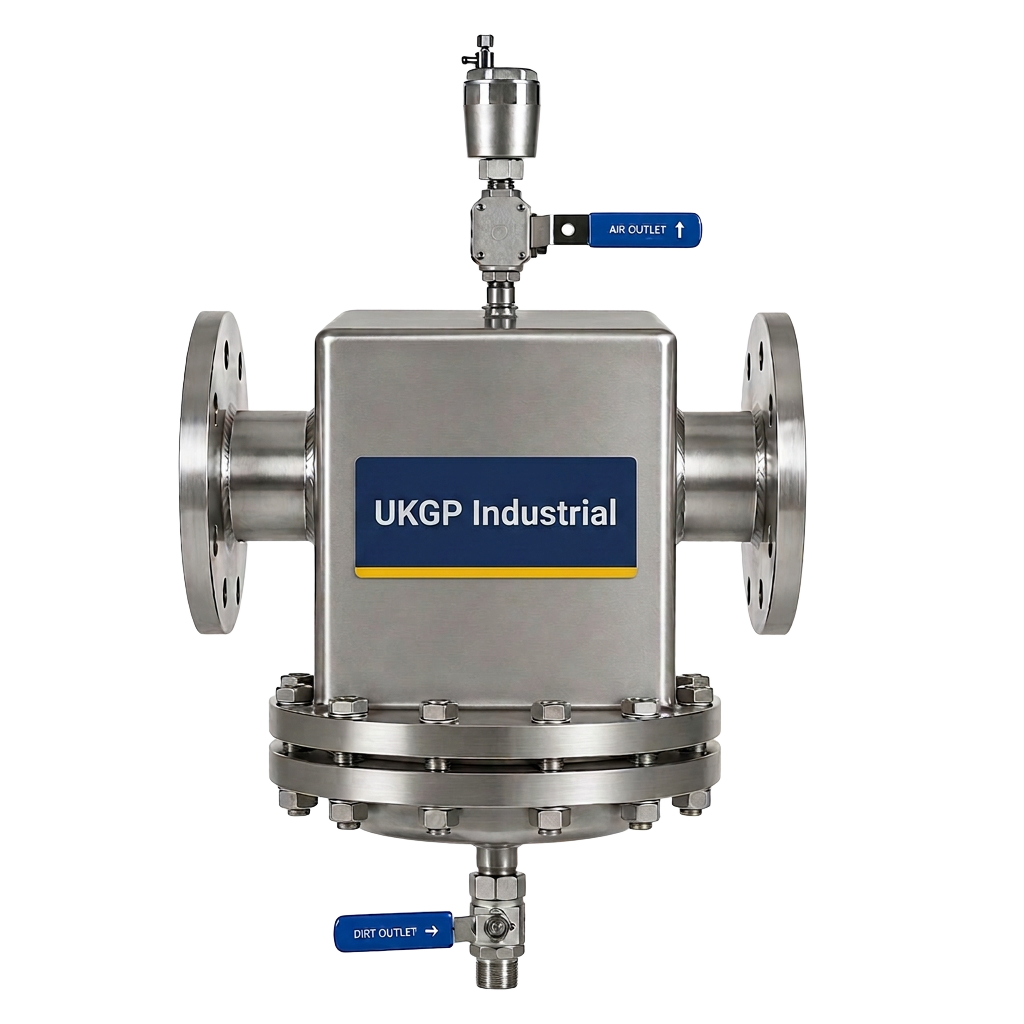
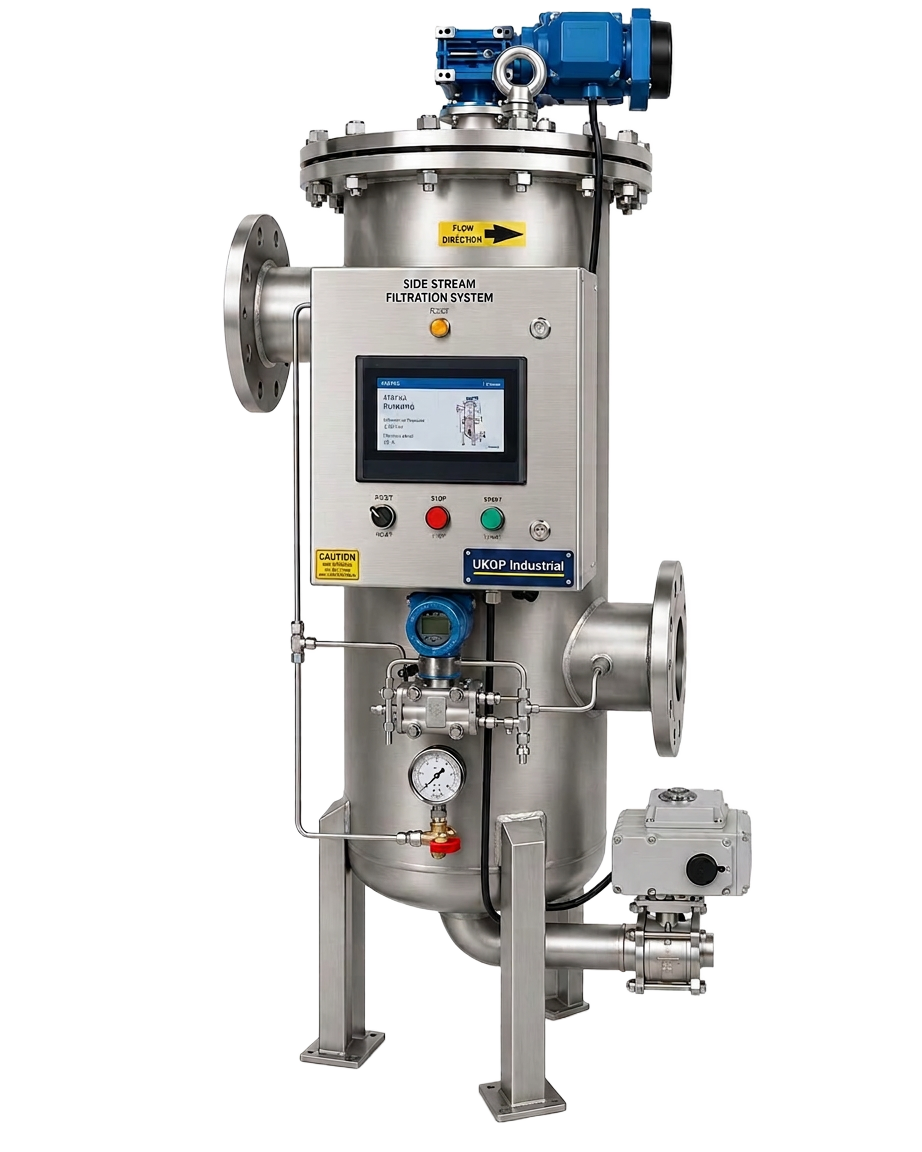
System water quality, governed by BSRIA BG29 and BG50, plays a surprisingly direct role in the longevity of a reflex rubber expansion joint for concrete. If the system water is incorrectly treated, chemical erosion can degrade the internal liner of the rubber joint. For instance, high levels of dissolved oxygen or improper dosing of corrosion inhibitors can lead to the rubber becoming brittle. This is why UKGP emphasizes the importance of a holistic approach to plant room health. Integrating high-efficiency side stream filtration and air & dirt separators alongside your reflex rubber expansion joint for concrete ensures that the water remains clear of abrasive magnetite and corrosive gases. These contaminants can settle in the convolutions of the bellows, causing localized stress points and eventually leading to a breach in the pressure boundary.
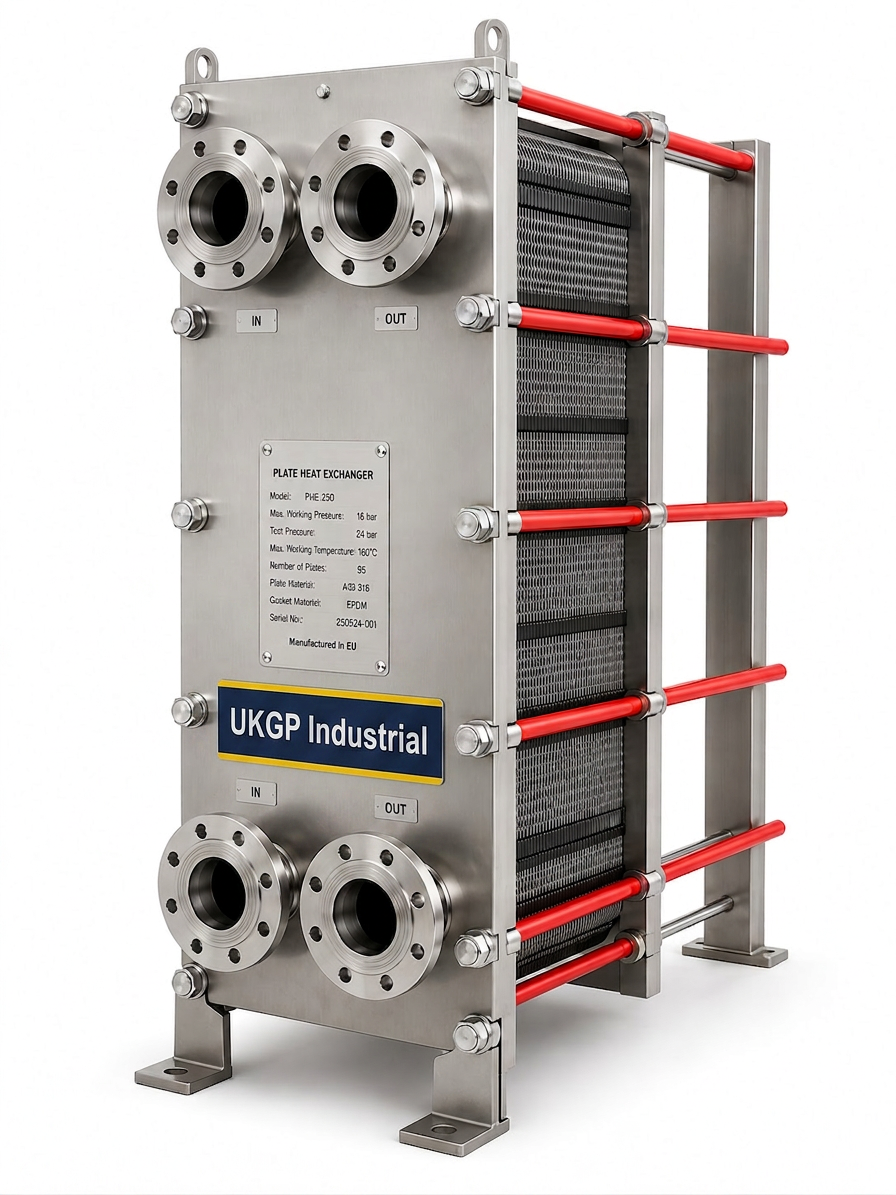
When a reflex rubber expansion joint for concrete is used in a system with plate heat exchangers, the cleanliness of the water is even more paramount. Debris that might have been bypassed by poor filtration can lodge in the narrow channels of the heat exchanger or within the flexibility zones of the expansion joint. To prevent this, we recommend the installation of London-manufactured side stream filtration units. These units remove suspended solids down to sub-micron levels, protecting every component from the expansion bellows to the high-efficiency boiler headers. A clean system ensures that the reflex rubber expansion joint for concrete remains flexible and responsive to thermal changes, as it is not encrusted with mineral scale or biological growth, which is a common issue in poorly maintained CHW systems.
Furthermore, the use of chemical dosing pots is essential for introducing the correct levels of inhibitors to protect both the metallic and elastomeric components of the circuit. A reflex rubber expansion joint for concrete is an investment in the building's longevity, and its performance is tied to the chemical balance of the fluid it carries. UKGP provides the full suite of plant room equipment to support this, from DN15 to DN600 bellows to sophisticated pH sensors that provide real-time data on system health. By maintaining the water chemistry within the parameters defined by BS 8552, engineers can significantly extend the service life of their expansion joints and reduce the frequency of costly plant room shutdowns. Contact our Surrey office for a quote on a complete system protection package.
- Avoid chemical degradation of elastomers through BG29/BG50 compliance.
- Prevent debris accumulation in bellows convolutions via side stream filtration.
- Ensure consistent inhibitor levels with dedicated chemical dosing pots.
- Protect sensitive heat exchanger surfaces through improved fluid purity.
Hydraulic Balance and Expansion Coordination
In complex commercial HVAC circuits, hydraulic balance and expansion management must be coordinated to avoid pressure spikes that could damage a reflex rubber expansion joint for concrete. The use of low loss headers is a common strategy to decouple primary and secondary circuits, which helps in stabilizing flow rates and pressures. When the pressure is stabilized, the reflex rubber expansion joint for concrete operates within its intended design envelope without being subjected to the erratic fluttering caused by mismatched pump speeds. This synergy between hydraulic components and expansion hardware is what separates a high-performing plant room from one plagued by frequent leaks and noise complaints. UKGP Industrial specializes in the supply of both headers and expansion solutions to ensure this compatibility is baked into the design.
During the commissioning phase, the reflex rubber expansion joint for concrete should be monitored as the system reaches its peak operating temperature. Changes in pressure can cause the bellows to search for its neutral position, and any resistance from the concrete interface or poorly placed supports will be immediately apparent. Our expansion bellows, available in stainless steel, PTFE, and fabric as well as rubber, are designed to handle these transitions smoothly. For engineers, have the peace of mind that a UKGP reflex rubber expansion joint for concrete comes with a 2-year warranty, which covers the crucial post-occupancy period where most thermal expansion issues come to light. This commercial awareness makes UKGP the preferred partner for M&E contractors working on high-value BREEAM rated developments.
Lastly, procurement teams must consider the logistics of sourcing these components. UKGP maintains a robust stock of units from DN15 to DN600, significantly reducing lead times for critical project milestones. When ordering a reflex rubber expansion joint for concrete, specifying the exact flange drilling (e.g., PN16 or Table E) and the required movement capability ensures that the delivery matches the site requirements perfectly. Our technical sales team in Surrey can assist in selecting the most cost-effective yet technically superior expansion bellows for your specific concrete-integrated application. By consolidating your order for expansion joints, air and dirt separators, and dosing pots with a single UK manufacturer, you streamline the procurement process and ensure consistent technical support across the entire HVAC installation.
- Coordinate with low loss headers to ensure stable system pressures.
- Monitor expansion bellows during initial thermal ramp-up for alignment.
- Available in a wide range of sizes from DN15 up to DN600.
- Streamline procurement with UK-based stock and expert technical support.
Cost-Benefit Analysis for Facilities Managers
From a lifecycle cost perspective, the reflex rubber expansion joint for concrete is a high-yield investment. Failure of a single expansion joint in a high-density office building can lead to tens of thousands of pounds in water damage, structural repairs to concrete, and system downtime. By choosing a UKGP reflex rubber expansion joint for concrete, FM teams reduce the likelihood of these catastrophic events. The 2-year warranty provides a safety net during the initial years of operation, while the robust build quality ensures the product exceeds its expected service life. Proactive replacement of aged or weathered common joints with a high-spec reflex rubber expansion joint for concrete is often more cost-effective than reactive repairs, especially in critical finance or healthcare environments where downtime is not an option.
Modern building management systems (BMS) can also be supported by integrating pH sensors and transmitters to monitor the health of the system water, which in turn preserves the reflex rubber expansion joint for concrete. When FM teams have real-time visibility into the fluid conditions, they can prevent the elastomer from being exposed to harsh chemical spikes or excessive acidity. This data-driven approach to maintenance aligns with BS 8552 and ensures that the expansion bellows remain as flexible as the day they were installed. UKGP Industrial is committed to helping UK facilities managers transition to these smarter, more reliable maintenance models by offering technical advice on compatibility and the best replacement schedules for expansion joints.
In summary, the specification of a reflex rubber expansion joint for concrete should not be overlooked as a minor detail in a large-scale project. It is the component that allows the entire mechanical system to ‘breathe’ within its concrete shell. For contractors, consultants, and procurement leads across the UK, UKGP Industrial offers the expertise and the hardware needed to get this right the first time. Our range of expansion bellows, spanning rubber EPDM/NBR, stainless steel, and PTFE, ensures that regardless of the medium or the environment, we have a solution that fits. Request a quote today to see how our Surrey-based team can support your next industrial or commercial HVAC project with durable, British-standard compliant expansion solutions.
- Significant reduction in insurance risks related to water damage.
- Enhanced lifecycle with high-grade EPDM and NBR elastomer options.
- Integration with BMS via pH sensors for advanced health monitoring.
- Strong ROI through reduced emergency maintenance and system downtime.
Frequently asked questions
What is the primary function of a reflex rubber expansion joint for concrete?
- The primary function is to absorb thermal expansion, contraction, and mechanical vibration in pipework, preventing these forces from being transmitted to the concrete structure and causing cracks or pipe fatigue.
What sizes are available for UKGP expansion bellows?
- We supply expansion bellows in sizes ranging from DN15 to DN600, with options for rubber, stainless steel, PTFE, or fabric construction and a standard 2-year warranty.
Does a reflex rubber expansion joint for concrete require maintenance?
- According to BSRIA BG50, expansion joints should be inspected annually for signs of elastomer hardening, cracking, or leakage, and to ensure that anchors and guides remain secure.
Can these joints be used for both heating and cooling systems?
- Yes, our reflex rubber expansion joints are suitable for LTHW, CHW, and various industrial fluid applications, provided the elastomer (EPDM or NBR) is correctly matched to the fluid's temperature and chemical composition.
What standards do UKGP expansion joints comply with?
- Our products are designed and tested in accordance with relevant British and European standards, including BS EN 14917, ensuring they meet the safety and performance requirements for UK commercial plant rooms.