The Role of Rectangular Expansion Bellows in Modern Ducting
In the UK building services sector, maintaining the integrity of large-scale ductwork requires a deep understanding of thermal expansion and system vibration. Rectangular expansion bellows are specifically designed to bridge the gap in non-circular ducting systems, providing the necessary flexibility to absorb axial, lateral, and angular movements. Unlike standard circular bellows, the rectangular variety must manage bespoke stress concentrations at the corners, making the selection of geometry and reinforcement critical for long-term reliability. Engineers must consider the internal media, whether it be ambient air, high-temperature flue gas, or chemically laden exhaust, to determine the most suitable construction material for the application.
From a commercial perspective, failing to specify the correct rectangular expansion bellows can lead to premature joint failure, resulting in costly system downtime and potential breaches in air hygiene standards. UKGP Industrial emphasises that these components are not merely passive connectors but active safety features that protect fans, AHUs, and sensitive instrumentation from mechanical fatigue. By incorporating these bellows into the initial design phase, M&E contractors can ensure compliance with BSRIA BG29 and BG50 guidelines regarding system cleanliness and mechanical stability. A well-specified bellows unit acts as a buffer, preventing the transmission of noise and vibration through the building's structural framework.
When procurement leads evaluate options, they often find that custom-engineered solutions are required to meet specific site dimensions. While standard sizes exist, the unique nature of HVAC ducting often necessitates a bespoke approach to flange drilling and face-to-face lengths. At UKGP Industrial, we provide technical consultancy to ensure that every unit supplied matches the exact pressure and temperature requirements of the project. Whether you are retrofitting an existing plant room or designing a new commercial development in Surrey or London, our team ensures that your thermal compensation strategy is robust and future-proofed against the rigours of modern building operation.
- Absorption of multi-axial thermal growth
- Reduction of mechanical vibration from primary plant
- Prevention of ductwork buckling and joint leakage
- Compliance with BS EN 14917 design standards
Material Selection: Fabric vs. Metallic Bellows
Choosing between fabric and metallic materials for rectangular expansion bellows depends heavily on the operating temperature and the required pressure rating. Fabric bellows are frequently chosen for low-pressure HVAC applications due to their exceptional flexibility and ability to handle large movements in a short face-to-face distance. These are often constructed from multi-layer technical textiles, including glass cloth or PTFE coatings, depending on chemical exposure. For ducting systems where gas temperatures exceed 200 degrees Celsius, such as CHP exhausts or industrial ovens, metallic rectangular bellows manufactured from stainless steel offer the required heat resistance and structural rigidity.
The corner configuration of a rectangular bellows is its most vulnerable point; hence, specialized designs like rounded or mitered corners are employed to distribute stress more evenly. Metallic options are typically heavier and require more robust support structures within the ductwork run. In contrast, fabric options are lighter but may require internal flow liners to protect the material from high-velocity particles or turbulent air. UKGP Industrial recommends a thorough review of the system's 'upset' conditions—not just the normal operating range—to ensure the chosen material can withstand temporary spikes in temperature or pressure without compromising the airtight seal.
For plant room engineers, ease of installation is a major factor in material selection. Fabric bellows can often be delivered as a single continuous belt or as an open-ended strip to be joined on-site around existing ductwork, which significantly reduces the need for extensive disassembly. However, for high-pressure secondary circuits or safety-critical smoke extract, the durability of a stainless steel or EPDM-lined metallic unit is often preferred. We encourage engineers to consult our technical data sheets to compare the cycle life of different materials, ensuring that the specified component aligns with the projected 20-year lifespan of the building services infrastructure.
- Fabric bellows for high flexibility and low pressure
- Stainless steel for high temperature and durability
- Internal liners for erosion protection in high-velocity air
- EPDM and NBR options for chemical and moisture resistance
Correct Positioning of Rectangular Expansion Bellows
The placement of rectangular expansion bellows within a ducting run is governed by the location of fixed points and guides. To allow the bellows to function correctly, the ductwork must be anchored in a way that directs thermal expansion into the joint rather than allowing it to exert force on the surrounding structure. According to CIBSE guidelines, failure to provide adequate guiding can lead to the bellows squirming or buckling under pressure. It is best practice to place the bellows as close as possible to a main anchor point, followed immediately by first and second guides at specific intervals as dictated by the pipe or duct diameter.
In complex plant rooms with limited space, engineers often face the challenge of accommodating large rectangular ducts around existing services. In these scenarios, the bellows must be selected not only for their thermal properties but also for their ability to handle lateral offset. If a rectangular duct is expected to move in two planes, the bellows must be designed with sufficient clearance to prevent the internal liners from binding against the duct walls. UKGP Industrial provides detailed installation manuals to assist M&E contractors in achieving the correct pre-set and alignment during the commissioning phase of the project.
Monitoring these joints post-installation is a key requirement of BSRIA BG50. Regular inspections should check for signs of fatigue, such as cracking in fabric layers or deformation in metallic convolutions. When rectangular expansion bellows are installed near high-vibration equipment like centrifugal fans, it is vital to check that the flange bolts remain torqued to the manufacturer’s specifications. Our bellows range, spanning DN15 to DN600 and beyond for custom rectangular sizes, is built to withstand these demanding conditions, backed by a 2-year warranty to provide peace of mind to facility managers and building owners across the UK.
- Proximity to fixed anchor points for movement control
- Alignment with secondary and intermediate guides
- Allowance for lateral offset in congested plant rooms
- Accessibility for routine maintenance and BSRIA inspections
Technical Resilience and Pressure Testing
Pressure testing is a non-negotiable step in confirming the safety of a ducting installation. For rectangular expansion bellows, the internal pressure exerts a force that tends to blow the bellows open, known as pressure thrust. The ducting supports must be capable of resisting this thrust; otherwise, the bellows will extend beyond its design limit and fail. At UKGP Industrial, we ensure that every unit supplied meets the rigorous standards set out in BS EN 14917, providing full traceability and material certification for our flanged or weld-end configurations. This level of technical rigour is essential for high-rise developments where ductwork failure can have catastrophic implications.
We also consider the impact of environmental factors, such as external corrosion in coastal or industrial locations. For such environments, we offer PTFE and fabric bellows that are immune to atmospheric corrosion, as well as stainless steel units with protective coatings. Procurement leads should note that while the initial cost of a high-specification bellows might be higher, the total cost of ownership is significantly lower when factoring in the avoidance of leaks and structural repairs. Our expansion bellows are designed to be fit-and-forget solutions, provided they are selected according to the precise parameters of the static and dynamic loads of the system.
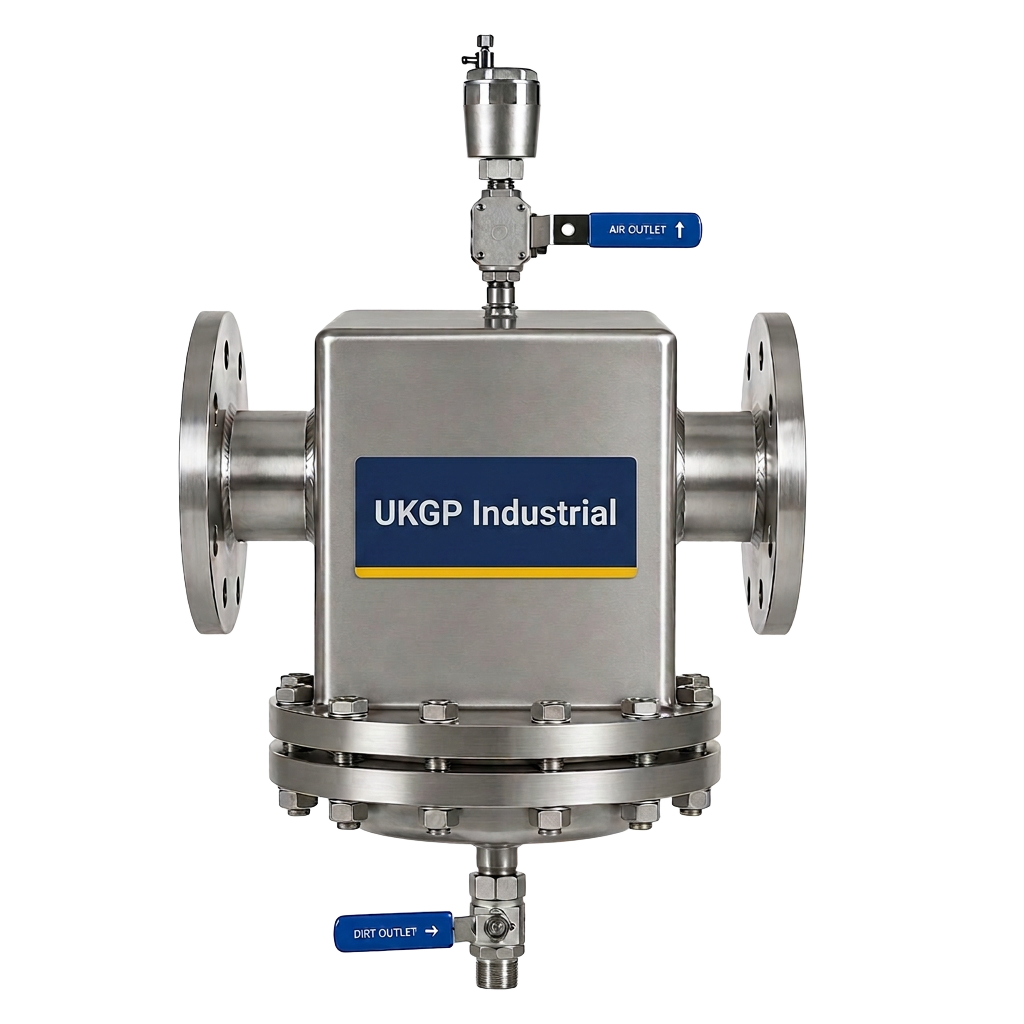
Beyond the bellows themselves, UKGP Industrial provides a full suite of plant room solutions. For example, ensuring the medium inside the ducting or pipework is free from contaminants can extend the life of all downstream components. While bellows handle the physical movement, our air and dirt separators manage the fluid quality, illustrating our holistic approach to system health. By integrating our high-quality rectangular expansion bellows with our broader range of Surrey-stocked products, contractors can source a complete, compatible package from a single trusted UK supplier, simplifying the procurement process and ensuring technical consistency across the entire mechanical installation.
- Calculation of pressure thrust for support design
- Material traceability and BS EN certification
- Environmental protection against atmospheric corrosion
- Integration with holistic system health strategies
Design Considerations for Custom Rectangular Sizes
When specifying rectangular expansion bellows, one of the most frequent challenges is the 'aspect ratio' of the duct. A very wide but shallow duct will behave differently under pressure than a square duct. The long sides of a rectangular bellows tend to bulge more significantly, which may require the addition of external reinforcing bars or internal support rings to maintain the rectangular profile. UKGP Industrial’s engineering team works closely with consultants to calculate these forces, ensuring that the bellows convolutions remain effective over thousands of thermal cycles. This bespoke engineering is what sets our Surrey-manufactured units apart from generic off-the-shelf alternatives.
Acoustic performance is another critical secondary function of rectangular expansion bellows. In commercial office spaces or hospitals, the hum of large ventilation systems can be disruptive. A properly selected bellows acts as a decoupling joint, breaking the metallic path through which sound travels. This is particularly important for ductwork connected to heavy-duty fans or air handling units. By choosing the correct EPDM or fabric composition, engineers can achieve significant decibel reduction, contributing to the overall comfort and CIBSE-compliant indoor air quality of the building. Our units are tested to ensure they meet the acoustic demands of modern noise-sensitive environments.
Finally, consideration must be given to the flange connection. Rectangular ductwork often uses specialized flange profiles like Mez or DW144 standards. Our rectangular expansion bellows can be supplied with custom-drilled flanges to match any existing or new-build ducting specification. This flexibility simplifies the work of M&E contractors on-site, reducing the time spent on modifications and ensuring a perfect, leak-free fit first time. If you are looking for a quote on expansion bellows—including rubber EPDM/NBR, stainless steel, or PTFE variants from DN15 to DN600—UKGP Industrial offers the technical expertise and 2-year warranty necessary to secure your project's success.
- Correction for duct aspect ratio and bulging
- Acoustic decoupling for noise-sensitive buildings
- Custom flange drilling to DW144 or bespoke standards
- Reduced on-site modification time for contractors
Lifecycle and Maintenance of Rectangular Bellows
The lifecycle of rectangular expansion bellows is intrinsically linked to the frequency of thermal cycling and the quality of the initial installation. In systems that undergo rapid heating and cooling, such as intermittent industrial processes, the bellows are subject to higher stress than in constant-volume HVAC systems. UKGP Industrial recommends a biannual inspection schedule to identify any signs of 'set' or hardening in rubber components. By identifying these issues early, facility managers can plan for replacements during scheduled shutdowns rather than reacting to emergency failures. Our 2-year warranty provides a baseline of quality, but with correct maintenance, our units frequently exceed their design life.
Maintenance teams should also be aware of the impact of internal cleaning procedures on bellows integrity. If a ducting system is being chemically cleaned or flushed, the compatibility of the bellows material must be verified. High concentrations of certain cleaning agents can degrade NBR or fabric liners if they are not specified for chemical resistance. This is where our expertise in pH sensors and transmitters and chemical dosing pots becomes relevant; we understand the chemistry of the fluids and gases passing through your systems and can advise on the most resilient bellows material to withstand your specific maintenance regime.
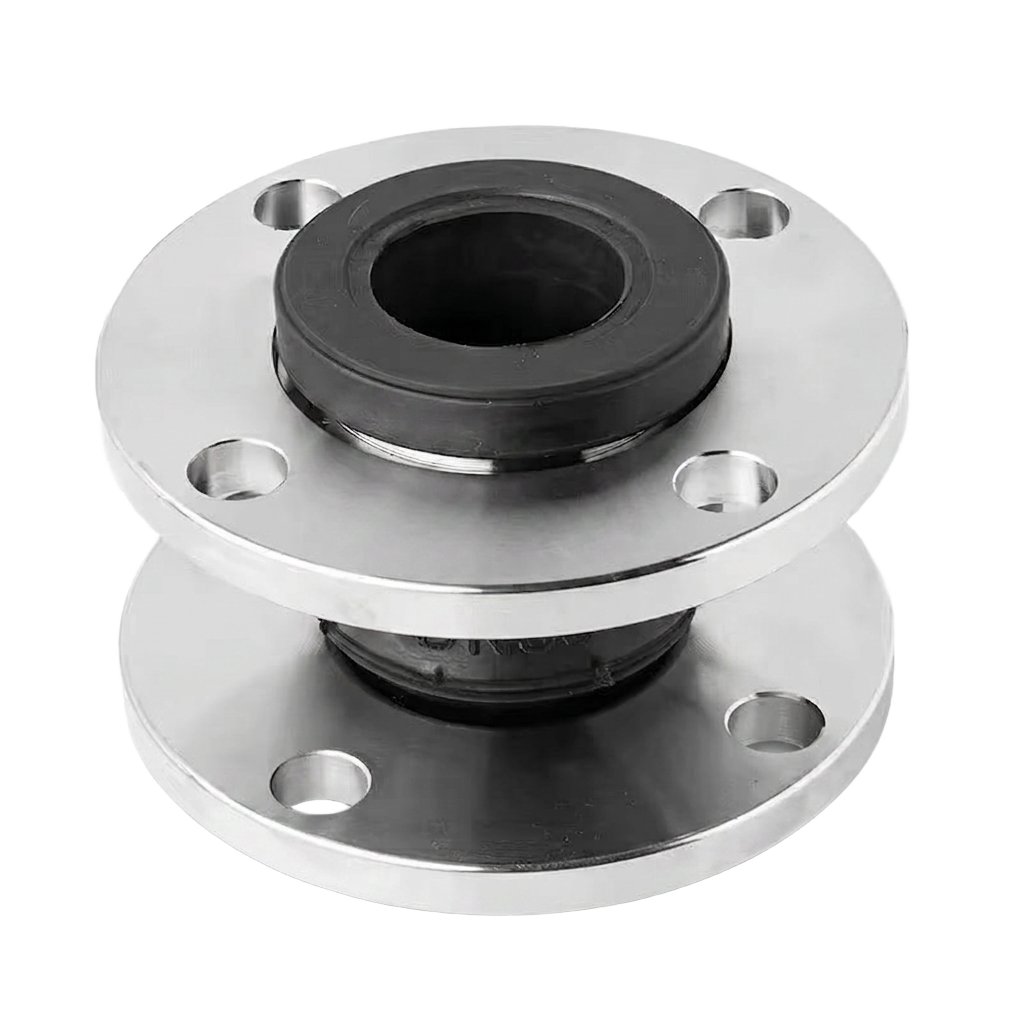
In summary, the selection of rectangular expansion bellows is a critical decision for any building services project involving large-scale ductwork. By focusing on material suitability, movement requirements, and pressure limits, engineers can ensure a durable and efficient installation. UKGP Industrial remains the UK's premier partner for these components, offering a blend of technical support and high-quality manufacturing. Whether your project requires standard rubber flanged bellows or complex metallic rectangular units, our Surrey-based team is ready to provide a competitive quote and the engineering assurance you need to deliver a successful M&E package.
- Biannual inspections for thermal fatigue
- Verification of chemical compatibility for cleaning
- Planned replacement cycles to avoid system downtime
- Expert technical support from UKGP Industrial's Surrey team
Frequently asked questions
What is the maximum temperature a rectangular expansion bellows can handle?
- The temperature limit depends on the material; fabric bellows can handle up to 1000°C for flue gas applications, while stainless steel units are ideal for high-heat industrial ducting. Standard EPDM or NBR rubber bellows are typically rated up to 100-120°C.
Can rectangular bellows be used in high-pressure systems?
- Yes, but they require reinforcement. Rectangular shapes are naturally weaker under pressure than circular ones, so we often add external reinforcing bars or internal rings to maintain structural integrity in high-pressure ducting.
Do you offer custom sizes for rectangular expansion bellows?
- Absolutely. While we provide standard sizes from DN15 to DN600, we specialize in bespoke rectangular bellows tailored to the specific dimensions and flange requirements of your HVAC ductwork or industrial exhaust system.
What is the typical lead time for an expansion bellows quote?
- At UKGP Industrial, we pride ourselves on a fast turnaround. Most standard quotes are provided within 24 hours, and our Surrey-based technical team can assist with complex specifications to ensure you get the right product for your project.
Are your rectangular bellows compliant with UK building standards?
- Yes, all our expansion bellows are manufactured to meet relevant standards such as BS EN 14917 and support compliance with BSRIA BG29 and BG50 guidelines for building services maintenance and installation.