Defining the mechanical purpose of expansion bellows
In the sphere of building services and plant-room engineering, the fundamental purpose of expansion bellows is to accommodate the inevitable dimensional changes that occur within a piping network due to thermal fluctuations. As liquids or gases heat up, the metallic or plastic conduits conveying them undergo linear expansion; conversely, cooling leads to contraction. Without a dedicated mechanism to absorb this movement, the resulting axial, lateral, or angular stresses would be transferred directly to sensitive equipment like pumps and boilers. By installing these flexible connectors, engineers ensure that the system remains fluid-tight and structurally sound during every thermal cycle, preventing the buckling that often occurs in rigid, over-constrained pipework layouts.
Furthermore, the purpose of expansion bellows extends to the isolation of mechanical vibrations generated by rotating machinery. High-capacity pumps and chillers naturally produce high-frequency oscillations that can travel through the piping, leading to premature fatigue of joints and annoying acoustic noise throughout the commercial building. Bellows manufactured from materials like EPDM or NBR rubber provide excellent damping properties, decoupling the vibration source from the rest of the distribution network. This is particularly critical in modern hospitals and residential high-rises where CIBSE noise criteria must be strictly observed to maintain occupant comfort and adhere to local environmental health regulations concerning noise pollution.
Beyond mere movement, a major purpose of expansion bellows in industrial settings is to compensate for slight pipework misalignments during the initial installation or subsequent building settlement. While BSRIA BG29 and BG50 guidelines emphasize precision during pre-commissioning cleaning and installation, minor deviations are often unavoidable. A high-quality bellows unit, such as those supplied by UKGP Industrial, provides the necessary flexibility to bridge these gaps without inducing external loads on flanges. For procurement leads focused on long-term asset management, investing in a robust expansion solution means lower maintenance overheads and a significantly reduced risk of emergency shutdowns caused by stress-induced system breaches or flange leaks.
- Absorption of axial expansion and contraction
- Mitigation of lateral and angular pipework displacement
- Reduction of mechanical noise and vibration transfer
- Protection of sensitive plant-room equipment flanges
- Compensation for minor installation misalignments
Thermal stress and the purpose of expansion bellows
Thermal expansion is a non-negotiable law of physics that every M&E contractor must account for. When steam or high-temperature hot water (HTHW) flows through a steel pipe, the material can expand by several millimetres per metre. In a long run of rigid pipework, this volume of expansion creates incredible forces known as thermal thrust. The purpose of expansion bellows in this scenario is to act as a 'controlled weak point' or a flexible spring that compresses under pressure, thereby keeping the overall force within the limits that the pipe anchors and guides can safely withstand. Failing to specify the correct bellows type can lead to distorted pipes or even structural damage to the building's core due to redirected energy.
Engineering standards such as BS EN 14917 provide the framework for the design and testing of metal bellows, ensuring they can handle the cyclic nature of commercial HVAC systems. The primary purpose of expansion bellows here is to provide a reliable service life over thousands of cycles without fatigue failure. UKGP Industrial offers expansion bellows in stainless steel, PTFE, and fabric, covering sizes from DN15 to DN600. This variety ensures that whether a system is transporting aggressive chemicals or standard LTHW, there is a material-appropriate solution available. These units come with a 2-year warranty, reflecting a confidence in their ability to withstand the rigorous demands of British plant-rooms and industrial processing facilities.
When consulting BSRIA BG50 for the management of water quality in closed heating and cooling systems, it becomes clear that physical integrity is intrinsically linked to chemical stability. If a system develops leaks due to thermal stress, the resulting ingress of fresh, oxygenated water can trigger rapid corrosion. Therefore, the purpose of expansion bellows is also indirectly related to corrosion control; by maintaining a sealed, flexible system, you minimize the need for water make-up and the subsequent introduction of dissolved gases. This holistic approach to system design, combining mechanical flexibility with chemical dosing pots for water treatment, ensures that the infrastructure remains efficient and cost-effective for the entirety of its projected operational lifespan.
- Management of thermal thrust in high-temperature lines
- Compliance with BS EN 14917 design standards
- Material compatibility for diverse fluid types
- Reduction in system leaks and water make-up requirements
- Extended lifespan for anchors and pipe guides
Material selection for specific commercial applications
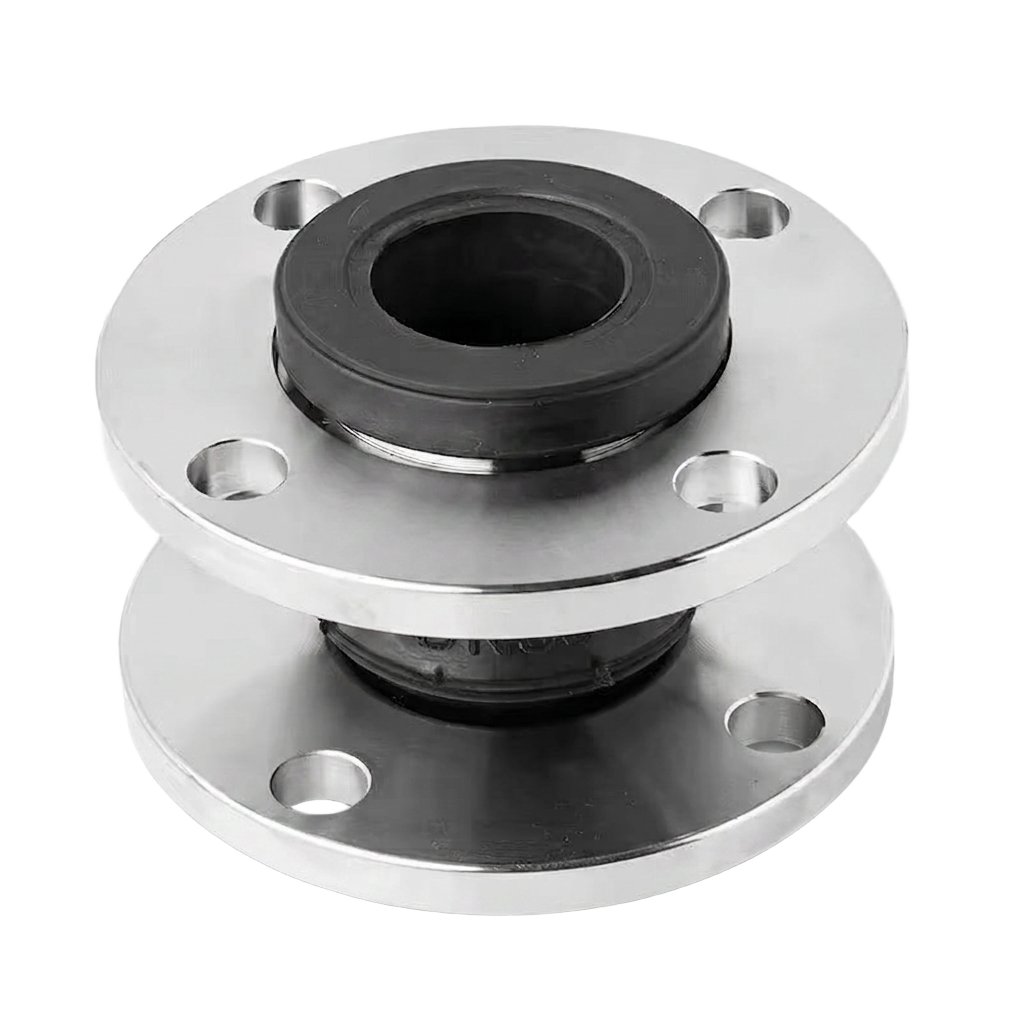
The specific purpose of expansion bellows dictates the material choice, ranging from EPDM rubber for standard water systems to PTFE for corrosive environments. Rubber bellows are highly prized in commercial HVAC for their ability to absorb noise and multi-directional movement simultaneously. Within a standard plant-room, these are often the go-to choice for DN15 to DN600 flanged connections. Stainless steel bellows, conversely, are essential where temperatures exceed the limits of synthetic elastomers or where higher pressures are present. Understanding these distinctions is vital for MEP consultants who must specify components that adhere to the building's fire safety and insurance requirements while meeting the technical demands of the fluid being transported.
For specialized industrial applications, such as chemical processing or food manufacturing, PTFE and fabric expansion bellows serve a unique purpose. PTFE offers nearly universal chemical resistance, making it ideal for systems where stainless steel might succumb to pitting or stress corrosion cracking. Fabric bellows are often utilized in large-scale ducting systems where low-pressure air or flue gases are moved, and significant lateral and axial flexibility is required. In all cases, selecting the correct bellows involves a detailed analysis of the working pressure, maximum temperature, and the expected range of movement, ensuring the chosen unit will provide the necessary protection for the duration of its installed life.
UKGP Industrial provides a comprehensive range of these solutions, offering flanged or weld-end configurations to suit any onsite requirement. Whether you are dealing with a small-bore DN15 residential secondary return or a DN600 main header in a district heating scheme, our technical team assists in identifying the correct unit. With a 2-year warranty and high-specification manufacturing, these bellows are designed to integrate seamlessly into modern UK building services. By contacting the UKGP team for a bespoke quote, engineers can ensure they are getting a component that not only fits perfectly but is also optimized for the specific thermal and mechanical stresses inherent in their unique project.
- Rubber EPDM/NBR for noise and vibration damping
- Stainless steel for high-pressure and high-temp cycles
- PTFE options for superior chemical resistance
- Fabric bellows for large-scale ducting flexibility
- Available in DN15 to DN600 flanged or weld-end
Installation best practices and BS standards
Proper installation is as crucial as the hardware itself to ensure the purpose of expansion bellows is fully realized. According to industry best practices and BS EN standards, bellows must never be used to compensate for significant pre-existing misalignments unless specifically designed for that movement. Over-stretching a bellows during installation to make two ends meet can lead to internal stresses that shorten the unit's lifespan. Furthermore, the use of proper guides and anchors is mandatory; without these, a bellows under pressure will simply extend fully like a piston, potentially causing the very pipework failure it was intended to prevent. Accurate positioning of the first and second pipe guides is essential for axial bellows stability.
Regular inspection of expansion bellows should be integrated into the Facility Management schedule, particularly following the initial commissioning phase described in BSRIA BG29. Over time, the flexible elements can show signs of aging, such as 'crazing' in rubber or fatigue cracks in metallic convolutions. Ensuring that these components are accessible for visual inspection allows for proactive maintenance before a failure occurs. In high-stakes environments like data centres or hospitals, where downtime is not an option, the 2-year warranty provided by UKGP Industrial offers peace of mind, but it must be paired with competent system design and professional installation to be truly effective in a commercial context.
Contractors should also consider the external environment when selecting bellows. In coastal areas or industrial zones with high atmospheric salt or pollutants, the exterior of the bellows can be subject to external corrosion. In these instances, specifying stainless steel or providing protective shrouds can further the purpose of expansion bellows by shielding the sensitive convolutions from environmental degradation. By working closely with a UK-based supplier like UKGP, procurement leads can source high-spec components that are tailored to the British climate and architectural landscape, ensuring that the critical infrastructure remains robust against both internal thermal forces and external environmental challenges during its service life.
- Mandatory use of pipe guides and fixed anchors
- Avoidance of pre-stretching during installation
- Compliance with BSRIA BG29 commissioning procedures
- Visual inspection for signs of fatigue or crazing
- Consideration of environmental corrosion factors
Protecting expensive plant with flexible joints
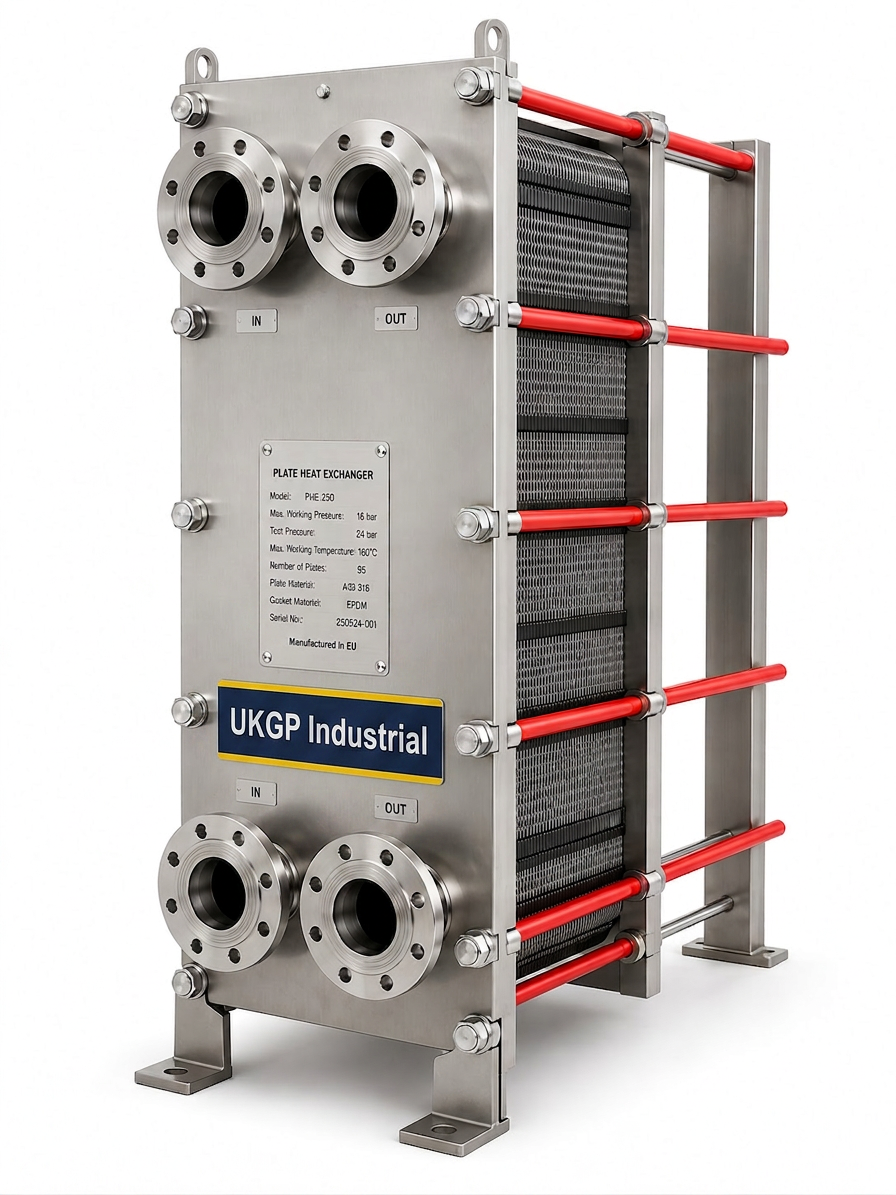
The financial justification for expansion bellows is clear: protecting the 'heart' of the building—the plant-room equipment. Plate heat exchangers, high-efficiency boilers, and chillers are all precision-engineered but physically sensitive to external loads. If the purpose of expansion bellows is ignored, these multi-thousand-pound assets must absorb the thermal expansion of the entire pipework run. This can lead to cracked heat exchanger plates or distorted boiler casings, resulting in expensive repairs and voided warranties. By placing a bellows at the equipment interface, the contractor decouples the heavy pipework from the machine, ensuring that only the fluid, not the mechanical stress, enters the unit's entry points.
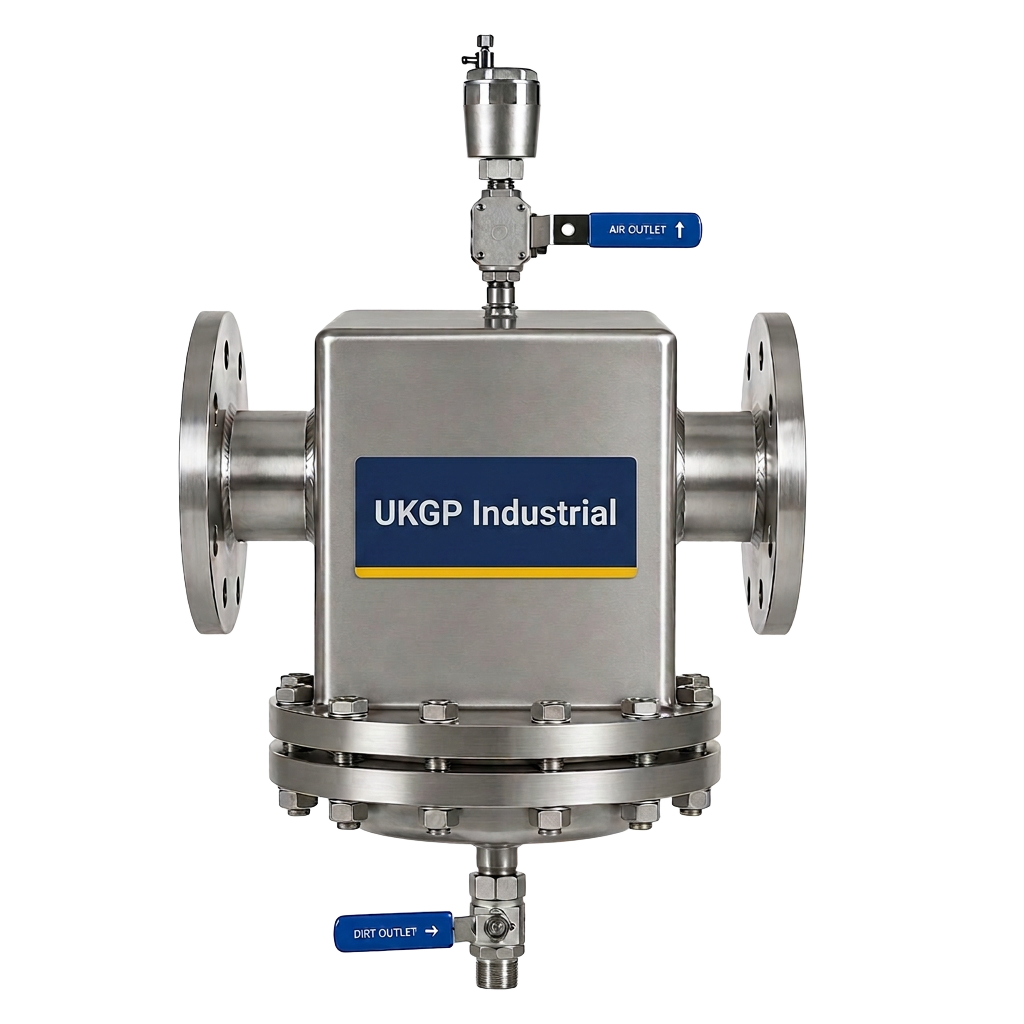
In modern district heating systems or large commercial complexes, the hydraulic pressures can be significant. Standard accessories like air & dirt separators and flow headers also benefit from the presence of flexible joints. When the purpose of expansion bellows is integrated into the hydraulic design, the vibration from high-velocity water flow is dampened, reducing the wear and tear on internal diverters and sensing equipment. Professionals must look at the system as a dynamic organism rather than a static assembly; flexibility is the key to longevity in any system that operates across a wide temperature range. This proactive approach saves the end-user significant lifecycle costs by extending the time between major plant overhauls.
Ultimately, for the M&E contractor, recommending and installing a UKGP expansion bellows is a sign of engineering diligence. Our range, spanning from DN15 to DN600, ensures that no matter the scale of the facility, there is a protective solution available. With flanged and weld-end options, these bellows fit into any modern or legacy system with ease. When you request a quote for our expansion bellows, you are not just buying a component; you are investing in a 2-year warranted insurance policy against the stresses of thermal expansion and mechanical vibration. This commitment to quality ensures that the primary purpose of expansion bellows—system reliability—is upheld for the long term in any British commercial or industrial setting.
- Decoupling heavy pipework from precision equipment
- Prevention of cracked plates in heat exchangers
- Support for system longevity in district heating
- Integrated vibration damping for flow headers
- Cost-effective protection against voided equipment warranties
Conclusion: The vital role of flexible piping components
In conclusion, the purpose of expansion bellows cannot be overstated in the context of modern UK building services. From the smallest DN15 domestic water service to a massive DN600 industrial steam line, these components are the essential 'lungs' of a piping system, allowing it to breathe as temperatures and pressures fluctuate. By absorbing axial, lateral, and angular movements, they prevent the destructive forces of thermal expansion from compromising the integrity of the building’s infrastructure. They are equally vital in noise sensitive areas, providing the necessary acoustic isolation that modern building standards demand for occupants in commercial and residential properties throughout Surrey and the wider UK.
Technical professionals, including consultants and FMs, must ensure they specify bellows that meet or exceed the relevant British and European standards like BS EN 14917 and BS 8552. Reliability starts with material selection—whether it is EPDM, NBR, stainless steel, or PTFE—and ends with a correct installation that respects the physical limits of the component. UKGP Industrial is proud to support the UK engineering community with high-quality expansion bellows that come with a 2-year warranty and a pedigree of performance in some of the country's most demanding environments. Our expert team is always available to discuss the technical nuances of your particular project to ensure the most appropriate solution is selected for your needs.
Whether you are upgrading an existing plant-room or embarking on a high-spec new build, integrating expansion bellows is a fundamental step toward building a resilient system. Don't leave your pipework to chance; manage the inevitable forces of physics with precision-engineered products. We invite you to explore our full range of expansion solutions and contact us for a detailed technical quote today. By choosing UKGP Industrial, you are partnering with a Surrey-based supplier that understands the unique challenges of the UK B2B market, providing products that stand the test of time and maintain the efficiency and safety of your mechanical services for decades to come.
- Fundamental for both new builds and legacy retrofits
- Direct impact on meeting CIBSE noise criteria
- Sourcing from a trusted Surrey-based UK supplier
- Expert technical support for bespoke project needs
- Consistent performance across all UK climatic conditions
Frequently asked questions
What is the primary purpose of expansion bellows?
- The primary purpose of expansion bellows is to absorb thermal expansion and vibration in piping systems, preventing stress on joints and equipment.
What materials are expansion bellows available in?
- They are available in various materials including rubber (EPDM/NBR), stainless steel, PTFE, and fabric, depending on the pressure and temperature requirements.
What sizes can UKGP supply for expansion bellows?
- UKGP Industrial supplies expansion bellows from DN15 up to DN600, with both flanged and weld-end connection options.
Is a warranty provided for UKGP expansion bellows?
- Yes, all our expansion bellows come with a 2-year warranty to ensure long-term reliability and peace of mind for building occupants and owners.
Which standards govern expansion bellows in the UK?
- They are typically designed and installed in accordance with BS EN 14917, and their use is recommended in BSRIA BG29 and BG50 for system maintenance.