Understanding the role of ptfe expansion bellows in modern systems
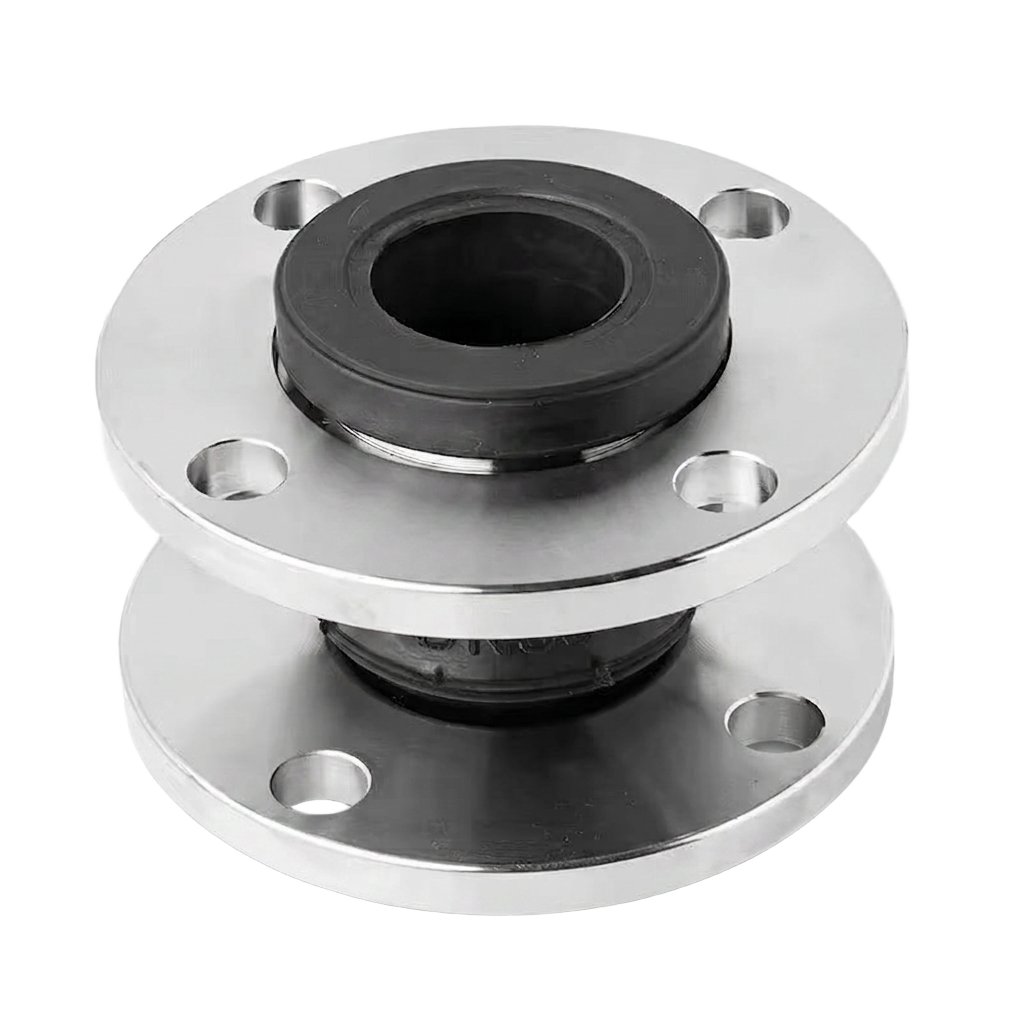
In modern mechanical engineering and plant-room design, the management of thermal expansion is a non-negotiable safety requirement. Standard rubber expansion joints often fail when exposed to volatile chemicals, concentrated acids, or high-purity fluids found in specific industrial processes. This is where ptfe expansion bellows become indispensable, offering a chemically inert solution that prevents catastrophic pipework failure. By utilizing Polytetrafluoroethylene, these bellows provide a non-stick surface and a virtually universal resistance to chemical attack, which is essential for compliance with stringent health and safety regulations across the UK. Designers must account for the specific axial, lateral, and angular movements that the system will undergo during thermal cycling to select the correct configuration for long-term service life.
When consulting BSRIA BG29 and BG50 guidelines regarding water treatment and system cleanliness, the role of material compatibility cannot be overstated. Standard metallic or elastomer joints may leach contaminants or degrade when specific corrosion inhibitors or aggressive cleaning agents are introduced during the pre-commissioning cleaning phase. The use of ptfe expansion bellows ensures that the expansion management system remains unaffected by these chemical interventions. Furthermore, the low friction coefficient of PTFE reduces the stress on the surrounding pipework and anchors, leading to a more robust overall design. Engineering teams must ensure that every component, from the bellows to the flanged connections, meets the pressure and temperature ratings required for the specific media being transported through the system to avoid premature mechanical fatigue.
Choosing UKGP Industrial for your expansion requirements means accessing a breadth of technical expertise tailored to the UK market. Our ptfe expansion bellows are designed to withstand the rigours of aggressive chemical environments while providing the flexibility needed for complex pipework layouts. Whether you are dealing with concentrated sulphuric acid or high-purity deionised water, these bellows offer a reliable barrier against leaks and structural stress. We supply these units in various configurations, ensuring that they integrate seamlessly into your plant-room design. By focusing on high-quality materials and precision manufacturing, we help M&E contractors and consultants deliver projects that stand the test of time, reducing the total cost of ownership by extending the MTBF (Mean Time Between Failure) for critical infrastructure components.
- Virtually universal chemical resistance across a wide pH range.
- High temperature stability suitable for diverse industrial processes.
- Low friction properties to minimize stress on anchors and guides.
- Non-contaminating material ideal for pharmaceutical and food grade apps.
- Available in multiple convolutions to handle specific movement requirements.
Material Compatibility and Chemical Resistance Performance
The primary advantage of ptfe expansion bellows lies in the material's molecular structure, which provides an almost total immunity to chemical degradation. In industrial heating and cooling circuits where aggressive dosing chemicals are utilized, standard EPDM or NBR bellows may undergo swelling or hardening. PTFE remains stable, ensuring that the flexibility of the expansion joint is not compromised over time. CIBSE guidelines often highlight the importance of material selection in corrosive environments, and PTFE represents the gold standard for such challenges. It is essential to verify that the flanged ends and any internal sleeves are also compatible with the media, often requiring stainless steel or PTFE-lined hardware to match the performance of the bellows itself.
When specifying projects in the UK, engineers must frequently cross-reference material properties with BS EN standards to ensure safety and longevity. The ptfe expansion bellows supplied by UKGP Industrial are engineered to meet these rigorous demands, providing a safety factor that conventional materials cannot match. This is particularly relevant in systems where the chemical concentration may fluctuate or where high-velocity fluids are present. The smooth internal bore of a PTFE-lined joint prevents the buildup of deposits, which is a common cause of turbulence and localized erosion in standard metallic expansion joints. By maintaining a clear and consistent flow profile, these bellows contribute to the overall efficiency of the pumping system and reduce energy consumption.
Beyond chemical resistance, thermal stability is a hallmark of PTFE. It can operate effectively across a broad temperature spectrum without the risk of thermal degradation or 'shaking' often associated with lesser polymers. For procurement leads and plant-room engineers, this means fewer replacements and reduced downtime during scheduled maintenance intervals. Our technical team at UKGP Industrial can provide detailed submittal data for our range of ptfe expansion bellows, ensuring that your design exceeds the performance criteria set out by the client. We understand that in pharmaceutical or high-tech manufacturing, even a minor leak caused by chemical incompatibility can lead to catastrophic financial losses, which is why we prioritize material integrity in every unit we supply.
- Exceptional resistance to oxidising agents and strong solvents.
- Operates reliably in temperatures ranging from cryogenic to 200 degrees C.
- Prevents media contamination in high-purity water systems.
- Resistant to UV radiation and atmospheric aging for external installations.
- Meets stringent requirements for low-permeability in gas applications.
Installation Best Practices and BS EN Compliance
Correct installation of ptfe expansion bellows is as critical as the selection process itself. Given the relatively delicate nature of the PTFE material compared to stainless steel, installers must ensure that the bellows are not over-stretched or compressed beyond their design limits during fit-up. Following the guidance in BS EN 14917 regarding the design and installation of metal bellows, similar principles of alignment and anchoring apply to PTFE variants. Pipework must be accurately guided to prevent lateral shear stress, which can lead to tearing of the PTFE convolutions. Using limit rods or control units is highly recommended to protect the bellows from unexpected pressure surges or thermal shocks that could exceed the rated movement capacity of the joint.
Before commissioning, it is vital to inspect the internal and external surfaces of the ptfe expansion bellows for any signs of mechanical damage. Even small scratches can become stress concentrators during thermal cycling, potentially leading to a rupture. UK contractors should ensure that any mating flanges are flat and free from burrs to provide a consistent sealing surface. Unlike rubber bellows which have an integrated flange face, PTFE joints often require specific backing flanges to distribute the bolt load evenly. This ensures a leak-tight seal without over-compressing the PTFE material. Documentation as per BSRIA BG29 should record the installation and initial testing phases to provide a clear audit trail for the facility management team during the lifecycle of the building.
At UKGP Industrial, we provide expansion bellows ranging from DN15 to DN600, available in flanged or weld-end configurations. Our units come with a 2-year warranty, reflecting our confidence in the durability of our products. For contractors looking to secure a quote, we offer competitive lead times and technical support to ensure the correct specification is met. When installing ptfe expansion bellows, always ensure that the system is properly anchored. The bellows are the weakest point in the system by design—to absorb movement—and without robust fixed points, the internal pressure will attempt to straighten the bellows, leading to catastrophic failure of the pipework supports and the joint itself.
- Prioritise precision alignment to prevent lateral shear stress.
- Utilise limit rods to prevent over-extension of the PTFE convolutions.
- Verify flange flatness to ensure a consistent and leak-free seal.
- Always follow BS EN installation standards for expansion joints.
- Document every stage of installation for future FM maintenance audits.
Integrating expansion joints with water quality management
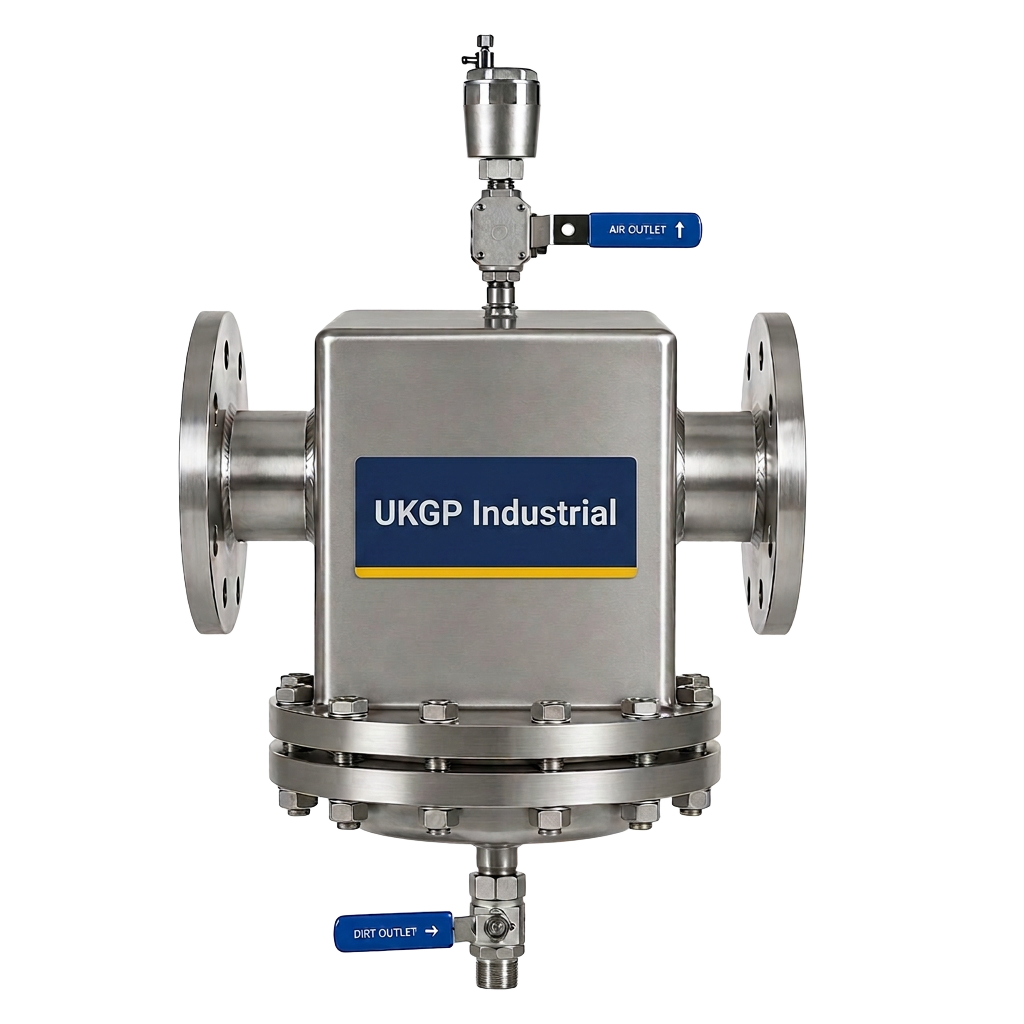
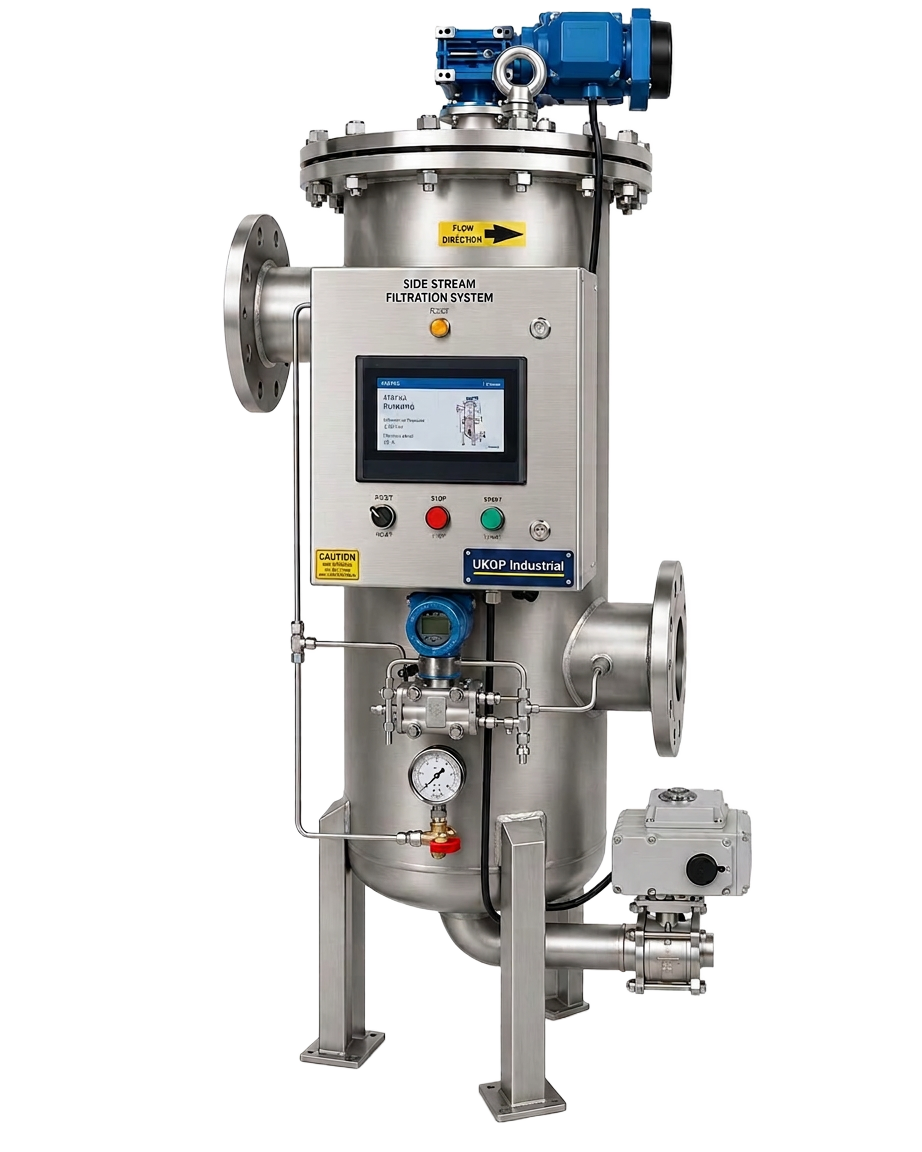
While expansion management focuses on physical movement, it is inextricably linked to water quality and corrosion control. In a closed-loop system, the introduction of air or dirt can accelerate the degradation of metallic components. This is why we recommend pairing your expansion solution with our UKGP air & dirt separators and side-stream filtration units. By maintaining a clean system, you reduce the risk of abrasive particles damaging the delicate convolutions of the ptfe expansion bellows. When suspended solids are minimized, the velocity of the fluid remains consistent, and the laminar flow through the bellows is preserved. This integrated approach ensures that both the mechanical and chemical health of the system are prioritized.
The interaction between chemical dosing and expansion joints is a critical consideration for FM teams. Chemical dosing pots allow for the safe introduction of inhibitors, but these chemicals must be compatible with the bellows material. Specifying ptfe expansion bellows provides a safety margin against accidental over-dosing or the use of aggressive biocides required to combat microbiological growth. Monitoring the pH levels within the system using accurate sensors and transmitters allows for real-time adjustments, further protecting the infrastructure. If the pH shifts significantly, metallic bellows may suffer from pitting corrosion, whereas PTFE remains unaffected, maintaining system uptime and protecting the capital investment in the plant room equipment.
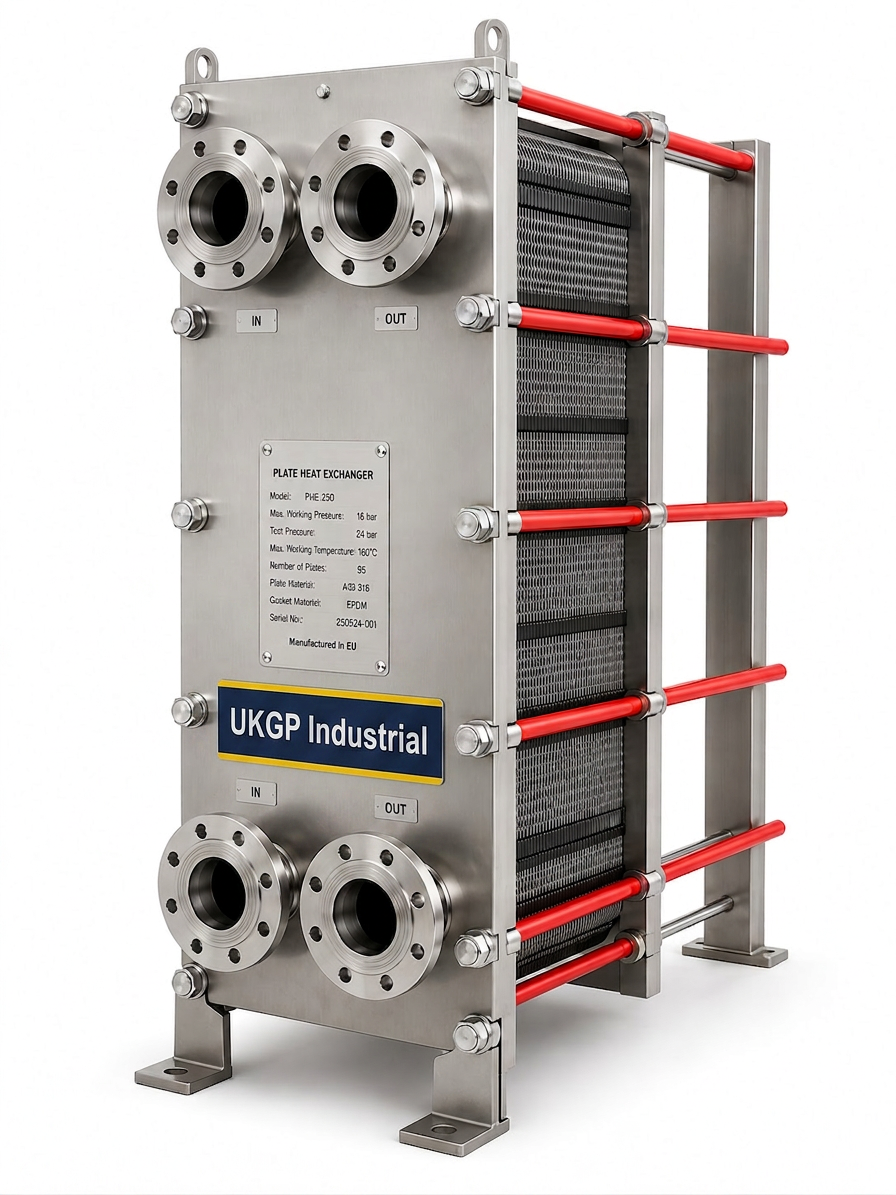
Efficient heat transfer also relies on the integrity of these components. If an expansion joint fails, the resulting shutdown affects the performance of plate heat exchangers and other critical heating/cooling plant. By choosing the right ptfe expansion bellows, you are securing the reliability of the entire thermal circuit. UKGP Industrial offers a comprehensive suite of products that work in harmony to deliver high-performance building services. From expansion bellows to low loss headers, we provide the technical building blocks required for modern, efficient, and durable HVAC and industrial systems. We invite procurement leads and engineers to contact us for a full system review and a tailored quote for our chemical-resistant range.
- Remove abrasive debris to protect bellows from internal erosion.
- Match chemical inhibitors with bellows material compatibility.
- Use air and dirt separation to maintain laminar flow profiles.
- Monitor pH levels to prevent unintended damage to metallic system parts.
- Ensure all components are rated for the system's chemical cleaning cycles.
Technical considerations for DN15 to DN600 sizing
Sizing a ptfe expansion bellows requires more than just matching the pipe diameter. The expansion capacity is a function of the number of convolutions and the material thickness. For smaller bore pipework (DN15 to DN50), the bellows must be extremely flexible to absorb movement without transferring high loads to sensitive lab equipment or glassware. Conversely, larger diameters (DN300 to DN600) require reinforced PTFE designs to handle the significant pressure thrust forces associated with larger surface areas. UKGP Industrial supplies a full range of sizes, ensuring that whether you are working on a small scale pilot plant or a large commercial district heating project, we have the appropriate expansion solution in stock or available on short lead times.
Pressure ratings are another critical factor. As temperature increases, the maximum allowable working pressure for PTFE decreases. Engineers must refer to the pressure-temperature derating curves provided in the technical data sheets for all ptfe expansion bellows. For high-pressure applications, we can provide bellows with external reinforcement rings (often called root rings) that maintain the shape of the convolutions under stress. This prevents 'squirm,' a phenomenon where the bellows becomes unstable and deforms under pressure. Our technical submittals include all necessary calculation data to ensure your design meets BS EN 14917 requirements and provides the necessary safety margins for your specific application.
Finally, consideration must be given to the end connections. While flanged ends are most common for ptfe expansion bellows due to the ease of replacement and maintenance, weld-end options are available for specific stainless-steel jacketed designs. UKGP Industrial ensures that all flanged connections meet relevant BS standards for bolt hole alignment and pressure class. Our 2-year warranty covers all these variations, providing peace of mind for M&E contractors who are responsible for the initial years of system operation. To request a quote for your specific size and movement requirements, our Surrey-based team is ready to assist with rapid response times and expert technical advice tailored to the UK building services sector.
- Select convolutions based on desired axial and lateral movement.
- Apply correct pressure-temperature derating factors for PTFE material.
- Utilize reinforcement rings for high-pressure, large-diameter systems.
- Verify flange compatibility with existing pipework standards.
- Consult technical data sheets for 'squirm' pressure limits.
Sustainability and Life Cycle Costs of PTFE Solutions
In the current economic climate, focusing on the total life cycle cost is more important than the initial procurement price. While ptfe expansion bellows may have a higher upfront cost than standard EPDM joints, their longevity in aggressive environments significantly reduces the total cost of ownership. Frequent replacements of cheaper, incompatible bellows lead to increased labour costs, system downtime, and potential damage to other expensive plant items like plate heat exchangers or pumps. By investing in a high-quality PTFE solution from UKGP Industrial, you are opting for a 'fit and forget' approach that aligns with sustainable building practices and reduces the environmental impact of frequent component disposal.
Sustainability also involves optimizing system efficiency. Leaky expansion joints are a primary source of water loss and chemical imbalance in closed-loop systems. A robust ptfe expansion bellows prevents these losses, ensuring that the water chemistry remains stable and the energy required to heat or cool the media is not wasted. This contributes to the building's overall BREEAM or LEED rating by demonstrating a commitment to high-quality, durable infrastructure. Our bellows are manufactured to the highest standards, ensuring that they contribute to the operational efficiency of the building services rather than becoming a maintenance burden for the facilities management team.
UKGP Industrial is committed to supporting UK consultants and contractors in delivering high-performance projects. From our base in Surrey, we provide not just the hardware—like our expansion bellows, dosing pots, and low loss headers—but also the technical support needed to specify them correctly. We encourage all building services professionals to review their chemical expansion requirements and consider the switch to PTFE for any high-risk or aggressive media systems. Standardising on high-quality materials ensures consistency across your portfolio and reduces the risk of professional indemnity claims related to material failure. Contact our team today for a comprehensive quote and technical consultation on our full range of expansion solutions.
- Reduce long-term maintenance costs with durable PTFE materials.
- Minimise system downtime and associated labour expenses.
- Support sustainability goals by preventing leaks and chemical loss.
- Improve BH/BREEAM ratings through high-quality component selection.
- Benefit from the security of a 2-year manufacturer warranty.
Frequently asked questions
What is the maximum temperature for ptfe expansion bellows?
- Our ptfe expansion bellows are generally rated for temperatures up to 200°C, though the maximum allowable pressure decreases as the temperature rises. Always consult our derating charts for specific performance limits.
Can ptfe expansion bellows be used for high-pressure steam?
- PTFE is generally used for chemical resistance rather than high-pressure steam. For high-pressure steam applications, we typically recommend our multi-ply stainless steel expansion bellows range.
Are these bellows compatible with food and pharmaceutical grade fluids?
- Yes, PTFE is a non-toxic, non-contaminating material that is ideal for high-purity applications, including those in the food processing and pharmaceutical sectors, as it meets FDA requirements.
Do you offer custom sizes for ptfe expansion bellows?
- We provide a standard range from DN15 to DN600. For bespoke requirements or custom lengths, our technical team can advise on lead times and engineering possibilities to meet your specific project needs.
What warranty is provided with UKGP expansion bellows?
- All our expansion bellows, including rubber, stainless steel, and PTFE variants, come with a comprehensive 2-year warranty as standard for peace of mind.