The Role of Piping Expansion Bellows in HVAC Systems
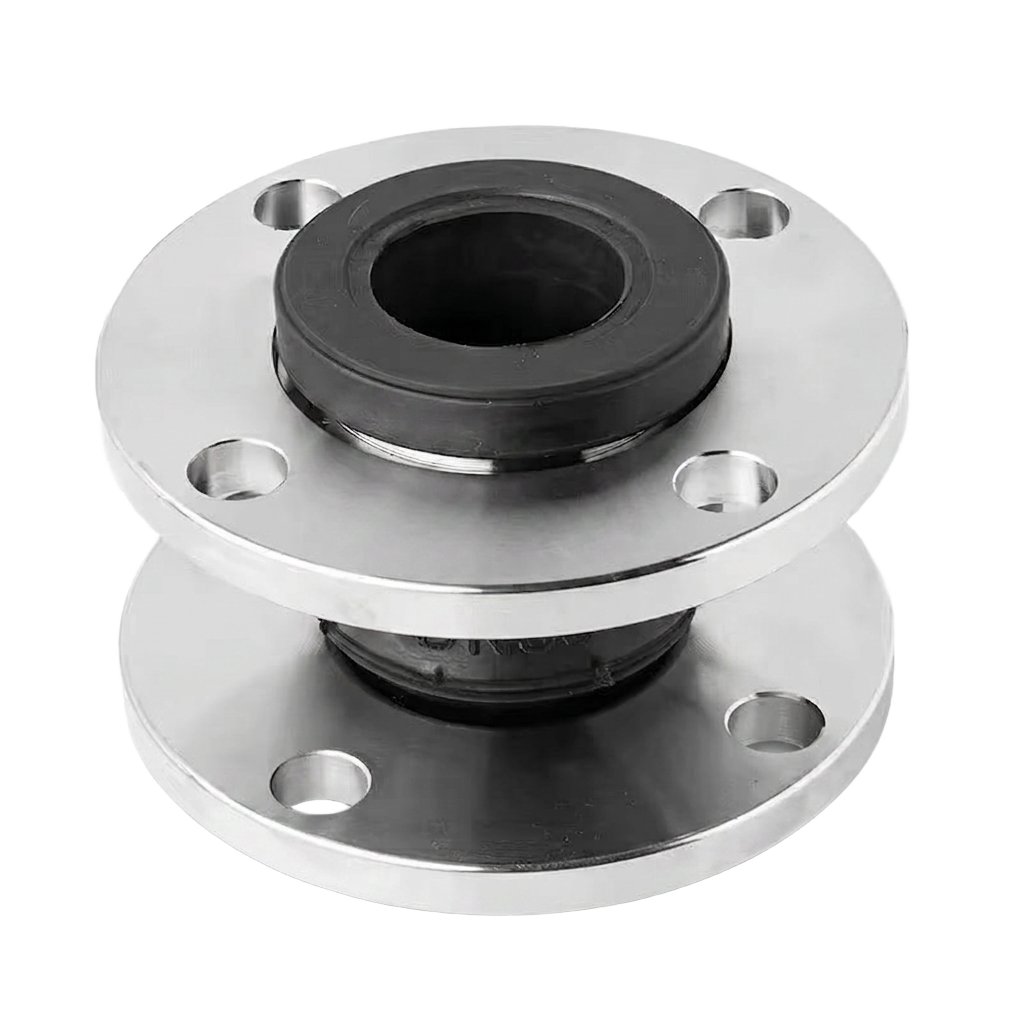
In high-pressure HVAC and industrial fluid systems, a piping expansion bellows serves as the flexible interface that absorbs thermal expansion, contraction, and vibration. As fluid temperatures fluctuate, piping materials naturally change in length; without an appropriate expansion joint, this movement would exert immense stress on system anchors, pumps, and valves. For UK engineers working under BSRIA BG50 guidelines, selecting a robust solution is non-negotiable for system longevity. UKGP Industrial specializes in providing these critical components to withstand demanding plant room environments across the country.
When specifying a piping expansion bellows, the professional must consider the total axial, lateral, and angular movement required. Untied bellows are typically used where the piping system's own anchors and guides can manage the full pressure thrust generated by the internal system pressure. However, in many commercial applications, particularly in rooftop plant rooms or modular builds where structural support is limited, tied configurations become the preferred option to restrain these forces locally. This careful balance between flexibility and restraint is what defines a high-quality engineering design.
Choosing UKGP to supply your piping expansion bellows ensures that your facility meets the highest standards of reliability. We offer a comprehensive range of materials including EPDM, NBR, and stainless steel to suit various media and temperatures. Whether your project involves a simple L-bend or a complex multi-level distribution network, our technical team provides the guidance necessary to de-risk the procurement process. By integrating precision-manufactured expansion joints, contractors can prevent premature fatigue failures and ensure the system operates within its designed elastic limits throughout its service life.
- Compensation for thermal axial growth in long pipe runs
- Isolation of mechanical vibration from circulating pumps
- Reduction of noise transmission through the building structure
- Compliance with CIBSE Guide B for building services design
Understanding the Untied Piping Expansion Bellows
Untied expansion joints are the simplest form of expansion solution, consisting of a single bellows element with flanged or weld-end terminations. These devices are designed primarily to absorb axial movement along the centerline of the pipe. However, because they lack tie rods, they cannot resist the pressure thrust created by the internal fluid. This means the piping system must be equipped with heavy-duty main anchors capable of resisting both the spring rate of the bellows and the force calculated by multiplying the system pressure by the effective area of the convolution.
In many UK industrial settings, untied piping expansion bellows are used where there are long straight runs of pipe between two fixed points. The engineer must ensure that secondary guides are installed at specific intervals, typically following the guidelines in the EJMA standards or BS EN 14917, to防止 potential squirm or buckling. Failure to provide adequate guiding can cause the bellows to deform under pressure, leading to catastrophic leaks or catastrophic system failure. This makes the untied variant a cost-effective but engineering-intensive choice that requires detailed structural calculations before installation.
For M&E contractors, installing untied units requires strict adherence to alignment tolerances. Any initial misalignment can consume the bellows' movement capacity before the system even reaches operating temperature. When you source an untied piping expansion bellows from UKGP, we provide full technical documentation to assist with correct placement and anchoring. Our units are available from DN15 to DN600, ensuring that even the largest diameter industrial mains are adequately serviced. While untied units offer maximum axial movement, their application is strictly limited by the capacity of the building's structural anchors.
- Maximum axial compression and extension capacity
- Requires heavy-duty main anchors to absorb pressure thrust
- Lowest initial unit cost for thermal compensation
- Dependent on rigid pipe guiding to prevent lateral instability
Advantages of Tied Piping Expansion Bellows Configurations
Tied expansion joints include tie rods that connect the flanges of the bellows, effectively containing the internal pressure thrust. In this configuration, the piping expansion bellows is prevented from extending axially beyond a set limit, meaning the pressure thrust is not transmitted to the system anchors. This is a game-changer for plant room designs where the structure cannot support the massive loads associated with large-diameter high-pressure pipes. Tied units are essentially self-restraining, which simplifies the anchoring requirements to mere intermediate anchors rather than massive structural fixtures.
Most tied units are designed to absorb lateral movement rather than axial movement. By using two or more tie rods, the bellows is forced to deflect in a shearing motion, which is ideal for absorbing movement at 90-degree pipe bends or offsets. UKGP’s tied expansion bellows are commonly specified for modern district heating schemes and high-rise commercial energy centres where space is at a premium and anchor loads must be minimized. Our range of tied solutions includes stainless steel and EPDM variants, providing versatility across heating, chilled water, and industrial chemical lines.
When a tied piping expansion bellows is used, the system designer gains significantly more freedom in the layout of the pipework. Since the tie rods handle the pressure thrust, the risk of pipe movement pushing the bellows beyond its design limits is virtually eliminated. This reflects best practice under BSRIA BG29 for pre-commission cleaning, as the system remains stable even during high-velocity flushing procedures. Procurement leads often prefer tied units for their 'insurance' value—reducing the likelihood of onsite installation errors that lead to expensive remedial works or site delays.
- Elimination of pressure thrust loads on main anchors
- Superior handling of lateral deflection and offset movement
- Enhanced safety in high-pressure or high-temperature zones
- Reduced requirement for complex structural pipe supports
Material Selection for Your Piping Expansion Bellows
Selecting the right material for your piping expansion bellows is as important as the mechanical configuration. For standard LTHW and CHW building services, EPDM rubber bellows provide excellent flexibility and vibration dampening. However, for higher temperature applications or media including oils and hydrocarbons, NBR or metallic stainless steel bellows are required. UKGP facilitates this selection by offering a wide-ranging inventory of DN15-DN600 units. Our stainless steel bellows are particularly suited to steam applications and high-pressure DHW systems where elastomer lifespan might be compromised by thermal cycling.
BS EN 14917 provides the framework for the design and manufacture of metal bellows, ensuring they can withstand the fatigue cycles expected in a commercial lifespan. Beyond metal, PTFE-lined bellows are essential for pharmaceutical or aggressive chemical dosing environments where corrosion resistance is paramount. By consulting with UKGP Industrial, M&E contractors ensure they receive a piping expansion bellows that is chemically compatible with the system fluid and the specific inhibitors used in BSRIA-compliant water treatment regimes. This holistic approach prevents localized corrosion and premature failure of the flexible elements.
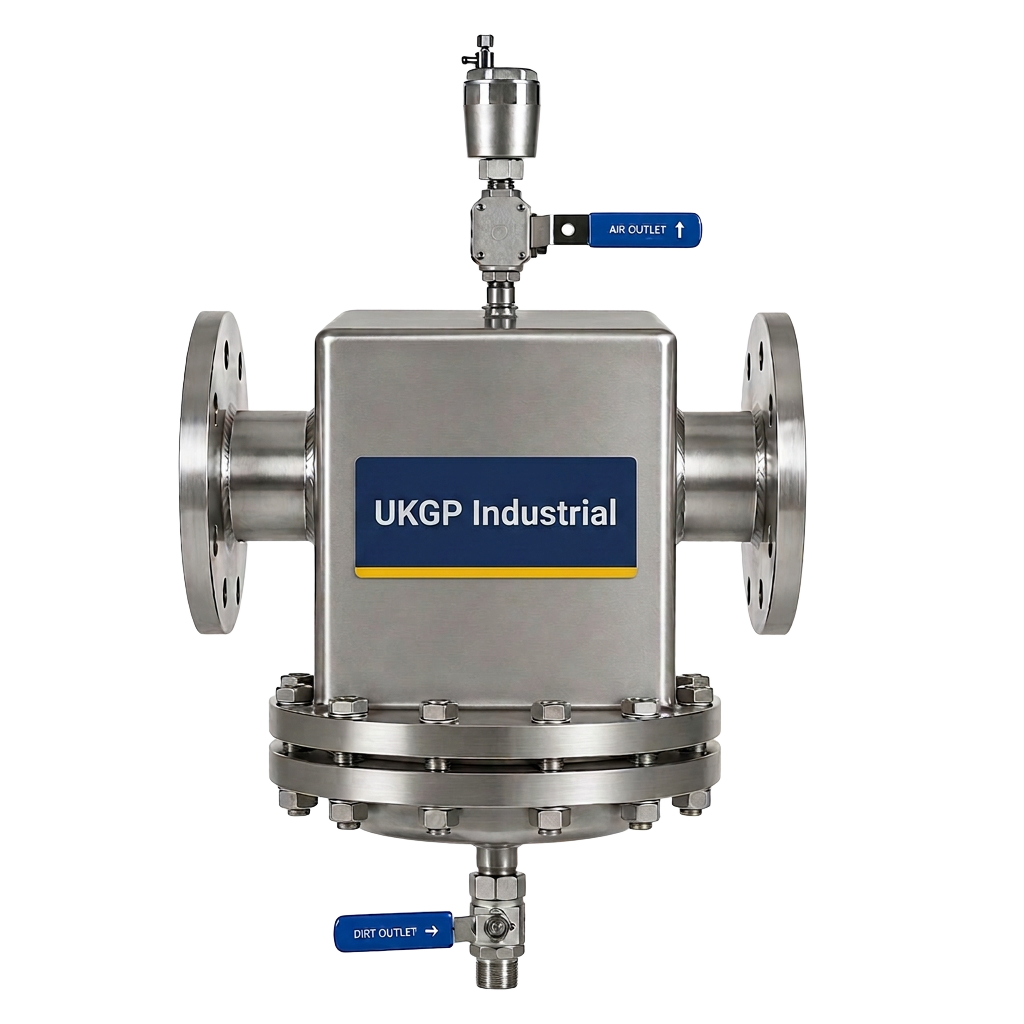
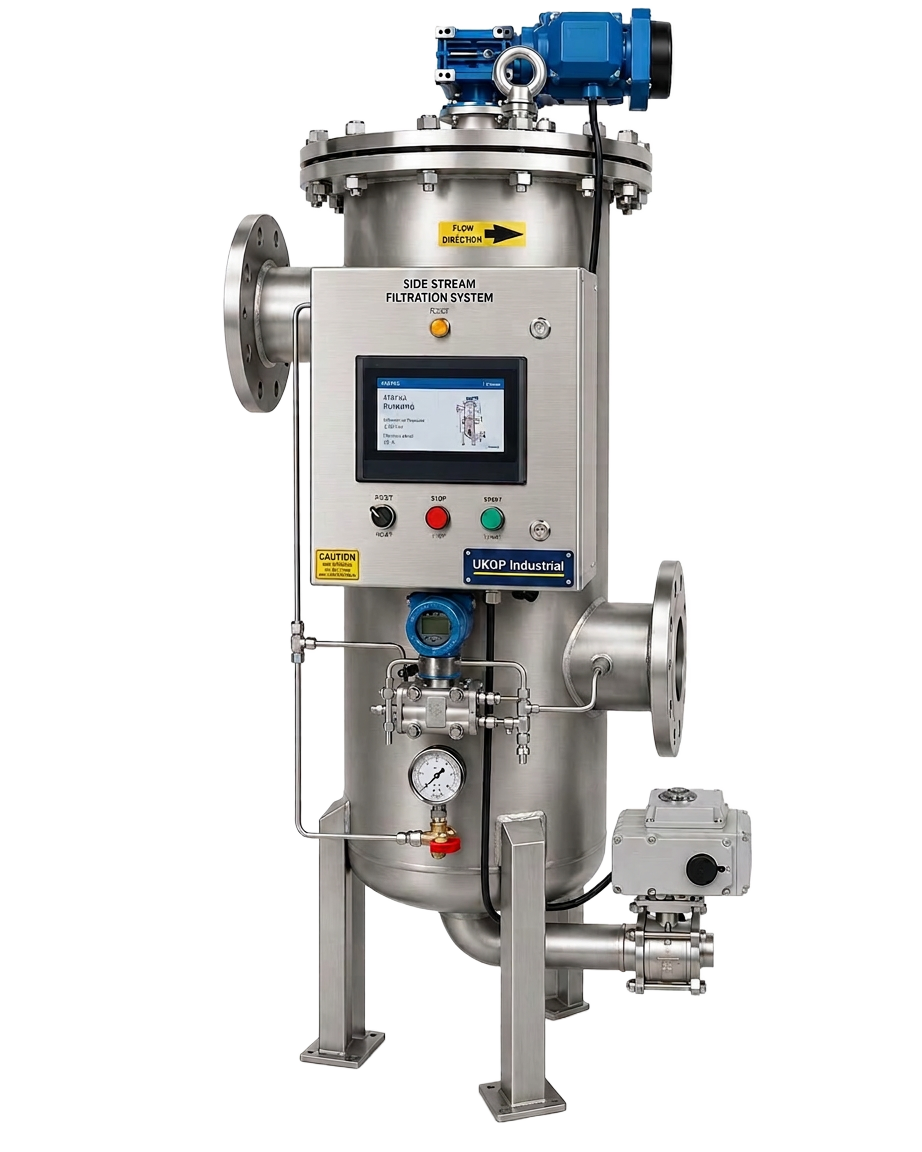
Furthermore, we recommend integrating air & dirt separators and side stream filtration into systems using flexible joints. Particulate matter can settle in the convolutions of a piping expansion bellows, leading to erosion or restricted movement over time. By maintaining high water quality standards as per BS 8552, the operational life of the bellows is significantly extended. UKGP’s technical support extends to calculating the exact movement requirements, ensuring that whether you choose fabric, rubber, or steel, the product is perfectly matched to the operational stressors of your specific UK-based project.
- EPDM/NBR for general HVAC and vibration isolation
- Stainless steel for high-pressure and steam applications
- PTFE and fabric options for specialist chemical resistance
- DN15 to DN600 sizes available with flanged or weld-ends
Installation and Maintenance Best Practices
The installation of a piping expansion bellows requires precision to avoid common pitfalls such as 'cold springing' or over-extension. It is vital that shipping bolts or yellow painted limit rods are not removed until the pipework is fully anchored and guided. For UK contractors, following the manufacturer’s installation manual is a requirement for maintaining the 2-year warranty offered by UKGP. Misalignment during the weld-end or flanging process is the leading cause of bellows failure, as it introduces torsional stress—a force that most bellows are not designed to accommodate.
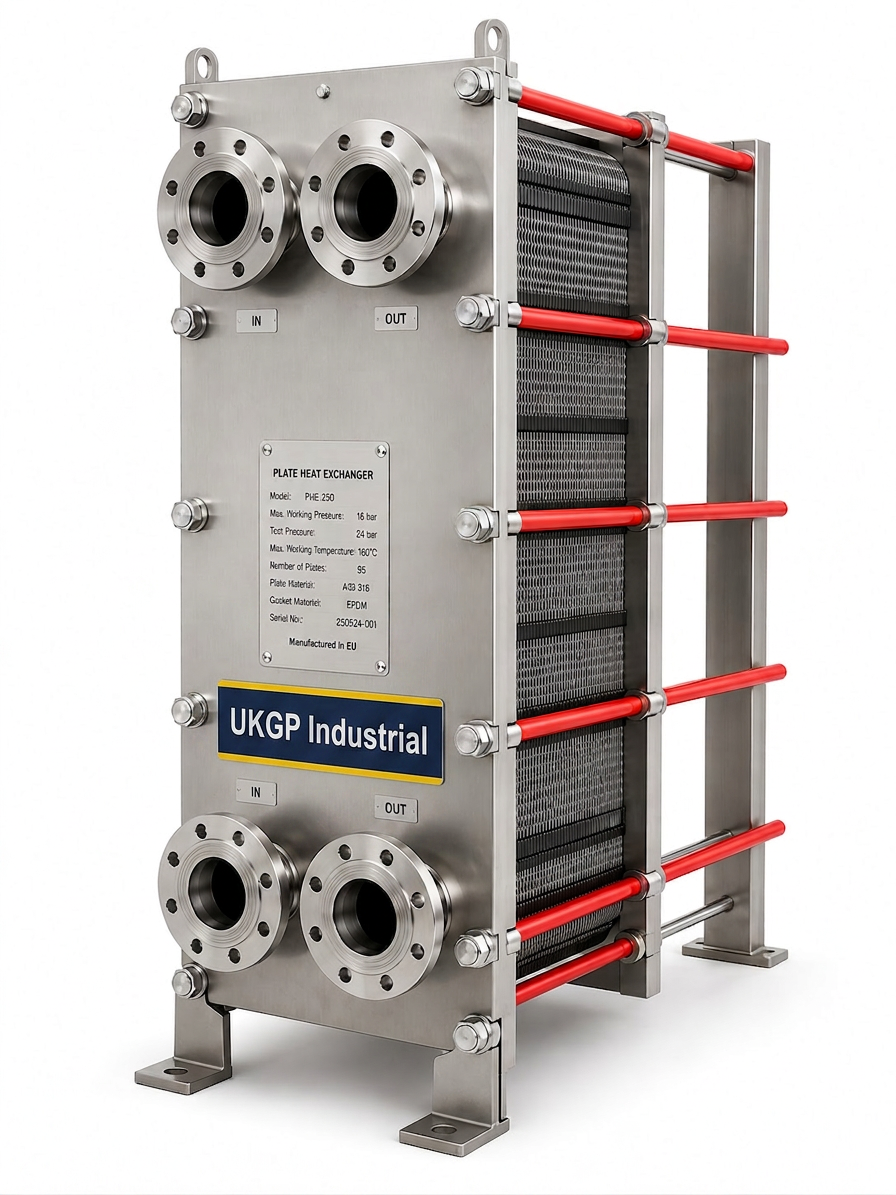
Regular inspection of the piping expansion bellows is a core component of any FM’s preventative maintenance schedule. Observations should include checking for signs of 'squirm,' inspecting the convolutions for debris or scale build-up, and ensuring that tie rods are not bent or seized. In regions with hard water, the accumulation of scale in the bellows can render them rigid, transferring stress back into the pipework and potentially damaging sensitive equipment like plate heat exchangers or boilers. UKGP recommends a yearly visual audit of all flexible connectors to ensure they remain fit for purpose.
Finally, always verify that the anchors and guides have not migrated or loosened over time. A piping expansion bellows can only function if the rest of the system remains geometrically stable. If a leak is detected, do not attempt to tighten flanges while the system is under pressure; instead, isolate the section and consult with a UKGP specialist. We maintain a large stock of standard sizes to facilitate rapid replacement during shutdown periods, ensuring that plant rooms across the UK experience minimal downtime when components reach the end of their natural service life.
- Do not remove transit bars until anchors are secured
- Avoid torsion or twisting during the installation process
- Ensure guides allow for free movement without binding
- Annual inspection for convolution integrity and corrosion
Procuring the Correct Piping Expansion Bellows
Procurement leads must balance cost, lead time, and technical compliance when sourcing a piping expansion bellows for a major project. UKGP Industrial streamlines this process by providing UK-stocked solutions with a standard 2-year warranty. This assurance is vital for contractors working on CIBSE-compliant designs where accountability and reliability are key. By ordering directly from a Surrey-based supplier, you reduce the risks associated with international shipping and ensure that technical advice is only a phone call away. Our expertise spans from basic dosing pots and headers to complex expansion management.
When requesting a quote, please specify the pipe size, media, operating temperature, and maximum pressure. This data allows our engineers to determine whether an untied or tied piping expansion bellows is appropriate for your application. For those managing retrofits, we can often suggest drop-in replacements that improve upon the original design by utilizing modern bellows geometry. Our commitment to quality means every unit leaving our facility is inspected to rigorous standards, ready to withstand the rigours of 24/7 industrial or commercial operation.
In conclusion, whether you are managing a simple LTHW loop or a high-pressure steam line, the correct piping expansion bellows is the foundation of a safe and efficient system. Don't leave your expansion management to chance—partner with a specialist who understands the UK regulatory landscape and can provide the hardware to match. Contact UKGP Industrial today for a competitive quote on our DN15 to DN600 expansion range and experience the peace of mind that comes with premium engineering and dedicated local support.
- Stocked in the UK for rapid project turnaround
- Includes a comprehensive 2-year warranty as standard
- Expert technical support available for movement calculations
- Competitive pricing for Tier 1 and Tier 2 M&E contractors
Frequently asked questions
What is the primary difference between a tied and untied piping expansion bellows?
- The primary difference lies in pressure thrust management. An untied bellows transmits the internal pressure thrust to the pipe anchors, requiring heavy-duty structural support. A tied bellows uses rods to contain this thrust within the joint, allowing for lighter anchors and focusing movement capacity on lateral deflection.
Can I use an EPDM piping expansion bellows for steam systems?
- No, EPDM is generally rated up to 100-120°C and is not suitable for most steam applications. For steam, you should specify a stainless steel piping expansion bellows, which can handle higher temperatures and pressures while providing the necessary thermal compensation.
How often should expansion bellows be inspected?
- In accordance with BSRIA BG50 and standard FM practices, expansion bellows should be visually inspected at least annually. Check for leaks, signs of convolution deformation (squirm), and ensure that the pipe guides are functioning correctly to prevent unpredicted lateral stress.
What happens if I install a piping expansion bellows without enough guides?
- Without adequate guiding, the bellows can suffer from 'squirm' (a form of buckling) or fail prematurely due to excessive lateral movement. Guides ensure that the thermal expansion is directed precisely into the bellows along the correct axis, protecting the thin convolutions from damage.
What sizes of piping expansion bellows does UKGP supply?
- UKGP Industrial supplies a full range of piping expansion bellows from DN15 through to DN600. Available end connections include flanged (PN16, PN25, etc.) and weld-ends, available in EPDM, NBR, stainless steel, PTFE, and fabric materials.