Thermal Movement and the Need for Pipework Expansion Bellows
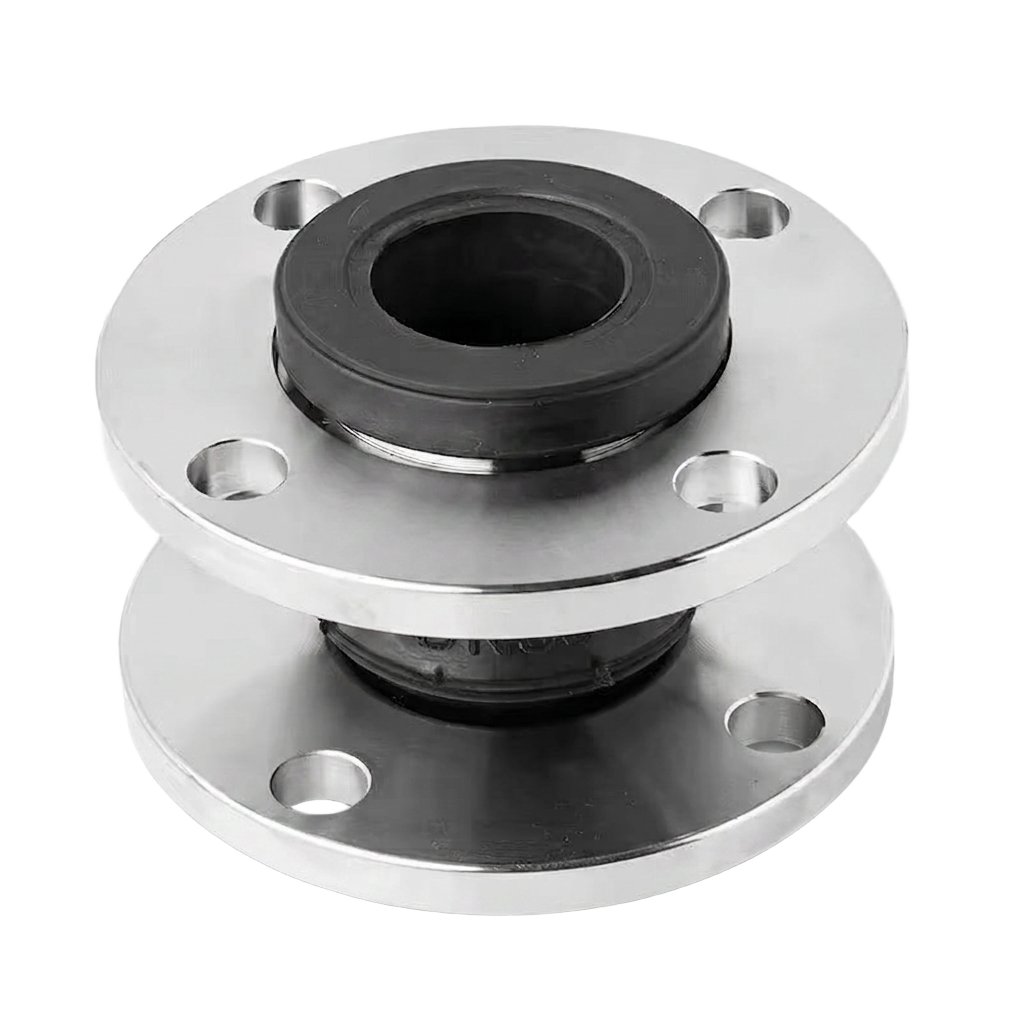
In any commercial heating or cooling circuit, the materials used for piping—typically carbon steel, copper, or stainless steel—are subject to significant thermal expansion and contraction. As water temperatures fluctuate between design minimums and maximums, the physical length of the run changes according to the linear coefficient of expansion for that specific material. Failing to account for this movement generates immense axial force that can buckle pipes, snap welded joints, or pull pumps off their mountings. Integrating pipework expansion bellows into the design provides a controlled point of flexibility, absorbing these stresses and ensuring that the pipework remains within its elastic limit as dictated by BS EN 13480 and CIBSE Guide B.
Precision in calculation is paramount when selecting the correct unit for a specific temperature delta. Consultants must factor in the installed ambient temperature versus the maximum operating temperature to determine the total anticipated movement. Pipework expansion bellows are not merely 'fitting and forgetting' items; they are engineered mechanical seals that require specific positioning between fixed anchors and directional guides. If the expansion is not properly managed, the resulting stress on the building structure itself can become a liability issue for M&E contractors and structural engineers alike, especially in high-rise developments where long vertical risers are common.
Beyond just simple linear expansion, these components play a vital role in protecting expensive plant-room equipment such as chillers and boilers. By installing pipework expansion bellows at the inlet and outlet of revolving machinery, engineers can decouple the vibration of the pump motor from the rest of the distribution network. This prevents fatigue failure in copper branches and reduces the transmission of acoustic noise through the building structure, which is a key requirement in residential and high-end commercial FM specifications. UKGP supports these requirements with a comprehensive range of bellows reaching from DN15 up to DN600 for total system security.
- Absorbs axial, lateral, and angular movement from thermal changes.
- Prevents stress-related fatigue on welds and mechanical joints.
- Reduces noise pollution and structural vibration transfer.
- Ensures compliance with CIBSE and BSRIA installation standards.
Material Compatibility and Selection for Corrosive Environments
Specifying the correct material for pipework expansion bellows depends entirely on the fluid medium, temperature range, and pressure rating of the system. For standard LTHW (Low Temperature Hot Water) and chilled water systems, EPDM rubber bellows are often the primary choice due to their excellent flexibility and cost-effectiveness. However, if the system involves oils or petroleum-based additives, NBR (Nitrile) variants are required to prevent chemical degradation. For high-temperature steam or volatile chemical processes, stainless steel or PTFE-lined bellows are the industry standard, offering resistance to temperatures that would otherwise melt or deform standard polymers, maintaining system integrity under harsh conditions.
In coastal UK environments or harsh industrial sectors, external corrosion is just as significant a threat as internal pipe scale. Selecting pipework expansion bellows with stainless steel flanged ends or specialised protective coatings is often necessary to prevent atmospheric pitting. Designers must also consider the chemical dosing regime used within the system; highly concentrated chemicals introduced via dosing pots can sometimes lead to the premature failure of bellows if the elastomeric material is not rated for those specific PH modifiers. Consulting with UKGP technical specialists ensures that the selected bellow material is chemically compatible with the long-term water treatment strategy defined in BSRIA BG50.
Furthermore, for bespoke applications where standard flanged units cannot be accommodated, weld-end stainless steel bellows offer a permanent, leak-proof solution that integrates seamlessly into the pipe run. UKGP offers a variety of configurations including flanged or weld-end, ensuring that whether you are working in a tight refurbishment plant-room or a sprawling new-build industrial site, there is a technical fit. Our units come with a 2-year warranty, reflecting our confidence in the durability of our EPDM, NBR, and stainless steel designs across the DN15 to DN600 size range, providing peace of mind for procurement leads.
- EPDM and NBR rubber for standard HVAC applications.
- Stainless steel and PTFE for high-temperature or aggressive media.
- Flanged or weld-end connections available to suit site requirements.
- Sized from DN15 to DN600 for diverse commercial projects.
The Role of Anchors and Guides in Bellows Performance
The installation of pipework expansion bellows is only effective if accompanied by a robust system of fixed anchors and pipe guides. A common failure in M&E projects is the assumption that a bellow can sustain the full pressure thrust of the system on its own. In reality, the internal pressure of the fluid acts upon the bellows, attempting to extend it like a piston. Without heavy-duty anchors to constrain the pipework, the bellows will over-extend and fail. This is why BSRIA guidelines emphasise that every expansion joint must be placed between two main anchors capable of withstanding the combined force of the pressure thrust and the bellows' spring rate.
Correct guiding is equally crucial to ensure that the pipework moves exactly as intended. If a pipe is allowed to squirm or buckle before it reaches the expansion joint, the pipework expansion bellows may be subjected to lateral or angular stresses they were not designed to handle. Proper alignment guides, usually spaced according to the manufacturer's precise ratios (often 4D and 14D distances), ensure that the thermal expansion is directed purely into the axial plane of the bellow. This rigorous approach to installation is what separates a reliable building services design from one plagued by persistent leaks and stress fractures during the commissioning phase.
Maintenance teams and FMs should also be aware that the health of the anchors is just as important as the bellows themselves. During annual inspections, engineers should check for any signs of displacement or fatigue in the mounting brackets. If an anchor has shifted, the pipework expansion bellows will no longer be operating within its design parameters, leading to accelerated wear. By sourcing high-quality bellows from UKGP Industrial, which are designed for longevity and ease of inspection, contractors can significantly reduce the risk of structural failure in these critical stress-mitigation zones, backed by our technical support and 2-year warranty protection.
- Main anchors must withstand total system pressure thrust.
- Directional guides prevent pipe buckling and squirming.
- Adherence to spacing rules (4D/14D) is vital for axial alignment.
- Regular FM inspections should include anchor integrity checks.
Protecting System Components Using Air and Dirt Separators
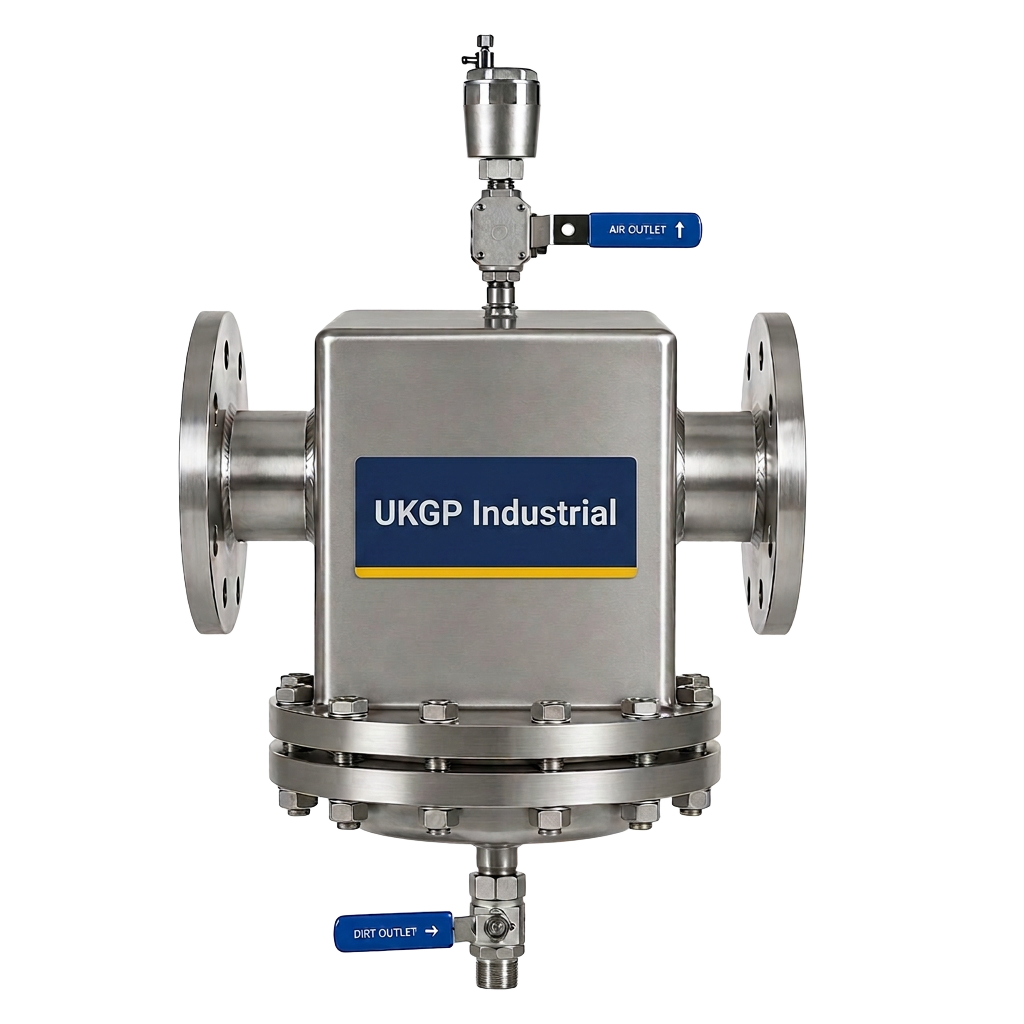
While pipework expansion bellows manage the physical movement of the system, the internal health of the fluid is equally important for the lifespan of these components. Entrained air and circulating debris can cause erosive wear on the thin convolutions of a stainless steel bellow or lead to sediment buildup inside a rubber unit. This sediment can harden, reducing the flexibility of the bellow and eventually leading to a mechanical failure. Integrating high-efficiency air and dirt separators after the expansion zone ensures that the medium remains clean, protecting both the flexible joints and the heat exchangers downstream.
Microbubble deaeration and magnetic filtration are essential for modern closed-loop systems to prevent the formation of magnetite. Magnetite is particularly dangerous for system components as it is abrasive and can settle in low-flow areas, such as the folds of an expansion bellow. By maintaining clean water as per BS 8552, the frictional wear on the bellows' internal surfaces is reduced, extending the life of the unit and maintaining the manufacturer's performance specifications. UKGP recommends a holistic approach, where mechanical expansion control and water quality management are viewed as two halves of a single reliability strategy.
For plant-room engineers, the installation of a combined air and dirt separator alongside the expansion solution provides a comprehensive vanguard against the most common causes of system failure. When selecting pipework expansion bellows from DN15 to DN600, considering the water quality regime is part of the professional due diligence required to satisfy BSRIA BG29 pre-commission cleaning standards. Whether you require stainless steel or EPDM rubber solutions, UKGP provides the expertise and the hardware to ensure your system survives the rigours of initial commissioning and decades of continuous operation without compromise or unexpected downtime.
- Prevents abrasive sediment from damaging bellows convolutions.
- Eliminates air-related oxidation and cavitation in the circuit.
- Supports compliance with BS 8552 and BSRIA BG50.
- Reduces long-term maintenance costs for M&E contractors.
Installation Best Practices and Common Pitfalls
When installing pipework expansion bellows, contractors must avoid the temptation to use the bellow to compensate for poor pipe alignment. These units are designed to absorb thermal movement, not to bridge gaps caused by inaccurate fabrication. If a bellow is pulled into place across an offset, it is already under 'pre-stress' before the system even heats up. This significantly reduces the available movement budget and leads to early failure. Ensuring that the pipework is perfectly aligned and that the gap between pipe ends matches the 'relaxed' length of the bellow is the first rule of a successful installation.
Another critical factor is the removal of shipping bolts or tie-bars only after the pipework is fully anchored. These bars are fitted to keep the pipework expansion bellows at the correct length during transport and installation. If they are removed too early, the bellow may expand or compress due to the weight of the unsupported pipework, making it impossible to fit correctly. Conversely, if they are left on after the system is commissioned, the bellow is effectively 'locked,' and all thermal expansion will be transferred directly to the equipment and anchors, defeating the entire purpose of the mechanical joint and risking catastrophic damage.
Finally, insulation must be applied carefully around any flexible connection. While it is necessary for energy efficiency, the insulation must not restrict the physical movement of the bellows' convolutions or hide signs of leakage during the commissioning phase. It is often recommended to use removable thermal jackets for pipework expansion bellows, allowing for quick visual inspections by plant-room engineers. UKGP's range of DN15 to DN600 flanged or weld-end bellows are designed for easy integration into these professional workflows, ensuring that procurement leads and engineers can specify our 2-year warranted products with absolute confidence in their site-performance.
- Never use bellows to correct for poor pipework alignment.
- Retain shipping bolts until anchors are fully secured.
- Utilise removable insulation jackets for easy inspection access.
- Verify that the expansion gap matches the bellow design length.
Why Procurement Leads Choose UKGP Expansion Solutions
Specifying pipework expansion bellows from UKGP Industrial offers more than just a mechanical component; it provides professional assurance for the entire HVAC lifecycle. From the initial design phase through to long-term facility management, our technical team assists consultants in selecting the right materials—be it rubber EPDM/NBR, stainless steel, PTFE, or fabric. With a vast sizing range from DN15 to DN600 and multiple connection types including flanged or weld-end, we cater to every possible commercial scenario. This versatility ensures that procurement teams can consolidate their supply chain without sacrificing technical specificity or quality standards.
Our commitment to quality is backed by a 2-year warranty on all expansion solutions, providing a level of commercial security that is essential for large-scale M&E contracts. We understand that on-site delays are costly, which is why we maintain stock levels that reflect the needs of the UK market, ensuring that standard pipework expansion bellows reach your site when they are needed. By adhering to international standards like BS EN 14917 and aligning with BSRIA recommendations, UKGP units are the trusted choice for engineers who value precision, safety, and long-term performance in their mission-critical heating and cooling infrastructure.
In a market where many suppliers provide generic components, UKGP stands out by providing expert-led consultation. We help you navigate the 'when, where, and why' of expansion control, ensuring that your system is not only compliant with UK regulations but also optimised for maximum efficiency. If you are currently designing a plant-room or managing a refurbishment project that requires robust pipework expansion bellows, contact our Surrey-based team today. We provide detailed quotes and technical datasheets to ensure your procurement process is as seamless and professional as the engineering solutions we deliver to the building services sector.
- Extensive range of EPDM, NBR, Stainless, and PTFE materials.
- All units backed by a comprehensive 2-year manufacturer warranty.
- Sizes ranging from DN15 to DN600 to suit all pipework scales.
- Technical support grounded in CIBSE and BSRIA best practices.
Frequently asked questions
What is the primary function of pipework expansion bellows?
- The primary function is to absorb axial, lateral, and angular movement caused by thermal expansion and contraction in piping systems, while also isolating vibration from pumps and heavy machinery.
How do I choose between EPDM and stainless steel bellows?
- EPDM is ideal for standard LTHW and chilled water HVAC applications due to its flexibility and vibration damping. Stainless steel is required for higher temperatures, steam, or where chemical resistance to aggressive media is necessary.
Why are anchors necessary for pipework expansion bellows?
- Anchors are essential because they resist the internal pressure thrust of the system. Without anchors, the pressure would force the bellow to over-extend and fail, as the bellow itself cannot support the weight or force of the pipe run.
What standards should be followed for bellows installation?
- Installations should follow BS EN 14917 for metal bellows and BSRIA BG29/BG50 for system cleanliness and maintenance. CIBSE Guide B also provides essential data on thermal expansion calculations.
What sizes and warranties does UKGP offer?
- UKGP offers pipework expansion bellows from DN15 to DN600 in flanged or weld-end configurations, with all products backed by a 2-year warranty for commercial peace of mind.