Understanding the Role of Pipe Expansion Joints Bellows
In modern commercial plant rooms, thermal stress poses a significant threat to the structural integrity of rigid piping systems. As fluid temperatures fluctuate, the resulting expansion and contraction can lead to catastrophic joint failure, buckled pipelines, or damage to expensive downstream equipment like pumps and boilers. Pipe expansion joints bellows serve as the primary solution for accommodating this movement, acting as a flexible bridge that compensates for axial, lateral, and angular displacement. Without these components, the stresses exerted by thermal growth would exceed the material yield strength of the pipework, leading to leaks that compromise BS 8552 water quality standards through oxygen ingress.
When specifying pipe expansion joints bellows, engineers must consider the specific nature of the movement required. Axial movement, which is the elongation or compression along the pipe axis, is the most common requirement in vertical risers and long horizontal runs. However, many systems also face lateral offset or angular rotation, particularly where thermal growth occurs across multiple planes. By integrating properly rated bellows, consultants can ensure that these forces are safely absorbed within the expansion unit rather than being transferred to the building structure or sensitive terminal units. This proactive approach to movement control is a hallmark of high-quality UK mechanical design.
Procurement leads must balance initial capital expenditure with the long-term operational security provided by premium components. A low-quality expansion joint often presents a false economy; premature failure leads to system downtime and expensive emergency repairs that far outweigh the initial cost savings. British standards and industry best practices, such as those found in BSRIA BG50, emphasize the importance of using robust materials and proven designs. Investing in high-grade pipe expansion joints bellows ensures that the mechanical system remains operational for its intended lifecycle, providing peace of mind for facilities managers overseeing complex commercial estates across the United Kingdom.
- Absorption of thermal expansion and contraction in high-temperature circuits
- Reduction of mechanical vibration from circulating pumps and plant equipment
- Compensation for minor pipework misalignment during installation
- Protection of sensitive commercial boiler connections and heat exchangers
- Compliance with BS EN 14917 standards for metal bellows
Material Selection for Industrial and Commercial Applications
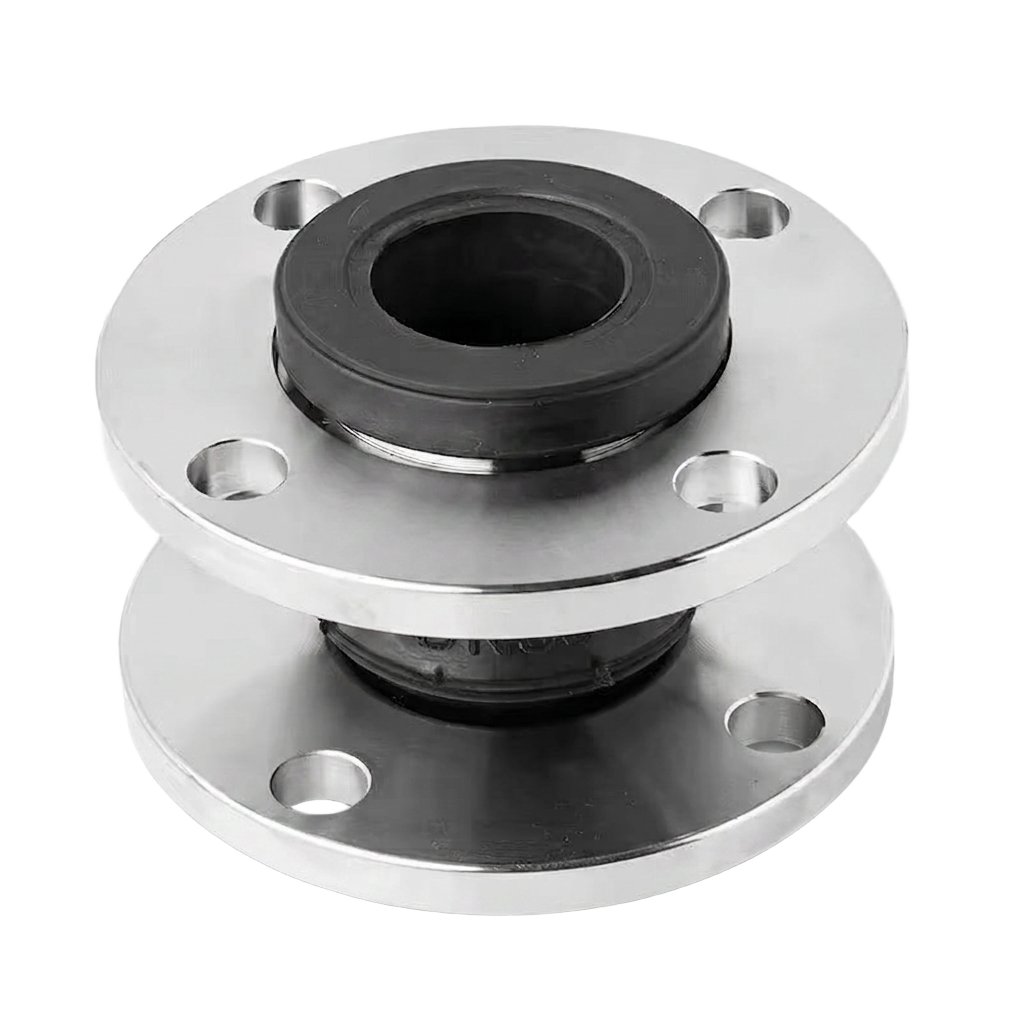
The chemical composition of the medium and the external environment dictate the material required for a successful expansion joint installation. Rubber bellows, often constructed from EPDM or NBR, are favoured for their excellent vibration-damping properties in cold water or mild heating systems. EPDM is particularly effective for high-temperature water applications, while NBR is the material of choice for systems containing oil or fuel residues. These elastomeric solutions provide a cost-effective and resilient option for DN15 to DN600 sizes, provided the temperature and pressure limits of the rubber are not exceeded during peak load periods in the heating cycle.
For more demanding environments, such as high-pressure steam lines or aggressive chemical processing, stainless steel and PTFE options are necessary. Stainless steel bellows offer superior resistance to high pressures and extreme temperatures, making them suitable for primary heat networks and plant rooms where EPDM may reach its limit. PTFE-lined bellows provide unparalleled chemical resistance, ensuring that even corrosive fluids do not degrade the expansion element. When selecting pipe expansion joints bellows, it is vital to match the convolution material to the fluid chemistry to prevent stress corrosion cracking or elastomeric degradation, which are common causes of premature system failure.
Choosing the right end connections is equally important for a secure installation. Whether the project requires flanged or weld-end configurations, the integrity of the connection point is paramount. UKGP Industrial offers a comprehensive range of configurations, ensuring that our pipe expansion joints bellows can be integrated seamlessly into existing infrastructure or new-build projects. Our units are designed to withstand the rigours of commercial operation, backed by a 2-year warranty that reflects our confidence in the durability of both our rubber and metallic ranges. Consulting with a specialist supplier during the design phase can prevent costly material mismatches.
- EPDM and NBR rubber bellows for vibration isolation and LTHW
- Stainless steel multi-ply bellows for high-pressure durability
- PTFE components for extreme chemical and acid resistance
- Fabric bellows for low-pressure air and exhaust gas movements
- Comprehensive size range from DN15 to DN600 to suit all commercial scales
Alignment with BSRIA BG29 and BG50 Standards
Compliance with BSRIA BG29 for pre-commission cleaning and BG50 for water treatment in closed systems is essential for any UK-based mechanical project. The presence of pipe expansion joints bellows can affect the fluid dynamics during the flushing process. If joints are not properly specified or installed, stagnant pockets can form within the convolutions, trapping debris and promoting localized corrosion. It is therefore crucial to select bellows that can withstand the high velocities required during the flushing phase without sustaining damage to the internal liners or the convoluted element itself, ensuring the system remains clean and efficient.
Furthermore, BG50 highlights the importance of maintaining system integrity to prevent the loss of treated water and the subsequent need for raw water make-up. A leaking expansion joint not only wastes water but also introduces fresh oxygen into the system, accelerating corrosion across the entire network. High-quality pipe expansion joints bellows provide a reliable seal that protects the chemical balance of the system. By specifying UKGP expansion bellows, which are manufactured to rigorous quality standards, engineers can contribute to a more stable and predictable maintenance regime for facilities management teams, reducing the frequency of chemical dosing and water testing requirements.
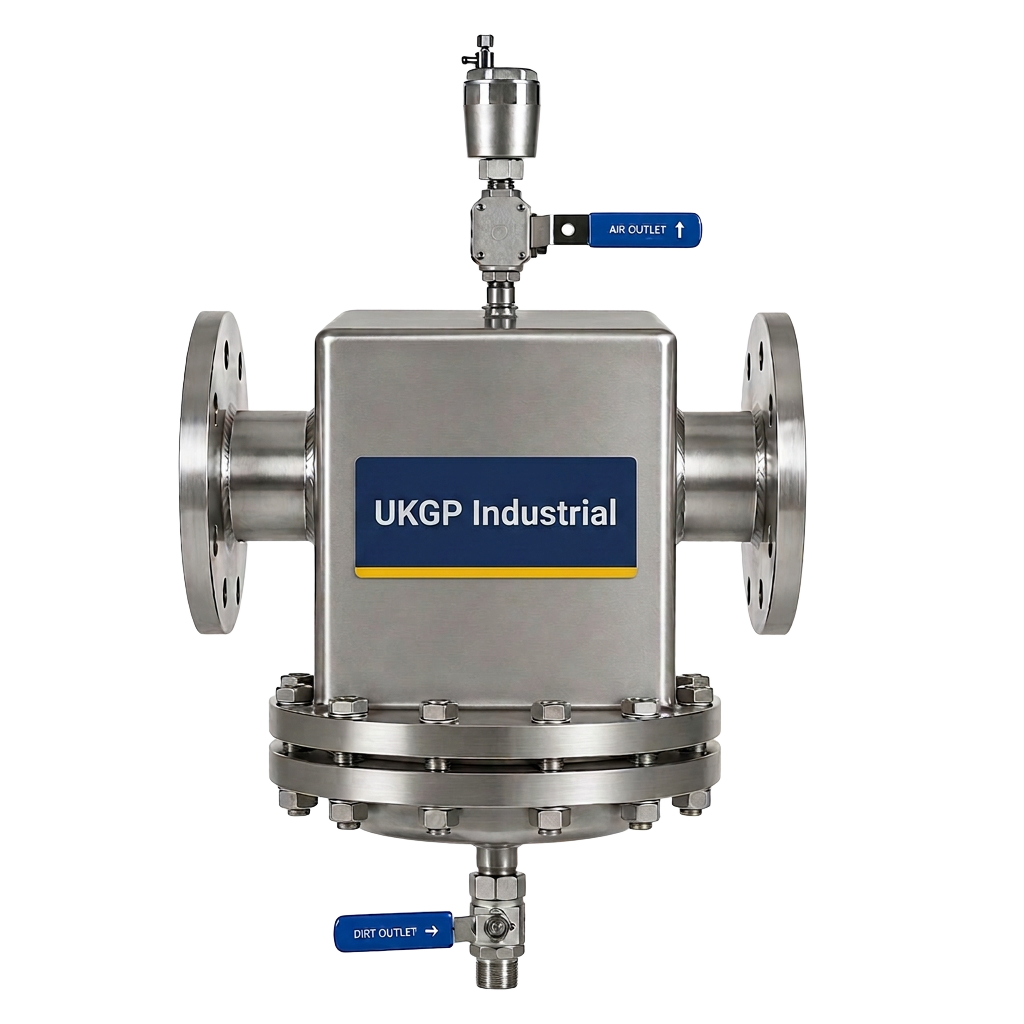
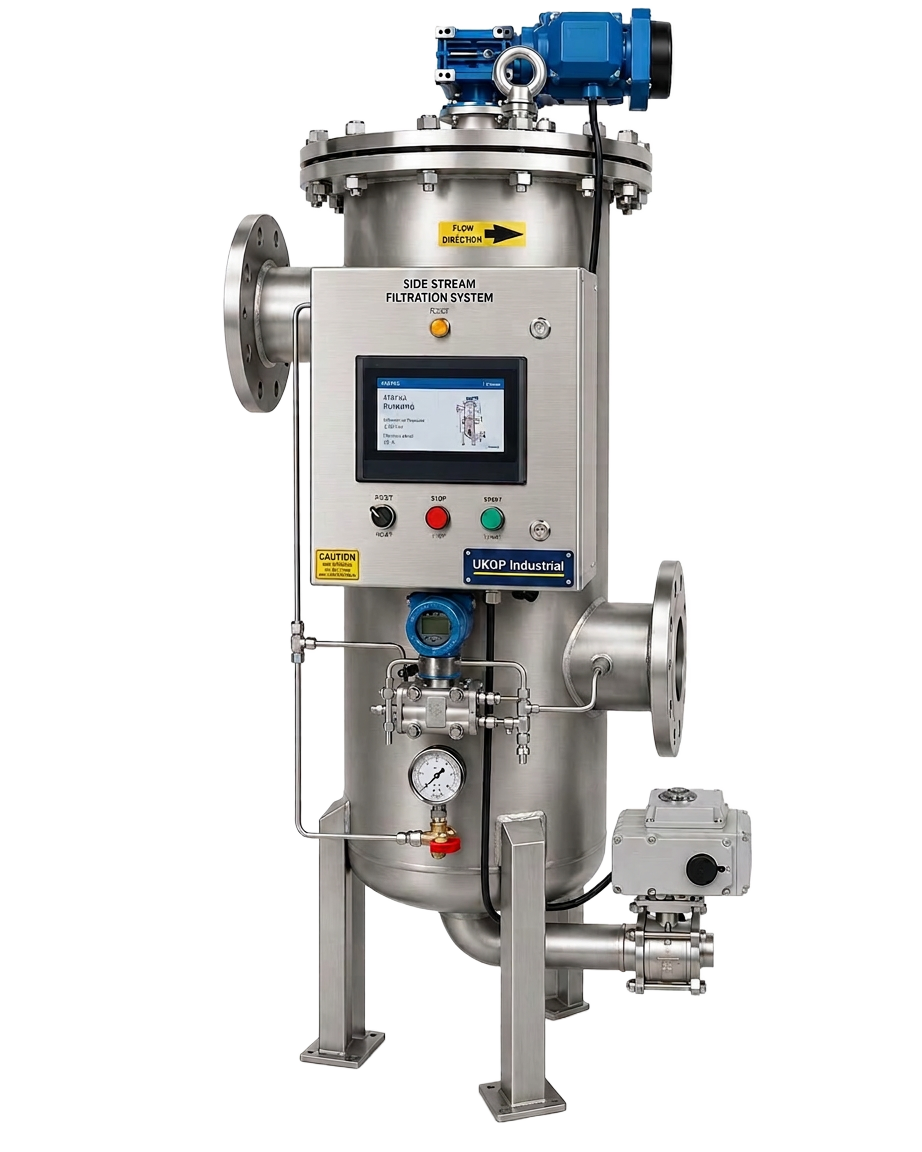
Integrating a dosing pot or side stream filter alongside your expansion solutions can further enhance system health. While the pipe expansion joints bellows handle the physical movement of the pipes, the filtration and dosing equipment maintain the water chemistry. This holistic approach to plant room design is what distinguishes top-tier building services consultants. Ensuring that every component, from the expansion bellows to the chemical dosing pots, is sourced from a reputable UK supplier like UKGP Industrial ensures that the various mechanical elements work in harmony to meet the strict requirements of BSRIA and CIBSE documentation.
- Design compatibility with high-velocity pre-commission flushing
- Mitigation of oxygen ingress through robust bellows integrity
- Support for system-wide corrosion monitoring and prevention
- Minimised risk of particulate accumulation in convolutions
- Alignment with CIBSE CP1 Heat Networks Code of Practice
Technical Considerations for High-Rise and Large-Scale HVAC
High-rise developments present unique challenges due to the vertical expansion of long pipe runs. As the height of a building increases, the cumulative thermal movement of a riser can reach several hundred millimetres. In these scenarios, the placement of anchors and guides is as important as the pipe expansion joints bellows themselves. Proper anchoring ensures that thermal movement is directed into the bellows rather than pushing against pipe supports or building structural elements. Without strategic placement of expansion joints, the sheer force of thermal growth can buckle heavy-gauge steel piping, leading to catastrophic leaks in vertical distribution networks.
A common mistake in large-scale HVAC procurement is the failure to account for pressure thrust. When a system is pressurized, the pipe expansion joints bellows attempt to extend, exerting force on the anchors. For large diameter pipes (DN300-DN600), these forces can be immense, requiring substantial structural reinforcement. Utilizing tied expansion joints or pressure-balanced bellows can help manage these forces, particularly in locations where heavy anchors are not feasible. Engineers must carefully calculate the expected thermal growth and pressure thrust to ensure that the selected expansion solution is fit for purpose and will provide the 2-year warranty performance expected.
Environmental factors also play a role in the selection process. In coastal areas or industrial environments with high atmospheric salinity, external corrosion of the bellows can occur. In these cases, 316-grade stainless steel or protective shrouds may be required to protect the delicate convolutions of the pipe expansion joints bellows. UKGP Industrial provides technical consultation to help M&E contractors navigate these complexities, ensuring that whether it is a rubber EPDM flanged unit or a bespoke weld-end stainless steel joint, the specification is tailored to the specific demands of the UK built environment and the prevailing weather conditions.
The installation phase itself requires precision. Bellows must never be used to compensate for significant installation misalignment unless they are specifically designed for lateral offset. Over-compressing or over-extending a joint during installation will drastically reduce its fatigue life and void warranties. Our technical team recommends a thorough inspection of all pipe expansion joints bellows prior to commissioning, ensuring that all shipping bolts (if applicable) are removed and that the units are installed in the neutral position to maximize their available travel during operation.
- Calculation of axial, lateral, and angular movement requirements
- Assessment of anchor loads and pipe guide spacing
- Evaluation of pressure thrust in large-bore (DN300+) systems
- Integration of internal sleeves to reduce flow turbulence
- Atmospheric corrosion resistance for external pipe runs
Procurement Checklist for Pipe Expansion Joints Bellows
For procurement leads, the primary goal is to source components that meet technical specifications while providing commercial value and supply chain reliability. When evaluating pipe expansion joints bellows, the checklist should begin with the design pressure and temperature of the system. It is vital to ensure that the bellows' maximum operating parameters exceed the system's relief valve settings. Additionally, the fluid type—whether it is LTHW, chilled water, or steam—will dictate the choice between rubber and metallic options. UKGP Industrial offers both, with flanged and weld-end deliveries tailored to specific project timelines to help contractors meet tight deadlines.
Quality assurance is another critical factor. Specifiers should look for products that comply with BS EN 14917, which governs the design and manufacture of metal bellows for pressure applications. Documentation such as hydro-test certificates and material traceability reports should be available upon request. Our pipe expansion joints bellows are manufactured under stringent quality control processes, ensuring that every unit from DN15 to DN600 performs predictably under load. The inclusion of a 2-year warranty provides an additional layer of security for the asset owner, ensuring that any manufacturing defects are covered during the critical initial years of building operation.
Finally, lead times and technical support can make or break a project. Working with a Surrey-based manufacturer like UKGP Industrial provides the advantage of local expertise and responsive logistics. Whether you need a standard EPDM rubber expansion joint for a commercial plant room or a bespoke stainless steel unit for an industrial process, having direct access to technical advice ensures that the correct pipe expansion joints bellows are delivered on time. We encourage M&E contractors and consultants to reach out for a quote early in the design phase to optimize the selection process and ensure that the most cost-effective and technically sound solution is integrated into the final build.
- Verification of peak operating temperature and system pressure
- Matched end-connections (PN16/PN25 flanges or weld-ends)
- Review of movement capabilities against calculated thermal growth
- Requirement for internal liners in high-velocity systems
- Confirmation of 2-year warranty and ISO quality compliance
Integrating Bellows with Other Plant Room Technology
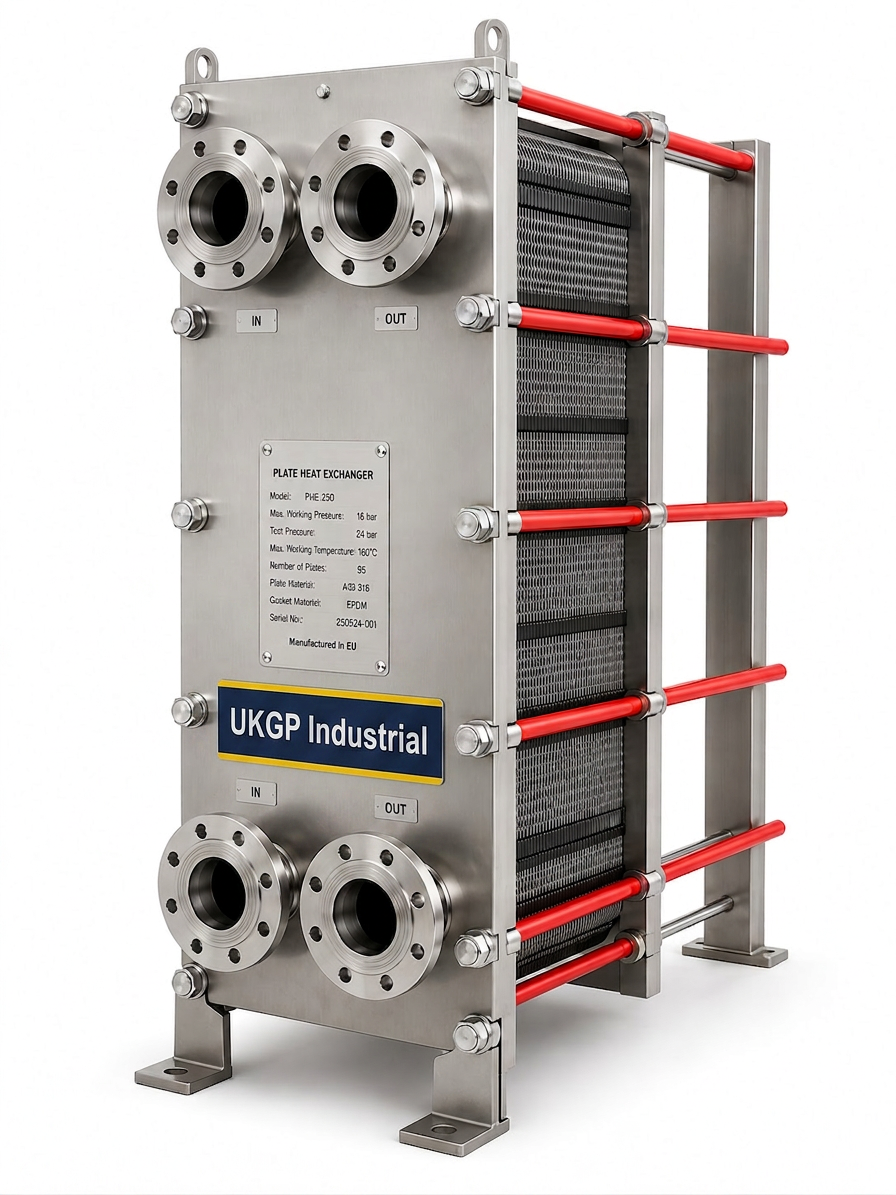
A well-designed plant room is a synergistic environment where every component contributes to overall efficiency. Pipe expansion joints bellows are not standalone items; they work in tandem with plate heat exchangers, air and dirt separators, and low loss headers to maintain a stable operating environment. For instance, air and dirt separators remove micro-bubbles and particulates that could otherwise settle in the convolutions of an expansion joint, causing localized erosion. By ensuring clean fluid flow, you extend the lifespan of the bellows and the primary heating or cooling plant, fulfilling the sustainability goals often set out by CIBSE and modern building regulations.
In systems where high-efficiency plate heat exchangers are used, the vibration isolation properties of rubber pipe expansion joints bellows are invaluable. Pumps and plate heat exchangers can generate harmonic frequencies that, if left unchecked, transmit through the pipework and resonate throughout the building. Installing EPDM or NBR bellows at the pump headers effectively decouples the mechanical vibration from the rest of the distribution network. This not only protects the pipework but also improves the acoustic comfort of the building occupants, a key consideration for residential and commercial office developments where plant rooms are located in close proximity to habitable spaces.
To achieve peak performance, every aspect of the plant room—from the expansion bellows to the pH sensors and transmitters—must be monitored and maintained. Accurate pH monitoring ensures that the fluid remains non-corrosive, protecting the thin-walled convolutions of stainless steel bellows from premature failure. UKGP Industrial provides a full suite of these technologies, allowing consultants to source a coordinated set of equipment from a single, reliable supplier. This integrated approach simplifies procurement and ensures that the pipe expansion joints bellows are supported by high-quality ancillary equipment, resulting in a more robust and resilient mechanical system.
- Vibration isolation for high-efficiency pumps and heat exchangers
- Debris protection via integrated air and dirt separators
- Corrosion prevention through accurate pH sensing and dosing
- Optimised hydraulic balance with low loss header integration
- Coordinated procurement of all primary plant room ancillaries
Frequently asked questions
What is the maximum temperature for EPDM pipe expansion joints bellows?
- Our EPDM rubber bellows are typically rated for continuous operation up to 100-110°C, making them ideal for LTHW and chilled water systems. For higher temperatures or steam, stainless steel bellows should be specified.
Are pipe expansion joints bellows suitable for potable water?
- Yes, provided they are manufactured from WRAS-approved EPDM or high-grade stainless steel. It is essential to confirm the application during the procurement stage to ensure compliance with UK water regulations.
How often should pipe expansion joints bellows be inspected?
- In accordance with BS 8552 and general BSRIA maintenance guidelines, bellows should be visually inspected every 6 to 12 months for signs of fatigue, cracking, or leakage, and always after a significant system upset or pressure test.
What sizes are available for UKGP Industrial expansion joints?
- We supply a full range from DN15 for small individual pipe runs up to DN600 for major commercial headers and industrial distribution networks, with various flanged and weld-end options.
Can bellows be used to fix misaligned pipes?
- While pipe expansion joints bellows can accommodate minor installation tolerances, they should not be used to bridge significant gaps or offsets caused by poor fabrication. Excessive initial stress will significantly reduce the service life of the unit.