The Role of a Pipe Bellows Expansion Joint in HVAC
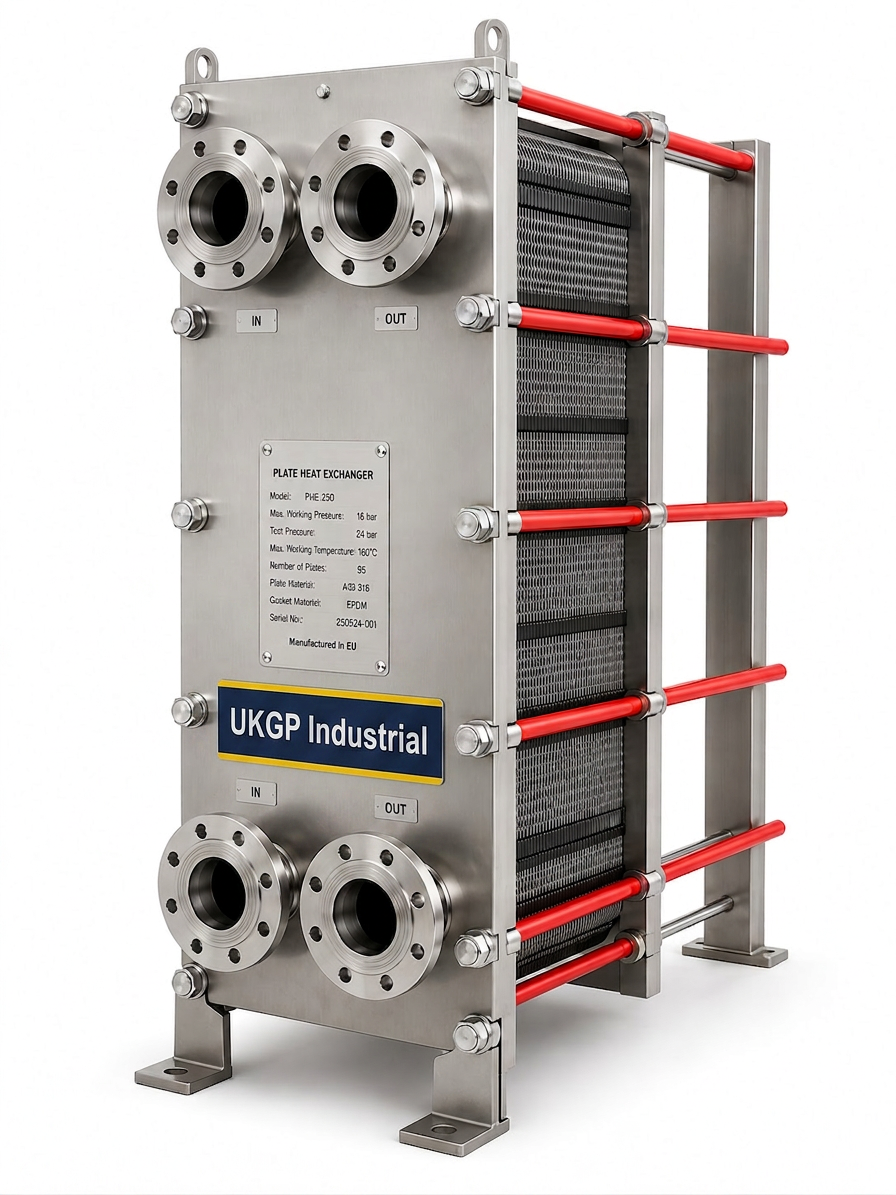
In modern UK building services, the pipe bellows expansion joint acts as a flexible connector designed to compensate for the physical changes in pipe length caused by temperature fluctuations. When fluid temperatures rise, the metallic or synthetic pipework expands; without a designated point of flexibility, this growth would apply immense pressure on anchors, guides, and sensitive equipment like pumps or plate heat exchangers. By incorporating these joints, engineers can direct the movement into a controlled element that compresses or extends without transferring load to the primary structure. This prevents pipe buckling and the subsequent threat of system-wide leaks which could lead to expensive downtime in commercial or residential blocks.
Selecting the correct pipe bellows expansion joint requires a deep understanding of the axial, angular, and lateral movements anticipated within the plant room. A common mistake in speculative specifications is failing to account for the cumulative movement across long pipe runs, particularly in high-rise developments where secondary circulation systems are active. Standard UK practices, guided by BSRIA BG29 and CIBSE recommendations, dictate that these joints must be installed between fixed anchor points to function effectively. Without proper anchoring, the internal pressure of the system could force the bellows to over-extend, leading to the very failure the component was intended to prevent. British standards such as BS EN 14917 provide the essential framework for the design and testing of these vital metallic joints.
Furthermore, the pipe bellows expansion joint is instrumental in isolating mechanical vibration generated by primary plant machinery. High-speed centrifugal pumps and large-scale commercial boilers generate consistent micro-vibrations that, over time, can cause fatigue in rigid copper or steel pipework. By installing a flexible bellows at the suction and discharge ends of these units, contractors can significantly reduce noise transmission through the building fabric while extending the lifecycle of the entire installation. UKGP Industrial specializes in providing these high-performance components, ensuring that every installation meets the rigorous demands of modern British engineering standards while providing peace of mind for facility managers responsible for long-term asset maintenance.
- Absorbs axial expansion and contraction during thermal cycling
- Reduces mechanical noise and vibration transfer from pumps
- Protects sensitive plant room equipment from structural stress
- Essential for compliance with CIBSE pipework design guidelines
Material Selection and Specification Standards
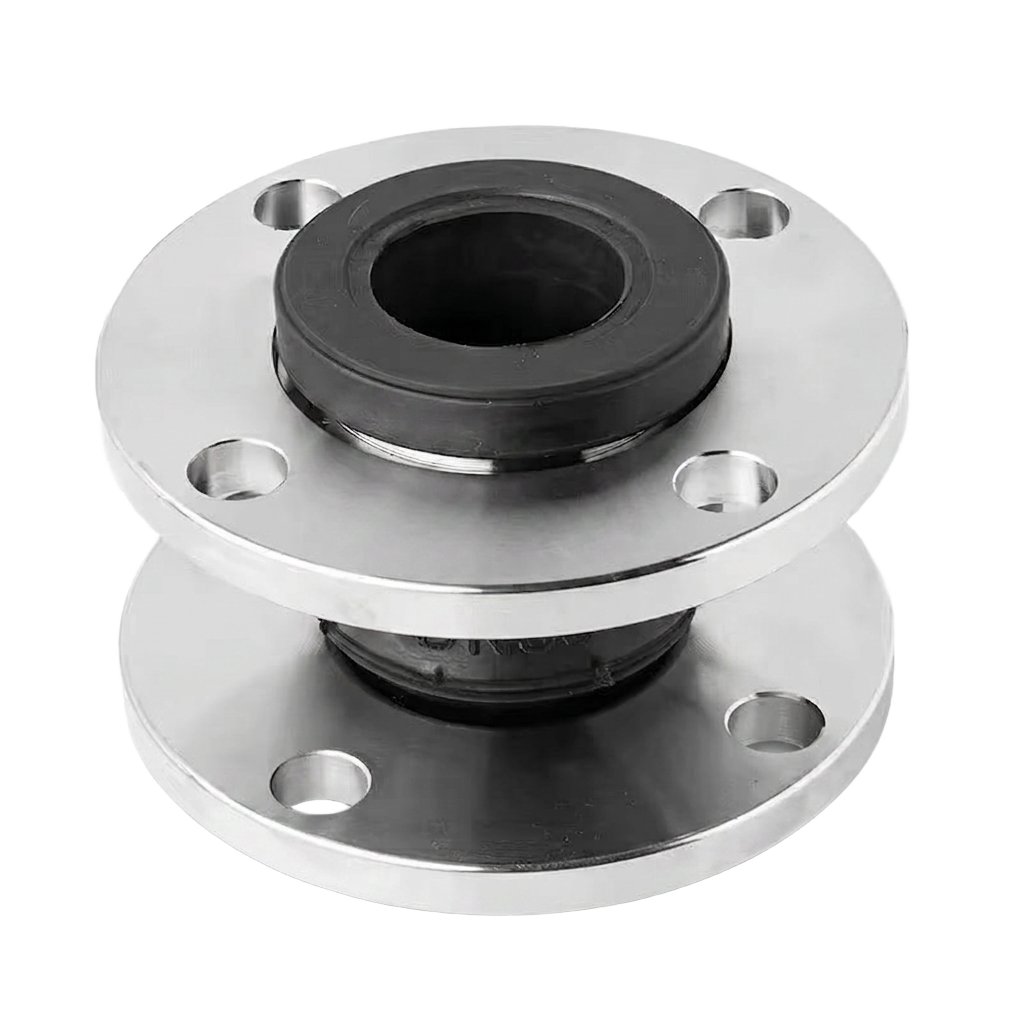
Material compatibility is a critical factor when choosing a pipe bellows expansion joint for a specific application. Rubber EPDM bellows are frequently specified for chilled water and LTHW systems due to their excellent flexibility and vibration dampening properties, whereas NBR is preferred when oil resistance is required. For high-temperature steam or high-pressure heating circuits, stainless steel convoluted bellows offer the thermal resilience and pressure ratings necessary to maintain safety. Consultants must consult BS EN 14917 to ensure that the bellows construction, whether multi-ply or single-ply, aligns with the design fatigue life calculated for the project. Incorrect material selection can lead to premature degradation, especially in systems where water chemistry is not strictly controlled according to BG50 standards.
Beyond rubber and steel, PTFE-lined bellows are indispensable in environments involving aggressive chemicals or ultra-pure water systems. Fabric expansion joints also find their place in large-scale ducting and exhaust systems where pressures are lower but thermal movements are substantial. When specifying for UK plant rooms, procurement leads should prioritize suppliers who offer a comprehensive range from DN15 up to DN600. UKGP Industrial provides this full spectrum, offering flanged or weld-end configurations to suit any onsite manifold or header arrangement. Ensuring that the bellows are rated for the full system test pressure, typically 1.5 times the working pressure, is a fundamental safety requirement that should never be bypassed during the procurement phase.
The longevity of a pipe bellows expansion joint is also inextricably linked to the quality of the surrounding water treatment. BSRIA BG50 highlights that corrosion can compromise the convolutions of a metallic bellows, leading to pinhole leaks. Therefore, integrating high-quality chemical dosing pots is advised to maintain protective inhibitor levels. This holistic approach to system health ensures that the flexible components do not become the 'weak link' in the circuit. UKGP units come with a standard 2-year warranty, reflecting the confidence in our manufacturing quality and our commitment to supporting M&E contractors who require reliable, long-term solutions for demanding commercial environments across London and the wider UK.
- EPDM and NBR options for standard HVAC and oil-line applications
- Stainless steel grades for high-pressure and high-temperature LTHW/Steam
- PTFE and fabric variants for specialist chemical or low-pressure ducting
- Selection must align with BSRIA BG50 water quality management
Installation Best Practices for Bellows
Correct installation of a pipe bellows expansion joint is as important as the specification itself. One of the most frequent errors encountered by plant room engineers is the failure to properly align the pipework before the bellows is bolted into place. A bellows should never be used to correct for structural misalignment; doing so introduces pre-stress that drastically reduces the component’s ability to absorb thermal movement. Furthermore, the use of temporary shipping bolts—colored differently for easy identification—is mandatory during the transit and positioning phase. These must be removed only after the pipework is fully anchored and guided, ensuring the bellows is free to move as intended once the system is commissioned and brought up to temperature.
Guiding the pipework is the second pillar of successful installation. According to industry-standard engineering tables, the first pipe guide should be placed within a distance of four pipe diameters from the bellows, with the second guide located within fourteen diameters. This proximity ensures that the expanding pipe moves in a straight line into the bellows, preventing lateral squirm or buckling. For contractors working on retrofits or upgrades, verifying that existing anchors are sufficient to handle the pressure thrust generated by the new pipe bellows expansion joint is a critical step. Failure to do so can result in the anchors being pulled out of the building masonry, leading to catastrophic system failure and potentially dangerous conditions for onsite staff.
Finally, insulation around the bellow should be designed for easy inspection. Removable thermal jackets are preferred over permanent lagging, as they allow facility managers to perform visual checks during annual maintenance cycles. This aligns with BS 8552 monitoring protocols, ensuring that any signs of weeping or stress cracking are identified before they escalate. UKGP expansion bellows are designed with the installer in mind, providing clear orientation markings and robust flanged connections that simplify the process. By following these practical steps, M&E contractors can ensure a compliant, durable installation that performs reliably for the duration of the building's lifecycle, backed by our comprehensive warranty and technical support.
- Never use bellows to rectify pipework misalignment during fit-out
- Strict adherence to guide spacing prevents lateral squirm and buckling
- Ensure shipping bolts are removed only after anchors are secured
- Utilize removable insulation jackets for easier maintenance access
Managing Pressure Thrust in Expansion Loops
The phenomenon of pressure thrust is often misunderstood by junior engineers when integrating a pipe bellows expansion joint. Pressure thrust is the force created by the internal pressure acting on the cross-sectional area of the bellows. Because the bellows is flexible, this force attempts to push the two ends of the pipework apart. It is the responsibility of the main anchors to restrain this force. In systems where anchors cannot be sufficiently reinforced, 'tied' expansion joints may be used. These utilize limit rods to prevent over-extension, effectively containing the pressure thrust within the assembly while still allowing for lateral offset or angular rotation. This is particularly common in secondary loops and plant room branch lines.
Calculating these forces requires precision. For instance, in a 200mm bore pipe at 10 bar pressure, the thrust can exceed several tonnes. If the pipe bellows expansion joint is not supported by calculated anchoring, the structural integrity of the plant room is at risk. Design consultants must provide detailed loading data to structural engineers early in the project lifecycle to ensure the building can handle these concentrated loads. UKGP offers technical consultations to help determine the appropriate thrust calculations for our DN15 to DN600 range, ensuring your procurement leads purchase units fit for the specific hydraulic conditions of your site, whether you are dealing with a weld-end or flanged configuration.
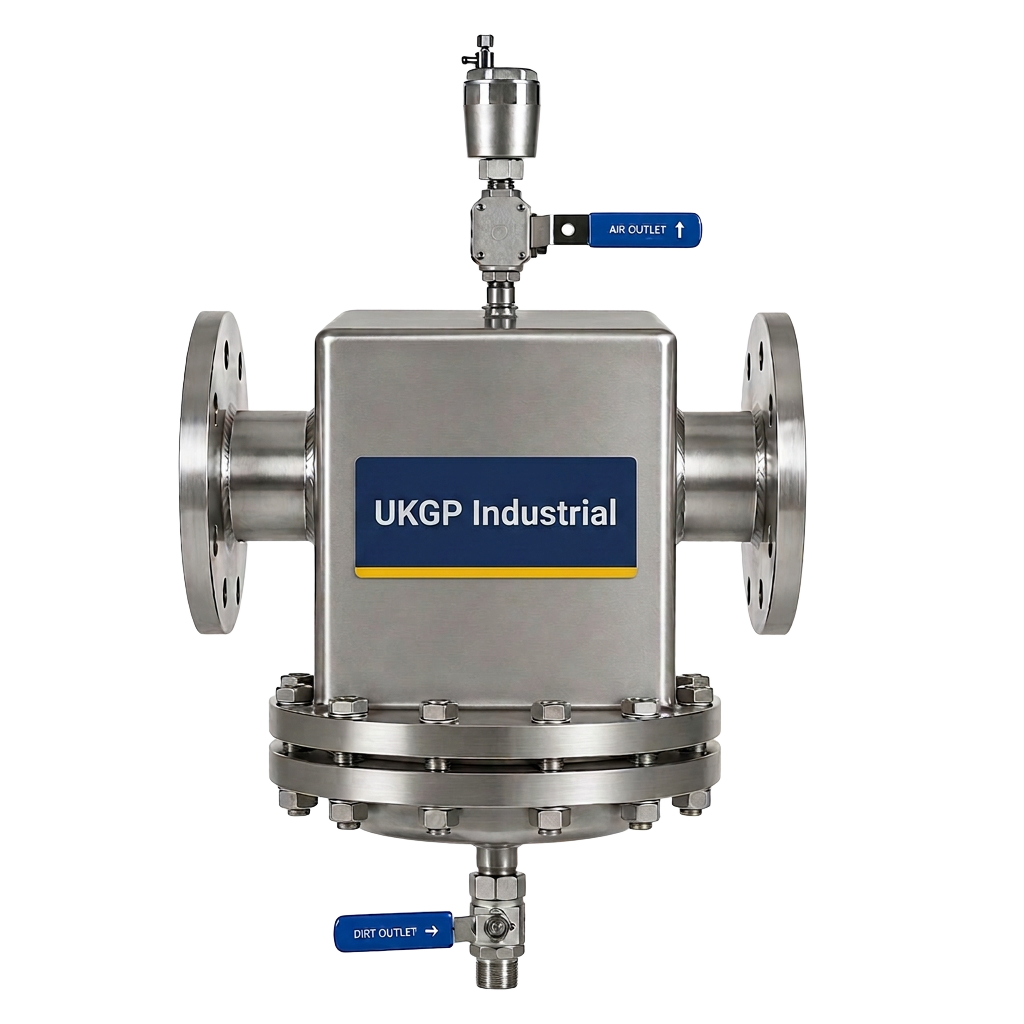
Operational safety is further enhanced when these components are paired with effective air and dirt separators. Entrained air can cause surging and pressure spikes that add dynamic loads to the bellows, while debris can settle in the convolutions of the bellows, restricting movement and causing localized corrosion. By maintaining a clean, air-free system, you remove the external variables that lead to premature failure of flexible joints. When you source a pipe bellows expansion joint from UKGP Industrial, you are investing in a product engineered to survive these stresses, provided the system is designed and maintained according to the best practices set out in CIBSE Guide M and the relevant British Standards.
- Main anchors must be designed to withstand calculated pressure thrust
- Tied bellows limit rods are essential when anchors are insufficient
- Air and dirt removal helps prevent damaging dynamic pressure spikes
- UKGP provides technical data to assist with structural load planning
Thermal Expansion Challenges in High-Rise Plant Rooms
High-rise buildings present unique challenges for thermal management due to the excessive length of vertical risers. In such scenarios, a single pipe bellows expansion joint might not be sufficient to manage the total expansion of a thirty-story riser. Instead, engineers must strategicially place 'expansion sets' at regular intervals, effectively dividing the building into manageable thermal segments. Each segment requires its own fixed point and guide system. This complexity is why many consultants prefer the reliability of UKGP stainless steel bellows for risers, where the stakes of a leak are significantly higher due to the potential for water damage across multiple floors. Our 2-year warranty provides the necessary assurance for such high-stakes applications.
Beyond vertical growth, lateral movement caused by building sway in high winds must also be considered. A pipe bellows expansion joint can be designed as a 'gimbal' or 'hinged' unit to allow for this specific type of movement. In seismic zones or buildings subject to significant structural movement, these specialized joints ensure the mechanical services remain functional even when the building structure flexes. It is standard practice in UK commercial sectors to specify EPDM rubber bellows for the initial connection to vibration-generating equipment, followed by metallic bellows for the main riser expansion. This hybrid approach utilizes the best properties of both materials to maximize system protection and acoustic comfort for building occupants.
Procurement leads are often tasked with balancing cost and quality in these large-scale projects. While generic imports may seem attractive on a spreadsheet, they often lack the material certifications and testing required by UK insurers and building control. Specifying a UKGP pipe bellows expansion joint ensures that you are receiving a unit that has been rigorously tested and fits the exact DN15-DN600 requirements of your project. Whether your design calls for flanged or weld-end connections, our technical team ensures that the delivery matches the precision required for high-rise M&E installations, preventing the costly rework associated with sub-standard flexible components that fail during commissioning or initial heat-up cycles.
- Strategic placement in vertical risers prevents cumulative stress
- Gimbal and hinged joints handle lateral building sway in tall structures
- Hybrid specifications combine rubber and metallic joints for optimum results
- Certified products are essential for meeting UK insurance requirements
Maintenance and Lifecycle of Expansion Joints
The lifecycle of a pipe bellows expansion joint is heavily dependent on the operational environment and adherence to maintenance schedules. While these components are often considered 'fit and forget,' BSRIA BG50 and CIBSE recommendations suggest regular visual inspections. During these checks, engineers should look for signs of 'squirm,' which indicates the bellows is being subjected to pressures beyond its design or that the guides have failed. For rubber bellows, checking for surface cracking or hardening is vital, as this suggests the elastomer is reaching the end of its useful life due to thermal aging or chemical exposure. Replacing a bellows during a planned shutdown is considerably cheaper than an emergency repair following a burst.
When a pipe bellows expansion joint needs replacement, it is crucial to replace it with a unit of identical specification. Altering the material or the number of convolutions can change the spring rate of the joint, which in turn affects the loads on the existing anchors. UKGP keeps detailed records of our supplied units, making the procurement of exact replacements simple for facility managers. Our range including EPDM, NBR, stainless steel, and PTFE ensures that we can provide a compatible solution for almost any legacy system. With a range covering DN15 to DN600, we support small-scale plant rooms as efficiently as large industrial district heating schemes, always maintaining the highest levels of quality control.
In conclusion, the pipe bellows expansion joint is a small but mighty component of the UK's built environment. By understanding the engineering principles of thermal expansion, pressure thrust, and material science, M&E professionals can design systems that are both safe and efficient. For your next project, consider UKGP Industrial as your partner for expansion solutions. Our products, from simple rubber flanged connectors to complex multi-ply stainless steel joints, are built to last and backed by a 2-year warranty. Contact our Surrey-based team today for a quote or technical guidance on selecting the right expansion bellows for your specific plant room requirements to ensure long-term operational success.
- Regular visual inspections identify squirm and material fatigue early
- Replacement units must match original spring rates to protect anchors
- Planned replacement is significantly more cost-effective than emergency fixes
- UKGP Surrey-based support assists with specification and rapid quoting
Frequently asked questions
What is the difference between an expansion bellows and a pipe bellows expansion joint?
- The terms are often used interchangeably in the industry. However, 'pipe bellows expansion joint' typically refers to the complete assembly—including the bellows, flanges or weld ends, and any tie rods—used to absorb movement in a piping system.
How do I choose between EPDM and Stainless Steel for a pipe bellows expansion joint?
- EPDM is generally used for LTHW and chilled water where vibration isolation is the priority. Stainless steel is specified for higher temperatures, higher pressures, or where the expansion distance is greater than what a rubber joint can accommodate.
Do pipe bellows expansion joints require maintenance?
- Yes, they should be visually inspected annually according to CIBSE Guide M. Check for signs of leaks, corrosion, or deformation. Rubber variants should be checked for brittleness, especially in hot plant rooms with poor ventilation.
Can I use a pipe bellows expansion joint to fix misaligned pipes?
- No. Using a bellows to fix misalignment creates permanent stress on the component material, which will lead to premature failure. Pipes should be correctly aligned and supported before the joint is installed.
What standards govern the design of these joints in the UK?
- Primary design standards include BS EN 14917 for metallic bellows and various ISO standards for rubber components. Installation and system design are typically guided by BSRIA BG29 and CIBSE recommendations.