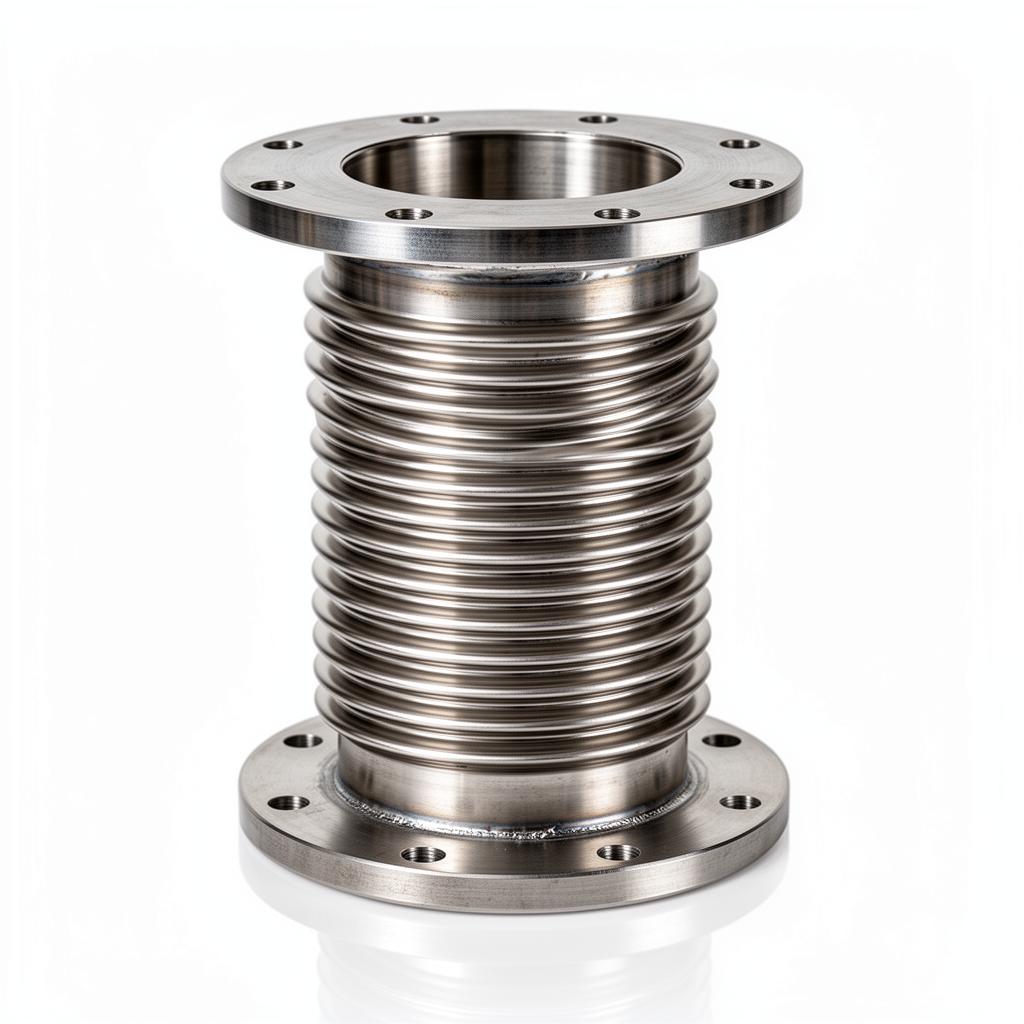
Thermal stress management with metal expansion bellows
In the realm of modern HVAC and district heating, managing the intense thermal expansion of rigid pipework is a core engineering challenge. As water temperatures fluctuate between ambient and operational peaks, often exceeding 100 degrees Celsius in high-pressure networks, the resulting linear expansion can exert destructive forces on anchors and fittings. Utilizing metal expansion bellows is the primary method for absorbing this movement, offering a compact and maintenance-free alternative to traditional expansion loops which often consume excessive plant-room space. For consultants, ensuring the selected bellows can handle the specific axial compression and extension requirements is vital for long-term reliability and system safety.
When specifying metal expansion bellows, it is essential to account for the specific material properties required for the medium and the environment. Stainless steel variants are standard for district heating due to their exceptional temperature resistance and pressure ratings. Bellows must be designed to accommodate the cyclic nature of heat networks, where frequent start-ups and shutdowns cause repeating stress patterns. UKGP Industrial supplies a range of solutions that conform to BS EN 14917, providing the structural integrity needed to prevent buckling or fatigue-induced ruptures. Without proper expansion management, the sheer force generated by thermal growth could lead to catastrophic flange failure or structural damage to the building's fabric.
The commercial implications of poor expansion management are significant, often leading to costly downtime and emergency remediation. Metal expansion bellows provide a predictable and engineered response to thermal movement, allowing for precise control within a confined footprint. M&E contractors should focus on the quality of the multi-ply construction often found in high-specification bellows, as this provides a layer of redundancy and improved flexibility compared to single-ply alternatives. At UKGP Industrial, we support procurement leads by offering technical data sheets and expert advice to ensure that every bellows unit specified is perfectly matched to the operational parameters of the specific project, whether for a commercial boiler room or a wide-scale district heating scheme.
- Absorption of high-magnitude axial and lateral thermal movement
- Compact footprint compared to traditional pipework expansion loops
- Reduction of mechanical stress on fixed anchors and mechanical plant
- Compliance with BS EN 14917 standards for pressure equipment
- Long-term durability in high-temperature district heating applications
Compliance with BSRIA and BS EN standards
Adhering to established industry standards such as BSRIA BG29 and BG50 is non-negotiable for high-performing UK heating systems. These guidelines outline the necessity of protecting closed-loop systems from mechanical stresses that can lead to leaks and corrosion. The metal expansion bellows plays a critical role here by maintaining the physical integrity of the circuit. If a bellows unit fails prematurely due to poor specification, the resulting ingress of oxygen or loss of system pressure can compromise the chemical balance and lead to rapid metallurgical deterioration elsewhere in the network. Properly specified bellows are the first line of defense in maintaining a sealed, efficient system year after year.
Furthermore, BS EN 14917 provides the rigorous framework for the design and manufacture of metal expansion bellows. This standard ensures that the bellows can withstand the design pressure and temperature while performing the required number of expansion cycles. Engineers must verify that any installed component meets these criteria to satisfy building insurers and local authority building control. A failure to comply not only risks physical damage but also voids warranties on expensive plant equipment like boilers and heat exchangers. Consulting with UKGP Industrial ensures your procurement process aligns with these vital British and European standards, providing a clear trail of quality assurance.
For plant-room engineers, the integration of bellows MUST be coupled with professional guide spacing and anchor installation. BSRIA documentation emphasizes that even the best metal expansion bellows will fail if the pipework is not correctly constrained. This coordination between the expansion device and the piping support system is what defines a professional installation. We recommend that contractors double-check all calculations against the maximum allowable stroke of the bellows to allow for a safety margin. By choosing UKGP Industrial, you gain access to high-specification components complemented by our technical expertise in proper system layout and expansion control for both steel and copper pipework.
- Strict adherence to BS EN 14917 manufacturing protocols
- Alignment with BSRIA BG50 best practices for water treatment and system life
- Integration with standard CIBSE thermal expansion calculations
- Enhanced protection for sensitive plant-room equipment
- Comprehensive documentation for health and safety compliance
Installation best practices for HVAC bellows
Correct installation of metal expansion bellows is as crucial as the hardware itself. Before the system is filled, it is vital to check that the bellows have not been used to correct for pipework misalignment, which is a common cause of premature failure. Bellows are designed to absorb thermal movement, not to bridge gaps caused by poor fabrication. Ensuring that the pipework is perfectly aligned and that the internal sleeves, if present, are pointing in the direction of flow will significantly extend the service life of the unit. UKGP Industrial offers weld-end and flanged variants from DN15 to DN600 to suit any installation preference and site requirement.
During the installation of a metal expansion bellows, it is essential to leave the shipping bolts or tie bars in place until the anchors are fully secured and the system is ready for testing. Removing these too early can result in the bellows extending beyond its design limits under the weight of the pipework or due to initial thermal shifts. Once the system is commissioned, these temporary restraints must be removed to allow the bellows to function. Our experts recommend a 2-year warranty period as standard, highlighting our confidence in the EPDM, NBR, and stainless steel materials we utilize. This proactive approach to installation helps M&E contractors avoid the pitfalls of rework and system delays.
Finally, insulation around the metal expansion bellows should be handled with care. While it is necessary to reduce heat loss in district heating systems, the insulation must not restrict the movement of the bellows. Using removable thermal jackets is a common practice that allows for easy inspection and ensures the bellows can expand and contract unrestricted. Regular inspections, as recommended in CIBSE maintenance schedules, will identify any signs of weeping or fatigue before they become critical. UKGP Industrial provides the technical support needed to ensure these components are not just purchased, but successfully integrated into a high-performance building services environment.
- Avoid using bellows to compensate for gross pipework misalignment
- Maintain temporary shipping restraints until anchors are fully set
- Use appropriate thermal jackets to allow for unrestricted movement
- Verify flow direction for units equipped with internal liners
- Schedule periodic visual inspections for signs of stress or corrosion
District heating and high-pressure applications
District heating schemes present unique challenges due to the scale of the networks and the high pressures involved. In these scenarios, the metal expansion bellows must be capable of handling consistent high-temperature water while situated in underground ducts or high-traffic utility corridors. The demand for reliability is absolute, as a single failure can affect hundreds of residents or multiple commercial units. UKGP Industrial specializes in providing flanged and weld-end bellows that meet these high-stakes requirements. Our metal bellows are engineered to provide maximum flexibility with minimum resistance, ensuring the overall efficiency of the distribution pumps is not negatively impacted by excessive friction or turbulence.
When designing for district heat, engineers often prefer stainless steel metal expansion bellows due to their resistance to external corrosion in potentially damp environments. Unlike rubber alternatives, metal bellows can withstand the high-temperature spikes common in energy centers. It is also important to consider the pressure thrust forces generated within the pipework when it is pressurized. Robust anchors must be designed to accommodate the full pressure thrust plus the force required to compress the bellows. UKGP Industrial assists procurement leads in selecting the correct pressure-rated components to ensure the entire network remains structurally sound under all load conditions, from peak winter demand to summer minimums.
Sustainability and longevity are at the heart of modern heat network design. By specifying high-quality metal expansion bellows, developers can ensure their infrastructure has a service life exceeding 20 years with minimal intervention. This long-term thinking aligns with current UK government initiatives for decarbonizing heat and improving the efficiency of heat networks. At UKGP Industrial, we are committed to supplying the UK market with bellows that represent the pinnacle of British engineering standards. Whether you are working on a new-build energy center or retrofitting an existing building, our range of DN15 to DN600 bellows provides the versatility needed for any scale of project across the United Kingdom.
- High-temperature resistance for primary district heating circuits
- Weld-end options for permanent, leak-free underground installations
- High pressure ratings suitable for multi-story energy distribution
- Stainless steel construction for superior environmental resistance
- Precision engineering to minimize flow turbulence and noise
Selecting the right material: Stainless vs Rubber
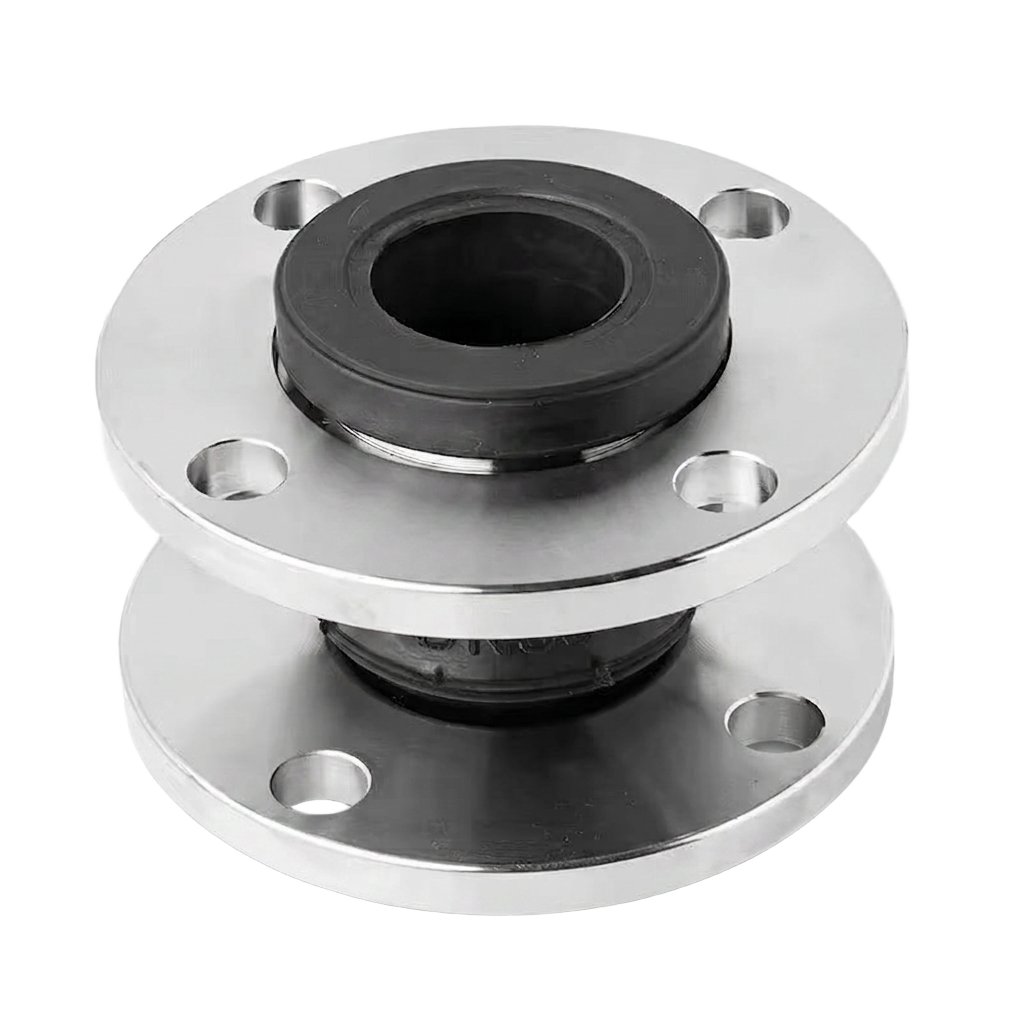
While rubber EPDM or NBR bellows are excellent for vibration isolation in pump rooms, the metal expansion bellows is the superior choice for high-temperature thermal expansion in HVAC mains. Rubber components have a limited temperature window and can degrade over time when exposed to the high heat cycles of a heating system. In contrast, stainless steel bellows offer a much broader operating range and greater structural stability under pressure. For secondary heating circuits or domestic hot water services, our stainless steel and PTFE-lined options offer the hygiene and durability required. UKGP Industrial's expertise helps you navigate these choices, ensuring the material specified is fit for the specific chemical and thermal profile of your system water.
Chemical resistance is another vital consideration. In systems where dosing pots are used to introduce corrosion inhibitors, the metal expansion bellows must be compatible with the chemical concentrations present. BSRIA BG50 guidelines emphasize the importance of material compatibility to prevent premature failure of gaskets and seals. Our stainless steel bellows are highly resistant to standard HVAC chemicals, ensuring that the water treatment regime does not inadvertently damage the expansion devices. This holistic view of system health is what sets UKGP Industrial's advisory service apart, helping contractors and FMs maintain peak performance without unexpected component degradation or leaks.
For specialized applications involving highly corrosive media or extreme temperatures, PTFE and fabric bellows can be utilized, though for the majority of UK building services, the stainless steel metal expansion bellows remains the industry standard. It offers the best balance of cost-effectiveness, durability, and ease of installation. Our DN15 to DN600 range ensures that from the smallest commercial branch line to the largest plant-room header, there is a UKGP solution available. We encourage procurement teams and engineers to request a technical quote early in the design phase to ensure lead times and specifications are perfectly aligned with project milestones and technical requirements.
- Superior temperature resistance compared to elastomeric alternatives
- Compatibility with common BSRIA-compliant chemical inhibitors
- Availability in varied materials including PTFE and fabric for niche uses
- Robust stainless steel construction for high-pressure mains
- Reliable performance in both chilled water and LTHW/MTHW systems
Technical support and procurement for UK projects
Procuring metal expansion bellows for large-scale projects requires a supplier that understands the nuances of UK building regulations and engineering standards. UKGP Industrial provides more than just components; we offer a technical partnership that includes full support from specification through to after-sales care. Our bellows come with a 2-year warranty, reflecting our commitment to quality and the reliability of our manufacturing processes. For FMs and plant-room engineers, having a UK-based supplier who can provide rapid technical clarification and expedited delivery is essential for maintaining operational continuity and meeting tight construction schedules.
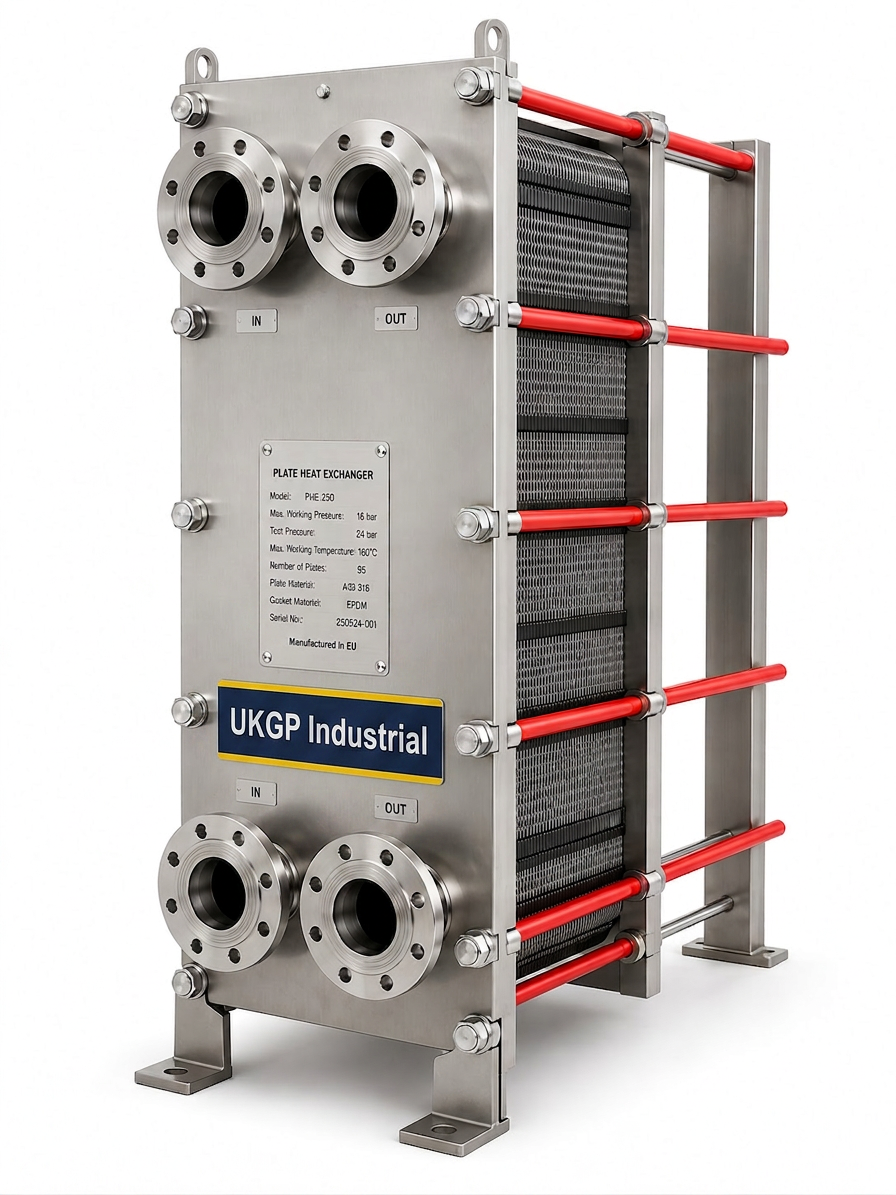
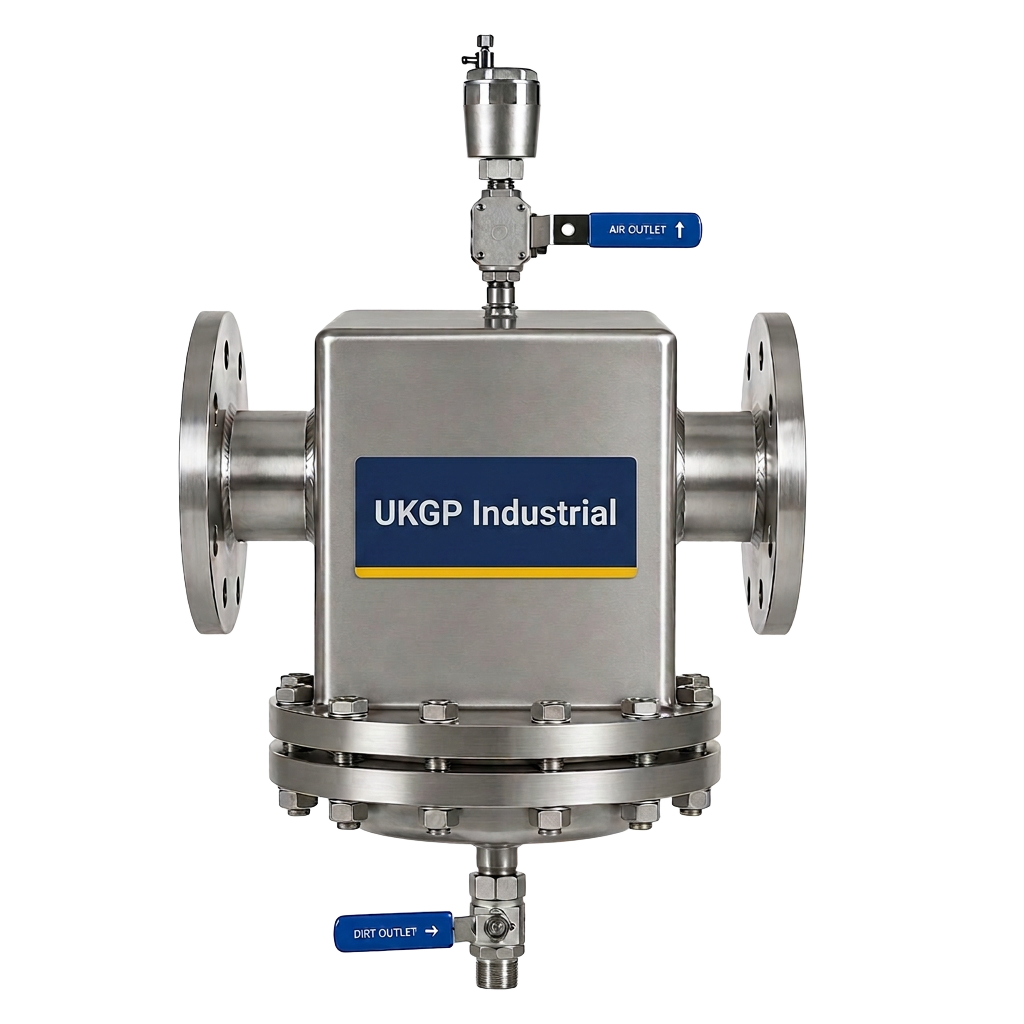
Our range of metal expansion bellows is designed to meet the diverse needs of the UK market, with sizes ranging from DN15 for smaller pipework up to DN600 for major distribution lines. Whether your project requires flanged connections for ease of maintenance or weld-end connections for maximum security in district heating ducts, we have the stock and the expertise to deliver. By centralizing your procurement with UKGP Industrial, you can ensure that all expansion devices, along with related plant like air & dirt separators and dosing pots, are of a consistent, high quality. This single-source approach simplifies project management and ensures all components are designed to work in harmony.
Choosing UKGP Industrial means investing in British-standard reliability. We invite you to reach out to our Surrey-based technical team for a detailed quote on your next project involving metal expansion bellows. Whether you are dealing with the complexities of a district heating scheme or the standard thermal expansion of a commercial HVAC system, our team is ready to provide the calculations and products you need to succeed. Ensure your next installation is protected by the best in expansion technology—contact us today to discuss your requirements and discover why leading M&E contractors and consultants trust UKGP Industrial for their critical infrastructure needs.
- Surrey-based technical support for rapid UK-wide response
- Comprehensive 2-year warranty for total peace of mind
- Flexible sizing from DN15 to DN600 for all project scales
- Multiple connection types including flanged and weld-end
- Direct access to expert engineering advice and documentation
Frequently asked questions
What is the primary function of a metal expansion bellows in a heating system?
- A metal expansion bellows is designed to absorb the thermal expansion and contraction that occurs in pipework as the water temperature changes. This prevents the buildup of mechanical stress that could otherwise damage anchors, supports, and sensitive plant-room equipment.
Which standards should a metal expansion bellows comply with?
- In the UK and EU, metal expansion bellows should be manufactured in accordance with BS EN 14917, which covers the design, manufacture, and testing of pressure-resistant bellows and expansion joints.
Can metal expansion bellows be used in district heating systems?
- Yes, they are the preferred choice for district heating due to their ability to withstand high temperatures and pressures. Stainless steel versions are particularly common for their durability and resistance to environmental factors.
How do I choose between flanged and weld-end bellows?
- Flanged bellows are easier to replace and maintain, making them ideal for plant rooms. Weld-end bellows provide a permanent, leak-free connection which is often preferred for underground district heating distribution where maintenance access is limited.
What is the warranty period for UKGP expansion bellows?
- UKGP Industrial provides a 2-year warranty as standard on our range of expansion bellows, which includes stainless steel, EPDM, NBR, PTFE, and fabric options.