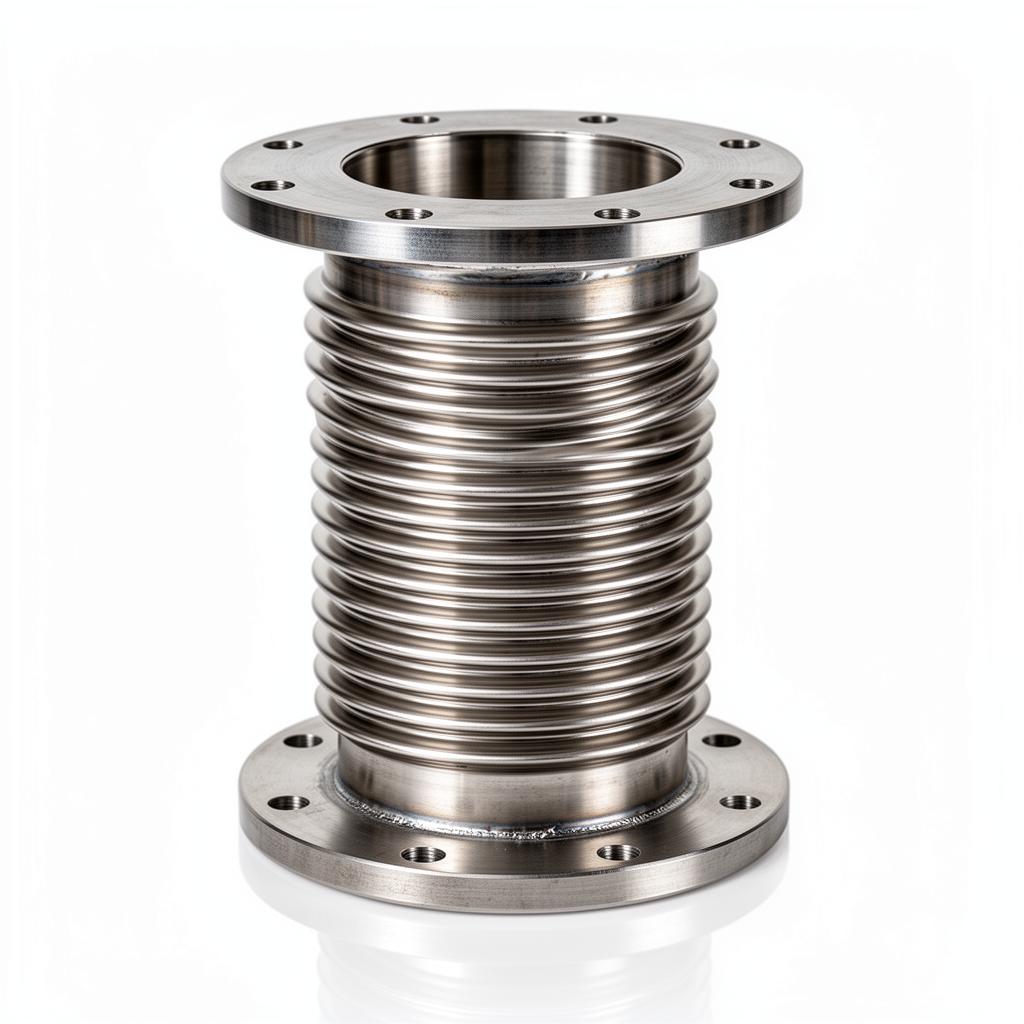
Understanding Metal Bellows Expansion Joints Specification
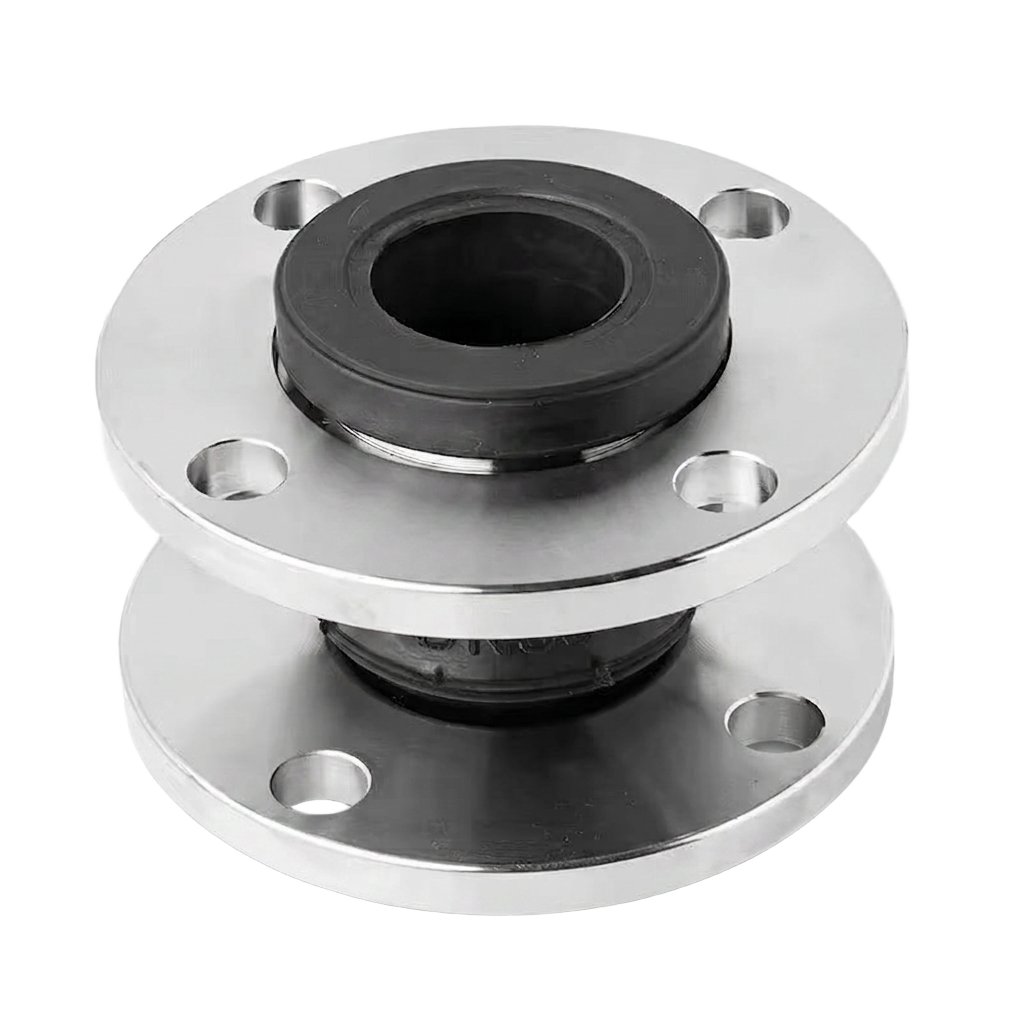
In modern UK commercial heating and chilled water systems, the management of thermal expansion is not merely a design preference but a safety necessity. Metal bellows expansion joints are specifically designed to absorb the Dimensional changes in piping caused by temperature fluctuations, preventing excessive stress on pumps, boilers, and fixed anchors. Unlike rubber alternatives, stainless steel variants offer superior resistance to high temperatures and specific chemical profiles found in industrial processes. When reviewing a selection chart, it is vital to distinguish between axial compression and extension capabilities, as misalignment here can lead to premature fatigue. UKGP Industrial ensures all units are manufactured to rigorous specifications, providing peace of mind for M&E contractors who need to comply with BS EN 14917. Selecting the right joint requires a deep understanding of the system's operational envelope, including the maximum anticipated pressure and the chemistry of the medium being transported.
Precision in selection directly impacts the lifecycle of the entire piping network. A incorrectly specified expansion joint can result in guide failure or, in the worst cases, catastrophic pipe rupture. Engineers should look for metal bellows expansion joints that feature multi-ply bellows construction where high pressure or frequent cycling is expected, as this design offers a better balance between flexibility and pressure retention. At UKGP, our stainless steel expansion bellows are available from DN15 to DN600, ensuring that whether you are working on a small-scale plant room or a major district heating scheme, the technical requirements are met. We emphasize the importance of verifying the material grade, typically 316L or 321 stainless steel, to ensure compatibility with the system additives used for corrosion inhibition as per BSRIA BG50 guidelines. This technical diligence prevents the pitted corrosion often seen in lower-grade components.
The selection process also necessitates a review of the end connections, whether flanged or weld-end, to suit the site installation requirements. Weld-end joints offer a permanent, leak-free solution for high-pressure lines, whereas flanged versions provide ease of maintenance and replacement in accessible plant areas. When using metal bellows expansion joints, the placement of pipe guides is as critical as the joint itself. According to standard engineering practice, the first guide should be placed within four pipe diameters of the joint, with the second guide within fourteen diameters. This prevents the bellows from squirming or buckling under pressure. Our technical team at UKGP can assist in interpreting selection charts to ensure that your specific project parameters, from fluid velocity to seismic requirements, are fully integrated into the procurement process to avoid costly on-site modifications or system downtime.
- Compliance with BS EN 14917 and CIBSE Guide B
- Available in DN15 to DN600 sizes
- Materials include 316L Stainless Steel and high-grade alloys
- Options for internal sleeves to reduce flow turbulence
- Pressure ratings suitable for PN16, PN25, and bespoke requirements
Navigating the Selection Chart for Expansion Bellows
A selection chart for metal bellows expansion joints is the primary tool for a building services consultant during the design phase. It categorises units based on their nominal diameter, length, and the amount of movement they can safely absorb. To use these charts effectively, one must first calculate the total anticipated thermal expansion using the coefficient of expansion for the specific pipe material, typically carbon steel or copper in UK HVAC applications. The chart will then indicate which bellows length is required to accommodate that movement without exceeding the yield strength of the stainless steel. It is a common mistake to specify a joint that is 'just enough'; industry best practice suggests a safety margin to account for unexpected temperature spikes or installation tolerances. UKGP provides comprehensive data sheets to support these calculations, ensuring every selection is backed by verifiable performance stats.
Beyond movement, the selection chart must be cross-referenced with the system's operating pressure and temperature. The pressure-containing capacity of metal bellows expansion joints decreases as temperature increases, a factor often termed 'temperature derating.' Failure to account for this can lead to the bellows failing well below its nominal PN rating. For instance, a joint rated for 16 bar at 20°C may only be safe for 12 bar at 120°C. Contractors should always demand full traceability and pressure test certificates to ensure the components delivered to the site match the design intent documented in the selection chart. All UKGP expansion bellows come with a 2-year warranty, reflecting our confidence in the durability of our EPDM, NBR, and stainless steel constructions across the full DN15 to DN600 range.
Another critical factor in the selection chart is the 'spring rate' or the force required to compress the bellows. In systems with sensitive equipment, such as thin-walled heat exchangers or plastic-bodied pumps, the force exerted by the expansion joint must be kept within the allowable nozzle loads of the equipment. If the spring rate is too high, the bellows acts more like a solid pipe, transferring stress rather than absorbing it. By choosing UKGP's precision-engineered metal bellows expansion joints, engineers can select units with optimal flexibility. We also provide guidance on the use of tie-rods, which are essential for controlling the movement of the bellows and preventing over-extension in unanchored systems. This level of detail in the selection process is what separates a high-performing system from one prone to chronic maintenance issues and leaks.
- Accurate calculation of thermal expansion (L x ΔT x α)
- Temperature derating factors for pressure safety
- Spring rate analysis to protect sensitive plant equipment
- Evaluation of axial, lateral, and angular movement capacities
- Comparison of flanged vs. weld-end installation benefits
Integrating Air and Dirt Separation with Expansion Control
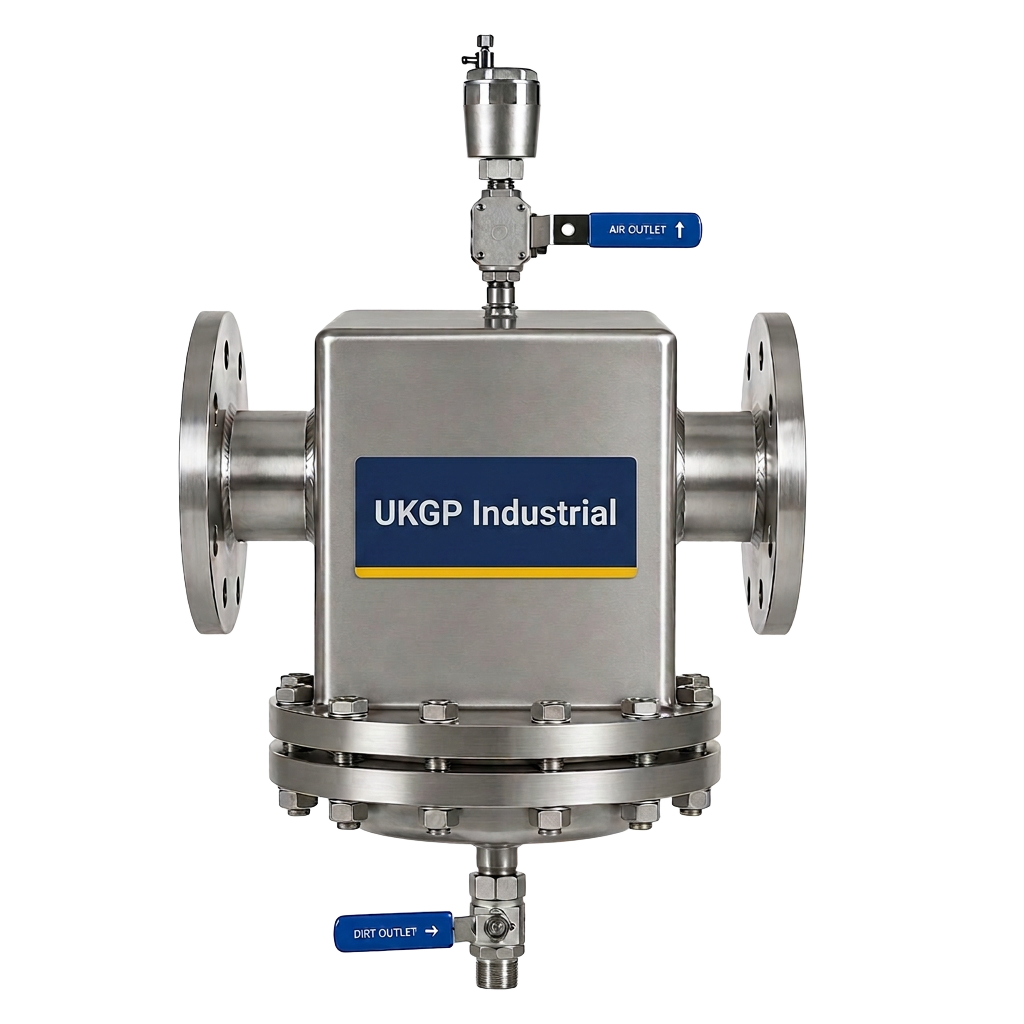
While managing physical movement with metal bellows expansion joints is vital, maintaining the quality of the medium is equally important for the longevity of those very components. Debris and entrained air in a closed-loop system can cause erosive wear on the thin convolutions of a stainless steel bellows. If particulates settle in the bellows' folds, they can restrict movement and cause stress concentrations that lead to fatigue cracking. This is why we recommend installing high-efficiency air and dirt separators alongside our expansion solutions. These devices remove micro-bubbles and magnetite that would otherwise degrade the system's internal surfaces. By keeping the fluid clean, you extend the operational life of every expansion joint and valve in the network, ensuring the 'as-built' performance aligns with the original design specifications and CIBSE recommendations.
The interaction between water chemistry and expansion components is often overlooked. BSRIA BG50 highlights the risks of corrosion in closed-loop systems, and the high-surface-area convolutions of metal bellows expansion joints are particularly susceptible if the system contains high levels of dissolved oxygen or chlorides. Using an air and dirt separator reduces the oxidative potential of the water, protecting the stainless steel layers from pitting. Furthermore, an integrated approach to plant room design—where expansion, separation, and filtration are considered together—yields a much more resilient system. UKGP Industrial offers a complete suite of these products, allowing for a single-source procurement route that ensures compatibility. When your selection chart indicates a need for high-spec joints, the surrounding water treatment infrastructure must be equally robust to justify the investment.
From a practical FM perspective, a clean system means fewer emergency call-outs and lower replacement costs for expansion bellows. If a system is plagued by air locks, it can also lead to pressure surges that place dynamic loads on the metal bellows expansion joints, exceeding their design limits. High-quality air and dirt separators prevent these surges by ensuring the system remains hydraulically stable. At UKGP, we provide standard and bespoke separators that complement our expansion range, ensuring that your DN15 to DN600 piping remains in peak condition. Whether you are dealing with a refurb or a new build, consider how the removal of contaminants will protect the delicate geometry of your bellows. Request a quote today to see how our combined separation and expansion solutions can benefit your next project's long-term operational costs.
- Removal of magnetite to prevent bellows erosion
- Elimination of micro-bubbles to reduce oxidative corrosion
- Improved heat transfer efficiency across the system
- Protection of thin-walled stainless steel convolutions
- Reduction in system pressure surges and hydraulic shock
Installation Best Practices for Metal Bellows
The correct installation of metal bellows expansion joints is as crucial as the selection itself. No matter how accurate your selection chart calculations are, poor installation practice will lead to premature failure. One of the most common errors seen in UK plant rooms is the 'cold draw'—forcing an expansion joint to bridge a gap that is too wide or misaligned. This puts the bellows under permanent pre-stress before the system even reaches operating temperature. Engineers must ensure that the pipework is correctly aligned and that the gap for the joint is precisely measured. UKGP bellows are supplied with shipping bolts or bars to maintain the correct face-to-face dimension during transit and installation; these must be removed only after the anchors and guides are fully secured and the system is ready for testing.
Anchoring is the backbone of any system utilizing metal bellows expansion joints. Main anchors must be designed to withstand the full pressure thrust, which is the product of the internal pressure and the effective area of the bellows, plus the force required to compress the joint. If anchors are insufficient, the pressure will simply force the pipework to expand away from the joint, leading to a catastrophic failure of the bellows. This is why BSRIA BG29 and CIBSE guidelines place such emphasis on structural integrity. When specifying UKGP products, we provide the necessary effective area data so that structural engineers can accurately calculate anchor loads. Our range of DN15 to DN600 joints is built to withstand these forces when installed according to our technical guidelines and BS EN 14917 standards.
Finally, insulation must be handled carefully. While it is necessary for energy efficiency, insulation should not interfere with the movement of the bellows or the operation of the guides. In chilled water systems, ensuring a vapor-sealed finish is essential to prevent condensation under the insulation, which could lead to external corrosion of the stainless steel. We recommend the use of removable insulation jackets for metal bellows expansion joints to allow for periodic inspection during maintenance cycles. A quick visual check for signs of distortion or weeping can prevent a minor issue from becoming a major system failure. With UKGP's 2-year warranty and expert technical support, we help M&E contractors ensure that every installation is a success from day one through to the end of the defects liability period and beyond.
- Removal of shipping bars only after final anchoring
- Verification of pipe alignment to prevent lateral stress
- Accurate calculation of pressure thrust for anchor design
- Periodic inspection of bellows convolutions for debris
- Use of removable insulation jackets for easy maintenance access
Material Compatibility and Environmental Factors
Material selection within a metal bellows expansion joints selection chart is often dictated by the chemical nature of the fluid and the external environment. For most UK HVAC applications, 316L stainless steel is the standard due to its excellent trade-off between cost and corrosion resistance. However, in more aggressive environments, such as coastal plant rooms or industrial facilities handling saline solutions, higher alloys like Monel or Inconel may be required. UKGP Industrial specializes in providing the correct metallurgy for the job, ensuring that the bellows do not suffer from stress corrosion cracking (SCC), which is a common failure mode in the presence of chlorides. Understanding the environmental stressors is just as important as knowing the temperature and pressure when consulting a selection chart.
Internal liners or sleeves are another critical consideration for metal bellows expansion joints. If the flow velocity exceeds a certain threshold—typically 4m/s for liquids and 20m/s for gases—an internal sleeve should be specified. This prevents the flow from inducing vibrations in the bellows convolutions, which can lead to high-frequency fatigue failure. The sleeve also protects the bellows from abrasive particles in the fluid. However, it is important to note that a sleeve typically limits the joint to uni-directional flow and can slightly reduce the available lateral movement. UKGP's technical team can advise on whether a liner is necessary for your specific flow rates, ensuring that the selection chart data is adjusted for these internal modifications to maintain safety.
Outside the bellows itself, the choice of flange material and coating is essential for durability. For many projects, carbon steel flanges with a primer or galvanized coating are sufficient, but for long-term corrosion protection, stainless steel flanges may be preferred. At UKGP, we offer a variety of end configurations across our DN15 to DN600 range, including PN16 and PN25 flanged ends and butt-weld ends. This flexibility ensures that the metal bellows expansion joints you select are not only fit for the internal process but also resilient against the external plant room conditions. Our focus on quality materials and robust manufacturing processes means that our products consistently outperform cheaper imports, providing a lower total cost of ownership for facilities managers and building owners.
- Selection of 316L, 321, or exotic alloys for bellows
- Provision of internal sleeves for high-velocity applications
- Optional galvanized or epoxy-coated flanges for corrosion resistance
- Assessment of Stress Corrosion Cracking (SCC) risks
- Custom lengths and configurations available for bespoke projects
The Commercial Advantage of Specifying UKGP Expansion Bellows
Choosing the right partner for your metal bellows expansion joints needs goes beyond just reading a selection chart. It is about technical support, stock availability, and commercial reliability. UKGP Industrial understands the fast-paced nature of UK construction and maintenance schedules. By offering a comprehensive range of stainless steel, EPDM, NBR, and PTFE expansion solutions, we ensure that you have access to the right component exactly when you need it. Our DN15 to DN600 flanged or weld-end joints are kept in stock or manufactured to short lead times, helping you avoid costly project delays. Furthermore, the inclusion of a 2-year warranty across our expansion bellows range provides a level of security that many competitors cannot match, reflecting our commitment to British engineering standards.
From a procurement perspective, consolidating your supply chain with UKGP allows for better technical integration. When you buy your metal bellows expansion joints alongside dosing pots, low loss headers, and filtration units, you ensure that the entire system is balanced and designed to work in harmony. Our expert team is available to review your pipework layouts and suggest the most efficient compensation strategy, often reducing the number of joints required through better placement and selection. This 'value engineering' approach can save significant capital expenditure while actually improving the system's overall reliability and performance. We take the guesswork out of the selection chart, providing clear, actionable data that supports your design and installation teams.
In conclusion, the selection and installation of metal bellows expansion joints are critical tasks that require attention to detail and adherence to established engineering principles like those found in BSRIA BG50 and BS EN 14917. By partnering with UKGP Industrial, you gain access to high-quality components and the technical expertise required to implement them correctly. Whether you are replacing a single failed unit or designing a multi-million-pound district heating network, our commitment to quality and service remains the same. Contact us today for a technical consultation or to request a quote for our expansion bellows; let us help you build a more robust and efficient piping system that stands the test of time.
- 2-year warranty on all expansion bellows for peace of mind
- Rapid turnaround on quotes and technical data requests
- Comprehensive DN15-DN600 range available in multiple materials
- Dedicated technical support for CIBSE and BSRIA compliance
- Single-source supply for all plant room specialist components
Frequently asked questions
How do I calculate the movement needed for metal bellows expansion joints?
- The movement is calculated by multiplying the pipe length between anchors by the temperature difference (operating vs. installation) and the pipe material's coefficient of expansion. Always add a safety margin of at least 15-20%.
Can metal bellows expansion joints be used with chemicals?
- Yes, but material choice is crucial. While 316L stainless steel is standard, for aggressive chemicals, we offer PTFE-lined or specialized alloy bellows. Consult our technical team with your MSDS for precise recommendations.
What is the difference between an axial and a lateral expansion joint?
- Axial joints are designed for movement along the longitudinal axis (compression/extension), while lateral joints absorb movement perpendicular to the pipe run. Using the wrong type can lead to immediate bellows failure.
Do UKGP expansion bellows come with a warranty?
- Yes, all UKGP expansion bellows—including our rubber, stainless steel, and PTFE ranges—come with a 2-year warranty as standard, covering manufacturing defects and material quality.
Why is pipe guiding so important for metal bellows expansion joints?
- Without proper guiding, the internal pressure can cause the bellows to 'squirm' or buckle. Guides ensure the pipe moves only in the direction the expansion joint is designed to absorb, protecting the thin convolutions.