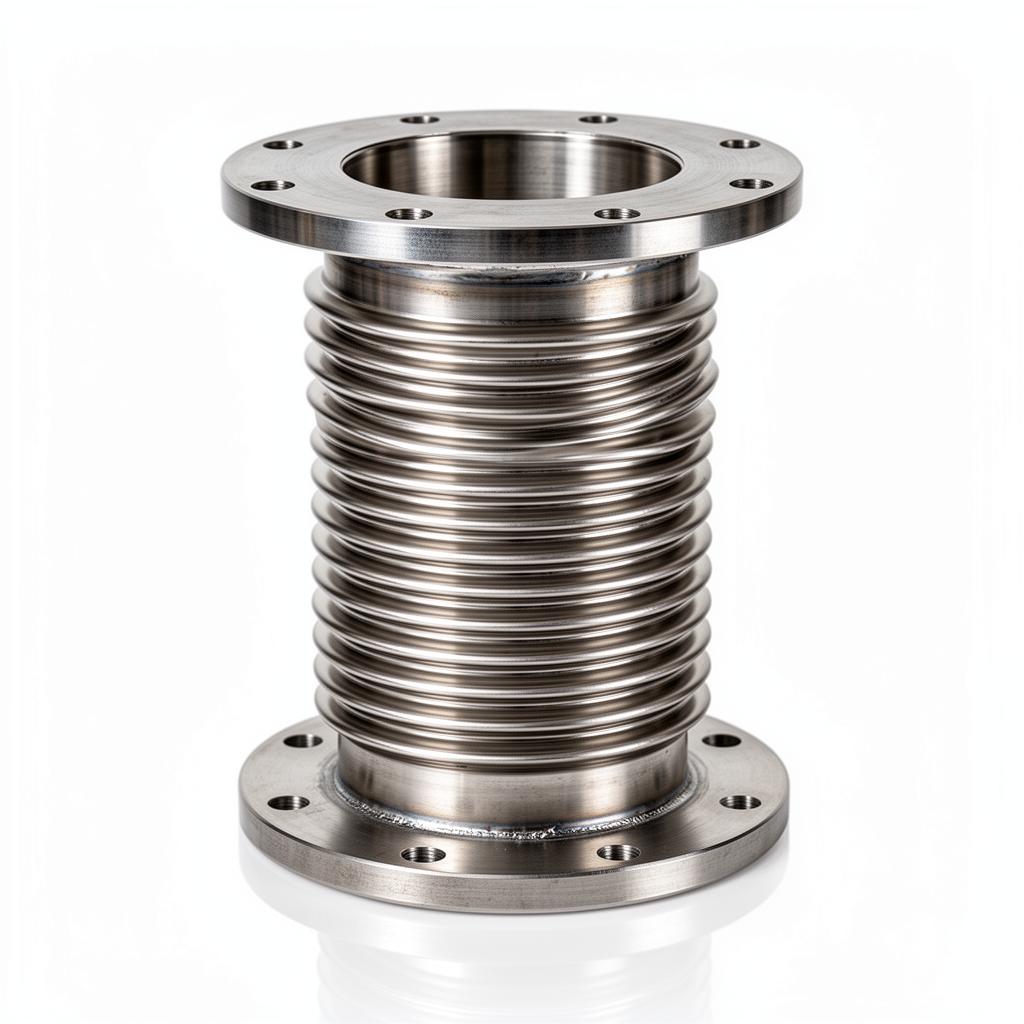
Defining the Metal Bellows Expansion Joint Purpose
In the context of modern UK building services, a metal bellows expansion joint serves as a flexible connection designed to absorb dimensional changes within a piping system. These changes are primarily caused by thermal expansion or contraction as system temperatures fluctuate between ambient and operating states. Without the correct integration of these components, the resulting axial, lateral, or angular stresses can lead to catastrophic failure at anchor points or sensitive equipment connections. We typically see these joints applied in high-temperature steam lines or district heating schemes where traditional rubber bellows are unsuitable due to temperature limits or chemical compatibility issues.
The design of these units must account for the spring rate of the convolution, which is the force required to compress or extend the bellows by a specific unit of distance. UK consultants must prioritize the selection of materials—whether stainless steel 312, 316L, or high-grade alloys—to ensure the fatigue life meets the cyclical demands of the building's lifecycle. BSRIA BG29 and BG50 highlight the importance of maintaining closed-loop integrity, and selecting a robust expansion joint is a key part of preventing mechanical stress-induced leaks. Failure to account for the stiffness of the bellows can lead to an underestimate of the total load transferred to the building's primary structure at the main anchors.
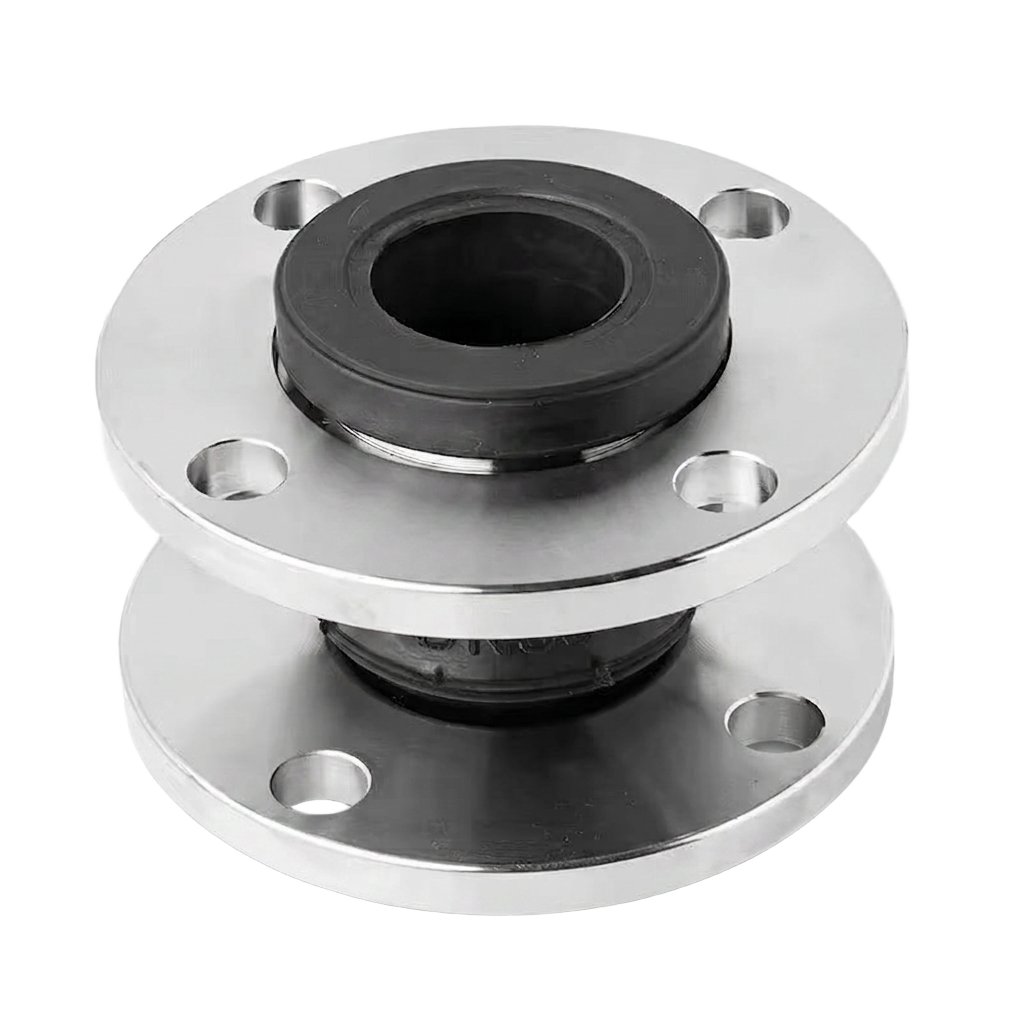
At UKGP Industrial, we understand that procurement leads and plant-room engineers require more than just a component; they need a technical partner. Our range of expansion solutions includes products from DN15 to DN600, available in flanged or weld-end configurations. By choosing a metal bellows expansion joint from our catalogue, you are investing in a product backed by a 2-year warranty, ensuring that your installation stands the test of time against the rigorous demands of British engineering standards. Whether your application requires EPDM-lined rubber for vibration or stainless steel for thermal loads, our technical team provides the necessary calculations to verify your design loads are within safety margins.
- Absorption of axial, lateral, and angular thermal movements.
- Reduction of mechanical noise and vibration transmission.
- Compensating for misalignment in rigid pipework systems.
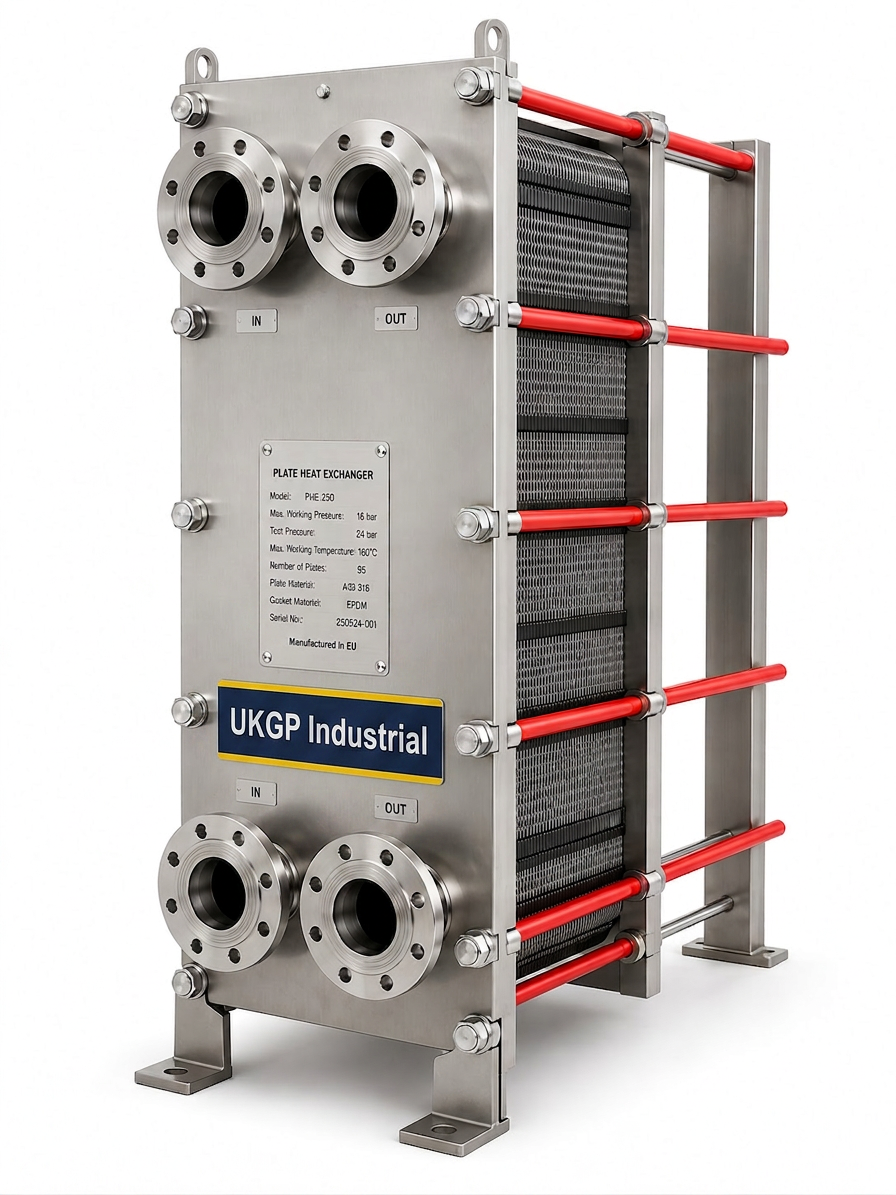
- Protection of sensitive equipment like pumps and plate heat exchangers.
Calculating Pressure Thrust and Main Anchor Loads
One of the most significant design loads associated with a metal bellows expansion joint is pressure thrust. This is the force created by the internal pressure acting upon the cross-sectional area of the bellows convolutions. Unlike standard pipework, which is inherently self-supporting under pressure, a bellows is flexible and will attempt to extend fully under internal pressure unless restrained by anchors or tie rods. M&E contractors must ensure that main anchors are sized to handle the sum of the pressure thrust, the force required to deflect the bellows (spring rate), and the frictional forces of the pipe guides. Miscalculating this load is a common cause of bracket failure in Surrey plant rooms.
The calculation involves multiplying the maximum working pressure by the effective area of the bellows. It is common for this force to reach several tonnes even in medium-pressure systems. When designing for BSRIA compliance, engineers must ensure that the pipe guides are installed according to specific spacing rules to prevent 'squirm'—a phenomenon where the bellows buckles under pressure. The first guide should be located within four pipe diameters of the bellows, with the second guide following shortly after. This rigorous approach to design loads ensures that the flexible element remains stable throughout the varied operational cycles of a central heating or cooling plant.
To mitigate these massive forces, designers often specify 'restrained' or 'tied' expansion joints. These include tie rods that carry the pressure thrust, meaning the anchors only need to support the friction and spring rate loads. This is particularly useful when connecting to delicate equipment like a plate heat exchanger, where excessive nozzle loads could damage the internal plates or gaskets. UKGP Industrial provides comprehensive data sheets for our expansion bellows, enabling consultants to accurately model these forces in their CAD or BIM software. By ensuring the correct bellows type is selected, you can reduce the structural reinforcement required for the building, leading to significant cost savings during the construction phase.
- Pressure thrust equals internal pressure times the effective cross-sectional area.
- Main anchors must be designed for full thrust if the joint is unrestrained.
- Intermediate anchors are only suitable between two balanced expansion joints.
- Pipe guides prevent the 'squirm' or buckling of the bellows under high pressure.
Thermal Displacement and Fatigue Life
Thermal movement is the primary reason for installing a metal bellows expansion joint. Designers must calculate the maximum expected expansion using the coefficient of thermal expansion for the specific pipe material, such as carbon steel or copper. For example, a 50-metre run of steel pipe heating from 10°C to 80°C will expand by approximately 45mm. This movement must be fully accommodated by the bellows without exceeding its rated stroke. If a bellows is pushed beyond its design limits, the metal will undergo plastic deformation, drastically reducing its cycle life and leading to premature cracking and failure through stress corrosion or fatigue.
Fatigue life is usually specified in terms of the number of full cycles the bellows can withstand before failure. In UK building services, a standard requirement might be 1,000 to 3,000 cycles for a 25-year design life. However, if the system experiences frequent micro-cycling or rapid temperature shifts, a higher fatigue rating may be necessary. BS EN 14917 provides the formulae for calculating these design loads and the expected longevity based on the convolution geometry and wall thickness. It is also vital to consider the ambient temperature during installation, as 'cold pulling' the bellows may be required to maximize the available movement range in both directions.
Contractors should also be aware of the impact of flow velocity on the bellows. In high-velocity systems, the internal convolutions can experience turbulent flow, leading to resonant vibration and fatigue. In such cases, specifying an internal sleeve (or liner) is essential to shield the convolutions and ensure smooth laminate flow. UKGP Industrial offers tailored advice on when to include liners in your metal bellows expansion joint specification. Our commitment to quality means we provide solutions that not only meet the thermal movement requirements but also account for the fluid dynamics within the pipe, ensuring a quiet and reliable system for facility managers and end-users.
- Thermal expansion calculations must account for the full temperature delta.
- Cycle life expectations should be aligned with the building's operational strategy.
- Cold pulling can be used to balance expansion and contraction limits.
- Internal liners are recommended for high-velocity steam or water applications.
Material Selection for Corrosive Environments
Material compatibility is a cornerstone of managing design loads and preventing failure. While stainless steel 316L is the industry standard for a metal bellows expansion joint in the UK, certain applications involving high chloride levels or harsh chemical dosing require more exotic materials like PTFE or fabric for low-pressure ducts. If the internal medium is aggressive, the wall thickness of the bellows (which is often only 0.2mm to 2.0mm thick) can be quickly compromised by pitting or general corrosion. This is why BSRIA BG50 stresses the importance of water treatment and monitoring to protect the thin-walled components within the plant room environment.
The external environment of the Surrey or London plant room also dictates material choice. In coastal areas or industrial zones with high atmospheric pollution, the external surface of the stainless steel bellows can suffer from stress corrosion cracking. Procurement leads should consider whether a protective shroud or a specific grade of stainless steel is necessary to mitigate these risks. Our expansion bellows are available in EPDM/NBR for standard water applications, but our metal variants come in various grades to suit specific chemical profiles. Ensuring the correct material is specified at the outset prevents the need for costly emergency replacements and unplanned system shutdowns later in the project.
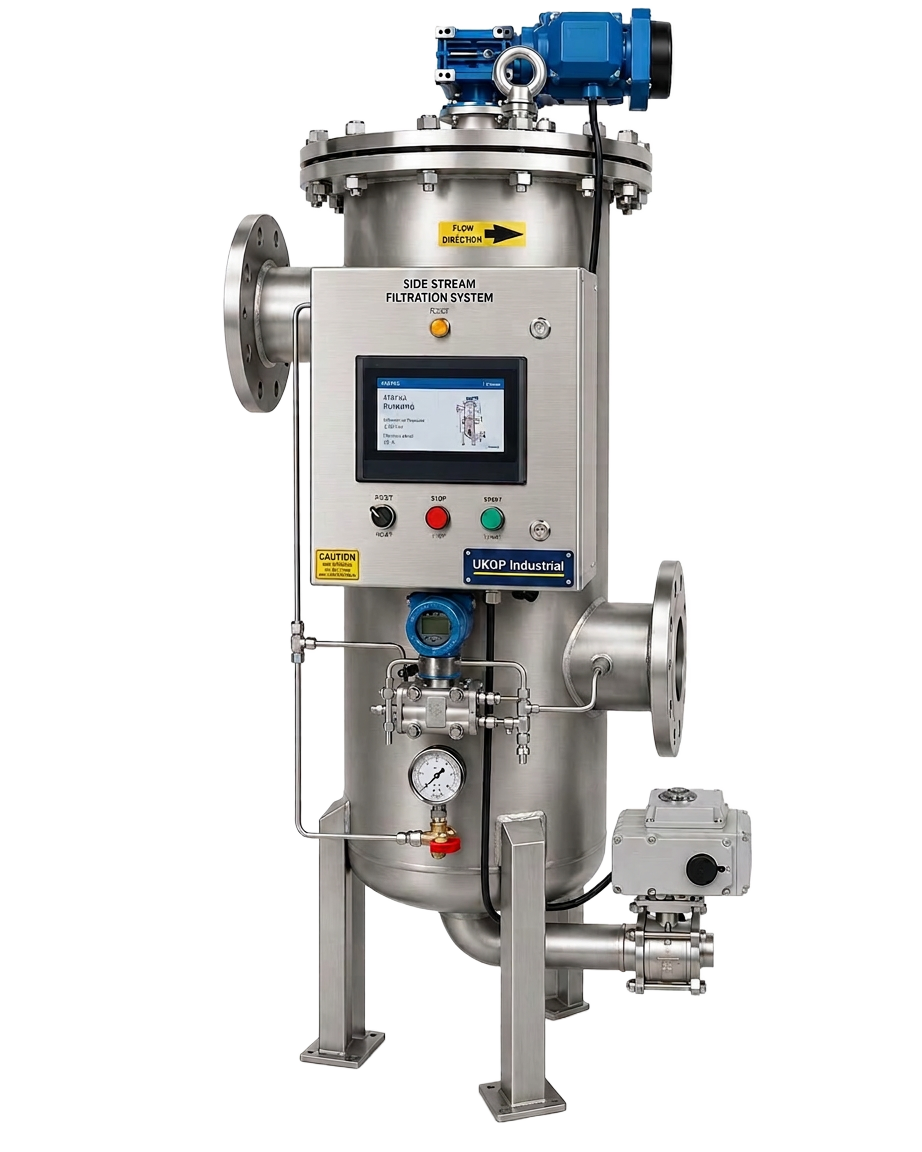
Furthermore, the interaction between the bellows and the chemical dosing regime must be monitored. Excessive concentrations of certain chemicals, often introduced via dosing pots, can inadvertently damage the bellows if not properly circulated. UKGP Industrial provides a holistic range of plant room components, including chemical dosing pots and side stream filtration, to help maintain the water quality necessary for protecting your flexible joints. When you request a quote for our expansion bellows, we can also advise on the best sensor and transmitter setups to monitor the system health, ensuring that your metal bellows expansion joint operates in an environment that maximizes its design life.
- Stainless steel 316L offers excellent resistance for standard HVAC water.
- PTFE liners or bellows are available for highly corrosive chemical lines.
- External shrouds protect the delicate convolutions from mechanical damage.
- Proper water chemistry is essential to prevent bellows wall thinning.
Installation Best Practices for M&E Contractors
The successful performance of a metal bellows expansion joint hinges on correct installation. One of the most common errors seen by forensic engineers is the use of the bellows to compensate for gross pipework misalignment that was not accounted for in the design loads. While a bellows can handle small amounts of lateral offset, forcing a joint into a misaligned gap puts an initial 'pre-load' on the convolutions. This reduces the remaining capacity for thermal expansion and can lead to immediate failure upon system pressurization. Contractors must ensure that the piping is supported and aligned within the tolerances specified by the manufacturer before the bellows is bolted or welded into place.
Shipping bolts or transit bars are another critical factor. These are fitted at the factory to maintain the length of the metal bellows expansion joint during transport and installation. They must remain in place until the pipework is fully anchored and guided. However, they must be removed before the system is commissioned or hydrostatically tested. If the shipping bolts are left in, the bellows cannot move, and the resulting thermal expansion will pass directly into the anchors, often causing them to tear away from the building structure. This highlights the need for clear communication between the procurement lead and the site installation team to ensure all commissioning steps are followed.
Finally, hydrostatic testing should be performed with caution. The test pressure is typically 1.5 times the design pressure, which significantly increases the pressure thrust. This is the moment when most poorly anchored systems fail. Before testing, the engineer must verify that the main anchors are fully cured (if concrete) and that all guides are secure. UKGP Industrial offers technical support to walk your team through these checks. Our flanged or weld-end units, available in DN15 to DN600, are designed to withstand these test loads provided the system and guides are installed according to our engineering guidelines and BS EN 14917 standards.
- Never use a bellows to correct significant piping misalignment on site.
- Ensure shipping bars are removed only after the system is fully anchored.
- Verify anchor strength before conducting high-pressure hydrostatic tests.
- Check that pipe guides allow for free axial movement without binding.
Integrating UKGP Solutions in Plant Room Design
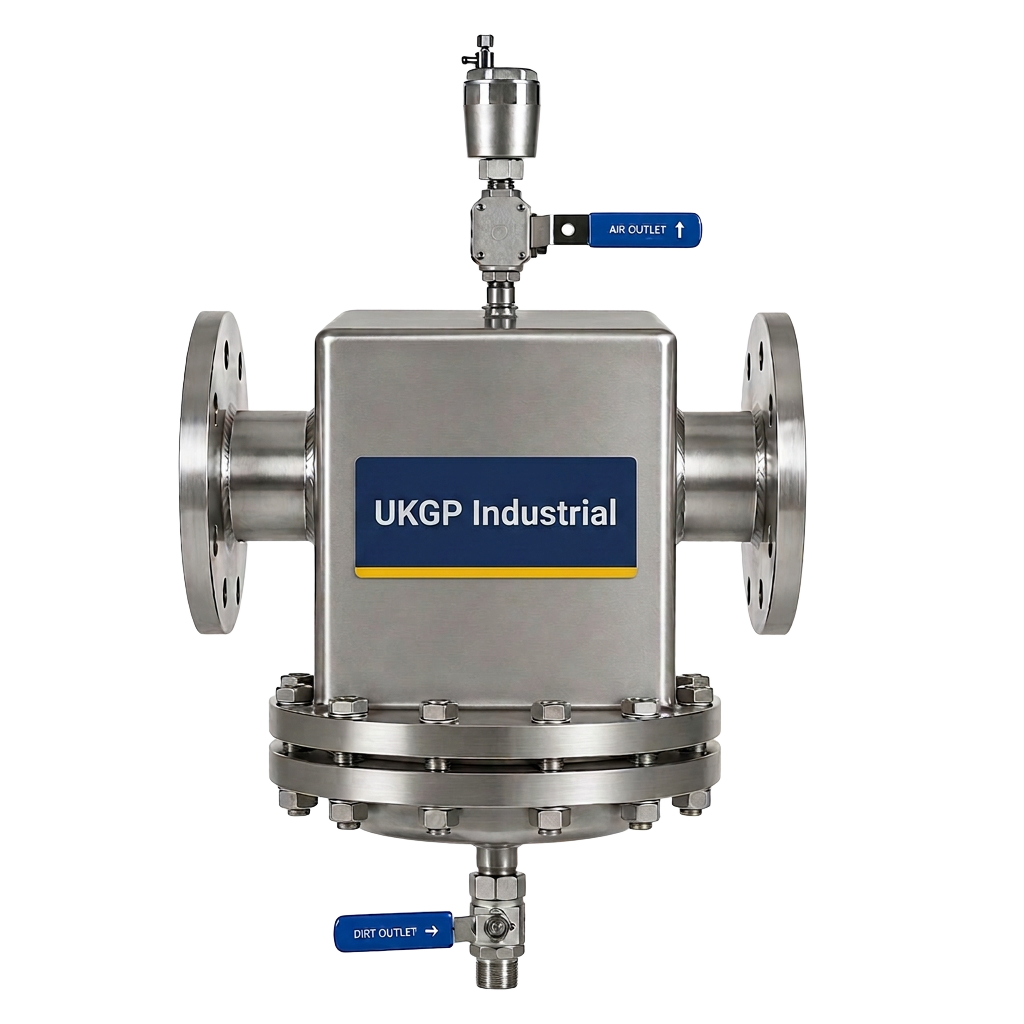
Selecting the right metal bellows expansion joint is just one part of creating a resilient HVAC system. For consultants in Surrey and across the UK, the focus is increasingly on the total cost of ownership and system efficiency. By integrating high-quality bellows with other UKGP Industrial products, such as air & dirt separators and low loss headers, you create a system that is protected from both mechanical stress and debris-related wear. Each component plays a role in stabilizing the internal environment, which in turn ensures that the flexible elements like bellows are not subjected to unforeseen design loads caused by pressure spikes or blockages.
Our professional range of expansion bellows is designed to meet the rigorous demands of CIBSE guidelines and the specific needs of M&E contractors. With sizes ranging from DN15 to DN600 and a variety of materials including stainless steel, PTFE, and fabric, we can provide a solution for almost any residential or industrial application. The 2-year warranty we offer provides peace of mind to FM providers and building owners that the products installed are of the highest calibre. When you work with UKGP, you are not just buying a part; you are accessing a wealth of technical knowledge that helps ensure your design loads are calculated correctly and your system is built to last.
In conclusion, the specification of a metal bellows expansion joint requires a deep understanding of the mechanical forces at play within a piping system. From pressure thrust to thermal fatigue and material compatibility, every variable must be weighed by the design engineer. By partnering with UKGP Industrial, you gain access to high-performance products and expert guidance that simplify this process. We invite you to contact our Surrey-based team to discuss your next project, request a quote for our expansion bellows, or receive technical data sheets to support your design load calculations and ensure your facility meets the highest standards of British engineering.
- Broad size range from DN15 to DN600 for all building scales.
- Multiple end-connections including flanged and weld-end for flexibility.
- Strong 2-year warranty across the entire expansion bellows range.
- Technical support available for Surrey-based M&E engineering firms.
Frequently asked questions
What is the difference between an unrestrained and a restrained expansion joint?
- An unrestrained metal bellows expansion joint does not have any internal or external tie rods to absorb pressure thrust, meaning the pipe anchors must bear the full force. A restrained joint uses tie rods or hinges to contain the pressure thrust, significantly reducing the load on the building's anchors.
How do I calculate the thermal expansion for a steel pipe?
- The load is calculated using the formula: Expansion = Length x Coefficient of Expansion x Temperature Change. For carbon steel, the coefficient is approximately 0.012 mm/m/°C. This allows you to select a metal bellows expansion joint with the appropriate axial movement capacity.
Why is pipe guiding so important for metal bellows?
- Without proper guiding, the pressure thrust can cause the metal bellows expansion joint to buckle or 'squirm'. BS EN 14917 and BSRIA standards dictate strict guide spacing—typically the first within 4 diameters and the second within 14 diameters—to ensure the pipe moves only in the intended axial direction.
Can a metal bellows expansion joint handle vibration?
- While primarily designed for thermal movement, a metal bellows can absorb some high-frequency vibration. However, for significant mechanical vibration from pumps, a rubber EPDM bellows is often more effective. UKGP provides both types to suit specific plant room requirements.
How often should expansion joints be inspected according to BG50?
- BSRIA BG50 recommends annual visual inspections for leaks, signs of corrosion, or any unusual deformation in the bellows convolutions. Early detection of fatigue or stress corrosion is key to preventing catastrophic system failure and maintaining water treatment standards.