The Role of Hydraulic Separation in Commercial HVAC
Hydraulic separation represents the fundamental reason why consulting engineers seek out reputable low loss headers manufacturers during the plant room design phase. By creating a zone of neutral pressure, a low loss header ensures that the variable flow required by the secondary distribution system—such as underfloor heating or radiators—does not impact the primary flow through the boilers. This is particularly vital in modern installations where high-efficiency condensing boilers require specific flow and return temperature differentials to maintain peak seasonal performance. Without this separation, pumps in the secondary circuit could interfere with the primary pumps, leading to premature component wear.
From a technical perspective, low loss headers manufacturers design these vessels to act as a buffer. In scenarios where the secondary flow rate is less than the primary flow rate, the excess water bypasses the secondary circuit and returns to the boiler, preventing the boiler from short-cycling or hitting high-limit thermostats too quickly. Conversely, when secondary demand exceeds the primary supply, the temperature in the secondary circuit may drop, signalling the building management system (BMS) to fire additional boiler stages. This sophisticated balance is the hallmark of a well-engineered plant room, ensuring that any leading commercial boiler remains operating within its designed heat exchanger parameters.
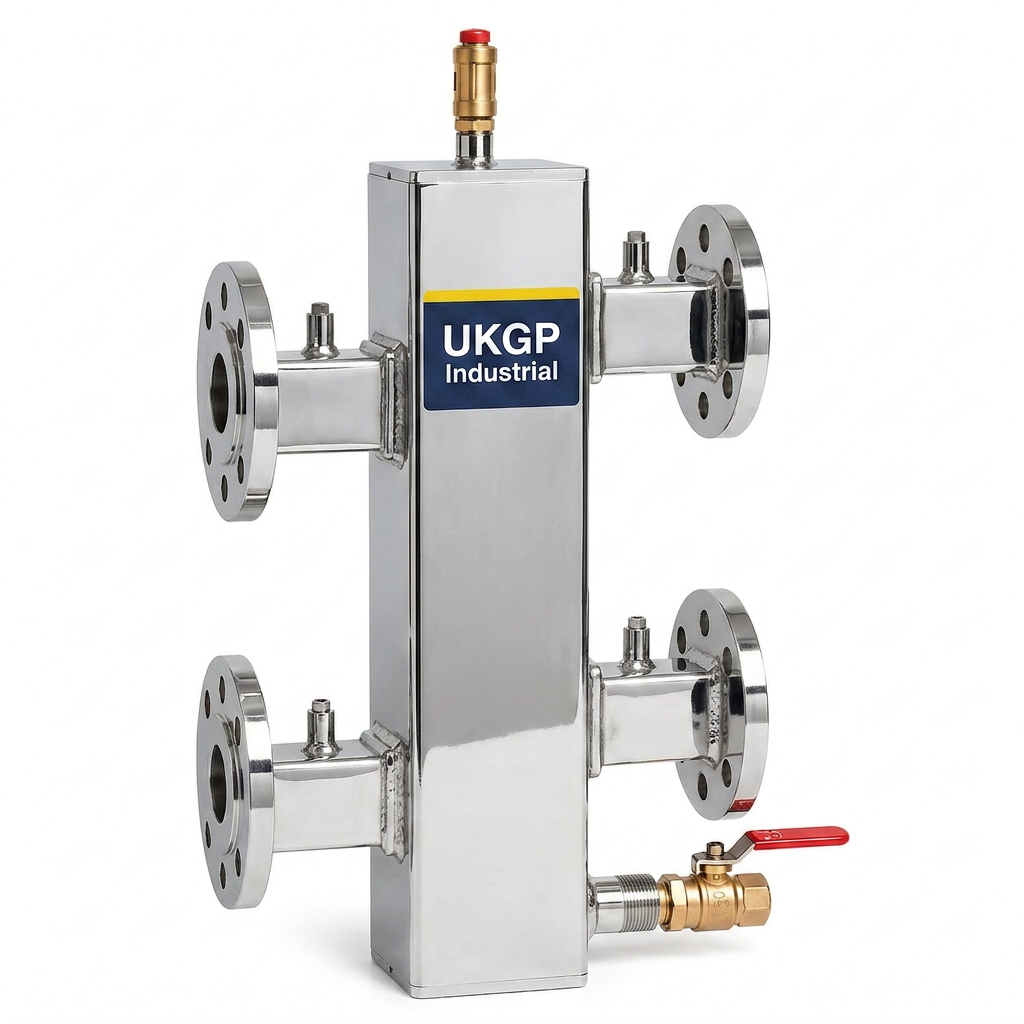
By integrating a UKGP low loss header into your design, you provide a robust solution for systems ranging from 40 kW up to 2,000 kW. These units are typically available with flanged PN16 or threaded BSP connections to suit the specific pipework requirements of the project. Selecting a manufacturer that understands these hydraulic nuances ensures that the equipment provided will stand up to the rigours of commercial operation. Our units also include high-performance insulation jackets to minimise standing heat losses, directly contributing to the overall energy efficiency of the building as per CIBSE guidelines and Part L of the Building Regulations.
- Prevents hydraulic interference between primary and secondary pump sets.
- Protects boiler heat exchangers from low flow conditions and thermal shock.
- Facilitates accurate temperature control across multiple heating zones.
- Allows for air and dirt separation due to the reduction in water velocity.
Why Specialist Low Loss Headers Manufacturers Matter
Relying on specialist low loss headers manufacturers instead of generic fabricators offers significant advantages in terms of quality assurance and technical support. A dedicated manufacturer understands the importance of internal baffle design and flow dynamics, ensuring that the vessel does not simply act as a pipe, but as a functional hydraulic bridge. This expertise is critical when dealing with high-capacity systems where flow rates can be substantial. Furthermore, UK-based manufacturers provide the benefit of localised lead times, often delivering bespoke or standard units within 2 to 3 weeks, which is essential for maintaining strict onsite construction schedules and avoiding project creep.
Compliance with British and European standards is another area where specialist low loss headers manufacturers excel. By adhering to relevant pressure equipment directives and welding standards, these manufacturers provide peace of mind to M&E contractors and consultants. For instance, ensuring that vessels are pressure tested and come with a comprehensive warranty—such as the 2-year warranty offered by UKGP Industrial—reduces the risk profile for the installer. When procuring equipment for high-value plant rooms, the peace of mind that comes from a product engineered specifically for the task cannot be overstated, particularly when compared to uncertified domestic-grade alternatives found on the market.
Moreover, the ability to customise connections and orientations is a key benefit of working with established low loss headers manufacturers. Every plant room has unique spatial constraints, and having the option to specify flanged or threaded connections, or even custom tapings for sensors, allows for a more streamlined installation process. This reduces the need for onsite modifications, which can often lead to leaks or structural weaknesses if not performed by qualified welders. By sourcing directly from a UK manufacturer, procurement leads can ensure that the delivery matches the Revit models or CAD drawings exactly, simplifying the coordination between different trades during the install.
- Technical expertise in hydraulic design and flow velocity reduction.
- Pressure testing and certification for commercial insurance compliance.
- Localised UK manufacturing for faster 2-3 week lead times.
- Provision of detailed technical submittals and CAD data for consultants.
Water Quality and BSRIA Compliance
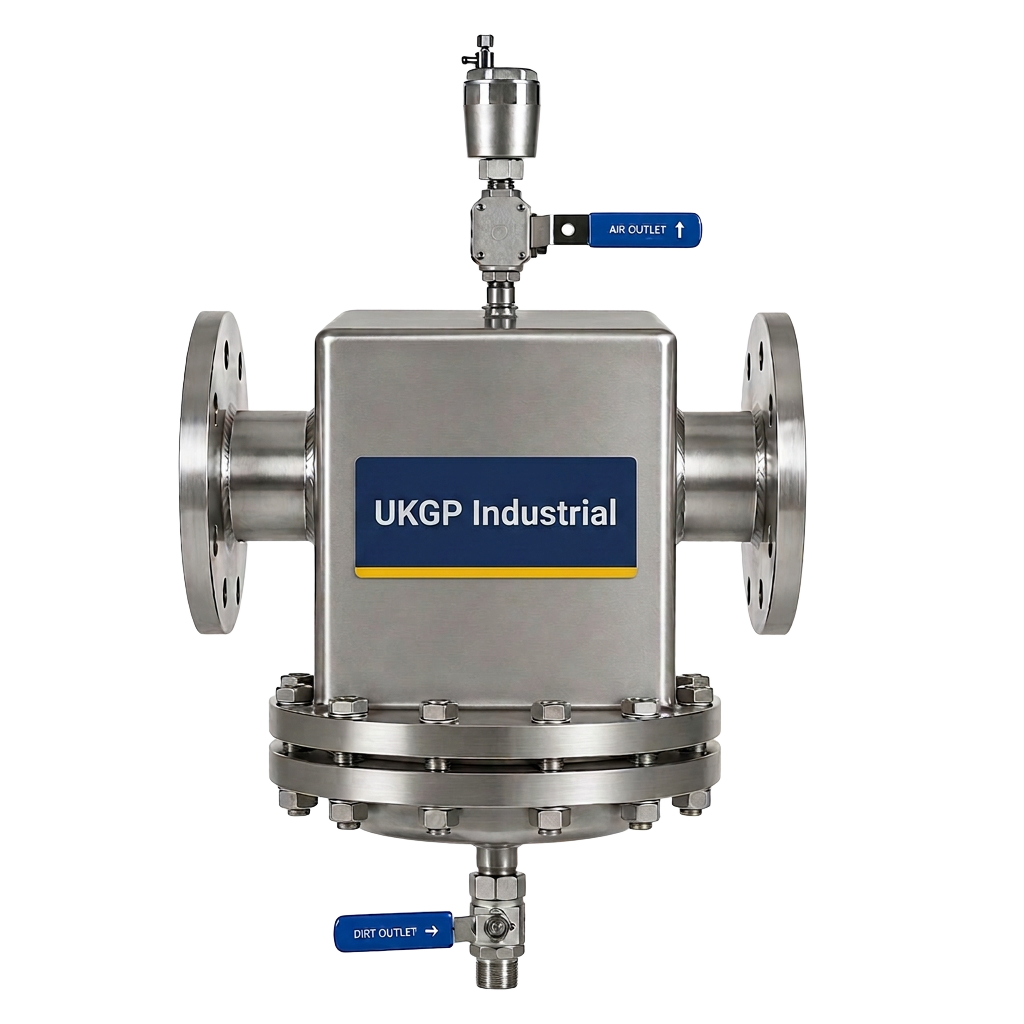
While a low loss header manages flow, it also serves as a critical point for air and dirt separation if designed correctly. Reputable low loss headers manufacturers often incorporate internals that encourage micro-bubble release and the settling of magnetite. However, these vessels should always be supported by secondary water treatment measures. Following BSRIA BG29 for pre-commission cleaning and BG50 for ongoing maintenance is essential for the longevity of the entire HVAC system. Without proper water chemistry and filtration, even the best-engineered header can become a site for debris accumulation, eventually leading to restricted flow and reduced heat transfer efficiency across the plant.
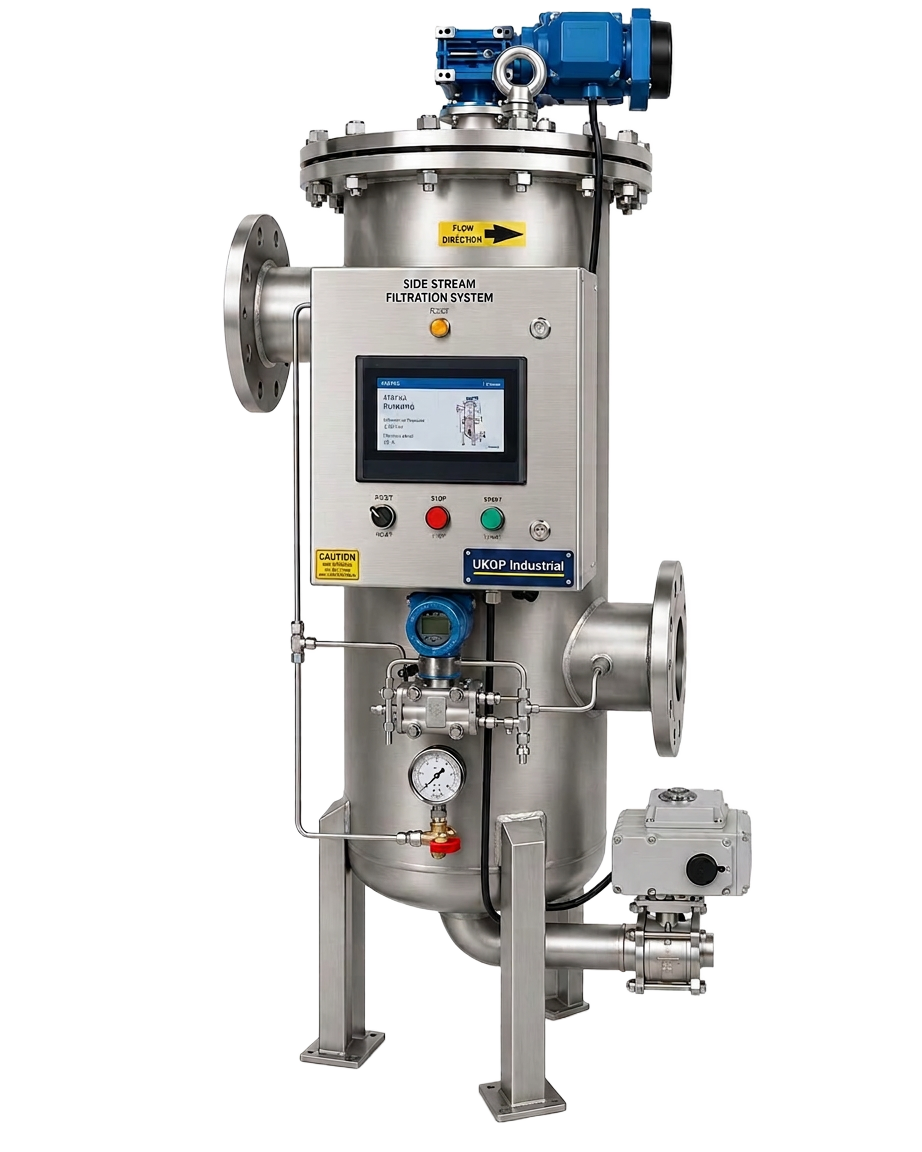
To complement the hydraulic separation, many engineers specify the installation of side stream filtration units alongside their headers. These units continuously remove suspended solids and magnetite that can cause erosion within the boiler heat exchangers and blockages in control valves. The combination of a low loss header and a side stream filter creates a robust defence against the common causes of system failure in UK commercial buildings. When discussing requirements with low loss headers manufacturers, it is often wise to ask about compatible accessories or integrated separator designs that can further enhance the system's resilience to poor water quality over the long term.
For plant room engineers, the integration of chemical dosing pots is equally important for maintaining the inhibitor levels required by BS 8552. A low loss header provides a stable point in the system for these additions. When selecting equipment, ensuring that the manufacturer provides a robust and insulated jacket for the header is standard practice for professional installers. This not only prevents energy waste but also protects the unit from external rust in damp plant room environments. Choosing a supplier that offers a 2-year warranty on their low loss headers gives facilities managers confidence that the equipment is built to endure the harsh conditions of a working mechanical centre.
- Adherence to BSRIA BG29 and BG50 for system cleanliness.
- Synergy between hydraulic headers and side stream filtration systems.
- Importance of insulation jackets for energy conservation and condensation control.
- Integration of chemical dosing for long-term corrosion protection.
Technical Specifications for Procurement Leads
When evaluating quotes from different low loss headers manufacturers, procurement leads must look beyond the initial price and consider the build quality and material specifications. A commercial Low Loss Header from UKGP, for example, is designed to handle capacities from 40 kW to 2000 kW, making it suitable for a wide range of applications from schools to large industrial complexes. The choice between flanged PN16 and BSP threaded connections should be made based on the existing or planned pipework, as this significantly impacts the ease of connection for the M&E contractor. High-specification headers should always be assessed on their pressure rating and maximum operating temperature.
Longevity is a major factor in the total cost of ownership for HVAC assets. Low loss headers manufacturers that provide a 2-year warranty demonstrate confidence in their manufacturing process and the durability of their materials. In the UK market, the speed of response is also a competitive advantage; a 2-3 week lead time allows projects to stay on track even when faced with unforeseen design changes. Procurement professionals should also confirm that the headers come with the necessary tapping points for air vents and drain valves, as well as sensor pockets for the BMS, which are standard features in high-quality commercial-grade headers.
Finally, the importance of thermal insulation cannot be ignored in the current landscape of rising energy costs. Professional low loss headers manufacturers supply their equipment with removable insulation jackets. These jackets are not only required for compliance with energy efficiency standards but also facilitate easy access for periodic inspections of the vessel body. When comparing suppliers, verify that the insulation is included in the price and that it meets the required fire safety standards for plant room installation. Investing in a properly insulated and engineered header today will result in lower operational expenditures for the end-user throughout the lifetime of the building.
- Broad capacity range from 40 kW up to 2,000 kW for versatile use.
- Standardized connections including BSP threaded and PN16 flanged options.
- Included high-grade insulation jackets for maximum thermal efficiency.
- Reliable 2-3 week delivery to support tight project deadlines.
Integrating Sensors and System Monitoring
In the era of smart buildings, the low loss header acts as a hub for critical data. Many low loss headers manufacturers now provide multiple tapping points to accommodate pH sensors, temperature probes, and pressure transmitters. Monitoring the temperature differential across the header provides the BMS with the data needed to modulate the primary heat source effectively. If the return temperature from the secondary circuit is too high, it suggests that the heat is not being effectively dissipated, allowing the system to scale back or shut down unnecessary boiler modules. This level of control is only possible when the header is correctly sized and instrumented.
The use of pH sensors and transmitters within the plant room loop is becoming standard practice to ensure that the water chemistry remains within the parameters defined by BS 8552. Shifts in pH can indicate the onset of corrosion or the degradation of glycol in chilled water systems. By working with low loss headers manufacturers who understand these requirements, engineers can specify custom sensor ports in the ideal locations within the vessel. This proactive approach to system health monitoring prevents costly repairs and ensures that the 2-year warranty remains valid, as the manufacturer can see that the system has been operated within recommended environmental limits.
When consulting with low loss headers manufacturers, it is beneficial to discuss the specific location of sensor tapings. Ideally, temperature sensors should be placed where they can accurately measure the mixed return water before it reaches the boiler, as well as the flow temperature going out to the secondary circuits. This accuracy is paramount for maintaining the condensing mode of major UK commercial boiler brands. A well-placed sensor in a UKGP low loss header ensures that the system logic can react in real-time to load changes, providing the end-user with a highly efficient and reliable heating solution that meets modern comfort and environmental standards.
- Strategic sensor placement for accurate BMS temperature monitoring.
- Facilitates real-time pH and pressure tracking to prevent corrosion.
- Helps maintain condensing boiler efficiency through return temp control.
- Improves system diagnostics and reduces maintenance intervention times.
Final Considerations When Choosing Manufacturers
Ultimately, the choice of low loss headers manufacturers will depend on a combination of technical capability, lead time, and commercial reliability. For UK-based projects, sourcing from a domestic manufacturer like UKGP Industrial eliminates the complexities of international shipping and provides direct access to technical experts who understand local building codes and standards such as BSRIA BG50. Whether you are looking for a compact threaded unit for a 50 kW plant or a massive flanged vessel for a 2,000 kW district heating scheme, the quality of the internal fabrication and external finishing remains the primary indicator of a product's value.
Contractors should also consider the ease of installation. A header that arrives with a high-quality insulation jacket and clearly marked connections reduces labour time on site. When low loss headers manufacturers offer a 2-year warranty and a 2-3 week lead time, they provide a compelling package for fast-paced construction environments. By specifying these units, you are ensuring that the heart of the plant room—the hydraulic bridge—is robust enough to handle the pressures and flow rates of a modern commercial heating system without failure or performance drop-off, which is vital for maintaining the reputation of the design and install team.
To conclude, the low loss header is far more than a simple junction; it is the fundamental component that enables modern, high-efficiency boilers to work in harmony with complex distribution networks. By partnering with leading low loss headers manufacturers, building services professionals can deliver systems that are easier to commission, cheaper to run, and simpler to maintain. If you require a quote for a PN16 or BSP low loss header with a bespoke configuration or standard 40-2000 kW capacity, contact our team today for a technical consultation and discover the UKGP difference in engineering quality.
- Domestic UK manufacturing reduces logistical risks and costs.
- High-quality finishes and insulation as standard for professional results.
- Proven reliability with 2-year warranties for long-term peace of mind.
- Flexible connection options to suit any commercial plant room layout.
Frequently asked questions
What is the standard lead time for a commercial low loss header?
- At UKGP Industrial, we pride ourselves on providing a standard lead time of 2-3 weeks for our low loss headers, ensuring your project remains on schedule.
What sizes are available from low loss headers manufacturers?
- Commercial low loss headers manufacturers typically supply units ranging from 40 kW for small commercial properties up to 2,000 kW for large industrial or district heating applications.
Do these headers come with insulation?
- Yes, high-quality low loss headers should always be supplied with a fitted insulation jacket to prevent heat loss and ensure compliance with energy efficiency regulations.
What connection types are typically offered?
- We offer both threaded BSP connections for smaller systems and flanged PN16 connections for larger, high-pressure commercial installations.
Why is a low loss header necessary for condensing boilers?
- It ensures hydraulic separation, allowing primary pumps to maintain the high flow rates and low return temperatures required for condensing boilers to operate at maximum efficiency.