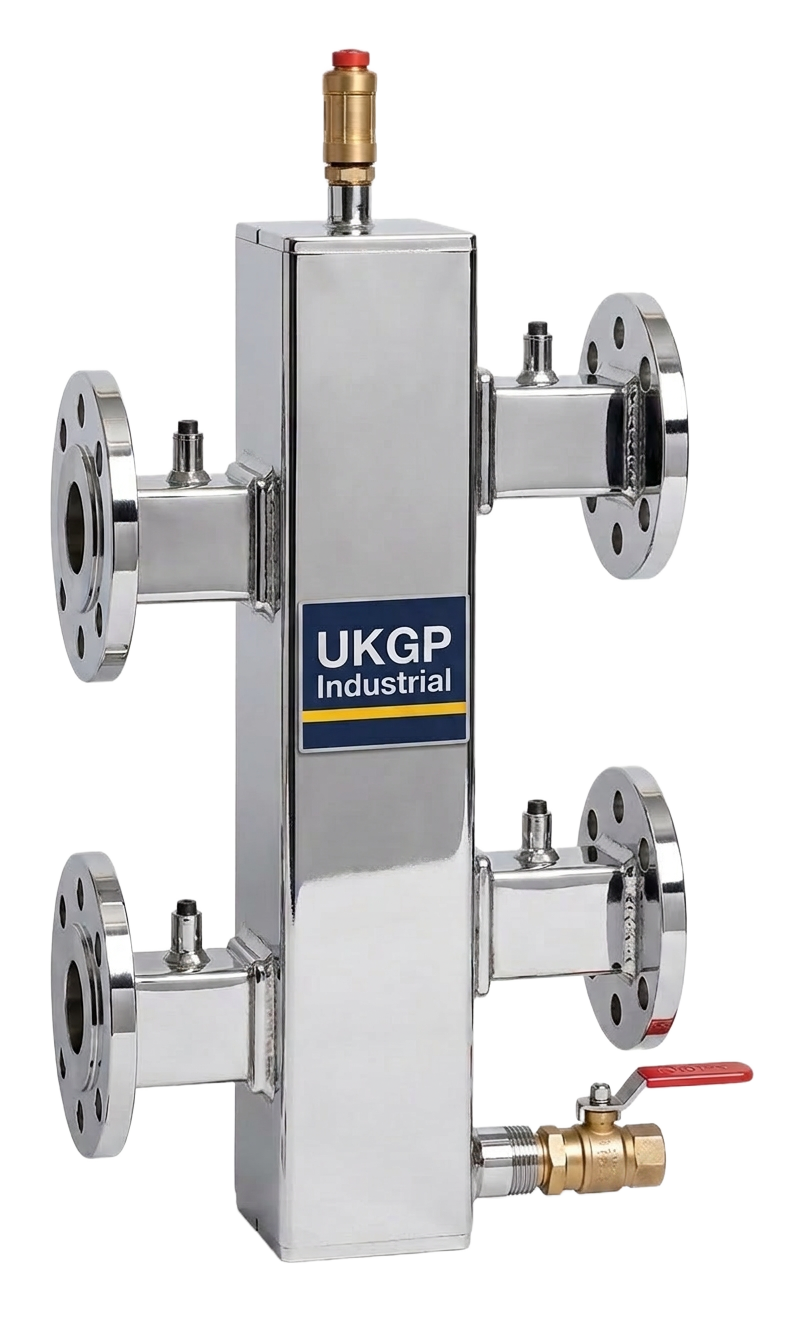
Understanding the Role of a Low Loss Header
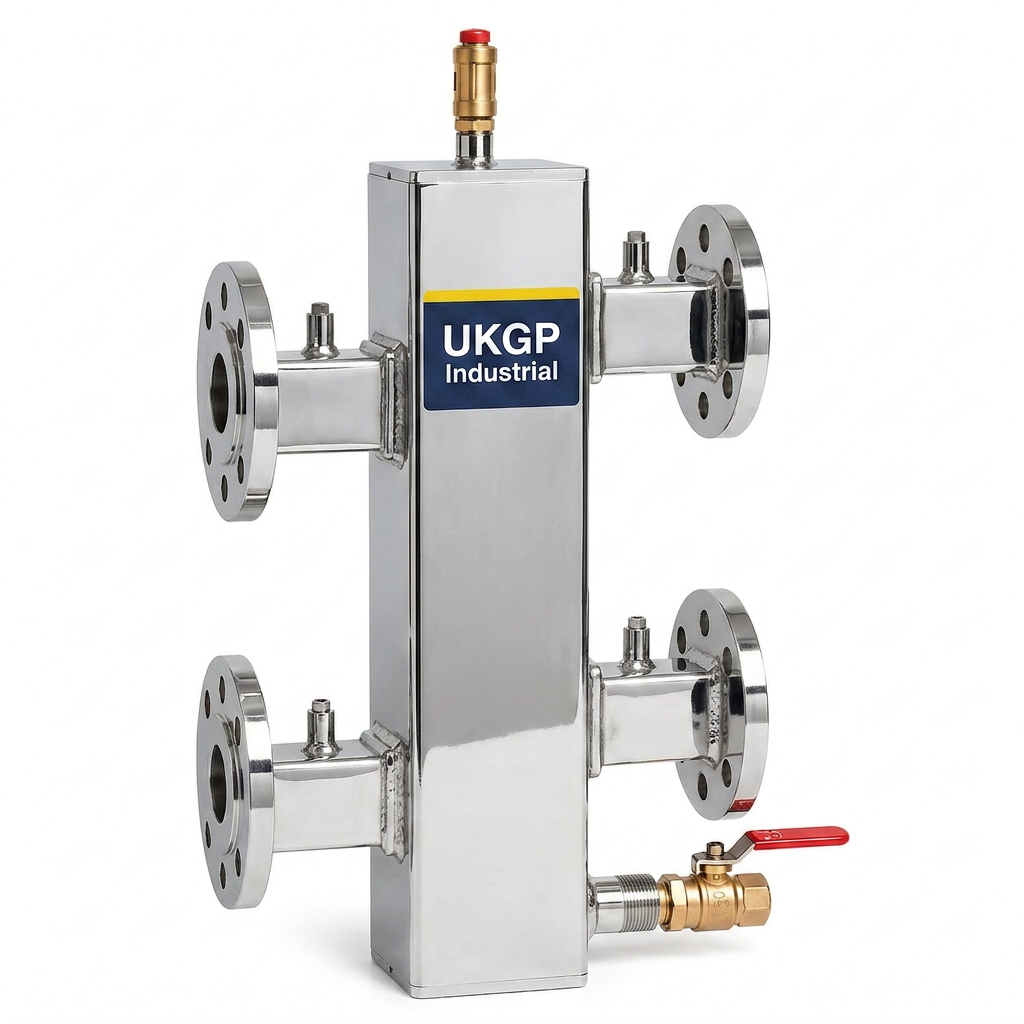
In modern commercial plant-rooms, the low loss header serves as the vital link between energy generation and energy distribution. By creating a zone of neutral pressure, it allows the primary boiler circuit and the secondary heating circuits to operate at different flow rates without interfering with one another. This hydraulic decoupling is essential when dealing with high-efficiency condensing boilers that require specific temperature differentials to maintain peak performance. Without a properly sized header, pumps can end up 'fighting' each other, leading to increased wear on components and inconsistent heat delivery across the building.
From a technical standpoint, the low loss header is more than just a pipe; it is a sophisticated bypass that manages variable flow demands. For UK building services consultants, ensuring that specific velocity targets are met within the header is paramount. According to CIBSE guidelines, keeping the vertical velocity low within the vessel allows for effective sediment settlement and air release. This dual functionality helps protect the system from the internal corrosion and debris that often plague older commercial installations, thereby extending the lifecycle of the entire HVAC infrastructure and reducing long-term maintenance overheads.
Choosing the correct unit requires an understanding of the total system load and the expected flow differentials. At UKGP Industrial, we provide a robust low loss header range covering 40 kW to 2000 kW, ensuring that we can support everything from small commercial units to large-scale industrial district heating projects. Our headers are available with flanged or threaded connections, including PN16 or BSP options, providing the versatility required for modern plant-room retrofits and new builds alike. When you request a quote, our team can help verify the hydraulic parameters to ensure your selection perfectly matches your specific site requirements.
- Eliminates pump conflict by providing hydraulic separation.
- Facilitates the removal of air and dirt within the primary circuit.
- Ensures condensing boilers operate within their design temperature delta.
- Protects primary heat exchangers from variable secondary flow rates.
Hydraulic Separation and BSRIA BG29 Compliance
Adherence to BSRIA BG29 and BG50 is non-negotiable for modern UK commercial projects, particularly regarding water quality and system cleanliness. A low loss header contributes significantly to these standards by acting as a collection point for system debris before it reaches the boiler's heat exchanger. By reducing the flow velocity of the water, heavy particles can drop to the bottom of the header for easy removal through a dedicated drain valve. This proactive approach to debris management is a fundamental part of a comprehensive pre-commissioning cleaning strategy, ensuring the system remains efficient and compliant from day one.
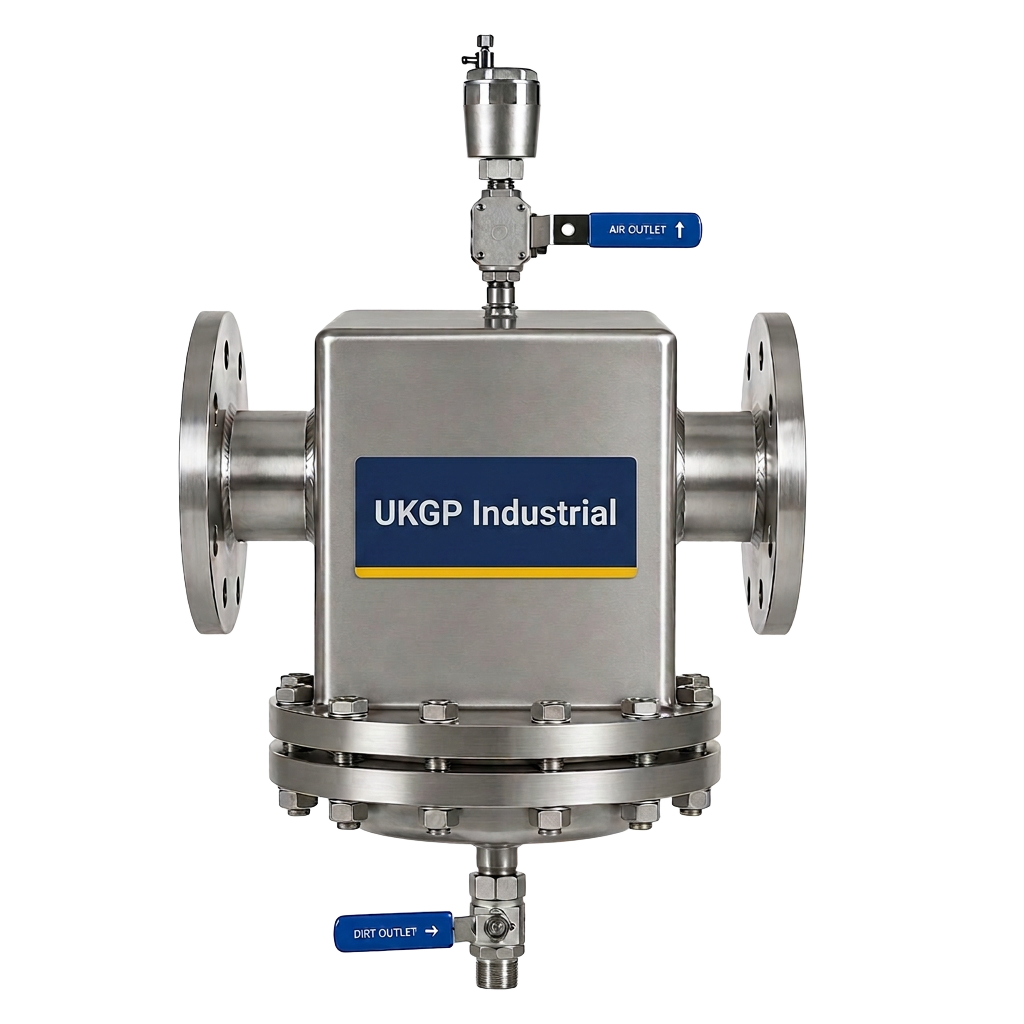
In many UK installations, the integration of a low loss header is paired with high-performance air and dirt separators to further enhance water quality. While the header provides a degree of separation through velocity reduction, dedicated kit facilitates the micro-bubble and fine particle removal required for BS 8552 compliance. By maintaining clean, air-free water, engineers can prevent the internal pitting of radiators and the degradation of heat exchangers. This synergy between various plant-room components is what separates a standard installation from a high-performance system designed for a thirty-year lifespan.
Our team at UKGP Industrial understands the commercial pressures on FMs and contractors to deliver projects that meet these rigorous BSRIA standards. We supply solutions that integrate seamlessly, including our range of air and dirt separators that complement our header designs. By specifying a complete solution, you can be confident that the system hydraulics are balanced and that the water quality will meet the criteria set by insurers and independent inspectors. All our vessels are manufactured to the highest standards, ensuring durability and reliability in the most demanding commercial environments throughout the United Kingdom.
- Supports BG29 pre-commissioning cleaning protocols.
- Reduces velocity to encourage debris settlement at the drain point.
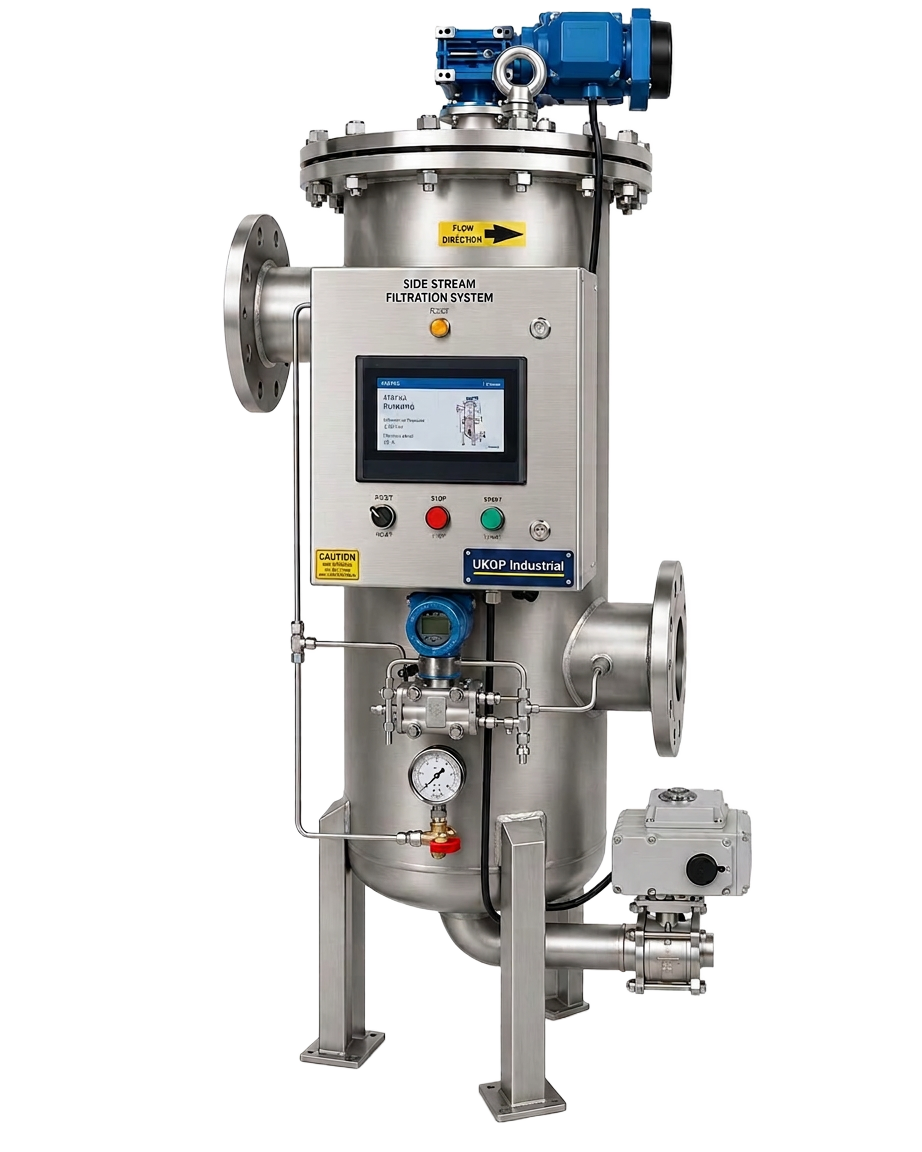
- Integrates with secondary filtration for maximum system protection.
- Minimises the risk of erosion-corrosion in primary circuits.
Technical Specifications and Sizing Criteria
Correctly sizing your low loss header is the difference between a high-efficiency system and a noisy, inefficient one. The '3-in-1' rule is a common industry benchmark, where the header diameter is typically three times the diameter of the primary flow pipes to ensure a sufficiently low velocity, usually below 0.5 m/s. This allows the temperature stratification required for accurate sensing and control. If a header is undersized, the velocity will be too high to achieve hydraulic neutrality, effectively causing the primary and secondary pumps to behave as if they are in a single series circuit, which defeats the purpose of the installation.
For UK building services, we offer a diverse range of sizes and connection types. Whether your project requires 1-inch BSP threaded connections for a smaller commercial boiler house or DN150 PN16 flanged connections for a massive 2000 kW central plant, we have the stock and technical expertise to deliver. Our low loss header units come standard with an insulation jacket, which is essential for CIBSE compliance regarding thermal losses in plant-rooms. Reducing standing heat losses not only improves the overall energy rating of the building but also keeps the plant-room temperature at a manageable level for staff and electronic controls.
Beyond the basic vessel, engineers must consider the placement of sensors. A well-designed header includes a dedicated socket for a temperature sensor, allowing the Building Management System (BMS) to accurately measure the mixed flow temperature. This data point is critical for the lead-lag control of multiple boilers. By positioning the sensor correctly within the header, the BMS can modulate boiler input to perfectly match the load of the building. This level of precision is why UKGP headers are preferred by M&E contractors who value accuracy, ease of installation, and reliable lead times of just 2-3 weeks.
- Range spans 40 kW to 2000 kW for total project flexibility.
- Thermal insulation jackets included as standard for CIBSE compliance.
- Available in PN16 flanged or BSP threaded variants.
- Pre-fitted with sockets for air vents, drains, and BMS sensors.
Installation Best Practices for M&E Contractors
Successful installation of a low loss header requires careful attention to the orientation and pipework layout. The vessel should always be installed vertically to facilitate the venting of air from the top and the collection of sludge at the bottom. It is good practice to install automatic air vents on the top tapping point and a high-quality drain cock at the base. When piping into the header, ensures that the primary boiler flow is at the top on one side, with the secondary return at the bottom on the other side. This promotes the thermal stratification necessary for the header to function as a mixing vessel.
During the installation phase, it is also critical to verify the support structures. Filled with water, a large 2000 kW unit can be extremely heavy. Proper wall brackets or floor stands must be used to ensure the header is stable and does not put stress on the connected pipework. We recommend using expansion bellows at strategic points in the primary and secondary circuits to accommodate the thermal expansion that occurs during heat-up cycles. This prevents mechanical stress from transferring to the header connections, which could otherwise lead to leaks or cracks over several years of operation in a high-cycle commercial setting.
For procurement leads, the 2-year warranty offered by UKGP Industrial provides peace of mind that the equipment is built to last. When scheduling your project, keep in mind our standard 2-3 week lead time, which is among the best in the industry for UK-manufactured commercial headers. We provide full technical drawings to aid your on-site team in planning the footprint and connection heights. By choosing a UKGP low loss header, you are investing in a product that combines ease of installation with long-term commercial reliability, backed by a technical team that understands the nuances of British engineering standards.
- Always install vertically to maintain thermal stratification.
- Utilise expansion bellows for stress-free pipework connections.
- Ensure the BMS flow sensor is correctly immersed in the flow stream.
- Check support capacities for larger 2000 kW vessels when full.
Comparing Headers with Plate Heat Exchangers
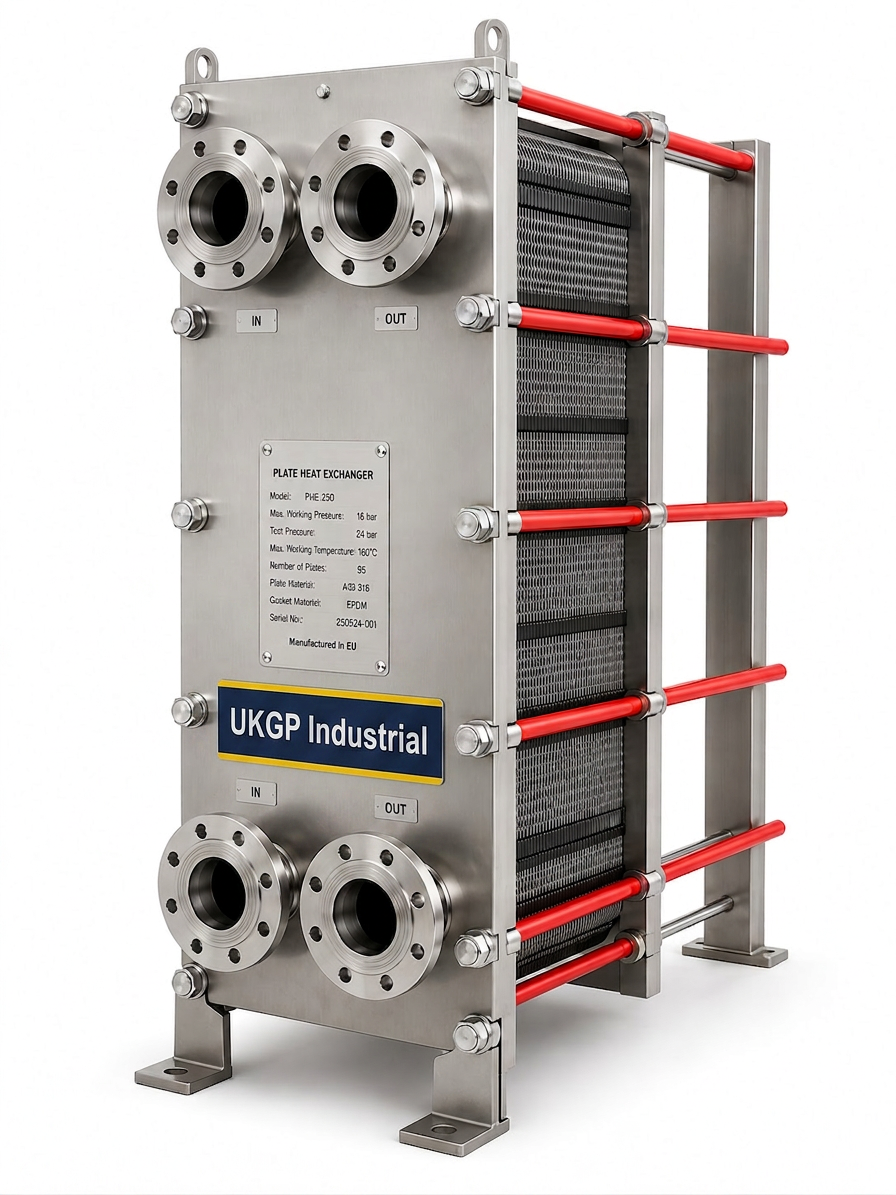
A common question for building services consultants is whether to use a low loss header or a plate heat exchanger (PHE) for hydraulic separation. While both provide decoupling, they function differently. A header allows the primary and secondary fluids to mix, whereas a PHE provides complete physical separation of the two fluids. In cases where the secondary system is old or likely to contain heavy debris that could damage a new boiler, a PHE is often the safer choice. However, for most modern, clean systems, a header is the more cost-effective and energy-efficient solution due to its lower pressure drop and lack of secondary pumps required for the primary side.
In many complex UK commercial systems, you might actually find both. A low loss header might manage the main boiler plant-room distribution, while plate heat exchangers are used at the apartment or zone level to isolate specific areas. Regardless of the configuration, the goal is to maintain stable flow and protect the energy source. If you are unsure which technology is appropriate for your specific project, UKGP Industrial can assist with the selection. We manufacture both high-quality headers and efficient plate heat exchangers, allowing us to provide an unbiased technical recommendation based on your system's hydraulic and thermal requirements.
When opting for the header approach, the simplicity of the design is its greatest strength. There are no moving parts to fail and no narrow channels to clog, provided that the system water is treated according to BS 8552 standards. Our commercial 40-2000 kW range is designed with this simplicity in mind, featuring robust construction and high-quality finishes. With flanged or threaded options and quick 2-3 week lead times, we ensure that your procurement process is as efficient as the equipment itself. Request a quote today to see how our expertise can streamline your next mechanical plant-room design.
- Headers offer lower pressure drops compared to heat exchangers.
- Heat exchangers provide complete fluid isolation for dirty systems.
- Low loss headers are typically easier to maintain in clean loops.
- Consult UKGP for technical advice on matching the right technology.
Maintenance and Long-Term Efficiency
To ensure the low loss header continues to provide hydraulic separation and air/dirt removal throughout its life, a regular maintenance schedule must be established. This primarily involves the periodic flushing of the bottom drain valve to remove collected sludge and checking the automatic air vent for proper operation. During annual plant-room inspections, the insulation jacket should also be checked to ensure it remains tight and dry. Any signs of leakage around the PN16 or BSP connections should be addressed immediately to prevent the introduction of oxygen into the system, which would accelerate corrosion in line with BG50 concerns.
Integrating a chemical dosing pot into the system near the header is a best practice for maintaining water quality. This allows for the easy introduction of inhibitors and biocides without needing to drain down the system. By keeping the chemistry balanced, you protect the high-value commercial boilers and ensures that the header's internal surfaces remain free from scale and corrosion. UKGP provides a full suite of these ancillary items, ensuring that the critical low loss header at the heart of your system is supported by the correct water treatment infrastructure, further validating your 2-year warranty and enhancing system longevity.
Ultimately, the efficiency of a UK commercial heating system relies on the harmony between its components. A UKGP low loss header provides that harmony by ensuring pumps operate within their curves and boilers receive the return temperatures they expect. With our 2-3 week lead time and competitive commercial pricing, we have become the go-to supplier for contractors and FMs across London and the wider UK. Contact us today to discuss your next project's flow requirements, and let our technical specialists provide a bespoke quote for a header solution that meets your exact pressure, temperature, and kw rating specifications.
- Flush sediment monthly to maintain optimal vertical flow.
- Check insulation integrity twice yearly to prevent heat loss.
- Verify BMS sensor calibration for accurate temperature mixing.
- Maintain water chemistry to protect the vessel's internal shell.
Frequently asked questions
What is the primary benefit of a low loss header?
- The primary benefit is hydraulic separation, which allows the primary boiler circuit and the secondary heating circuits to operate at different flow rates and pressures, preventing pump conflict and protecting high-efficiency boilers.
How do I size a header for 800 kW boiler plant?
- Sizing is based on the maximum flow rate required on the primary or secondary side. UKGP provides specific sizing charts for our 40-2000 kW range to ensure the internal velocity remains low enough for effective separation.
Do your low loss headers come with insulation?
- Yes, all UKGP commercial headers are supplied with a bespoke insulation jacket as standard to comply with CIBSE requirements and minimise plant-room heat loss.
What is the typical lead time for a PN16 flanged header?
- Our standard lead time for both BSP threaded and PN16 flanged headers in our commercial range is 2 to 3 weeks delivered anywhere in the UK.
Is a warranty included with the purchase?
- Every UKGP low loss header comes with a 2-year warranty, covering manufacturing defects and ensuring peace of mind for site owners and contractors.