The Role of a Low Loss Header Caleffi in Modern Hydronics
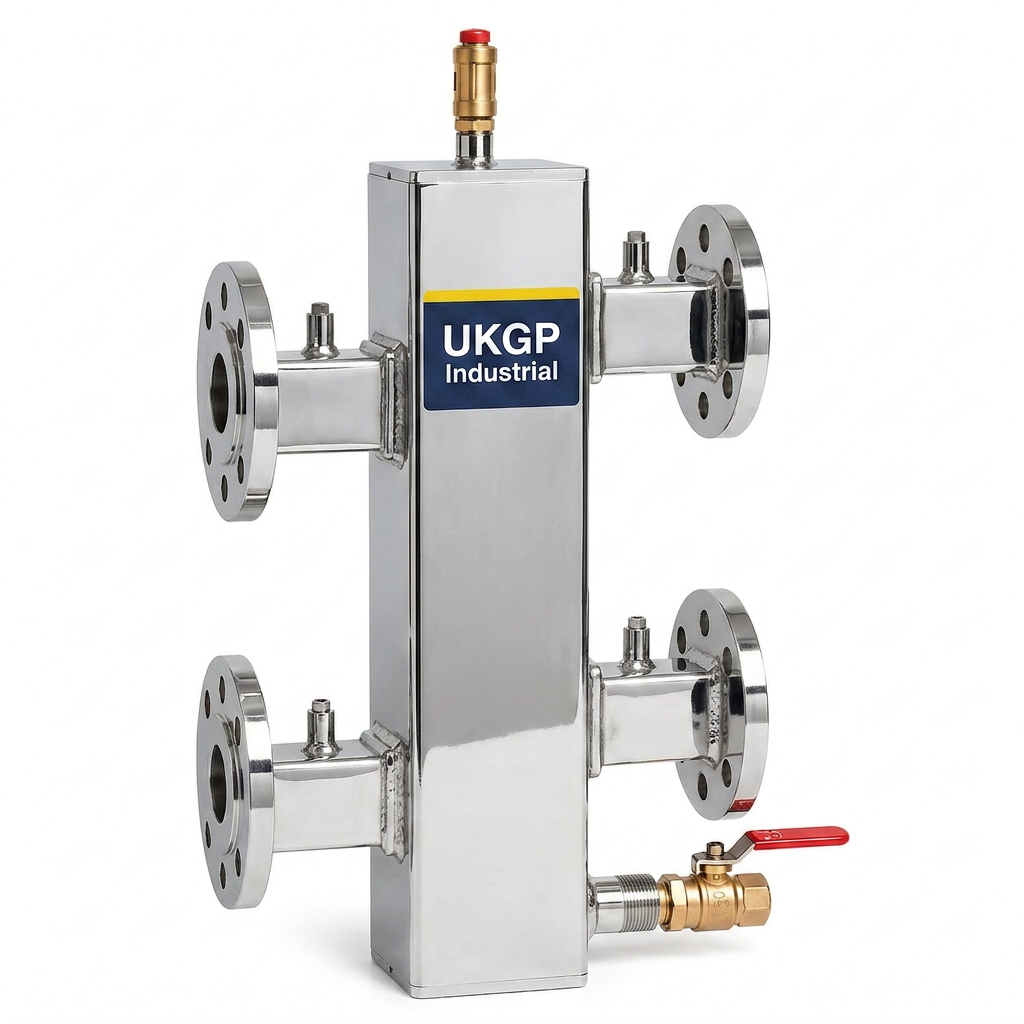
In modern commercial heating systems, the pressure and flow characteristics of the primary boiler circuit rarely match the demands of the secondary heating zones. When a designer specifies a low loss header caleffi or a similar hydraulic separator, the primary objective is to allow these two circuits to operate independently of one another. This decoupling prevents the secondary pumps from affecting the flow rate through the primary heat exchanger, which is critical for preventing thermal shock and ensuring the efficiency of condensing boilers. By providing a neutral pressure zone, the header ensures that the boiler pumps can maintain the exact Delta T required by the manufacturer, while the secondary pumps distribute heat based on current demand in the building. This is particularly vital in retrofit scenarios where existing pipework may have high resistance that does not suit modern high-efficiency heat exchangers.
When evaluating a low loss header caleffi for a UK project, engineers must consider the internal velocity of the fluid within the vessel. According to CIBSE guidelines, keeping velocities low is the key to effective hydraulic separation and sediment drop-out. A well-designed separator acts as a buffer where the kinetic energy of the water is reduced, allowing entrapped air to rise to the top and heavier debris to settle at the bottom. This multi-functional approach is why low loss headers have become a standard fixture in commercial plant rooms. Without this separation, variable speed pumps in the secondary circuit can pull too much water through the primary circuit, leading to bypass issues or, more dangerously, dry-firing conditions if the flow drops too low. Proper sizing based on total system kW and flow rate is the only way to avoid these common commissioning headaches.
From a commercial procurement perspective, sourcing a low loss header caleffi is often motivated by the need for a reliable, off-the-shelf component that can handle medium to large-scale capacities. However, UK contractors often face lead time challenges or specific flanged requirements that standard stock may not address. UKGP Industrial offers a range of headers designed for commercial loads from 40 kW to 2000 kW, providing the same hydraulic benefits with the added flexibility of UK-based manufacturing and support. Whether your design calls for threaded BSP or PN16 flanged connections, ensuring the internal vessel volume allows for a velocity of less than 0.5 metres per second is the technical benchmark for a successful installation. Our units are built to meet these rigorous specifications, ensuring compatibility with all major UK commercial boiler OEMs and heat pump systems.
- Hydraulic decoupling to prevent primary/secondary pump interference.
- Reduction of sediment and air through reduced fluid velocity.
- Protection of high-efficiency boiler heat exchangers from variable flow rates.
- Support for BSRIA BG29 pre-commissioning cleaning protocols.
Technical Specifications and Sizing for UK Projects
Appropriate sizing of a low loss header caleffi alternative involves calculating the maximum flow rate of either the primary or secondary circuit—whichever is greater. In our Surrey-based manufacturing facility, we engineer headers that accommodate loads up to 2000 kW. For example, a system operating on a 20K Delta T will require a significantly different vessel diameter than one operating on an 11K Delta T. Using the formula Q = m × cp × ΔT, we can determine the mass flow rate and select a header diameter that maintains the low-velocity environment necessary for air and dirt separation. If a cross-flow occurs due to undersizing, the benefit of the hydraulic break is lost, leading to 'ghost' pumping and inaccurate temperature sensor readings which can confuse BMS controls.
Material construction is another critical factor when comparing a low loss header caleffi against industrial-grade UKGP alternatives. Commercial units should be manufactured from high-quality carbon steel with robust welding that complies with British Standards. Our headers include an integrated insulation jacket as standard to prevent heat loss in the plant room, meeting the energy efficiency requirements of Part L of the Building Regulations. Inclusion of a dedicated tapping for a temperature sensor is also essential, allowing the BMS to monitor the blended flow temperature accurately. This data point is often the primary reference for the boiler master controller to modulate its firing rate, meaning the precision of the separation within the vessel directly impacts the fuel consumption of the entire facility.
For installers working on tight deadlines, the availability of specific connection types is a major consideration. While a generic low loss header caleffi might offer standard sizing, UKGP provides customisable options including BSP threaded for smaller commercial units and PN16 flanged connections for larger industrial applications. Our typical lead time of 2-3 weeks ensures that projects stay on schedule, avoiding the delays often associated with European imports. Every unit is supplied with a 2-year warranty, reflecting our confidence in the build quality and the reliability of our hydraulic separation technology. By selecting a header that matches the specific pipework orientation of your plant room, you reduce the number of fittings required and minimize the potential for leaks during the high-pressure testing phase of commissioning.
- Capacity range from 40 kW up to 2000 kW for diverse building sizes.
- Available with BSP threaded or PN16 flanged connections.
- Integrated thermal insulation jackets for Part L compliance.
- Dedicated sensor pockets for integrated BMS temperature monitoring.
Compliance with BSRIA BG29 and Water Quality Standards
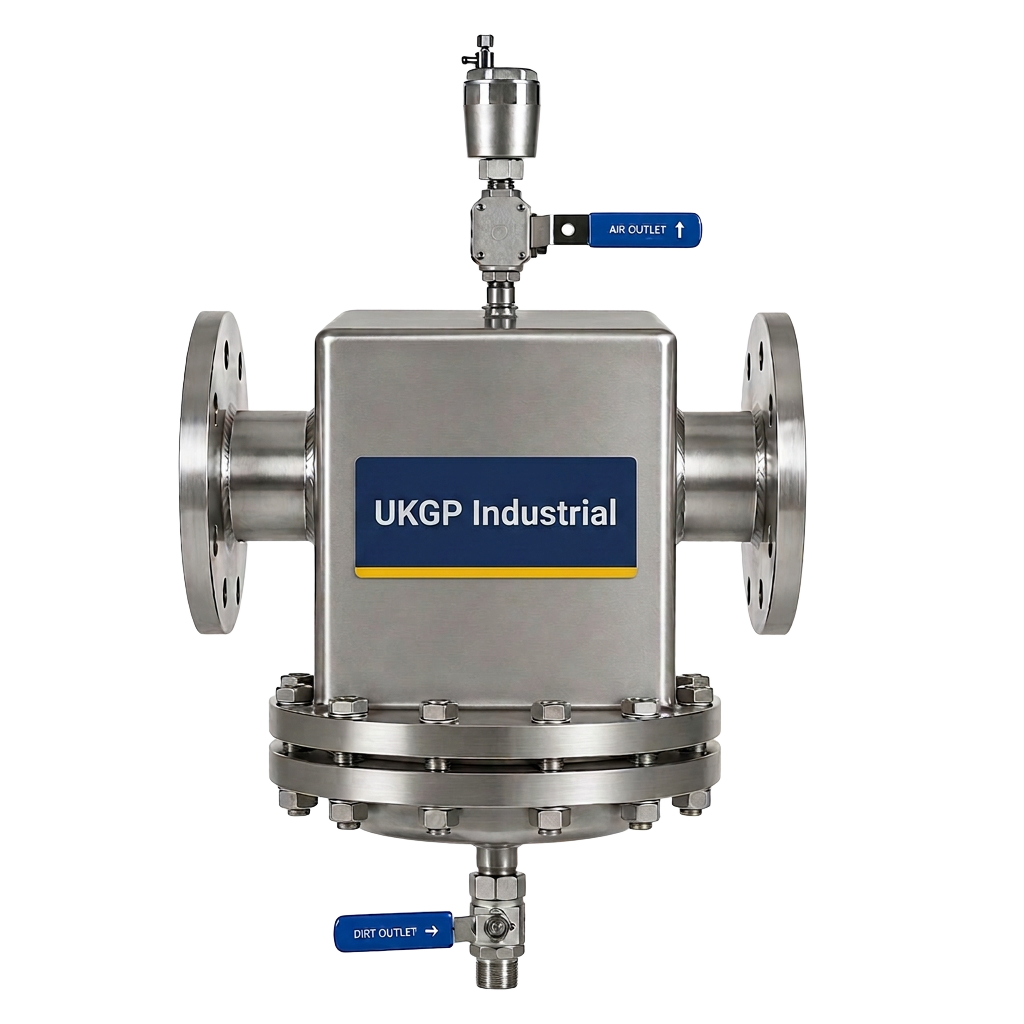
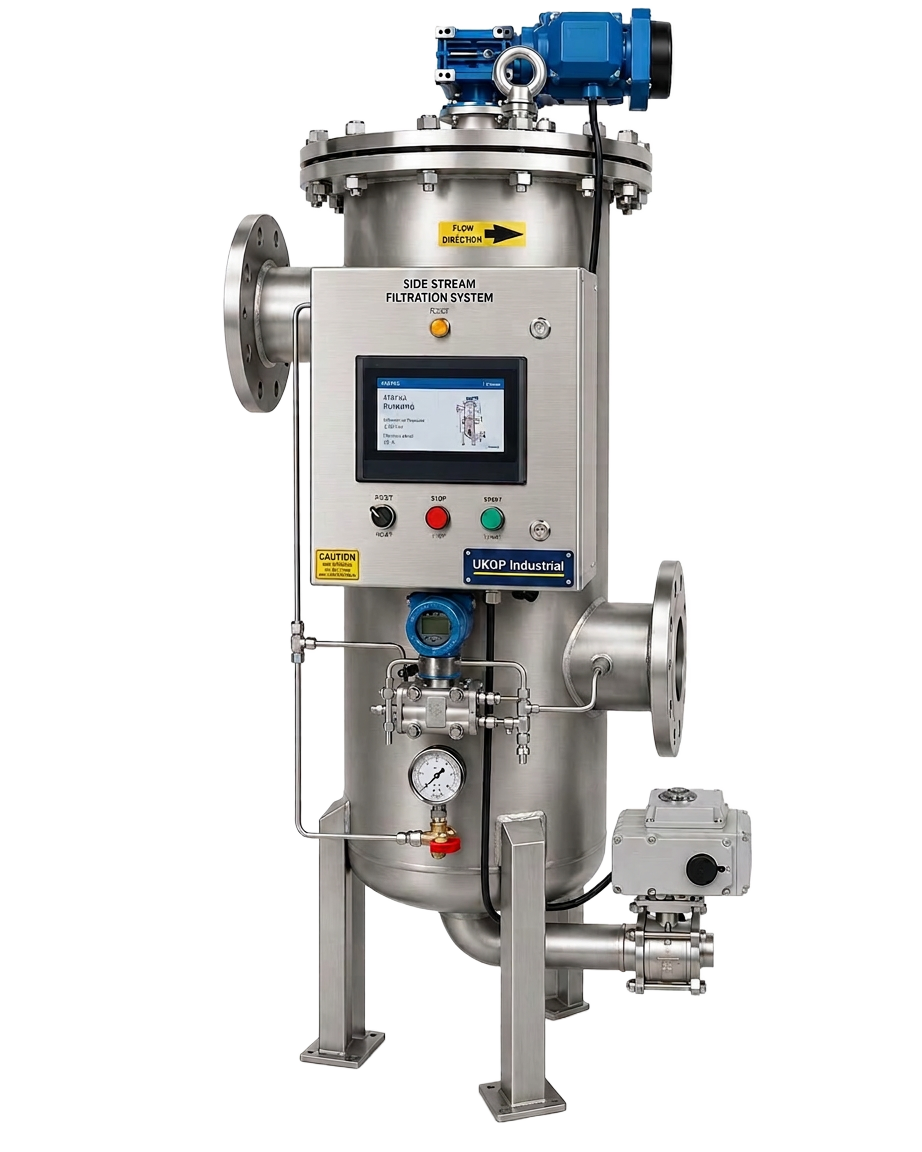
Modern plant room design is increasingly focused on water quality, as highlighted in BSRIA BG29 for pre-commissioning cleaning and BG50 for ongoing maintenance. A low loss header caleffi or a UKGP equivalent plays a pivotal role in this strategy by acting as a collection point for system contaminants. Because the velocity drops within the header, it is the ideal location for a drain valve to facilitate the removal of sludge and magnetite. This is especially important when boilers are commissioned alongside older heating emitters. Without a separator, fine debris can enter the primary circuit and foul the narrow waterways of modern heat exchangers, leading to localized overheating and premature component failure. Our headers are designed to complement side stream filtration systems to maintain high water clarity across the life of the asset.
In addition to debris management, the air separation function of the header is vital for preventing corrosion. Oxygen in the system leads to the formation of magnetite (black iron oxide), which is the leading cause of pump failure and heat transfer loss in the UK commercial sector. By utilizing a header with an automatic air vent tapping at the highest point, engineers can ensure that liberated gases are removed before they cause oxidative damage. This alignment with BS 8552 for monitoring water quality ensures that the facility manager can maintain the system within the strict parameters required for warranty validation from boiler manufacturers. Integrating a chemical dosing pot into the circuit alongside the header allows for precise inhibitor levels to be maintained, further protecting the internals of the header and the wider hydronic network.
When specifying for a project, the technical submittal must demonstrate how the low loss header caleffi or UKGP alternative supports the overall system hygiene. We recommend the inclusion of a magnetic separator within the circuit if high levels of iron oxide are anticipated, or the use of a combined low loss header and air/dirt separator for compact plant rooms. By consolidating these functions, M&E contractors can save significant space while still meeting the rigorous requirements of UK water treatment standards. This proactive approach to system design not only protects the boiler plant but also ensures that the heat delivery remains consistent for the building's occupants, reducing the frequency of emergency call-outs and reactive maintenance spend for the client.
- Facilitates sediment removal to meet BSRIA BG29 standards.
- Integrated air venting to reduce corrosion risks and noise.
- Compatible with side stream filtration for superior water clarity.
- Constructed to withstand commercial operating pressures and temperatures.
Maximising Efficiency with Primary/Secondary Separation
The primary advantage of installing a low loss header caleffi alternative is the ability to maintain the 'Goldilocks zone' of temperature and flow. If the primary flow is higher than the secondary flow, the excess hot water simply bypasses back to the boiler, which is ideal during low-demand periods. Conversely, if the secondary demand exceeds the primary supply, the header allows the return water to mix with the flow, delivering a slightly lower temperature but maintaining the required volume of water to the emitters. This prevents the primary pumps from being over-strained and protects the boiler from the thermal shock of receiving cold return water too quickly. Achieving this balance is what differentiates a high-performing commercial system from one that suffers from constant cycling and energy waste.
For consultants designing district heating schemes or large multi-boiler cascades, the low loss header is the heart of the system. It acts as the point of no pressure change, providing a stable reference point for all circulating pumps. When you select a UKGP low loss header, you are choosing a component that has been engineered to handle the thermal expansion and contraction associated with high-output commercial boilers. Our 2-year warranty provides peace of mind for procurement leads who require locally supported products that are built for the British market. The efficiency gains from proper separation are tangible, often resulting in a noticeable reduction in gas consumption as boilers are allowed to modulate more effectively through the BMS without interference from external pump curves.
In terms of installation, the footprint of the header is often a concern in refurbished basement plant rooms. We provide detailed dimensional drawings for all our models, ensuring that the low loss header caleffi alternative fits within the allocated space while still providing the required buffer volume. The inclusion of a robust insulation jacket not only saves energy but also improves the safety of the plant room by preventing surface temperatures from reaching dangerous levels. Whether you are scaling a system for a school, a hospital, or a large retail development, the principle remains the same: hydraulic separation is the foundation of a reliable hydronic circuit. By contacting our technical team, you can ensure your header is perfectly matched to your specific pump duties and boiler outputs.
- Prevents pump conflict in complex multi-zone heating systems.
- Reduces boiler cycling, extending the life of the burner and heat exchanger.
- Enables accurate temperature control via the primary circuit sensor.
- Supports wide Delta T operations common in modern heat pump hybrids.
Optimising Temperature Control and BMS Integration
Integration with a Building Management System (BMS) is a non-negotiable requirement for modern commercial properties. A low loss header caleffi allows for the placement of a flow temperature sensor in a location that represents the actual blended temperature being sent to the heating circuits. This is more accurate than relying on a sensor located inside an individual boiler, especially in a cascade arrangement. When the BMS knows the exact temperature in the header, it can make intelligent decisions about how many boilers to fire and at what modulation level. This prevents the system from overshooting the setpoint and reduces the wear and tear on the primary plant. UKGP units feature well-positioned sensor pockets to ensure your control logic is based on the most accurate data possible.
Furthermore, by maintaining hydraulic separation, the low loss header ensures that the variable flow rates required by underfloor heating zones or fan coil units do not disrupt the critical flow through the boilers. This is particularly important for preventing 'nuisance' trips where boilers stop firing because they detect a temporary drop in flow. In the UK climate, where heating demand can fluctuate wildly between morning and afternoon, this stability is essential for occupant comfort. Our technical support team often assists consultants in verifying that their chosen header will handle the peak diversity flow whilst still performing efficiently at minimum load. This level of technical oversight is a standard part of the UKGP service, ensuring that your specification is fit for purpose from day one.
Ultimately, the choice of a low loss header caleffi or a UKGP alternative is an investment in the system's overall reliability. By reducing the complexity of the commissioning process and providing a robust location for air and dirt removal, the header simplifies many of the most common issues faced by M&E contractors. With our 2-3 week lead time, you can secure high-quality, UK-manufactured headers that meet all the technical benchmarks of the leading European brands but with the added benefits of local expertise and direct manufacturing oversight. To receive a detailed quote or to discuss your specific flow rate requirements for a 40-2000 kW system, reach out to our Surrey office where our engineers are ready to assist with your next plant room project.
- Sensor pockets included for precise BMS flow temperature monitoring.
- Ensures stable boiler operation during fluctuating secondary demand.
- Reduces commissioning time by simplifying hydraulic balance.
- Compatible with PN16 pressure ratings for high-rise applications.
Maintaining the System after Installation
Post-installation, the low loss header caleffi alternative remains a vital service point for the facility manager. Regular blow-down of the drain valve at the base of the header will remove settled sludge, supporting the objectives of BS 8552. This simple maintenance task can prevent the build-up of material that would otherwise circulate through the building and settle in low-flow areas like radiator tails. Because our headers are built with industrial-grade carbon steel, they are designed to last the lifetime of the primary boiler plant, provided that the water chemistry is maintained according to BSRIA BG50. Using the header as a diagnostic tool—checking the temperature differential between the primary and secondary ports—can also help identify if pumps are incorrectly commissioned or if there is a blockage in the system.
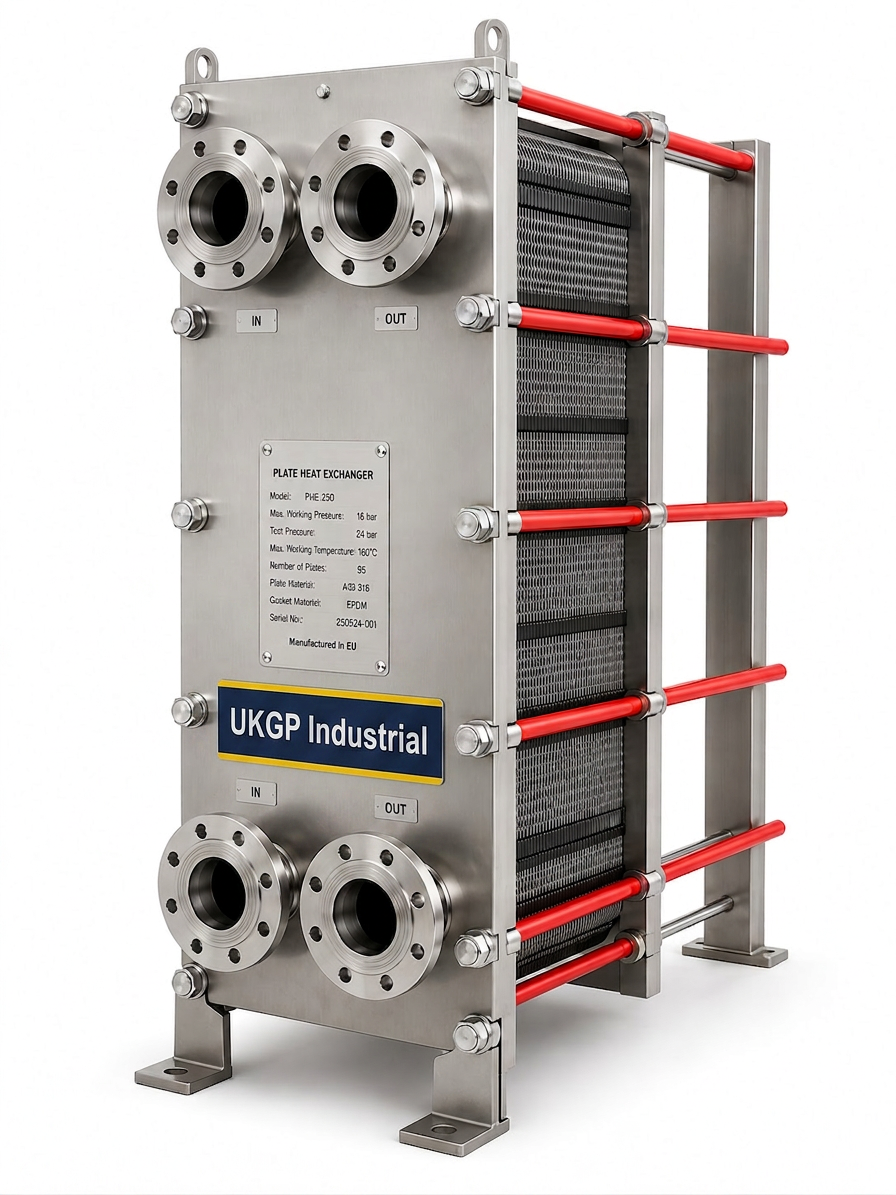
The insulation jacket provided with our headers is designed for easy removal and re-installation, facilitating inspections of the vessel's integrity without damaging the thermal performance. This is a crucial detail for annual maintenance schedules where the condition of the pipework and flanged connections must be verified. For systems that incorporate a plate heat exchanger for domestic hot water or system separation, the low loss header acts as the stable primary supply that ensures the plate heat exchanger receives the constant flow temperature it needs to deliver peak DHW performance. By treating the header as a central hub for air, dirt, and hydraulic management, the long-term O&M costs of a commercial building can be significantly reduced, preventing the need for expensive chemical descaling or heat exchanger replacements.
For procurement leads, the long-term value of a UKGP header is underpinned by our 2-year warranty and the availability of replacement parts across the UK. Unlike imports that may have proprietary connection sizes or inaccessible technical data, our headers are designed to standard UK engineering conventions. This makes them a 'future-proof' choice for any commercial facility. Whether you are replacing an old header or specifying for a new-build project, the logic of hydraulic separation remains the same. If your design requires a low loss header caleffi but you need a UK-based partner who can offer competitive pricing, high stock availability of standard sizes, and the capability to manufacture to 2000 kW specifications, UKGP Industrial is the logical choice for your next M&E procurement cycle.
- Easily removable insulation for simple maintenance inspections.
- Lower point drain valve for effective sludge removal per BG50.
- Robust carbon steel construction for long-term plant-room durability.
- Clear technical documentation provided for O&M manuals.
Frequently asked questions
What is the maximum capacity for a UKGP low loss header?
- Our range covers commercial systems from 40 kW up to 2000 kW, ensuring we can provide hydraulic separation for everything from small primary schools to large industrial estates and district heating schemes.
Can I get a header with flanged connections for my project?
- Yes, we offer both BSP threaded connections for smaller loads and PN16 flanged connections as standard for our larger units, allowing for easy integration into commercial pipework specifications.
What is the standard lead time for a low loss header?
- We typically operate on a 2-3 week lead time for our standard commercial range, manufactured at our Surrey location, ensuring your M&E project stays on track without the delays of international shipping.
Does the low loss header include an insulation jacket?
- Yes, every UKGP low loss header comes with a high-quality insulation jacket to minimize heat loss and ensure compliance with Part L of the Building Regulations for energy efficiency.
How does the header help with BSRIA BG29 compliance?
- By significantly slowing down fluid velocity, the header acts as a collection point for air and dirt. This facilitates the removal of debris during the pre-commissioning cleaning phase and supports ongoing water quality monitoring.