Understanding the Role of a Flexej Low Loss Header
Hydraulic separation is a critical requirement in modern commercial HVAC systems, particularly when integrating high-efficiency condensing boilers with variable flow secondary circuits. Many installers look at the flexej low loss header as a benchmark for quality, requiring a vessel that can effectively decouple the primary and secondary pumps. This decoupling ensures that the boiler's delicate heat exchanger is protected from flow fluctuations that could otherwise lead to cycling or premature component failure. By maintaining a constant flow across the primary loop, the system can operate at peak efficiency, which is essential for meeting the stringent energy targets set out in current UK building regulations.
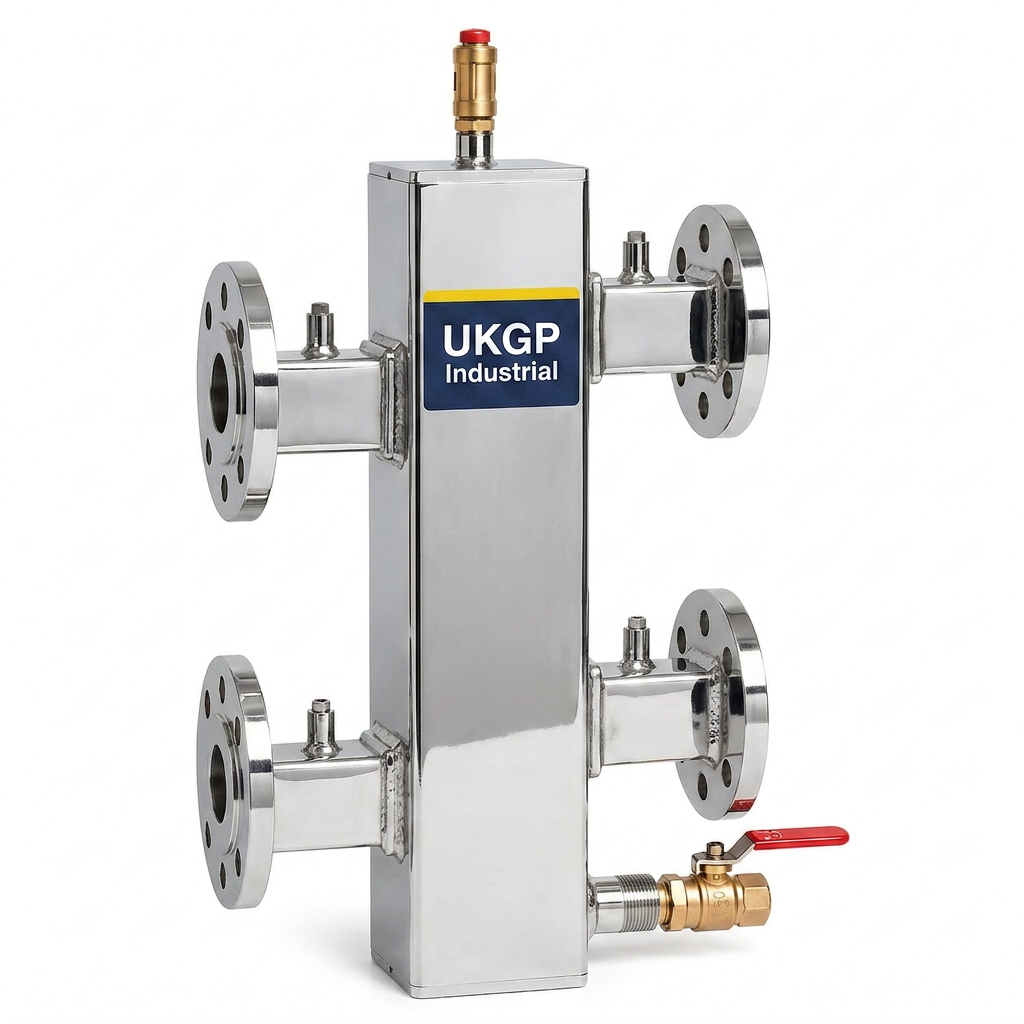
A standard flexej low loss header or a UKGP alternative functions by allowing the water velocity to drop within the vessel body. This reduction in velocity creates a neutral pressure zone, preventing the pumps from 'fighting' each other. For M&E contractors and consultants, the priority is often finding a vessel that offers not just the hydraulic separation but also integrated features like air and dirt removal. In many high-capacity systems, ranging from 40 kW up to 2000 kW, the precision of this balance dictates the overall lifespan of the plant. Choosing the right header means accounting for total system volume, expected flow rates, and the specific temperature differentials required by the heat emitters.
UKGP Industrial understands the technical nuances involved when engineers specify a flexej low loss header for their projects. We provide comparable technical data sheets to ensure that our units fit seamlessly into your existing designs. Whether you are dealing with a new build or a refurbishment project, the ability to swap specifications without compromising on thermal performance is a major advantage. Our units are manufactured to rigorous standards, mirroring the reliability expected from leading brands while offering enhanced commercial benefits such as shorter lead times. This focuses on providing a versatile solution that meets the practical needs of site engineers while satisfying the rigorous demands of the UK's procurement leads and facilities managers.
- Ensures complete hydraulic decoupling between primary and secondary circuits.
- Minimizes pump conflict and protects boiler heat exchangers.
- Maintains stable primary flow regardless of secondary demand fluctuations.
- Facilitates easier air and dirt separation within the central plant room.
- Improves overall system energy efficiency and reduces operational cycling.
Technical Specifications of National Alternatives
When comparing the flexej low loss header against the UKGP range, technical professionals look for parity in build quality and pressure ratings. Our headers are fabricated to handle capacities from 40 kW to a massive 2000 kW, making them suitable for everything from small commercial units to large industrial district heating schemes. We offer both flanged (PN16) and threaded (BSP) connections to ensure compatibility with any pipework configuration. Furthermore, all units come standard with a high-quality insulation jacket. This is not merely an optional extra; it is a necessity for reducing standing heat losses and ensuring the system complies with BSRIA BG29 and BG50 best practices for thermal efficiency.
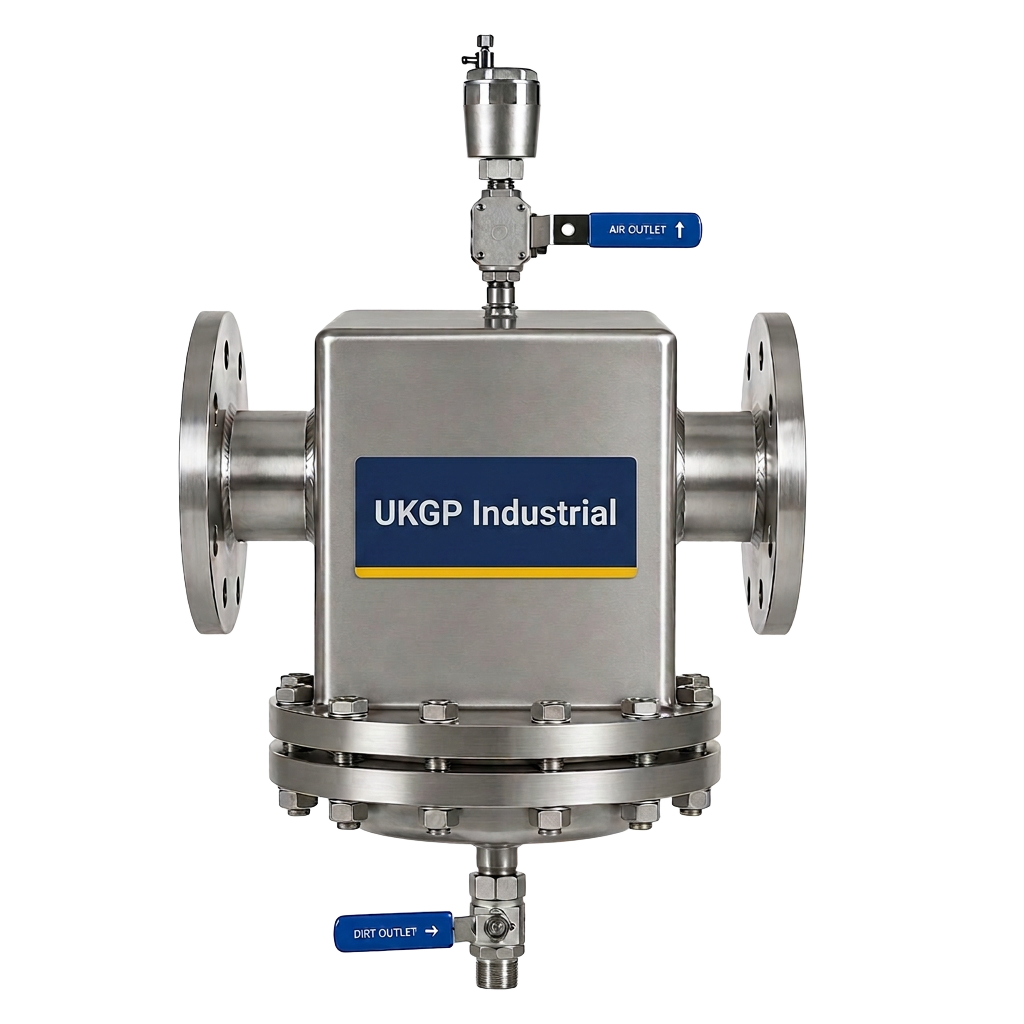
Durability is another key factor for building services consultants. While the flexej low loss header is a known quantity, the UKGP alternative offers a 2-year warranty as standard, providing peace of mind for facilities managers. The vessels are designed to withstand the rigours of commercial operation, with thick-walled construction and high-grade finishes. By using an internal baffle system, our headers promote effective air venting and sediment collection, which can be further enhanced by installing one of our dedicated air and dirt separators nearby. This holistic approach to system health is what differentiates a simple vessel from a true engineered solution that supports the long-term integrity of the building's infrastructure.
Procurement leads often face challenges with long lead times on specialized HVAC equipment. Unlike some competitors where wait times can stretch into months, the UKGP low loss header is delivered within a 2-3 week lead time. This rapid turnaround is essential for maintaining project schedules on site and avoiding costly delays for M&E contractors. By stocking common sizes and maintaining a nimble UK-based manufacturing workflow, we ensure that your project can move from design to commissioning without the typical supply chain bottlenecks associated with other high-end hydraulic separators. If you are currently specifying a system and need a quote for an alternative to a flexej low loss header, our team can provide technical comparisons within 24 hours.
- Available in capacities from 40 kW up to 2000 kW.
- Connection options include threaded BSP or PN16 flanged ends.
- Supplied with a tailored insulation jacket to minimize thermal loss.
- Rapid UK manufacturing with a standard 2-3 week lead time.
- Backed by a comprehensive 2-year warranty for commercial peace of mind.
Compliance and Best Practice for Water Quality
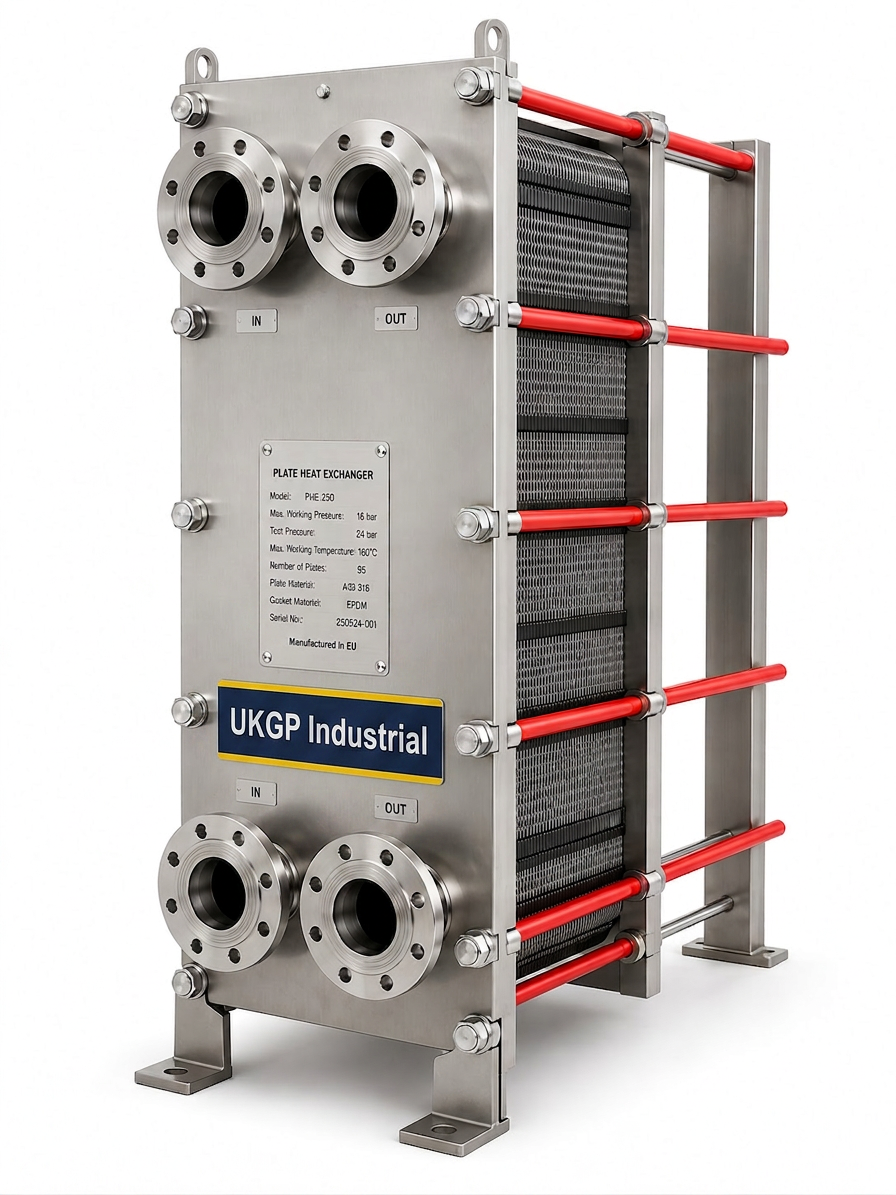
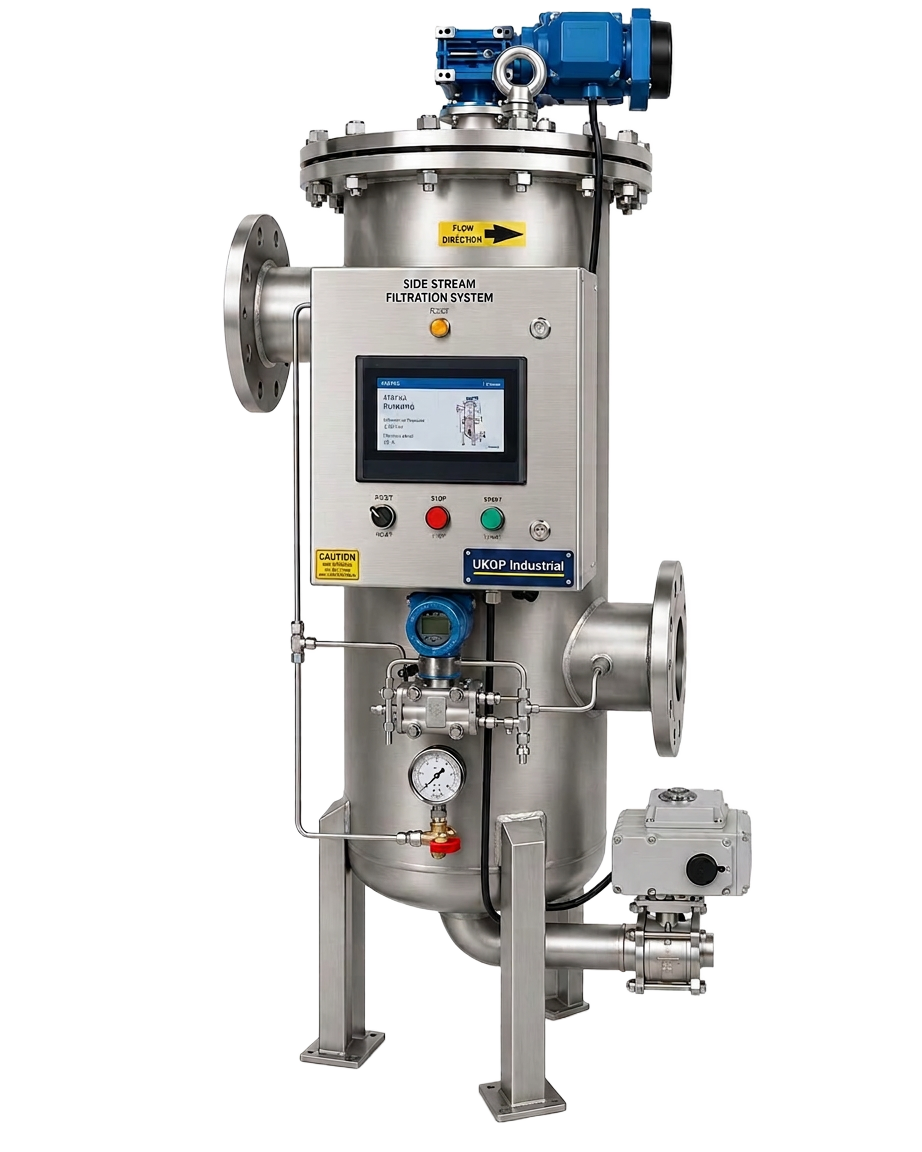
Integrating a flexej low loss header or a UKGP equivalent into a system is only the first step toward long-term reliability. Engineers must also consider the water chemistry, as outlined in BSRIA BG29 (Pre-commission Cleaning) and BG50 (Water Treatment for Closed Heating and Cooling Systems). A low loss header acts as a collection point where debris can settle; therefore, it is vital to have a robust maintenance strategy in place. Our headers include drain points to facilitate the removal of sludge, but for comprehensive protection, we recommend the use of side stream filtration. This ensures that even the smallest metallic and non-metallic particles are removed before they reach sensitive components like the boiler or plate heat exchangers.
In many commercial installations, the inclusion of a low loss header is the perfect time to evaluate the chemical dosing strategy. Without proper inhibitors and biocides, even the best hydraulic separator will eventually suffer from internal corrosion or bio-fouling. Consulting engineers frequently specify our chemical dosing pots alongside their header choice to ensure that the water treatment regime can be managed easily and safely. Proper dosing, combined with regular testing via pH sensors and transmitters, creates a stable environment that protects the capital investment of the plant. Failing to manage these variables can lead to localized corrosion within the header, reducing its effectiveness and potentially causing system-wide failures that are expensive to rectify.
If you are replacing a flexej low loss header during a plant upgrade, it is an opportune moment to install higher precision monitoring equipment. Modern Building Management Systems (BMS) rely on accurate data to optimize energy usage. By integrating sensors into the primary and secondary loops on either side of the header, FMs can gain real-time insights into system delta-T and flow efficiency. This data is invaluable for diagnosing issues before they become critical. Our technical team can advise on how to integrate these components into your layout, ensuring that your low loss header works in harmony with the rest of the plant's protective and monitoring hardware to meet BS 8552 standards for water sampling.
- Supports compliance with BSRIA BG29 and BG50 guidelines.
- Features integrated drain valves for sludge and sediment removal.
- Pairs perfectly with side stream filtration for enhanced system longevity.
- Essential for maintaining the heat exchanger efficiency in modern boilers.
- Facilitates cleaner water loops which extends the life of pumps and valves.
Installation Considerations for UK Contractors
Site constraints are often the biggest hurdle for M&E contractors when installing a flexej low loss header or similar vessel. Space in plant rooms is frequently limited, requiring headers that are compact yet high-performing. Our low loss headers are designed with a streamlined footprint without sacrificing the internal volume necessary for effective velocity reduction. When installing, it is vital to ensure that the header is oriented correctly to facilitate air venting from the top and sludge drainage from the bottom. Proper support is also necessary; given the weight of these vessels when full of water, heavy-duty brackets or floor stands must be used, which we can provide upon request to match your specific site requirements.
The choice of connection—whether BSP threaded for smaller loads or PN16 flanged for larger commercial applications—can significantly impact the speed of installation. A flexej low loss header specified for a 500 kW system will often use flanged connections to ensure a secure, leak-proof seal that can withstand the thermal expansion stresses of a large system. Our headers are designed to be 'plug and play' as much as possible, with clearly labeled ports and high-quality welding that exceeds BS EN 14917 standards where applicable for pressurized vessels. Using our supplied insulation jackets also saves time on site, as installers do not have to source or cut bespoke lagging, ensuring a professional and energy-efficient finish from day one.
System commissioning is the final, critical hurdle for any project. During this phase, the low loss header must be checked to ensure that the primary and secondary flows are balanced according to the design intent. If the header is oversized or undersized compared to a flexej low loss header specification, it can lead to turbulent flow and poor temperature control. UKGP Industrial provides detailed performance curves and flow data to help commissioning engineers verify that the system is operating within the specified parameters. This technical transparency is why many UK contractors are moving toward UKGP as their primary supplier for hydraulic separation, citing our responsive support and willingness to provide custom advice for complex multi-boiler configurations.
- Compact design suitable for tight UK plant room spaces.
- Supplied with professional insulation to reduce on-site labor.
- Compatible with both floor-standing and wall-mounted setups.
- High-quality welding ensures long-term vessel integrity.
- Detailed performance data simplifies the commissioning process for engineers.
Commercial Benefits of the UKGP Solution
For procurement leads, the decision between a flexej low loss header and a UKGP alternative often comes down to the balance of cost, quality, and delivery speed. In the current economic climate, waiting 8-12 weeks for a header can derail an entire project's timeline and trigger penalty clauses. UKGP’s commitment to a 2-3 week lead time offers a massive commercial advantage, allowing contractors to stay on track and invoice more rapidly. Furthermore, our competitive pricing model ensures that you receive a premium, British-made product without the 'brand tax' associated with some more established names in the industry, all while maintaining the high performance required by modern consulting engineers.
The 2-year warranty we offer is a testament to our confidence in the product's longevity. Unlike standard one-year warranties common in the sector, our extended coverage provides an extra layer of security for the end-user or facilities management firm. This is particularly important for high-traffic buildings like hospitals, schools, and shopping centres where heating downtime is not an option. By selecting a UKGP header as a flexej low loss header alternative, you are choosing a partner that stands by its engineering. We also provide full documentation for your O&M manuals, including manufacturing certificates and maintenance guides, simplifying the hand-over process and ensuring the building's management team has everything they need for future operation.
Sustainability is another growing factor in the UK procurement process. Our headers are manufactured in the UK, significantly reducing the carbon footprint associated with shipping heavy steel vessels across continents. By choosing local manufacturing, you are supporting British industry and ensuring that any technical support you might need comes from an expert in your own time zone. If your project has specific green building credentials to meet, such as BREAM ratings, the efficiency and local provenance of our low loss headers can contribute positively to your scores. Contact us today to discuss your project requirements and receive a competitive quote for your next commercial heating installation.
- Reduces project risk with reliable, short 2-3 week lead times.
- Direct manufacturer support saves time during the specification phase.
- UK-based fabrication minimizes the environmental impact of transport.
- Extended 2-year warranty provides long-term commercial security.
- Competitive pricing provides better value for large-scale M&E projects.
Final Thoughts on Specification and Performance
The technical superiority of a hydraulic separator is only evident over years of trouble-free operation. Whether you choose a flexej low loss header or a UKGP alternative, the goal remains the same: a stable, efficient, and clean heating circuit. Factors such as the correct sizing based on velocity (typically staying below 0.5 m/s in the header body) are non-negotiable for achieving the best results. Our team at UKGP Industrial is deeply familiar with these requirements and can assist you in selecting the perfect unit for your 40-2000 kW system. We take pride in delivering solutions that not only meet the immediate needs of the installer but also the long-term energy goals of the building owner.
In summary, the transition from specifying a flexej low loss header to a UKGP model is straightforward and offers numerous practical benefits. From the robust PN16 flanged connections to the essential inclusion of insulation jackets, every aspect of our design is geared toward the professional UK market. We encourage all building services consultants and plant-room engineers to compare our technical data alongside their traditional specifications. You will find that our commitment to quality, combined with our ability to deliver fast, makes us an ideal candidate for your next tender or design schedule. The reliability of our vessels ensures that your reputation as a high-quality installer remains intact project after project.
Don't let supply chain issues hold back your construction or refurbishment schedule. If you need a high-performance low loss header that can handle the demands of modern commercial boilers, look no further. Our UK-based experts are ready to assist with sizing, technical queries and formal quotations. By integrating a UKGP low loss header into your system, you are ensuring the highest possible hydraulic performance and protecting the lifecycle of your heating plant. Reach out to our Surrey-based team today to discover why more UK engineers are making the switch to UKGP for their plant-room essentials.
- Sized for optimal velocity to maximize hydraulic separation.
- Built to withstand the high-temperature cycles of commercial plant.
- Easily integrated into existing boiler plant room designs.
- Supported by a team of UK technical experts for pre-sale advice.
- Designed to be the premium alternative to standard industry headers.
Frequently asked questions
What is the typical lead time for a UKGP low loss header?
- Our standard lead time is 2-3 weeks, which is significantly faster than many competitors in the industry. This allows M&E contractors to maintain tight schedules and avoid project delays.
How does your low loss header compare to a flexej low loss header?
- The UKGP low loss header is a high-performance alternative designed to match or exceed the technical specifications of a flexej low loss header. We offer capacities from 40 to 2000 kW, flanged or threaded connections, and include an insulation jacket as standard.
Are your low loss headers compatible with BSRIA guidelines?
- Yes, our headers are designed and manufactured to support compliance with BSRIA BG29 and BG50. They facilitate proper hydraulic separation and include drain points to assist in maintaining water quality and system cleanliness.
What kind of warranty is provided with your units?
- We provide a comprehensive 2-year warranty on all our low loss headers, offering double the protection of the industry-standard one-year warranty. This reflects our confidence in the build quality of our British-made products.
Do the headers come with insulation as standard?
- Yes, every UKGP low loss header is supplied with a high-quality insulation jacket. This ensures the unit complies with energy efficiency requirements and reduces labor costs on-site for the installer.