The Role of fabric expansion joint material in Exhaust Ducting
In the context of UK building services and industrial boiler plant operations, flue gas systems present a unique set of challenges compared to standard HVAC ductwork. The primary function of any fabric expansion joint material within these systems is to absorb multi-axial thermal movements while maintaining a gastight seal against internal pressures. Unlike metallic bellows, fabric-based solutions offer significant flexibility in short face-to-face dimensions, making them ideal for retrofitting into constrained Surrey plant rooms where space is at a premium. Consultants must evaluate the specific chemical composition of the flue gas, including the presence of sulphur oxides and nitrogen oxides, which can lead to acid dew point corrosion if the system temperature fluctuates during start-up or shut-down cycles.
Selecting a high-performance fabric expansion joint material requires a deep understanding of the operating temperature envelope, as flue gases can range from 150 degrees Celsius in condensing boilers to over 500 degrees Celsius in industrial power generation or CHP systems. The material must not only resist these temperatures but also provide a thermal barrier to protect the outer layers from reaching their degradation point. Failure to specify the correct fabric can lead to catastrophic leakage, loss of system pressure, and potential health and safety risks for facility managers. Engineering leads often look for materials that combine glass fibres, fluoropolymers, and specialised coatings to provide the necessary mechanical strength and chemical resilience required for long-term UK plant-room reliability.
Furthermore, mechanical vibrations from large-scale fans and turbines can cause standard ducting to fatigue prematurely. By integrating the correct fabric expansion joint material, these vibrations are effectively isolated, preventing the transmission of noise and stress to the wider building structure. This is particularly relevant when complying with BSRIA BG29 and BG50 guidelines regarding system cleanliness and maintenance. A well-chosen fabric joint reduces the risk of mechanical failure and extends the time between major maintenance intervals. At UKGP Industrial, we understand these complexities and provide technical support to help contractors select the right product for their specific installation requirements and environmental conditions.
- Absorption of large axial and lateral movements in compact spaces
- Reduction of vibration transmission from combustion equipment
- Mitigation of stress on ductwork flanges and supporting structures
- Cost-effective alternative to multi-ply metallic bellows in low-pressure applications
Chemical Resistance and Temperature Considerations
When engineering flue gas ductwork, the most critical factor is the chemical compatibility of the fabric expansion joint material with the combustion by-products. Flue gases often contain a mixture of water vapour, CO2, and corrosive acids that can penetrate standard materials if they are not properly reinforced. The inner layers of a multi-ply fabric joint are typically constructed from high-temperature resistant glass or ceramic cloths, which provide the primary thermal barrier. However, it is the chemical-resistant barrier, often made from PTFE or high-grade elastomeric coatings, that protects the structural integrity of the joint from the aggressive chemical environment found in modern industrial boiler flues.
Choosing a fabric expansion joint material that can withstand the acid dew point is vital for systems that do not run continuously. When the temperature falls below the dew point, acidic condensate forms on the internal surfaces of the ductwork and the expansion joint. If the fabric material is porous or chemically reactive, it will degrade rapidly, leading to cracking and eventual failure. This is why many UK M&E contractors prefer bespoke multi-layer constructions that include a dedicated gas-sealed membrane. This design ensures that the corrosive elements are contained within the flow stream and do not leach into the insulation layers or the external atmosphere, maintaining CIBSE standards for energy efficiency and environmental control.
Beyond chemical resistance, the physical robustness of the fabric expansion joint material must be considered regarding the velocity of the flue gas. High-velocity streams can cause 'flutter' in the fabric, leading to mechanical wear and erosion. In these instances, internal baffles or flow liners are recommended to protect the fabric from direct impingement. This integrated approach to design ensures that the plant room remains operational without the frequent need for emergency repairs. Whether you are managing a district heating scheme or a private industrial facility, selecting the right material is a fundamental step in risk management for any high-temperature gas application.
- PTFE coatings for superior chemical resistance against acidic condensate
- Ceramic fibre insulation layers for ultra-high temperature protection
- Reinforced glass cloth for structural stability under pressure
- Integrated vapour barriers to prevent bypass leakage
Integrating UKGP Bellows for Comprehensive Stress Management
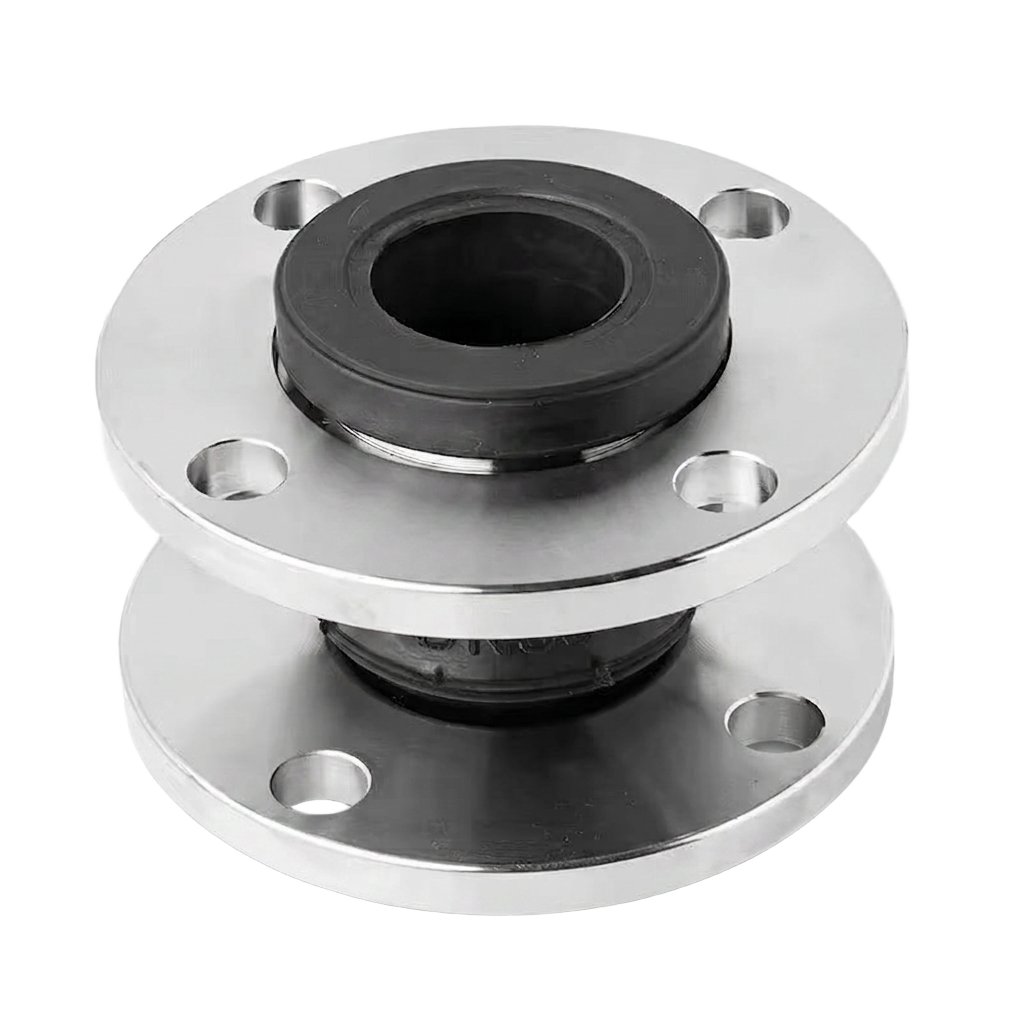
While fabric joints are essential for flue gas, many plant-room systems also require robust solutions for liquid media pipes. This is where our UKGP expansion bellows become an invaluable asset for building services engineers. Just as you would carefully select a fabric expansion joint material for gas ducting, you must choose the right bellows for your LTHW, MTHW, or steam lines. Our range includes rubber EPDM/NBR, stainless steel, PTFE, and fabric options, covering sizes from DN15 to DN600. These products are designed to handle the thermal expansion challenges highlighted in BS EN 14917, providing a reliable bridge between rigid piping and moving equipment while ensuring the integrity of the entire HVCA system.
For projects requiring high-pressure or high-temperature liquid handling, our stainless steel and PTFE expansion bellows offer the durability needed to meet BSRIA recommendations. These units come with flanged or weld-end connections to suit your specific installation needs. By sourcing your expansion solutions from UKGP Industrial, you benefit from a consolidated supply chain and technical expertise that understands both the fabric requirements of flue systems and the metallic requirements of liquid loops. Each UKGP expansion bellows comes with a 2-year warranty, reflecting our confidence in the manufacturing quality and the long-term performance these components offer to M&E contractors across the UK.
Requesting a quote for a UKGP expansion bellows is a straightforward process that ensures your project meets all relevant UK standards. Our engineering team can assist in calculating the required movements and selecting the appropriate material, whether it be for a standard heating system or a specialized industrial process. By combining the best fabric expansion joint material for your flues with our premium bellows for your pipework, you create a resilient, thermally balanced system that minimizes the risk of fatigue-related leaks. Contact us today to discuss your DN15-DN600 requirements and secure the 2-year warranty protection for your next Surrey-based or national installation project.
- Wide range of materials: EPDM, NBR, Stainless Steel, and PTFE
- Available in sizes DN15 to DN600 for all plant-room scales
- Versatile connection types including flanged and weld-end
- Peace of mind with a comprehensive 2-year warranty
Compliance with BS EN 14917 and BSRIA Standards
Regulatory compliance is a non-negotiable aspect of modern UK construction and engineering. When specifying a fabric expansion joint material, it is important to reference BS EN 14917, which, although primarily focused on metal bellows, provides the safety and performance framework often applied to expansion compensation in ducting systems. Adhering to these standards ensures that the materials used have been tested for pressure cycles, temperature resistance, and mechanical fatigue. For procurement leads and plant room engineers, this level of certification is essential for meeting insurance requirements and ensuring that the building remains compliant with the latest health and safety regulations governing industrial plant operations.
BSRIA BG29 and BG50 are also pivotal references for those managing closed-loop and exhaust systems. These guides emphasize the importance of maintaining system integrity to prevent oxygen ingress and chemical contamination. In a flue gas system, a failing fabric expansion joint material can allow ambient air to enter the exhaust stream, cooling the gases prematurely and causing efficiency losses or condensation issues. Conversely, escaping flue gases can contaminate the plant room environment. By selecting materials that have a proven track record of durability and adhering to BSRIA's maintenance recommendations, FMs can ensure their systems operate at peak efficiency with minimal environmental impact.
Detailed documentation and material certificates should always be requested during the procurement phase. A reputable supplier should be able to provide technical data sheets that outline the maximum operating temperature, pressure rating, and chemical resistance of the fabric expansion joint material. This transparency allows consultants to verify that the proposed solution meets the design criteria of the project. At UKGP Industrial, we pride ourselves on providing clear technical guidance and high-quality products that align with the rigorous demands of UK engineering standards, helping you to deliver projects that are both high-performing and fully compliant with national frameworks.
- Standardized testing for thermal and pressure performance
- Alignment with BSRIA BG50 for long-term system health
- Quality assurance via BS EN ISO certification standards
- Full traceability of materials for insurance and safety audits
Installation Best Practices for Fabric Joints
The performance of even the highest quality fabric expansion joint material can be compromised by poor installation. It is vital that the ductwork is properly aligned before the joint is installed, as excessive initial offset can put undue stress on the fabric and lead to premature tearing at the bolt holes. Installers should ensure that the backing bars used to secure the fabric to the flanges are smooth and free of burrs, which could puncture the material. Proper torqueing of the bolts is also necessary to create an even seal across the entire circumference of the joint, preventing localized leaks that could worsen over time as the system cycles between temperatures.
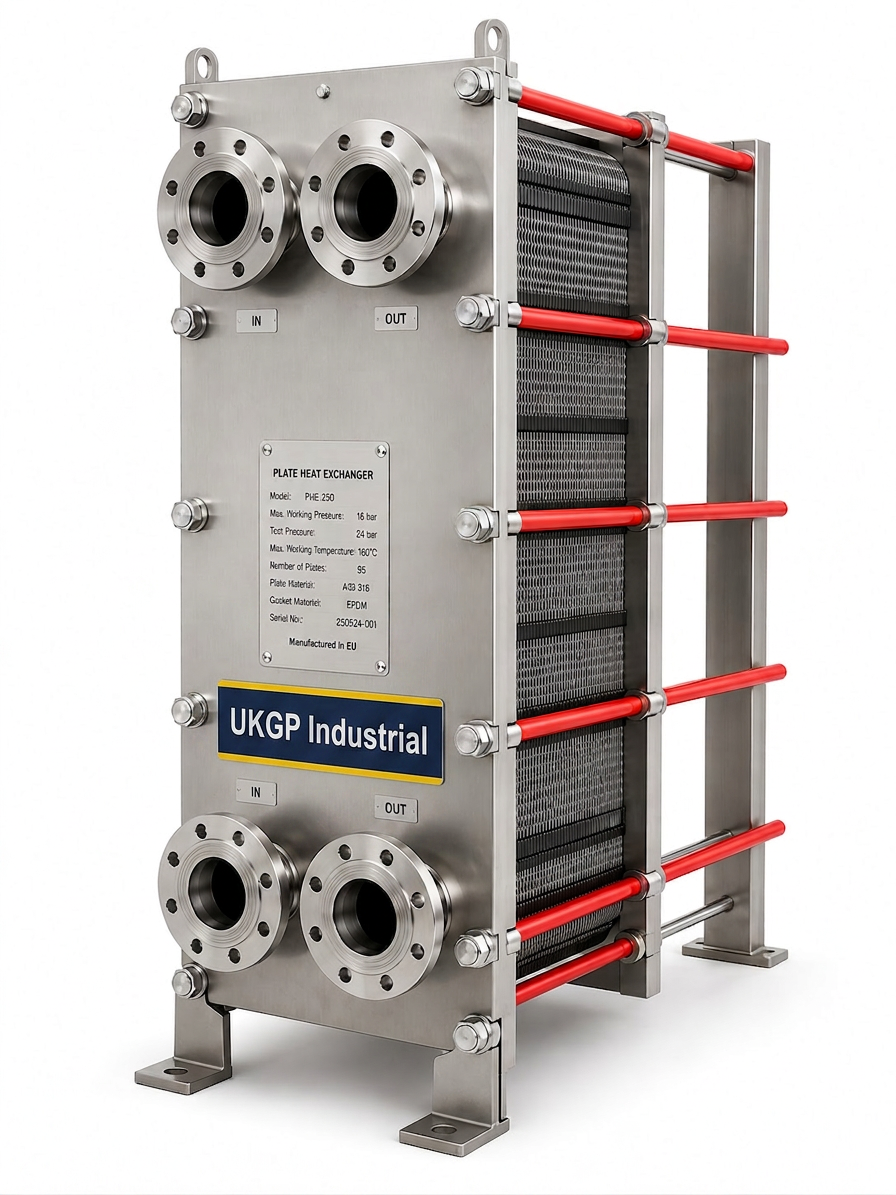
During the installation of flue gas components, it is also a wise time to assess the condition of other critical plant room elements such as your plate heat exchanger units. Ensuring that the entire thermal bridge is functioning correctly—from the combustion chamber through the flues and into the heat recovery system—is essential for operational economy. Just as a fabric expansion joint material must be resilient, a plate heat exchanger must be regularly inspected for fouling and plate integrity to maintain design heat transfer rates. UKGP Industrial offers a range of these products to complement your expansion and filtration needs, providing a single source for high-specification plant room components.
Finally, always consider the external environment of the installation. If the fabric expansion joint material is located outdoors or in an area where it may be exposed to mechanical damage or UV radiation, an external shroud or weather cover may be required. These additions protect the sensitive inner layers of the joint from environmental degradation, further extending the service life of the component. By following these best practices and engaging with technical experts during the design phase, you can ensure that your flue gas system remains robust and reliable for years to come, reducing the total cost of ownership for the end-user.
- Ensure precise ductwork alignment to minimize pre-stress
- Use deburred backing bars to prevent physical material damage
- Verify internal baffle orientation for proper flow protection
- Apply correct bolt torque sequences for uniform sealing
Life-Cycle Maintenance and Reliability
A proactive maintenance regime is the best way to safeguard the performance of your fabric expansion joint material. Regular visual inspections can identify early signs of thermal hardening, surface cracking, or chemical staining, all of which indicate that the material may be reaching the end of its useful life. In UK industrial settings, where downtime is costly, identifying these issues during a scheduled shutdown is far preferable to dealing with an emergency failure. Facility managers should keep a log of the joint's condition, noting any changes in the flexibility of the fabric or the appearance of the outer cover, which serves as a primary indicator of internal health.
The frequency of inspection should be dictated by the severity of the service. For high-temperature flue gases or processes involving corrosive particulates, quarterly inspections may be necessary. It is also important to check the integrity of the insulation bolsters and transition ducts associated with the joint. If the fabric expansion joint material is subjected to temperatures higher than its design limit due to a process fault, it should be inspected immediately for signs of degradation. This rigorous approach to maintenance not only ensures safety but also helps in the early detection of wider system issues, such as burner malfunctions or improper fuel mixtures that could be altering the flue gas chemistry.
Choosing UKGP Industrial as your partner for expansion solutions means you have access to technical advice throughout the component's lifecycle. We assist UK building services consultants and engineers in selecting the most durable fabric expansion joint material for their specific flue gas conditions. Our goal is to provide products that offer longevity and performance, backed by our extensive experience in the UK industrial sector. By integrating our high-quality expansion joints and bellows into your systems, you are investing in the long-term reliability of your plant room, ensuring that your facility meets its operational targets and safety obligations without interruption.
- Scheduled visual checks for thermal and chemical degradation
- Immediate inspection following process temperature excursions
- Monitoring for external environmental damage or UV wear
- Documentation of material performance for future specification
Frequently asked questions
What is the best fabric expansion joint material for high-temperature flue gas?
- The best material usually consists of multiple layers, including a fluoropolymer (PTFE) for chemical resistance and reinforced glass or ceramic fibres for thermal insulation. The specific blend depends on your flue gas temperature and chemical composition.
How long does a typical fabric expansion joint material last in a UK plant room?
- When correctly specified and installed, a high-quality fabric expansion joint can last 5 to 10 years. However, this varies significantly based on cycling frequency, temperature extremes, and the presence of corrosive acids in the gas stream.
Are fabric expansion joints better than stainless steel bellows for flues?
- Fabric joints are often preferred for flue gas ducting because they can handle multi-axial movement and vibration in shorter lengths with lower spring rates. However, for high-pressure liquid lines, stainless steel bellows from the UKGP range are the standard choice.
Can UKGP provide bespoke sizes for fabric expansion joints?
- Yes, while our standard bellows range covers DN15 to DN600, we can provide bespoke solutions for larger ducting and flue gas applications, ensuring the fabric expansion joint material is perfectly suited to your specific industrial dimensions.
Does your expansion bellows range come with a warranty?
- Yes, all UKGP expansion bellows, including our rubber, stainless steel, and PTFE models, come with a comprehensive 2-year warranty, providing reliability and peace of mind for UK contractors and facility managers.