Material Composition of Fabric Expansion Joint Cloth
The selection of a durable fabric expansion joint cloth begins with understanding its composite construction, which is typically designed to handle significant thermal expansion and vibration in ductwork. For modern UK industrial applications, these layers often include a combination of fluoropolymers, glass fibres, and high-temperature laminates. When specifying these components for M&E projects, engineers must distinguish between the insulating layer and the chemical barrier. A high-quality fabric expansion joint cloth must provide structural stability while remaining flexible enough to absorb multi-axial movements that occur during rapid thermal cycling. Failure to account for these mechanical stresses alongside temperature limits can lead to delamination, which compromised the entire seal of the HVAC or exhaust system.
Typically, the outer layer of the fabric expansion joint cloth provides weather protection and containment, while the inner technical layers manage the heat. In the context of CIBSE design guidelines, thermal management is paramount to ensure that heat does not migrate to sensitive structural supports. These cloths are often reinforced with stainless steel wire mesh or Kevlar to increase tensile strength, particularly in higher pressure differentials. For many UK building services consultants, selecting the right cloth involves a balance between thermal resistance and cost-efficiency, ensuring the material can withstand the specific gas chemistry and temperature profiles of the plant room environment. This meticulous selection process is essential for compliance and long-term operational reliability within commercial and industrial heating systems.
It is also vital to consider how the fabric expansion joint cloth interacts with secondary components like metal frames and backing bars. If the temperature exceeds the design limit of the cloth, the fabric can become brittle, leading to micro-cracking and eventual gas leakage. In many plant rooms across Surrey and the wider UK, we see systems where the cloth is pushed beyond its intermittent rating, leading to accelerated degradation. UKGP Industrial provides technical consultation to ensuring your chosen expansion solution matches the precise requirements of your BS EN standards-compliant installation. By choosing a fabric expansion joint cloth with a sufficient safety margin, you safeguard the system against unforeseen spikes in thermal load, which is a common occurrence in biomass and commercial boiler flue systems.
- Single-layer vs multi-layer composite cloth structures
- Integration of glass fibre and fluoropolymer coatings
- Mechanical reinforcement using internal wire mesh
- Vibration dampening capabilities in high-flow ducting
Maximum Temperature Thresholds and Thermal Resistance
The primary performance metric for any fabric expansion joint cloth is its maximum continuous operating temperature. Basic EPDM-coated glass cloths are frequently utilised for low-temperature air applications up to 150°C, whereas more advanced PTFE-coated variants can safely handle temperatures reaching 260°C. For extreme industrial processes, such as those found in power generation or waste-to-energy plants, specialised ceramic fabric expansion joint cloth can withstand temperatures exceeding 1000°C. Building services consultants must verify these limits against the maximum potential output of the connected plant to avoid catastrophic failure. It is not just about the typical running temperature; the fabric must survive start-up and shutdown transients where temperatures may fluctuate dramatically.
Intermittent temperature spikes are another critical factor when evaluating fabric expansion joint cloth. While a cloth might be rated for a continuous 200°C, it may only tolerate 230°C for short bursts of a few minutes. If a system's safety controls allow for higher excursions, the material will degrade rapidly, losing its flexibility and seal integrity. When designing systems according to BS EN 14917 principles, engineers should always specify a fabric that exceeds the worst-case scenario. This conservative approach to material selection ensures that the expansion joints do not become the weak point in the thermal envelope. Consultants should also be wary of the 'hot face' and 'cold face' temperature differentials, as high gradients can cause internal stress within the multilayer cloth structure.
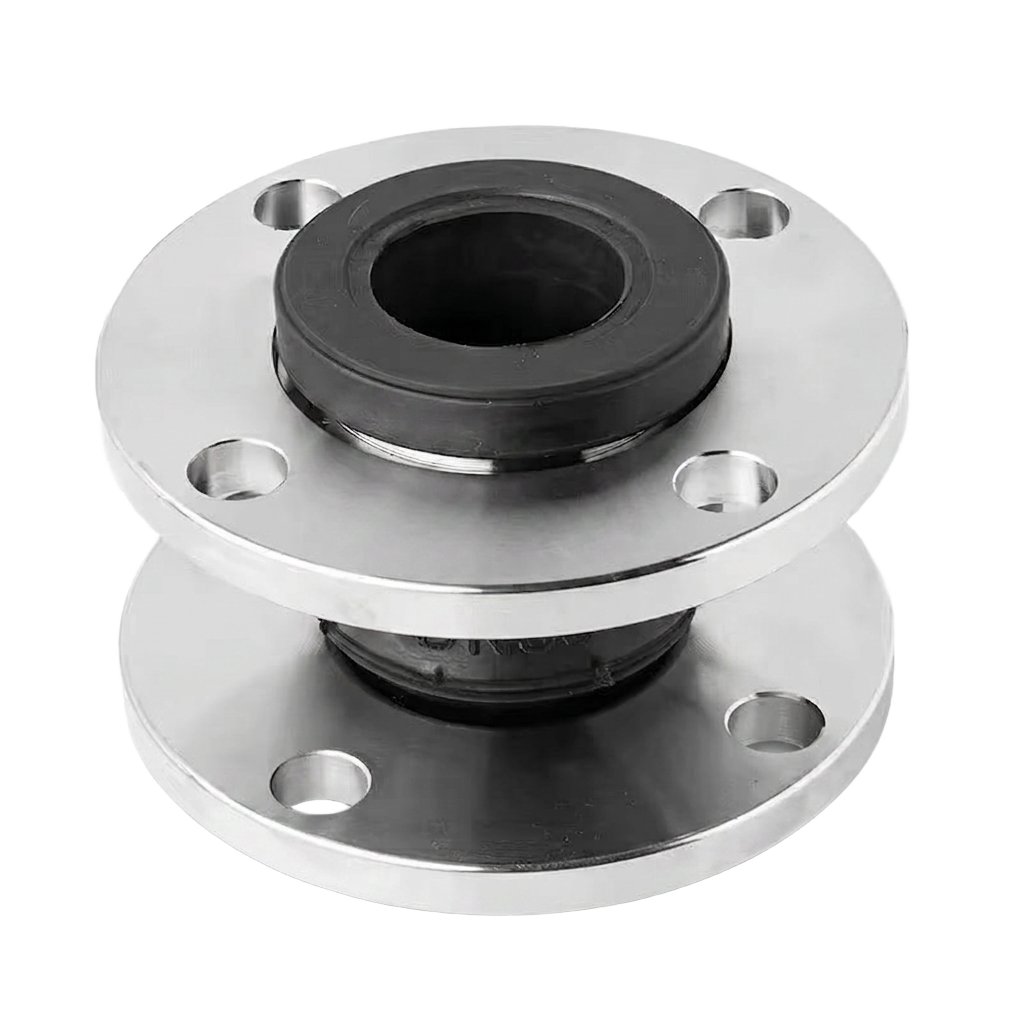
Environmental factors such as UV exposure and external ambient temperatures also play a role in the longevity of fabric expansion joint cloth. In outdoor installations or rooftop plant rooms, the outer cover must be resilient against weathering while the inner layers manage the internal heat. It is common for high-temperature fabrics to require specific edge treatments or bolting patterns to ensure that the heat transfer through the metal flange does not overheat the fabric at the attachment point. This is why careful thermal analysis is necessary during the procurement phase. If your project involves high-temperature fluids rather than air, you might consider UKGP Industrial's range of expansion bellows, which are available in various materials from EPDM to stainless steel, providing robust thermal movement control across diverse media.
- Standard EPDM and Silicone coatings for mid-range heat
- PTFE and Viton laminates for high chemical and thermal resistance
- Ceramic and silicate cloths for extreme high-heat flue gases
- Consideration of radiant vs convective heat loads
Compliance with BSRIA and BS EN Standards
Adhering to recognised industry standards such as BSRIA BG29 and BG50 is vital for ensuring the longevity of any plant room component, including the fabric expansion joint cloth. While BSRIA focuses largely on water treatment and system cleanliness, the thermal performance and expansion management are foundational to the overall system health. A failing expansion joint Can lead to air ingress or gas egress, which directly impacts the efficiency of the combustion process and general system pressure. Ensuring that your fabric expansion joint cloth meets the necessary fire retardancy and smoke emission standards is also a legal requirement under UK building regulations. This ensures that in the event of a plant room fire, the expansion joints do not contribute to the spread of toxic fumes.
Furthermore, BS EN 14917 provides the framework for the design and testing of metal bellows, but the principles of movement absorption often overlap with the requirements for fabric expansion joint cloth applications in ducting. For M&E contractors, documenting the provenance and technical ratings of all expansion joints is a core part of the handover process. Using a fabric expansion joint cloth that lacks clear certification or temperature data can lead to issues during commissioning or insurance audits. At UKGP Industrial, we emphasise the importance of using fully tested materials that align with the specific thermal and pressure demands of the project. This rigorous approach to compliance guarantees that the expansion joints will perform throughout their intended service life without requiring excessive maintenance.
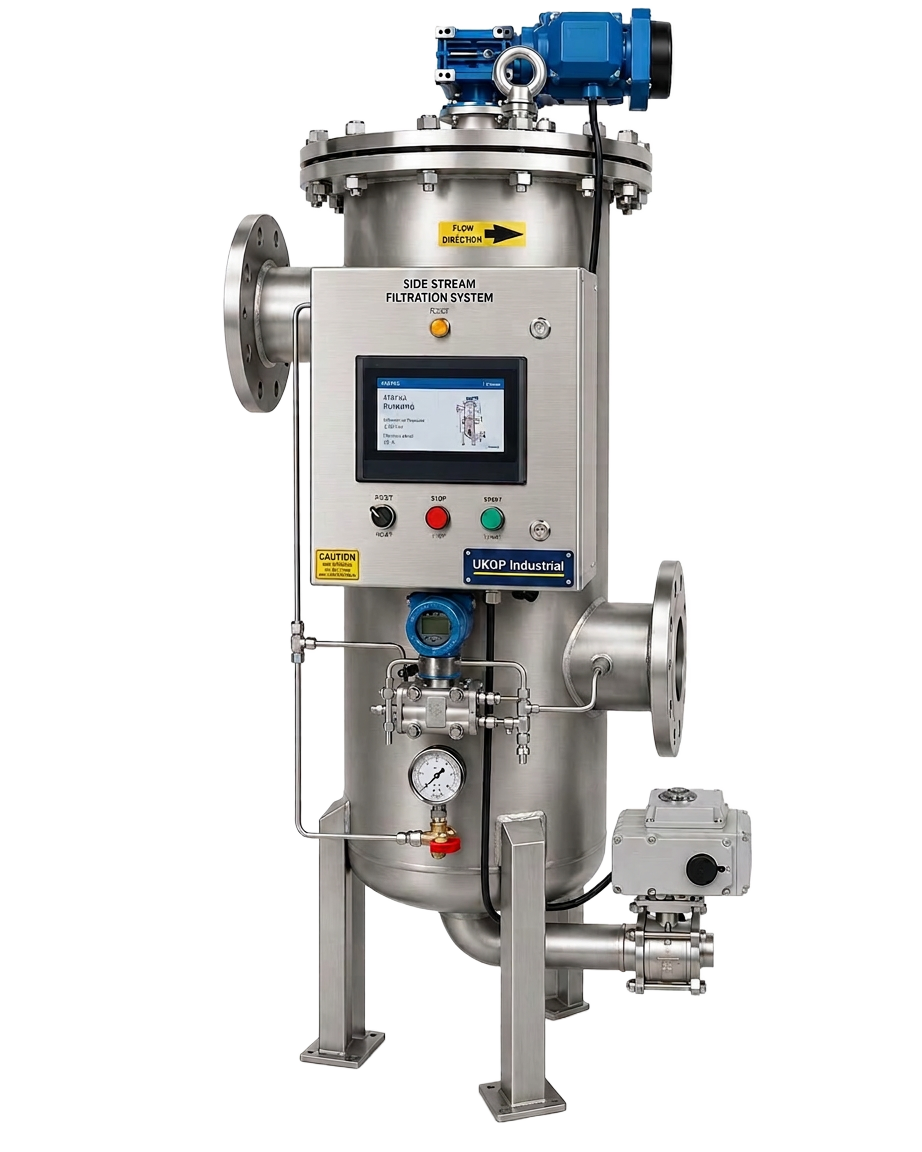
In addition to thermal standards, the mechanical fatigue resistance of the cloth is essential. Frequent thermal cycling can cause 'fatigue cracking' in lower-grade materials. This is why we recommend high-cycle testing data for any fabric expansion joint cloth used in variable load systems. By aligning your specifications with CIBSE Guide B and other relevant UK standards, you ensure that the ductwork system is robust enough to handle the dynamic nature of modern HVAC operations. Whether you are dealing with low-pressure air or high-pressure steam, the principles of thermal expansion must be managed with precision. For those managing complex hydronic systems alongside air ducting, integrating high-quality side stream filtration can also help maintain the overall efficiency of the plant by protecting heat exchangers from debris.
- Compliance with UK fire and smoke safety regulations
- Alignment with BSRIA BG29 and BG50 maintenance regimes
- Testing for cycle life and thermal fatigue
- Full documentation for M&E handover and O&M manuals
Installation and Maintenance Best Practices
Proper installation is just as important as the temperature rating of the fabric expansion joint cloth. If the cloth is installed with too much tension or excessive slack, it cannot properly absorb the thermal movement it was designed for. Contractors must ensure that the backing bars are tightened to the correct torque to prevent gas bypass without crushing the fabric fibres. A common mistake in the field is allowing insulation to overlap the expansion joint, which can lead to 'hot spots' where the fabric expansion joint cloth exceeds its rated temperature because heat cannot dissipate from the outer surface. Correct spacing and the use of internal flow liners can significantly extend the life of the joint by protecting the fabric from direct flame or high-velocity particles.
Regular inspection of the fabric expansion joint cloth should be part of any FM's quarterly maintenance schedule. Look for signs of 'glassification' or hardening of the fabric, which indicates the material has been exposed to temperatures near its limit. Discolouration or charring is a clear sign that the fabric expansion joint cloth needs immediate replacement before a total breach occurs. In many UK industrial settings, the expansion joint is a critical safety component; its failure could lead to the release of hazardous gases into the workspace. By maintaining a proactive replacement cycle and choosing high-quality UKGP components, facility managers can mitigate these risks effectively. Simple visual checks can often prevent expensive emergency repairs and ensure the plant remains compliant with health and safety standards.
For procurement leads, sourcing the right fabric expansion joint cloth involves more than just checking a price list. It requires a technical partner who understands the nuances of material science and mechanical engineering. When selecting replacements, always verify the original design specifications and consider if any system upgrades have increased the operating temperature. If your facility is undergoing a decarbonisation upgrade or boiler replacement, the existing fabric expansion joint cloth may no longer be suitable for the new thermal profile. UKGP Industrial offers a wide range of expansion solutions, including rubber EPDM/NBR and stainless steel variants, ensuring that every part of your piping and ducting system is protected against the stresses of thermal expansion and contraction.
- Ensuring correct pre-compression and lateral alignment
- Avoiding the coverage of joints with external insulation
- Monitoring for brittleness during scheduled plant shutdowns
- Torque-controlled fastening to prevent fabric shearing
Chemical Corrosion and Thermal Synergies
The interaction between temperature and chemical exposure is a critical consideration for fabric expansion joint cloth. In many flue gas applications, acids can condense if the gas temperature drops during shutdown, causing chemical attack on the fabric. Conversely, at high temperatures, certain chemicals become much more aggressive. A fabric expansion joint cloth that is rated for high heat but lacks chemical resistance may fail prematurely if the gas stream contains sulphur or nitrogen oxides. This is why multi-layer cloths often feature a PTFE chemical barrier. Choosing a cloth that can handle both the peak thermal load and the chemical environment is essential for systems operating under BS 8552 guidelines for water and air quality monitoring.
Engineers should also consider the inner liner configuration. A metallic internal sleeve can protect the fabric expansion joint cloth from direct contact with high-temperature, abrasive gases, effectively lowering the 'skin temperature' of the fabric. This allows for a more economical fabric choice while still providing the necessary movement. However, the design must ensure that the liner does not trap debris or impede the movement of the cloth. For M&E contractors, understanding these synergies between mechanical protection and material limits is key to delivering a reliable system. When temperature limits are tight, every design decision—from the cloth weave to the liner material—impacts the total cost of ownership and the safety of the installation.
In Surrey and across the UK, industrial facilities are increasingly looking for ways to improve thermal efficiency. High-performance fabric expansion joint cloth plays a small but vital role in this by preventing leaks that lead to energy loss. As part of a holistic approach to plant room optimization, ensuring all expansion joints—including those in water-carrying pipes—are up to the task is prudent. While fabric joints handle air and gas, UKGP expansion bellows in rubber or stainless steel manage the thermal expansion of high-pressure water systems. Our bellows come with a 2-year warranty and are tested to meet the highest standards, offering peace of mind to procurement leads and plant-room engineers alike who require DN15 to DN600 solutions.
- Mitigating acid dew point corrosion in flue systems
- Synergy between internal liners and fabric thermal protection
- Impact of chemical aggression at elevated temperatures
- Ensuring energy efficiency through airtight expansion seals
Optimising Procurement for Fabric Expansion Joints
When it comes to the procurement of fabric expansion joint cloth, quality and technical support are paramount. Procurement leads must look beyond the initial purchase price and evaluate the long-term durability and the supplier's ability to provide detailed technical data. A low-cost fabric expansion joint cloth might save money today but could lead to a £10,000 plant shutdown tomorrow if it fails under thermal stress. At UKGP Industrial, we provide comprehensive specifications for our expansion solutions, ensuring they meet the specific needs of UK building services. From DN15 to DN600 sizes, our range of expansion bellows and related fabric solutions are designed to provide maximum reliability in the most demanding environments.
Working with a UK-based supplier like UKGP Industrial offers significant advantages in terms of lead times and technical expertise. We understand the specific regulatory landscape, including CIBSE guidelines and the practicalities of UK M&E contracting. Our fabric expansion joint cloth options are selected for their ability to withstand the rigours of modern industrial plants. Whether you require a single replacement or a full suite of expansion joints for a new build, our team is ready to assist with sizing, material selection, and installation advice. By choosing components with a 2-year warranty, you are investing in the long-term health of your facility's infrastructure, reducing the risk of unplanned maintenance and ensuring stable operation.
Final considerations for your fabric expansion joint cloth should include the availability of custom sizes and configurations. Not every plant room uses standard ducting, and bespoke cloth joints are often necessary to fit existing footprints. UKGP Industrial specialises in providing adaptable solutions that cater to the unique challenges faced by plant-room engineers and FMs. We encourage you to contact our Surrey office for a quote on our expansion bellows or to discuss your specific high-temperature fabric requirements. By integrating high-quality expansion controls, such as our EPDM, stainless steel, or PTFE products, you ensure your system is resilient, efficient, and compliant with all relevant British and European standards.
- Evaluating total cost of ownership over initial capital outlay
- Importance of UK-based technical support and fast lead times
- Customisation options for non-standard ductwork dimensions
- Long-term warranty protection for peace of mind
Frequently asked questions
What is the typical maximum temperature for a standard fabric expansion joint cloth?
- A standard PTFE-coated glass fabric expansion joint cloth usually handles up to 260°C. For temperatures exceeding this, composite multi-layer joints using ceramic or silicate materials are required, capable of reaching over 1000°C.
How can I tell if my fabric expansion joint cloth is failing due to heat?
- Look for signs of material hardening, charring, or brittleness. If the cloth loses its flexibility or begins to flake, it has likely exceeded its thermal limits and should be replaced to prevent system leaks.
Are fabric expansion joints suitable for high-pressure systems?
- Fabric joints are primarily designed for low-pressure air and gas ducting. For high-pressure liquid or steam systems, you should use UKGP expansion bellows made from stainless steel or reinforced rubber.
Does UKGP Industrial provide custom sizes for fabric joints?
- Yes, we provide a wide range of expansion solutions including bellows from DN15 to DN600. For specific fabric expansion joint cloth requirements in ducting, we offer various materials tailored to your temperature and chemical needs.
What standards govern the use of expansion joints in the UK?
- Key standards include BS EN 14917 for metal bellows and various BSRIA guides like BG29 and BG50 for general system design and maintenance. Fire safety regulations also dictate the material properties of fabric used in building services.