Understanding the role of fabric expansion bellows
In the UK building services sector, thermal movement is a primary cause of system degradation if not properly mitigated using high-quality fabric expansion bellows. These components are specifically engineered to absorb multidimensional movements, including axial, lateral, and angular displacement, which are common in large-diameter ductwork and industrial flue systems. Unlike their metallic counterparts, fabric variants offer exceptional flexibility and can handle significant offsets within a relatively short face-to-face dimension. This makes them indispensable for plant rooms where space is at a premium and complex routing is required to meet flue discharge regulations.
The selection of the correct composite material is a technical process that demands consideration of the medium being transported, the operating pressure, and the peak temperature cycle. For flue gas applications, where acidic condensate may be present, chemical resistance is just as critical as thermal stability. Professional engineers often refer to BSRIA BG29 and BG50 guidelines when assessing the impact of system design on component longevity. By integrating robust fabric expansion bellows into the early design phase, M&E contractors can prevent unnecessary stress on fan housings and duct supports, thereby reducing the total cost of ownership across the system's lifecycle.
Furthermore, these bellows act as effective sound and vibration isolators, which is a key requirement for modern commercial buildings with strict acoustic targets. In high-velocity ducting, the turbulence generated by fans can lead to resonant frequencies that damage rigid connections over time. Using a fabric-based solution decouples the vibrating equipment from the rest of the ductwork, ensuring that the installation remains compliant with noise vibration and harshness (NVH) standards. UKGP Industrial provides technical support for procurement leads and consultants looking to source these specialised components, ensuring every flue and ducting project meets British standards for safety and efficiency.
- Multi-axial movement absorption capabilities
- Significantly lower spring rates compared to metallic units
- Excellent acoustic dampening properties
- Customisable lengths for retrofit applications
- Corrosion resistance in flue gas environments
Material selection and BS EN 14917 alignment
Material science is the foundation of a reliable fabric expansion bellows installation, with layers typically comprising an outer cover, a thermal barrier, and a chemically resistant liner. For extreme temperature applications, such as power generation or industrial boiler flues, the use of PTFE-coated glass fabrics or specialist fluorelastomers is standard practice. These materials must withstand temperatures ranging from -50°C to over 1000°C in specific industrial contexts. Designers must ensure that the selected fabric can handle the anticipated chemical load, especially when dealing with sulphur dioxide or other aggressive combustion by-products that can degrade unprotected membranes.
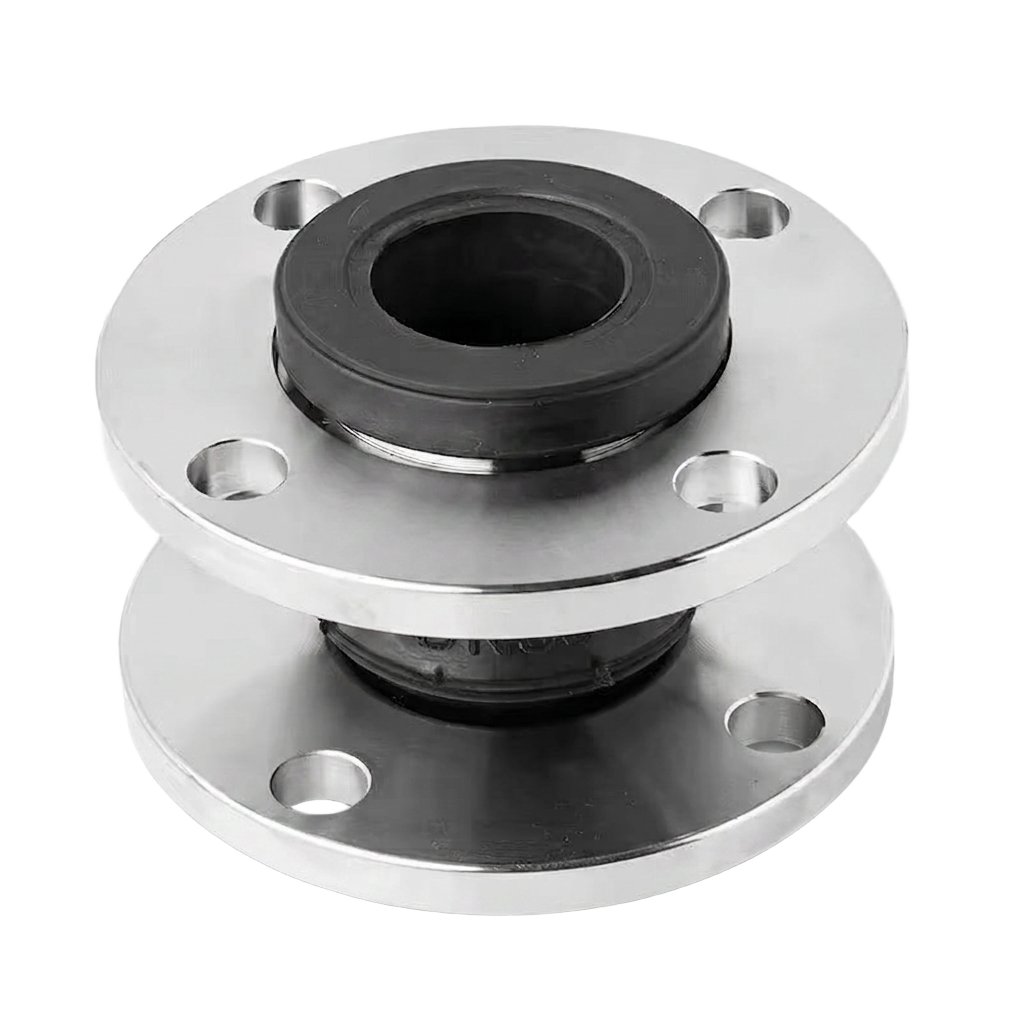
While BS EN 14917 primarily focuses on metal bellows, the principles of pressure containment and movement calculation are equally relevant when integrating fabric expansion bellows into a wider system. It is crucial to ensure that the mounting flanges and backing bars are designed to distribute clamping pressure evenly, preventing leaks and premature fabric tearing. At UKGP Industrial, we understand that every project has unique parameters, which is why we offer a range of solutions that complement our core expansion bellows portfolio, ensuring that every joint in the system is secured against thermal expansion and mechanical stress.
Contractors should also consider the external environment when specifying these components. Outdoor installations in the UK are subject to UV degradation and moisture ingress, which can weaken the structural integrity of certain fabric composites. Our team advises on the use of weather-resistant outer layers to ensure the component survives the full 2-year warranty period and beyond. When you request a quote for our expansion bellows, we take these environmental factors into account to provide a solution that exceeds the minimum requirements of CIBSE guidelines for industrial exhaust systems and commercial HVAC ducting.
- High-temperature glass fibre and silicate fabrics
- PTFE liners for maximum chemical resistance
- Vapour barriers to prevent internal condensation
- Heavy-duty galvanised or stainless steel backing bars
- UV and ozone resistant outer protective layers
Effective maintenance for flue and ducting joints
Scheduled maintenance is non-negotiable for system health, particularly where fabric expansion bellows are exposed to high thermal cycling. BS 8552 provides a framework for sampling and monitoring, and while it often applies to water systems, the spirit of preventative maintenance is vital for all plant room components. Inspectors should look for signs of 'flutter' in the fabric, which indicates excessive turbulence, and check for any discolouration that might signal a breach in the thermal barrier. Replacing a worn bellows proactively is significantly more cost-effective than dealing with an emergency shutdown of a critical flue system during peak production hours.
Installation quality is the most common variable affecting the lifespan of fabric expansion bellows. It is essential that installers do not over-stretch the fabric during fitting, as this reduces the available movement and puts immediate stress on the clamping zones. Alignment is also critical; although fabric joints can handle lateral offset, exceeding the design limits will cause local hotspots and accelerated wear. We recommend that FM teams maintain a register of all expansion joints, noting the installation date and material type to facilitate easy replacement using UKGP Industrial parts which span from DN15 to DN600 sizes.
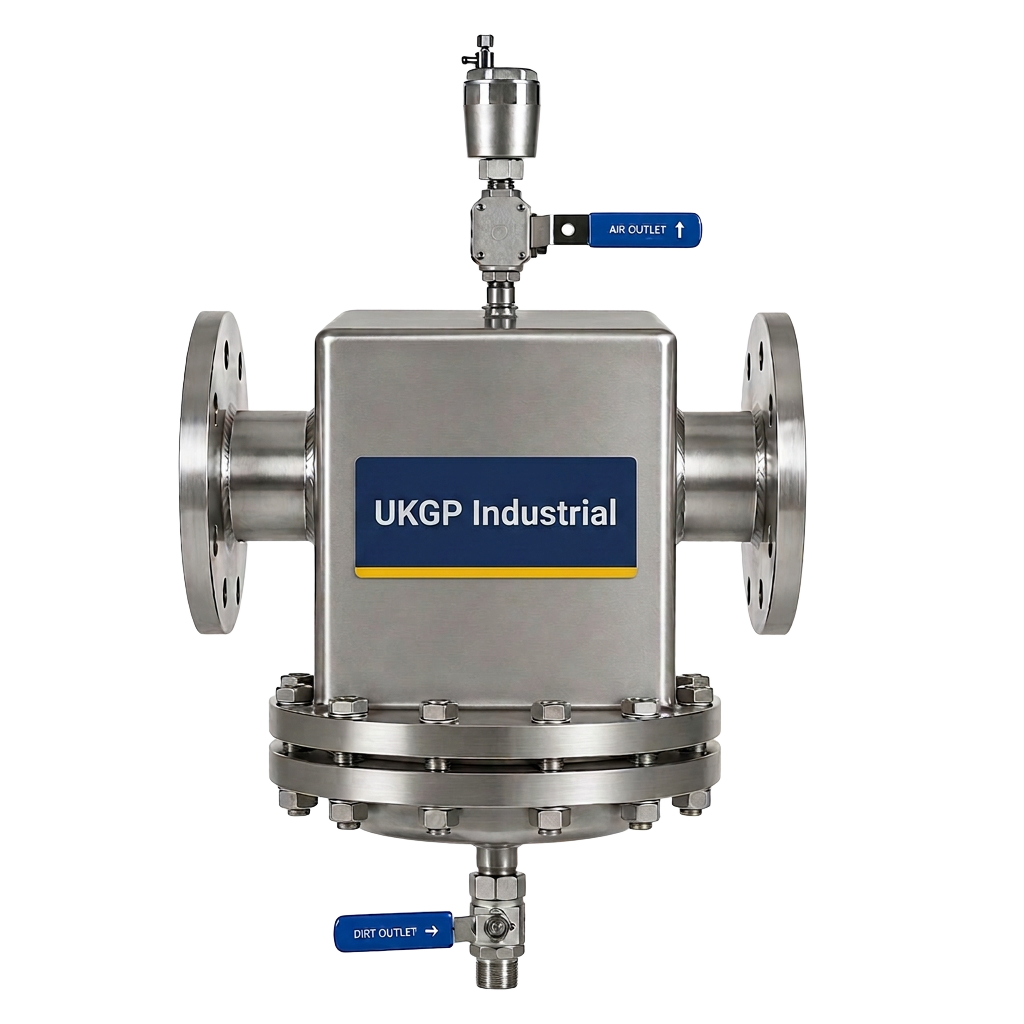
To further protect the integrity of the flue system, integrating air & dirt separators can assist in maintaining overall system cleanliness, though their primary role is in hydronic circuits. In the context of ducting, ensure that any internal insulation or liners are securely fastened so they do not migrate and damage the fabric joint. If you are managing a large-scale plant room, our technical engineers can assist in auditing your current expansion joint strategy to ensure it aligns with BSRIA BG50 standards for heat network and industrial system longevity. Relying on UKGP for your expansion needs means gaining a partner dedicated to technical excellence.
- Visual inspection for fabric thinning or cracking
- Monitoring for gas leaks at flange connections
- Verifying backing bar bolt torque during routine visits
- Assessing the integrity of external weather shields
- Documenting movement ranges during system start-up
Thermal stress analysis in HVAC ductwork
Calculating thermal expansion involves more than just knowing the length of the run; it requires a deep understanding of the temperature differentials between the ambient air and the process gas. The use of fabric expansion bellows allows for high-amplitude movement that rigid steel transitions simply cannot manage. In UK building services, the trend towards higher efficiency heat recovery systems means that ducting often sees a wider range of temperatures than in previous decades. This increased cycling necessitates a flexible joint that can recover its shape without permanent deformation or work-hardening, a key advantage of fabric over thin-wall metallic foils.
Consultants specifying these systems must also account for the pressure thrust generated by the bellows. While fabric joints do not transmit the same level of force as metal units, the support structures must still be rated to handle the mass and the internal pressure of the air stream. Utilising CIBSE Guide B for ventilation design provides a good baseline for flow rates, but the specific dynamics of the expansion joint should be verified with the manufacturer. UKGP Industrial provides the technical documentation required to justify the selection of particular fabric grades for diverse industrial uses, from kitchens to manufacturing facilities.
When procurement leads look to source fabric solutions, the focus is often on the upfront cost, but the durability of the EPDM, NBR, or fabric composite is what determines the long-term ROI. A failure in a flue expansion joint can lead to carbon monoxide leakage or high-temperature gases entering the ceiling void, presenting a significant health and safety risk. By choosing our range of flanged or weld-end bellows, which come with a 2-year warranty, you are investing in a product that has been rigorously tested for the demanding UK market. Contact our Surrey office today for a comprehensive quote tailored to your specific ducting requirements.
- Accurate calculation of axial and lateral expansion
- Evaluation of pressure thrust on duct supports
- Integration of thermal barriers in high-heat zones
- Optimisation of face-to-face dimensions for space
- Compliance with UK health and safety regulations
Installation best practices for industrial flues
A successful installation of fabric expansion bellows begins with the preparation of the host ducting. The mating flanges must be clean, parallel, and free of sharp edges that could puncture the delicate layers of the composite fabric. During the fitting process, it is advisable to use temporary supports to ensure the duct weight is not carried by the bellows itself. This is a common error in the field that leads to immediate misalignment and potential failure upon the first thermal cycle. UKGP Industrial supplies bellows in sizes from DN15 up to DN600, ensuring we have the right fit for almost any industrial flue or ducting diameter encountered by M&E contractors.
Proper clamping is the next critical step. Backing bars must be used to provide even pressure around the entire circumference of the joint. In flue applications where flue gases are under positive pressure, a gas-tight seal is essential. Using high-temperature gaskets or seals in conjunction with the fabric expansion bellows helps to maintain the integrity of the exhaust path. Our stainless steel and fabric hybrid solutions are designed to make this process as straightforward as possible for plant-room engineers, providing robust termination points that resist the effects of thermal expansion better than generic alternatives available on the market.
Final commissioning should include a thorough check of the bellows as the system reaches its operating temperature. Observations should be made to ensure the fabric is not being pinched or excessive bulging is not occurring due to unforeseen pressure spikes. Following the BSRIA BG29 guidelines for pre-commissioning cleaning of pipework often runs parallel to these inspections for the mechanical systems. For any project involving fabric solutions, ensure you are getting the best technical advice by reaching out to UKGP Industrial. We offer a 2-year warranty on our bellows because we believe in the engineering quality of our EPDM, NBR, and fabric range.
- Deburring of all mating flange surfaces
- Alignment check using laser or plumb line
- Correct sequencing of backing bar bolt tensioning
- Post-commissioning thermal imaging of the joint
- Verification of support shoe and guide placement
Cost-benefit of specifying fabric expansion bellows
From a commercial perspective, the choice to use fabric expansion bellows over metal transitions is often driven by the need for versatility and ease of installation. Fabric joints are generally lighter, reducing the load on overhead duct supports and simplifying the logistics of moving components into restricted plant room spaces. This reduction in weight translates to lower labour costs during the installation phase, a major factor for M&E contractors working on tight margins. Furthermore, the ability of fabric to absorb vibrational energy extends the life of adjacent fans and dampers, leading to lower long-term maintenance costs for the facilities management team.
Risk mitigation is another key commercial driver. A failed flue joint can lead to total system downtime, which in industrial environments can cost thousands of pounds per hour in lost production. By specifying a UK-sourced expansion solution with a 2-year warranty from UKGP Industrial, procurement leads can have confidence in the supply chain and the technical support available. Our expansion bellows range, spanning DN15 to DN600, ensures that standardized components can be stocked for rapid replacement, minimizing the impact of any unforeseen mechanical damage or operational changes that require ductwork modification.
In conclusion, the strategic use of fabric expansion bellows is a hallmark of high-quality industrial flue and ducting design. Whether you are dealing with chemical exhaust, high-temperature air, or standard HVAC air handling, these components provide the flexibility and durability required in the modern UK building services industry. We encourage all engineers and procurement specialists to reach out for a technical consultation. Let UKGP Industrial help you select the ideal EPDM, NBR, or fabric solution to keep your systems running efficiently and safely. Request your quote today to benefit from our expertise and high-performance product range.
- Reduced labour costs due to light weight
- Lower vibration-related equipment wear
- Standardised parts for simplified inventory
- High durability across diverse temperature ranges
- Comprehensive 2-year warranty for peace of mind
Frequently asked questions
What temperatures can your fabric expansion bellows handle?
- Our range of fabric expansion bellows can be engineered to withstand temperatures ranging from ambient cooling air up to 1000°C for specialist industrial flue applications, using advanced glass fibres and PTFE coatings.
Do you provide flanged or weld-end expansion joints?
- Yes, we provide expansion bellows in various configurations, including flanged (standard PN10, PN16, or custom) and weld-end, covering sizes from DN15 to DN600.
Are fabric expansion bellows suitable for outdoor use in the UK?
- Absolutely. By selecting UV-stabilised and weather-resistant outer layers, our bellows are designed to perform reliably in external UK environments, resisting moisture and sunlight degradation.
How does the warranty work for your expansion products?
- We offer a 2-year warranty on our expansion bellows, including our rubber (EPDM/NBR), stainless steel, PTFE, and fabric variants, ensuring they meet the high standards expected in UK building services.
Can fabric bellows handle lateral movement in ductwork?
- Yes, one of the primary advantages of a fabric expansion bellows is its ability to handle significant lateral and angular movement simultaneously, which is often difficult for metallic equivalents.