The Engineering Role of an Expansion Joint in Pipe
In modern commercial building services, an expansion joint in pipe is not a secondary accessory but a fundamental structural component required to mitigate the immense forces of thermal expansion. As heating and chilled water systems cycle, materials such as copper and carbon steel naturally expand and contract; without a dedicated expansion joint in pipe to absorb this movement, the resulting stress can lead to catastrophic failure at anchor points, welded joints, or delicate terminal units. Engineers must calculate the precise expected growth of the system to determine whether a basic axial bellow or more complex gimbal arrangement is required. UKGP Industrial specializes in providing these critical components to ensure that BS EN 14917 standards are met, protecting both the pipework and the surrounding building fabric.
When selecting an expansion joint in pipe, consultants should consider the specific media and service conditions, such as temperature range and operating pressure, which dictate the bellows material. Rubber EPDM bellows are frequently utilized for general HVAC duties due to their vibration damping properties, whereas stainless steel or fabric alternatives are better suited for high-temperature applications or aggressive chemical environments. Our Surrey-based technical team supports M&E contractors by reviewing system designs to ensure the chosen expansion joint in pipe is positioned correctly relative to fixed points and guides. Failing to account for the friction of guides and the weight of the water-filled pipework often leads to premature failure of the expansion device, making thorough pre-installation planning essential for project success.
The commercial implications of improper specification are significant, ranging from localized leaks to full system shutdowns that disrupt tenancy in commercial office blocks or healthcare facilities. By integrating a high-quality expansion joint in pipe from the outset, asset managers and FMs can significantly reduce remedial maintenance costs over the system's lifecycle. We advocate for a robust procurement strategy that prioritizes UK-sourced, high-specification components like the UKGP range, which covers DN15 to DN600 sizes. Whether you are dealing with a new build plant room or a complex retrofit project, securing your pipework against the inevitable laws of thermodynamics is a non-negotiable step for any responsible engineering firm operating within the UK B2B sector today.
- Reduces mechanical stress on commercial boiler connections and heat exchangers.
- Absorbs noise and high-frequency vibration within high-occupancy buildings.
- Compensates for minor piping misalignment during the installation phase.
- Protects the integrity of secondary systems such as low loss headers and sensors.
Compliance with BSRIA and British Standards
Adhering to BSRIA BG29 and BG50 guidelines is paramount when installing an expansion joint in pipe within a closed-loop system. These standards emphasize the importance of water quality and system cleanliness, but they also underscore the mechanical stability required during the pre-commissioning cleaning process. An expansion joint in pipe must be robust enough to withstand the high velocities associated with system flushing without buckling. We often see issues where temporary anchors are insufficient, leading to the distortion of bellows. Therefore, consulting the BSRIA framework ensures that the mechanical installation of every expansion joint in pipe aligns with the chemical treatment regimes necessary for long-term corrosion prevention and operational efficiency.
Furthermore, BS EN 14917 provides the rigorous testing framework for metal bellows, ensuring that every expansion joint in pipe supplied can handle the rated number of cycles throughout its intended lifespan. For designers, this means verifying that the pipework layout includes sufficient guiding to prevent 'squirm,' an instability that occurs when internal pressure causes the bellows to bow. UKGP Industrial provides technical data sheets that help consultants map out these guide intervals according to the specific model of expansion joint in pipe being deployed. This level of technical oversight is what separates a standard procurement exercise from a high-integrity engineering solution that will pass the most stringent third-party inspections and CIBSE audits.
For Facility Managers, the focus often shifts toward the maintenance of these units. While an expansion joint in pipe is generally a low-maintenance component, visual inspections are required to check for signs of fatigue, corrosion on the flanges, or degradation of EPDM liners. Following BS 8552 guidelines for water sampling also indirectly protects the expansion joint in pipe by ensuring that aggressive chemicals do not compromise the bellows material. Integrating these standards into a proactive maintenance schedule allows for the identification of potential issues before they cause downtime. Our 2-year warranty on expansion bellows reflects our confidence in these products meeting and exceeding the expectations set by UK industry standards and professional engineering bodies.
- Alignment with BSRIA BG29 Pre-commissioning Cleaning requirements.
- Compliance with BS EN 14917 for metallic expansion joints.
- Strict adherence to CIBSE Guide L for sustainability and efficiency.
- Integration with BS 8552 water quality monitoring protocols.
Selecting Bellows for Thermal Efficiency
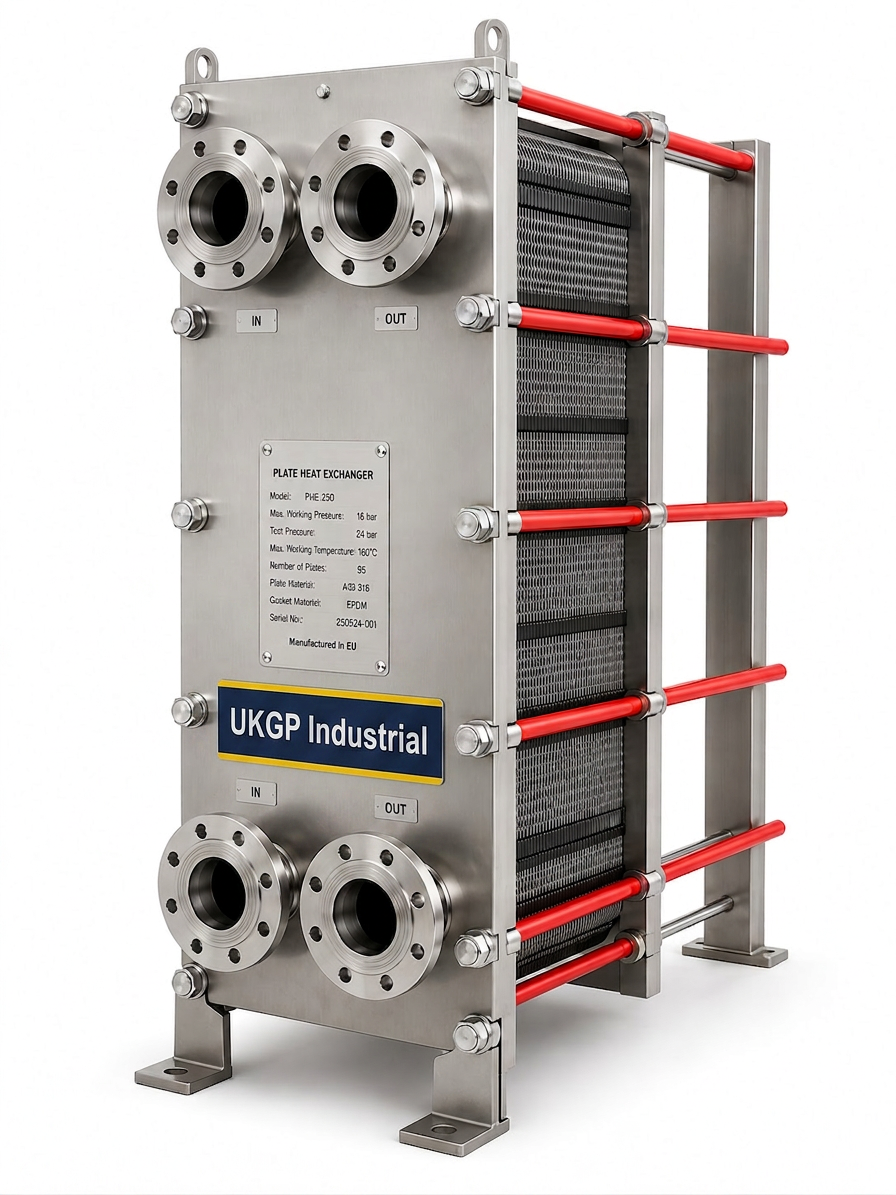
In the pursuit of energy efficiency and the reduction of heat loss, the role of the expansion joint in pipe is frequently overlooked. Every time a system loses pressure due to a failed joint, the energy required to reheat or recool the makeup water increases significantly. Selecting a UKGP expansion joint in pipe ensures a high-pressure seal that maintains system equilibrium, which is vital for the performance of high-efficiency equipment such as plate heat exchangers. When these systems operate at peak efficiency, the total cost of ownership for the building decreases, and the carbon footprint is reduced. Our bellows are designed to withstand the varying pressures of high-rise commercial developments while maintaining thermal insulation around the adjacent pipework.
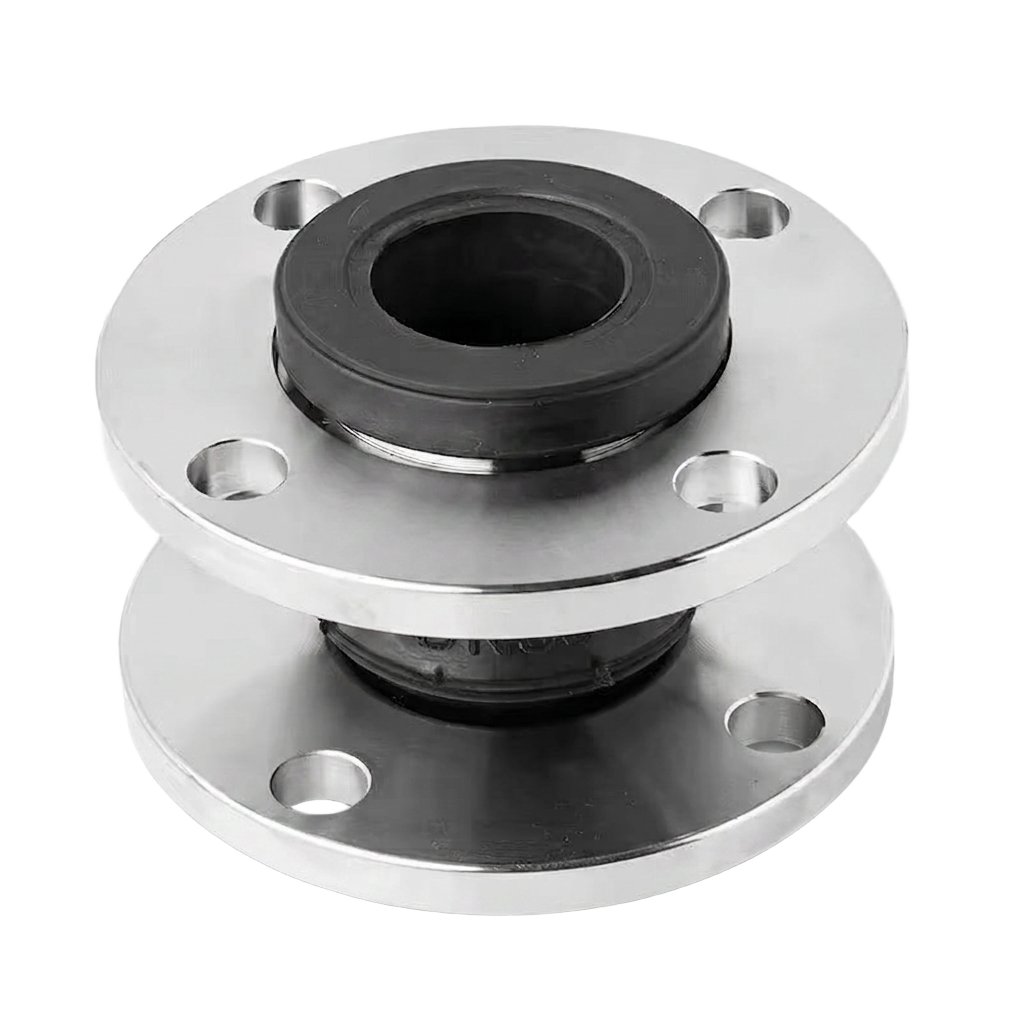
Thermal expansion is particularly aggressive in primary heating loops. An expansion joint in pipe situated near the heat source must be capable of handling rapid temperature fluctuations as leading commercial boiler OEMs modulate their output. At UKGP Industrial, we offer flanged and weld-end options to suit different installation preferences, ensuring that the expansion joint in pipe integrates seamlessly with the existing or new infrastructure. Our stainless steel variants provide the necessary heat resistance for these demanding zones, while our EPDM rubber options are ideal for chilled water applications where condensation and vibration are the primary concerns. This versatility makes us the preferred supplier for Surrey and London-based M&E projects.
The selection process also involves determining the required movement: axial, which is compression and extension along the pipe axis; lateral, which is offset movement; or angular, which is a bending motion. Most standard plant room configurations utilize an axial expansion joint in pipe to manage straightforward longitudinal growth. However, in larger hospitals or industrial sites where pipe runs are long and complex, a bespoke combination of joints may be required. We encourage procurement leads to involve our technical team early in the design stage to ensure that the specified expansion joint in pipe matches the calculated thermal expansion of the carbon steel or copper pipework, preventing costly on-site modifications.
- Stainless steel bellows for high-temperature primary heating circuits.
- EPDM and NBR rubber bellows for cooling and low-temperature hot water.
- PTFE lined joints for specialized chemical or pharmaceutical applications.
- Available in DN15 to DN600 sizes with flanged or weld-end connections.
Installation Best Practices for the Expansion Joint in Pipe
Proper installation of an expansion joint in pipe begins with the correct placement of anchors. Main anchors must be strong enough to resist the full internal pressure of the system, while intermediate anchors are used to divide the pipework into manageable expansion segments. If an expansion joint in pipe is installed without adequate anchoring, the pipework will simply move rather than the bellows compressing, leading to failure elsewhere in the system. Installers must also ensure that the bellows are not over-stretched during fitment to compensate for gaps in the pipework. This 'cold pull' should only be done if specified by the design engineer, otherwise, it prematurely consumes the cycle life of the expansion joint in pipe.
Alignment is another critical factor. The pipework on both sides of the expansion joint in pipe must be perfectly aligned within the manufacturer's tolerances. Using the bellows to correct for a pipework offset typically leads to uneven stress on the convolutions, which can cause early fatigue cracking. We recommend that contractors use pipe guides close to each expansion joint in pipe to ensure that all thermal movement is directed axially into the unit. This precision protects not only the expansion joint in pipe itself but also the sensitive internal components of downstream equipment like chemical dosing pots or separators. A well-aligned system is a quiet, efficient, and durable system that reflects the quality of the M&E contractor's workmanship.
Finally, always verify that the expansion joint in pipe is accessible for future inspection. While bellows are designed for long-term service, they should never be walled-in without access panels. During the 2-year warranty period and beyond, periodic checks for leaks or physical damage are vital. If you are retrofitting a plant room, consider the UKGP flanged models for easier removal and replacement compared to weld-end units. Request a quote from UKGP Industrial today to receive competitive pricing on our full range of expansion bellows, ensuring your next project benefits from the highest grade materials and expert technical support across the Surrey and Greater London regions.
- Ensure main anchors are designed to handle full end-thrust loads.
- Place the first pipe guide within 4 pipe diameters of the bellows.
- Avoid using bellows to facilitate significant piping misalignment.
- Verify system pressure does not exceed the bellows rating during testing.
Material Compatibility and Asset Protection
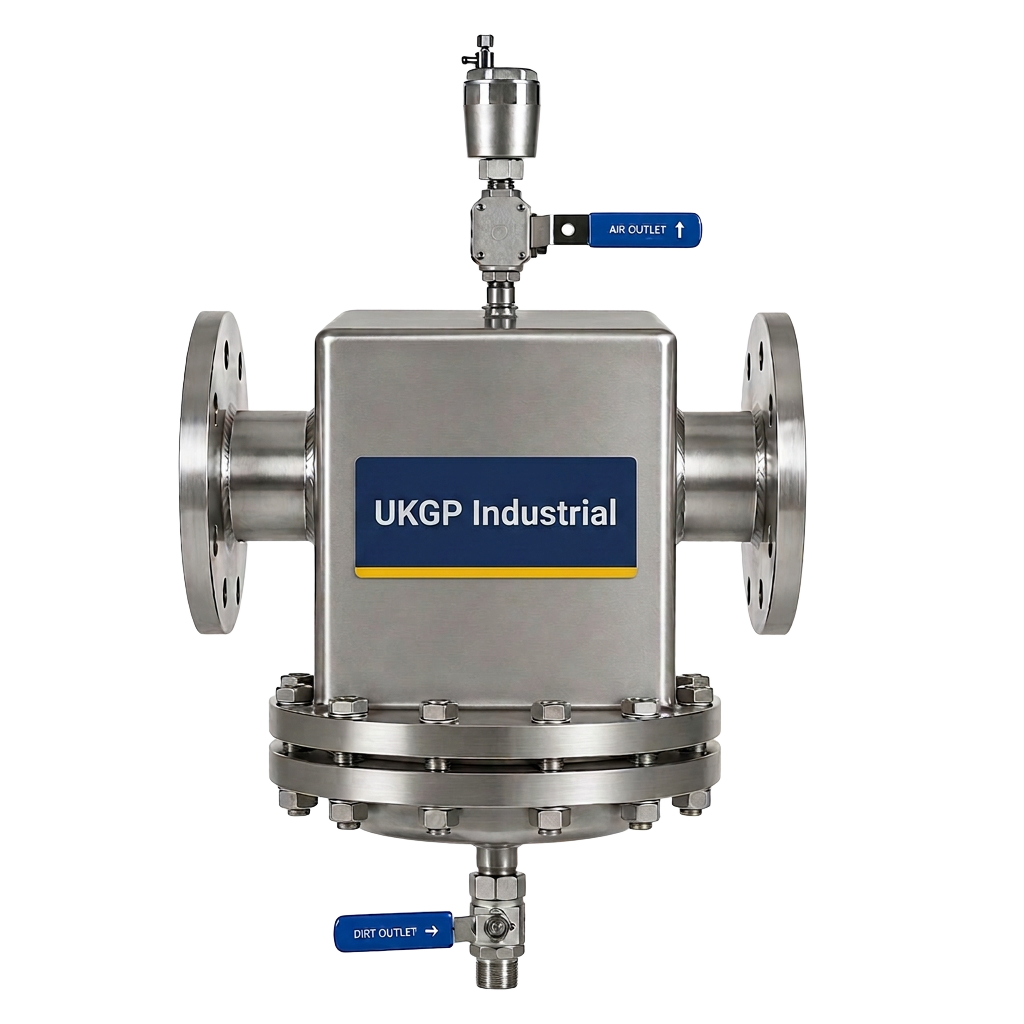
Choosing the right material for your expansion joint in pipe is a decision that impacts the entire building’s water chemistry. For example, in systems where air and dirt separators are removing impurities, the internal surfaces of an expansion joint in pipe must be resistant to the same levels of magnetite and debris. Stainless steel 316 and 321 are standard for our metallic bellows, providing excellent resistance to pitting and general corrosion. For chemical processing or sites with aggressive feed water, PTFE-lined expansion joint in pipe solutions offer a virtually inert barrier. This careful matching of materials ensures that the expansion joint does not become the 'weak link' in a high-performance HVAC system that has been carefully balanced according to BSRIA BG50.
In chilled water systems, the condensation on an expansion joint in pipe can lead to external corrosion if the wrong materials are chosen for the flanges or tie rods. Our zinc-plated or galvanized finishes provide an extra layer of protection against the moist environment of a chiller plant room. Furthermore, for systems utilizing rubber bellows, the distinction between EPDM and NBR is vital; EPDM is perfect for hot and cold water service, whereas NBR is required if there is any presence of oils or hydrocarbons in the media. Ensuring the expansion joint in pipe is compatible with the system's chemical dosing pot additives is a step that UKGP Industrial identifies during our technical consultancy phase, providing peace of mind for site engineers.
Ultimately, the longevity of an expansion joint in pipe depends on its environment. Fabric expansion joints are increasingly popular in ductwork and flue gas applications where large movements and high temperatures occur but pressures are relatively low. By offering a comprehensive range that includes rubber, stainless steel, PTFE, and fabric, UKGP Industrial serves as a single-source supplier for the entire building’s expansion needs. To find the right expansion joint in pipe for your specific application, contact our technical sales office. We provide detailed specifications and CAD drawings to help integrate our products into your design, backed by a robust 2-year warranty and a commitment to UK manufacturing excellence.
- Grade 316/321 stainless steel for maximum temperature resistance.
- High-grade EPDM for vibration isolation and water service.
- Galvanized or coated hardware to resist atmospheric corrosion.
- Compatibility with standard HVAC glycol and corrosion inhibitors.
Financial Benefits of Technical Specification
For procurement leads, the initial cost of an expansion joint in pipe is often outweighed by the life-cycle savings it provides. A cheap, under-specified bellows might meet the budget today but fail within 12 months, causing thousands of pounds in water damage and emergency repair labor. By investing in a UKGP expansion joint in pipe, you are securing a component that has been engineered for durability and compliant with British Standards. This reduces the risk of expensive insurance claims and unplanned downtime for the end-user. Our DN15 to DN600 range ensures that from small domestic headers to large industrial mains, the expansion joint in pipe is perfectly sized for the duty, optimizing both performance and cost.
Efficient sourcing also involves reducing lead times. Based in Surrey, UKGP Industrial maintains a large inventory of standard expansion bellows, allowing for rapid dispatch to sites across the UK. This just-in-time delivery model is essential for M&E contractors working on tight schedules where a delayed expansion joint in pipe could hold up the pressure testing of the entire system. Our 2-year warranty provides further commercial security, ensuring that should any manufacturing defect occur, the replacement process is swift and hassle-free. We understand that in the B2B sector, reliability and service are just as important as the technical specifications of the expansion joint in pipe.
Finally, we invite all building services professionals to review their current specifications against the UKGP standards. Whether you are looking for rubber EPDM/NBR, stainless steel, or specialized PTFE expansion joints, our team is ready to provide a competitive quote. Integrating a high-quality expansion joint in pipe is a proactive step toward building a more resilient and efficient HVAC infrastructure. With the support of BSRIA-aligned guidance and the engineering expertise of our team, your project will stand the test of time, thermal cycling, and the rigours of modern commercial building operation. Contact UKGP Industrial today to secure the future of your plant room with our market-leading expansion solutions.
- Minimized risk of system failure and subsequent water damage costs.
- Faster project completion with locally stocked DN-rated inventory.
- Enhanced asset value through use of certified, warranted components.
- Reduced long-term maintenance overheads for facility management firms.
Frequently asked questions
What is the primary function of an expansion joint in pipe?
- An expansion joint in pipe is designed to safely absorb the heat-induced expansion and contraction of piping materials, preventing stress on anchors and connected equipment.
How do I choose between rubber and stainless steel for an expansion joint in pipe?
- Rubber EPDM is ideal for vibration and noise reduction in standard HVAC water systems, while stainless steel is preferred for higher temperatures, high pressures, and steam service.
Does BSRIA guidance cover the installation of an expansion joint in pipe?
- Yes, BSRIA BG29 and BG50 highlight the importance of mechanical stability and system cleanliness, which involves the correct placement and protection of expansion joints during flushing.
What sizes are available for the UKGP expansion joint in pipe range?
- Our expansion bellows are available in a wide variety of sizes from DN15 up to DN600, with options for flanged or weld-end connections to suit all commercial applications.
What warranty is provided with a UKGP expansion joint in pipe?
- All expansion joints in the UKGP range, including rubber, stainless steel, and PTFE varieties, come with a comprehensive 2-year warranty for peace of mind.