Understanding the Role of Expansion Bellows in HVAC
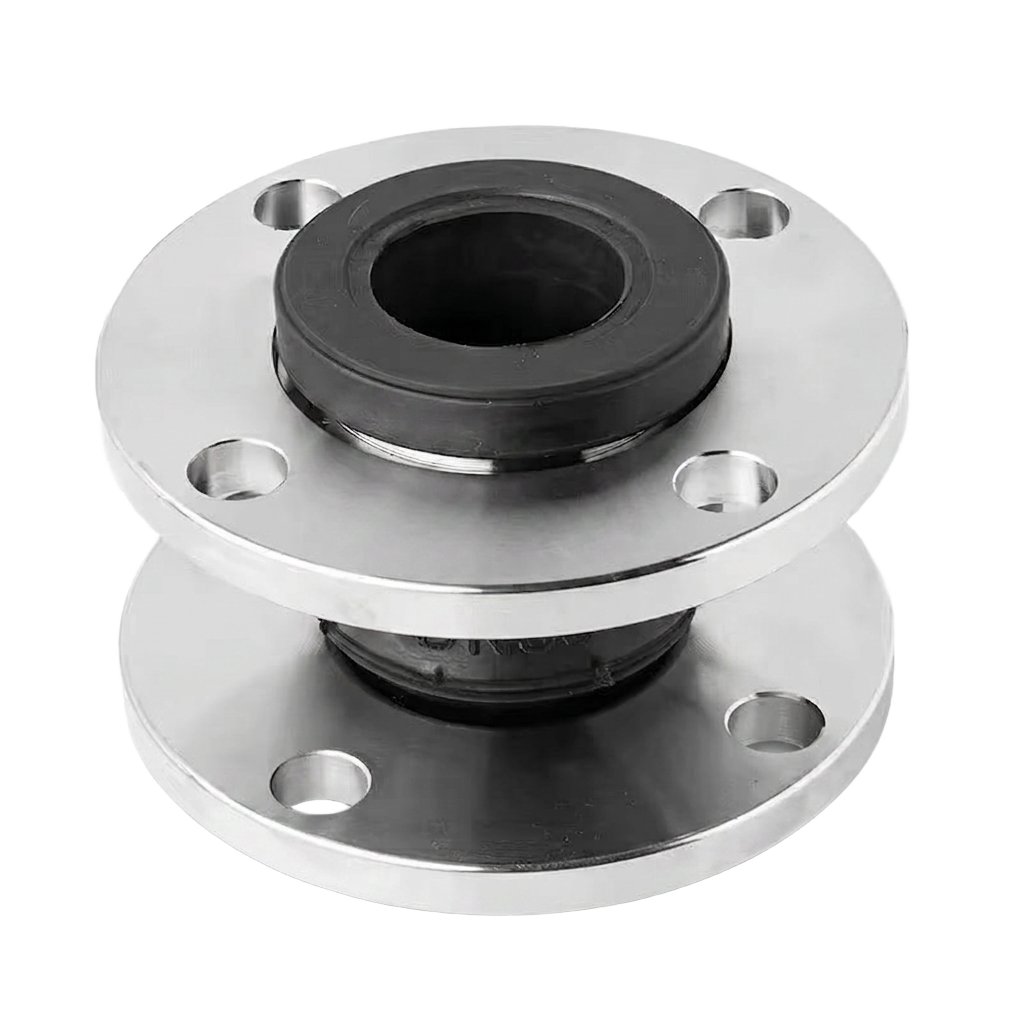
In modern UK building services, pipework systems are subjected to significant temperature fluctuations that cause materials like steel and copper to expand or contract. Without the installation of high-quality expansion bellows, this thermal movement exerts immense stress on fixed points, anchors, and plant-room equipment. As a Surrey-based specialist, UKGP Industrial understands that selecting the right expansion joint is not merely about fitting a flexible component; it is about protecting the multi-million pound infrastructure within a facility. Our range of EPDM and NBR rubber bellows, alongside stainless steel axial compensators, provides the necessary flexibility to absorb these forces safely and consistently over a long service life.
Consulting engineers often look to CIBSE Guide B for thermal expansion calculations, ensuring that the movement capacity of the expansion bellows matches the projected deltas of the system. Whether it is a low-temperature hot water (LTHW) circuit or a chilled water (CHW) loop, the axial, lateral, or angular movement must be calculated with precision. Ignoring these variables often results in flange leaks or, in extreme cases, pipe buckling. At UKGP, we provide the technical data required for M&E contractors to make informed decisions, ensuring that every unit from DN15 to DN600 is suited for the specific pressures and temperatures encountered in the UK's demanding commercial built environment.
The commercial viability of a project also hinges on the longevity of these components. A cheap, non-standard expansion joint might offer a lower initial procurement cost, but the risk of premature failure and the resulting system downtime often outweighs any savings. By choosing expansion bellows from a reputable UK supplier like UKGP, procurement leads can be confident in receiving components that carry a robust 2-year warranty and are manufactured to withstand the cycling typical of modern HVAC demand patterns. This reliability is essential for Facilities Managers who are tasked with maintaining BSRIA compliance and minimising the total cost of ownership across the building's lifecycle.
- Absorption of thermal expansion and contraction in rigid pipework.
- Reduction of vibration and noise transfer from pumps and compressors.
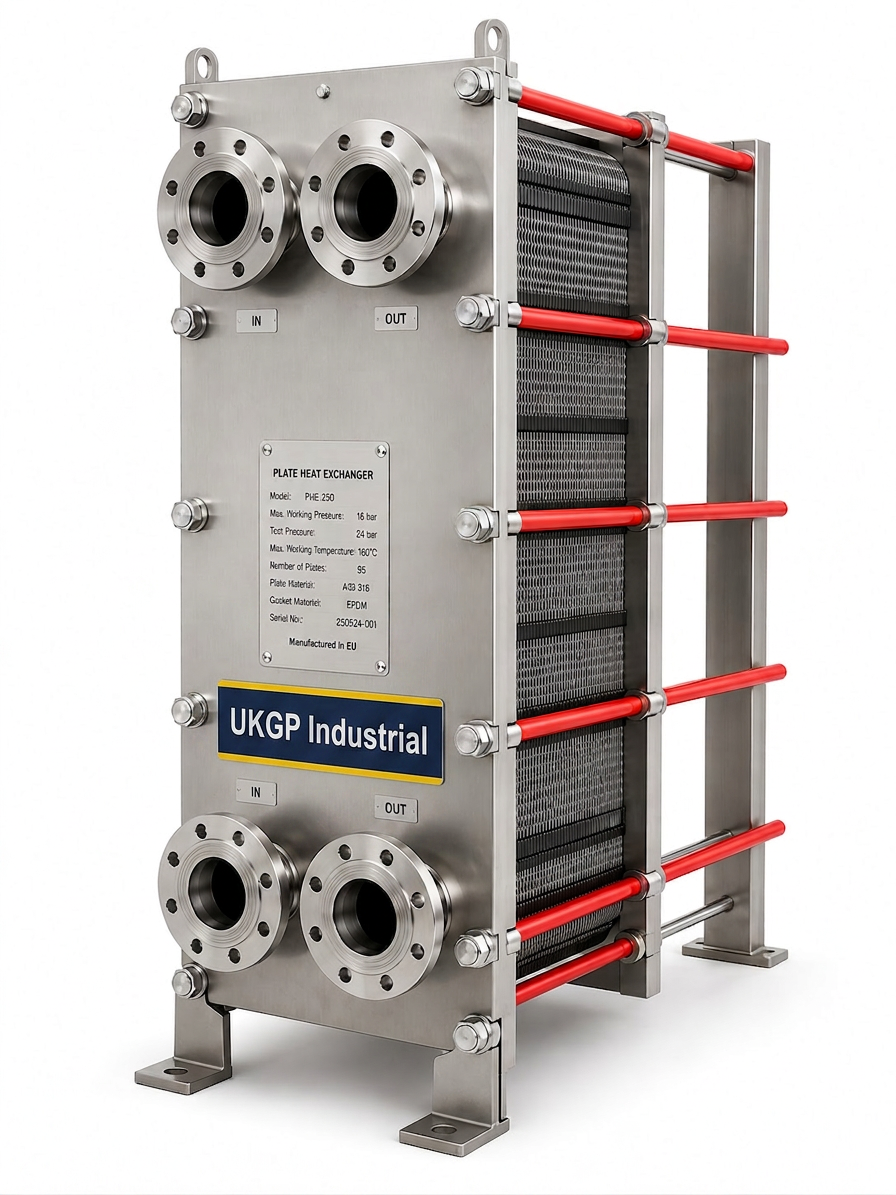
- Prevention of stress-related damage to sensitive plate heat exchangers.
- Compliance with BS EN 14917 standards for high-pressure applications.
Material Selection: EPDM, NBR, and Stainless Steel
Selecting the correct material for your expansion bellows is the first step in ensuring system longevity. EPDM rubber is the industry standard for LTHW and medium-pressure hot water systems due to its excellent resistance to heat and aging. However, if the system contains oils or hydrocarbons, NBR (Nitrile) is the essential choice to prevent material degradation. For more aggressive media or higher temperature thresholds, stainless steel bellows offer the mechanical strength required for industrial steam or high-head pumping applications. UKGP provides these options in sizes ranging from DN15 to DN600, ensuring that even the most complex plant-room configurations can be accommodated with the correct flanged or weld-end connection.
Technical specifications must also consider the chemical compatibility of the bellows membrane with the system fluids. According to BSRIA BG29 and BG50, the chemical dosing of a system for corrosion protection can sometimes impact the elastomers used in expansion joints. It is vital to cross-reference your dosing regime with the material properties of your expansion bellows to avoid brittleness or swelling of the rubber. For specialist applications where chemical resistance is paramount, PTFE-lined bellows or fabric expansion joints are available through UKGP, providing an extra layer of protection against corrosive elements that might compromise a standard EPDM or NBR unit.
When specifying for high-rise developments or large-scale district heating, the pressure rating of the expansion bellows becomes a critical safety factor. Most of our flanged units are rated for PN16 or PN25, providing a significant safety margin for commercial applications. We encourage M&E contractors to review our full technical data sheets, which include pressure-temperature de-rating tables. This ensures that the chosen expansion bellows will not only fit the physical dimensions of the pipework but will also perform reliably under the peak operating pressures of the system, maintaining the 2-year warranty protection we provide as standard for our UK customers.
- EPDM: Ideal for LTHW, CHW, and standard water applications.
- NBR: Resistant to oils and fats, ideal for specific industrial processes.
- Stainless Steel: Suitable for high temperatures, steam, and high pressure.
- PTFE/Fabric: Specialised solutions for chemical resistance and large ducts.
Integrating Air and Dirt Separators for System Health
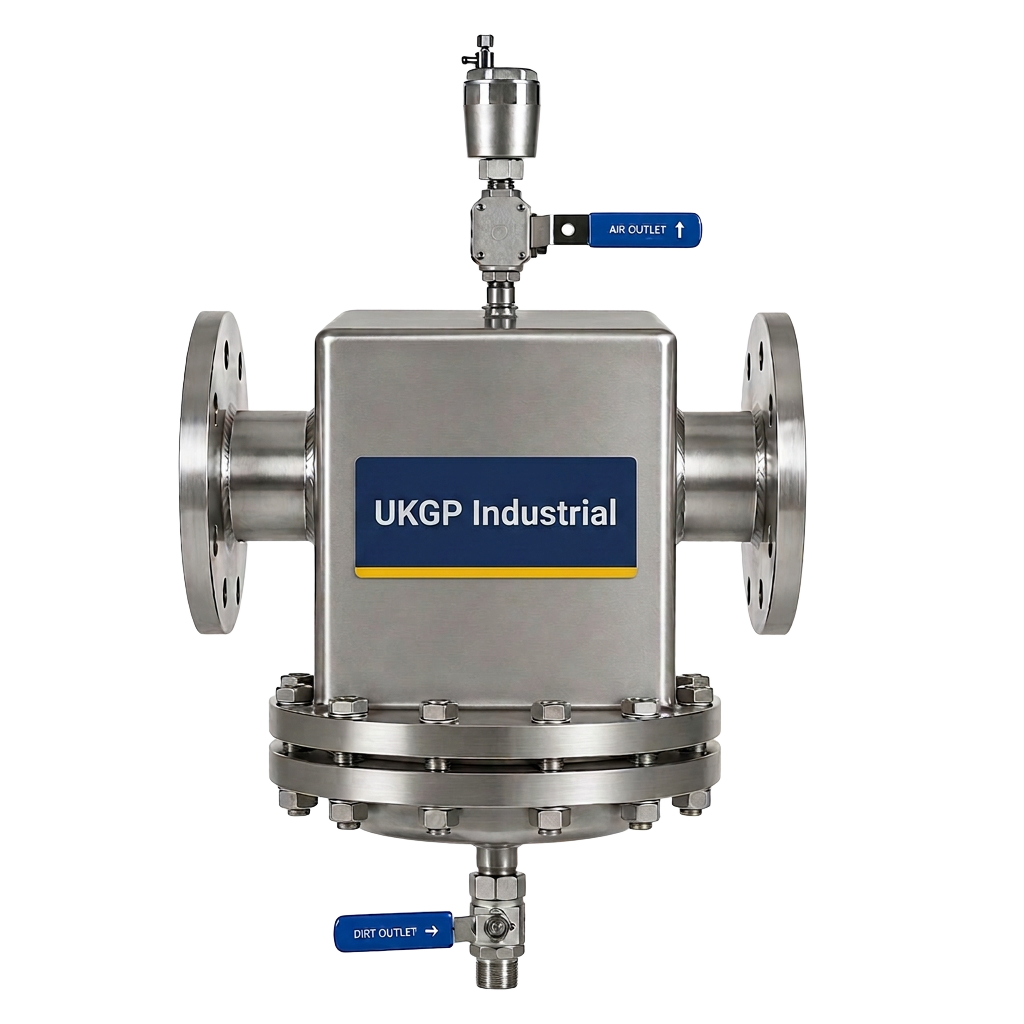
While expansion bellows handle the physical movement of the pipes, the internal health of the fluid is equally important for the longevity of all plant-room components. Air and dirt separators play a key role in removing micro-bubbles and debris that can cause erosion within the bellows membrane or clog the internals of sensitive sensors. In a closed-loop system, the presence of abrasive particulates can lead to premature wear on the flexible elements of your expansion joints. By installing a high-efficiency separator alongside your expansion bellows, you are effectively extending the life of the entire system and ensuring that the manufacturer's warranty remains valid under optimal operating conditions.
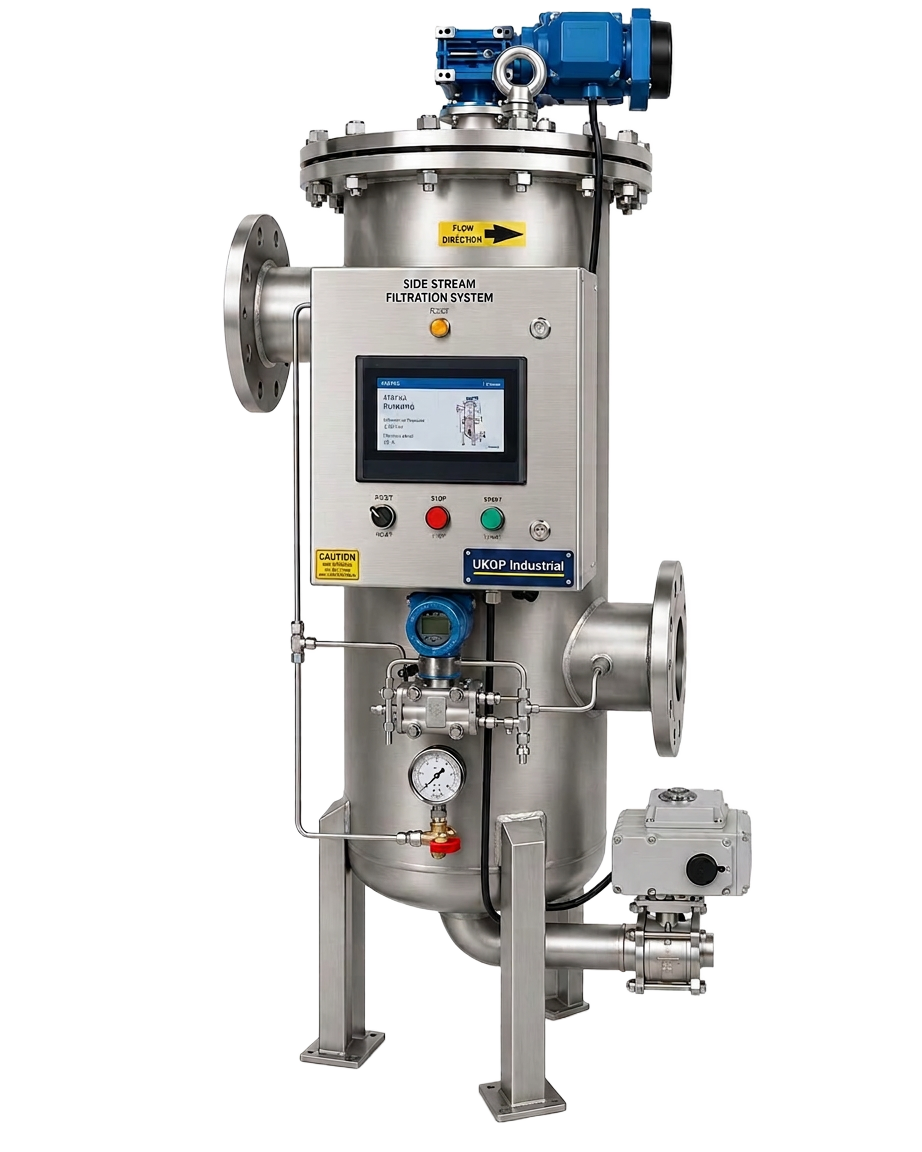
BSRIA BG50 highlights the importance of water quality management in avoiding the build-up of magnetite and other sludge. These contaminants are not only detrimental to the efficiency of boiler heat exchangers but can also settle in the corrugations of stainless steel expansion bellows, leading to localized corrosion or restricted movement. M&E contractors should consider the holistic design of the plant room, ensuring that filtration and separation are prioritised. At UKGP, we supply a wide range of air and dirt separators that work in tandem with our expansion solutions to create a more resilient and lower-maintenance HVAC infrastructure for UK building operators.
Providing a clean operating environment also reduces the cavitation risks in pumps, which in turn reduces the vibration that expansion bellows are often installed to dampen. It is a symbiotic relationship where the separation equipment protects the bellows from internal erosion, and the bellows protect the structural pipework from the remaining mechanical stresses. When ordering your expansion bellows for a new build or a refurb project, consider adding a UKGP air and dirt separator to your specification list to ensure you are meeting the highest standards of the BSRIA and CIBSE recommendations for modern UK commercial installations.
- Removal of oxygen to prevent internal corrosion of bellows and piping.
- Capturing of dirt and magnetite to prevent clogging of flexible joints.
- Improved system efficiency and reduced maintenance requirements.
- Protection of the 2-year warranty by maintaining BSRIA water standards.
Installation Best Practices for Expansion Bellows
The performance of expansion bellows is heavily dependent on the quality of the installation and the correct placement of anchors and guides. BS EN 14917 provides guidance on the installation of metallic bellows, but many of the principles apply to rubber variants as well. It is a common mistake to use the expansion bellows to compensate for pipework misalignment during installation; this 'pre-stressing' reduces the joint's ability to handle thermal movement and can lead to immediate failure upon system commissioning. UKGP recommends that all pipework is properly aligned and supported by primary and secondary guides to ensure that movement is directed axially into the bellows.
Another critical factor is the proximity of the expansion bellows to the nearest anchor point. Industry standards typically suggest placing the first bellows within four pipe diameters of a fixed anchor, with the first guide shortly thereafter. This prevents the pipe from 'squirming' or bowing under pressure, which would otherwise put lateral stress on an axial joint. For contractors working under BSRIA BG29, the flushing process is also a period of risk; ensuring that bellows are not contaminated by debris during the initial system clean is vital. Our UK-stocked expansion bellows come with clear installation instructions to help site teams avoid these common pitfalls and ensure a successful handover.
During the handover process, Facilities Managers should be provided with an asset register that includes the location and type of all expansion bellows installed. Periodic inspections are required to check for signs of fatigue, such as cracking in the EPDM cover or deformation of the stainless steel convolutions. By sourcing expansion bellows from UKGP, you have the benefit of our local Surrey-based support, where we can assist in identifying the correct replacement units should a system audit reveal aged or incorrectly specified components. We provide a full range of flanged and weld-end bellows to match any legacy or new-build requirement in the UK market.
- Ensure pipework is correctly aligned before installing the bellows.
- Place anchors and guides according to CIBSE and manufacturer specs.
- Avoid using expansion joints to bridge gaps caused by poor fabrication.
- Inspect joints regularly as part of a BSRIA BG50 maintenance plan.
Technical Calculations and Compliance Standards
Precision in technical calculation is what separates a professional HVAC design from one prone to failure. When calculating the required movement for your expansion bellows, you must account for the coefficient of thermal expansion for the specific pipe material—whether it’s carbon steel, stainless steel, or copper. The formula must include the installation temperature against the maximum and minimum operating temperatures. CIBSE guides provide the necessary coefficients, but our team at UKGP is also on hand to verify that the expansion bellows you select have a sufficient stroke length to accommodate the calculated movement without exceeding their safety limits.
Moreover, pressure thrust forces must be carefully managed. When a pipework system is pressurised, the expansion bellows will attempt to extend. This force must be contained by robust structural anchors. If the building’s structure cannot support these thrust loads, tied expansion bellows should be used to limit the movement. UKGP offers both untied and tied options across our DN15 to DN600 range. All our products are manufactured to meet the requirements of the Pressure Equipment Directive (PED) and relevant British Standards, ensuring they are fit for purpose in any high-occupancy commercial or industrial setting across the United Kingdom.
Compliance with BS 8552 for sampling and BS EN 14917 for metal bellows design ensures that your project meets the highest benchmarks for safety and quality. Procurement leads often face pressure to reduce costs, but choosing uncertified expansion bellows can lead to insurance complications and health and safety risks. By specifying UKGP expansion bellows, you are choosing a product backed by technical expertise and a 2-year warranty, providing peace of mind for both the installer and the end-user. We invite you to contact us for a detailed quote or to discuss the specific movement requirements of your next HVAC or industrial project.
- Calculation based on pipe material coefficient and temperature delta.
- Management of pressure thrust via tied or untied configurations.
- Certification to Pressure Equipment Directive (PED) requirements.
- Adherence to BS 8552 water quality and BS EN 14917 standards.
Optimising Procurement: Sourcing Expansion Bellows in the UK
Navigating the supply chain for expansion bellows requires a partner who understands the tempo of UK construction and maintenance. Delays in plant-room fit-outs can lead to significant liquidated damages for M&E contractors. UKGP maintains a significant stock of rubber EPDM/NBR, stainless steel, and PTFE bellows in our Surrey warehouse, allowing for rapid dispatch to sites across London and the UK. With sizes from DN15 to DN600 and various end-connections like PN16 flanges or weld-ends, we can often fulfill urgent requirements that larger, more bureaucratic suppliers might struggle to meet, ensuring your project stays on schedule.
Beyond just the product, the commercial terms offered by UKGP are designed to support the needs of procurement leads and project managers. Our 2-year warranty is a testament to the confidence we have in our expansion bellows' durability and manufacturing quality. We provide clear, transparent pricing and detailed technical submittals that facilitate quick approval from consultants. Whether you are looking for a single replacement DN50 EPDM bellows for a dosing pot circuit or a full suite of stainless steel compensators for a district heating network, our team is equipped to provide the commercial and technical support you require.
To conclude, expansion bellows are a small but vital component of any pressurised system. Their failure can lead to severe water damage, system downtime, and expensive repairs. By following the guidelines set out by BSRIA and CIBSE, and by selecting a proven UK supplier like UKGP Industrial, you ensure that your pipework is protected for the long term. We encourage all building services professionals to reach out for a consultation or a competitive quote. Experience the reliability of our DN15-DN600 expansion bellows and see why we are the preferred choice for M&E contractors and engineers across the UK.
- Surrey-based stock for rapid UK-wide delivery and reduced lead times.
- Range of materials: EPDM, NBR, Stainless Steel, PTFE, and Fabric.
- Full technical support for movement and pressure calculations.
- Comprehensive 2-year warranty on all expansion joint products.
Frequently asked questions
What is the difference between EPDM and NBR expansion bellows?
- EPDM is excellent for hot and cold water (HVAC) as it resists heat and weathering, while NBR (Nitrile) is specifically designed for systems conveying oils, fats, or hydrocarbons where EPDM would swell and fail.
Do I need tied or untied expansion bellows?
- Tied bellows have limit rods to prevent over-extension and are used when the system anchors cannot withstand the full pressure thrust. Untied bellows are used where the pipework is securely anchored at both ends.
What standards should expansion bellows meet in the UK?
- They should meet BS EN 14917 for metallic bellows and comply with the Pressure Equipment Directive (PED). Design and installation should follow BSRIA BG29/BG50 and CIBSE Guide B.
Can expansion bellows be used to fix misaligned pipes?
- No, expansion bellows should never be used to compensate for poor pipework alignment. Forcing a joint to fit reduces its capacity to handle thermal movement and can lead to premature failure.
What sizes and connections are available for UKGP bellows?
- We offer expansion bellows from DN15 to DN600 with various connections including PN16 and PN25 flanges or weld-ends, suitable for most UK commercial and industrial applications.