Fundamental Roles of Expansion Bellows for Pipes
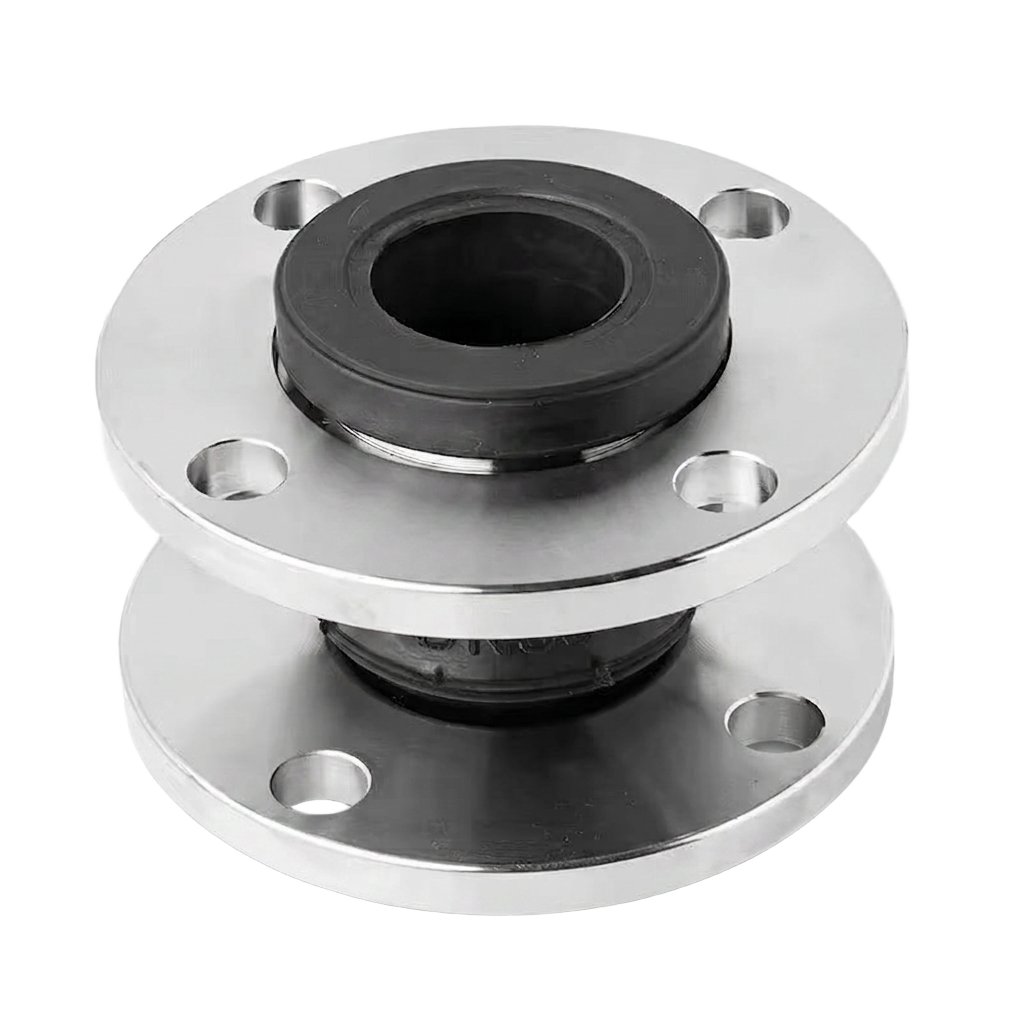
In the UK building services sector, the integration of expansion bellows for pipes is essential to manage the physical stresses caused by thermal expansion and contraction within a closed-loop system. When hot water or steam flows through a network, the pipework expands proportionally to the temperature rise and the material's coefficient of expansion. Without these specialised flexible connectors, the resulting axial, lateral, or angular movements would exert immense pressure on fixed anchors and mechanical equipment, leading to buckled pipes or fractured pump housings. M&E contractors must ensure that every flexible joint is selected based on the specific displacement requirements of the circuit, ensuring the longevity of the entire thermal infrastructure.
Engineering consultants often specify expansion bellows for pipes to mitigate the transmission of noise and high-frequency vibration generated by commercial pumps or chillers. These components act as a break in the rigid continuity of the metal pipework, absorbing acoustic energy and preventing physical oscillations from traveling through the building fabric. This is particularly vital in residential developments or high-specification office environments where BSRIA BG29 standards for system cleanliness and CIBSE guidelines for noise attenuation must be strictly met. Utilising high-quality EPDM or NBR rubber materials allows for significant damping effects while maintaining a robust pressure seal within the system's operating parameters.
Commercially, the decision to invest in premium expansion bellows for pipes rather than cheaper alternatives is a matter of long-term risk management and insurance compliance. Inferior bellows often lack the necessary reinforcement or material density required to withstand the surge pressures typical in UK high-rise district heating schemes or industrial process plants. UKGP Industrial provides these components with comprehensive documentation, ensuring that procurement leads can satisfy safety audits and operational maintenance schedules. By selecting the correct material—whether that be stainless steel for high temperature or PTFE for chemical resistance—engineers can guarantee a system design life that aligns with the wider mechanical plant room architecture and BSRIA BG50 requirements.
- Absorption of axial expansion and contraction cycles
- Compensation for minor lateral and angular misalignment
- Acoustic isolation of mechanical plant vibration
- Reduction of stress on rigid pipe anchors and guides
Pre-Installation Inspection and Compliance Standards
Before any expansion bellows for pipes are introduced into a system, a rigorous pre-installation inspection must be conducted. Contractors should verify that the bellows have not been damaged during transit or storage; even a small nick in a rubber carcass or a minor dent in a stainless-steel convolution can act as a stress concentrator, leading to rapid failure under pressure. It is essential to check that the internal liners, if specified, are oriented correctly in relation to the flow direction of the medium. Failure to align the flow arrow on the bellows with the actual system flow can result in erosion of the convolutions or the accumulation of debris, particularly in systems with high particulate content.
UK industry best practice dictates that all expansion bellows for pipes must conform to BS EN 14917, which governs the design and manufacture of metal bellows expansion joints. This standard ensures that the units are capable of handling the stated fatigue cycles and pressure ratings over their intended service life. Designers must also cross-reference the installation plan with CIBSE Guide B, ensuring that the total calculated movement of the pipe run does not exceed the maximum allowable displacement of the bellows. Over-extending or over-compressing a unit during the 'cold' stage of an installation is a common error that drastically reduces the safety margin during thermal cycling.
Logistically, the stage at which expansion bellows for pipes are installed matters. They should be the last components fitted between two fixed points, ensuring that the pipework is properly aligned first. Using a bellows to 'pull' misaligned pipes into place is a breach of technical guidelines and will result in permanent torsion on the unit. This torsion is a leading cause of premature failure in EPDM expansion joints. We recommend that site supervisors verify the alignment of the flange faces using a spirit level and callipers before the final bolts are tightened, ensuring the bellows remains in a neutral, unstressed state prior to the initial system commissioning and hydro-testing.
- Verification of BS EN 14917 and CIBSE compliance
- Visual inspection for convolution damage or liner debris
- Confirmation of flow direction arrow alignment
- Ensuring pipework alignment before bellows insertion
Correct Anchoring and Guiding Procedures
The effectiveness of expansion bellows for pipes is entirely dependent on the strategic placement of fixed anchors and pipe guides. A common mistake in UK plant rooms is the reliance on standard pipe hangers to control the direction of expansion. In reality, heavy-duty main anchors must be installed to divide the pipework into individual expanding sections, with each section containing its own bellows. These anchors must be capable of withstanding the full 'bellows force', which includes the pressure thrust and the force required to deflect the bellows itself. Without robust anchoring, the internal pressure of the system will simply push the bellows open, potentially causing the pipework to jump out of its supports.
Furthermore, pipe guides are required to ensure that the expansion remains axial to the expansion bellows for pipes. If the pipe is allowed to bow or snake between anchors, the bellows will be subjected to lateral forces it was not designed to handle. Industry standards typically require the first guide to be placed within four pipe diameters of the bellows, with a second guide following within fourteen diameters. This strict geometry ensures that the thermal movement is delivered cleanly into the convolutions. For M&E contractors, adhering to this guiding ratio is the difference between a system that lasts thirty years and one that fails during the first seasonal temperature change.
When dealing with multi-storey building services or complex industrial layouts, the complexity of anchoring expansion bellows for pipes increases. Engineers must account for the weight of the water-filled pipe and the dynamic forces during pump start-up. UKGP Industrial offers technical support to help contractors determine the precise positioning of these guides. By following a methodical approach to anchor selection—using either fixed, directional, or limit-stop anchors—projects can avoid the costly remedial works associated with pipework distortion. It is also vital to ensure that the building structure itself can take the loads transferred by these anchors, particularly in modern lightweight steel-frame constructions common in Surrey and London.
- Primary anchors must manage full pressure thrust loads
- First pipe guide placement within 4D of the joint
- Second pipe guide placement within 14D of the joint
- Calculation of main anchor loads per CIBSE recommendations
Material Selection for System Longevity
The chemical composition of the fluid and the ambient environment dictate the material choice for expansion bellows for pipes. For standard LTHW or CHW systems, EPDM rubber is often the preferred choice due to its excellent resistance to heat and water-ageing. However, if the system contains oil-based additives or is located in a kitchen extraction environment, NBR (Nitrile) materials may be required to prevent swelling and degradation. UKGP Industrial provides a full range of rubber, stainless steel, and PTFE options. Stainless steel bellows are typically utilised for high-temperature steam or high-pressure applications where rubber would reach its thermal limit, while PTFE is reserved for highly corrosive chemical dosing lines.
Beyond the bellows itself, the flange material must be compatible with the existing pipework to prevent galvanic corrosion. In UK building services, PN16 flanged connections are the standard, but bespoke flanging for older systems or high-pressure industrial sites is frequently necessary. Our expansion bellows for pipes are available in DN15 to DN600 sizes, covering everything from small-bore domestic headers to large-scale district cooling mains. Offering both flanged and weld-end variations allows contractors to match the specific joining technology used on-site, whether that involves TIG welding on stainless steel runs or traditional bolting on carbon steel flanges with EPDM gaskets for a secure seal.
Selecting the right product involves more than just looking at the price per unit; it requires an assessment of the warranty and manufacturer backing. UKGP Industrial offers a 2-year warranty on our expansion bellows, providing Facilities Managers and M&E contractors with peace of mind. In an era where BS 8552 and BSRIA BG50 standards demand higher levels of system monitoring and water quality control, having reliable mechanical components is paramount. When expansion bellows for pipes fail, the downtime for a commercial building can cost thousands per hour, making the procurement of high-specification, warrantied parts a commercially savvy decision for any site lead or procurement officer.
- EPDM/NBR for standard water and oil-based systems
- Stainless steel and PTFE for extreme temperatures
- PN16, PN25, and bespoke flange ratings available
- Standard sizes from DN15 through to DN600
Commissioning and Hydrostatic Testing Protocols
Once the expansion bellows for pipes are installed and the anchoring system is verified, the system must undergo commissioning and hydrostatic testing. It is a critical safety rule that the shipping bolts or 'limit rods' remain in place if they are designed to support the bellows during transit, but they must be adjusted or removed as per the manufacturer's instructions before the system is fully thermalised. During a hydro-test, the pressure is usually 1.5 times the design pressure. If the anchors are not fully secured before this test, the expansion bellows will extend beyond their design limit, causing permanent deformation or immediate rupture, which is a significant safety hazard for site personnel.
The commissioning phase should also include a visual check of the expansion bellows for pipes as the system reaches its operating temperature. This is the moment to observe if the pipe guides are functioning correctly and if the bellows is compressing or extending as predicted in the design phase. If any 'squirm' or lateral bowing is observed in the bellows, the system should be powered down and the anchoring reassessed. Squirm is a phenomenon where the internal pressure causes the convolutions to tilt, and it is a clear indicator that the bellows is being subjected to forces beyond its rated capacity or that the pipework is insufficiently guided.
Documentation is the final step in best-practice installation. Site engineers should record the installed length of the expansion bellows for pipes and confirm it matches the design specifications. This record-keeping is vital for future maintenance and for compliance with BSRIA BG50, which emphasizes the need for comprehensive O&M manuals. UKGP Industrial's technical team can provide the necessary datasheets and installation certificates to ensure your project's health and safety file is complete. By maintaining a clear audit trail of the installation and commissioning process, FMs can more effectively manage the lifecycle of the plant room and plan for eventual component replacement without unexpected system failures.
- Hydrostatic testing at 1.5x design pressure
- Verification of anchor stability during initial pressurisation
- Monitoring for 'squirm' during the first thermal cycle
- Documentation of installed lengths for O&M records
Maintaining Expansion Bellows for Pipes
Ongoing maintenance of expansion bellows for pipes is often overlooked but is essential for preventing leaks in aging systems. Periodic inspections should check for signs of 'age hardening' in rubber bellows, where the material becomes brittle and prone to cracking under movement. In metal bellows, inspectors should look for signs of stress corrosion cracking, especially if the water treatment levels have drifted outside of the parameters set by BS 8552. If a bellows shows signs of external corrosion or significant surface degradation, it should be scheduled for replacement during the next planned shutdown to avoid an emergency failure that could impact building operations.
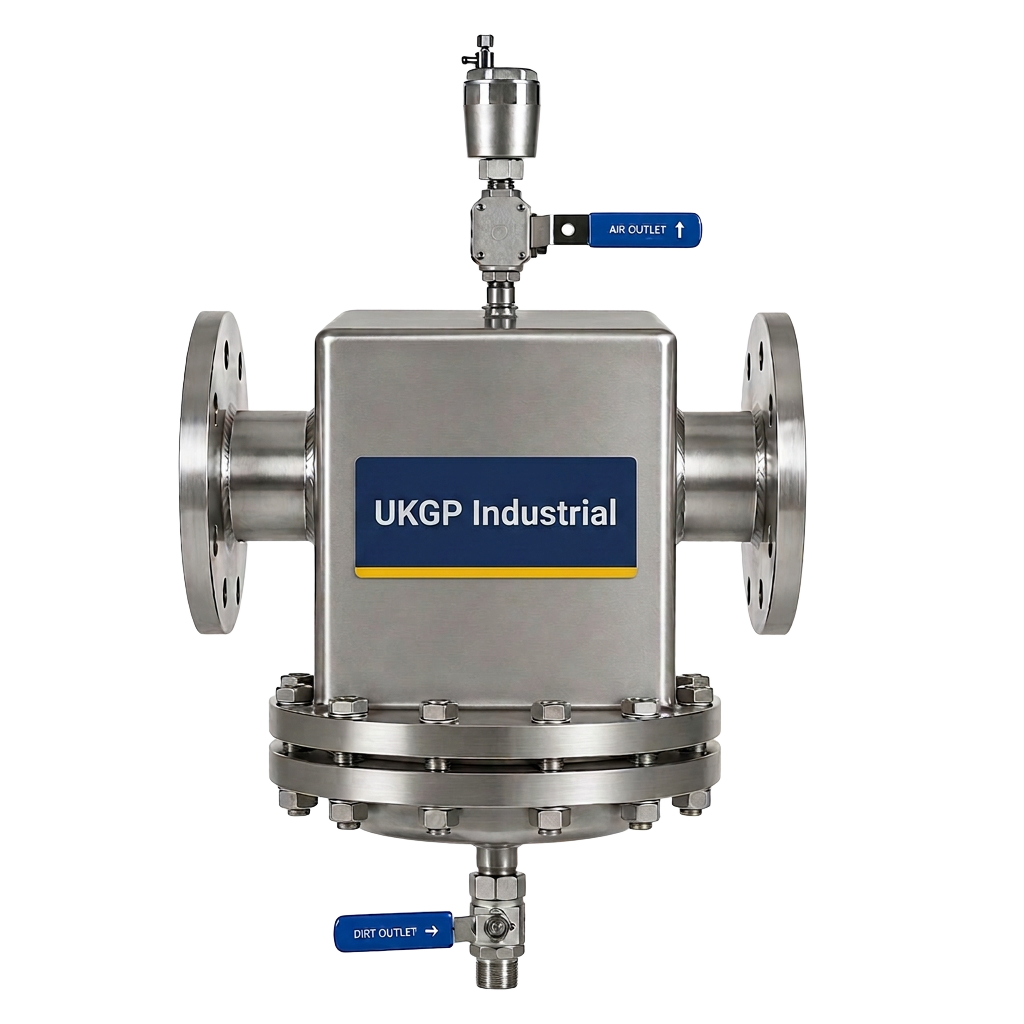
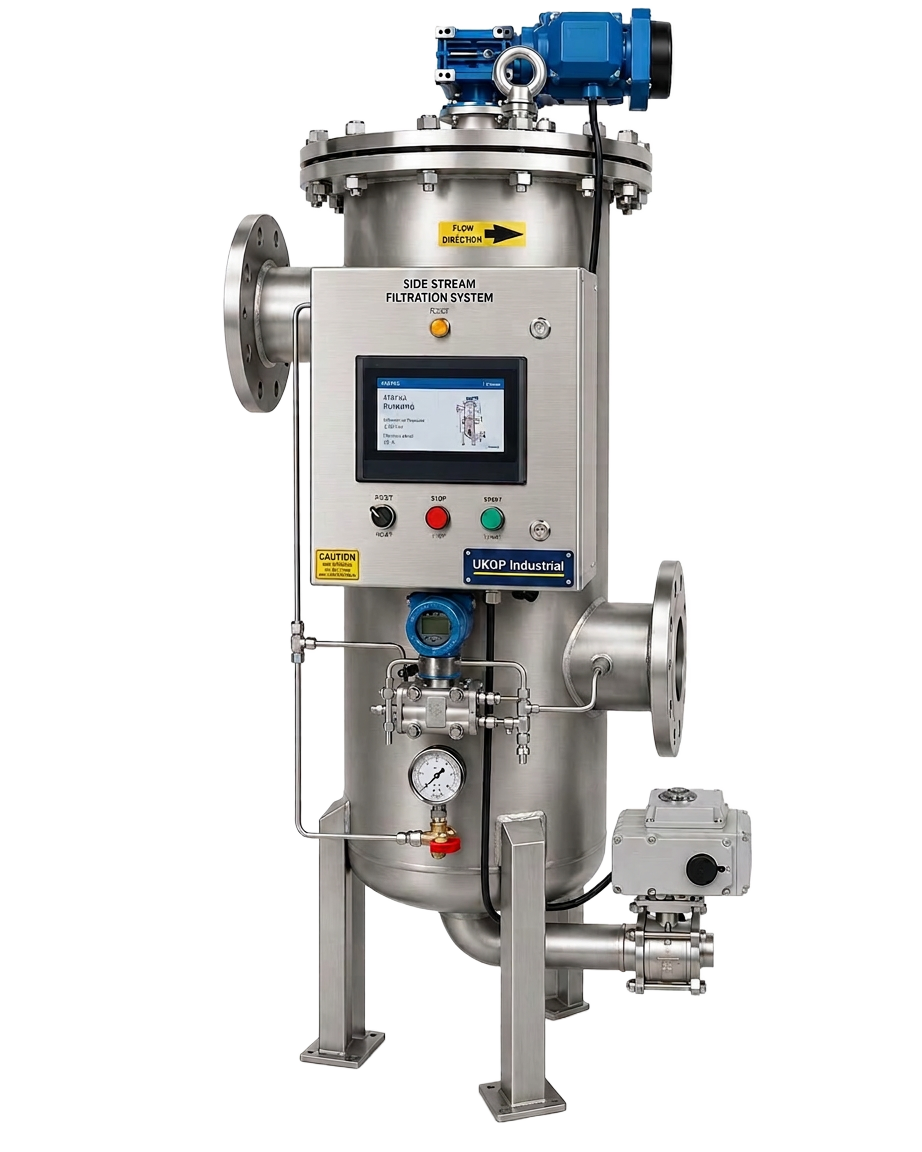
In Surrey and London's commercial sector, where many buildings utilize side stream filtration to maintain water quality, the lifespan of expansion bellows for pipes can be significantly extended. Clean water reduces the risk of abrasive particles wearing down the internal convolutions of the bellows. However, even with perfect water chemistry, the mechanical fatigue of the bellows is inevitable over decades of operation. Establishing a thermal imaging routine can help identify hotspots near the bellows that might indicate a failure of the internal liner or a loss of efficiency in the nearby insulation, allowing FMs to take proactive steps before a leak occurs.
When the time comes to replace old units, it is advisable to contact UKGP Industrial for a direct replacement that meets current UK standards. We provide expert advice on upgrading older installations to modern expansion bellows for pipes that offer better movement capabilities and longer warranties. Whether you are managing a small plant room with DN25 lines or a large industrial site requiring DN600 flanged units, our team ensures the replacement process is seamless. Requesting a quote for UKGP bellows guarantees you receive a product that is not only fit for purpose but specifically engineered for the rigours of the modern British HVAC landscape.
- Annual visual inspection for rubber brittleness or metal cracks
- Corrosion monitoring in accordance with BS 8552
- Planned replacement cycles to avoid emergency downtime
- Integration with water quality management (BSRIA BG50)
Frequently asked questions
What is the maximum pressure for UKGP expansion bellows for pipes?
- Our standard range of expansion bellows for pipes is typically rated for PN16, which is 16 bar at standard operating temperatures. However, we can supply units for PN25 and higher pressure ratings upon request to suit specific industrial or high-rise requirements.
Can these bellows be used for both heating and chilled water?
- Yes, our EPDM expansion bellows are ideal for both LTHW and CHW systems, handling temperatures from -10°C up to +110°C. For extreme temperature steam applications, we recommend our stainless steel range.
How do I calculate the number of guides needed for my bellows?
- Per industry best practice, the first guide should be within 4 pipe diameters of the bellows, and the second within 14 diameters. Subsequent guides are spaced according to standard pipe support calculations for the specific pipe material and size.
Do you offer a warranty on your expansion bellows?
- Yes, all UKGP expansion bellows for pipes come with a comprehensive 2-year warranty, reflecting our confidence in the manufacturing quality and material durability of our UK-supplied components.
Are your bellows compatible with flanged and weld-end systems?
- We supply expansion bellows for pipes in both flanged configurations (DN15-DN600) and weld-end versions, ensuring compatibility with all common UK mechanical installation methods.