The Role of Exhaust Expansion Bellows in HVAC
In the demanding environment of a UK commercial plant room, the thermal expansion of exhaust ductwork and piping can exert immense stress on critical infrastructure. Exhaust expansion bellows serve as the primary defensive mechanism against this physical expansion, absorbing axial, lateral, and angular movements that would otherwise lead to mechanical failure or joint leaks. For M&E contractors, the inclusion of these components is not merely a preference but a technical necessity to maintain the structural integrity of the entire venting system. Without adequate compensation, the force generated by thermal growth can damage flue connections and boiler casings alike.
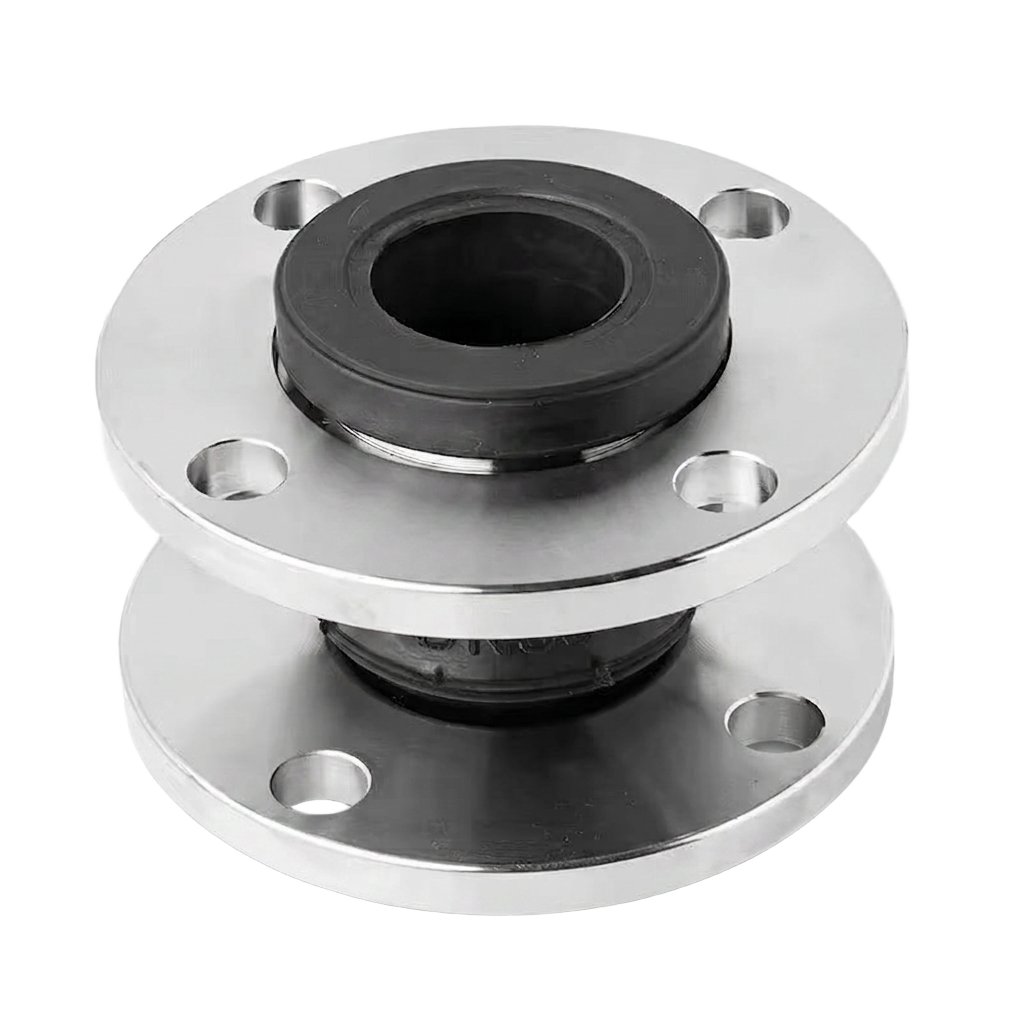
Precision in material selection for exhaust expansion bellows ensures that the system can withstand the corrosive by-products and high temperatures associated with modern high-efficiency boiler plants. Whether managing waste heat recovery or standard venting, these bellows provide the flexibility required to accommodate the cycling of heating systems throughout the seasons. UKGP Industrial specialises in delivering solutions that meet these rigorous demands, ensuring that building services consultants can specify with confidence. From rubber EPDM and NBR variants to more robust stainless steel and fabric options, the choice of material must align with the specific chemical and thermal profile of the exhaust stream.
Commercially, the installation of high-quality bellows significantly reduces the total cost of ownership for facility managers by preventing premature piping fatigue. When drafting specifications, engineers must consider the pressure ratings and the degree of movement predicted by thermal calculations. Failure to account for these variables often results in noise transmission and vibration-borne fatigue across the plant room. By integrating robust exhaust expansion bellows, you ensure that the system remains quiet, efficient, and compliant with the latest building regulations. Our UK-engineered solutions are designed to provide this peace of mind across a wide range of industrial and commercial applications.
- Absorption of thermal expansion in high-temperature flue gas systems
- Reduction of mechanical stress on boiler and heat exchanger connections
- Mitigation of noise and vibration transfer through building structures
- Enhanced longevity of rigid piping systems in variable load environments
Material Specifications and Engineering Standards
The engineering of exhaust expansion bellows must adhere to strict UK and international standards, such as BS EN 14917, which governs the design and manufacture of metal bellows expansion joints. For HVAC applications involving exhaust gases, stainless steel is often the material of choice due to its resistance to high temperatures and acidic condensate. However, different applications may require PTFE for chemical resistance or fabric bellows for lower pressure gas systems. Understanding the operating environment is crucial; for instance, rubber EPDM or NBR bellows are excellent for vibration isolation in cooling or low-temperature heating circuits but may not suit high-heat exhaust duties.
UKGP Industrial provides a comprehensive range of exhaust expansion bellows designed to meet these specific engineering challenges. Our bellows are available in sizes from DN15 to DN600, with flanged or weld-end connections to suit any installation requirement in a UK plant room. All our products are backed by a 2-year warranty, reflecting our confidence in the durability of our manufacturing processes. When selecting a bellow, it is vital to consult with specialists who can verify that the chosen unit matches the thermal expansion calculations of the project, preventing the risk of over-extension or compression failure during peak operation.
Proper selection also involves looking at the pressure requirements and potential for surge. While BSRIA BG29 and BG50 primarily focus on water quality, the structural integrity of the system as a whole is paramount. Using inferior bellows can lead to system-wide failures that compromise these standards. By opting for a UKGP expansion bellows setup, including our stainless steel or fabric variants, you ensure a robust seal and consistent performance. This proactive approach to specification prevents costly retrofitting and downtime, which is essential for FM leads and procurement professionals managing large-scale commercial assets.
- Compliance with BS EN 14917 for metal bellows standards
- Options in Stainless Steel, PTFE, EPDM, NBR, and high-temp fabrics
- Size range from DN15 to DN600 for total system compatibility
- Available with 2-year warranty and diverse connection types
Optimising System Hydraulics and Air Removal
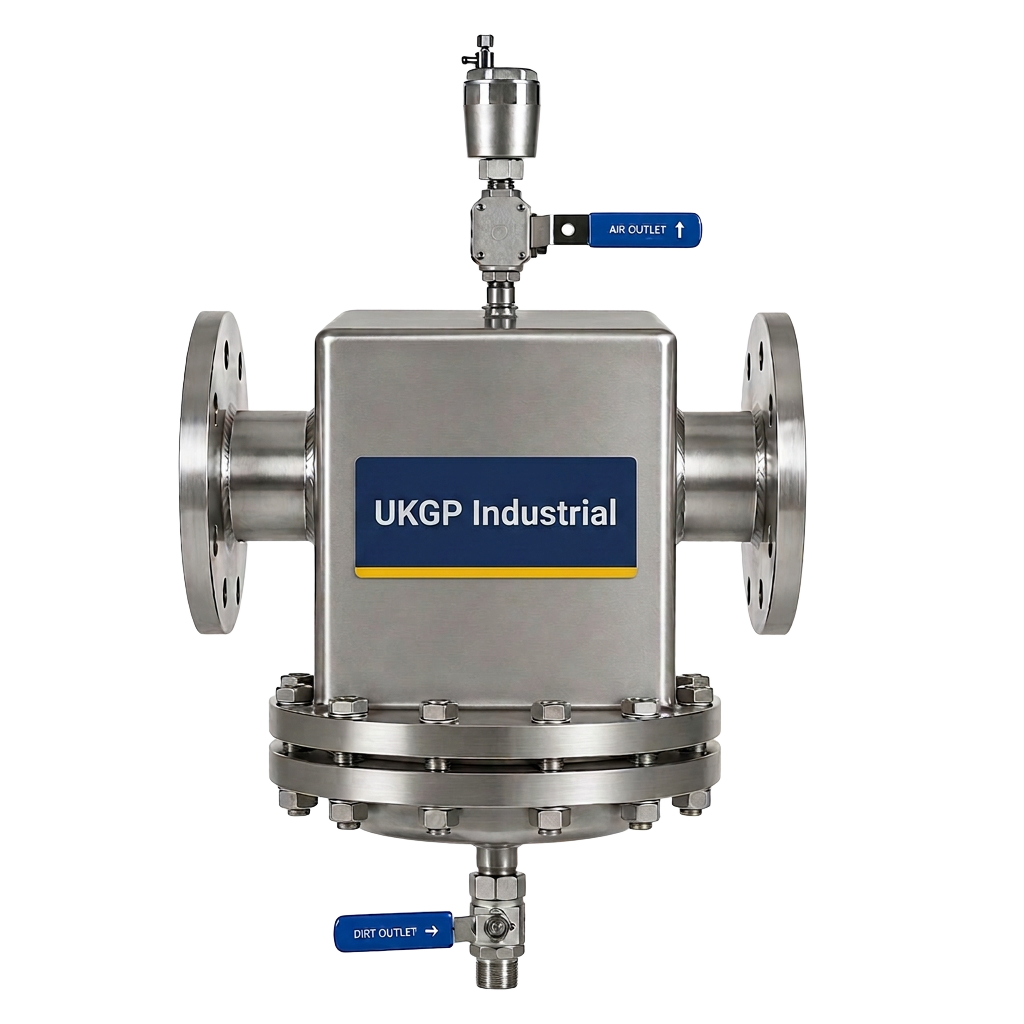
While managing expansion in the exhaust system is critical, the efficiency of the primary heating circuit relies heavily on effective air and dirt separation. In many UK plant rooms, the performance of exhaust expansion bellows is complemented by the installation of high-performance air and dirt separators. These units remove micro-bubbles and sludge that can otherwise cause erratic thermal expansion and increased backpressure in the system. When air is trapped in the circuit, it can lead to localized overheating, which in turn places undue stress on the bellows and piping joints throughout the facility.
Integrating a holistic approach to plant room design involves ensuring that both the exhaust and hydraulic sides are managed. Air can act as an insulator, reducing the heat transfer efficiency of the boiler and increasing the temperature of the exhaust gases. This heightened temperature directly impacts the expansion requirements of your exhaust expansion bellows. By maintaining a clean, air-free hydraulic circuit, you stabilise the operational temperatures and pressures, allowing the bellows to operate within their design parameters. This synergy between different mechanical components is what defines a high-performance building services installation.
M&E contractors should look for integrated components that simplify installation and maintenance. UKGP's range of air and dirt separators works in tandem with our expansion solutions to ensure the longevity of the entire HVAC system. Removing debris also prevents the erosion of sensitive internal components in the heat generators, ensuring that the exhaust output remains consistent with the original design specifications. Requesting a quote for a combined package of separators and expansion joints can provide both technical compatibility and commercial advantages for large scale UK procurement projects.
- Improved heat transfer through micro-bubble and dirt removal
- Reduced thermal stress on exhaust bellows by stabilising system temps
- Protection of sensitive heat exchangers and pump seals
- Extended life cycle of all plant room mechanical components
Installation Best Practices for Exhaust Bellows
Correct installation of exhaust expansion bellows is the most influential factor in their performance and lifespan. It is essential that the piping is properly guided and anchored according to CIBSE design guides. Without proper anchoring, the pressure thrust of the bellows can cause the piping to move out of alignment, leading to premature failure of the joint. Contractors must ensure that the bellows is not used to correct for poor pipe alignment, as this induces lateral stress that the unit may not be designed to withstand. Instead, the bellows should be installed in a relaxed state unless a cold-draw is specifically required.
During the installation of exhaust expansion bellows, protection from welding splatter and mechanical damage is paramount. Most high-quality bellows, such as those supplied by UKGP, are delicate precision instruments despite their industrial application. Once the system is live, regular inspections should be carried out to check for signs of fatigue, corrosion, or irregular deformation. These inspections are part of a proactive maintenance regime that aligns with BS 8552 for water sampling and system health. If a bellows shows signs of distress, it should be replaced immediately with a unit of equivalent or superior specification.
For plant room engineers, accessibility is key. Ensure that there is adequate space around the exhaust expansion bellows for visual inspection and eventual replacement. UKGP offers flanged or weld-end options to suit the specific installation preferences of the site team. Whether you are using a DN50 or a DN600 unit, the principles of alignment and anchoring remain the same. By following these rigorous installation standards, you protect the investment in the building's infrastructure and ensure that the HVAC system operates safely and effectively under all load conditions.
- Ensure rigid pipe anchoring to manage pressure thrust
- Maintain perfect axial alignment to prevent lateral stress
- Protect bellows from mechanical damage during plant room construction
- Allow clear access for periodic maintenance and inspection
Maintenance and Longevity of Exhaust Solutions
The longevity of your exhaust expansion bellows is directly linked to the environmental conditions within the plant room and the chemical composition of the exhaust. Condensate management is a critical factor; if acidic condensate is allowed to pool within the bellows, even stainless steel can eventually succumb to pitting corrosion. Designing the exhaust run with a slight pitch and including appropriate drainage points can mitigate this risk. Regular maintenance checks should verify that the bellows are not bottoming out or being over-extended beyond their design limits during full-fire boiler operation.
In commercial settings, downtime is often the most significant cost associated with equipment failure. By choosing exhaust expansion bellows with a 2-year warranty, such as the UKGP range, facility managers can mitigate project risk. Our bellows are designed to meet the rigorous demands of the UK climate and the specific operational profiles of leading commercial boiler types. When a system is properly maintained, these components can provide years of reliable service, but they must be treated as a wear-part that requires monitoring. Checking for cracks in rubber EPDM or NBR bellows is particularly important in older systems.
For procurement leads, the value proposition of high-quality exhaust expansion bellows lies in their ability to prevent catastrophic system failures. A failed flue joint can lead to carbon monoxide ingress or fire hazards, making this a critical safety component. Investing in UKGP expansion bellows, available in diverse materials including PTFE and fabric, ensures that your facility remains compliant with the highest safety and performance standards. Contact our technical team today to discuss how our DN15 to DN600 range can be tailored to your specific HVAC project requirements and provide the durability your clients expect.
- Monitor for signs of fatigue or chemical corrosion in the bellows
- Manage condensate drainage to protect metallic and fabric joints
- Review thermal load changes during system upgrades
- Implement a 2-year replacement review cycle for critical components
Selecting the Right Exhaust Expansion Bellows
Selecting the correct exhaust expansion bellows requires an understanding of the total movement required: axial, lateral, and angular. Engineers must calculate the expansion of the pipework based on the maximum temperature differential expected. This data then dictates the number of corrugations and the overall length of the bellows needed. In many UK applications, a single bellow may not be sufficient if the pipe run is exceptionally long, necessitating the use of multiple units separated by intermediate anchors. Our team is available to help translate these complex engineering requirements into a tangible product specification.
The choice between flanged or weld-end connections for exhaust expansion bellows depends on the specific site requirements and the preferences of the M&E contractor. Flanged connections allow for easier removal and replacement but require high-quality gaskets that can withstand the exhaust temperatures. Weld-end connections provide a permanent, leak-proof seal but require more labour-intensive installation. UKGP provides both options across our entire range, from DN15 to DN600, ensuring that regardless of the site constraints, we have a solution that fits your project timeline and budget.
Finally, consideration must be given to the internal liner of the exhaust expansion bellows. In high-velocity exhaust streams, a liner can prevent flow-induced vibration and protect the inner corrugations from erosion and debris buildup. This is particularly important in large-scale industrial boilers where exhaust velocities are significant. At UKGP Industrial, we focus on providing these technical details to ensure your HVAC systems are efficient and reliable. Request a quote for our expansion bellows today to secure high-tier components for your next development, backed by our expert technical support and comprehensive 2-year warranty.
- Calculate total thermal movement including safety margins
- Choose between flanged or weld-end based on maintenance access
- Consider internal liners for high-velocity exhaust applications
- Verify material compatibility with exhaust gas chemical profile
Frequently asked questions
What is the maximum temperature an exhaust expansion bellows can handle?
- The temperature limit depends on the material; stainless steel and specialised fabric bellows can typically handle temperatures exceeding 500°C for exhaust applications, while rubber EPDM is limited to roughly 120°C.
Do I need a liner for my exhaust expansion bellows?
- Internal liners are recommended for high-velocity systems to prevent resonant vibration and protect the bellows from the abrasive effects of the exhaust stream.
How do I calculate the movement required for a bellows?
- Movement is calculated using the coefficient of thermal expansion for the pipe material, the length of the run, and the temperature difference between installation and maximum operation.
Can exhaust expansion bellows be used for lateral offset?
- Yes, specific types of bellows are designed to accommodate lateral and angular movement, but these must be specified at the design stage to ensure the unit can handle the stresses involved.
Are UKGP bellows compliant with UK standards?
- Yes, our bellows are manufactured to meet relevant UK and European standards, including BS EN 14917, and are suitable for use in installations following CIBSE and BSRIA guidelines.