Understanding the EPDM rubber expansion joint in HVAC
In the UK building services sector, the EPDM rubber expansion joint serves as a critical component for managing physical stresses within pipework systems. Ethylene Propylene Diene Monomer (EPDM) is favoured for its exceptional resistance to heat, ozone, and weather, making it the ideal choice for LTHW and chilled water circuits. When engineers specify these joints, they are primarily looking to compensate for axial, lateral, and angular movements caused by thermal fluctuations. Failure to install a high-quality joint can lead to catastrophic pipework failure, particularly in long runs where expansion rates are significant. Mechanical and electrical contractors must ensure that the selected elastomeric material is compatible with the system chemistry, especially when following BSRIA BG50 water treatment protocols.
Choosing an EPDM rubber expansion joint requires an understanding of the specific operating environment. While EPDM is excellent for water-based systems and glycol mixes, it is not suitable for oil-contaminated lines, where an NBR alternative would be required. UKGP Industrial provides these components in a variety of configurations to suit diverse plant room layouts. By absorbing mechanical vibration from pumps and chillers, these joints also reduce noise transmission through the building's structure, which is a key requirement in high-end residential or commercial office developments. Ensuring the joint is rated for the correct pressure and temperature is the first step toward a CIBSE-compliant installation that will stand the test of time.
The technical superiority of EPDM lies in its flexibility and durability. Unlike rigid metallic piping, the EPDM rubber expansion joint can handle the frequent cycling of modern variable temperature circuits without fatigue. This is particularly relevant in the context of heat pump integration, where system temperatures may fluctuate more frequently than in traditional boiler-led designs. UKGP Industrial offers EPDM solutions that are engineered to meet the rigorous demands of the UK market, providing peace of mind for specifyers and facility managers alike. When you are looking for a reliable solution, opting for a manufacturer-backed product ensures that all components meet British Standards and performance expectations throughout their lifecycle.
- Exceptional resistance to UV, ozone, and weathering for external pipework.
- Operational temperature range typically spanning -10°C to +110°C.
- Dual-sphere or single-sphere designs to accommodate different movement levels.
- Reduction of water hammer and hydraulic shock within the loop.
Compliance with BSRIA BG29 and BG50 standards
For any UK commercial project, adherence to BSRIA BG29 (Pre-commission cleaning) and BG50 (Water treatment for closed systems) is mandatory. The EPDM rubber expansion joint plays a subtle but vital role in this compliance framework. During the pre-commissioning phase, high velocity flushing can place unusual stresses on expansion joints if they are not correctly specified or temporarily bypassed. However, a high-quality EPDM joint from UKGP is designed to withstand standard flushing pressures provided the pipework is adequately anchored. It is essential that the internal bore of the joint remains smooth to prevent the accumulation of debris, which could lead to localized corrosion or microbial growth as highlighted in BS 8552.
Water chemistry is the leading cause of premature failure in HVAC ancillaries. If the system water is not treated according to BSRIA BG50, additives can potentially degrade lower-quality rubber compounds. Specifying a genuine EPDM rubber expansion joint from a reputable UK supplier like UKGP Industrial ensures that the elastomer is of the highest grade, capable of resisting the oxidative stresses and chemical cleaners often used in modern British systems. This durability is why procurement leads should look beyond the initial price tag and focus on the total cost of ownership. Replacing a failed joint in a live plant room is significantly more expensive than investing in a premium component during the initial construction phase.
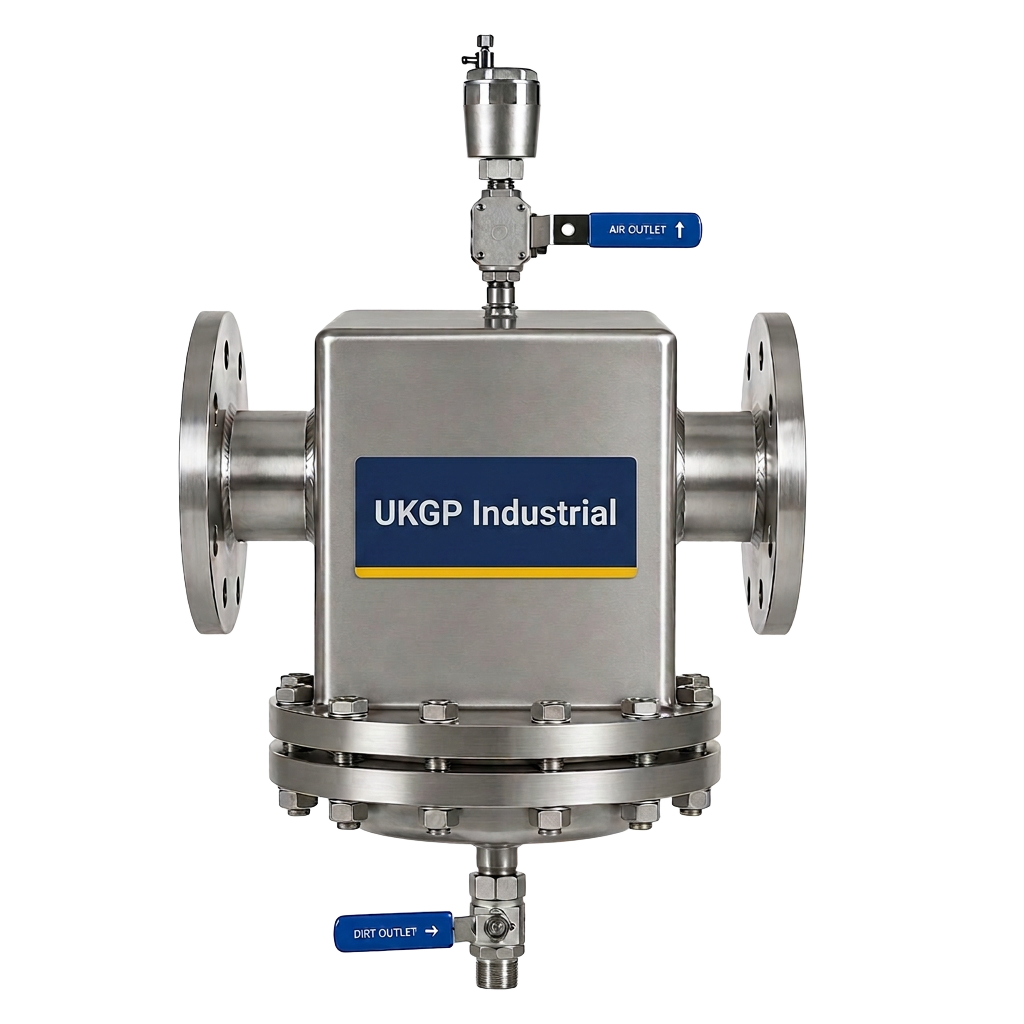
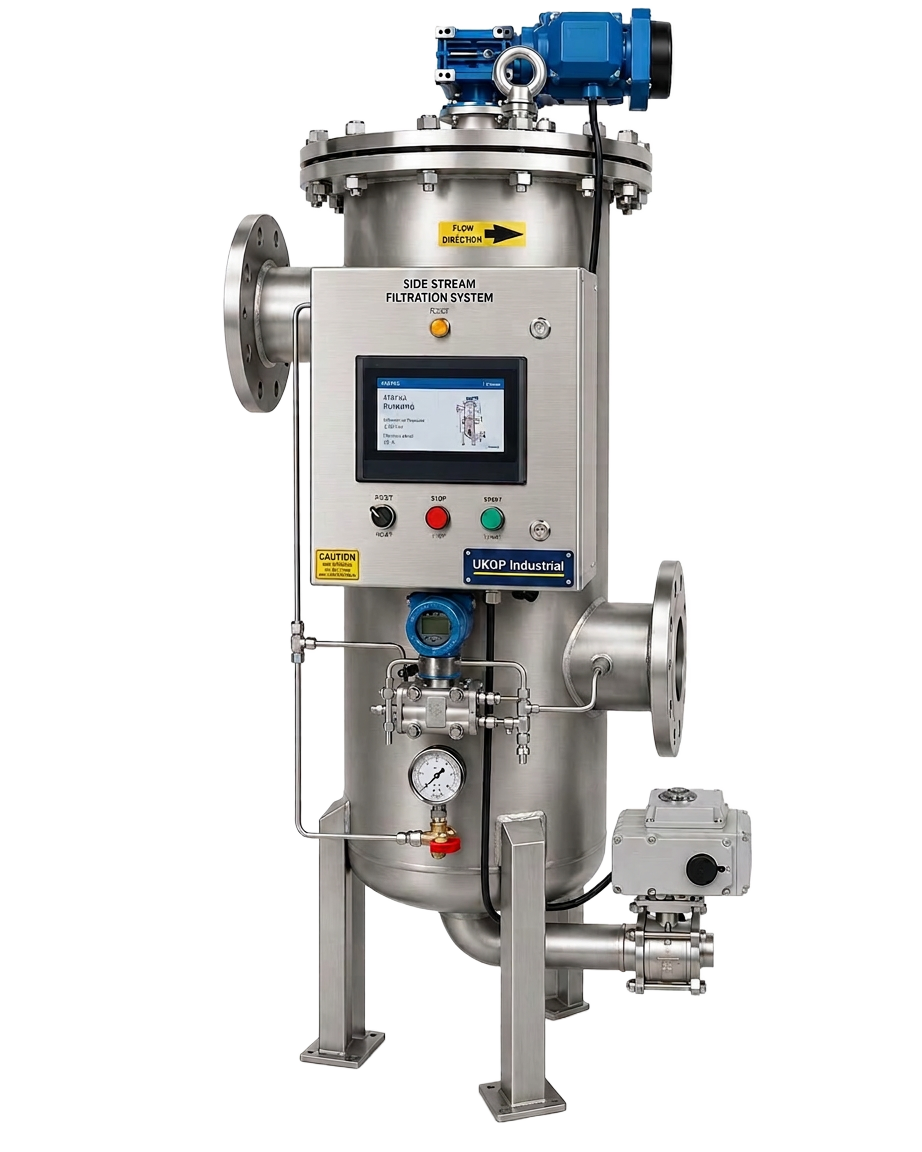
Furthermore, the integration of side stream filtration is often recommended alongside expansion joints to maintain system health. Keeping the water clean protects the flexible membranes within the expansion joint from abrasive particles. UKGP Industrial provides holistic solutions that bridge the gap between mechanical movement and water quality. By ensuring that every EPDM rubber expansion joint is installed within a well-maintained environment, engineers can extend the service life of the entire HVAC installation. This integrated approach to building services is what differentiates a standard installation from one that meets the highest professional standards currently expected in the Surrey and London construction markets.
- Compatibility with common corrosion inhibitors and biocides.
- Smooth internal surface to prevent sediment buildup.
- Resistance to the high flow rates required during BG29 flushing.
- Integration with side stream filtration for maximum longevity.
Installation best practices for UK plant rooms
The installation of an EPDM rubber expansion joint must be carried out with precision to avoid pre-stressing the component. One of the most common errors in UK plant rooms is using the expansion joint to correct pipework misalignment. These joints are designed to handle thermal movement, not to make up for poor fabrication. The pipework must be properly aligned, guided, and anchored according to BS EN 14917 guidelines. For contractors, this means ensuring that the main anchors are strong enough to withstand the full pressure thrust of the system. Without robust anchoring, the internal pressure will attempt to extend the joint, leading to potential failure of the bolts or the bellows material itself.
During the installation process, it is vital to check the flange faces for any sharp edges or burrs that could cut the EPDM material. UKGP Industrial recommends using a torque wrench to tighten bolts in a cross-pattern sequence to ensure even pressure across the sealing face. This prevents leaks and ensures that the EPDM rubber expansion joint sits perfectly between the flanges. If you are installing a flanged or weld-end unit, ensure that welding does not take place near the rubber, as the heat can cause irreparable damage to the elastomer. Our range includes DN15 to DN600 sizes, ensuring that whether you are working on a small header or a primary distribution main, we have the correct fit.
Finally, always verify the movement limitations specified in the UKGP technical data sheet. If the expected thermal expansion exceeds the joint's capability, multiple joints or a different configuration may be required. Control rods should be considered for most installations to prevent over-extension, especially where anchors may not be sufficiently rigid. UKGP Industrial offers a 2-year warranty on our EPDM rubber expansion joint range, covering EPDM, NBR, and even PTFE variants. This warranty reflects our confidence in the product's performance when installed by competent plant-room engineers. Request a quote today to secure high-specification bellows for your next project, ensuring your pipework is protected by the best in the industry.
- Use control rods to limit maximum extension and compression.
- Never use the expansion joint to compensate for misalignment.
- Ensure anchors are sized to handle the full pressure thrust.
- Protect the rubber from weld splatter and extreme heat during install.
Materials and pressure ratings for EPDM rubber expansion joint
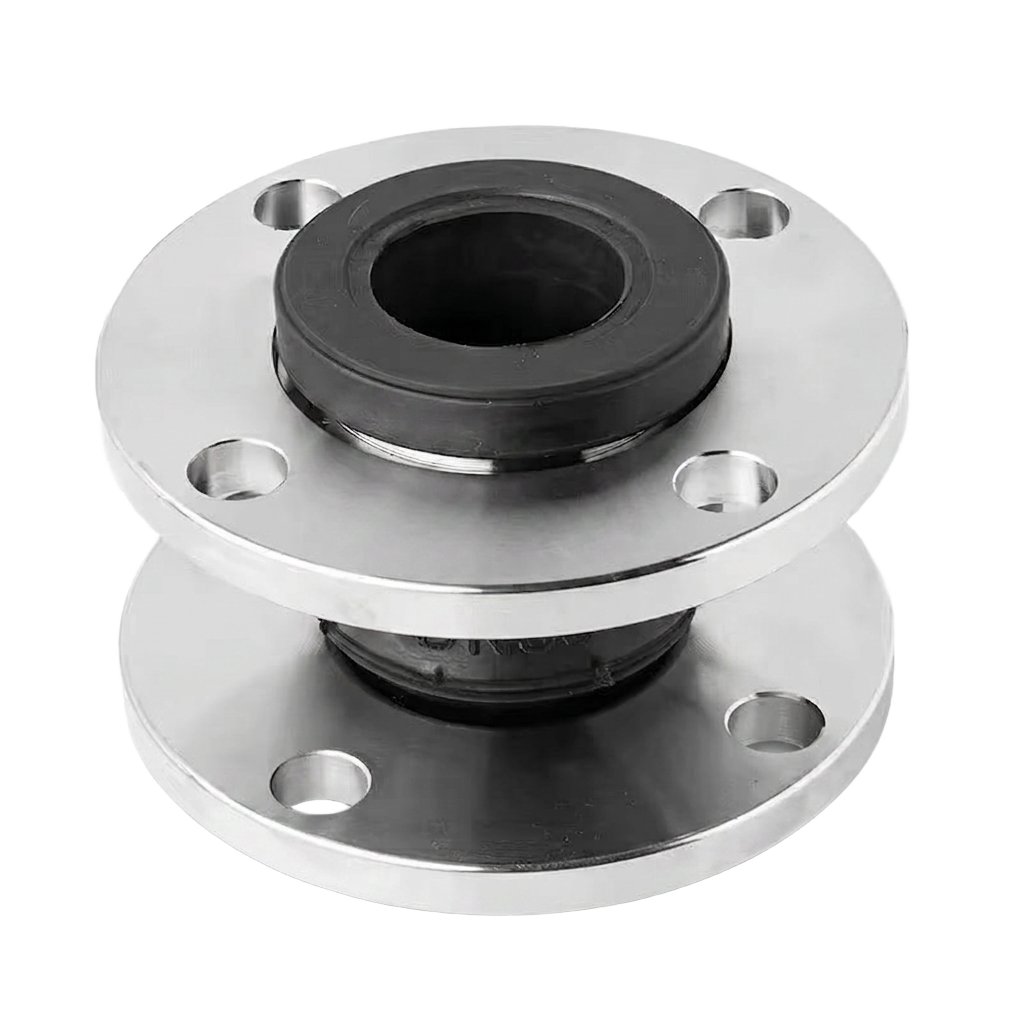
Technical specification begins with matching the material to the medium. An EPDM rubber expansion joint is the standard for heating and cooling, but for specialized industrial applications, UKGP also provides NBR for oils, PTFE for aggressive chemicals, and fabric for high-temperature ducting. The EPDM variant typically features a nylon reinforcement cord to provide structural integrity under pressure. In the UK, most commercial systems operate within PN10 or PN16 ratings, and our joints are designed to exceed these standards to provide a safety margin. It is crucial for M&E contractors to verify the pressure-temperature curve, as the maximum allowable pressure often drops as the temperature increases toward the 110°C limit.
Beyond the rubber bellows, the metal flanges are equally important. We provide carbon steel or stainless steel flanges, usually zinc plated for corrosion resistance in damp plant room environments. For those working on coastal projects or high-humidity sites, stainless steel flanges offer the necessary longevity. The EPDM rubber expansion joint is a composite engineering feat, blending the flexibility of polymers with the strength of steel. This combination is essential for handling the 'breathing' of the system as it cycles through different load demands throughout the day. By selecting UKGP Industrial as your supplier, you benefit from expert advice on material selection, ensuring your specification is technically sound and commercially viable.
For procurement leads, the availability of various end connections—ranging from DN15 threaded units to DN600 flanged bellows—allows for a streamlined supply chain. We understand that UK construction timelines are tight, and having a reliable Surrey-based partner for an EPDM rubber expansion joint can prevent costly delays. Our products are rigorously tested to ensure they meet the demands of modern high-pressure systems. Whether you are dealing with a simple boiler replacement or a complex multi-megawatt district heating scheme, the quality of your expansion joints will dictate the overall reliability of the mechanical services. Trusting a specialist supplier ensures you receive British-spec components that are fit for purpose and fully documented.
- Available in EPDM, NBR, PTFE, and Fabric options.
- Flange options include Carbon Steel and Stainless Steel (PN16-PN40).
- Sizes ranging from DN15 to DN600 for all pipework scales.
- Reinforced with high-tenacity synthetic fibres for pressure resistance.
Thermal expansion calculations and joint placement
Correctly calculating thermal expansion is the foundation of a successful EPDM rubber expansion joint installation. Engineers must calculate the change in length using the coefficient of thermal expansion for the specific pipe material, whether it be carbon steel, copper, or thin-walled stainless steel. Once the total expansion is known, the number of joints can be determined. It is a common mistake to under-specify the number of joints, leading to the EPDM being pushed beyond its elastic limit. UKGP Industrial's technical team can assist in reviewing these calculations to ensure that every EPDM rubber expansion joint is working within its design parameters, preventing premature fatigue or localized stress on the pipe supports.
Placement is just as critical as the calculation itself. Generally, an expansion joint should be located as close as possible to an anchor point, with the first pipe guide positioned within four pipe diameters of the joint. This guiding prevents the pipe from bowing under pressure, which would otherwise apply lateral forces to the EPDM rubber expansion joint. In UK plant rooms where space is at a premium, compact single-sphere joints are often the preferred solution. However, for applications requiring higher levels of noise attenuation or significant lateral offset, double-sphere configurations may be more appropriate. Proper planning ensures that the HVAC system operates quietly and efficiently, with minimal maintenance required over its 20 to 25-year design life.
Consult building services guides such as CIBSE Guide B for detailed advice on managing thermal movement. By integrating these principles with high-quality components from UKGP Industrial, you create a resilient infrastructure. The EPDM rubber expansion joint is essentially a safety valve for physical stress; if it is correctly placed and sized, the rest of the pipework remains protected from cracks and flange leaks. This attention to detail during the design phase is what separates high-performance buildings from those plagued by recurring leaks and vibration issues. Contact our engineering desk today to discuss your specific thermal movement requirements and get a quote for our 2-year warranted bellows.
- Calculate expansion based on Tmax - Tmin and the material coefficient.
- Place joints near main anchors for maximum stability.
- Ensure pipe guides are used to prevent lateral buckling.
- Consult CIBSE Guide B for industry-standard movement margins.
Maintenance and lifecycle of expansion bellows
While an EPDM rubber expansion joint is largely a fit-and-forget component, regular inspections are part of a proactive FM strategy. During annual plant room walk-throughs, engineers should look for signs of 'aging' such as surface cracking, ballooning, or hardening of the rubber. Exposure to extreme heat or chemical vapours can accelerate this process. If an EPDM rubber expansion joint shows signs of degradation, it should be replaced during the next scheduled shutdown to avoid unplanned downtime. UKGP components are built to last, but the harsh environment of a basement plant room means that environmental factors must always be monitored. Our 2-year warranty provides initial security, but the actual service life often exceeds a decade with proper water treatment.
When replacing an old joint, it is an excellent time to re-evaluate the system's current performance. Has the system temperature increased? Has the pump duty been uprated? These changes might necessitate a higher-spec EPDM rubber expansion joint than the one originally installed. UKGP Industrial stocks a wide range of sizes and materials in our Surrey warehouse, allowing for rapid dispatch to sites across the UK. For FMs, having a partner who understands the technical nuances of these products is invaluable. We don't just supply the part; we provide the technical background to ensure the replacement is an improvement on the original, perhaps by upgrading to a stainless steel or PTFE-lined variant for better chemical resistance.
In conclusion, the EPDM rubber expansion joint is a small but vital investment in the reliability of UK building services. From adhering to BSRIA standards to ensuring precise installation and anchoring, every step in the process contributes to a quieter, safer, and more durable HVAC system. UKGP Industrial is proud to support M&E contractors and consultants with high-grade components that meet all relevant British and European standards. For your next project, whether it's a new build or a refurbishment, choose the confidence of UKGP engineering. Get in touch with our team today for a competitive quote on our full range of expansion bellows and plant room ancillaries.
- Inspect for surface ‘crazing’ or hardening annually.
- Check for bolt tightness and flange alignment during maintenance.
- Ensure the rubber has not been painted, as solvents can damage it.
- Replace joints immediately if ballooning or internal ply separation is visible.
Frequently asked questions
What is the maximum temperature for an EPDM rubber expansion joint?
- Typically, an EPDM rubber expansion joint can handle temperatures up to 110°C, making it ideal for LTHW systems. For higher temperatures, stainless steel bellows are usually required.
Can EPDM expansion joints be used for potable water?
- Yes, provided they are manufactured with WRAS-approved EPDM. Always specify if the joint is for potable water use to ensure compliance with UK water regulations.
Do I need control rods on my EPDM rubber expansion joint?
- Control rods are highly recommended, especially where the pipe anchors aren't sufficiently strong to prevent the joint from over-extending due to internal pressure thrust.
What is the difference between EPDM and NBR joints?
- EPDM is best for water, glycol, and steam, whereas NBR (Nitrile) is required for systems containing oils, fats, or hydrocarbons which would degrade EPDM.
How long is the warranty on UKGP expansion joints?
- UKGP Industrial provides a 2-year warranty on our various expansion bellows, including EPDM, NBR, and stainless steel models, ensuring long-term peace of mind.