Understanding the Culm Stores Low Loss Header Role
In modern commercial heating systems, maintaining the correct flow rate through the primary heat source is essential for both performance and longevity. The Culm Stores Low Loss Header acts as a neutral point of pressure, allowing the boiler pump and the distribution pumps to operate independently without interference. This is particularly vital in large-scale UK installations where variable speed pumps are utilised on the secondary side to meet fluctuating heat demands from multiple zones. By decoupling these circuits, you ensure that the high-efficiency heat exchangers within the boilers are never starved of flow or subjected to excessive pressure drops, which could otherwise lead to premature failure or inefficient cycling.
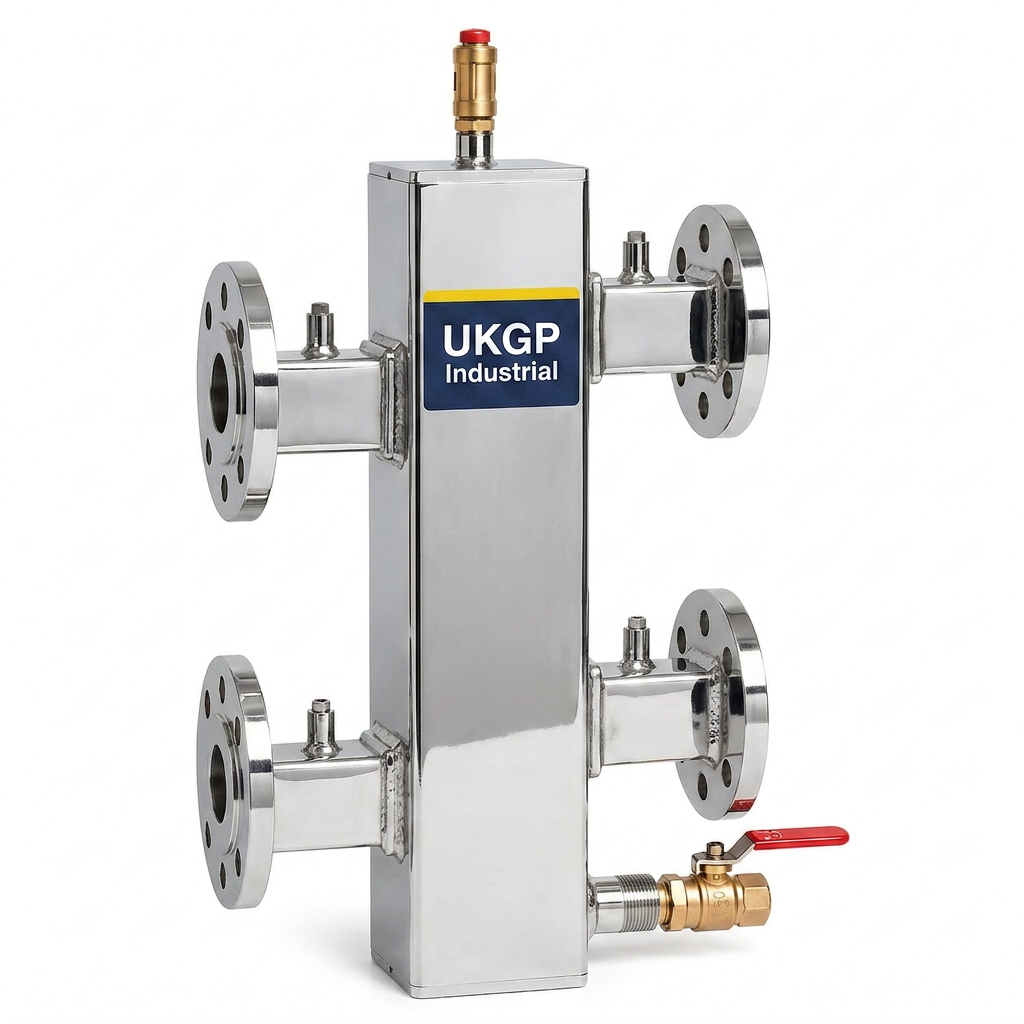
Choosing a Culm Stores Low Loss Header also provides a secondary benefit regarding air and dirt management. As the hot water enters the header, the velocity significantly decreases due to the increased cross-sectional area. This reduction in velocity allows for micro-bubbles of air to rise to the top and suspended solids to settle at the bottom. Effective hydraulic separation through this method is a cornerstone of professional plant room design, aligning with best practices for system longevity and thermal transfer. For contractors, this means fewer call-backs and a more robust installation that meets the demanding thermal requirements of contemporary high-output heating systems.
When managing older systems alongside new boiler plant, the Culm Stores Low Loss Header serves as a critical interface. It accommodates the differing flow requirements of legacy pipework and modern high-resistance boilers. This flexibility is essential for Facilities Managers overseeing phased upgrades where total system replacement is not feasible. By integrating this header, you create a stable hydraulic environment that protects new assets while maintaining comfort levels across the existing building fabric. It is a proven solution for balancing complex hydronic networks where precision and reliability are non-negotiable for the building services engineer.
- Maintains constant flow through the boiler primary circuit
- Prevents pump conflict between primary and secondary loops
- Assists in the separation of air and debris through velocity reduction
- Enables precise temperature control across multiple heating zones
- Simplifies hydraulic calculations for complex commercial circuits
Technical Specification for Low Loss Headers
UKGP Industrial provides a high-specification alternative for those looking to source a Culm Stores Low Loss Header style solution with rapid availability. Our commercial headers are engineered for outputs ranging from 40 kW right up to 2000 kW, ensuring coverage for everything from light commercial units to large industrial district heating schemes. These units are available with both flanged PN16 and threaded BSP connections, catering to the specific pipework requirements of each site. Standardising on these specs allows M&E contractors to maintain high installation standards while ensuring the system remains compatible with all leading commercial boiler manufacturers' requirements for flow and return temperature differentials.
Each UKGP low loss header is supplied with a high-quality insulation jacket as standard. This is not just a secondary thought but a critical component in meeting the stringent requirements of Part L of the Building Regulations. By minimising radiant heat loss from the header body, we ensure that the maximum amount of energy is delivered to the emitters rather than heating the plant room air. Our units are manufactured to the highest standards, ensuring a long service life in demanding environments. We back this quality with a comprehensive 2-year warranty and a market-leading lead time of just 2-3 weeks, significantly reducing the project risks associated with long procurement chains.
Installation of the header should always follow the manufacturer’s orientation guidelines to ensure the internal baffles or flow patterns function correctly. Whether your project requires a vertically or horizontally mounted unit, ensuring the sensor pocket is correctly utilised for the system control strategy is paramount. These headers are often used as the central logic point for the Building Management System (BMS), providing a stable location for temperature sensors to read the mixed flow temperature. Contact our technical team today to request a quote or to discuss the specific flanged or threaded requirements for your current commercial boiler project.
- Power ratings from 40 kW to 2000 kW available
- Connection options: Threaded BSP or Flanged PN16
- Included bespoke insulation jackets for energy efficiency
- Fast 2-3 week lead time for UK-wide delivery
- Robust 2-year warranty on all standard header units
Compliance with BSRIA and CIBSE Standards
Adhering to industry standards such as BSRIA BG29 and BG50 is vital when installing a Culm Stores Low Loss Header. These documents outline the necessity of chemical cleaning and ongoing water treatment to prevent the accumulation of magnetite and scale. A low loss header can act as a collection point for debris, but it should never be the sole method of filtration. Integrating the header within a closed-loop system that follows a rigorous water quality regime ensures that the hydraulic separation remains effective and that the internal vessel does not become a bottleneck for sludge. Our technical team recommends a comprehensive approach to water health for all commercial heating and chilled water projects.
CIBSE guidelines also emphasise the importance of correct sizing to prevent high-velocity turbulence within the header. If a header is undersized, the kinetic energy of the water can cause mixing issues, defeating the purpose of hydraulic decoupling. When you specify a Culm Stores Low Loss Header, careful attention must be paid to the maximum flow rate the secondary circuit will demand during peak load. Over-sizing is generally safer than under-sizing, as it ensures the vertical velocity within the header remains below 0.1 to 0.2 m/s, promoting the intended laminar flow characteristics needed for efficient air and dirt separation and accurate temperature sensing for the boiler controls.
Furthermore, BS EN 14917 standards regarding expansion joints may also be relevant when the header is part of a large rigid pipework run. Thermal expansion can exert significant mechanical stress on the header nozzles if not properly mitigated. Ensuring the header is mounted on appropriate supports that allow for a degree of movement, or using expansion bellows, protects the integrity of the welded joints. This holistic engineering approach ensures the plant room operates quietly and reliably for its intended lifecycle. At UKGP Industrial, we provide the full suite of plant room components to ensure your high-value boilers and headers are protected from mechanical and chemical degradation.
- Alignment with BSRIA BG29 pre-commission cleaning protocols
- Support for BG50 water quality monitoring in closed loops
- Design flow velocities maintained below 0.2 m/s
- Robust thermal expansion management via BS EN 14917 standards
- Integration with BMS sensors for CIBSE compliant monitoring
Best Practices for Installation and Maintenance
Successful installation of a Culm Stores Low Loss Header begins with proper positioning within the primary loop. The header should be placed as close to the boilers as possible to minimise pressure drop on the primary side. This ensures that the primary pumps can be sized economically and operate efficiently. Once installed, the maintenance technician should ensure that the automatic air vent located at the top of the header is functioning correctly and that the drain valve at the base is periodically flushed to remove any settled solids. This simple maintenance task can prevent high levels of grit from recirculating through the secondary pumps and heat emitters.
For M&E contractors, the ease of installation is a major factor. Our headers are designed to be fit-for-purpose with clearly marked flow and return ports to prevent cross-piping. Given the current pressures on site timelines, our 2-3 week lead time for custom and standard sized headers ensures that the plant room schedule remains on track. Whether you are using a Culm Stores Low Loss Header for a new build or a refurbishment, ensuring the unit is properly level and supported is essential for the long-term integrity of the pipework connections. Flanged units should be tightened in a star pattern to ensure even gasket compression and a leak-free start-up.
Maintenance should also include a visual inspection of the insulation jacket. A damaged or missing jacket on a Culm Stores Low Loss Header can lead to significant heat loss, particularly in unheated basement plant rooms. Keeping the header insulated ensures that the temperature sensor in the header well provides an accurate reflection of the flow temperature, preventing the boilers from over-firing to compensate for local heat loss. By treating the low loss header as a precision instrument rather than just a piece of pipework, FMs can significantly reduce operational costs and carbon emissions over the life of the building's mechanical services.
- Position header close to heat source for hydraulic efficiency
- Regularly flush bottom drain to remove accumulated sediment
- Check automatic air vents (AAVs) for consistent operation
- Inspect insulation jackets for thermal integrity and fit
- Verify temperature sensor calibration within the header well
Integrating Air and Dirt Separation
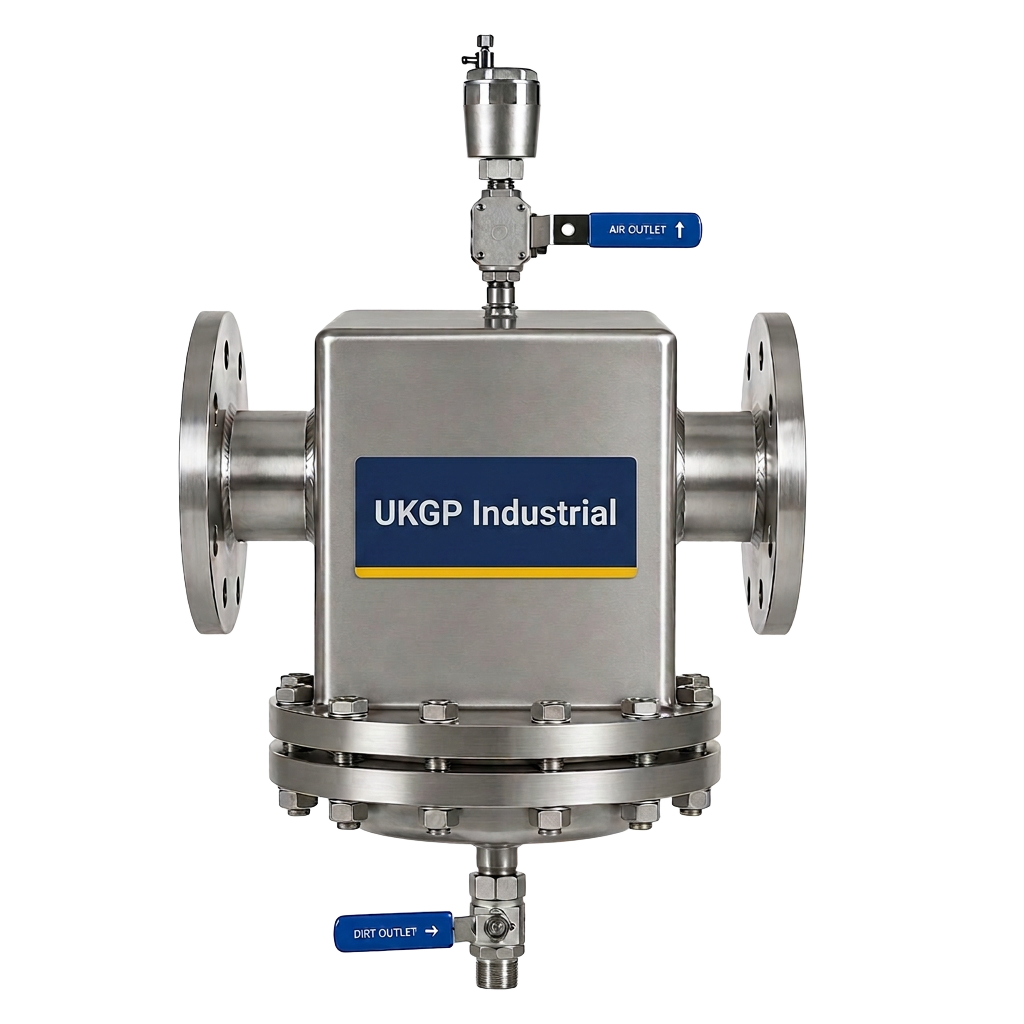
While a Culm Stores Low Loss Header provides a degree of natural separation, modern high-efficiency systems often require dedicated air and dirt separators to meet BSRIA requirements. Combining a low loss header with a high-performance separator ensures that even the smallest micro-bubbles and magnetic particles are removed from the system. This is especially important when protecting the high-resistance heat exchangers found in modern commercial boiler technology. By removing these contaminants before they reach the header, you ensure the header remains clean and that the hydraulic separation remains consistent throughout the heating season without the risk of internal scaling.
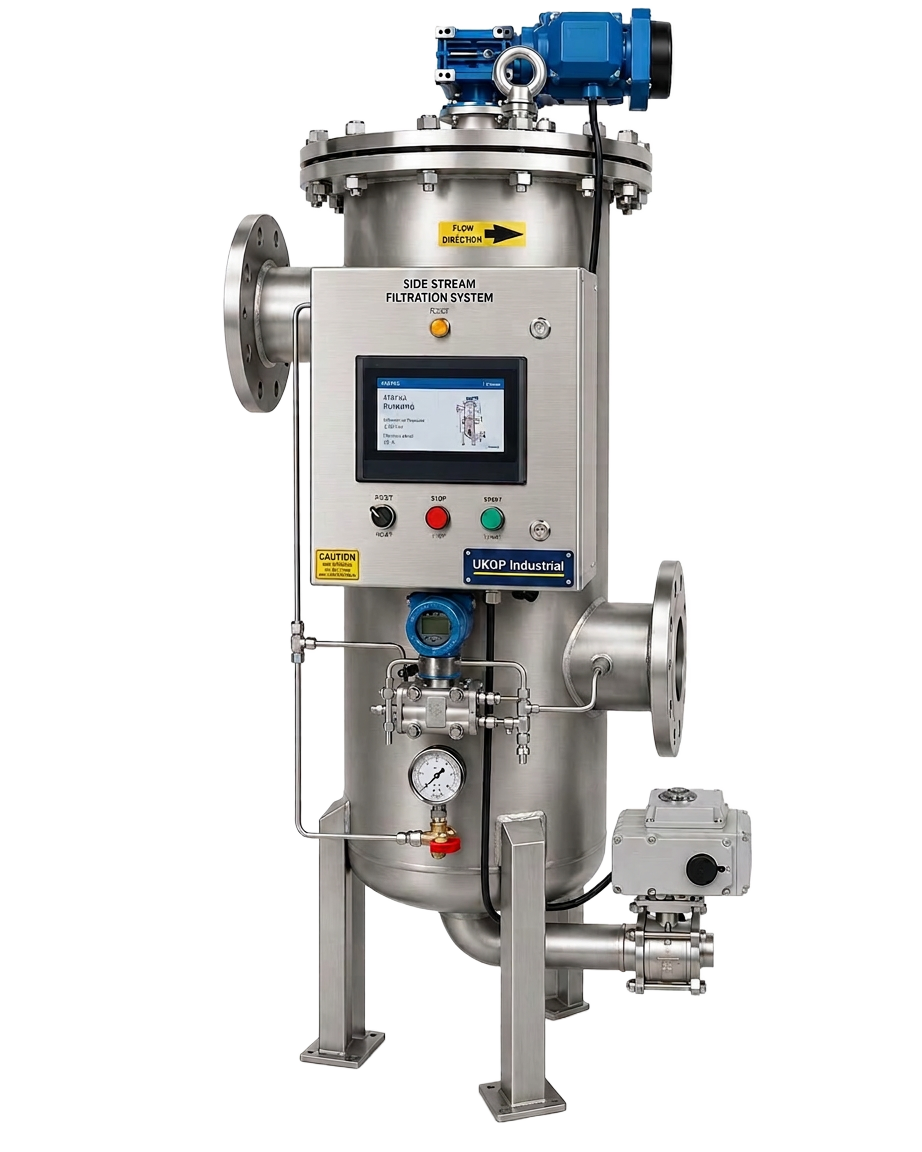
The synergy between a Culm Stores Low Loss Header and peripheral equipment like dosing pots and side stream filtration cannot be overstated. A well-designed plant room uses the header as the central hub, but relies on these auxiliary components to maintain the water chemistry specified in BS 8552. If the water quality degrades, the efficiency of the thermal exchange within the header is compromised, leading to higher fuel bills and potential equipment failure. Our range of plant room solutions is designed to work in harmony, offering engineers a one-stop-shop for reliable, high-performance hydronic distribution components with technical support to match.
Finally, always consider the system volume when specifying your expansion vessels alongside the Culm Stores Low Loss Header. The header adds a specific volume of stagnant water to the system that must be accounted for in expansion calculations. Accurate sizing of the expansion and pressurisation equipment ensures that the neutral point of the system—the low loss header—remains at a stable pressure. This preventing pump cavitation and ensures that the air venting features of the header work under the correct static head pressure. We provide comprehensive technical data for all our headers to assist engineers in these critical system-wide calculations.
- Aids in meeting BS 8552 water quality standards
- Complements side stream filtration for total system protection
- Reduces maintenance on high-efficiency boiler heat exchangers
- Essential for systems utilizing variable speed distribution pumps
- Provides a secondary location for magnetic dirt collection
Procurement and Sizing of the Low Loss Header
Procuring a Culm Stores Low Loss Header requires accurate data regarding the system's Delta T and total kilowatt output. For example, a system operating on a 20-degree differential will require a smaller header than one operating on an 11-degree differential for the same total heat load. Our technical sales team can assist in converting your boiler plant's total output (40-2000 kW) into the correct header size to ensure optimal performance. With our 2-3 week lead times and 2-year warranty, UKGP Industrial is the preferred partner for contractors needing reliable equipment delivered to site exactly when the plant room fit-out commences.
Choosing between a flanged or threaded Culm Stores Low Loss Header often depends on the existing site standards or the preference of the installing engineer. Threaded BSP connections are common for smaller 40-150 kW systems, offering a compact and cost-effective solution. For larger industrial applications, flanged PN16 connections provide the robust mechanical strength required for larger diameter pipework. Regardless of the connection type, our headers are built to withstand the rigours of continuous commercial use, ensuring that once installed, they remain a reliable part of the building's infrastructure for decades to come, supported by our manufacturer's guarantee.
In conclusion, the Culm Stores Low Loss Header is more than just a junction; it is the heart of a balanced hydronic system. By ensuring the primary and secondary circuits are properly decoupled, you protect your investment in high-value boiler plant and ensure a comfortable environment for building occupants. Whether you are at the design stage or looking for a replacement unit for a live project, UKGP Industrial offers the expertise and the inventory to satisfy your requirements. Reach out to us for a competitive quote and technical drawings to see how our headers can be integrated into your next commercial HVAC project with confidence.
- Range of sizes available for 40 kW to 2000 kW projects
- Choice of BSP threaded or PN16 flanged connections
- Lead times of 2-3 weeks to avoid project delays
- Full technical support for sizing and connection selection
- Compliant with all major UK mechanical specifications
Frequently asked questions
What is the primary function of a Culm Stores Low Loss Header?
- A Culm Stores Low Loss Header is designed to decouple the primary boiler circuit from the secondary heating circuit. This ensures that the flow rates in each circuit are independent, preventing pump conflict and ensuring the boiler always receives the correct flow, which is essential for efficiency and warranty compliance.
Which connection types are available for these low loss headers?
- Professional low loss headers from UKGP, serving as a high-quality alternative to a Culm Stores Low Loss Header, are available with either BSP threaded connections for smaller loads or PN16 flanged connections for larger commercial and industrial applications up to 2000 kW.
Do these headers come with insulation as standard?
- Yes, our low loss headers are supplied with bespoke, high-efficiency insulation jackets. This is crucial for meeting UK Building Regulations (Part L) and preventing unwanted heat loss in plant rooms, ensuring the maximum thermal energy reaches its intended destination.
How long is the typical lead time for a Culm Stores Low Loss Header alternative?
- UKGP Industrial offers a rapid turnaround with a standard lead time of just 2-3 weeks for our commercial low loss headers. This helps M&E contractors and procurement leads avoid the long delays often associated with specialised plant room components.
What is the warranty period for a commercial low loss header?
- We provide a robust 2-year warranty on our range of low loss headers. This gives building owners and facility managers peace of mind regarding the durability and manufacturing quality of the vessel in a demanding commercial heating environment.