Understanding Hydraulic Separation in Commercial HVAC
Hydraulic separation is a fundamental requirement in modern commercial heating architectures where multiple circuits operate with different flow requirements. By integrating a 60 kw low loss header into the system, M&E contractors can decouple the boiler loop from the building's heating zones, preventing unwanted interactions such as pump conflict or erratic temperature fluctuations. This separation is particularly vital when dealing with high-efficiency condensing boilers where maintaining a consistent delta T is paramount for achieving maximum thermal efficiency. Without a correctly sized header, the internal circulators of major UK commercial boiler OEMs can be subjected to excessive back-pressure, leading to premature mechanical failure and voided warranties.
The physics of a 60 kw low loss header relies on creating a zone of low pressure where the primary and secondary circuits meet. This allows the primary pump to maintain a constant flow through the heat source regardless of how many zones are calling for heat on the secondary side. This is especially relevant in mixed-use developments where underfloor heating, radiators, and domestic hot water (DHW) calorifiers all demand different flow rates and temperatures at different times. Following BSRIA BG29/2021 pre-commissioning cleaning guidelines is also easier when a clear hydraulic break exists, as it facilitates more controlled flushing and chemical treatment of individual system branches during the initial installation phase.
Furthermore, using a dedicated low loss header simplifies the commissioning process for site engineers. Instead of struggling with complex hydronic calculations to balance multiple modulating pumps, the header provides a neutral point that stabilizes the entire network. This stability reduces commissioning time and minimizes the risk of post-handover callouts due to noisy pipes or underperforming heat emitters. UKGP Industrial provides these headers with premium insulation jackets as standard, which reduces parasitic heat loss in the plant room, ensuring that every kilowatt produced by the boiler is directed exactly where it is needed most, supporting overall building energy performance certificates (EPCs).
- Prevents primary and secondary pump conflict
- Ensures constant flow through heat exchangers
- Facilitates efficient boiler modulation
- Simplifies hydraulic balancing in complex zones
- Complies with CIBSE AM14 peak load requirements
Technical Specifications of a Quality 60 Kw Low Loss Header
When specifying a 60 kw low loss header, engineers must look beyond basic dimensions and consider the material quality and connection versatility. A robust header should be manufactured from high-grade carbon steel or stainless steel to withstand the cyclical thermal stresses of a commercial heating season. UKGP Industrial offers headers that cater to a wide range of power outputs from 40-2000 kW, with the 60 kw model being a popular choice for light commercial applications like schools, health centres, and retail units. These units are available with both BSP threaded connections for smaller pipework or PN16 flanged connections for more permanent, high-pressure installations, ensuring compatibility with varying site requirements.
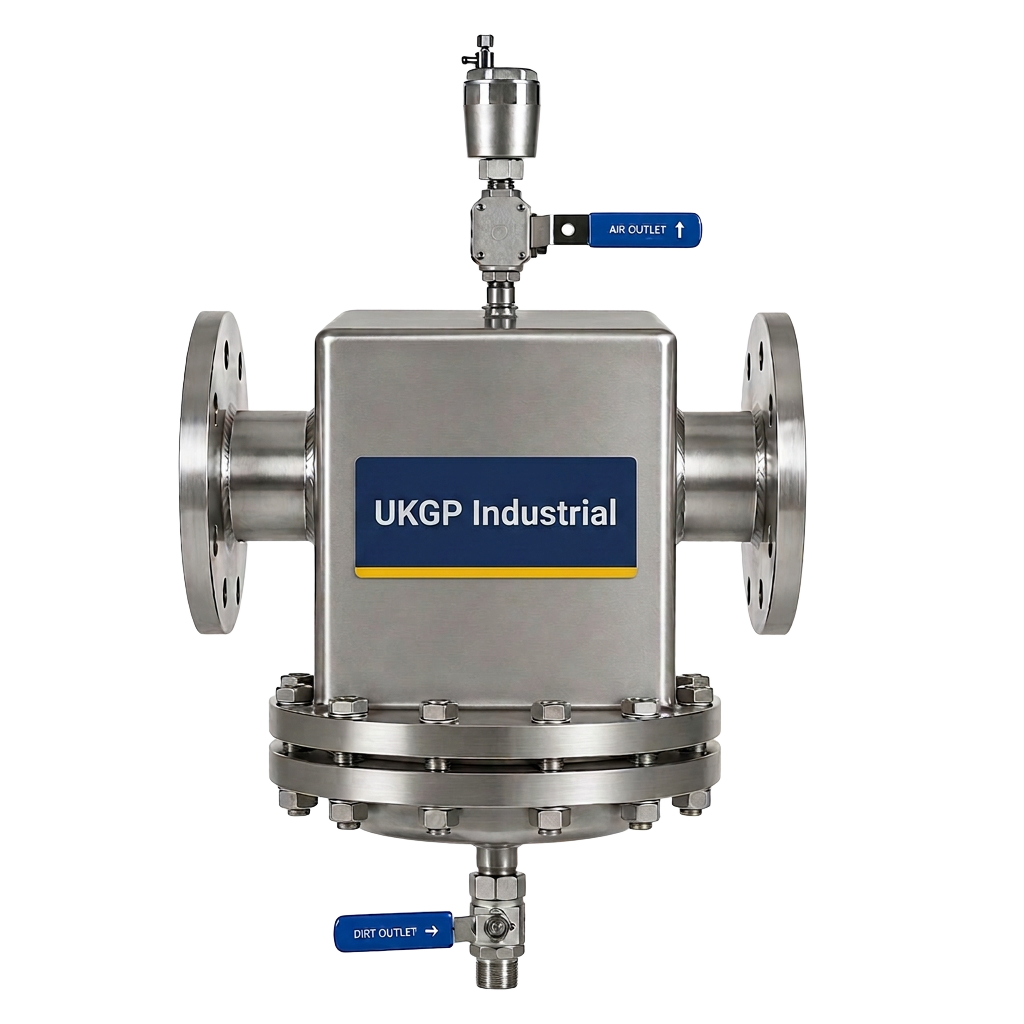
The internal design of the header is just as critical as its external casing. High-quality headers feature internal baffles or flow-directing plates that encourage the separation of air and the settlement of dirt, acting as a secondary line of defence for the system. While not a replacement for dedicated air & dirt separators, a well-designed 60 kw low loss header contributes to the overall cleanliness and longevity of the hydronic loop. Designers should also consider the orientation and spacing of the connection ports to ensure that laminar flow is maintained as much as possible, as turbulent flow within the header can introduce noise and reduce the effectiveness of the hydraulic decoupling process.
Lead times and reliability are often the deciding factors for procurement leads managed under tight project deadlines. UKGP Industrial recognizes this by offering a 2-3 week lead time on most commercial header configurations, coupled with a comprehensive 2-year warranty to provide peace of mind to facility managers and contractors. By sourcing a 60 kw low loss header that is pre-fitted with a bespoke insulation jacket, installers can save significant time on-site, moving quickly from installation to insulation without waiting for third-party thermal cladding contractors. This practical approach to product design reflects a deep understanding of the fast-paced nature of UK mechanical and electrical contracting.
- Available in BSP or PN16 flanged variants
- Integrated insulation jackets included as standard
- Durable carbon steel construction for longevity
- Compact footprint for constrained plant room spaces
- Compatible with flows up to 2000 kW for larger sites
Integration with Air & Dirt Separators for System Longevity
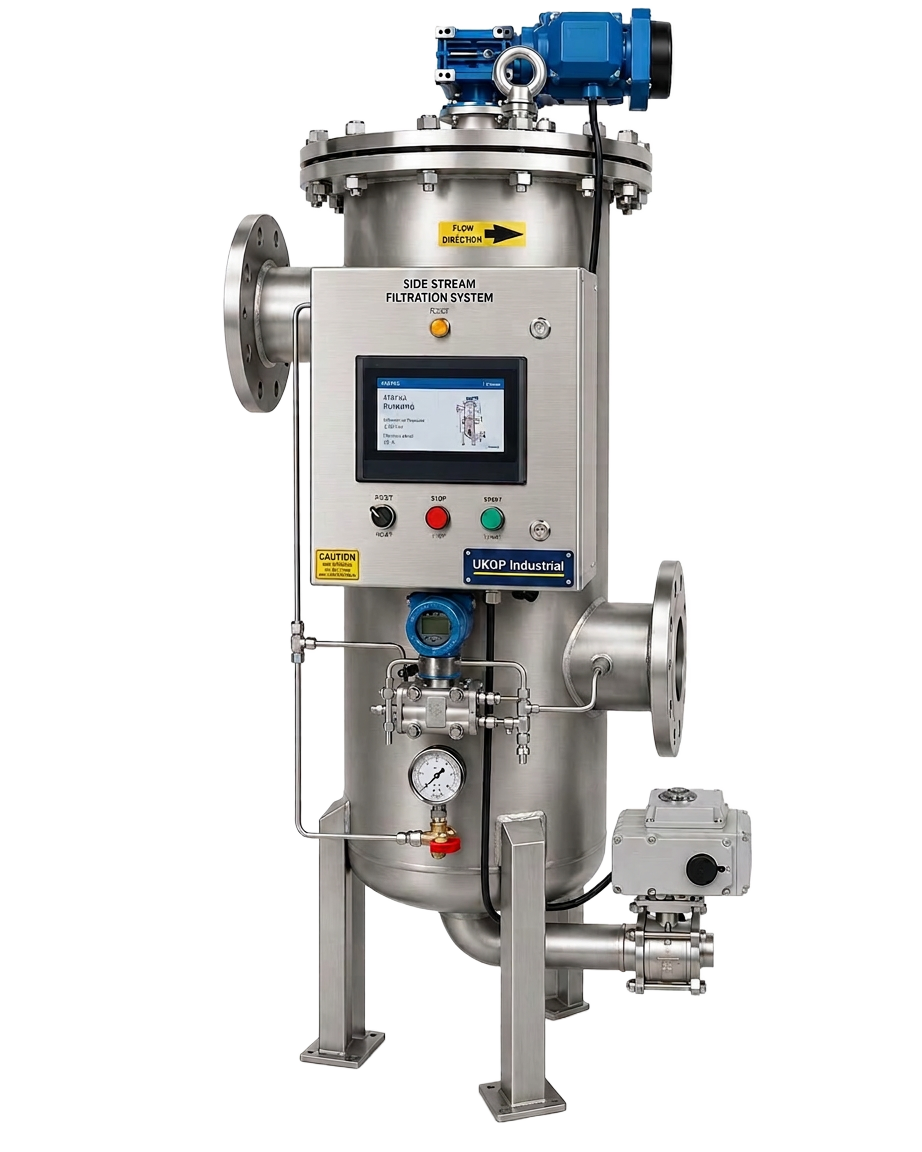
While a 60 kw low loss header serves the primary purpose of hydraulic separation, its effectiveness is significantly enhanced when paired with high-quality air and dirt removal components. In any closed-loop hydronic system, the presence of microbubbles and magnetite can lead to reduced heat transfer efficiency and catastrophic component failure. BSRIA BG50 recommends the use of side stream filtration or dedicated separators to maintain water quality. UKGP’s range of air and dirt separators can be strategically placed upstream of the header to ensure that the fluid entering the primary boiler loop is as clean as possible, protecting the expensive internal components of your commercial heat sources.
Modern high-efficiency boilers use compact heat exchangers with narrow waterways that are highly susceptible to blockage from debris. By using a 60 kw low loss header alongside a dosing pot for chemical inhibitors, maintenance teams can ensure the system remains compliant with BS 8552 water quality standards. This holistic approach to plant room design not only extends the life of the 60 kw low loss header itself but also ensures that the entire heating network operates at peak design efficiency for decades. The combination of hydraulic separation and proactive debris management is the gold standard for any commercial HVAC installation aiming for long-term sustainability and low operational costs.
In many retrofit scenarios, the existing pipework may contain years of accumulated sludge. Installing a new 60 kw low loss header provides an ideal opportunity to modernize the system's protection. By incorporating a side stream filtration unit from UKGP Industrial alongside the header, contractors can continuously clean the system water without needing to shut down the heating. This is particularly beneficial in critical environments like care homes or hospitals where downtime is not an option. Investing in professional-grade separation and filtration equipment alongside your low loss header is a commercially wise decision that pays dividends in reduced maintenance call-outs and lower fuel consumption across the building's lifecycle.
- Protects narrow boiler waterways from debris
- Enhances thermal conductivity of system fluid
- Reduces oxygen-related corrosion in pipework
- Supports compliance with BSRIA BG50 standards
- Easier maintenance via dedicated drain-off points
Installation and Commissioning Best Practices
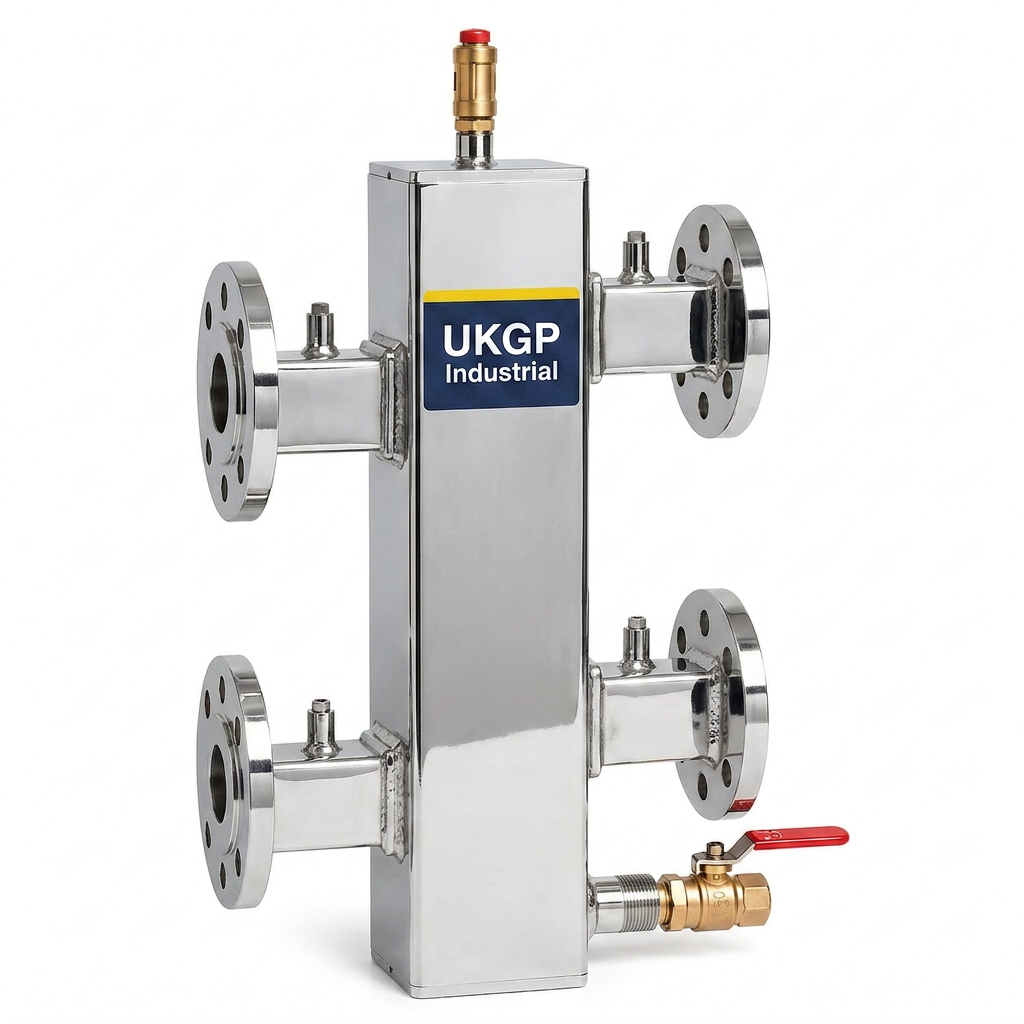
Successful implementation of a 60 kw low loss header starts with correct positioning within the plant room layout. Ideally, the header should be mounted vertically to take advantage of natural buoyancy for air venting at the top and sediment collection at the bottom. The header acts as a stagnant zone where water velocity drops, allowing air to rise to the automatic air vent and dirt to settle for periodic blowing down. Installers must ensure that the primary circuit pumps are sized correctly to overcome the resistance of the boiler and primary pipework, while the secondary pumps are sized for the building's distribution losses, ensuring the 60 kw low loss header remains the point of zero pressure.
Commissioning engineers should verify the temperature profiles across the four main ports of the 60 kw low loss header. Under normal operation, the flow temperature from the primary side should be slightly higher than the flow temperature to the secondary side if the primary flow exceeds the secondary demand. Conversely, if the secondary demand exceeds the primary supply, return water will mix with the flow, lowering the temperature delivered to the zones. Understanding these dynamics is crucial for setting up the boiler’s weather compensation curves and building management system (BMS) logic. UKGP’s technical support team can provide guidance on port sizing and flow rates to ensure your bespoke header meets these exacting operational targets.
Finally, the importance of thermal insulation cannot be overstated. A 60 kw low loss header without an insulation jacket becomes a massive radiator in the plant room, wasting expensive energy and increasing the cooling load of the space. UKGP Industrial provides tailored insulation jackets that are easy to remove and refit during inspection, ensuring that the 60 kw low loss header meets the stringent requirements of Part L of the Building Regulations. By focusing on these installation details—vertical orientation, port temperature monitoring, and high-quality thermal cladding—contractors can deliver a superior mechanical installation that meets the professional expectations of UK building services consultants and institutional clients.
- Vertical mounting recommended for air/dirt removal
- Include automatic air vents on the top port
- Utilize drain valves for easy sludge removal
- Verify temperature delta across primary/secondary
- Ensure insulation jackets are tight and secure
Commercial Benefits for Facilities Managers
For Facilities Managers, the 60 kw low loss header represents a strategic asset that minimizes operational risk. By ensuring the boiler is never subjected to 'no-flow' or 'low-flow' conditions, the header prevents cycling and thermal shock, which are the leading causes of heat exchanger cracking. This reliability is essential for maintaining tenant comfort and avoiding the high costs associated with emergency boiler repairs. A system stabilized by a 60 kw low loss header is also significantly quieter, as the hydraulic decoupling prevents the high-velocity noise often associated with pumps working against closed valves or poorly balanced circuits in larger commercial properties.
From a procurement perspective, the value of a 2-year warranty and a UK-based supply chain cannot be ignored. When a 60 kw low loss header is sourced from UKGP Industrial, FMs benefit from a product engineered for the specific water chemistries and environmental conditions found in the UK. The availability of replacement parts and technical documentation ensures that the plant room remains serviceable for its intended 20-25 year lifespan. Furthermore, the inclusion of a low loss header makes future system expansions much simpler; as long as the total load remains within the 40-2000 kW range of the header series, additional circuits can be added to the secondary side with minimal disruption to the primary boiler loop.
Energy efficiency is another area where the 60 kw low loss header delivers commercial value. By facilitating the correct operation of condensing boilers—ensuring return temperatures remain low enough for the flue gases to condense—the header directly contributes to lower gas bills. In an era of high energy prices and tightening carbon regulations, every marginal gain in system efficiency is vital. FMs who prioritize the installation of high-spec hydraulic components like those from UKGP Industrial are better positioned to meet corporate sustainability goals and reduce the lifetime cost of ownership for their HVAC assets, making the 60 kw low loss header a smart investment for any commercial portfolio.
- Reduced boiler cycling and mechanical wear
- Lower noise levels in occupied building zones
- Simplified future-proofing for system extensions
- Enhanced condensing performance and fuel savings
- UK-based support and 2-year peace of mind warranty
Sizing Your 60 Kw Low Loss Header Correctly
Sizing a 60 kw low loss header is not just about matching the boiler output; it is about managing the maximum possible flow rate of the system. The internal velocity within the header should generally not exceed 0.1 to 0.2 meters per second to ensure effective hydraulic decoupling and air/dirt separation. If the header is undersized, the velocity will be too high, and the 'neutral' pressure zone will be lost, resulting in the primary and secondary pumps influencing each other. Consulting with the technical team at UKGP Industrial ensures that the 60 kw low loss header you select is perfectly matched to the specific flow requirements of your secondary pumps and the bypass needs of your primary heat source.
When calculating the required size, engineers must account for the maximum concurrent load of the building. While the boiler might be rated at 60 kW, the peak flow during a morning warm-up period might require careful management to prevent the header from becoming a bottleneck. UKGP headers are designed with a generous internal volume to handle these peaks effortlessly. Whether you require a standard 60 kw low loss header with BSP threads for a rapid install or a bespoke PN16 flanged unit for a heavy-duty industrial application, the focus remains on maintaining that critical low-velocity zone that allows the different system circuits to coexist harmoniously without dynamic interference.
In conclusion, the 60 kw low loss header is the heart of a well-engineered commercial heating system. Its role in protecting the boiler, simplifying commissioning, and improving energy efficiency makes it a non-negotiable component for professional M&E installations. By choosing UKGP Industrial, you gain access to high-quality, insulated headers with short lead times and the technical expertise required to solve complex hydronic challenges. To secure a quote for a 40-2000 kW commercial header tailored to your project’s specific PN16 or BSP requirements, contact our Surrey-based team today and ensure your next plant room build is finished to the highest UK standards.
- Match header volume to peak system flow rates
- Maintain low internal velocity for decoupling
- Choose between BSP and PN16 flanged connections
- Consult UKGP for bespoke sizing for 40-2000 kW loads
- Ensure insulation fits perfectly for maximum efficiency
Frequently asked questions
What is the primary function of a 60 kw low loss header?
- A 60 kw low loss header creates a neutral pressure zone that separates the primary boiler circuit from the secondary heating circuits, allowing each to operate at different flow rates without interference.
Does the 60 kw low loss header come with insulation?
- Yes, UKGP Industrial provides high-quality insulation jackets with our headers to ensure compliance with building regulations and to minimize heat loss in the plant room.
What are the typical lead times for a 60 kw low loss header?
- We typically offer a lead time of 2-3 weeks for our commercial headers, ensuring your project stays on schedule.
Can I use a 60 kw low loss header with flanged connections?
- Absolutely. Our low loss headers are available with either BSP threaded connections for smaller setups or PN16 flanged connections for larger commercial installations.
What warranty is provided with the 60 kw low loss header?
- Every UKGP low loss header comes with a 2-year warranty, reflecting our confidence in the product's engineering and durability.