The Role of a 50kw low loss header in Hydraulic Balancing
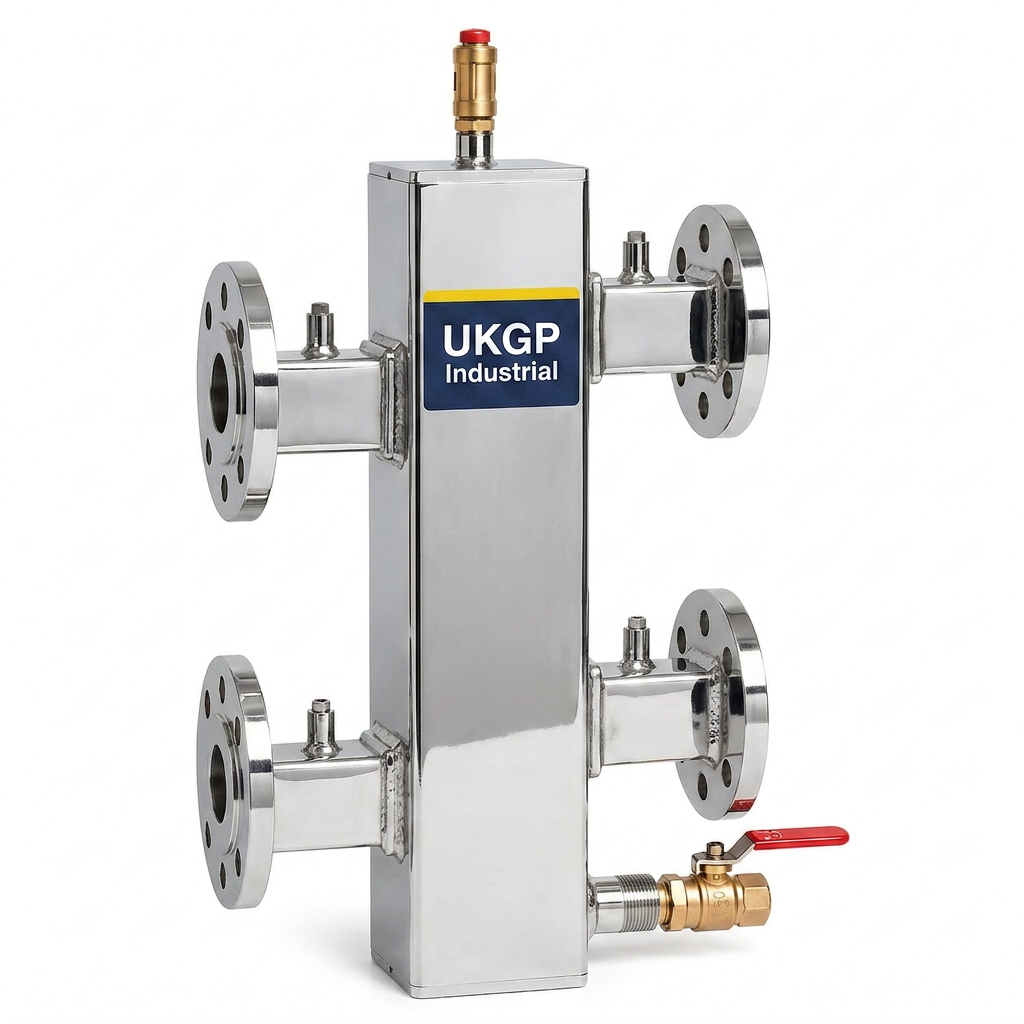
In the landscape of modern UK commercial heating, the 50kw low loss header serves as the neutral point where primary and secondary circuits meet without interfering with one another's pump heads. When a system operates with multiple circuits, such as underfloor heating and domestic hot water, the pressure differentials can lead to pump conflict and inefficient boiler cycling. Implementing a 50kw low loss header ensures that the primary boiler pump can maintain its required flow rate regardless of the varying demands and flow rates within the secondary building circuits. This mechanical decoupling is essential for protecting the heat exchanger within the boiler and ensuring that the system operates within the manufacturer's specified temperature differentials.
Precision in balancing is not just a luxury; it is a requirement for meeting the rigorous standards set out by CIBSE and BSRIA. A failure to provide adequate hydraulic separation can lead to short-cycling, where the boiler fires and cuts out rapidly because the flow rate is insufficient to carry the heat away. By installing a 50kw low loss header, the system creates a reservoir of low-velocity water, allowing the primary and secondary pumps to operate at their respective design duties. This setup is particularly effective in smaller commercial or high-end residential plant rooms where a 40-60kW load is typical for the base heating demand or a dedicated zone.
From a commercial perspective, using a 50kw low loss header from UKGP Industrial provides the peace of mind that comes with a robust 2-year warranty and a high-quality insulation jacket included as standard. These units are designed to withstand the rigours of a bustling plant room while maintaining thermal efficiency. Our headers are available with both BSP threaded and PN16 flanged connections to suit various pipework specifications. Whether you are working on a new build or a refurbishment, ensuring that your low loss header is correctly sized for the peak kilowatt output is the first step toward a compliant and long-lasting mechanical installation.
- Eliminates pump conflict between primary and secondary circuits.
- Protects boiler heat exchangers from low flow conditions.
- Facilitates easier air and dirt separation due to low velocity zones.
- Maintains the 20 degree Delta T required by many condensing boilers.
Sizing Calculations and Flow Rates for 50kW Systems
Calculating the correct size for a 50kw low loss header involves understanding the relationship between power output, temperature drop, and flow velocity. To maintain the 'low loss' characteristic, the vertical velocity within the header body must remain exceptionally low, typically below 0.1 to 0.2 metres per second. If the velocity is too high, the header begins to act as a junction rather than a neutral vessel, re-introducing the hydraulic interference we aim to avoid. For a 50kW load with a common 20-degree Delta T, the flow rate is approximately 0.6 litres per second. Choosing a header with a sufficient internal diameter ensures these velocities are respected, preventing turbulence and ensuring laminar flow patterns.
When consulting BSRIA BG29/2021 regarding pre-commissioning cleaning and system design, the importance of flow control cannot be overstated. A 50kw low loss header acts as a collection point where debris may settle, so selecting a model with an integrated drain valve and air vent is highly recommended. If the header is undersized, the high velocity will carry particulate matter straight through to the secondary circuits, potentially fouling control valves and heat emitters. Therefore, the internal volume of the header should be sized to accommodate the peak flow of the primary pump while allowing for smooth mixing. UKGP provides technical data sheets to assist consultants in verifying these velocities during the design stage.
Mis-sizing a header can lead to 'ghost' pumping or unexpected temperature drops at the secondary manifolds. For instance, if the primary pump provides more flow than the secondary demands, the surplus hot water bypasses the secondary circuit within the 50kw low loss header and returns to the boiler, raising the return temperature and potentially stopping the boiler from condensing. Conversely, if the secondary demand exceeds the primary supply, cool return water is blended into the secondary flow, reducing the temperature delivered to the radiators. Accurate sizing ensures that the neutral zone remains neutral, providing the thermal stability required for complex UK heating infrastructures.
- Target internal velocity of <0.2 m/s for effective separation.
- Ensure connections match the pipework size to avoid unnecessary friction.
- Verify Delta T requirements (e.g., 11K or 20K) to determine required flow.
- Check that the header capacity exceeds the maximum primary pump duty.
Price Considerations and Value Engineering
When assessing the 50kw low loss header price, procurement leads must look beyond the initial purchase cost and consider the total cost of ownership. A cheaply manufactured header may lack a proper insulation jacket, leading to constant standing heat losses that degrade the building's EPC rating. UKGP Industrial headers come with high-quality, removable insulation jackets as standard, ensuring compliance with Part L of the Building Regulations. Prices for a 50kw low loss header typically range based on the connection type—threaded BSP being more cost-effective for smaller installs, while PN16 flanged versions are preferred for commercial robustness and ease of maintenance in larger plant rooms.
In the current UK market, lead times are a critical factor in project profitability. Waiting weeks for a bespoke fabricator can stall an entire M&E fit-out. UKGP offers a standard 2-3 week lead time for our range of headers, which span from 40 kW up to 2000 kW. By choosing a 50kw low loss header that is pre-manufactured to high standards, contractors can reduce on-site labour costs associated with 'making do' with substandard components. The inclusion of a 2-year warranty further protects the contractor against premature failure, ensuring that the final handover to the Facilities Manager is smooth and the system is reliable for the long term.
Value engineering doesn't mean choosing the cheapest component; it means choosing the component that offers the best performance-to-price ratio. A 50kw low loss header from a reputable UK supplier ensures that the materials used are compatible with standard chemical dosing regimes. Avoiding low-grade steels that might corrode prematurely is vital. When you request a quote for a UKGP header, you are investing in a pressure-tested vessel designed for the specific demands of UK commercial heating, ensuring that the system remains efficient and the boiler warranty remains valid due to the correct hydraulic installation.
- Standard lead times of 2-3 weeks to keep projects on schedule.
- Removable insulation jackets included for Part L compliance.
- Competitive pricing for both BSP and PN16 flanged options.
- 2-year warranty provides security for installers and end-users.
Integration with Air & Dirt Separators
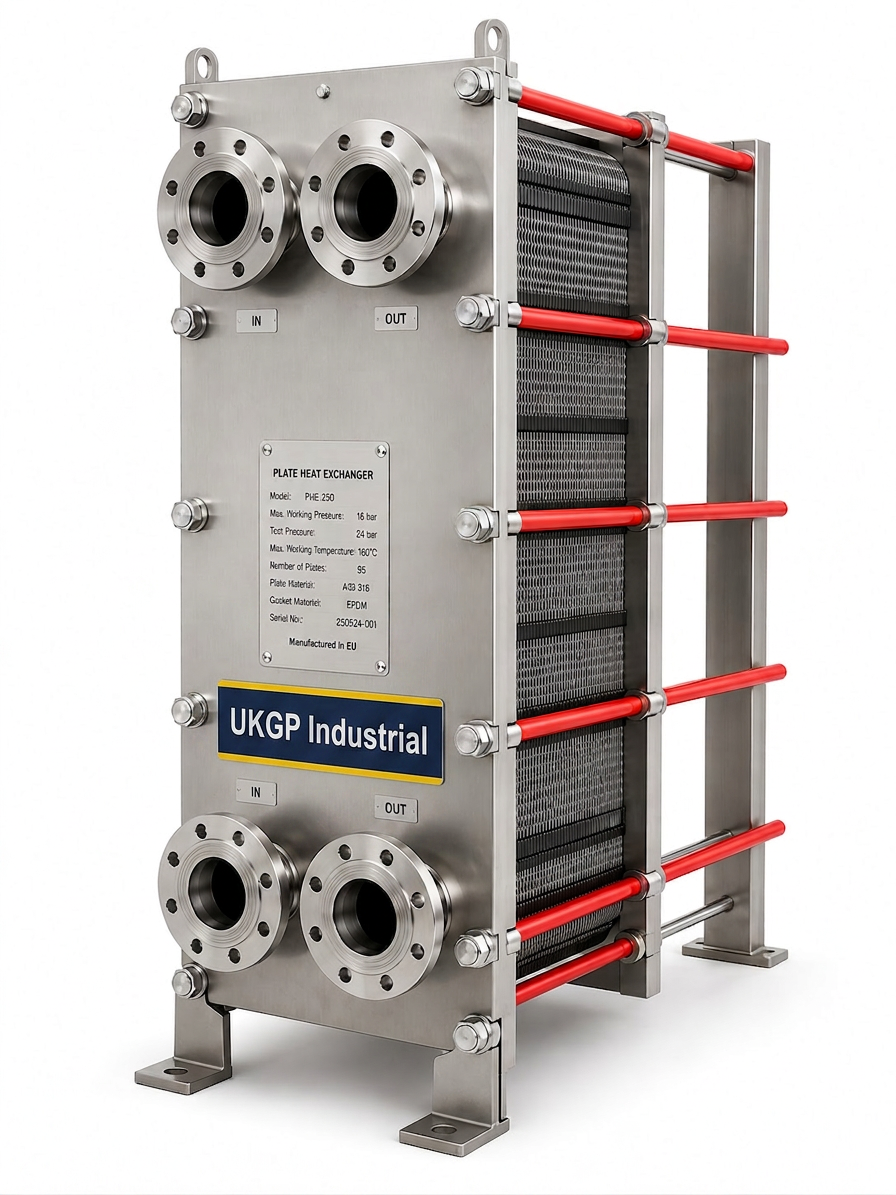
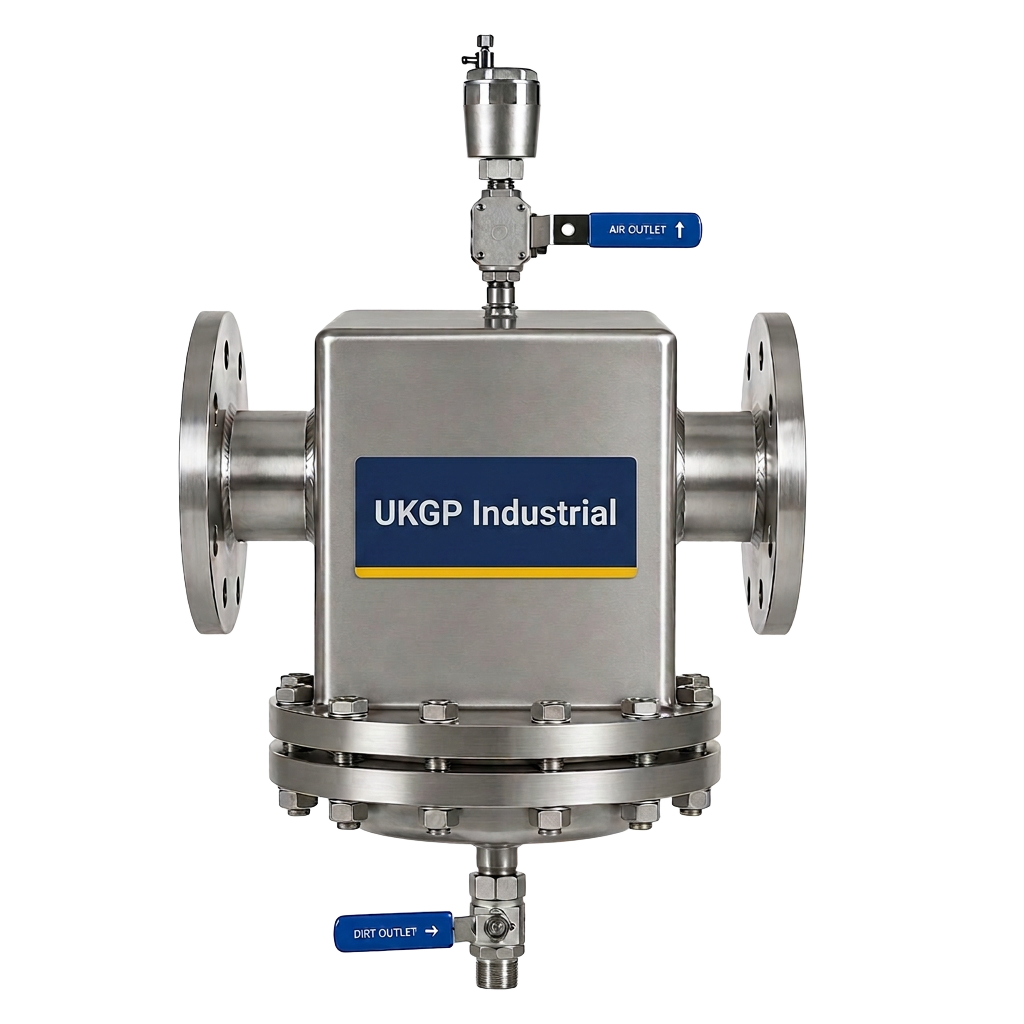
While a 50kw low loss header provides a degree of natural separation due to its low-velocity zone, it is often best practice to install dedicated air and dirt separators nearby. According to BSRIA BG50, maintaining water quality is paramount for the longevity of a closed-loop system. Microbubbles and magnetic magnetite particles can cause havoc with modern variable speed pumps and plate heat exchangers. By combining a 50kw low loss header with high-efficiency separators, you create a comprehensive protection suite for the plant room. The header provides the hydraulic break, while the separators actively remove the contaminants that the header has slowed down.
System cleanliness is much easier to manage when the hydraulic design is sound. If the 50kw low loss header is correctly positioned, it becomes a logical point for air to rise and be vented via an automatic air vent fitted to the top boss. Similarly, the bottom of the header remains a quiet zone where heavier sludge can drop out of suspension. However, for systems with high concentrations of black iron oxide, we always recommend the addition of a magnetic separator. This belt-and-braces approach ensures the 50kw low loss header stays clear and the heat transfer surfaces across the entire building remain at peak efficiency.
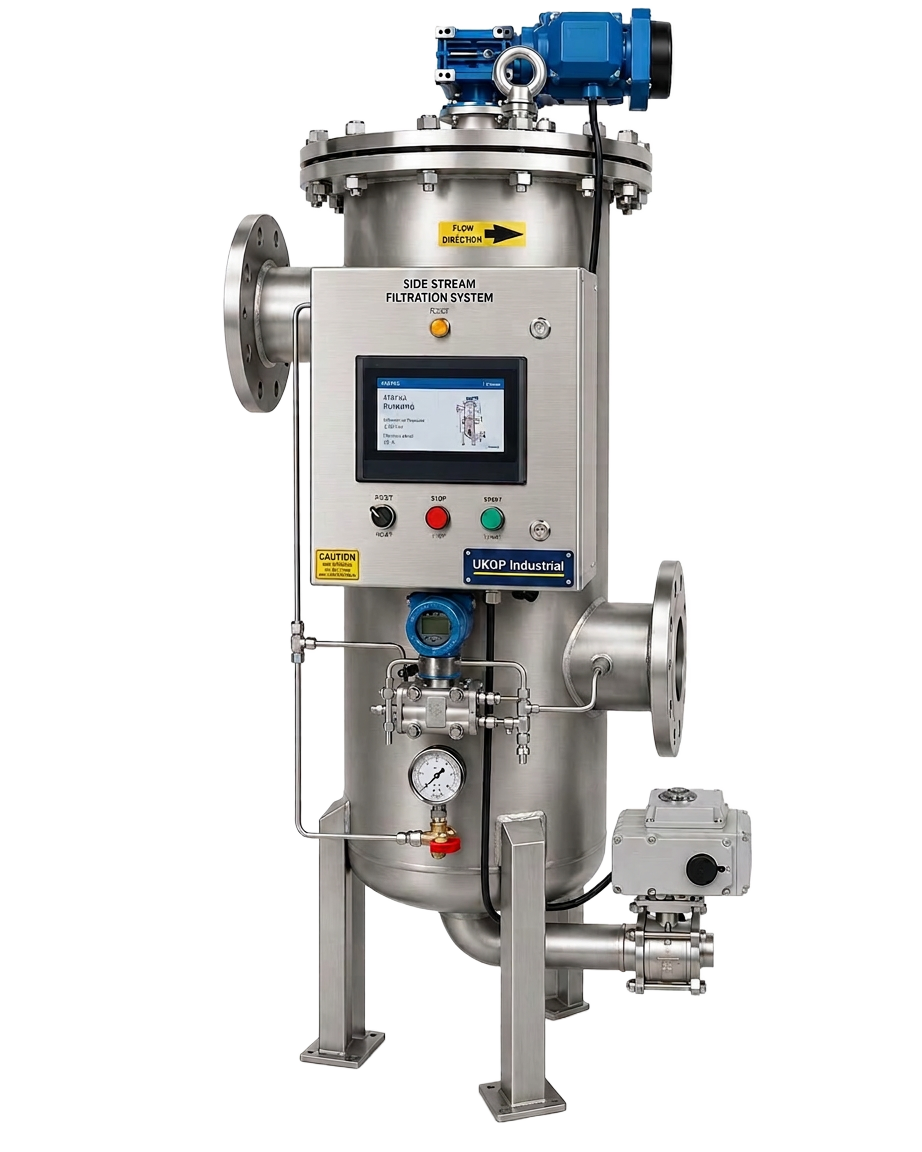
Contractors should also consider the installation of a side stream filtration unit alongside their 50kw low loss header to continuously polish the water. As modern boilers become smaller and their internal waterways narrower, the margin for error regarding water quality has vanished. Integrating our air and dirt separators into your 50kw low loss header specification not only simplifies the pipework layout but also ensures that the system meets the stringent requirements of BS 8552 for water sampling. UKGP Industrial stocks a full range of separators to complement our headers, offering a one-stop-shop for plant room water treatment and hydraulic control.
- Combining headers with separators extends boiler life.
- Facilitates easier compliance with BSRIA BG50 standards.
- Reduces maintenance requirements for secondary circuit valves.
- Optimises the performance of modern, high-efficiency pumps.
Installation Best Practices for 50kW Headers
Correct orientation is the first rule of installing a 50kw low loss header. These units are typically designed for vertical mounting to allow air to rise and dirt to fall. When mounting a 50kw low loss header, ensure there is sufficient clearance for the insulation jacket to be removed and for the maintenance of the air vent and drain cock. Using the correct bracketry is also essential; a 50kW unit, while relatively compact, still carries significant weight once filled with water. Many installers prefer to use the flanged PN16 connections for a 50kw low loss header when integrating with larger headers, as it allows for easier replacement or removal during system flushing procedures.
It is critical to ensure that the primary flow enters the top connection of the header and the return exits the bottom. This allows the warmest water to be available for the secondary circuits immediately. In some 50kw low loss header designs, there are additional tappings for temperature sensors or pressure gauges. Utilizing these ports allows the Building Management System (BMS) to monitor the primary and secondary flow temperatures accurately, which is vital for weather compensation and secondary pump speed modulation. Ensuring these sensors are well-insulated within the jacket is a detail that separates a high-quality installation from a standard one.
Before commissioning, the 50kw low loss header must be thoroughly flushed as part of the system clean. Despite being a 'neutral' vessel, it can trap debris during the construction phase. Following BSRIA BG29 guidelines for flushing will ensure that any flux, swarf, or oils are removed. Once clean, the addition of a high-quality inhibitor via a dosing pot is recommended. The 50kw low loss header then acts as the perfect mixing point for these chemicals, distributing them evenly across both primary and secondary circuits as soon as the pumps are activated. Contact UKGP for a quote on a complete header kit that includes all necessary ancillary valves.
- Vertical mounting is essential for air and dirt management.
- Include BMS sensor pockets to monitor temperature differentials.
- Ensure PN16 or BSP connections are correctly aligned and sealed.
- Follow BSRIA BG29 flushing protocols before final fill.
The UKGP Advantage: Why Choose Our Headers?
Choosing UKGP Industrial for your 50kw low loss header means choosing UK-based expertise and a commitment to quality. Our headers are not just off-the-shelf commodities; they are engineered components designed to meet the specific pressures and temperatures of UK commercial environments. With a power range of 40-2000 kW, our products scale with your project needs. We understand the pressure of site deadlines, which is why our 2-3 week lead time for a 50kw low loss header is among the best in the industry. We provide full technical support to ensure that your selection is correct for the intended flow rates and pump duties.
Every 50kw low loss header we supply is pressure tested and inspected before it leaves our Surrey facility. This attention to detail reduces the risk of on-site leaks and the costly rework associated with them. Our use of high-grade materials and professional welding processes ensures that each header meets the relevant British and European standards, including BS EN 14917 where expansion and thermal stress are factors. By specifying a UKGP 50kw low loss header, consulting engineers can be confident that they are providing their clients with a robust solution that will perform reliably for decades, backed by a solid 2-year warranty.
Finally, the commercial value offered by UKGP is unmatched. By including the insulation jacket as standard, we remove a common 'hidden cost' often found with other suppliers. Our team is ready to provide a fast, accurate quote for a 50kw low loss header whether you need a single unit for a small plant room or multiple units for a large-scale district heating project. We are accustomed to working with specialists, FM's and M&E contractors who demand high performance and clear communication. Reach out to our technical sales team today to discuss your pipework requirements and receive a competitive proposal for your next project.
- UK-based technical support and Surrey-based logistics.
- All units are pressure tested to ensure site-ready reliability.
- Options for bespoke heights or additional sensor tappings.
- Reliable 2-3 week shipping across the UK.
Frequently asked questions
What is the typical lead time for a 50kw low loss header?
- Our standard lead time for a 50kw low loss header is 2-3 weeks, ensuring you can meet project deadlines without long delays.
Does the 50kw low loss header come with insulation?
- Yes, every UKGP low loss header is supplied with a high-quality, removable insulation jacket as standard to help meet Part L requirements.
What connection types are available for the 50kW model?
- We offer both BSP threaded connections for smaller, cost-effective installs and PN16 flanged connections for more robust commercial applications.
Is a 2-year warranty standard for these headers?
- Absolutely. We provide a 2-year warranty on our low loss headers, reflecting our confidence in the build quality and materials used.
Can a 50kw low loss header be used for larger systems?
- A 50kw low loss header is specifically rated for loads around 50kW. If your system is larger, we offer a full range of headers up to 2000 kW to suit your flow requirements.