Why accurate pH monitoring is essential for UK HVAC
In the UK building services sector, maintaining the integrity of closed-loop systems is governed by stringent standards such as BSRIA BG29 and BG50. These documents highlight that pH levels deviating from the neutral-to-alkaline range can lead to acidic corrosion or scale formation, both of which compromise heat transfer efficiency. A reliable water ph meter serves as the first line of defence, providing real-time data that informs your chemical dosing strategy. Without consistent monitoring, the transition from protective magnetite to destructive rust can occur rapidly, especially in modern multi-metal systems containing aluminium and steel components.
M&E contractors and facility managers often face the challenge of 'drifting' readings in cheaper, consumer-grade equipment. In an industrial context, the water ph meter must survive the high pressures and temperatures typical of a primary heating circuit or a chilled water loop. When pH levels drop, the protective oxide layers on pipework break down, leading to the liberation of iron or copper into the system water. This creates a vicious cycle where particulates clog heat exchangers and pumps, necessitating expensive remedial work or even full system flushes that could have been avoided with a robust monitoring solution.
Choosing to install a permanent water ph meter instead of relying solely on periodic manual testing (dip-strips or handheld probes) ensures that fluctuations caused by fresh water ingress or chemical degradation are caught immediately. BSRIA guidelines suggest that continuous monitoring is the gold standard for high-value plant rooms. By integrating a dedicated sensor into your Building Management System (BMS), you can automate alerts for maintenance teams, ensuring that the water chemistry remains within the narrow bands required for long-term operational efficiency and adherence to CIBSE design guides.
- Complies with BSRIA BG50 monitoring recommendations
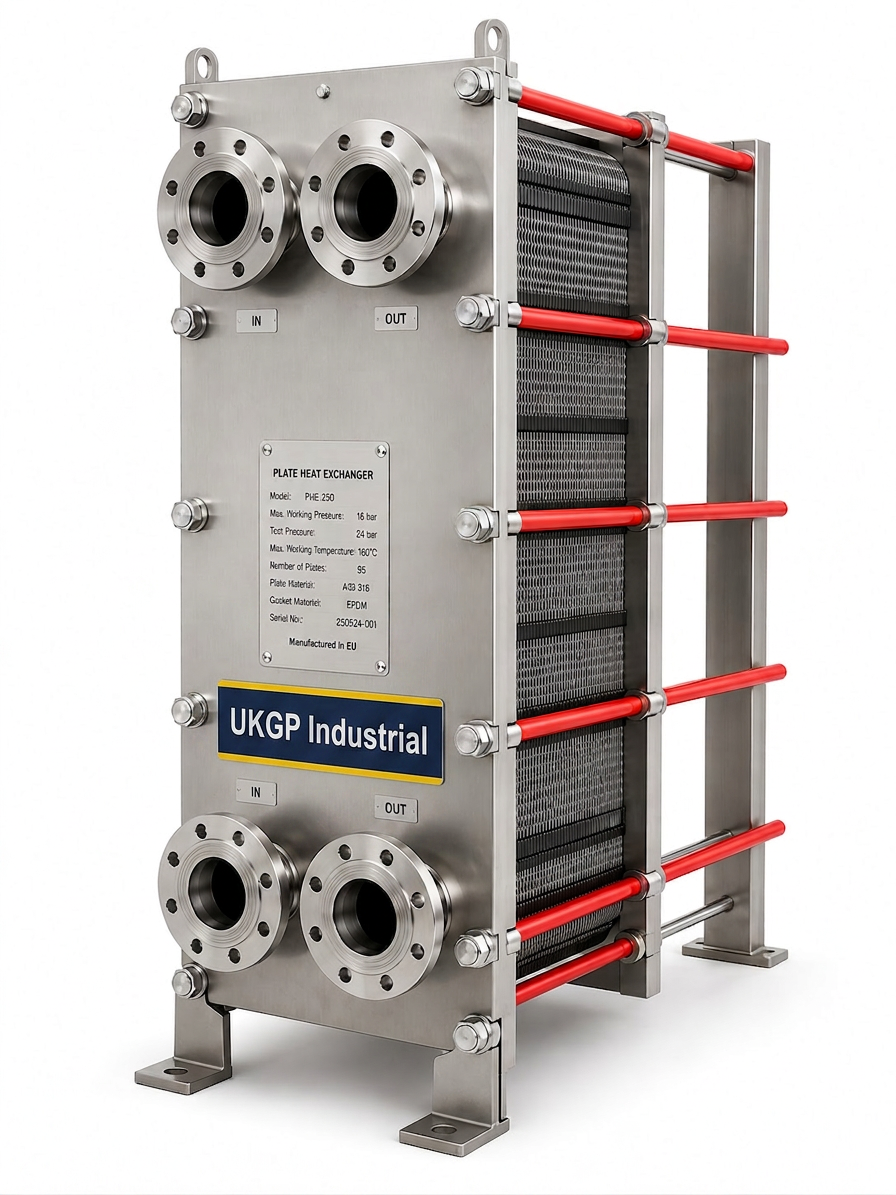
- Protects expensive assets like plate heat exchangers
- Reduces frequency of emergency chemical dosing
- Provides 24/7 visibility for site-wide Facilities Management
Technical considerations for selecting a water ph meter
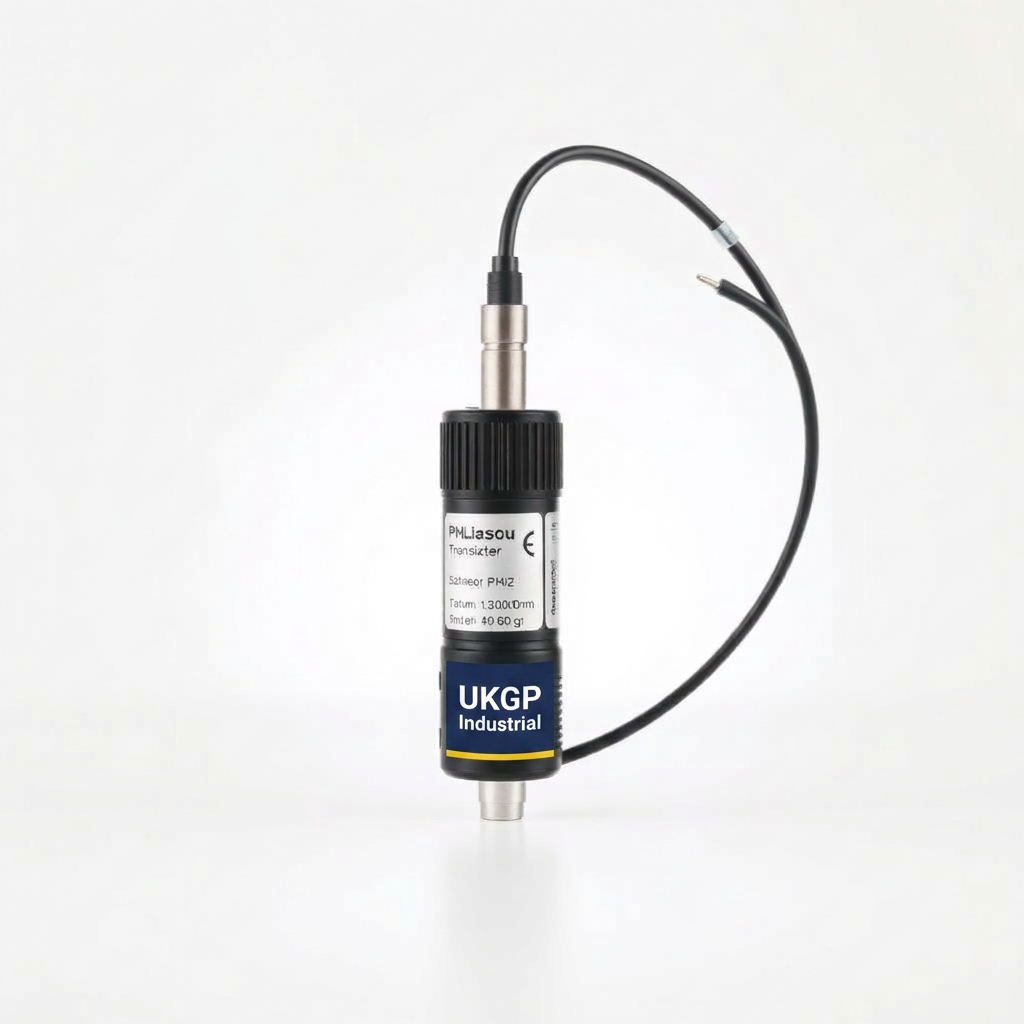
When evaluating a water ph meter for industrial applications, the hardware must be engineered for durability. Industrial environments involve electrical noise and mechanical vibration that can interfere with sensitive electrode signals. Therefore, a professional-grade meter should feature advanced shielding and a robust transmitter capable of converting the low-impedance signal into a stable 4-20 mA or Modbus output. This ensures that the data reaching the controller is accurate and free from the interference often found in busy plant rooms. For contractors, the ease of installation and the ability to replace sensors without replacing the entire transmitter unit are significant procurement advantages.
Sensitivity and calibration are also paramount. A water ph meter that requires weekly manual calibration is a burden on facility management resources. High-end industrial units are often factory-calibrated and designed with high-quality glass or polymer bodies that resist fouling. For M&E engineers, the focus should be on the 'plug and play' nature of the device. Look for kits that include M12 cable connectors, as these provide secure, water-tight connections that are standard in industrial automation. Investing in a unit with a clear display and intuitive interface allows on-site staff to perform quick visual checks during routine walk-arounds without needing complex software.
Integration with existing plant room equipment is the final technical hurdle. A water ph meter should ideally offer versatile output options to match the logic controllers or BMS already in place. Whether you require a traditional 4-20 mA analogue loop for distance transmission or a digital Modbus RTU connection for detailed data logging, the transmitter should facilitate both. This flexibility makes it easier to justify the capital expenditure during the procurement phase, as it ensures the sensor is compatible with future system upgrades or digital twin implementations aimed at improving the building's overall energy performance rating.
- Stable 4-20 mA or Modbus RTU communication outputs
- Durable IP68 ingress protection for harsh plant environments
- Factory-calibrated sensors for immediate commissioning
- M12 cable compatibility for standardised industrial connectivity
Mitigating corrosion with side stream filtration
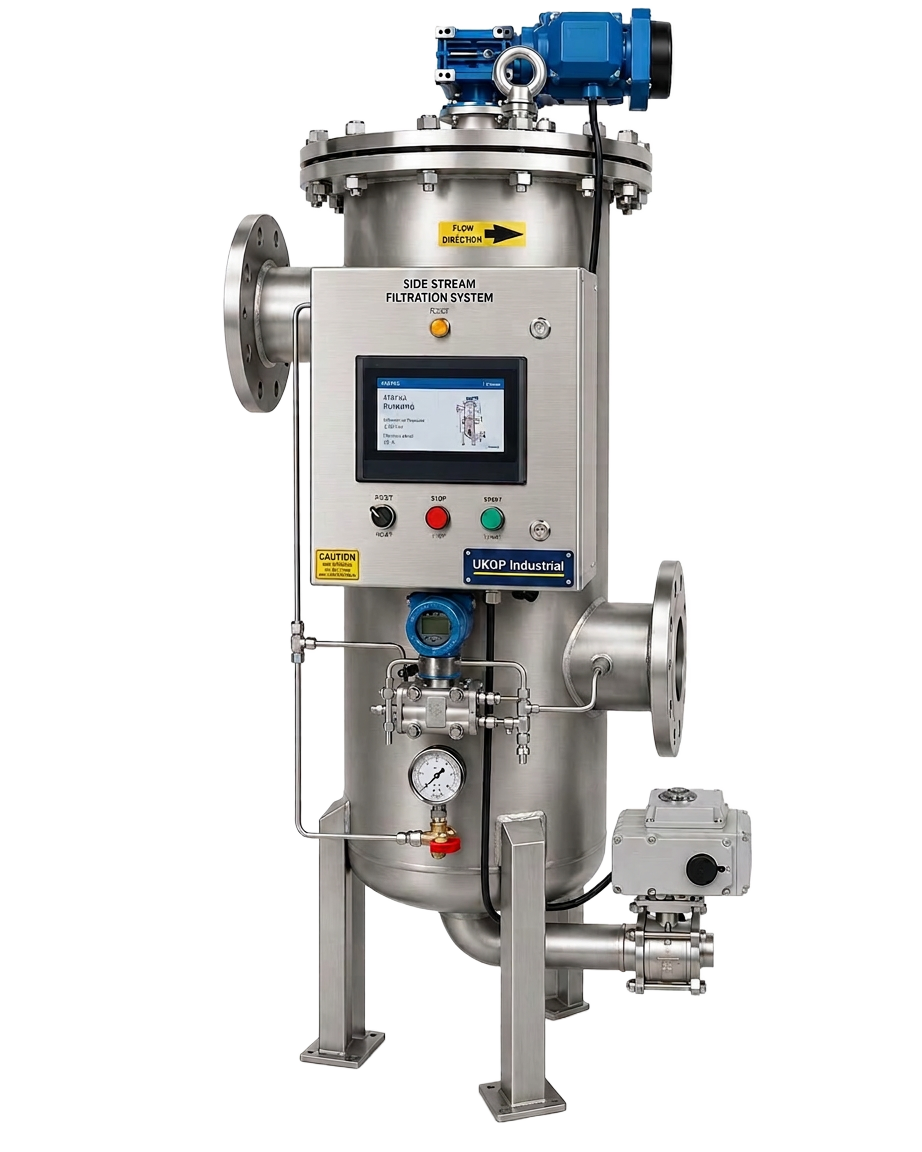
While a water ph meter identifies the chemical balance, physical contamination must also be managed to prevent sensor fouling. This is where side stream filtration becomes indispensable. According to BSRIA BG29, removing suspended solids is vital for the health of a closed-loop system. If the water is full of magnetite and debris, even the most expensive water ph meter may suffer from probe coating, leading to slow response times and inaccurate data. Coupling your pH monitoring strategy with a high-efficiency filtration skid ensures the water remains clean enough for sensors to operate at peak performance, while also protecting the wider HVAC infrastructure from erosion.
In many UK commercial developments, the specification of a side stream filter is mandatory to meet warranty requirements from boiler and chiller manufacturers. These units effectively 'polish' the water, removing particulate matter that would otherwise settle in low-flow areas or lodge in the delicate bypass valves and sensors. By maintaining low turbidity, you ensure that your water ph meter can accurately reflect the chemical state of the bulk fluid rather than being influenced by local sediment buildup. This holistic approach to water quality management is what distinguishes a well-engineered plant room from one that will face premature failure.
Choosing professional filtration hardware like the UKGP skids provides the necessary mechanical protection for your instrumentation. When procurement leads look at the total cost of ownership, combining a reliable water ph meter with a dedicated side stream filter significantly reduces the risk of unplanned downtime. It allows the chemical inhibitors to work more effectively, as there is less surface area of debris to consume the active compounds. Consequently, the pH levels remain more stable over time, resulting in fewer alarms and a more predictable maintenance schedule for the site engineers and facility managers responsible for system uptime.
- Prevents particulate fouling on sensitive pH electrodes
- Maintains water clarity for more accurate chemical readings
- Extends the service life of both sensors and heat exchangers
- Complies with manufacturer warranty requirements for closed-loops
The role of the water ph meter in chemical dosing
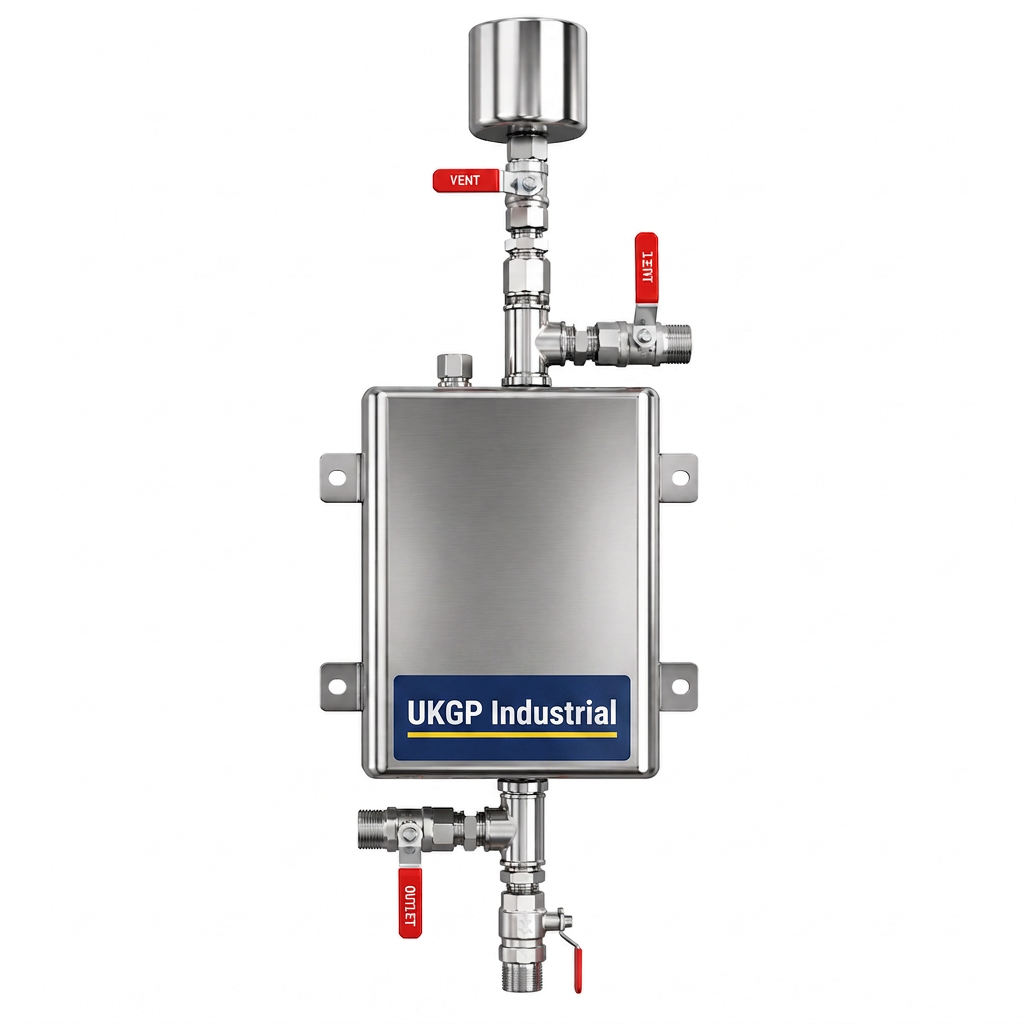
Chemical dosing is a precision task that relies entirely on the data provided by your water ph meter. In many large-scale UK industrial systems, dosing pots are used to introduce inhibitors or glycol. However, without knowing the current pH, maintenance teams are essentially 'dosing blind'. Over-dosing can be just as damaging as under-dosing, potentially leading to ammonia-related stress corrosion cracking in certain alloys or simply wasting expensive chemicals. A continuous water ph meter provides the feedback loop necessary to ensure exactly the right amount of chemical is added to maintain the desired pH level, typically between 8.2 and 9.5 for steel/copper systems.
For plant room engineers, the integration of a water ph meter with an automated dosing pump is the ultimate solution for consistency. It removes the element of human error from the water treatment process. In an industrial buyer's guide context, the focus should be on the transmitter's ability to trigger relays or send signals that start or stop dosing cycles. This automation is particularly valued in Tier-1 M&E projects where operational efficiency and ESG (Environmental, Social, and Governance) targets are high priorities. Reducing chemical waste through precise monitoring not only saves money but also minimises the environmental impact of the building's operation.
When selecting a UKGP industrial pH sensor & transmitter, you are investing in a solution that simplifies this chemical management. The unit comes as a comprehensive kit featuring a high-quality sensor, transmitter, and M12 cable, making it easy for contractors to install alongside standard dosing pots. With a factory-calibrated setup and a 2-year warranty, it offers the reliability that procurement leads demand. For those looking to order, requesting a quote for a water ph meter from UKGP ensures you receive a product designed specifically for the rigours of the UK building services industry, backed by technical expertise that understands the nuances of BSRIA and CIBSE compliance.
- Enables data-driven chemical dosing strategies
- Prevents the costly over-application of corrosion inhibitors
- Supports automated maintenance through BMS integration
- Ensures system water remains within BSRIA recommended limits
Environmental protection and ingress ratings
Plant rooms are rarely pristine environments. They are often subject to leaks, high humidity, and temperature extremes that can destroy sensitive electronics. An industrial water ph meter must therefore carry an appropriate IP rating. Our recommended solution features an IP68 rating, ensuring that even in the event of local flooding or heavy condensation, the transmitter remains operational. This level of protection is a key differentiator when comparing an industrial water ph meter against cheaper alternatives that may only be splash-proof. For a building service consultant, specifying IP68 hardware is a standard requirement to ensure the durability of the installation under adverse conditions.
Temperature compensation is another vital feature. The pH value of water is temperature-dependent; as the water in a heating loop gets hotter, its pH naturally shifts. A sophisticated water ph meter includes an internal temperature element that automatically adjusts the reading to provide a compensated value at 25 degrees Celsius. This 'Automatic Temperature Compensation' (ATC) is essential for accuracy in HVAC systems where temperatures can fluctuate from 10 to 80 degrees Celsius. Without it, the data provided to the BMS would be misleading, potentially triggering false alarms or unnecessary chemical additions that could destabilise the system's delicate balance.
Finally, the physical construction of the water ph meter must resist the chemicals it is measuring. Choosing an industrial unit with high-grade wetted materials ensures that the probe does not degrade when exposed to biocides or high-concentration inhibitors. UKGP sensors are built to withstand these conditions, providing a 2-year warranty that reflects our confidence in the product's longevity. For those managing procurement for M&E projects, choosing a robust, factory-calibrated kit simplifies the commissioning process. We encourage you to request a quote for our pH sensor and transmitter kits to ensure your next project starts with the best possible data foundation for water treatment.
- IP68 rating for maximum protection against water ingress
- Automatic Temperature Compensation for HVAC accuracy
- Resistant to high-concentration water treatment chemicals
- Two-year warranty for peace of mind in industrial settings
Summary: procurement and maintenance best practices
In summary, selecting the right water ph meter is about more than just finding a probe; it is about choosing a complete monitoring solution that integrates with your building's infrastructure. It is the core tool for meeting BS 8552 and BSRIA standards for water quality. By prioritising hardware with industrial outputs like 4-20 mA or Modbus, you ensure that the system is ready for the digital demands of modern facilities management. Always look for a water ph meter that comes as a complete kit, including the sensor, transmitter, and high-quality M12 cabling, to avoid the hidden costs of sourcing compatible accessories during the installation phase.
Maintenance should not be overlooked. While high-quality industrial sensors are designed for longevity, they still require periodic checks. Using factory-calibrated units from a reputable UK supplier like UKGP reduces the initial setup time and provides a reliable baseline for future measurements. A well-placed water ph meter, situated after the air and dirt separator but before the main heat emitters, provides the most representative data for the system. Integrating these units into a planned preventative maintenance (PPM) schedule ensures that any drift is corrected during routine site visits, maintaining the high standards required by CIBSE and BSRIA guidelines.
Choosing UKGP for your water monitoring needs means you are supported by technical experts who understand the UK's unique industrial heating and cooling landscape. Our pH sensor and transmitter solutions are designed to be reliable, easy to install, and fully compliant with the needs of M&E contractors and consultants. To protect your assets and ensure your system continues to operate at peak efficiency, reach out to our team today. We can assist with technical specifications and provide a competitive quote for our full range of water ph meter kits, helping you deliver a high-performance building that stands the test of time.
- Opt for complete kits to simplify site commissioning
- Prioritise Modbus or 4-20 mA for BMS connectivity
- Utilise factory-calibrated sensors to ensure out-of-the-box accuracy
- Integrate pH monitoring into standard PPM schedules
Frequently asked questions
Why is a water ph meter necessary for closed-loop systems?
- It prevents corrosion by ensuring the water chemistry remains in a protective alkaline state, as recommended by BSRIA BG50 guidelines, protecting steel and aluminium components.
What communication outputs are common for an industrial water ph meter?
- The industry standard outputs are 4-20 mA analogue signals and Modbus RTU digital signals, both of which allow for seamless integration with Building Management Systems (BMS).
How does temperature affect a water ph meter reading?
- pH is temperature-sensitive; readings change as the water heats or cools. Industrial meters use Automatic Temperature Compensation (ATC) to provide a consistent value regardless of temperature fluctuations.
What is the expected lifespan of an industrial pH sensor?
- While it varies by application, a high-quality industrial sensor typically lasts 12-24 months in a typical HVAC system. UKGP offers a 2-year warranty on our factory-calibrated kits for added security.
Is an IP68 rating necessary for a water ph meter?
- In industrial plant rooms where leaks or high humidity are common, an IP68 rating is essential to protect the transmitter electronics from water ingress and premature failure.