The Engineering Behind What is pH Sensor Functionality
To define what is pH sensor utility in a process environment, we must look at the electrochemical reaction occurring at the interface of the sensing electrode. In commercial UK plant rooms, a pH sensor measures the hydrogen-ion activity in the system water, translating chemical potential into a readable electrical signal. This process is vital for ensuring that the alkaline or acidic nature of the medium remains within the narrow bands required by BSRIA BG50 guidelines. Without a precise understanding of what is pH sensor functionality, engineers risks overlooking the subtle shifts in water chemistry that lead to pit corrosion or scale formation in expensive heat exchangers and boiler blocks.
Precision in measurement starts with the glass electrode, which reacts to the hydronium ions present in the process fluid. For an industrial-grade application, this setup must be robust enough to withstand the high pressures and temperatures typical of a secondary heating loop. When considering what is pH sensor application in such environments, engineers must account for the reference junction's stability. A drifting reference electrode is the primary cause of inaccurate readings, which can lead to unnecessary chemical dosing or, conversely, a failure to neutralise acidic conditions that strip the protective magnetite layer from carbon steel pipework in accordance with CIBSE CP1 standards.
Ultimately, the goal of deploying this technology is to achieve a stable, repeatable measurement that provides actionable data to the Building Management System (BMS). When we ask what is pH sensor importance, we are really discussing the long-term viability of the building's infrastructure. UKGP provides factory-calibrated solutions that eliminate the guesswork often associated with field commissioning. By integrating these sensors into a comprehensive monitoring strategy, procurement leads can ensure their sites remain compliant with BS 8552, providing a clear audit trail for water quality management and proving that the system is operating within the design parameters specified at the point of installation.
- Electrochemical measurement of hydrogen-ion activity
- Potentiometric analysis using glass and reference electrodes
- Essential for BSRIA BG50 compliance in closed loops
- Direct integration with BMS via 4-20 mA or Modbus
Why Precise Water Chemistry Matters for HVAC Longevity
In the UK's commercial sector, water quality is often an afterthought until a pump failure or a leak occurs. However, by asking what is pH sensor integration going to solve, engineers can take a more forensic approach to system health. High pH levels can be particularly aggressive towards aluminium components found in modern condensing boilers, while low pH levels indicate an acidic environment that accelerates the corrosion of ferrous metals. A reliable pH sensor acting as a 'canary in the coal mine' allows for real-time adjustments before these chemical imbalances manifest as physical damage, thereby extending the lifecycle of the entire plant room asset and reducing capital expenditure.
Maintenance and FM teams often rely on periodic manual sampling, but this only provides a snapshot of the system's condition. The reality of process measurement is that chemistry can fluctuate rapidly due to fresh water make-up or bacterial activity. Understanding what is pH sensor continuous monitoring provides gives operators the power to see these trends as they happen. If a system's pH drops suddenly, it may indicate a glycol breakdown or a failure in the chemical dosing pot's delivery. By catching these issues early, the cost of remediation is significantly lowered, avoiding the need for expensive system flushes or component replacements that disrupt building tenants.
Furthermore, maintaining the correct pH balance is a prerequisite for the effectiveness of chemical inhibitors. Most corrosion inhibitors are formulated to work within a specific pH range, typically between 8.2 and 10.0 for steel systems. If the pH drifts outside this window, the inhibitor's protective film cannot form correctly on the internal surfaces of the pipes. This is why when we discuss what is pH sensor placement, we must consider the hydraulic design of the system. For professionals looking to bolster their water treatment regime, requesting a quote for a UKGP industrial pH sensor & transmitter ensures they receive an IP68-rated device with a 2-year warranty built for the rigours of industrial use.
- Protects aluminium and ferrous metal components
- Identifies glycol degradation before it causes damage
- Ensures corrosion inhibitors function at peak efficiency
- Reduces the frequency of emergency reactive maintenance
Technical Specifications: What is pH Sensor Durability
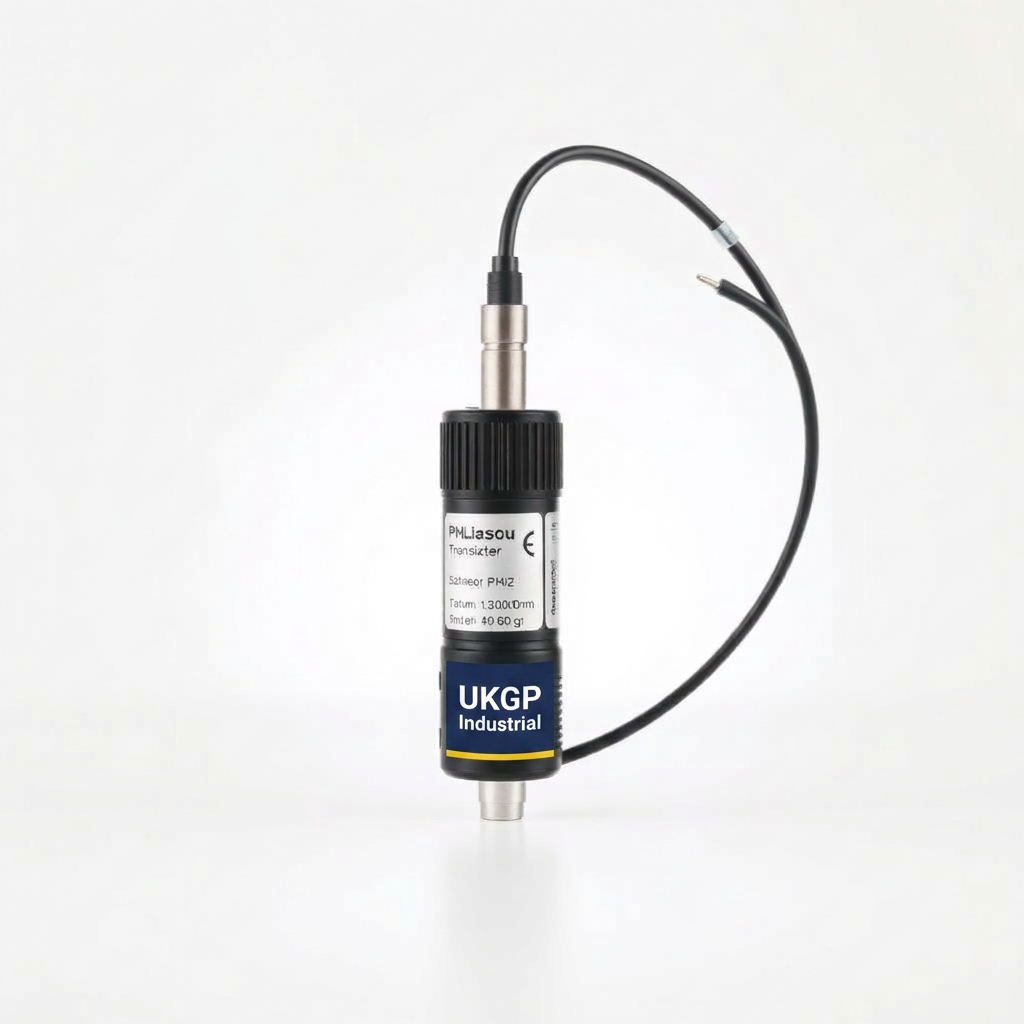
When specifying equipment, engineers must look beyond basic functionality to the build quality required for industrial process measurement. An industrial pH sensor must be resilient against the fouling and high-flow conditions common in side stream filtration loops. UKGP’s sensors are designed with an IP68 rating, meaning they are fully protected against dust and long-term immersion in water. This level of protection is essential for plant rooms where leaks or high humidity are concerns. The use of an M12 cable kit ensures secure, waterproof connections that simplify the installation process for M&E contractors who need to move quickly but maintain high standards of workmanship.
The transmitter aspect of the kit is equally important. It converts the high-impedance signal from the sensor into an industry-standard 4-20 mA or Modbus output. This allows for seamless communication with modern PLC and BMS hardware. When evaluating what is pH sensor accuracy, the factory calibration of the UKGP unit is a major advantage. It means the sensor is ready to provide precise data from the moment it is powered up, reducing the time spent on site during the commissioning phase. The inclusion of a 2-year warranty reflects the confidence we have in the durability of these sensors, even in demanding constant-flow applications.
Consultants should also consider the ease of replacement. Sensors are, by nature, sacrificial components that will eventually require renewal due to elective depletion of the reference electrolyte. By choosing a system with an M12 connector and a separate transmitter, maintenance becomes a simple 'plug and play' task. This modularity reduces down-time and ensures that the critical monitoring of the system's pH is never offline for long. When procurement leads ask what is pH sensor value over time, they should look at these total costs of ownership, including calibration labor, replacement ease, and the protection afforded to much more expensive downstream assets.
- IP68-rated housing for extreme plant room conditions
- Choice of 4-20 mA or Modbus digital communication
- M12 cable kit for robust and simple electrical installation
- Factory-calibrated for immediate high-accuracy deployment
Compliance with BSRIA BG50 and CIBSE Guidelines
Adhering to industry standards is non-negotiable for UK building services professionals. BSRIA BG50: 'Water Treatment for Closed Heating and Cooling Systems' specifically highlights the need for regular monitoring of pH as a critical control parameter. Likewise, BS 8552 provides a framework for sampling and monitoring water quality in these systems. When an auditor or client asks what is pH sensor compliance evidence, having a continuous log from a calibrated transmitter is far superior to irregular handwritten logs. It demonstrates a commitment to best practices and provides a solid defence against claims of negligence should a system fail prematurely due to corrosion issues.
CIBSE knowledge and guidance also stress the importance of maintaining alkalinity to prevent the dissolution of protective oxide layers. In steam boilers or large-scale district heating networks, the stakes are even higher, as pH imbalances can lead to caustic embrittlement or hydrogen cracking. Therefore, understanding what is pH sensor role in risk mitigation is a core skill for the modern plant engineer. By automating the measurement and linking it to an alarm system, the FM team can be alerted the moment the water chemistry deviates from the set points, allowing for instant corrective action through the dosing system or side-stream filtration units.
Furthermore, by maintaining a stable pH, you are inherently protecting the air and dirt separators and expansion bellows within the system. These components often have thinner membranes or internal baffles that are susceptible to chemical attack. A well-placed pH sensor ensures that the environment remains benign. For those looking to upgrade their monitoring hardware, we recommend a UKGP industrial pH sensor & transmitter. These kits are specifically designed to help UK engineers meet the stringent requirements of BSRIA and CIBSE, providing peace of mind through reliable, industrial-grade engineering and a comprehensive 2-year warranty against manufacturing defects.
- Supports adherence to BSRIA BG29 and BG50 manuals
- Ensures compliance with BS 8552 water quality standards
- Alarms against CIBSE-defined critical chemistry failures
- Creates a digital audit trail for insurance and warranties
Integration with Side Stream Filtration and Dosing
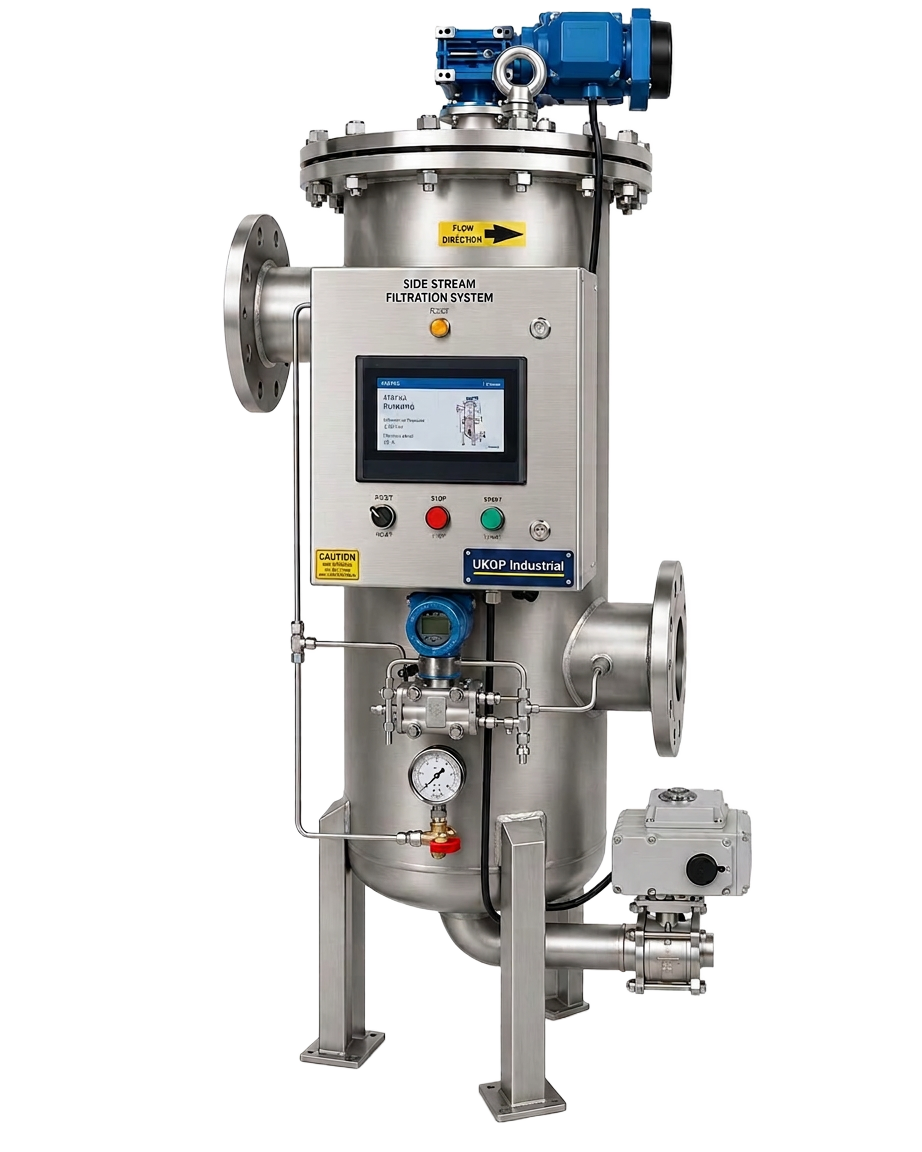
A pH sensor does not operate in a vacuum; it is part of a holistic water treatment ecosystem. In many modern UK plant rooms, the sensor is installed as part of a side-stream filtration or chemical dosing assembly. When we investigate what is pH sensor positioning, it is often best placed after the filter but before the dosing point to measure the 'steady state' of the water. This allows the controller to determine exactly how much chemical needs to be added to reach the desired target. Without this feedback loop, dosing is merely an estimate, which can lead to over-treatment (wasted chemical and potential foam) or under-treatment (continued corrosion).
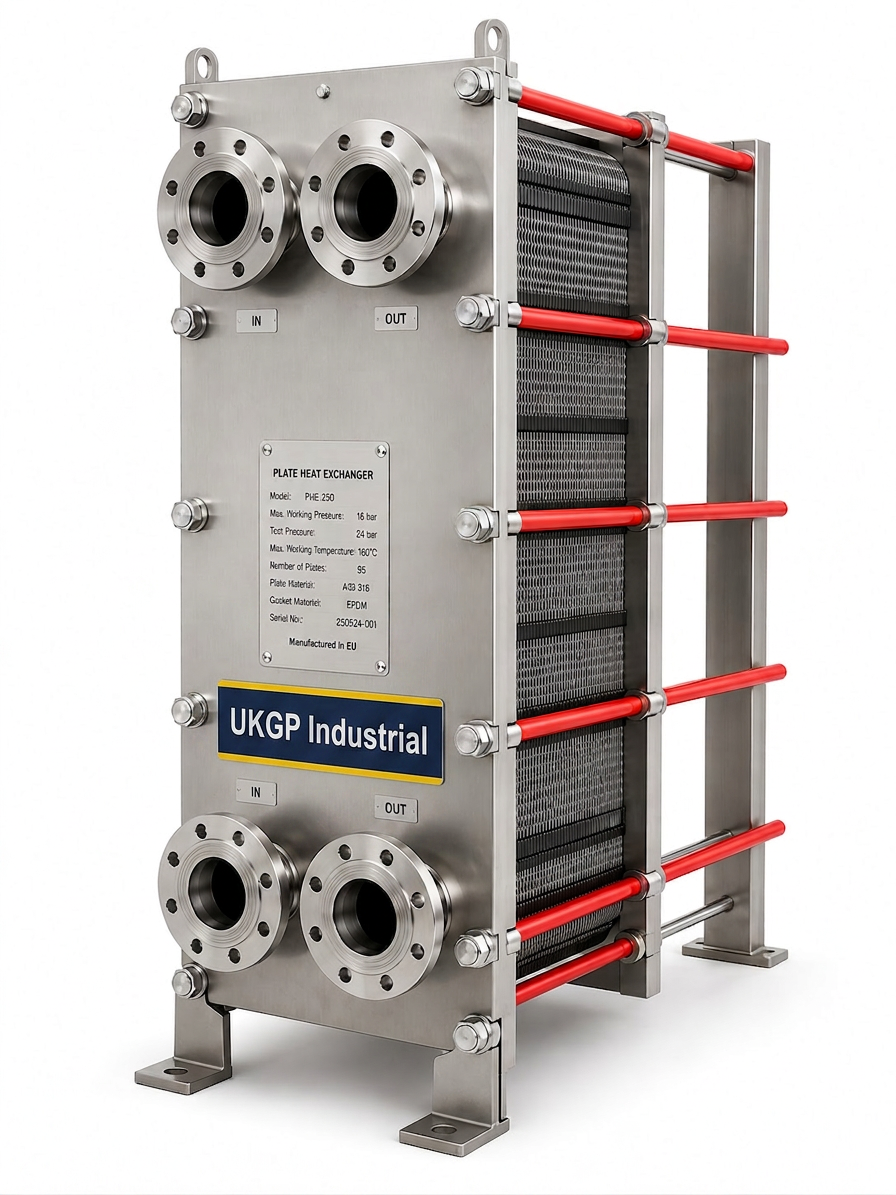
UKGP equipment is designed to work in synergy. For instance, putting an industrial pH sensor on a bypass line adjacent to a plate heat exchanger allows for the monitoring of potential cross-contamination. If a plate develops a pinhole leak and the process fluid on the other side is of a different pH, the sensor will detect the change immediately, alerting the FM team to a breach before it ruins the entire system's chemistry. This is a classic example of what is pH sensor value in a complex industrial process. By linking the transmitter to the BMS, you turn a simple probe into an intelligent early-detection system for mechanical failures.
In addition to protecting heat exchangers, stable pH levels prevent the premature failure of expansion bellows. Acidic water can attack the stainless steel convolutions, particularly if they are under stress. By ensuring the pH stays within the BSRIA recommended range of 9.0 to 10.5 for steel systems, you extend the flexible life of these junctions. If you are currently designing a new plant room layout or refurbishing an old one, please reach out to our technical team. Requesting a quote for a UKGP industrial pH sensor & transmitter is the first step toward a more intelligent, resilient, and compliant HVAC system that stands up to the rigours of modern building operation.
- Enables automated precise chemical dosing logic
- Early leak detection in plate heat exchangers
- Extends the life of expansion bellows and gaskets
- Reduces chemical waste and environmental impact
Choosing the Right Sensor for the UK Market
Selecting the correct sensor requires an understanding of the specific demands of the UK M&E sector. Many low-cost sensors are designed for laboratories or light-duty use and will fail within weeks when exposed to the temperature cycles and sediment found in an industrial bypass. When asking what is pH sensor quality, you must look for features like high-pressure glass, double-junction reference cells, and robust housing materials. The UKGP sensor and transmitter kit is built exactly for these conditions, offering a factory-calibrated solution that handles the 'dirty' jobs of heating and chilled water loops without requiring constant manual intervention or re-schooling.
The transmission of the signal is the final link in the chain. In large commercial buildings, the distance between the plant room and the central BMS can be significant. This is why our transmitters support both 4-20 mA (for simple analog loops) and Modbus (for digital networked systems). Modbus is particularly useful as it can transmit diagnostic data alongside the pH value, such as temperature or sensor health indicators. This level of detail answers what is pH sensor intelligence in the era of 'Smart Buildings' and IoT. UKGP’s technical team supports engineers in selecting the right protocol to ensure the data is reliable, accurate, and easy to interpret.
In conclusion, the decision to install a pH sensor should be driven by a desire for operational excellence and asset protection. By moving away from reactive 'break-fix' maintenance toward proactive monitoring, UK facilities managers can save thousands of pounds in avoided repairs and energy losses. If you are ready to improve your process measurement, contact UKGP today. Our industrial pH sensor & transmitter (complete with sensor, transmitter, and M12 cable kit) provides the industrial reliability you need, backed by a 2-year warranty. Ensure your building stays compliant with BSRIA and CIBSE standards by choosing the right tools for the job.
- Industrial-grade pressure and temperature ratings
- Supports both analog 4-20 mA and digital Modbus
- Factory-calibrated to reduce on-site commissioning time
- 2-year warranty for commercial and industrial peace of mind
Frequently asked questions
Why is pH monitoring essential for BSRIA BG50 compliance?
- BSRIA BG50 dictates that closed-circuit water must be maintained at specific alkalinity levels to prevent corrosion. Continuous pH monitoring provides the evidence needed for compliance and protects the system's structural integrity.
What is the difference between an industrial pH sensor and a laboratory probe?
- Industrial sensors are built with reinforced glass, larger reference junctions, and IP68-rated housings to withstand high pressures, temperatures, and potential fouling in HVAC systems, unlike fragile lab probes.
Can I connect the UKGP pH transmitter to my existing BMS?
- Yes, our transmitters are designed for industrial integration, offering both standard 4-20 mA analog outputs and Modbus RTU digital communication for seamless connection to most Building Management Systems.
How often should an industrial pH sensor be calibrated?
- While our sensors arrive factory-calibrated, we recommend a secondary verification check every 6 to 12 months, depending on the system's water quality and the criticality of the process measurement.
What is the lifespan of a pH sensor in a heating system?
- Typically, an industrial pH sensor will last between 12 and 24 months in a typical HVAC loop before elective depletion requires replacement. The UKGP 2-year warranty covers manufacturing defects during this period.