Understanding the Role of a Submersible Ph Sensor
In the context of industrial heating and chilled water circuits, the acidity or alkalinity of the system fluid is a primary indicator of potential corrosion or microbiological activity. A submersible ph sensor is specifically designed to remain permanently or semi-permanently immersed within the process media, providing a continuous signal to a central Building Management System (BMS). Unlike laboratory-grade probes which are fragile and prone to drift, an industrial-grade submersible ph sensor must withstand temperature fluctuations and pressure changes common in M&E applications. Accurate pH monitoring is a core recommendation of BSRIA BG50 for the light-life maintenance of closed-loop systems, as it allows facility managers to react before scale or pitting corrosion causes catastrophic pipework failure. By integrating these sensors, engineers move from reactive maintenance to a data-led proactive approach that protects long-term infrastructure investment.
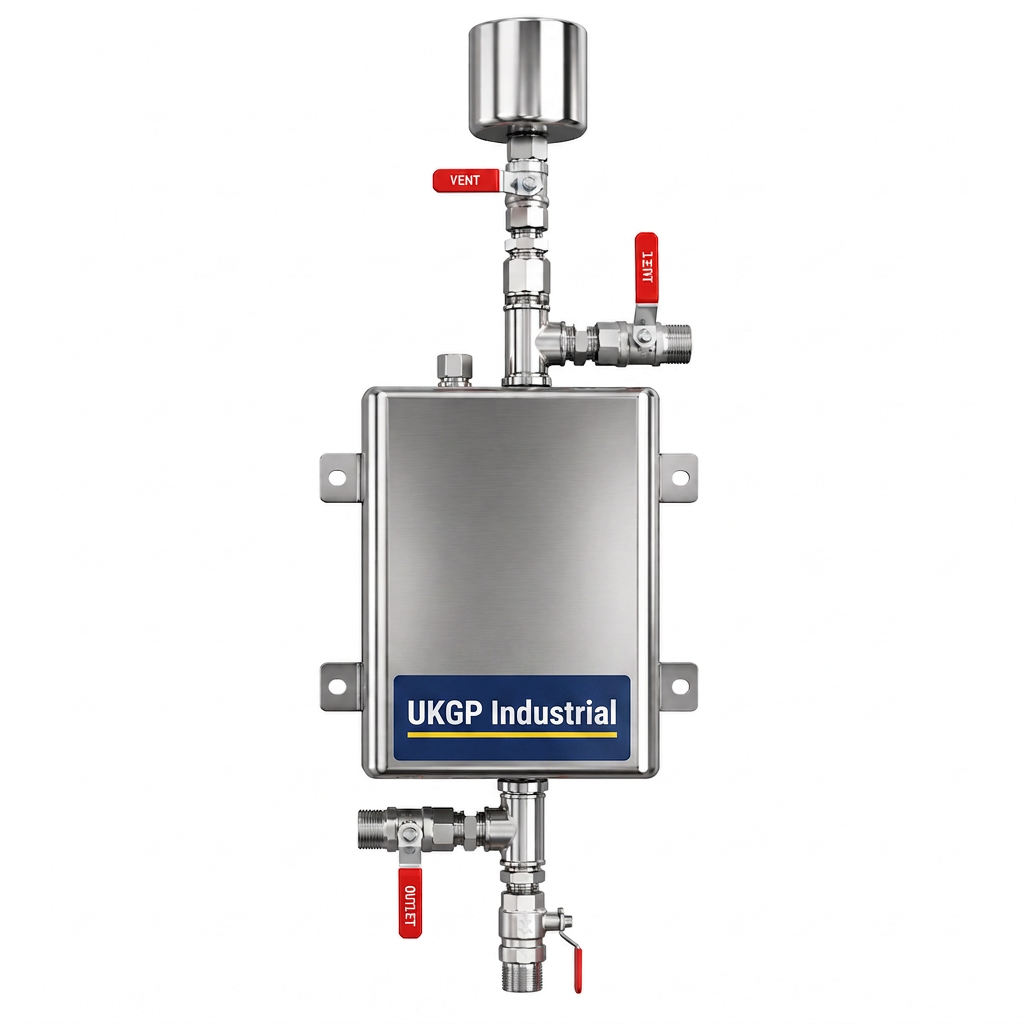
When specifying a submersible ph sensor, the build quality must align with the environmental stressors found in UK plant rooms. Standard sensors might fail due to moisture ingress at the cable entry point or chemical degradation of the reference junction. A robust industrial solution utilises high-performance polymers and high-integrity sealing to ensure longevity. This is particularly critical in commercial cooling tower applications or trade effluent monitoring where the probe is exposed to varying flow rates and chemical concentrations. UKGP Industrial units are designed to meet these exact challenges, providing a stable 4-20 mA or Modbus output that simplifies integration with modern PLC and SCADA systems. The reliability of this data is paramount for meeting environmental discharge consents and ensuring that chemical dosing regimens, often managed via dosing pots or automated skids, are performing at optimal levels for the specific metallurgy of the building.
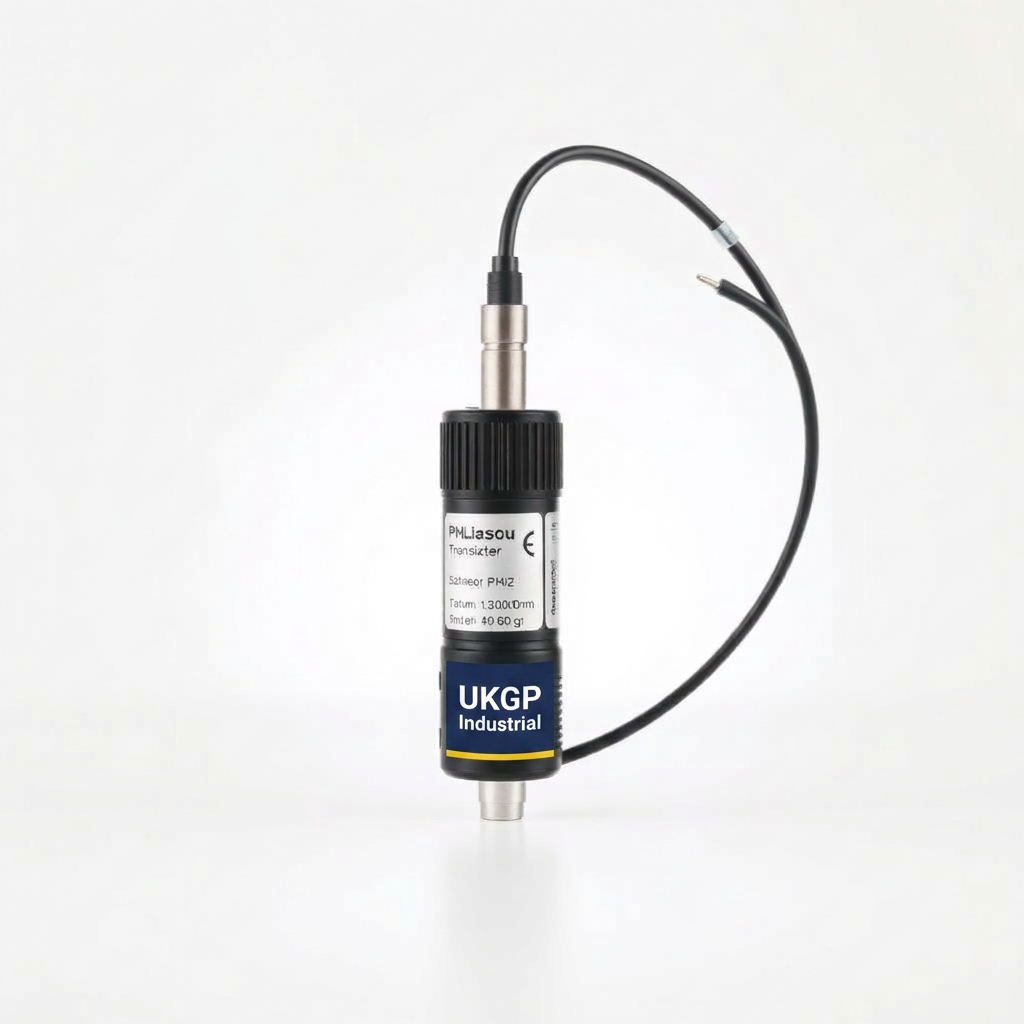
The commercial implications of poor pH control are significant. Acidic water in a multi-megawatt heating system can lead to rapid degradation of aluminium or steel components, while high alkalinity might damage brass valves and fittings. Utilising a submersible ph sensor allows for the early detection of these shifts, often triggered by fresh water ingress or the breakdown of glycol-based antifreeze. Contractors and consultants should look for sensors that offer ease of calibration and a clear pathway for replacement. In many UK installations, the ability to monitor the system remotely via a digital transmitter saves countless man-hours in manual testing. By purchasing a complete kit from UKGP Industrial, which includes the sensor, transmitter, and M12 cable, procurement leads ensure they receive a factory-calibrated system that is ready for immediate site integration, backed by a comprehensive 2-year warranty for peace of mind.
- Continuous real-time monitoring for BSRIA BG50 compliance
- Rugged IP68 construction for permanent immersion capability
- Seamless integration with BMS via 4-20 mA or Modbus RTU
- Reduced risk of equipment corrosion and emergency repair costs
Technical Resilience and IP68 Rated Protection
Environmental protection is the defining characteristic of a professional submersible ph sensor. In damp, subterranean plant rooms or outdoor treatment lagoons, the risk of moisture ingress is high. Specifying an IP68-rated sensor ensures the unit remains functional even under continuous submersion. This is achieved through specialised potting compounds and double-O-ring seals that prevent the process fluid from contaminating the internal electronics or the high-impedance pH signal. Without this level of protection, the sensor will quickly succumb to signal drift or total electrical failure, leading to false readings that could trigger unnecessary chemical dosing or system shutdowns. A high-quality M12 cable connection further enhances this resilience, providing a secure, waterproof coupling that is easy for site engineers to manage during routine maintenance windows.
Furthermore, the material choice for the sensor body is critical. While many domestic applications might use basic plastics, an industrial submersible ph sensor needs chemically resistant housings such as PVC, CPVC, or PVDF, depending on the fluid temperature and chemical profile. These materials resist the 'softening' effect of hot water and the corrosive potential of industrial cleaning agents. For UK engineers working on large-scale district heating or commercial plant rooms, these specifications are vital to meet the requirements of BS EN standards. The UKGP Industrial sensor kit is built to these exacting standards, ensuring that whether it is monitoring a low loss header or a complex plate heat exchanger circuit, the data provided remains accurate and the physical unit remains intact over a long operational lifespan.
Calibration stability is another technical pillar. In an industrial setting, frequent calibration is a drain on resources. A superior submersible ph sensor features a high-volume reference junction and specialised electrolyte gels that resist poisoning and depletion. This translates to longer intervals between calibration cycles, reducing the total cost of ownership. When calibration is required, the use of a smart transmitter makes the process straightforward for FM teams. By selecting a factory-calibrated unit from UKGP Industrial, engineers can be confident that the initial setup is precise. Our kits are engineered to provide a plug-and-play experience, ensuring that even in the high-pressure environment of a new-build commissioning phase, the water quality monitoring system is one less thing for the project manager to worry about.
- IP68 waterproof rating for total immersion reliability
- Durable chemically resistant housing for long-term survival
- High-stability reference junctions to minimise signal drift
- M12 connector system for simplified waterproof wiring
Integration with Secondary HVAC Equipment
The effectiveness of a submersible ph sensor is amplified when it is used in conjunction with other water treatment assets. For instance, in a closed-loop system, the pH levels often dictate the efficacy of corrosion inhibitors introduced via a chemical dosing pot. If the pH is outside the recommended range, those inhibitors may fail to form the protective film required on the internal pipework. By using the real-time data from a UKGP industrial pH sensor and transmitter, engineers can adjust their dosing strategy with precision. This synergy ensures that the system remains within the tight parameters specified by BSRIA BG29 for pre-commission cleaning and BG50 for ongoing water chemistry management, essentially creating a 'smart' water treatment loop that responds to changing conditions.
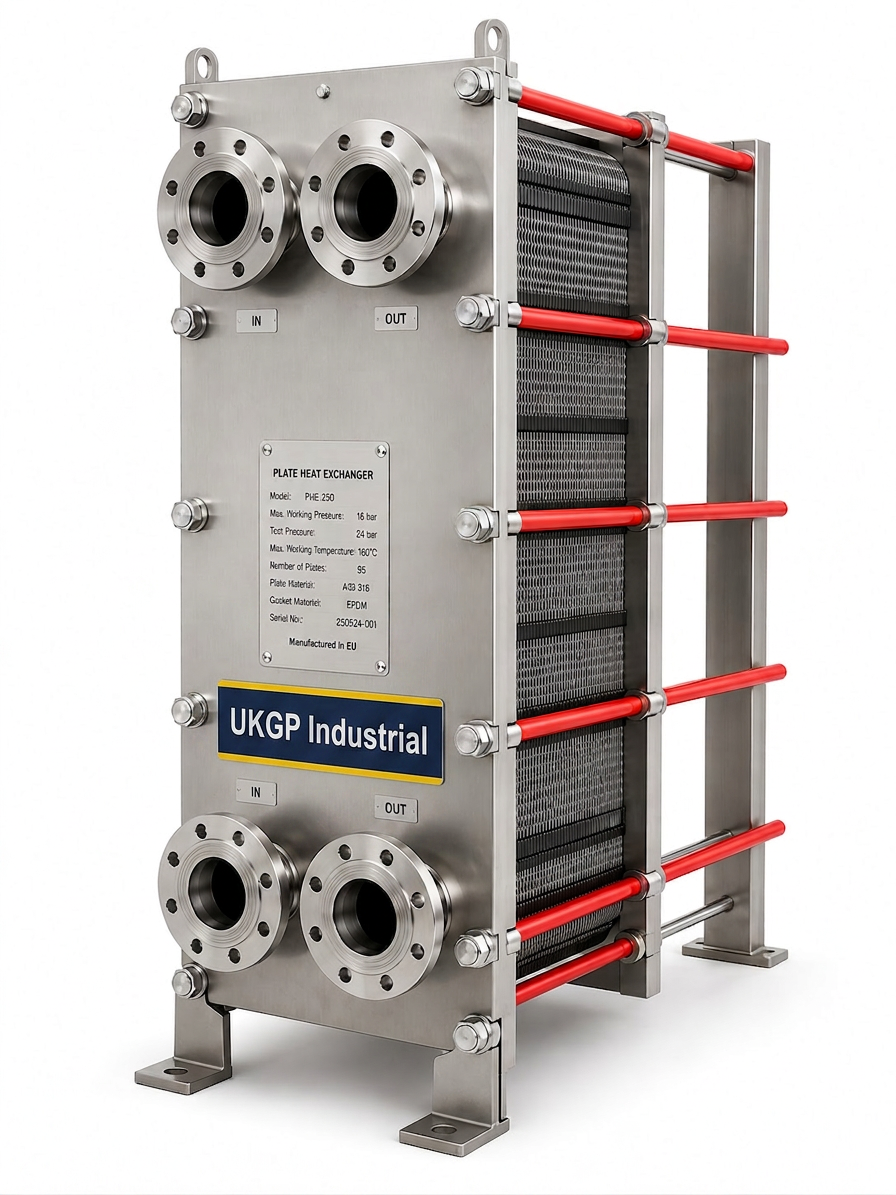
In systems featuring high-efficiency plate heat exchangers, the risk of scale formation is a constant concern. Scale accumulation is heavily influenced by pH levels; an alkaline spike can lead to rapid calcium carbonate precipitation within the narrow channels of the exchanger. A submersible ph sensor provides the early warning system needed to prevent this fouling, thereby maintaining thermal efficiency and reducing the pumping energy required to overcome friction losses. This is a critical consideration for FMs tasked with hitting ESG targets and reducing the carbon footprint of their building services. By ensuring the pH is strictly controlled, the heat transfer surfaces remain clean, and the overall system longevity is significantly extended, avoiding the need for aggressive chemical descaling which can itself damage system components over time.
Similarly, the presence of air and dirt can influence pH readings by encouraging the growth of anaerobic bacteria, such as Sulphate Reducing Bacteria (SRB), which produce acidic by-products. Integrating a submersible ph sensor alongside high-quality air and dirt separators creates a comprehensive protection strategy. While the separators remove physical contaminants and microbubbles, the pH sensor monitors the chemical fallout of any remaining biological activity. This multi-layered approach is the hallmark of modern UK engineering excellence. UKGP Industrial supports this holistic view by offering a full suite of plant room components, from the sensors themselves to the low loss headers and expansion bellows that complete the hydraulic circuit, ensuring all parts work in harmony to maintain system health.
- Optimises chemical inhibitor performance via dosing pots
- Protects plate heat exchangers from pH-induced scaling
- Monitors chemical effects of biological activity in dirt separators
- Enables data-driven maintenance for complex HVAC networks
Installation Best Practices for London Plant Rooms
Correct installation of a submersible ph sensor is as important as the specification itself. In typical UK plant room configurations, sensors should be located where there is a constant, representative flow of the system media. Placing a sensor in a stagnant 'dead leg' will result in inaccurate readings that do not reflect the true state of the bulk fluid. For immersion applications, the sensor should be mounted at an angle or vertically to ensure that the internal electrolyte stays in contact with the pH bulb. Furthermore, the installation point should be easily accessible for maintenance and calibration. Utilizing a sliding mounting gland or a dedicated sensor manifold allows for easy removal without having to drain large sections of the primary circuit, which is a major advantage for operational continuity.
Electrical interference is another common pitfall in industrial environments. Motors, pumps, and VFDs can generate significant electromagnetic interference (EMI) that can distort the sensitive millivolt signal from a pH probe. This is why the UKGP Industrial transmitter is essential; it converts the high-impedance signal into a robust 4-20 mA or Modbus RTU output right at the source or via a short, shielded M12 cable. This digital or amplified signal can then be run over long distances to the main control panel without loss of accuracy. When installing, ensure that signal cables are kept separate from high-voltage power lines, following standard electrical best practices. Our factory-calibrated kits simplify this whole process, providing a 'ready-to-go' solution that eliminates many of the common commissioning errors seen on site.
Finally, consideration must be given to the hydraulic conditions at the point of immersion. While the sensor is called a submersible ph sensor, it must not be subjected to excessive mechanical stress from high-velocity turbulent flow, which can cause physical vibration and premature failure. In large-bore pipework, a bypass loop or a specifically designed sensor pocket is often the best solution. This allows for a controlled flow over the sensor tip while protecting it from the full force of the system. For contractors looking to provide a professional finish, ensuring the transmitter is mounted at eye level with a clear IP66/67 display allows for quick visual checks by plant operators during their daily rounds. Request a quote from UKGP Industrial for a complete sensor, transmitter, and cable kit to ensure all these installation factors are covered by a single, high-performance package.
- Avoid stagnant water zones to ensure representative readings
- Use shielded M12 cabling to prevent EMI from nearby pumps
- Mount transmitter at accessible heights for easy FM inspection
- Consider bypass loops for high-velocity industrial circuits
Calibration and Maintenance of Submersible Ph Sensors
Routine maintenance is the only way to ensure the ongoing accuracy of a submersible ph sensor. Over time, all pH electrodes suffer from 'glass tiredness' or junction fouling, which can slow response times and cause offset errors. A structured maintenance regime, as suggested by BS 8552, should include regular cleaning of the sensor tip with a soft cloth and mild detergent to remove any biofilm or mineral deposits. Following cleaning, the sensor should be checked against known buffer solutions (typically pH 4, 7, and 10). The UKGP Industrial transmitter makes this process intuitive, allowing for easy adjustment of slope and offset values. By maintaining a log of these calibrations, facility managers can track the health of the sensor and predict when a replacement will be needed, preventing unexpected downtime.
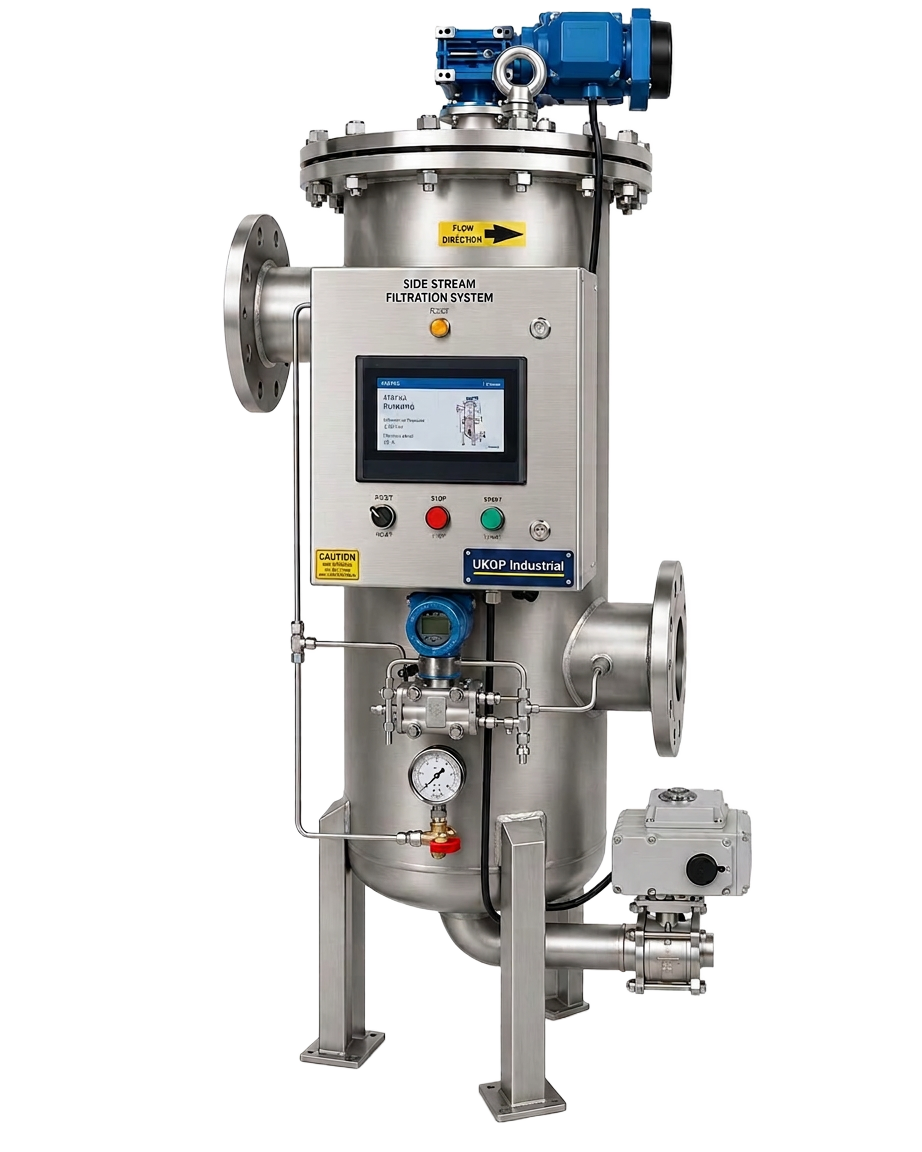
The 2-year warranty provided with the UKGP industrial pH sensor and transmitter reflects our confidence in the product's durability, but it does not replace the need for professional care. In high-fouling environments, such as those with high levels of magnetite or suspended solids, the cleaning frequency must be increased. If the sensor is part of a system with high-efficiency side stream filtration, the maintenance burden is often lower as the water is kept significantly cleaner. However, even in the cleanest systems, the chemical nature of the pH glass means it will eventually need replacing. The modular design of our kit, which separates the sensor from the transmitter via a standard M12 cable, means that only the sensor head needs to be replaced, reducing both waste and cost for the end user.
Storage is another often overlooked aspect of sensor maintenance. If a system is being drained for seasonal maintenance or if the sensor is being kept as a spare, the submersible ph sensor must never be allowed to dry out. The pH-sensitive glass bulb and the reference junction must be kept moist, usually in a storage solution of 3M KCl. If a sensor dries out, it may be permanently damaged or require a lengthy rehydration process. At UKGP Industrial, we provide our sensors with protective caps and storage fluid to ensure they arrive on-site in perfect condition. For procurement leads and M&E contractors, choosing a supplier that understands these technical nuances is key to a successful, long-term installation that meets the rigorous demands of UK industrial standards.
- Weekly or monthly buffer checks to ensure signal accuracy
- Clean sensor tips to remove biofilm and industrial scale
- Modular M12 design for cost-effective sensor head replacement
- Maintain sensors in storage solution to prevent glass dehydration
Economic Benefits of High-Quality Ph Monitoring
Investing in a premium submersible ph sensor is a commercially astute decision for any UK business. The cost of a sensor is negligible compared to the cost of replacing a commercial boiler heat exchanger or a large-scale plate heat exchanger that has been compromised by corrosion. By providing constant data, the sensor allows for the optimization of chemical dosing, ensuring that expensive inhibitors are only used when necessary. This reduced chemical consumption not only saves money but also aligns with corporate sustainability goals. Furthermore, by preventing scale buildup, the sensor helps maintain the design efficiency of the HVAC system, keeping energy bills lower. In the current economic climate, where energy and material costs are volatile, this level of control is an essential tool for effective facilities management.
Efficiency also extends to the labour costs associated with system monitoring. Traditional manual 'dip tests' are time-consuming and only provide a snapshot of system health. A submersible ph sensor connected to a BMS provides a continuous data stream, allowing for automated alerts if parameters fall outside of the set range. This means that skilled engineers can focus their time on more critical tasks rather than performing repetitive manual testing. The UKGP Industrial transmitter, with its clear display and various output options (4-20 mA or Modbus), ensures that this data is easily accessible and actionable. For larger sites, the ability to centralise this data provides an unparalleled overview of the entire estate's water quality, facilitating better resource allocation and long-term planning.
Finally, the robustness of the UKGP industrial pH sensor and transmitter kit reduces the frequency of equipment failure and replacement. Backed by a 2-year warranty, our factory-calibrated systems are built for the 'set and forget' reliability that contractors demand. When you source your submersible ph sensor from UKGP Industrial, you are not just buying a component; you are investing in a partnership with a Surrey-based specialist that understands the specific pressures of the UK market. We provide the technical support, documentation, and high-quality hardware required to ensure your project meets all regulatory requirements and performs flawlessly for years to come. Contact our technical sales team today to discuss your specific application and request a competitive quote for your next project.
- Significant reduction in chemical waste and inhibitor costs
- Lower energy bills by maintaining clean heat transfer surfaces
- Automated BMS alerts reduce the need for manual site testing
- 2-year warranty ensures long-term ROI on monitoring hardware
Frequently asked questions
What is the typical lifespan of a submersible ph sensor in an industrial circuit?
- In a well-maintained closed-loop system, a high-quality industrial submersible ph sensor typically lasts between 12 to 24 months. This varies depending on the temperature, pressure, and chemical aggressiveness of the fluid. Regular cleaning and calibration as per BSRIA BG50 guidelines will maximise this lifespan.
Can the sensor be connected directly to a BMS without a transmitter?
- No, a pH probe produces a very high-impedance millivolt signal that cannot be read directly by standard BMS analogue inputs over any significant distance. The UKGP Industrial kit includes a transmitter that converts this signal into a robust 4-20 mA or Modbus output, ensuring accurate data transmission.
Is the submersible ph sensor suitable for high-temperature heating loops?
- Our standard sensors are designed for typical HVAC temperatures. However, for high-temperature primary circuits, it is important to check the specific temperature rating. In some cases, a bypass cooling loop or a specialised high-temperature probe may be required to protect the sensor's internal electrolyte.
How often should I calibrate my industrial pH sensor?
- For critical BSRIA compliance, we recommend checking the calibration once a month. In stable systems, this can sometimes be extended to quarterly. If the transmitter shows significant drift between checks, it may indicate that the sensor needs more frequent cleaning or is approaching the end of its operational life.
What is the benefit of the M12 cable kit provided by UKGP Industrial?
- The M12 cable provides an IP68-rated, waterproof connection between the sensor and the transmitter. This makes installation and sensor replacement much faster and more reliable than traditional screw terminals, which are prone to corrosion and moisture ingress in plant room environments.