The Role of Storage Solution pH Electrode in Plant Rooms
In the demanding environment of a UK plant room, pH sensors are the first line of defence against acid-induced corrosion or alkaline scaling. However, these electrochemical devices are inherently fragile; the glass membrane must remain hydrated to function. A storage solution ph electrode protocol ensures that the reference junction does not dry out, which would lead to sluggish response times or permanent failure. For building services consultants and facilities managers, ensuring that site engineers use the correct solution rather than deionised water or simple tap water is critical for long-term asset protection and data integrity within the BMS.
When a sensor is removed from a sidestream assembly or a bypass line for maintenance, it should never be left exposed to the air. The use of a dedicated storage solution ph electrode, typically comprising a concentrated potassium chloride (KCl) solution, maintains the electrolyte balance within the probe. This prevents the leaching of ions from the glass bulb, which is a common cause of calibration drift in industrial settings. By adhering to these storage standards, M&E contractors can ensure that when a system is refilled or recommissioned according to BSRIA BG29 standards, the monitoring equipment provides immediate and trustworthy readings without the need for extensive troubleshooting.
Furthermore, the commercial implications of sensor neglect are significant. Replacing industrial-grade sensors frequently due to poor handling increases the lifecycle cost of the water treatment regime. By implementing a strict storage solution ph electrode regimen, procurement leads can extend the service life of their instrumentation significantly. This practice is particularly vital in seasonal systems, such as cooling towers or secondary heating loops, where sensors may be offline for several months. Proper storage ensures that the chemical dosing units receive accurate signals the moment the pumps are reactivated, maintaining the delicate balance of corrosion inhibitors and biocides required for BS 8552 compliance.
- Prevents the dehydration of the pH-sensitive glass membrane.
- Maintains the ionic strength of the reference electrolyte.
- Reduces the frequency of calibration and sensor replacement.
- Ensures compliance with BSRIA BG50 water quality monitoring.
Maintaining Your Storage Solution pH Electrode Setup
To achieve the best results, the storage solution ph electrode must be kept in a clean, airtight container, often the original protective cap provided by the manufacturer. Engineers should regularly check that the cap is properly seated and that the solution has not evaporated. If the solution appears cloudy or contains debris, it must be replaced immediately to prevent contamination of the sensor junction. This attention to detail is what separates a high-performing HVAC system from one prone to frequent downtime and chemical imbalances that could lead to premature failure of plate heat exchangers or boilers.
It is important to note that using the wrong liquid can be as damaging as using no liquid at all. For example, storing a pH probe in distilled or deionised water will cause ions to leach out of the glass, effectively 'starving' the sensor and rendering it useless. The storage solution ph electrode is specifically formulated to match the internal chemistry of the probe, ensuring an equilibrium that preserves the sensor's sensitivity. When taking the sensor out of storage, it should be rinsed with deionised water before being placed back into the process flow to ensure that the concentrated storage salts do not interfere with the initial reading.
For UKGP customers, we recommend a proactive approach to sensor health. Beyond the physical storage of the probe, maintaining the integrity of the transmitter and the M12 cable kit is equally important. When transitioning from storage to active service, a quick two-point calibration should be performed to verify that the storage solution ph electrode has done its job. This ensures that the 4-20 mA or Modbus signal sent to the building management system is 100% accurate, allowing for precise control over chemical dosing pots and minimizing the risk of corrosive water damaging expensive plant room infrastructure.
- Never use deionised or distilled water for long-term storage.
- Always check the storage cap for leaks or salt crystal build-up.
- Rinse the sensor thoroughly before recalibrating for service.
- Replace storage solutions every 6 months to maintain purity.
Impact of Scale and Corrosion on Sensor Longevity
Water quality in sealed primary and secondary circuits is governed by BSRIA standards to prevent the accumulation of magnetite and scale. If a sensor is scaled up, it may require cleaning before being placed in a storage solution ph electrode. A fouled sensor that is placed directly into storage will likely develop permanent staining or surface damage. We advise a gentle cleaning with a mild acidic solution followed by a thorough rinse before the probe is submerged in its protective storage environment. This preventative maintenance ensures that the technical specifications of your UKGP instrumentation are met throughout its operational life.
Corrosion within plant rooms often stems from oxygen ingress or incorrect pH levels. To detect these issues early, the sensor must be in peak condition. A neglected probe that has not seen a storage solution ph electrode is likely to give false high or low readings, leading to incorrect dosing of inhibitors. This can result in the thinning of pipework or the blockage of low loss headers with sludge. By prioritising the health of your sensors, you are effectively protecting the entire hydraulic circuit from the devastating costs of system-wide corrosion and the associated remedial flushing requirements specified in BG29.
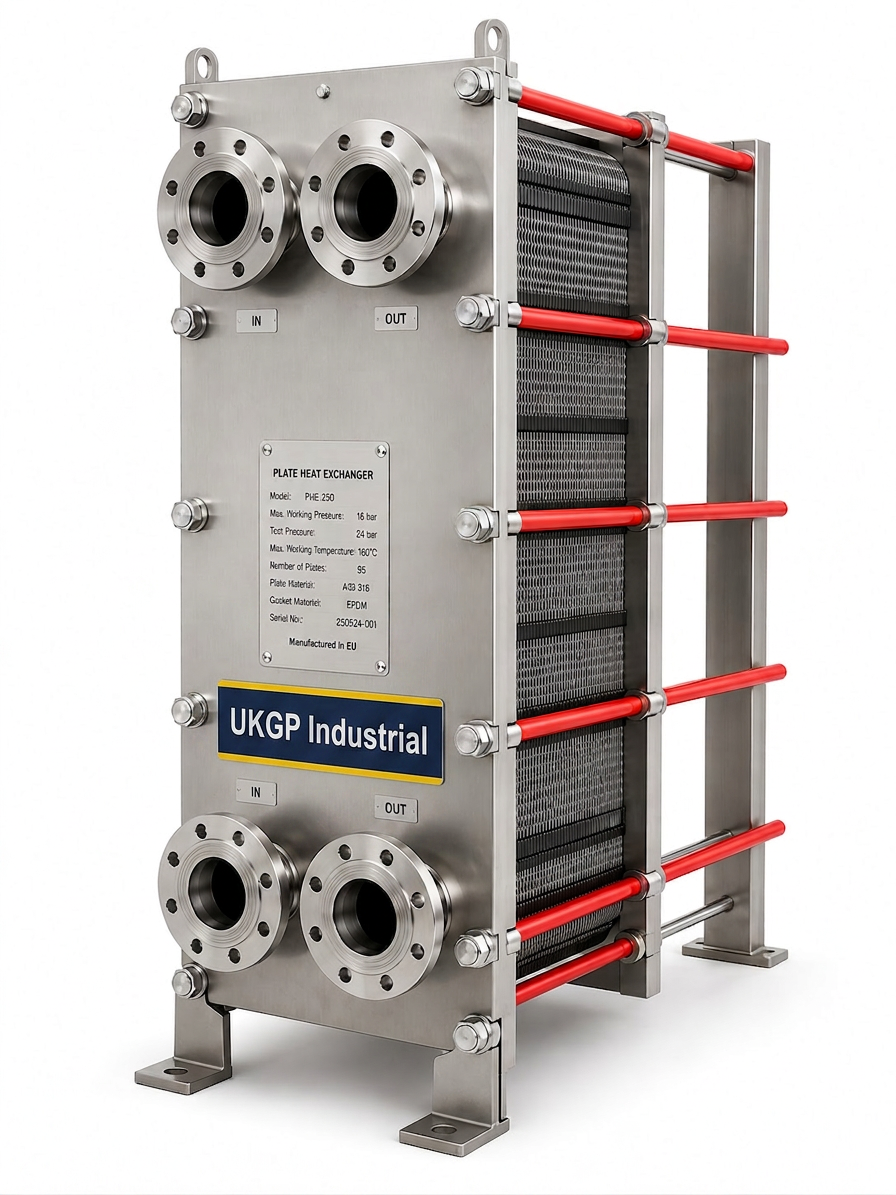
In systems featuring high-efficiency plate heat exchangers, even a minor deviation in pH can lead to localized corrosion or scaling on the thin plates, significantly reducing thermal efficiency. Monitoring this accurately requires sensors that have been handled with care. Any engineer should be trained to recognize that the storage solution ph electrode is not just a chemical, but a critical tool for maintaining the 'zero' and 'slope' of the measurement system. This technical diligence ensures that the plant room operates at peak efficiency, reducing energy consumption and carbon footprints across the estate.
- Scale on sensors can mask true pH readings and increase lag.
- Proper storage prevents the 'poisoning' of the reference junction.
- Accurate pH monitoring protects plate heat exchangers from fouling.
- Reduces the risk of magnetite build-up in low loss headers.
Integrating Sensors with Modern Dosing Systems
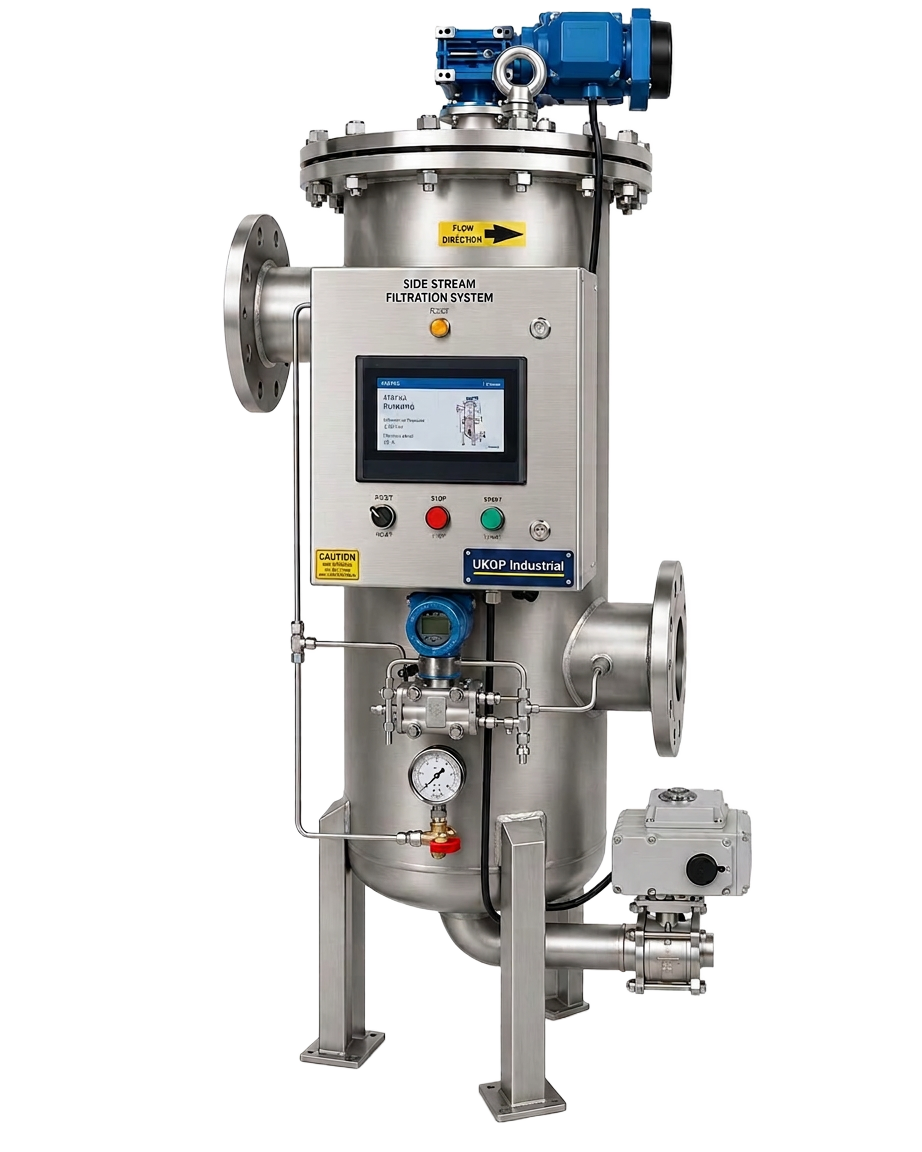
Modern plant rooms increasingly rely on automated chemical dosing pots and side stream filtration to maintain water chemistry. At the heart of these systems is the pH sensor. When these sensors are taken offline, perhaps for a filter change or during a system purge, the storage solution ph electrode must be utilized. This ensures that as soon as the system is back online, the 4-20 mA output to the dosing pump is reliable. A failed sensor often defaults to a reading that triggers constant dosing, which is not only wasteful but can also upset the chemical balance of the entire loop.
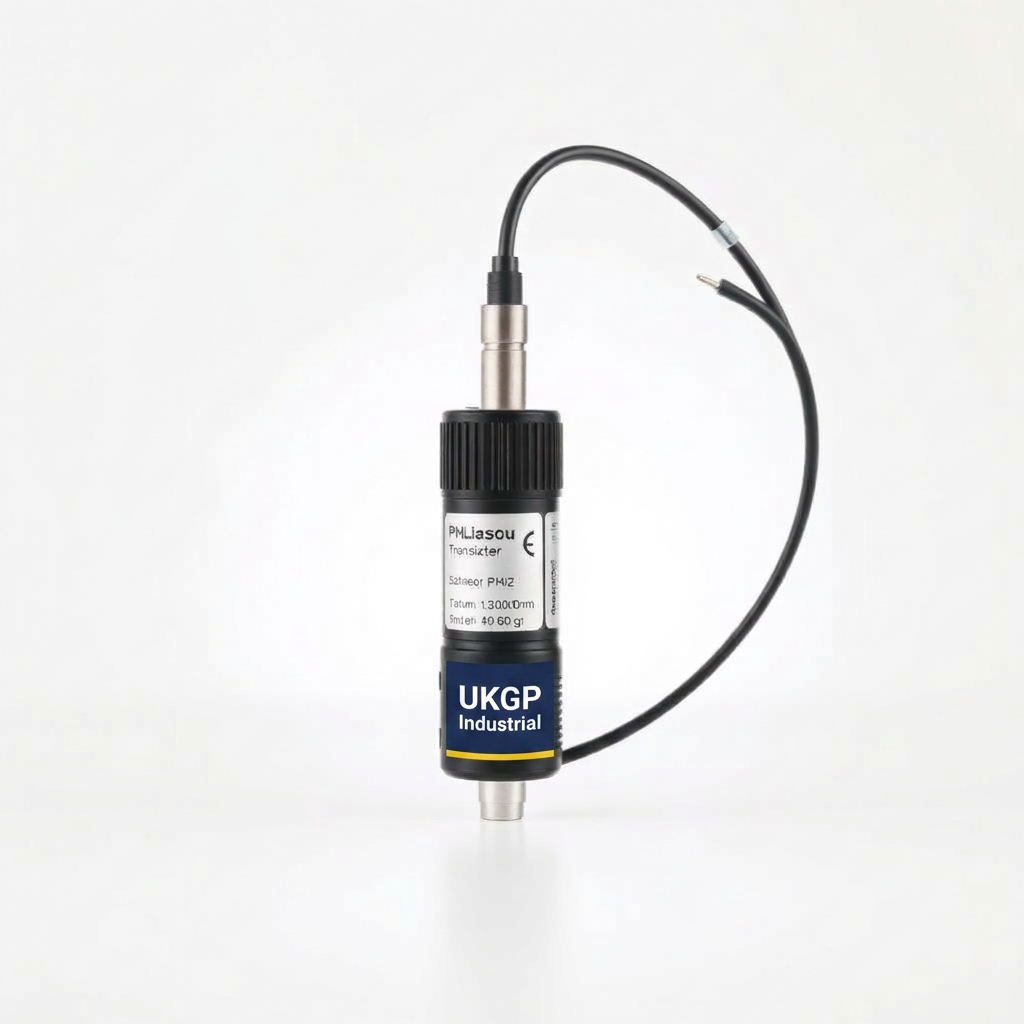
UKGP Industrial provides a complete kit including the sensor, transmitter, and M12 cable, designed for the rigours of the UK commercial market. Our factory-calibrated units are ready to go, but their longevity depends on site-side maintenance. Using a storage solution ph electrode during downtime prevents the sensor from becoming a weak link in your water treatment strategy. This is especially important for Modbus-enabled sensors where digital data integrity is paramount for remote monitoring. Our IP68-rated housings ensure the hardware thrives, but the chemistry requires your attention to detail.
Building services consultants often specify UKGP products because of our 2-year warranty and commitment to quality. However, the warranty typically requires that sensors have been maintained according to standard industry practices. Correct use of a storage solution ph electrode is a key indicator of professional site management. When our tech support team reviews a returned sensor, the state of the reference junction tells the story of its maintenance history. By following our guidelines, you protect your investment and ensure that your plant room meets the high standards expected by modern FMs and stakeholders.
- Ensures immediate sensor responsiveness upon system restart.
- Supports the accurate operation of automated dosing units.
- Protects the 2-year warranty by following best-practice maintenance.
- Maintains the integrity of 4-20 mA and Modbus data streams.
Technical Specifications and Calibration Procedures
Our industrial pH sensor and transmitter kits are designed for resilience, but even the most robust IP68 sensor needs proper chemical care. When you rely on a storage solution ph electrode, you are ensuring that the electrochemical bridge remains conductive. This is vital when calibrating against standard buffers. A sensor that has been stored correctly will settle on a calibration value in seconds, whereas a dried-out sensor may take minutes or fail to calibrate entirely. This saves significant time for site engineers during routine monthly inspections and ensures that the system is never left unmonitored.
For specialists managing high-pressure systems where expansion bellows and heavy-duty pipework are present, the reliability of the pH reading is non-negotiable. If pH levels drift significantly due to a poorly maintained sensor, the integrity of the metallic components in the system could be compromised. Utilizing the storage solution ph electrode ensures that the sensor's reported pH is the actual pH of the system, allowing for precise control of the water's alkalinity. This prevents the formation of hydrogen gas and other byproducts of corrosion that can damage air and dirt separators and lead to system noise.
We recommend that all M&E contractors keep a supply of both calibration buffers and a dedicated storage solution ph electrode on-site. This allows for immediate action if a sensor needs to be pulled from the line. Our factory-calibrated sensors offer a 'plug and play' experience, but the harsh reality of plant room operation means that the hydration of the probe is the owner's responsibility. By choosing UKGP's industrial pH sensor & transmitter—complete with M12 cable and full technical support—you are choosing a product designed for the long haul in the UK’s most demanding commercial environments.
- Factory-calibrated for immediate deployment.
- Supports time-saving calibration routines on-site.
- Critical for systems with complex expansion and separation needs.
- IP68 and 4-20 mA / Modbus options for full BMS integration.
Best Practice for Long-Term Sensor Storage
For projects that are currently in a 'shell and core' phase or experiencing long delays before final commissioning, the storage solution ph electrode is a lifesaver. Sensors should be checked every few months to ensure the storage liquid hasn't leached out or evaporated. This is a common failure point on large construction sites where instrumentation is installed months before the systems are actually filled. A proactive FM or contractor will ensure that these sensors are audited regularly, preventing the need for a costly replacement of the entire instrument set just before the building handover.
When you are ready to move from storage to live monitoring, ensure the sensor is rinsed and then placed into the sensor holder or flow cell. Connect the UKGP M12 cable and power up the transmitter. With the storage solution ph electrode having preserved the glass membrane, the transmitter should display a stable reading almost immediately. This reliability is why our pH sensors and transmitters are favored by those who understand that water treatment is a science, not a guess. Whether you are managing a small office heating system or a massive district energy center, these principles remain the same.
In summary, the storage solution ph electrode is the unsung hero of industrial water quality monitoring. It preserves the accuracy of your pH sensors, protects your warranty, and ensures that your plant room equipment—from plate heat exchangers to low loss headers—operates in an environment that is chemically controlled and safe. Contact UKGP Industrial today to request a quote for our industrial pH sensor & transmitter kits. Our technical team is ready to assist with your specification to ensure your plant room instrumentation is as robust as the systems it protects.
- Monthly audits of stored sensors prevent unexpected failures.
- Essential for projects with long gaps between install and operation.
- Ensures 'Day 1' performance during building commissioning.
- Simple, low-cost maintenance that protects high-value assets.
Frequently asked questions
Can I use tap water instead of an electrode storage solution?
- No. Tap water contains minerals that can contaminate the reference junction, and its ionic strength is not high enough to maintain the sensor's equilibrium. Only a specific storage solution ph electrode (usually 3M or 4M KCl) should be used to ensure valid readings.
What happens if my pH sensor dries out?
- If the probe is not kept in a storage solution ph electrode, the glass membrane dehydrates and the reference junction crystallizes. While some sensors can be 'rehydrated' by soaking in solution for 24 hours, the accuracy is often permanently compromised, and replacement is usually necessary.
How long can a sensor stay in storage solution?
- A sensor can be stored indefinitely in a high-quality storage solution ph electrode, provided the solution does not evaporate. We recommend checking the storage cap every 3-6 months and replacing the solution to ensure it remains clean and effective.
Does the storage solution affect calibration?
- The storage solution ph electrode does not affect calibration directly, but it ensures that the sensor is *ready* for calibration. A well-stored sensor will calibrate faster and more accurately than one that has been stored dry or in improper fluids.
Are UKGP pH sensors supplied with storage solution?
- Yes, our sensors are shipped with a protective cap filled with the correct storage solution to ensure they arrive factory-calibrated and ready for use. Maintaining this storage solution ph electrode during any period of downtime is critical for the 2-year warranty.