Understanding the Role of a Probe Ph Meter in HVAC
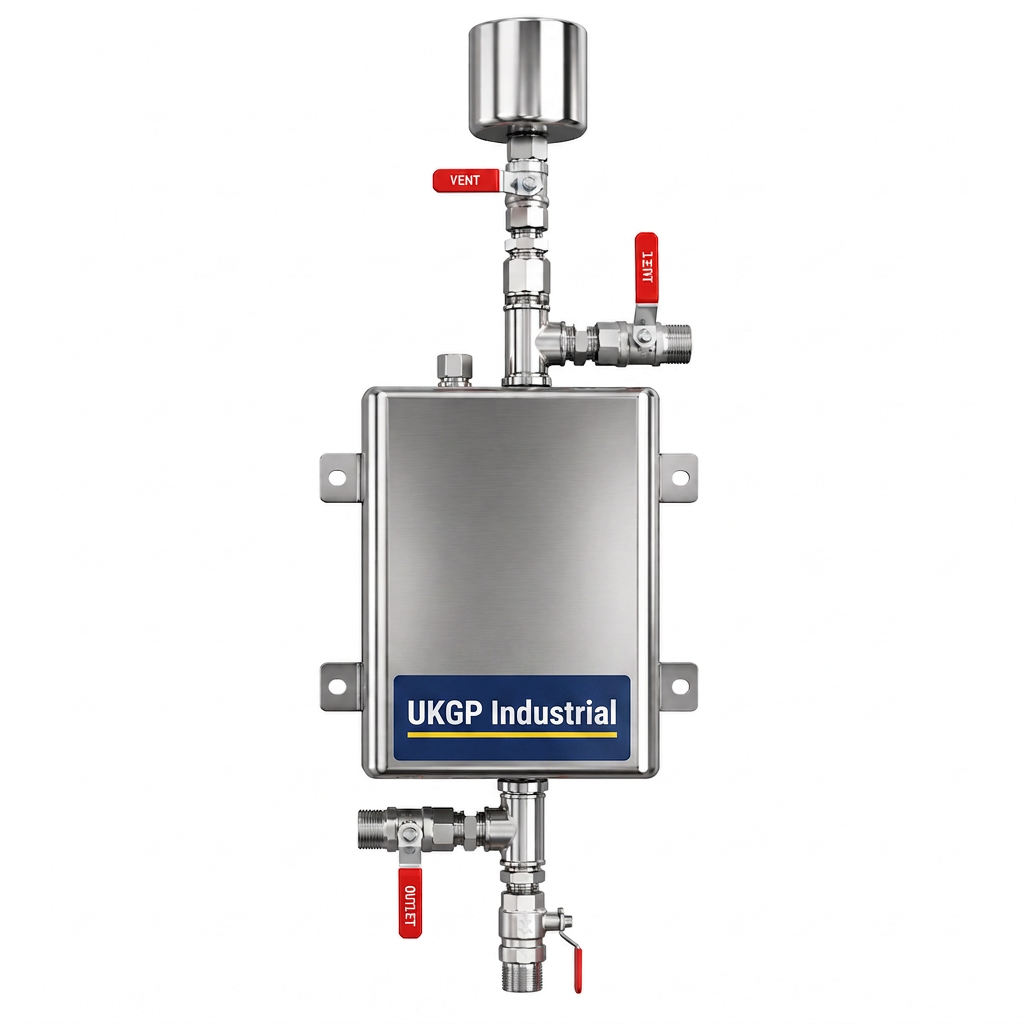
In the context of modern UK plant rooms, water chemistry is the silent engine of efficiency. A probe ph meter acts as the primary analytical tool for determining the acidity or alkalinity of circulating fluid, which directly impacts the passivity of metal surfaces within heat exchangers and distribution pipework. When pH levels drift outside the recommended range—typically 8.2 to 9.5 for steel and copper systems—the risk of internal pitting and galvanic corrosion increases exponentially. Engineers must rely on accurate digital readings rather than manual litmus tests to ensure that the chemical inhibitors introduced via dosing pots are performing as intended to protect the asset's lifespan.
Precision monitoring via a dedicated probe ph meter is essential because manual sampling is often infrequent and prone to atmospheric contamination, which can skew results. In high-pressure commercial circuits, even a minor drift in pH can signal the onset of microbiological activity or the degradation of glycol-based antifreeze solutions. By integrating a permanent sensing solution into the plant room's BMS or local control panel, contractors can move from reactive maintenance to a proactive strategy. This reduces the total cost of ownership by extending the MTBF for critical components like circulators, control valves, and thermal interface units across the entire building footprint.
The shift towards data-driven maintenance aligned with CIBSE requirements means that a simple handheld device is no longer sufficient for large-scale developments. UKGP Industrial provides factory-calibrated solutions that eliminate the guesswork associated with standard field measurements. Investing in a permanent probe ph meter ensures that the building's infrastructure remains compliant with the rigorous standards set out by insurers and regulatory bodies. This is particularly vital in mixed-metal systems where aluminium components require a much tighter pH window (usually between 7.0 and 8.5) to avoid rapid thinning of tube walls and subsequent system leaks.
- Real-time monitoring of system alkalinity to prevent corrosion
- Direct alignment with BSRIA BG50 water quality management protocols
- Reduction in manual sampling labor and associated human error
- Protection for expensive multi-metal plant room components
- Integration with building management systems for automated alerts
Technical Specifications of the UKGP Probe Ph Meter
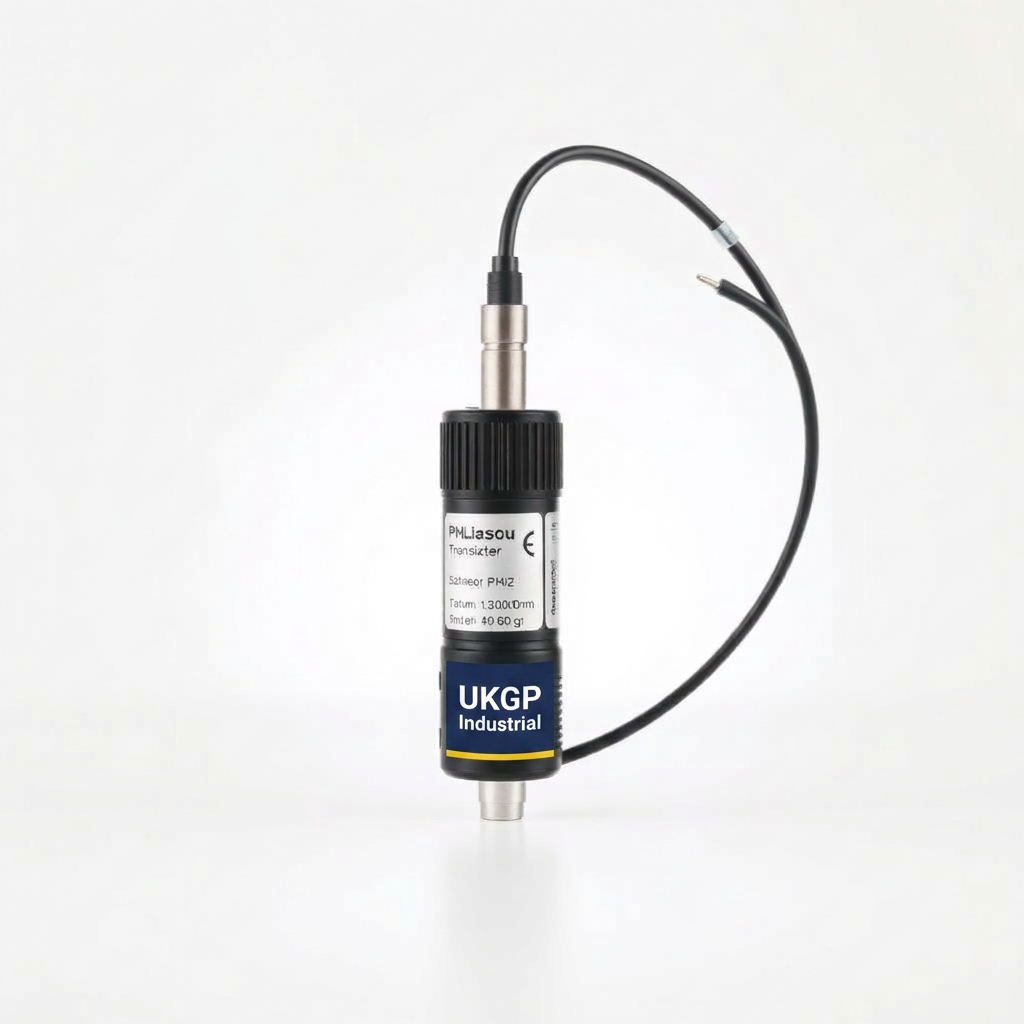
When selecting a probe ph meter for industrial application, durability and signal integrity are paramount. The UKGP industrial pH sensor & transmitter kit is specifically engineered for the harsh environments found in commercial plant rooms, featuring an IP68-rated housing that resists moisture and dust ingress. The kit includes a high-performance sensor, a dedicated transmitter, and a secure M12 cable kit to ensure reliable connectivity between the point of measurement and the control board. This robust architecture ensures that the probe ph meter remains operational even in high-temperature or high-vibration scenarios common in large-scale boiler rooms and energy centres across the UK.
Our system offers flexibility in output, supporting both 4-20 mA analogue signals and Modbus digital communication. This allows the probe ph meter to be easily retrofitted into existing control loops or integrated into sophisticated new-build digital platforms. Every unit comes factory-calibrated, saving significant time during on-site commissioning and ensuring out-of-the-box accuracy that meets BSRIA requirements. Furthermore, the 2-year warranty provides procurement leads and M&E contractors with the peace of mind that the equipment is built to last in demanding continuous-flow environments, far exceeding the reliability of consumer-grade analytical tools found elsewhere.
Site engineers often struggle with the maintenance requirements of sensitive electrodes; however, the UKGP probe ph meter is designed for simplified serviceability. The modular design means the sensor head can be replaced or cleaned with minimal downtime, ensuring that the system monitoring remains continuous. With its 4-20 mA or Modbus compatibility, the transmitter provides clear diagnostic data, allowing facilities managers to identify when a sensor requires recalibration or replacement due to fouling. By choosing a UKGP system, you are selecting a commercial-grade solution that prioritises uptime and data accuracy over initial cost, safeguarding the integrity of the secondary system water.
- Complete kit: sensor, transmitter, and M12 cable for rapid install
- Flexible 4-20 mA or Modbus communication for universal BMS integration
- IP68 environmental protection rating for robust plant room performance
- Factory-calibrated sensors to ensure immediate site accuracy
- Backed by a comprehensive 2-year warranty for industrial peace of mind
Compliance with BSRIA BG50 and BG29 Standards
Adherence to BSRIA BG50 'Water Treatment for Closed Heating and Cooling Systems' is a standard requirement for UK facility management. This guidance emphasises the need for continuous monitoring to prevent the build-up of magnetite and other corrosion products that can choke narrow waterways in plate heat exchangers. A digital probe ph meter provides the verifiable data trails necessary to prove that water chemistry has been maintained within specification throughout the system's operational life. This documentation is often required during insurance audits or when investigating the root cause of component failure within major heating circuits.
Furthermore, during the pre-commissioning cleaning phase governed by BSRIA BG29, the pH of the cleaning and flushing water must be carefully controlled to ensure that chemical agents are effective and that the metal surfaces are correctly passivated after the process. A probe ph meter is indispensable during this phase to monitor the neutralisation of acidic cleaning agents. Without this precise measurement, there is a significant risk of leaving corrosive residues in the system, which can lead to rapid under-deposit corrosion once the building is occupied and the heating or cooling demand increases.
Engineers should also consider the implications of BS 8552, which provides a code of practice for sampling and monitoring water levels in buildings. By using a permanent probe ph meter, the frequency of physical laboratory samples can be optimised, as any deviation in the baseline pH will be instantly flagged. This integrated approach not only satisfies the technical requirements of CIBSE CP1 Heat Networks Code of Practice but also drives operational efficiency. Ensuring that your pH monitoring is performed by high-spec industrial instrumentation is the simplest way to insulate your project from the litigation and remedial costs associated with poor water quality management.
- Automated data logging to satisfy BSRIA BG50 audit requirements
- Essential monitoring during BG29 pre-commissioning and flushing
- Verification of chemical inhibitor efficacy and passivation layers
- Reduced reliance on frequent manual water sampling for BS 8552
- Improved system transparency for commercial insurers and stakeholders
Mitigating Risk in High-Efficiency Heat Exchangers
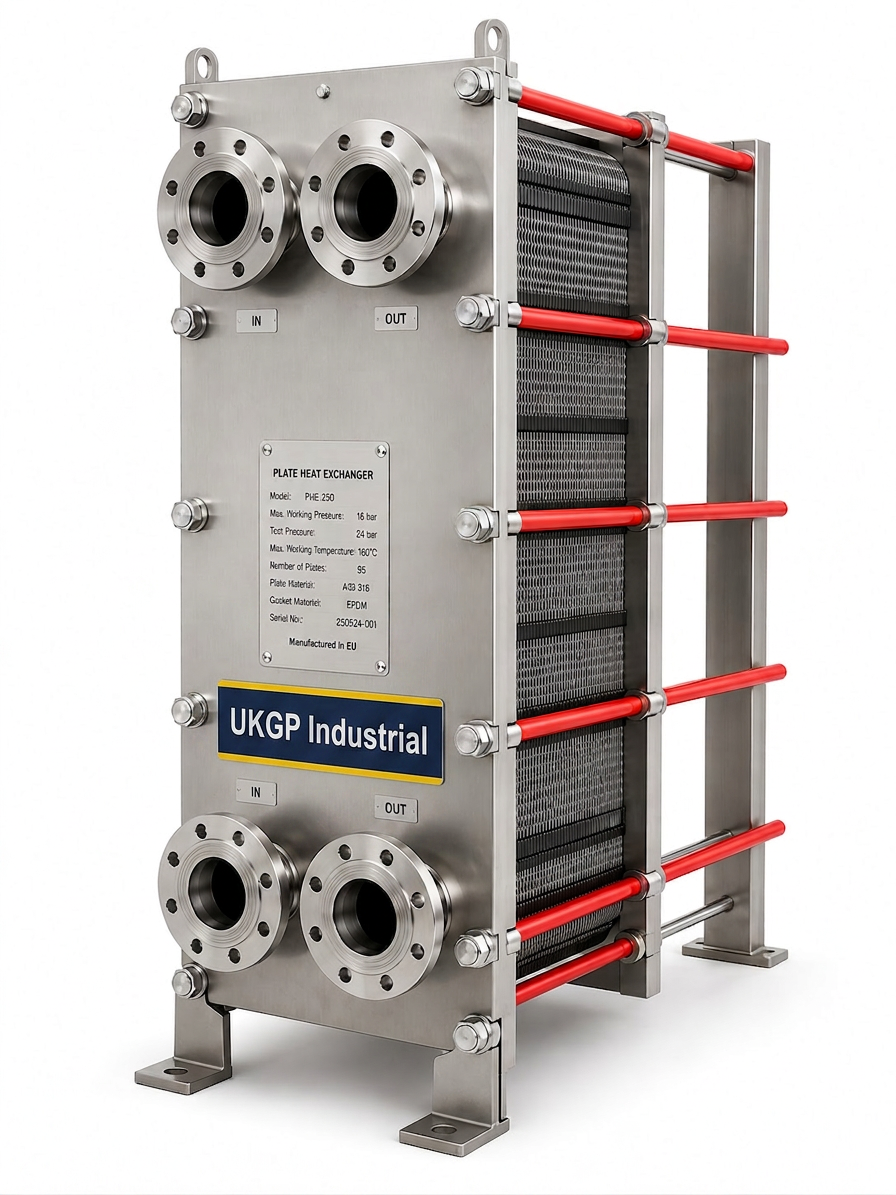
Modern high-efficiency plant rooms often utilise compact plate heat exchangers to maximise thermal transfer within a small mechanical footprint. However, these units have very narrow flow paths that are highly susceptible to scaling if the pH levels are not correctly managed. A probe ph meter allows for the early detection of scaling conditions, which typically occur when the pH rises too high, leading to the precipitation of calcium carbonate. By keeping an industrial probe ph meter at the heart of the monitoring array, engineers can adjust their dosing regimes before scale build-up causes a meaningful drop in thermal efficiency or an increase in system pressure drop.
The relationship between pH and thermal performance is direct; as scale forms on the heat transfer surfaces, the boiler or chiller must work harder to achieve the same set-point temperature, leading to increased carbon emissions and energy costs. Using a probe ph meter to keep the system in the 'sweet spot' of chemical balance ensures that the plate heat exchangers operate at peak design efficiency. UKGP Industrial offers a range of complementary products, including high-grade plate heat exchangers, which are best protected by our integrated monitoring solutions. This holistic approach to plant room design ensures that every component is optimised for the specific water chemistry of the site.
In addition to scaling, improper pH levels can lead to the erosion-corrosion of copper or stainless steel plates within the exchanger. An accurately calibrated probe ph meter will identify if the water has become too aggressive or 'hungry,' which can occur if demineralised water is used without proper buffering. Contractors who specify UKGP monitoring equipment gain the advantage of industrial-grade sensing that is far more resilient than standard light-commercial sensors. Requesting a quote for a UKGP sensor kit allows you to secure a long-term solution that protects the most valuable thermal assets in your facility from chemical degradation.
- Prevents scale precipitation in narrow heat exchanger channels
- Maintains design thermal efficiency and low carbon footprint
- Protects against the pitting and thinning of stainless steel plates
- Supports long-term asset health for high-efficiency energy centres
- Compatible with various heat transfer media and glycol mixes
Installation and Integration of a Probe Ph Meter
Correct installation of a probe ph meter is critical to obtaining accurate and repeatable data. Ideally, the sensor should be installed in a bypass loop or a low-velocity section of the pipework where the probe remains fully submerged at all times, even during low-flow conditions. UKGP provides a complete kit including the M12 cable and transmitter, making the electrical integration process straightforward for M&E contractors. The transmitter's ability to output a 4-20 mA signal means it can be wired directly into most standard PLC or BMS inputs without the need for additional signal conditioners, reducing the overall complexity and cost of the installation.
Orientation is also an important factor; the industrial probe ph meter should be mounted at an angle of at least 15 degrees above the horizontal to ensure that the internal electrolyte remains in contact with the glass membrane and that no air bubbles become trapped. When these installation best practices are followed, the UKGP factory-calibrated sensor provides high-resolution data that can be used to trigger automated chemical dosing pumps. This creates a closed-loop system where any drop in pH is immediately countered by a measured injection of alkaline inhibitor, maintaining the system in perfect equilibrium without human intervention.
For facilities managers, the move to a digital probe ph meter setup means that alarm thresholds can be set to notify the maintenance team via email or SMS before a problem becomes critical. This is particularly useful in remote or unmanned plant rooms where a burst expansion bellow or a failed dosing pot might otherwise go unnoticed for days. By integrating the ph sensor with the wider plant room controls, you create a robust defence against the chemical imbalances that lead to the 'black sludge' (magnetite) commonly found in older, poorly maintained UK commercial systems. Use our contact form to request technical drawings and integration specs for your next project.
- Bypass loop installation ensures constant sensor submersion
- M12 cable kit simplifies electrical connections for contractors
- 4-20 mA output provides seamless link to BMS and PLC kits
- Supports automated closing of the chemical dosing loop
- Enables early warning alerts to prevent magnetite formation
Long-Term ROI of Precision Ph Monitoring
While the initial capital expenditure for a high-quality probe ph meter may be higher than manual testing kits, the long-term return on investment is undeniable. Rapid corrosion can lead to the premature replacement of commercial boilers, which can cost tens of thousands of pounds in parts and labour alone, not including the disruption to building occupants. By maintaining strict control over water chemistry via a reliable probe ph meter, these catastrophic costs are avoided, and the operational life of the plant is significantly extended. This is a key consideration for procurement leads who are looking at the lifecycle costs and sustainability of their mechanical assets.
Moreover, energy efficiency is heavily dependent on the cleanliness of the heat transfer surfaces. Even a 1mm layer of scale or corrosion products can reduce heat transfer efficiency by up to 10%, leading to a proportional increase in fuel consumption and operational costs. A probe ph meter ensures that the chemical environment stays within the range that prevents these deposits from forming. Over a 5 to 10-year period, the savings in energy costs facilitated by accurate pH monitoring will often pay for the sensor hardware many times over, making it one of the most cost-effective upgrades available for a commercial plant room.
Finally, the 2-year warranty and IP68 rating of the UKGP industrial pH sensor ensure that maintenance costs remain low. Unlike cheaper alternatives that may drift or fail within months, our probe ph meter is designed for the rigours of continuous industrial service. This reliability reduces the need for frequent site visits by specialist water treatment consultants, allowing the on-site FM team to manage the system with confidence. To upgrade your monitoring capabilities and ensure your plant room meets the highest professional standards, contact the UKGP Industrial technical team today for a tailored quote on our sensor and transmitter packages.
- Protects against premature failure of expensive commercial boilers
- Significant energy savings by preventing efficiency-robbing scale
- Reduced frequency of expensive chemical cleaning and flushing
- Lower maintenance overheads due to durable IP68 construction
- Enhanced ESG reporting through better asset management and efficiency
Frequently asked questions
Why is a probe ph meter better than manual testing?
- A probe ph meter provides continuous, real-time data that can be integrated into a BMS. Manual testing is a 'snapshot' in time and can miss rapid changes in water chemistry caused by fresh water ingress or component failure. Continuous monitoring is the only way to ensure 24/7 compliance with BSRIA BG50 standards.
How often does a UKGP probe ph meter need calibration?
- While our sensors are factory-calibrated, we recommend verifying the accuracy every 6 to 12 months depending on the system conditions. The industrial-grade transmitter makes this process simple, and the high-quality glass electrode is designed for minimal drift compared to lower-spec alternatives.
Can your probe ph meter handle high-pressure HVAC systems?
- Yes, the UKGP industrial pH sensor is designed for commercial and industrial pressures common in UK plant rooms. Ensure that it is installed in a suitable sensor housing or bypass loop rated for your system's design pressure.
What communication protocols does the transmitter support?
- The UKGP pH transmitter supports 4-20 mA analogue output as standard, which is compatible with most BMS controllers. We also offer Modbus digital communication for sites requiring more detailed diagnostic data and easier multi-device networking.
Is the probe ph meter compatible with glycol-filled systems?
- Absolutely. Monitoring pH is even more critical in glycol systems, as glycol can break down into acidic organic acids over time (glycol degradation). A probe ph meter will flag this degradation early, allowing you to neutralise or replace the fluid before it corrodes the system.