Understanding the Role of a Probe Ph in BSRIA Compliance
In the UK commercial sector, water quality management is governed by frameworks such as BSRIA BG50 and BG29, which highlight the critical need for constant monitoring of acidity and alkalinity. A high-specification probe ph sensor provides the real-time data necessary to manage chemical dosing regimes effectively, preventing the degradation of heat exchangers and pipework. Without accurate sensing, HVAC systems are vulnerable to rapid pitting corrosion or scale formation, both of which drastically reduce thermodynamic efficiency and increase the Levelised Cost of Energy (LCOE) for building operators. Choosing a robust sensor ensures that your facility management team remains ahead of chemistry drifts before they become catastrophic failures.
Manual sampling, while historically common, is increasingly viewed as insufficient for high-demand UK plant rooms where load fluctuations can rapidly alter the chemical balance. An industrial probe ph assembly allows for continuous data logging, which is much more aligned with the rigorous documentation requirements of modern asset management. By integrating these sensors into a comprehensive water treatment strategy, M&E contractors can provide their clients with documented proof of system stability. This proactive approach is not just about compliance; it is about extending the lifecycle of the entire primary and secondary circuit through precise, repeatable measurements that standard handheld meters often fail to provide in high-pressure environments.
When evaluating options, procurement leads must look for units that offer industrial-grade durability and ease of integration into existing Building Management Systems (BMS). A reliable probe ph solution should bridge the gap between simple laboratory-style sensors and the harsh realities of a commercial plant room. UKGP provides solutions that are specifically designed to meet these challenges, offering high ingress protection and pre-calibrated accuracy. By investing in the right sensing technology today, engineers can significantly reduce the 'reactive maintenance' burden that plagues many UK commercial sites, ensuring that the water chemistry remains within the strict parameters defined by both CIBSE and BSRIA guidelines for water quality monitoring.
- Adherence to BSRIA BG50 water quality parameters for closed-loop systems.
- Real-time monitoring to prevent accelerated corrosion of stainless steel and copper.
- Reduced reliance on manual site testing through automated sensor data.
- Enhanced documentation for health and safety audits and insurance compliance.
Technical Specifications for Industrial Probe Ph Sensors
For an industrial application, the specifications of a probe ph must exceed those used in light commercial or residential settings. A professional-grade kit typically includes a high-accuracy sensor and a dedicated transmitter capable of handling 4-20 mA or Modbus RTU communication protocols. This allows the probe ph data to be transmitted over long distances to a central control panel without signal degradation. Furthermore, the physical build of the sensor must be capable of withstanding the temperature and pressure fluctuations common in commercial HVAC circuits, where heat cycles can put significant stress on lower-quality glass electrodes and plastic housings.
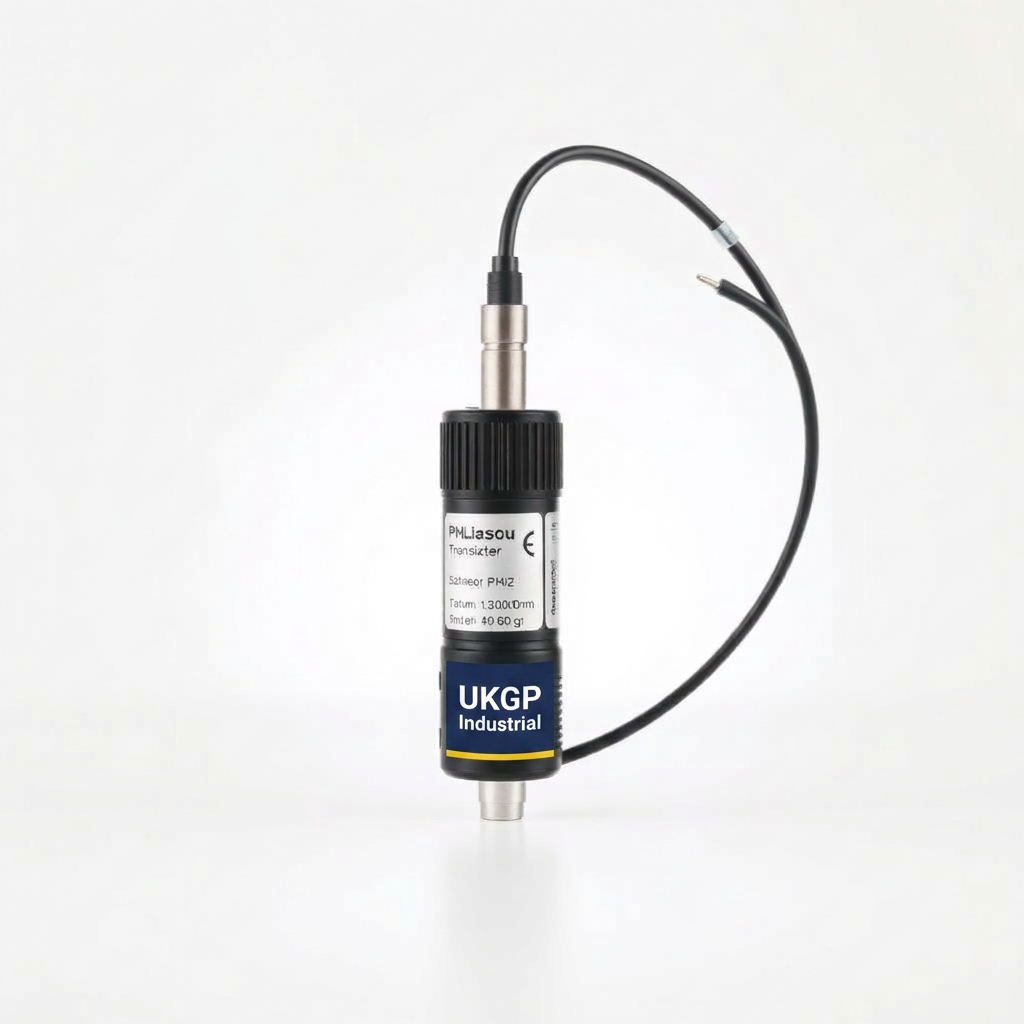
Modern UKGP industrial pH sensor & transmitter kits are designed to simplify this complexity for plant-room engineers. These kits come complete with a precision sensor, a sophisticated transmitter for signal processing, and a high-quality M12 cable kit to ensure secure connections. With IP68 ratings as standard, these units are perfectly suited for the damp and demanding environment of a London or Surrey plant room. The inclusion of a 2-year warranty and factory calibration means that the unit can be deployed immediately with minimal onsite setup, providing a plug-and-play solution for contractors who need to deliver reliable results under tight project deadlines.
Connectivity is another critical factor in the selection process. While traditional 4-20 mA analogue loops are reliable and universal, many modern facilities are transitioning toward Modbus for enhanced diagnostic capabilities. A high-quality probe ph transmitter that offers both options allows for future-proofing of the installation. This versatility is essential when working with various BMS controllers or when integrating the sensor into a larger side stream filtration and treatment skid. By choosing a solution that is factory-calibrated, engineers can be confident in the baseline accuracy of their readings from the moment the power is switched on, removing the margin for error often found in field-calibrated equipment.
- Full kit includes sensor, transmitter, and M12 cable for rapid deployment.
- Support for both 4-20 mA analogue and Modbus digital communication.
- IP68 environmental protection for maximum reliability in plant rooms.
- Factory-calibrated sensors to ensure out-of-the-box accuracy and precision.
Integrating Sensors with Side Stream Filtration Skids
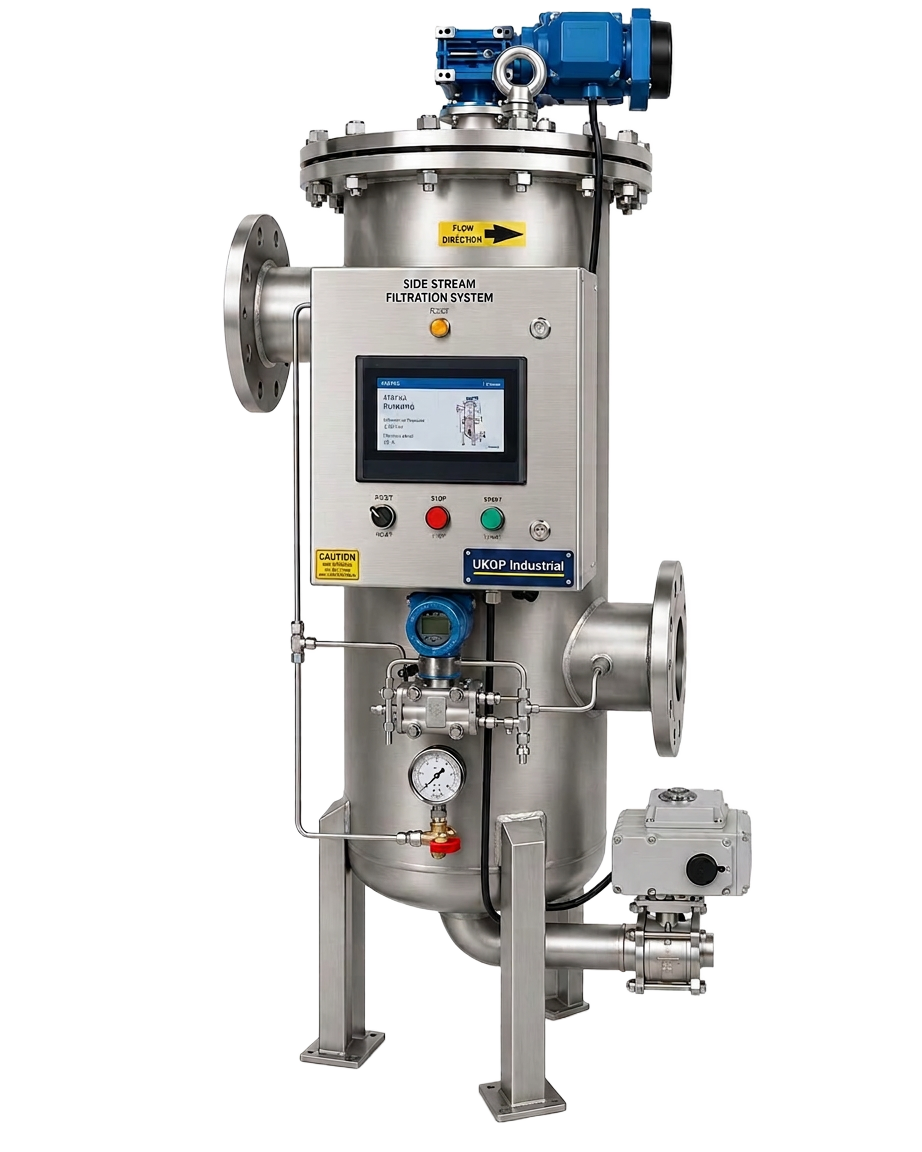
A probe ph sensor does not operate in isolation; it is most effective when integrated into a wider water quality management system. For many UK commercial buildings, this means installing the sensor as part of a side stream filtration bypass. This setup allows for continuous monitoring of the water quality as it passes through the filtration media, ensuring that any changes in chemical dosing or system contamination are caught early. Side stream filtration is a requirement under many modern engineering specifications to remove suspended solids, and adding an inline probe ph allows for a holistic view of both physical and chemical water health in one central location.
When a probe ph is installed alongside a high-performance filtration unit, such as those supplied by UKGP, it becomes easier to manage the Total Dissolved Solids (TDS) and overall alkalinity of the system. This is particularly important in systems that utilise multi-metal components, where a narrow pH range must be maintained to prevent the corrosion of aluminium heat exchangers often found in units from leading commercial boiler manufacturers. The synergy between physical grit removal and chemical monitoring ensures that the internal surfaces of the system remain clean and efficient, preventing the build-up of magnetite and bio-sludge that can impair heat transfer.
Contractors should consider the layout of the plant room when specifying these components. The probe ph must be situated where it can receive a representative sample of the system water, typically on the return line after the side stream filtration has occurred but before the water re-enters the primary loop. This placement ensures that the chemical dosing pots can be used to inject the necessary inhibitors or pH adjusters based on the sensor's real-time feedback. Utilizing a combined approach of filtration and sensing is the most robust way to ensure that the system operates within its designed efficiency parameters for decades rather than just years.
- Synergistic water treatment combining physical filtration and chemical sensing.
- Protection for sensitive multi-metal heat exchangers in commercial circuits.
- Improved heat transfer efficiency by preventing scale and sludge buildup.
- Simplified maintenance by centralising all water quality monitoring points.
Calibrating and Maintaining a Probe Ph for Longevity
While a high-quality probe ph is designed for industrial use, a regular maintenance regime is essential to ensure continued accuracy. Over time, the reference junction of any glass electrode can become fouled by oils, fats, or microbiological growth present in the system water. This fouling leads to signal drift, where the reported pH value deviates from the actual value. BS 8552 provides guidance on the sampling and testing of water in buildings, emphasizing the importance of validated data. By using a factory-calibrated UKGP sensor with a 2-year warranty, engineers have a strong starting point, but periodic cleaning and verification against buffer solutions remain best practices for FM teams.
One of the advantages of the UKGP transmitter is the clear diagnostic data it provides, making it easier to identify when a probe ph requires attention. Rather than waiting for a system-wide corrosion alarm, maintenance technicians can perform preventative cleaning of the sensor bulb. This is particularly important in systems that utilise low loss headers, where turbulent flow can sometimes increase the exposure of the sensor to particulate matter. Ensuring the M12 cable kit is securely fastened and free from tension also prevents signal noise, which is a common cause of erratic readings in older plant rooms with heavy electrical interference from pumps and fans.
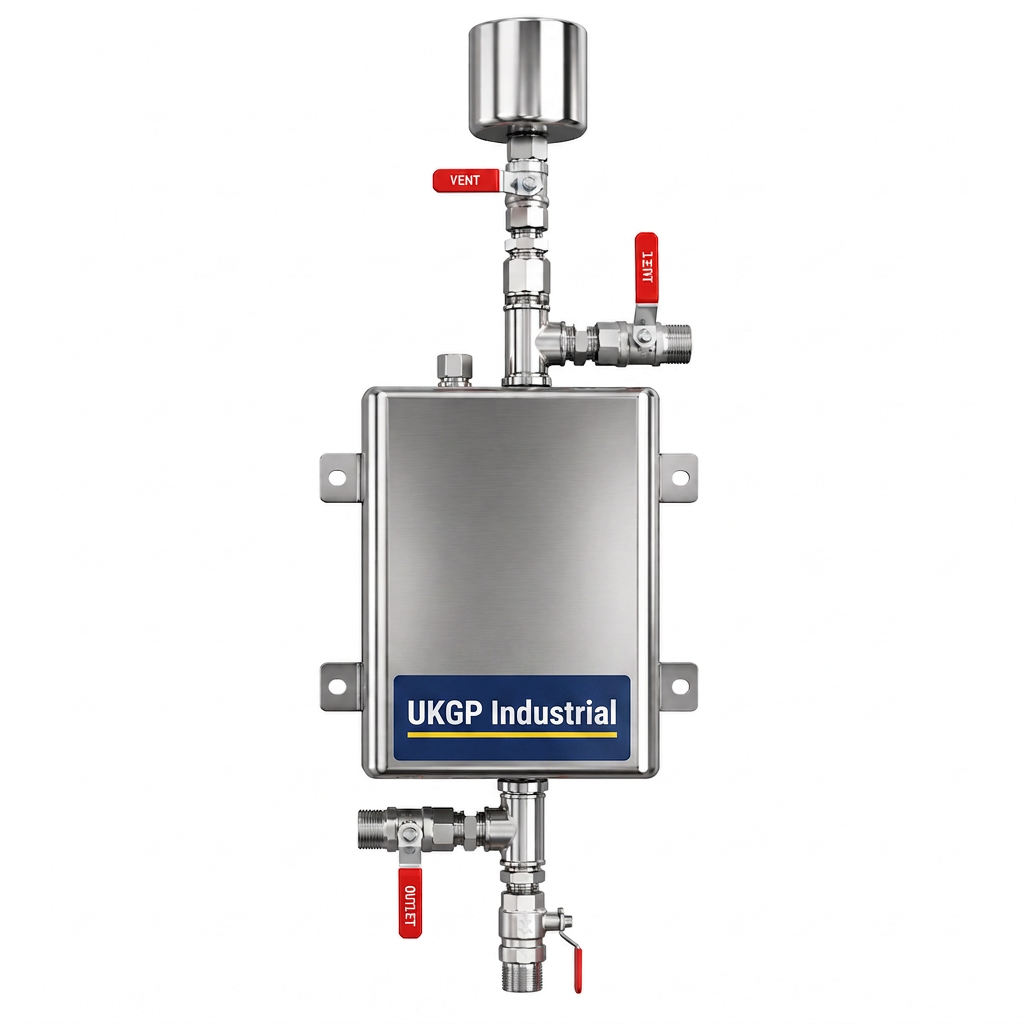
For procurement leads, the long-term cost of ownership is often more important than the initial purchase price. A probe ph that is easy to replace and recalibrate saves hours of labour over its operational life. The UKGP industrial pH sensor & transmitter system is engineered specifically for this purpose, offering a modular design that allows for the sensor to be swapped out without replacing the entire transmitter unit. This modularity, combined with the robust build quality, ensures that the system remains a reliable part of the building's infrastructure. We encourage all consultants and contractors to request a quote for these kits to see how they can improve their next project's water management strategy.
- Scheduled cleaning cycles to prevent electrode fouling and signal drift.
- Modular replacement sensors to reduce long-term operational expenditure.
- Verification procedures aligned with BS 8552 monitoring standards.
- Robust M12 connectivity to shield against industrial electrical interference.
Impact of pH Levels on Commercial Expansion Bellows and Pipework
Incorrect water chemistry, detected by a probe ph, can have a direct physical impact on mechanical components like expansion bellows. Many bellows are constructed from stainless steel grades that, while durable, are susceptible to chloride-induced stress corrosion cracking if the pH levels drop and the water becomes too acidic. Monitoring the alkalinity ensures that the protective passive layer on the metal surfaces remains intact. If a probe ph indicates an acidic shift, it is often a sign that the system's inhibitors have been depleted or that fresh, oxygenated water is entering the system due to a leak or excessive make-up water usage.
Furthermore, the presence of air and dirt can exacerbate chemical imbalances. While an air and dirt separator handles the physical removal of bubbles and grit, the probe ph handles the invisible chemical threats. In systems where pressure is managed through expansion vessels, maintaining the correct pH is vital to prevent the degradation of internal membranes and the corrosion of the steel vessel shells. British Standards like BS EN 14917 for expansion joints underline the necessity of maintaining a stable environment to avoid premature mechanical failure, making chemical monitoring a critical part of the mechanical engineer's remit.
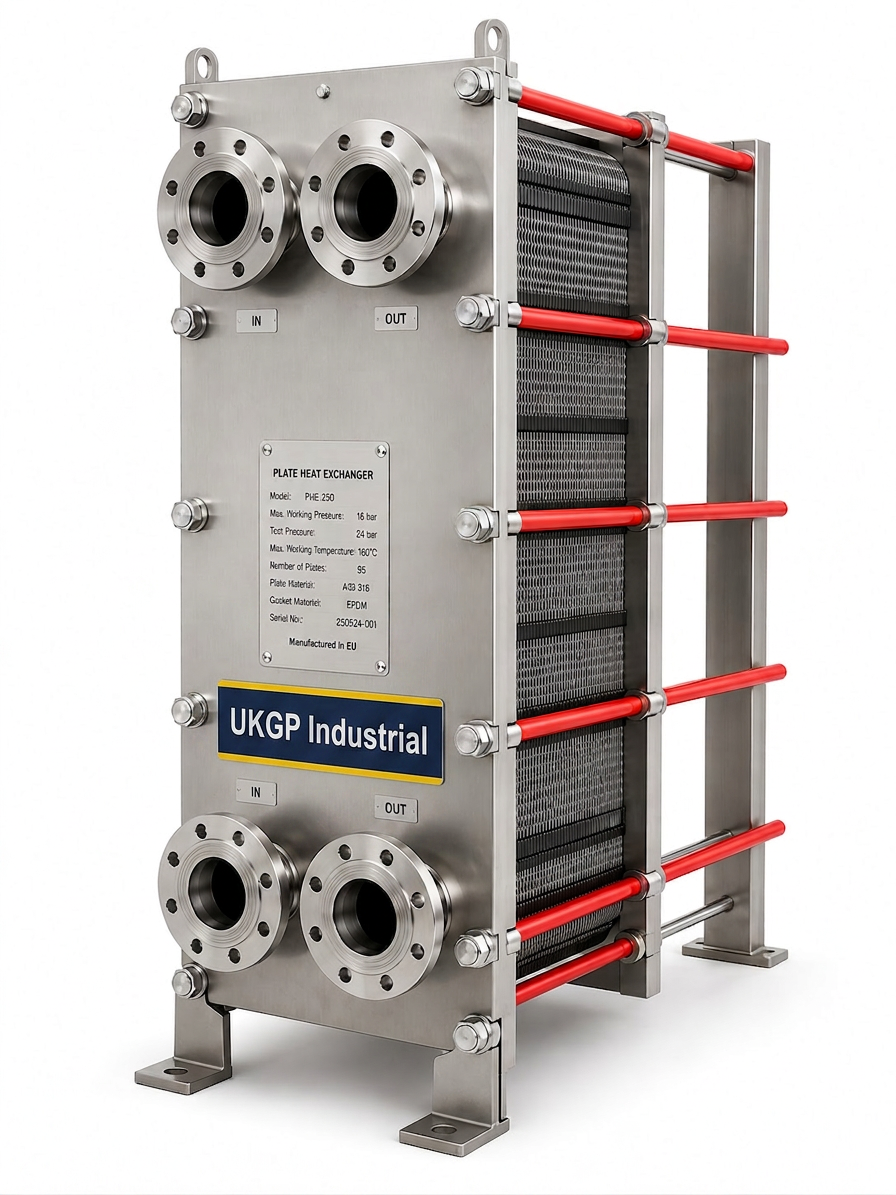
Integrating a reliable probe ph into the control logic of the plant room allows for automated alerts when the chemistry moves outside of the safe zone. This is significantly more effective than relying on a quarterly visit from a water treatment specialist. By providing 24/7 visibility into the heart of the HVAC system, these sensors protect not just the pipework, but also the costly plate heat exchangers and commercial boilers that are the backbone of the building's climate control. Proactive monitoring via a high-accuracy industrial sensor and transmitter is the gold standard for modern UK building services, providing peace of mind to both contractors and end-users.
- Protects stainless steel expansion bellows from stress corrosion cracking.
- Early warning of inhibitor depletion or excessive raw water ingress.
- Aligns with BS EN 14917 standards for mechanical component longevity.
- Critical for the protection of thin-walled plate heat exchanger plates.
Selecting the Right Probe Ph for Your Next Project
In conclusion, selecting a probe ph for a commercial project is a decision that impacts the long-term reliability and efficiency of the entire HVAC system. A focus on industrial-grade specifications such as IP68 protection, Modbus compatibility, and factory calibration is essential for any modern plant room. The UKGP industrial pH sensor & transmitter kit offers a comprehensive solution that meets these requirements, providing engineers and contractors with a reliable tool for BSRIA BG50 compliance. By choosing a system with a 2-year warranty and a complete M12 cable kit, you ensure that your installation is robust, accurate, and easy to maintain throughout its lifespan.
When specifying for a new build or a heavy plant-room refurb, consider the integration of your sensing equipment with other critical components like chemical dosing pots and side stream filters. A cohesive approach to water quality, where every piece of equipment works in harmony, is the best way to prevent the costly repairs and downtime associated with poor water chemistry. Whether you are an FM manager overseeing a London office block or a consultant designing a new district heating network, the quality of your probe ph data will be the foundation upon which your water treatment strategy is built. Accurate data leads to better decisions and longer-lasting equipment.
We invite building services consultants and M&E contractors to contact our technical team for a full specification breakdown. Our UKGP specialists can assist in selecting the right probe ph configurations for your specific flow rates and pressure requirements. Don't leave your system's health to chance; invest in a factory-calibrated, industrial-standard sensing solution that is backed by UK-based support and expertise. Reach out today to request a quote and ensure your next project benefits from the highest standards in industrial pH and chemistry monitoring, keeping your plant room operational and efficient for years to come.
- Specify industrial-grade sensors for all commercial BSRIA-compliant projects.
- Look for full kit availability including transmitters and M12 cabling.
- Prioritise factory-calibrated units to reduce onsite installation risk.
- Consult with UKGP technical experts for bespoke plant-room solutions.
Frequently asked questions
Why is a probe ph necessary for BSRIA BG50 compliance?
- BSRIA BG50 recommendations specify that water chemistry in closed-loop systems must be monitored to prevent corrosion. A probe ph provides continuous, accurate data on the acidity or alkalinity of the water, allowing for precise chemical dosing and the prevention of metal degradation in heat exchangers and pipework.
What communication protocols do UKGP pH transmitters support?
- Our industrial pH transmitters are designed for flexible integration, supporting both traditional 4-20 mA analogue signals and modern Modbus RTU digital communication. This ensures compatibility with a wide range of Building Management Systems (BMS) and PLC controllers across the UK.
Is the probe ph sensor waterproof?
- Yes, the UKGP industrial pH sensor and transmitter are rated to IP68. This high level of ingress protection ensures that the equipment can operate reliably in the damp and humid conditions frequently found in commercial plant rooms without risk of electrical failure or signal interference.
Does the probe ph come calibrated?
- Every UKGP industrial pH sensor & transmitter kit is factory-calibrated before dispatch. This means the unit is ready to use 'out of the box', reducing the setup time for M&E contractors and ensuring immediate accuracy for system monitoring upon installation.
What is included in the UKGP probe ph kit?
- The complete kit includes the industrial pH sensor, a high-performance transmitter, and a durable M12 cable kit. This provides everything needed for a professional installation, backed by a 2-year warranty for long-term peace of mind.