The Role of a Ph Sensor Soil in Commercial Water Quality
In the context of modern commercial heating and cooling, water isn't just a medium for heat transfer; it is a critical asset that must be managed to prevent systemic failure. A ph sensor soil, originally designed for robust environmental monitoring, provides the necessary durability and sensitivity required for industrial water applications. When used within a UKGP monitoring station, this ph sensor soil tracks the alkaline or acidic shift in system fluids, which is often the first indicator of glycol degradation or microbial activity. Identifying these shifts early is the only way to safeguard expensive commercial boilers and plate heat exchangers from the irreparable damage caused by localised pitting or hydrogen evolution.
Engineering consultants and M&E contractors are increasingly specifying the ph sensor soil for closed-loop systems to ensure compliance with BS 8552 water testing protocols. While traditional manual sampling offers a 'snapshot' in time, integrating a continuous ph sensor soil ensures that fluctuations between service intervals are recorded and addressed before they reach critical levels. This proactive approach prevents the formation of magnetite and scale, extending the operational life of the entire HVAC infrastructure. Without precise pH management, even the most advanced chemical inhibitors can become ineffective, leading to a rapid decline in thermal efficiency and an increase in energy expenditure across the facility.
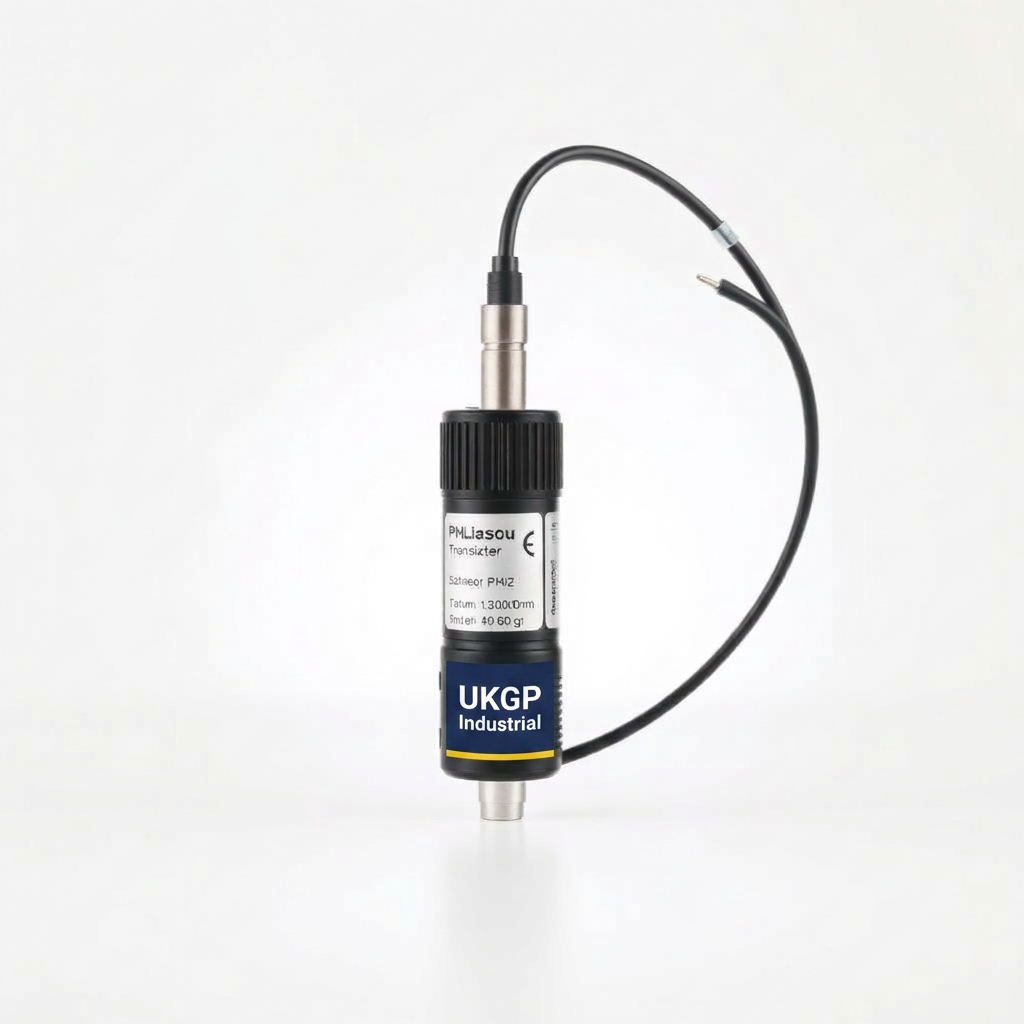
Choosing a UKGP industrial pH sensor and transmitter assembly ensures that you are receiving a factory-calibrated solution ready for immediate deployment. Our kit includes a high-grade sensor, a robust transmitter, and an M12 cable kit to streamline the installation process for plant-room engineers. With options for 4-20 mA or Modbus connectivity, this system integrates seamlessly into existing Building Management Systems (BMS). Investing in a professional-grade ph sensor soil package provides the peace of mind that comes with a 2-year warranty and IP68 protection, ensuring that your water quality data remains accurate even in the most demanding UK plant-room environments.
- Ensures alignment with BSRIA BG50 guidelines for water quality monitoring.
- Provides 24/7 real-time data via 4-20 mA or Modbus outputs.
- IP68 rated for long-term durability in high-humidity plant rooms.
- Supplied factory-calibrated for immediate site accuracy.
- Reduces the frequency and cost of manual laboratory water testing.
Preventing Corrosion with Precise Ph Sensor Soil Monitoring
Corrosion in commercial heating systems is often the silent killer of productivity, leading to leaks, blocked valves, and eventual system shutdown. By incorporating a ph sensor soil into your maintenance strategy, you can actively monitor the hydrogen ion concentration which dictates the corrosivity of the water. For steel and copper components common in UK plant rooms, maintaining a specific pH range (typically between 8.2 and 10.0 for steel systems) is vital. Any dip detected by the ph sensor soil indicates a risk of acidic corrosion, which can rapidly eat through heat exchanger plates and manifold pipework, resulting in expensive emergency repairs and downtime.
Beyond simple acidity, the presence of certain bacteria can lower pH through the production of organic acids. An industrial ph sensor soil is sensitive enough to catch these micro-fluctuations, alerting maintenance teams to the need for biocide dosing before a full-scale microbiological outbreak occurs. This level of granular detail reflects the best practices suggested in CIBSE guides and helps procurement leads justify the minor investment in high-quality sensors against the astronomical cost of replacing a multi-megawatt boiler plant. Precision is the best defence against the unpredictable nature of closed-loop chemical shifts and environmental contamination during retrofits.
When you procure a UKGP industrial pH sensor and transmitter, you are receiving a kit specifically designed for the rigours of commercial M&E environments. The including of an M12 cable kit and the choice of Modbus or 4-20 mA communication means that whether your site uses legacy controls or a modern smart BMS, integration is straightforward. The factory-calibrated nature of our sensors ensures that your ph sensor soil setup is reliable from day one, allowing your plant-room engineers to focus on operational uptime rather than complex calibration procedures. Contact our Surrey office today for a technical consultation on protecting your heating assets.
- Detects acidic shifts early to protect copper and steel components.
- Supports chemical dosing accuracy for long-term system stability.
- Reduces the risk of microbial-induced corrosion (MIC) through alerts.
- Provides commercial building owners with verifiable maintenance records.
- Critical tool for complying with BS EN standards for closed-loop systems.
Integrating Filtration with a Ph Sensor Soil Data Flow
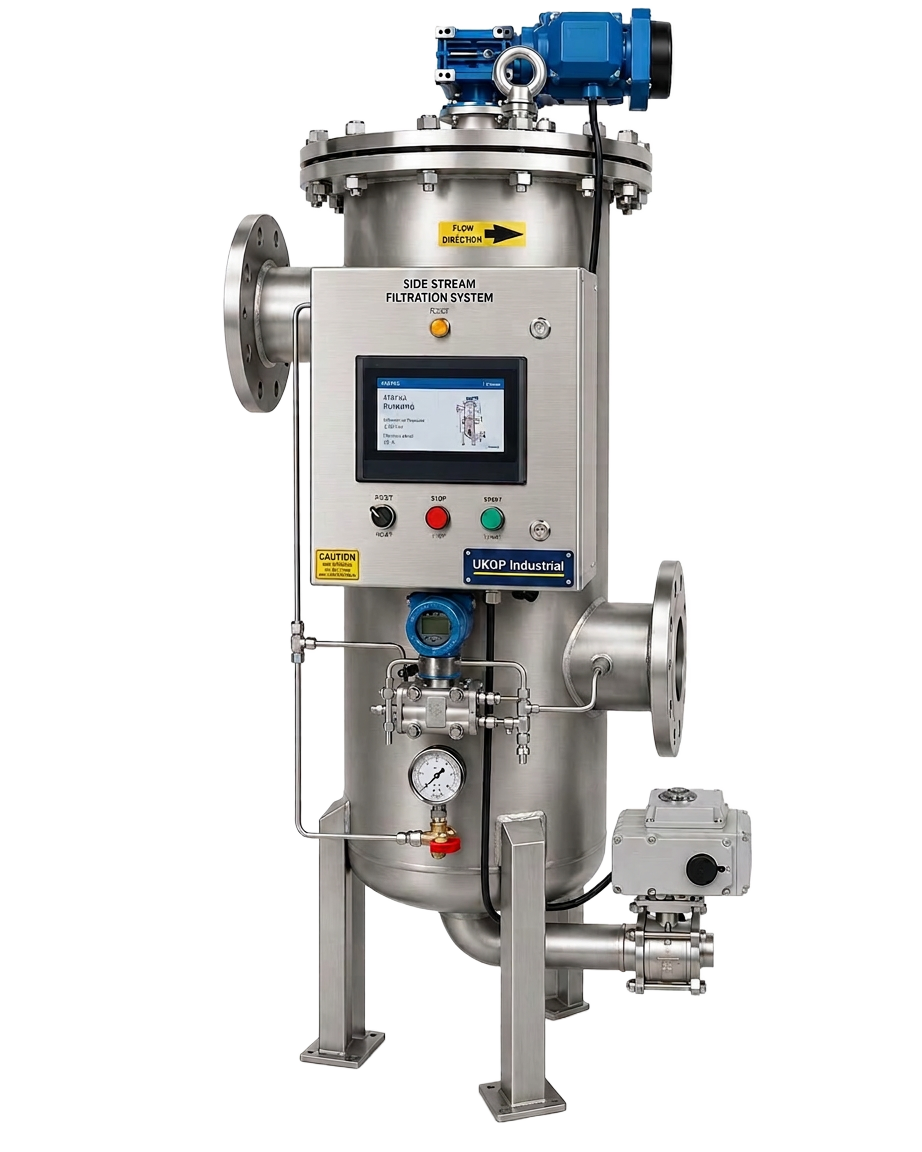
Effective water treatment is a multi-faceted process that involves both chemical balance and physical debris removal. While the ph sensor soil monitors the chemical state, combining this data with effective side stream filtration ensures total system health. For instance, if the ph sensor soil indicates an environment conducive to magnetite formation, the side stream filter can be adjusted or monitored more closely to ensure suspended solids don't overwhelm the pumps. This holistic view of the plant room is what separates high-performing buildings from those plagued by constant circulation problems and cold spots in the heating circuit.
The UKGP side stream filtration skids are designed to work alongside our sensor technologies to provide a comprehensive protection package. By using a ph sensor soil to keep the water chemistry within the passive range, the filtration system can focus on removing the inevitable particles that enter during maintenance or system modifications. This prevents the abrasive ‘sandblasting’ effect of high-velocity magnetite particles on pump impellers and control valve seats. Building services consultants who specify both high-accuracy pH sensors and specialist filtration units are ensuring their clients receive a robust, energy-efficient system that exceeds BSRIA recommendations for water cleanliness.
Implementing a ph sensor soil within a system that also utilises side stream filtration allows for much longer service intervals and lower chemical consumption. When the ph sensor soil confirms that the corrosion inhibitors are active and the pH is stable, the maintenance team can avoid unnecessary chemical dumping and flushing, which is environmentally irresponsible and costly. This data-driven approach is essential for modern FMs who need to meet strict sustainability targets while managing tight operational budgets. Let our team assist in designing a filtration and monitoring solution that keeps your plant room running at peak performance year after year.
- Pairs chemical monitoring with physical debris removal for total protection.
- Reduces the burden on side stream filters by minimising magnetite production.
- Extends the lifespan of expensive circulation pumps and heat exchangers.
- Helps meet LEED and BREEAM sustainability requirements through data.
- Facilitates a 'monitor and manage' rather than 'flush and fill' philosophy.
Technical Resilience: Why Our Ph Sensor Soil Outperforms
Not all sensors are created equal, and in an industrial plant room, cheap consumer-level probes will fail within months due to temperature fluctuations and pressure spikes. Our ph sensor soil is engineered for industrial resilience, featuring IP68 protection and a robust housing that can withstand the vibrations of a busy mechanical room. The integration of 4-20 mA and Modbus protocols means the ph sensor soil communicates directly with your plant's intelligence, providing a seamless stream of data. This allows for automated alerts to be sent to mobile devices or desktop terminals, ensuring that no deviation in pH goes unnoticed by the facilities management team.
For plant-room engineers, ease of installation and maintenance is paramount. The UKGP ph sensor soil package comes with a standard M12 cable kit, reducing the time spent on complex wiring and ensuring a secure, waterproof connection. Our factory-calibrated units take the guesswork out of commissioning, allowing for a faster handover on new build M&E projects. Backed by a 2-year warranty, this ph sensor soil solution offers commercial reliability that exceeds the standards expected by top-tier UK contractors. It is a vital tool for ensuring that the system water remains within the strict parameters defined by major UK commercial boiler OEMs and industry bodies.
When procuring a pH sensor for your project, it is essential to consider the long-term support and technical back-up available. UKGP provides comprehensive documentation and technical support for every industrial pH sensor and transmitter we supply. Whether you are integrating a ph sensor soil into a new build or retrofitting it into a legacy system, our team is on hand to ensure the installation meets the necessary BS EN and CIBSE requirements. Don't settle for unbranded alternatives that lack the durability needed for high-pressure commercial circuits; request a quote for our trusted industrial monitoring kit to secure your system's future.
- Industrial-grade housing designed for high-vibration plant rooms.
- Versatile connectivity with both 4-20 mA and Modbus options.
- Supplied with a robust M12 cable kit for secure plant installation.
- Protects the manufacturers' warranty of your commercial boilers.
- Includes a 2-year warranty for full peace of mind for site owners.
Operational Compliance and BSRIA BG50 Standards
Adherence to BSRIA BG50 'Water Treatment for Closed Heating and Cooling Systems' is no longer optional for high-value commercial properties. These standards specifically call for the monitoring of key water parameters, including pH, to manage the risk of corrosion and fouling. By deploying a ph sensor soil, the facility manager ensures they have a verifiable log of system health that can be audited during safety inspections or property sales. The accuracy provided by an industrial-grade ph sensor soil ensures that chemical dosing is precise, preventing the over-use of inhibitors which can be just as damaging as under-dosing in certain circumstances.
The shift towards remote monitoring and 'smart buildings' has made the ph sensor soil a staple in the plant-room engineer's toolkit. By providing constant feedback, the ph sensor soil identifies the ingress of air or the loss of thermal fluid through leaks, which often results in a detectable change in pH. This immediate feedback loop is critical for contractors who are responsible for the first 12 months of defects and maintenance on a new project. Using professional UKGP sensing equipment ensures that the data you collect is defensible and accurate, supporting the overall commissioning report required for modern building handovers.
Ultimately, the goal of using a ph sensor soil is to protect the investment made in the plant-room assets. From the large-scale low loss headers to the intricate plate heat exchangers, every component relies on non-corrosive water to function. Our industrial pH sensor and transmitter kit provides the high-fidelity data needed to make informed maintenance decisions. With its 4-20 mA or Modbus flexibility and factory-calibrated reliability, it is the professional choice for any building SERVICES consultant or M&E contractor working in the UK today. Ensure your system meets BSRIA standards by requesting a technical quote from UKGP today.
- Facilitates easy compliance with BSRIA BG50 and BG29 requirements.
- Supports digital logging for building safety and insurance audits.
- Enables precise dosing and reduces excessive chemical expenditure.
- Helps identify leaks and air ingress via real-time pH fluctuations.
- Standardises the monitoring process across large commercial portfolios.
Specifications: The UKGP Industrial pH Sensor Solution
To ensure complete system health, specialists must look toward hardware that is as resilient as the infrastructure it monitors. The UKGP ph sensor soil package is specifically designed for the B2B sector, focusing on longevity and ease of use. The kit consists of a high-precision sensor and a dedicated transmitter that handles signal conversion for long-range transmission without interference. This ph sensor soil setup is ideal for sprawling commercial campuses where the plant room might be located hundreds of metres away from the central control office, as the 4-20 mA or Modbus output maintains signal integrity over long distances.
Our industrial pH sensor and transmitter come with an IP68 rating, meaning they are completely dust-tight and can withstand immersion in water, which is a common scenario in basement plant rooms prone to minor flooding or heavy condensation. The ph sensor soil is supplied with an M12 cable kit as standard, ensuring that electrical connections are not the weak point of your monitoring system. By providing a factory-calibrated solution, we eliminate the need for costly external technicians to spend hours on-site during the installation phase, making it a cost-effective choice for procurement leads looking to balance quality with budget constraints.
In addition to the physical hardware, UKGP offers a 2-year warranty to guarantee the performance of your ph sensor soil in real-world conditions. This commitment to quality reflects our understanding of the high stakes involved in commercial HVAC maintenance. By choosing our industrial-grade kit, you are opting for a system that has been vetted for use alongside the UK's leading commercial boiler OEMs and industrial heat emitters. Contact our Surrey-based technical team to discuss how our ph sensor soil and transmitter kit can be integrated into your next project or maintenance upgrade to ensure total water quality control.
- Reliable 4-20 mA or Modbus output for seamless BMS integration.
- IP68 rated sensor housing for extreme plant-room conditions.
- Includes a full M12 cable kit and professional-grade transmitter.
- Factory-calibrated for precision accuracy out of the box.
- Backed by a comprehensive 2-year warranty for industrial users.
Frequently asked questions
Why is a ph sensor soil necessary for commercial heating systems?
- A ph sensor soil provides a robust, industrial-grade method for monitoring the chemical balance of system water. This is critical for preventing corrosion and scaling, as required by BSRIA BG50 and BG29 standards to protect expensive commercial boiler plant.
Does the UKGP ph sensor soil integrate with third-party BMS?
- Yes, our industrial pH sensor and transmitter kit offers both 4-20 mA and Modbus outputs, ensuring it can communicate with almost any modern Building Management System used in UK commercial facilities.
What is included in the ph sensor soil kit?
- The kit includes the high-accuracy pH sensor, a dedicated transmitter, an M12 cable kit for secure wiring, and it comes factory-calibrated with a 2-year warranty for immediate site use.
How often does a ph sensor soil require calibration?
- While our units are factory-calibrated, we recommend checking the ph sensor soil every 6-12 months as part of your standard BSRIA-guided maintenance routine to ensure peak accuracy.
Is the ph sensor soil suitable for high-pressure plant rooms?
- Yes, our industrial sensors are designed to handle the pressures and temperatures typical of commercial M&E environments, far exceeding the durability of standard laboratory or retail-grade pH probes.