The Critical Role of the pH Sensor Probe in BG50 Compliance
In the UK building services sector, BSRIA BG50 'Water Treatment for Closed Heating and Cooling Systems' provides the definitive framework for preventing premature plant failure. A core component of this strategy is the continuous monitoring of alkalinity and acidity, which is where a robust ph sensor probe becomes indispensable. Without accurate real-time data, systems risk undetected acid spikes that accelerate pitting corrosion in steel pipes and heat exchangers. Consulting engineers increasingly specify automated monitoring solutions to replace manual sampling, as digital sensors provide a much higher granularity of data for insurance and maintenance audits. By integrating a reliable probe into your BMS, you gain an early warning system that protects multi-million pound infrastructure assets across Surrey and beyond.
When a ph sensor probe begins to drift or fail, the chemical dosing regime often becomes skewed, leading to over-treatment or under-treatment. Over-dosing with corrosion inhibitors is not only a waste of expensive chemical stock but can also alter the conductivity and viscosity of the system fluid, potentially affecting pump performance. Conversely, low pH levels create an aggressive environment that compromises the protective magnetites on internal pipe surfaces. For FMs and plant-room engineers, understanding the lifecycle of their sensing equipment is as important as the water chemistry itself. Reliable UK-based supply chains for spares ensure that any signs of sensor fatigue are met with immediate replacement components, preventing any downtime in water quality governance.
Choosing a ph sensor probe designed for industrial rather than laboratory environments is essential for longevity. Commercial plant rooms experience temperature fluctuations, pressure surges, and the presence of particulate matter like magnetite. A standard laboratory probe will likely fail within weeks under these conditions. UKGP provides industrial-grade equipment designed to withstand the rigors of M&E environments, featuring toughened glass and resilient housings. When you request a quote for our sensing kits, you are investing in a solution that simplifies BS 8552 compliance, ensuring that your water sampling and testing strategies are supported by the most accurate hardware available on the market today. Professional-grade hardware is the foundation of any proactive maintenance strategy for modern UK buildings.
- Ensures alignment with BSRIA BG50 water quality guidelines
- Prevents costly corrosion damage to boilers and chillers
- Reduces reliance on infrequent manual 'dip-test' sampling
- Provides 24/7 data integration for Building Management Systems
- Supports long-term asset management and insurance compliance
Identifying When to Replace Your pH Sensor Probe
Every industrial ph sensor probe has a finite lifespan, typically influenced by the temperature and chemical composition of the system it monitors. Recognizing the signs of sensor exhaustion is a key skill for any lead site engineer. The most common symptom is 'sluggy' or slow response times during calibration cycles; if a probe takes significantly longer to reach a stable reading in a buffer solution than it did when new, the junction may be fouled or the glass bulb depleted. Furthermore, if you find yourself needing to perform an offset adjustment of more than 0.5 pH units frequently, the sensor is likely nearing its end of life. Ignoring these warnings can lead to false readings that mask significant system health issues until they manifest as physical leaks.
Secondary indicators of a failing ph sensor probe include physical degradation of the reference junction or visible cracks in the glass membrane. In high-velocity systems, suspended solids can act as an abrasive, slowly wearing down the sensing surface. If your plant room is experiencing high levels of debris, we strongly recommend installing air and dirt separators alongside your monitoring equipment. These units remove the abrasive magnetite that otherwise fouls the delicate junctions of your sensors. Routine visual inspections should be scheduled alongside quarterly BSRIA water tests. If the sensor appears discoloured or coated in a stubborn film that cannot be removed with standard cleaning solutions, it is time to source a replacement to maintain your system's operational safety margin.
Procurement leads should also be aware of the storage requirements for spare probes. A ph sensor probe must never be stored dry; doing so dehydrates the gel or liquid electrolyte, rendering the sensor useless before it even enters the system. We supply our UK customers with factory-calibrated sensors that include protective caps filled with storage solution. When purchasing replacements, ensure your onsite stores keep them in a temperature-controlled environment and respect the 'install by' dates. Maintaining a stock of high-quality spares allows for immediate rectification of faults, which is vital for critical sites like data centres or hospitals where hydronic stability is a non-negotiable requirement for operational uptime and safety.
- Slow response times during routine calibration checks
- Inability to calibrate to specific buffer solutions (pH 4.0 or 10.0)
- Visible fouling or physical damage to the glass bulb
- Erratic or drifting readings on the BMS interface
- Excessive offset requirements during maintenance sessions
Technical Specifications of our Industrial pH Sensor Kits
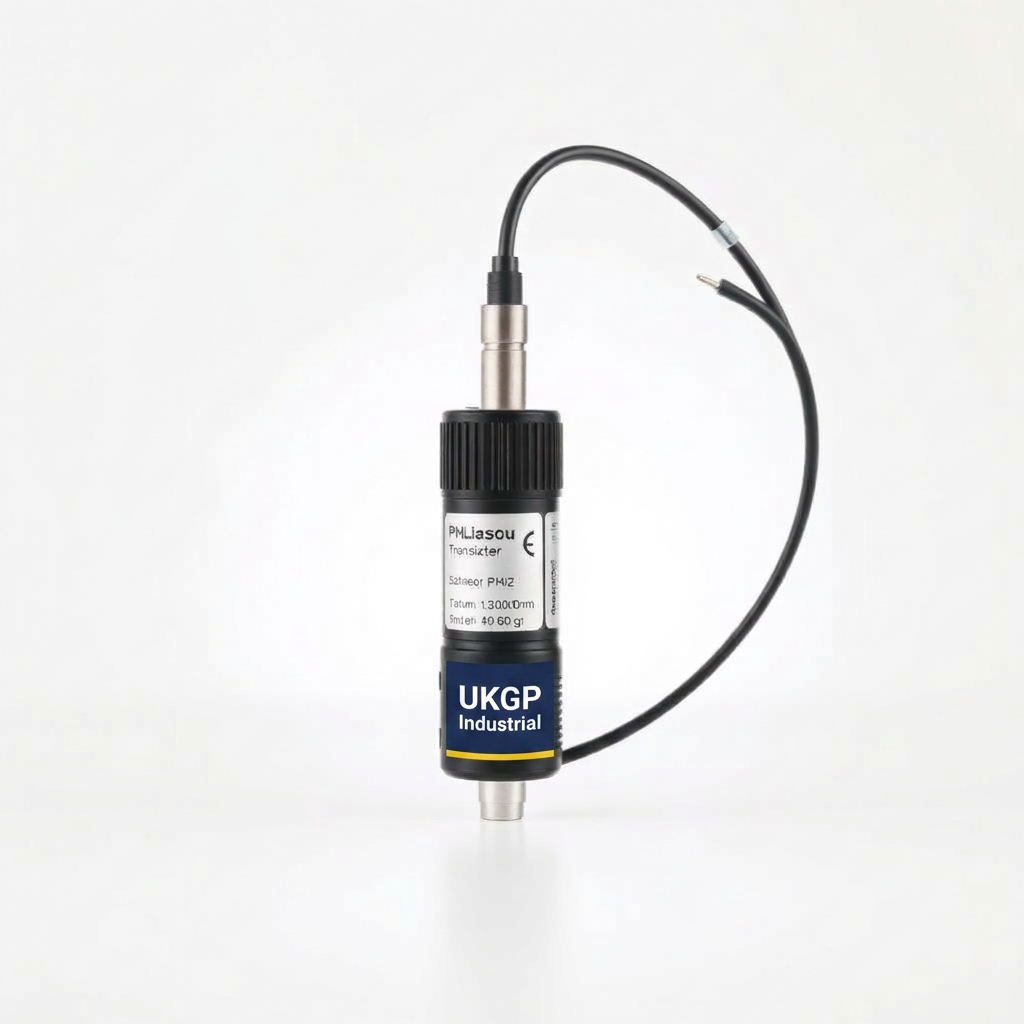
Transitioning from basic monitoring to a professional-grade setup requires understanding the technical hardware involved. The UKGP ph sensor probe is part of a comprehensive kit designed for the specific needs of UK plant rooms. Each kit includes a high-performance sensor, a dedicated transmitter, and a robust M12 cable kit. By separating the sensor from the transmitter, maintenance becomes far simpler; you only replace the consumable probe while the electronics remain in situ. Our units offer flexible output options, including standard 4-20 mA analogue signals or digital Modbus communication, allowing for seamless integration into any modern control architecture, from local PLC panels to cloud-based monitoring platforms.
Durability is at the heart of our design. The sensors are IP68 rated, meaning they are fully protected against dust and capable of long-term immersion under pressure. This is particularly important for high-rise residential or commercial blocks where static head pressures can be significant. Every ph sensor probe we ship is factory-calibrated, meaning it is ready for immediate installation and commissioning upon arrival. To provide further peace of mind to M&E contractors and FMs, we provide a 2-year warranty on the transmitter and sensor assembly, reflecting our confidence in the build quality. This longevity reduces the total cost of ownership compared to cheaper, non-industrial alternatives that require frequent replacement and re-calibration.
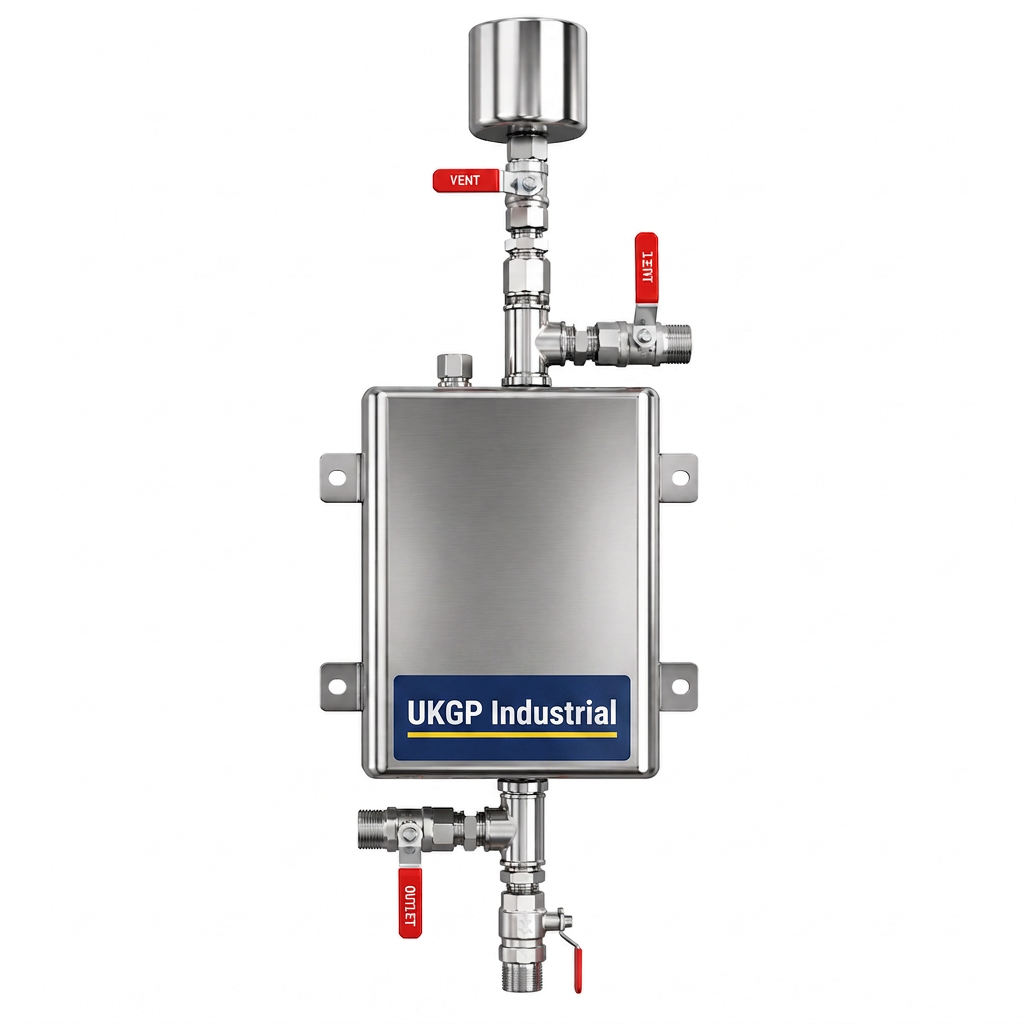
Installation of the ph sensor probe is straightforward when following our technical guidance. We recommend the use of a bypass loop or a dedicated sensing manifold, which allows the sensor to be isolated for cleaning or replacement without draining the entire system. This approach is highly praised by plant room engineers who need to perform maintenance with minimal disruption to building services. When you contact UKGP for a quote, our technical team can advise on the best placement within your system—usually following the chemical dosing pot but before the main heat emitters—to ensure the most representative water quality data is captured. We simplify the procurement process by providing complete, pre-configured kits that take the guesswork out of water quality monitoring.
- IP68 rated housing for maximum environmental protection
- Dual output options: 4-20 mA or Modbus for BMS integration
- Factory-calibrated probes for rapid site commissioning
- Comes with a 2-year warranty for commercial peace of mind
- Included M12 cable kit for secure, vibration-resistant connections
Maintaining Your ph sensor probe for Maximum Longevity
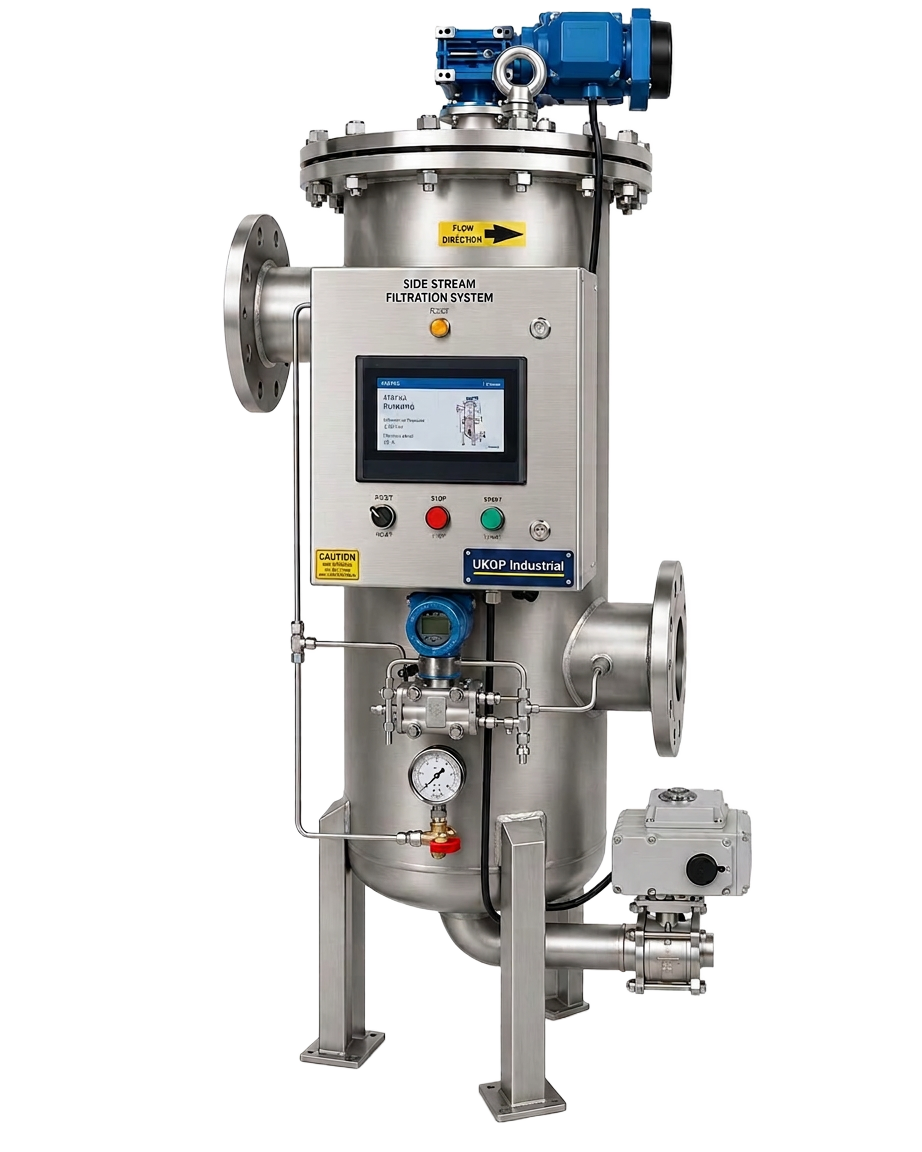
Regular maintenance is the only way to ensure your ph sensor probe provides a return on investment over several years. Following the manufacturer’s cleaning protocol is essential; for most UK heating systems, this involves a gentle soak in a mild acidic solution to remove calcium carbonate or a surfactant to remove oils. Never use a cloth or abrasive brush on the glass bulb, as micro-scratches will cause the readings to drift and eventually fail. In systems that utilize side stream filtration, the sensor typically stays cleaner for longer as the suspended solids that cause fouling are removed from the bulk fluid. This synergy between filtration and sensing is a hallmark of a well-engineered plant room.
Calibration frequency should be dictated by the criticality of the system. For a standard commercial office block, a bi-annual check of the ph sensor probe is usually sufficient to meet BSRIA recommendations. However, for industrial processes or large-scale district heating schemes, monthly verification against a portable meter or buffer solution is advisable. Always ensure that the buffer solutions used for calibration are fresh; air-exposed buffers can absorb CO2, changing their pH and leading to an incorrect calibration of your probe. By maintaining a log of these calibration values, engineers can track the 'slope' of the sensor's performance, predicting exactly when a replacement will be needed before it fails.
If you are experiencing frequent fouling of your sensing equipment, it may be time to audit your entire water treatment setup. The presence of excess air in the system can lead to oxidation and the formation of sludge, which is the primary enemy of any ph sensor probe. Ensuring that your expansion bellows are correctly sized and your air separators are functioning will create a stable environment for your sensors. At UKGP, we don't just sell parts; we provide a holistic view of plant room health. Our team is available to discuss how our UK-stocked spares can fit into your existing maintenance schedule, ensuring your facility remains at peak efficiency throughout the heating season.
- Quarterly cleaning with appropriate non-abrasive solutions
- Regular calibration using fresh, certified buffer solutions
- Integration with side stream filtration to reduce junction fouling
- Monitoring sensor 'slope' to predict end-of-life replacement
- Ensuring the probe stays wetted even during system downtime
Correct Installation Procedures in UK Plant Rooms
The physical placement of the ph sensor probe significantly impacts its accuracy and lifespan. It should ideally be installed in a vertical orientation, or at an angle of no less than 15 degrees from the horizontal, to ensure the internal electrolyte remains in contact with the glass bulb. Installing a probe upside down will cause air bubbles to gather at the tip, resulting in erratic readings. In UK plant rooms, we often see sensors installed in areas of stagnant flow; this must be avoided as the probe will only measure a local 'pocket' of water rather than the bulk system chemistry. A position in the main return line or a high-flow bypass is always preferred.
Electrical interference is another consideration for the ph sensor probe installation. High-voltage pump cables can induce noise in low-voltage sensor lines if they are run in the same tray. Using our M12 cable kit helps provide some shielding, but best practice dictates maintaining physical separation from power cables where possible. If your transmitter is located far from the BMS controller, our 4-20 mA output is highly resistant to signal degradation over long distances, making it the standard choice for large-scale industrial sites in the UK. For more advanced setups, the Modbus option allows for the daisy-chaining of multiple sensors, reducing the amount of cabling required for complex multi-boiler installations.
Before finalizing your installation, ensure that there is adequate clearance to remove the sensor for maintenance. There is nothing more frustrating for a service engineer than a ph sensor probe that is blocked by other pipework or insulation. UKGP supplies the necessary mounting hardware to ensure as-built compliance is easy to achieve. When you order your replacement kits from us, you get the benefit of Surrey-based technical support to guide your team through the commissioning phase. Whether you are retrofitting an old plant room or specifying a new build, our industrial pH solutions are the reliable choice for professional contractors seeking long-term performance and ease of use.
- Install vertical or at an angle to avoid air pockets
- Place in a high-flow area for representative system data
- Separate sensor cabling from high-voltage power lines
- Ensure easy access for future cleaning and replacement
- Use bypass valves to allow sensor removal without system drain-down
Why Choose UKGP for Your pH Monitoring Spares?
In a market flooded with low-quality imports, UKGP stands apart by offering robust, industrial-grade ph sensor probe kits that are designed specifically for the UK's unique M&E requirements. We understand that when a sensor fails, you need a replacement fast to maintain your BSRIA BG50 compliance status. Based in Surrey, we maintain significant stock levels of probes, transmitters, and cable kits, ensuring rapid dispatch to sites across the country. Our focus on reliability means we only supply components that we know can handle the heat, pressure, and chemical complexity of modern commercial hydronic systems, giving you the confidence to sign off on your weekly maintenance reports.
Our ph sensor probe kits are not just a single component; they are a complete monitoring solution. Each kit comes with the sensor, the transmitter, and a high-quality M12 cable kit, all backed by a 2-year warranty. The factory-calibrated nature of our probes means that your site team can get the system back up and running in minutes, not hours. Whether you need a standard 4-20 mA output for a legacy BMS or a Modbus connection for a smart building project, our hardware is adaptable and future-proof. We also offer advice on peripheral equipment, from chemical dosing pots to expansion bellows, to ensure your entire system is protected from the corrosive effects of poorly managed water chemistry.
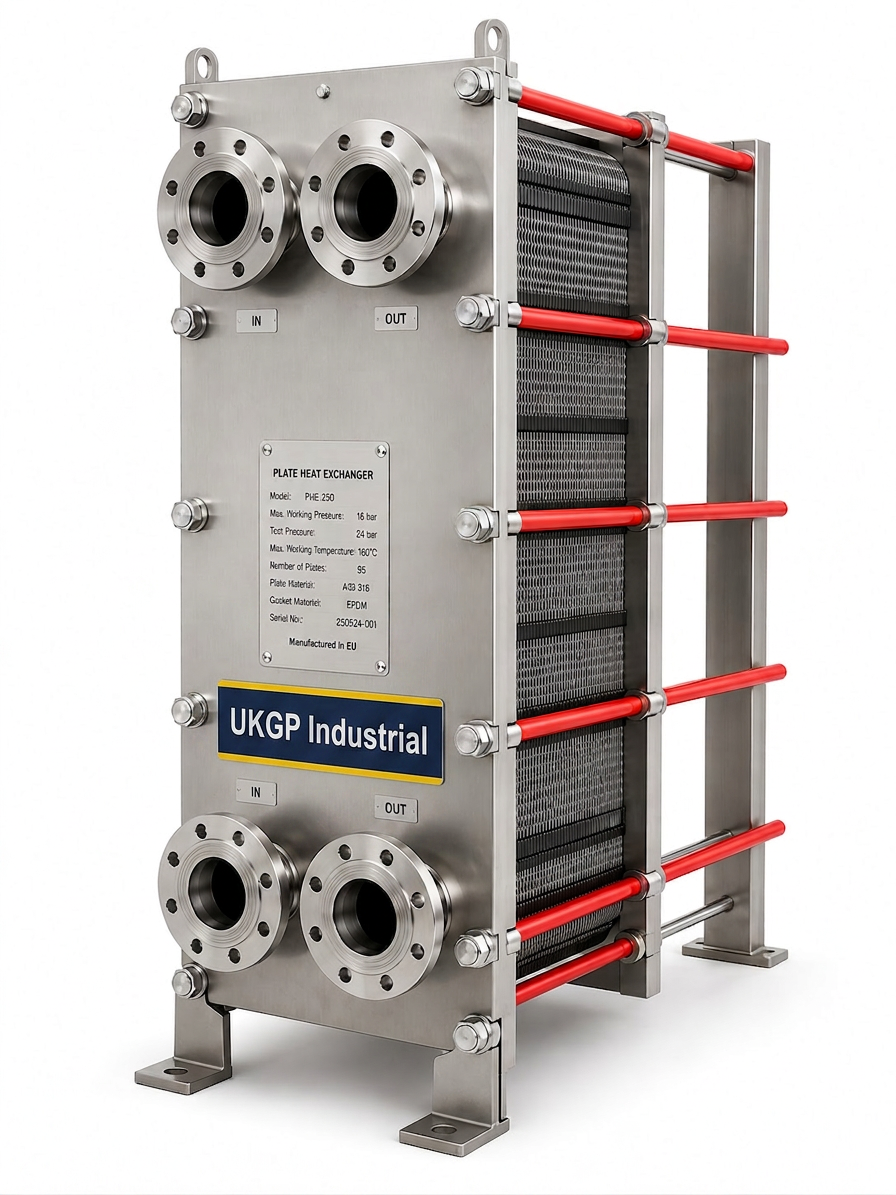
Ultimately, the cost of a high-quality ph sensor probe is a fraction of the cost of replacing a fouled plate heat exchanger or a corroded boiler section. Investing in the best sensing technology is a commercially aware decision that pays for itself in reduced chemical costs and extended asset life. We invite all UK building services consultants, FMs, and M&E contractors to request a quote for our industrial pH sensor and transmitter kits. Let our technical experts help you specify the right spares for your next maintenance cycle, ensuring your plant room remains a model of efficiency and compliance. Contact us today to secure your system's longevity with the best sensors on the market.
- Surrey-based stock for rapid UK delivery of spares
- Full technical support for plant room integration
- Comprehensive kits including cables and transmitters
- Proven reliability in high-pressure commercial systems
- Commitment to BSRIA and CIBSE best practice standards
Frequently asked questions
How often should I replace my ph sensor probe?
- In most commercial plant rooms, an industrial ph sensor probe should be replaced every 12 to 24 months. This varies based on system temperature and chemical exposure. If calibration becomes difficult or response times exceed several minutes, replacement is necessary.
Can I use a laboratory ph sensor probe in a heating system?
- No, laboratory probes are not designed for the high pressures and temperatures of a hydronic system. An industrial-grade ph sensor probe with IP68 rating and toughened glass is required to ensure longevity and accurate readings in a plant room environment.
What is the benefit of a 4-20 mA output for pH sensors?
- The 4-20 mA output is a robust analogue standard that is highly resistant to electrical noise over long distances. This makes it ideal for large UK plant rooms where the ph sensor probe may be located far from the main BMS controller or PLC.
Why is BSRIA BG50 relevant to pH monitoring?
- BG50 provides guidelines for water treatment in closed systems to prevent corrosion. It highlights the importance of maintaining a stable, alkaline pH to protect metals. Accurate monitoring with a ph sensor probe is the only way to ensure these levels are consistently met.
Does the UKGP ph sensor probe come with a warranty?
- Yes, our industrial pH sensor and transmitter kits include a 2-year warranty. The kits come complete with the sensor, transmitter, and M12 cable, and are factory-calibrated for immediate use upon delivery to your site.