The Critical Role of a ph sensor in BSRIA BG50 Compliance
In the UK, BSRIA BG50 standards provide the definitive framework for maintaining water quality in closed-loop heating and cooling systems to prevent premature failure. A central tenet of these guidelines is the continuous monitoring of alkalinity and acidity levels, as even small deviations can lead to rapid metal loss or mineral deposition. Using a high-precision ph sensor allows engineers to move away from manual dip-testing and toward a data-driven approach that captures transient shifts in water chemistry. When a system is neglected, the pH of the glycol or treated water often drops, creating an acidic environment that aggressively attacks steel pipework and heat exchangers. Conversely, excessively high pH can damage aluminium components commonly found in modern boiler designs.
To achieve full compliance, the implementation of an industrial ph sensor must be supported by a robust transmitter and integration into the broader BMS. Manual periodic testing, while necessary, often misses the peak events caused by oxygen ingress or microbiological activity that can lead to rapid acidification. By deploying a reliable ph sensor, facility managers can establish a baseline of operational health and set automated alerts that trigger before chemistry breaches the safe thresholds defined by BSRIA standards. This proactive stance is the only way to safeguard large-scale commercial investments in district heating or chilled water networks, where the cost of remediation far outweighs the investment in professional-grade monitoring instrumentation.
Choosing the right ph sensor requires an understanding of the specific operating pressures and temperatures within the plant room. Many standard laboratory-grade probes fail quickly under the rigorous conditions of an M&E environment, leading to drift and false alarms. For UK building services, the integration of a factory-calibrated ph sensor ensures that the initial setup is accurate and that the readings remain stable even in high-flow environments. This stability is particularly vital when monitoring treated water loops where chemical dosing pots are frequently used to introduce inhibitors, as the sensor must accurately track the resulting chemical balance without requiring constant recalibration or manual intervention from the maintenance team.
- Aligns with BSRIA BG50 and BG29 guidelines for water quality management.
- Reduces the risk of pitting corrosion and scale formation in heat exchangers.
- Provides real-time data for BMS integration and automated chemical dosing.
- Minimises the need for manual sampling and laboratory lead times.
Integrating a ph sensor for Automated Chemical Control
Manual dosing of closed-loop systems is often a reactive process, but the integration of an industrial ph sensor allows for sophisticated, automated water treatment. When paired with a 4-20 mA or Modbus transmitter, the ph sensor sends a continuous signal to the dosing pump controller, ensuring that inhibitors or pH adjusters are only added when required. This precision prevents the over-dosing of chemicals, which is not only environmentally irresponsible but can also increase the conductivity of the water, potentially exacerbating galvanic corrosion. A correctly calibrated ph sensor serves as the brain of the water treatment system, ensuring that the chemical environment remains within the narrow window required for optimal heat transfer and material preservation.
For M&E contractors and procurement leads, specifying a ph sensor that is purpose-built for industrial applications is a non-negotiable requirement. While basic sensors might seem cost-effective initially, they often lack the durability to withstand the presence of suspended solids or high-velocity flows characteristic of commercial HVAC systems. A robust ph sensor housing, such as an IP68-rated enclosure, ensures that the sensitive electronics are protected from the damp and dusty conditions often found in basement plant rooms. This durability is essential for maintaining the integrity of the Modbus or analogue signal, ensuring that the building management system receives accurate data for historical logging and trend analysis of the water chemistry.
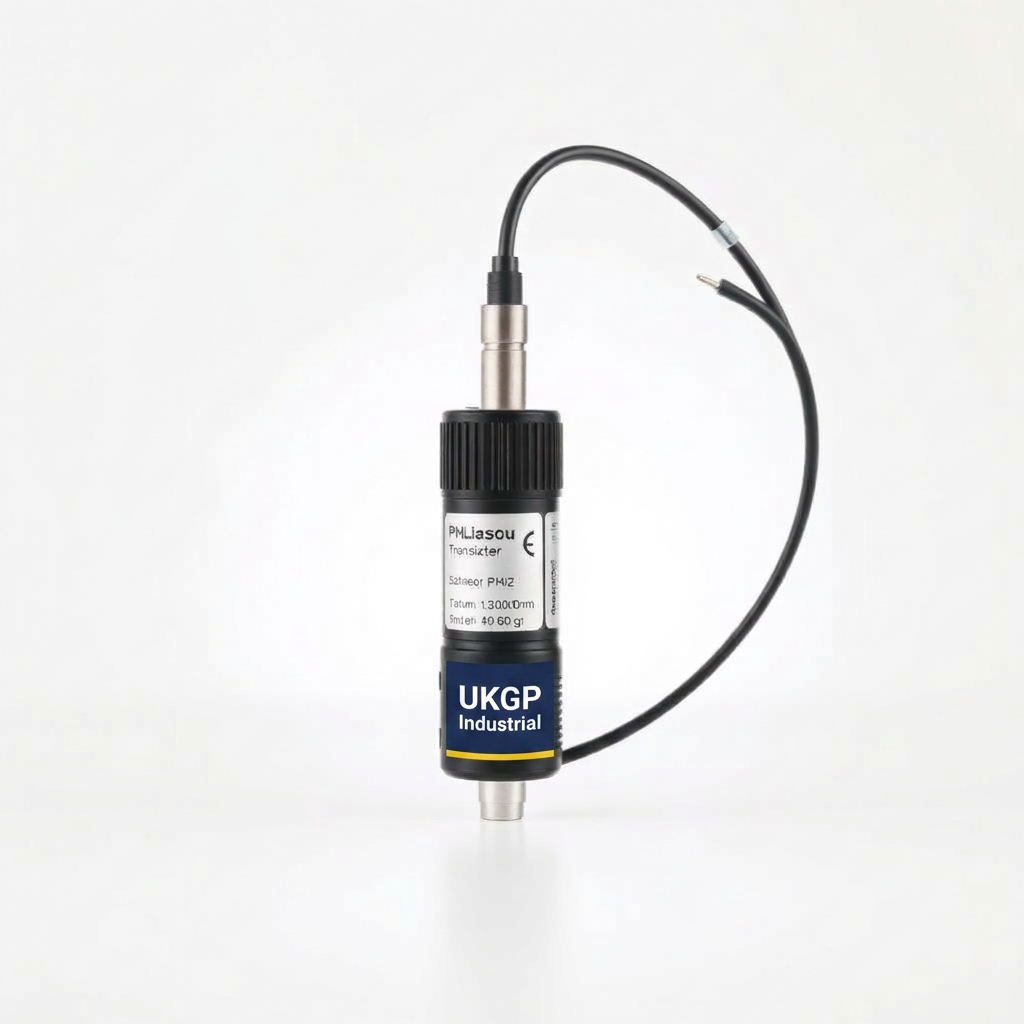
The use of a high-quality pH monitoring kit, featuring an industrial ph sensor and a dedicated transmitter, streamlines the commissioning process for new build projects. During the pre-commissioning cleaning phase outlined in BSRIA BG29, monitoring the pH becomes critical to ensure that cleaning agents are effectively flushed following the treatment of the system. Our UKGP industrial pH sensor & transmitter kit, includes the sensor, transmitter, and M12 cable kit, making it an all-in-one solution for contractors looking for a reliable, factory-calibrated system. With a 2-year warranty and various output options, this kit provides a professional-grade alternative to unbundled components that may suffer from compatibility issues during the site integration phase.
- Enables automated control of chemical dosing via 4-20 mA or Modbus outputs.
- Prevents chemical over-dosing through precision real-time feedback loops.
- IP68-rated protection ensures long-term reliability in harsh plant-room settings.
- Factory-calibrated sensors reduce commissioning time and simplify site handovers.
Combating Corrosion and Scaling in Closed-Loop Systems
Corrosion is the primary enemy of heat transfer efficiency in commercial buildings, and the pH of the system fluid is the most indicative metric of corrosive potential. When using a ph sensor to monitor steel or copper networks, engineers are looking to maintain a slightly alkaline environment, typically between 8.5 and 10.5, depending on the materials present. If the ph sensor detects a drop below 8.0, it is a clear indicator that the corrosion inhibitor levels have depleted or that there is significant oxygen ingress, both of which will accelerate the formation of magnetite. This black sludge can clog control valves and settle in low-velocity areas, significantly reducing the efficiency of the entire thermal distribution network.
Scaling is the opposite concern, often occurring when the pH becomes too high or when there is untreated make-up water entering the system. A ph sensor provides the visibility needed to manage these risks before they result in permanent damage to the boiler tubes or the plates of a heat exchanger. In systems featuring many different metals, including aluminium, the pH window is even tighter, making the accuracy of the ph sensor even more paramount. Inaccurate readings could lead to the unintended dissolution of aluminium oxides, resulting in catastrophic failure of the heat source. Therefore, investing in a reliable pH monitoring solution is an essential insurance policy for the building’s most expensive HVAC assets.
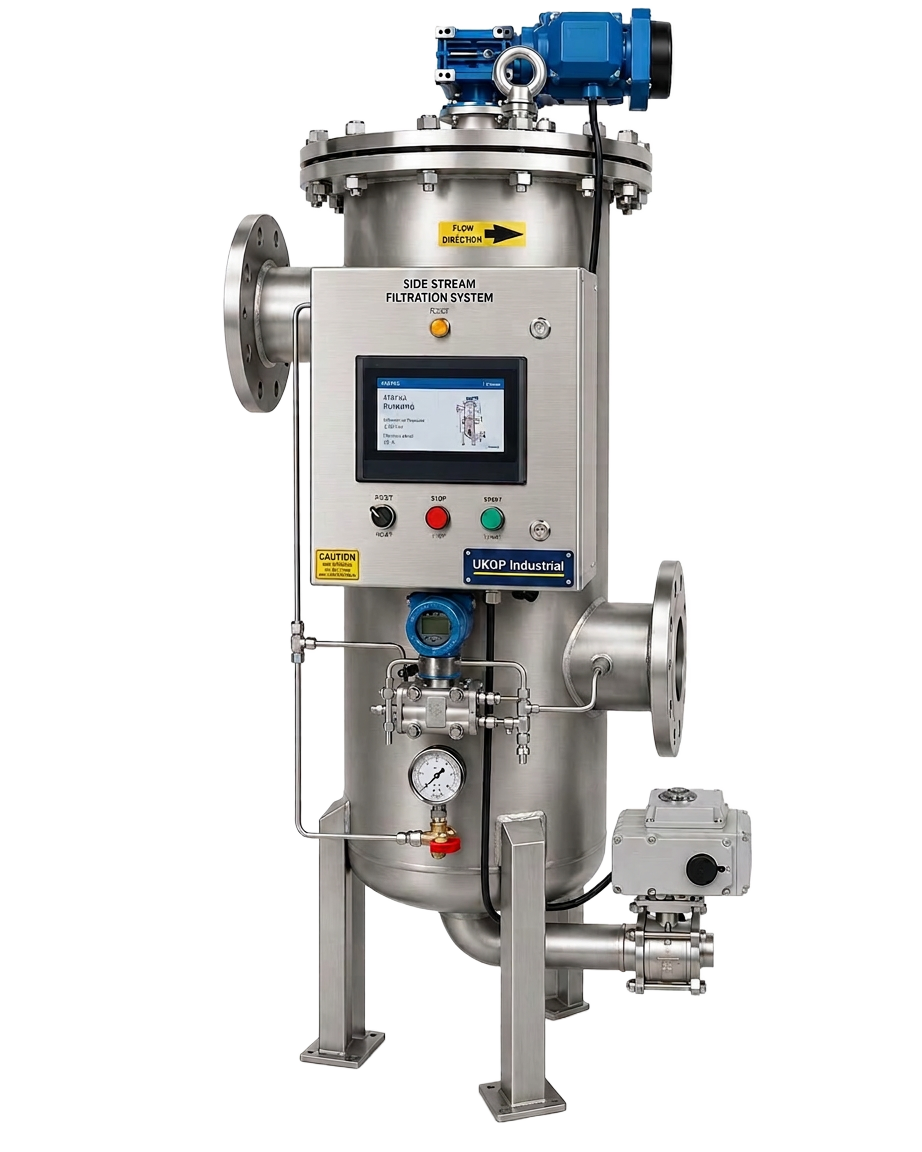
Beyond the primary loop, the pH must be monitored across all sub-circuits, especially where different temperatures are maintained. Higher temperatures naturally shift the pH balance and increase the rate of chemical reactions, meaning a ph sensor must be robust enough to handle thermal cycling without drifting. For those managing complex plant rooms, combining pH monitoring with traditional filtration is the gold standard for maintenance. For instance, pairing a sensor with a high-performance side stream filtration unit ensures that both the chemical and physical health of the water is maintained at peak levels. This holistic approach to water treatment is recommended by BS 8552 for sampling and monitoring protocols in building services.
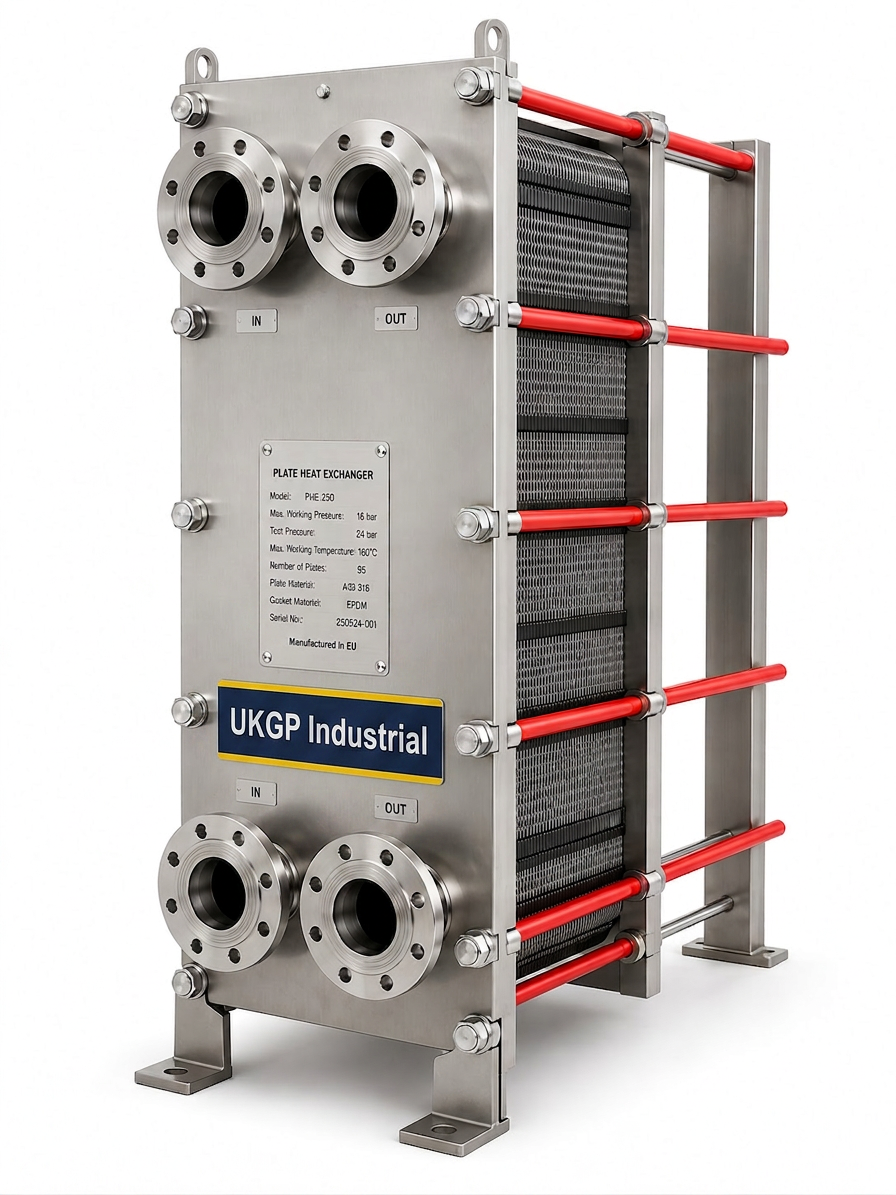
- Protects expensive secondary plant like plate heat exchangers and boiler blocks.
- Early detection of oxygen ingress through monitoring for pH drops.
- Prevents the formation of magnetite sludge and insulating mineral scale.
- Vital for safe operation in multi-metal systems, specifically those with aluminium.
Technical Specifications for Industrial pH Monitoring
When selecting a ph sensor for a commercial application, the technical specifications must align with the demands of continuous industrial use rather than occasional laboratory sampling. A professional ph sensor must offer a wide range of measurement, typically from 0 to 14 pH, with a high degree of sensitivity to detect minor fluctuations that could indicate a larger systemic issue. Furthermore, the selection of the transmitter is just as important as the probe itself. A transmitter that supports both 4-20 mA analogue signals and Modbus RS485 digital communication allows for maximum flexibility, whether you are integrating with a legacy PLC or a modern cloud-based building management system for remote monitoring.
Connectivity is another critical factor for onsite engineers and M&E contractors. The use of standardised M12 cable kits simplifies the installation of the ph sensor, providing a secure, waterproof connection that reduces the risk of signal loss or electromagnetic interference. This is particularly important in crowded plant rooms where electrical noise from large pumps and motors can disrupt sensitive low-voltage signals. Our UKGP pH solutions are designed with these practicalities in mind, ensuring that the ph sensor remains an asset to the maintenance team rather than a source of constant troubleshooting. Providing a robust, factory-calibrated unit with a 2-year warranty ensures that the technical lead can specify the product with confidence.
Longevity in industrial water treatment is often dictated by the build quality of the sensor's junction and reference electrode. A ph sensor designed for the commercial market should feature a double-junction design to resist contamination and electrode poisoning, which are common causes of premature sensor failure in treated water loops. Furthermore, the ability to operate across a wide pressure range, often up to 6 bar or higher, allows the sensor to be placed directly in the main flow of most secondary heating and cooling systems. This direct measurement is far more accurate than sampling bypass lines, where stagnant water may not be representative of the actual conditions within the primary circulation loops.
- Wide measuring range of 0-14 pH for total chemistry visibility.
- Dual connectivity options including 4-20 mA and Modbus RS485.
- High pressure and temperature ratings for direct in-line installation.
- Simplified wiring using high-quality M12 waterproof cable kits.
Optimising Maintenance Schedules with pH Data
Transitioning from reactive to condition-based maintenance requires a reliable flow of data, and the ph sensor is the most important source for water-side services. By monitoring pH trends, facility managers can accurately predict when a system requires a chemical top-up or when a thorough flush is necessitated. This data-driven approach eliminates the guesswork associated with manual dosing pots and ensures that chemicals are utilised effectively, reducing the overall operational expenditure for the building. A steady reading from the ph sensor provides peace of mind that the internal protective films on the pipework are intact and that the system is operating at its maximum design efficiency.
In many UK commercial properties, the plant room is often a forgotten space until a major failure occurs. However, with a ph sensor connected to a remote monitoring platform, engineers can receive instant notifications if the water chemistry exceeds pre-defined limits. This is particularly useful for managing multiple sites across a large portfolio, as it allows procurement and maintenance leads to prioritise interventions based on actual risk rather than just a calendar date. The availability of 4-20 mA signals from our ph sensor units makes this level of integration straightforward for any BMS contractor, facilitating a smarter way to manage building health and occupant comfort throughout the year.
Finally, the documentation of pH levels is increasingly required for insurance purposes and to maintain the manufacturers’ warranties on high-value items like boilers and chillers. A ph sensor that provides a continuous digital log ensures that the facility manager can prove the water was maintained within the specified limits. This is especially important in the event of a component failure where the cause of corrosion must be identified. Using a factory-calibrated industrial ph sensor & transmitter ensures that these logs are accurate and legally defensible. For a quote on our complete pH monitoring kits, which include the M12 cable and a 2-year warranty, please contact our technical sales team for expert advice on your specific project requirements.
- Enables condition-based maintenance to reduce OPEX and chemical waste.
- Provides a digital audit trail for insurance and warranty compliance.
- Facilitates remote management of multiple commercial plant rooms.
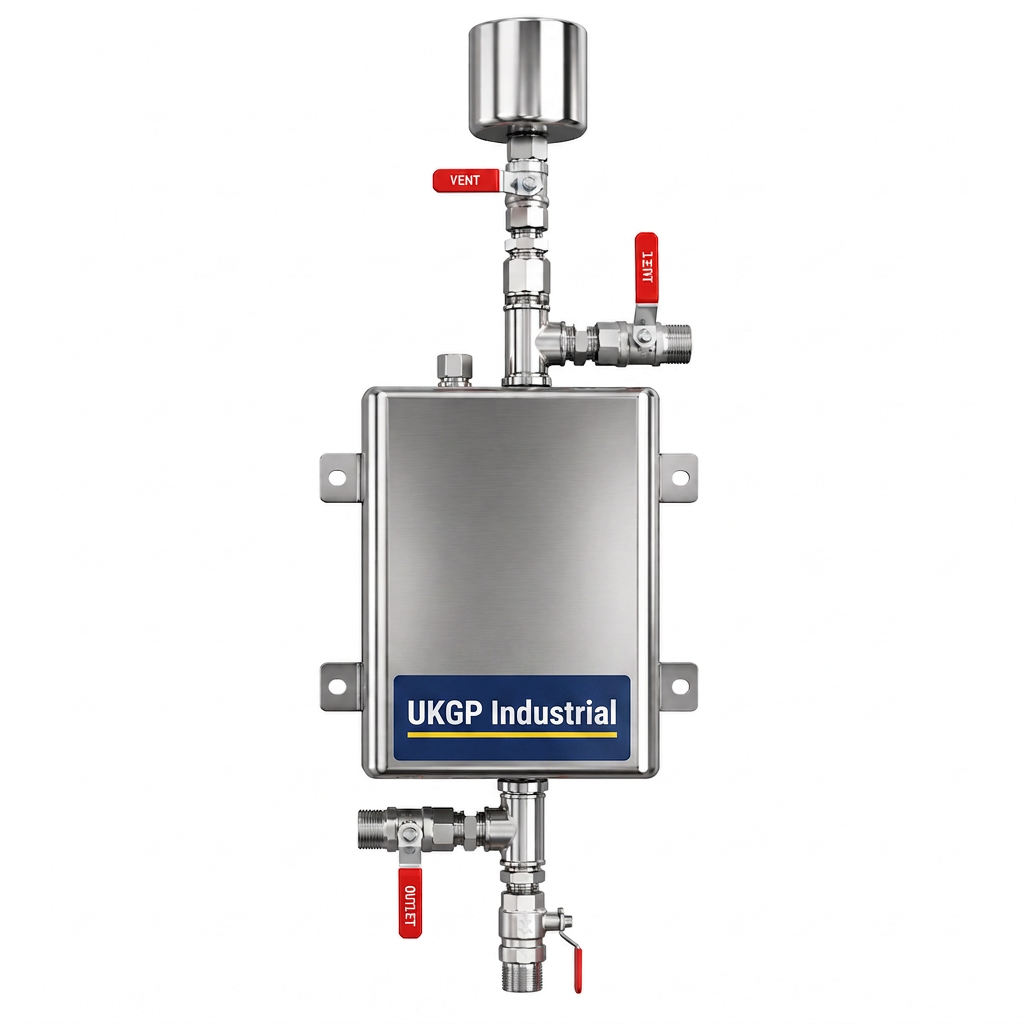
- Integrates with dosing pots for precision chemical application and control.
Why Choose UKGP for Your pH Monitoring Solutions
UKGP Industrial understands the unique pressures faced by UK building services consultants and contractors. When specifying a ph sensor, you need more than just a component; you need a system that is easy to install, reliable in operation, and supported by local technical expertise. Our industrial ph sensor & transmitter sets are designed specifically for the rigours of the M&E sector, providing IP68 protection and factory-calibrated accuracy straight out of the box. We ensure that our products meet the demanding requirements of BSRIA and CIBSE standards, giving you the confidence that your water treatment strategy is built on a solid foundation of precision instrumentation.
Our kits are designed as a comprehensive solution for modern plant rooms. Every ph sensor we supply is accompanied by a compatible transmitter and a robust M12 cable kit, ensuring that your on-site team has everything they need for a successful installation. Whether you require a standard 4-20 mA output for a local controller or Modbus for a sophisticated BMS, our products offer the versatility needed for any commercial water treatment project. Furthermore, our 2-year warranty reflects our commitment to quality and the durability of our sensors in closed-loop systems, district heating networks, and cooling tower applications where reliability is the top priority.
For procurement leads and M&E contractors, UKGP provides more than just a ph sensor; we provide a partnership based on technical excellence and commercial awareness. We stock a wide range of complementary HVAC products, from expansion bellows to low loss headers, allowing you to source high-quality components from a single trusted UK supplier based in Surrey. This streamlined approach to procurement reduces lead times and ensures that all components in your water system work in harmony. Contact us today to discuss your next commercial water treatment project and discover how our factory-calibrated pH monitoring solutions can enhance your building’s efficiency and asset lifespan.
- Surrey-based UK supplier with extensive experience in HVAC plant rooms.
- Complete kits including sensor, transmitter, and cable for rapid deployment.
- Expert technical support for BSRIA and CIBSE compliant installations.
- Comprehensive 2-year warranty on all industrial pH monitoring equipment.
Frequently asked questions
Why is a ph sensor necessary in a closed-loop HVAC system?
- A ph sensor is vital because it provides real-time monitoring of water chemistry, allowing for the prevention of corrosion and scale. Without constant monitoring, the system could become acidic or overly alkaline, leading to the failure of expensive components like boilers and heat exchangers, and violating BSRIA BG50 guidelines.
How often does an industrial ph sensor need to be calibrated?
- While our industrial ph sensor units are factory-calibrated, we recommend checking calibration every 6 to 12 months, depending on the system's condition and the stability of the water chemistry. High-quality sensors designed for industrial use, such as those from UKGP, exhibit significantly less drift than standard lab-grade probes.
What is the difference between 4-20 mA and Modbus outputs for a ph sensor?
- A 4-20 mA output is an analogue signal typically used for direct control of dosing pumps or simpler PLC inputs. Modbus RS485 is a digital protocol that allows for more detailed data transmission, including diagnostic information, and is ideal for integration into a sophisticated Building Management System (BMS).
Can I install a ph sensor directly in the main pipework?
- Yes, our industrial ph sensor is designed to handle the pressures (typically up to 6-10 bar) and temperatures common in commercial heating and cooling loops. Direct in-line installation provides more accurate real-time data than bypass loops, provided the sensor is positioned where it remains in constant contact with the flowing fluid.
Are UKGP pH sensors compatible with existing BMS systems?
- Absolutely. Our ph sensor and transmitter kits are designed with industry-standard communication protocols including 4-20 mA and Modbus RS485. This ensures seamless integration with almost all modern building management systems used in the UK for monitoring plant-room water quality.