The importance of pH sensor calibration in closed loops
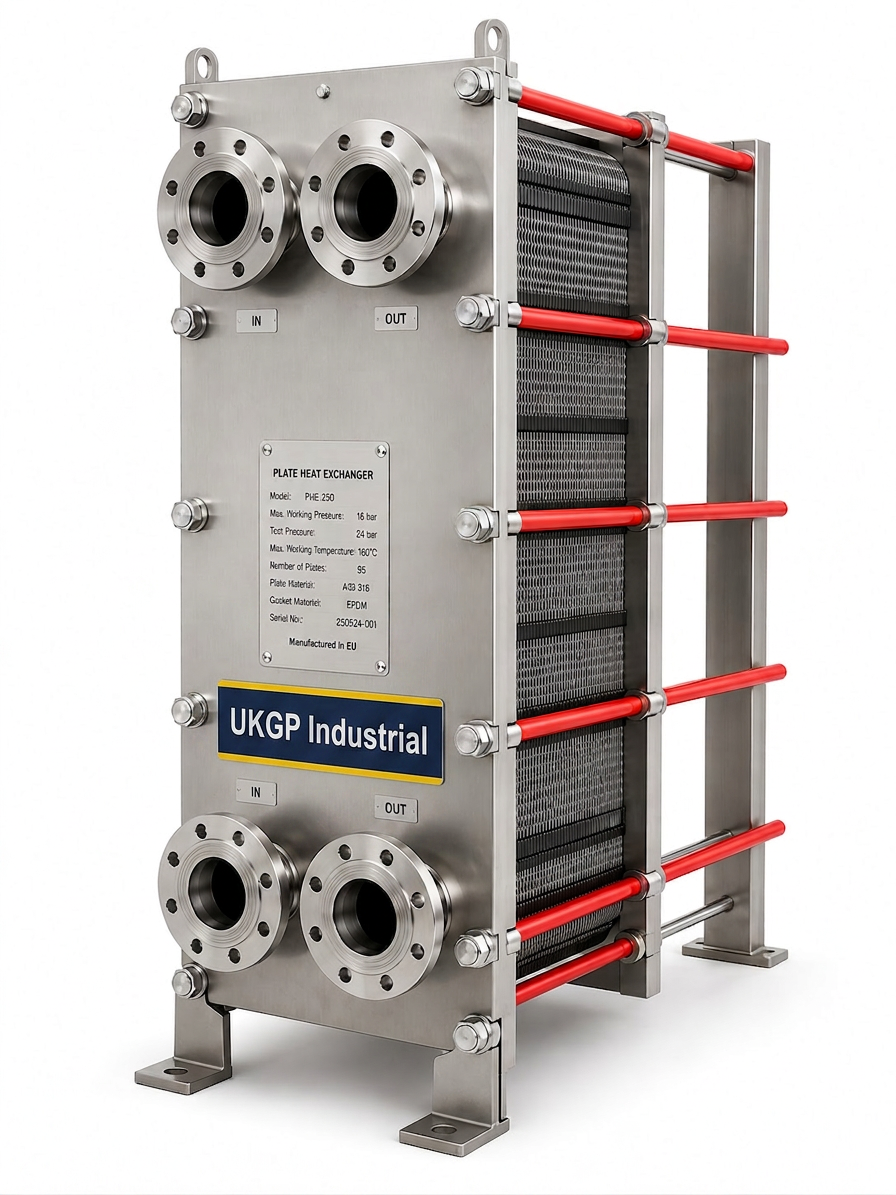
In the context of BSRIA BG50 and BG29 compliance, maintaining precise chemical parameters is non-negotiable for building services consultants and facilities managers. When ph sensor calibration is neglected, the accuracy of the readings drifts, leading to incorrect chemical dosing and potential damage to expensive plant equipment such as plate heat exchangers. Modern industrial systems rely on high-quality sensors to provide real-time data, and if these sensors are not aligned with a known reference, the entire water treatment strategy is compromised. This is particularly critical in systems where metal components are susceptible to corrosion if the pH levels fall outside of the recommended alkaline range.
Precision in monitoring allows for proactive maintenance rather than reactive repairs, saving M&E contractors and procurement leads significant sums over the life of a building. A robust ph sensor calibration routine ensures that the 4-20 mA or Modbus signals sent to the Building Management System (BMS) are trustworthy. In Surrey and London's commercial sector, where water hardness and conductivity can vary, having a reliable baseline is essential for system longevity. Without frequent verification, the sensor may report a stable environment while the physical reality of the water chemistry is causing silent degradation of the pipework and internal surfaces.
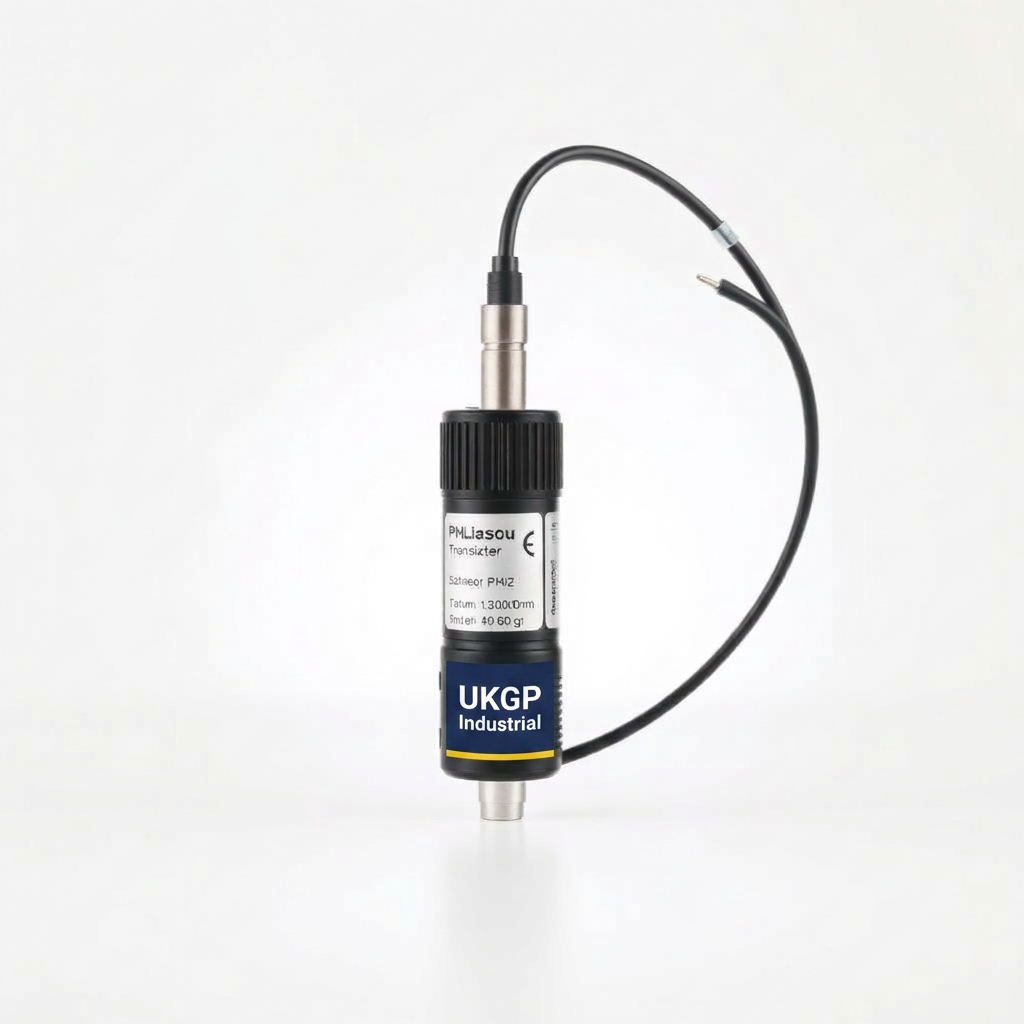
Choosing the right equipment simplifies this process significantly, and British engineers increasingly favour integrated solutions. UKGP provides a complete industrial pH sensor & transmitter kit, featuring a factory-calibrated sensor, IP68-rated transmitter, and M12 cable kit. This package is designed to provide seamless integration into existing control loops. By utilising a device with a 2-year warranty and high ingress protection, engineers can rely on the hardware to perform while focusing their efforts on the regular ph sensor calibration schedule mandated by industry best practices and site-specific risk assessments.
- Prevents accelerated corrosion of mild steel and copper pipework
- Ensures compliance with BSRIA BG50 monitoring guidelines
- Reduces chemical waste by preventing over-dosing and under-dosing
- Maximises the lifespan of plate heat exchangers and valves
Establishing a pH sensor calibration schedule
Determining the correct frequency for ph sensor calibration depends largely on the stability of your process fluid and the environmental conditions within the plant room. For new installations or systems undergoing commissioning under BSRIA BG29, weekly checks are often advised until a trend is established. Once the system stabilises, a monthly or quarterly schedule may be sufficient, provided that the transmitter identifies no significant drift. However, in heavy industrial applications or where aggressive chemicals are used via dosing pots, more frequent attention is required to ensure the glass electrode has not become fouled or depleted.
M&E contractors should note that temperature fluctuations in the secondary loops can affect the speed of sensor response and the rate of drift. Implementing a rigorous ph sensor calibration schedule helps in identifying 'end of life' signals early, allowing for planned replacement before a total failure occurs. It is also a requirement for many insurance and warranty protocols for large boilers and chillers. By logging every calibration event, facilities managers can demonstrate a duty of care and adherence to BS 8552, which covers the sampling and monitoring of water in building services systems.
Utilising the UKGP industrial pH sensor & transmitter assembly makes maintaining this schedule easier due to its robust design and clear interface. The system supports both 4-20 mA and Modbus outputs, allowing for remote monitoring of the sensor's health and the timing of the last calibration intervention. For those looking to upgrade their monitoring capability, this factory-calibrated unit ensures a high level of accuracy from day one. Request a quote for the full UKGP kit to secure a reliable, long-term solution for your plant room's water chemistry management.
- Initial weekly checks during the first month of operation
- Monthly verification for standard HVAC heating and cooling loops
- Quarterly field calibration as a minimum for stable systems
- Immediate recalibration following any significant chemical shocks
The 2-Buffer method for precise accuracy
The 2-buffer method is the industry standard for ensuring linear accuracy across the expected operating range of a sensor. To perform a successful ph sensor calibration, two standard buffer solutions are used: typically pH 7.0 for the zero-point (offset) and either pH 4.0 or pH 10.0 for the slope (span). For most UK closed-loop heating systems, which should be slightly alkaline, the pH 7.0 and pH 10.0 combination is usually the most relevant. This process corrects both the electronic offset of the transmitter and the chemical response of the sensor electrode, ensuring the entire scale is accurate.
Before beginning the procedure, the sensor must be thoroughly cleaned to remove any bio-film or mineral deposits. The 2-buffer ph sensor calibration starts by dipping the sensor into the neutral pH 7 solution, allowing the reading to stabilise, and then adjusting the transmitter. This is followed by a thorough rinse with deionised water before repeating the process with the second buffer. This 'two-point' approach is significantly more accurate than a 'single-point' grab sample adjustment, as it accounts for the sensitivity of the electrode, which changes as the internal electrolyte ages.
Applying this methodology to UKGP industrial pH sensors ensures that the 4-20 mA signal reflects the actual hydrogen ion concentration with high fidelity. Because our sensors are factory-calibrated, the initial commissioning is simplified, but field-based 2-buffer calibration remains essential for ongoing maintenance. Modern building services consultants specify these procedures to ensure that the air & dirt separators and other metallurgical components are protected from acidic conditions. Regular training for plant-room engineers on this specific method is a key investment in asset protection.
- Always use fresh, uncontaminated buffer solutions
- Rinse the sensor with deionised water between buffers
- Ensure temperature compensation is active during the process
- Document the slope percentage to track sensor degradation
Managing sensor drift and electrode health
Electrode drift is an inevitable physical reality in any electrochemical measurement. Over time, the reference junction of the sensor may become clogged, or the internal electrolyte may become contaminated by the process water. Regular ph sensor calibration is the only way to identify when this drift has exceeded acceptable tolerances. When the slope of the sensor drops below 85% to 90%, it is an indication that the sensor is nearing the end of its life and should be replaced. This proactive approach prevents the 'false' readings that often lead to corrosion incidents in large-bore expansion bellows and headers.
In Surrey's commercial plant rooms, environmental factors such as high humidity and vibration can also impact the connection between the sensor and the transmitter. This is why the UKGP kit includes a high-quality M12 cable kit to ensure a secure, watertight connection that is resistant to interference. By maintaining a clean environment and ensuring the IP68 transmitter housing remains sealed, engineers can extend the intervals between necessary ph sensor calibration events. However, even the best-protected sensor requires periodic validation to account for the natural aging of the pH-sensitive glass membrane.
For procurement leads and FMs, understanding that a pH sensor is a consumable item is vital for budgeting. While the UKGP transmitter is built for years of service with its 2-year warranty, the sensing element itself will eventually require swapping. By keeping a spare factory-calibrated sensor on-site, M&E contractors can perform a quick swap and then complete the 2-buffer ph sensor calibration to return the system to full operation within minutes. This strategy minimises the risk of running the system 'blind' and ensures continuous protection for the entire industrial water circuit.
- Monitor the electrode slope to predict replacement dates
- Inspect the reference junction for fouling or discolouration
- Check cable integrity and M12 connector seals monthly
- Keep a spare sensor on-site for immediate swap-outs
Integration with chemical dosing and filtration
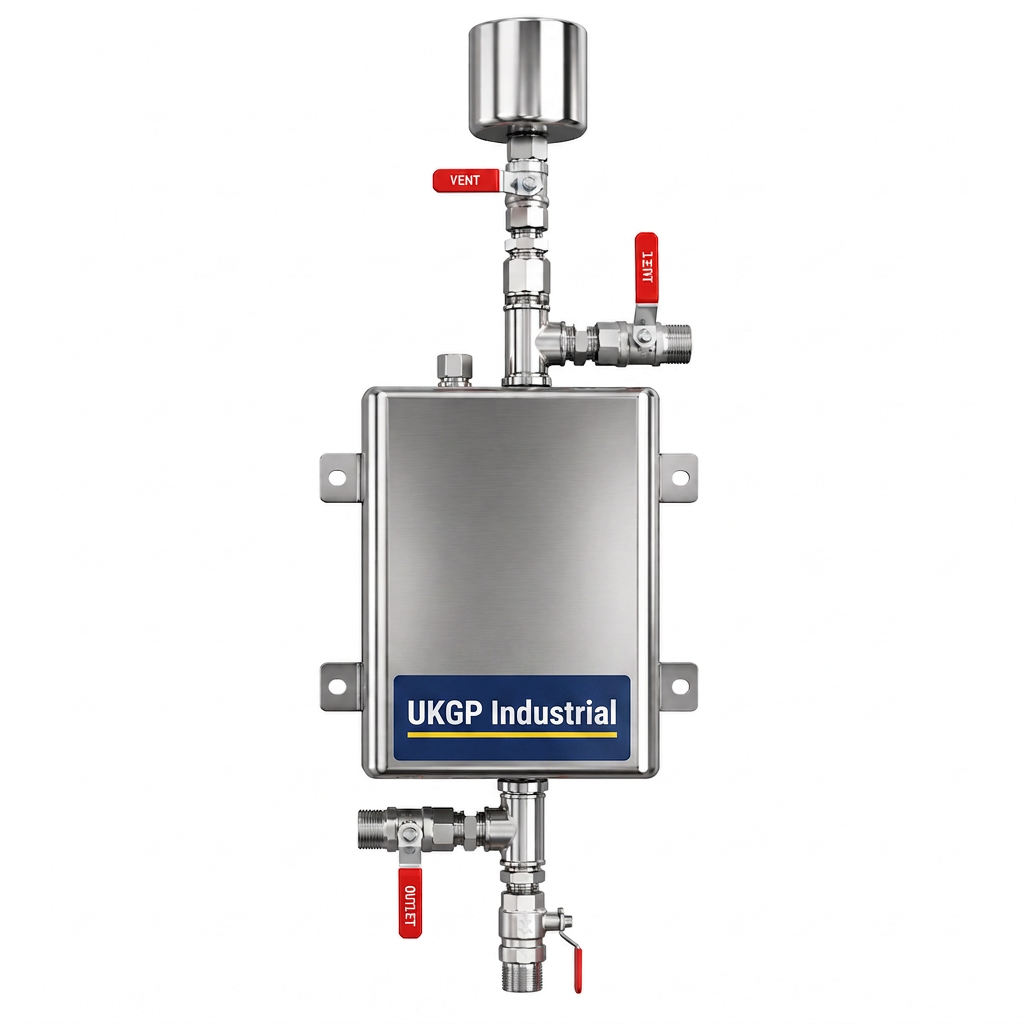
Industrial water treatment is a holistic process where the data from ph sensor calibration informs the operation of chemical dosing pots and side-stream filtration skids. If the pH readings are inaccurate, the volume of inhibitor or biocides added to the system will be incorrect, potentially leading to microbiological growth or scale formation. This is particularly problematic in systems with low-loss headers where flow rates can vary, making accurate real-time monitoring even more critical. Connecting the pH transmitter directly to the dosing controller ensures that the system reacts instantly to any chemical imbalances.
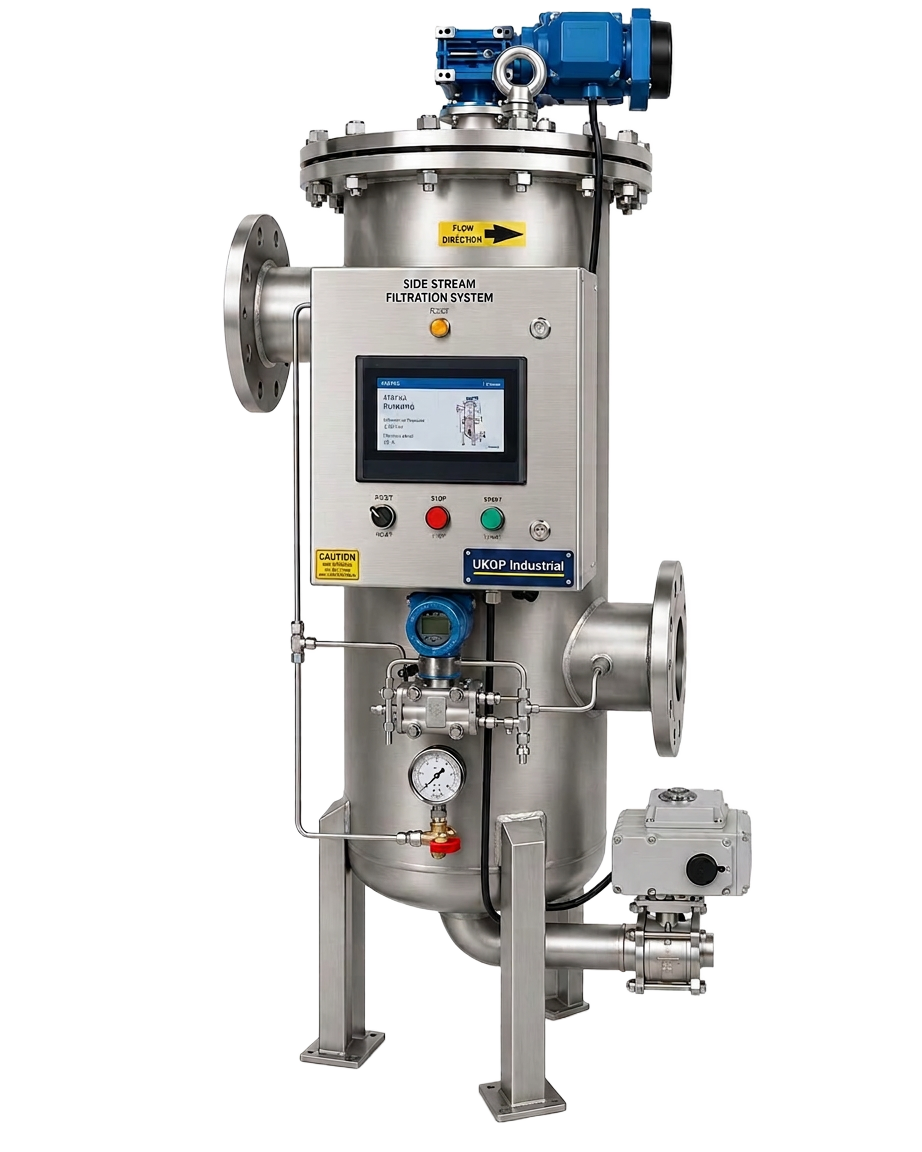
BSRIA BG50 highlights the synergistic relationship between chemical balance and physical filtration. When a ph sensor calibration event reveals a trend toward acidity, it may be a sign of systemic issues that a side stream filtration unit could help mitigate by removing suspended solids that harbour bacteria. By ensuring the pH is monitored correctly, the efficacy of the chemicals is maximised, and the load on the filtration system is reduced. This integrated approach is the hallmark of modern, high-efficiency UK plant rooms where energy saving and asset longevity are the primary goals.
The 4-20 mA or Modbus output from a UKGP transmitter is designed for this exact level of integration. Whether you are controlling a dosing pump or monitoring the water quality before it enters a plate heat exchanger, the accuracy provided by a regular ph sensor calibration schedule is the foundation of your control strategy. UKGP is ready to supply these high-specification sensors and transmitters to sites across the UK. Our technical team can advise on the best installation practices to ensure your sensors remain accurate for longer, reducing the total cost of ownership for your water treatment infrastructure.
- Link pH transmitters directly to automated dosing systems
- Use Modbus for detailed diagnostics and remote alerts
- Ensure sensors are installed in a location with representative flow
- Coordinate calibration with side-stream filtration maintenance
Best practices for UK building services
Adherence to British Standards and industry guidelines such as CIBSE and BSRIA ensures that a building's mechanical services operate at peak efficiency. Part of this compliance involves maintaining detailed logs of all ph sensor calibration activities. These logs serve as an essential part of the building's technical file, providing proof of maintenance during audits or inspections. For engineers based in London and Surrey, where building standards are strictly enforced, having a documented 2-buffer calibration procedure is a mark of professional excellence and operational competence.
When selecting hardware, prioritising components that are designed for industrial environments rather than laboratory use is essential. Laboratory sensors often fail in a plant room due to the lack of ingress protection or inadequate cable shielding. The UKGP industrial pH sensor & transmitter is purpose-built for the rigours of the M&E sector, featuring IP68 protection and robust factory calibration. This ensures that when your team performs a ph sensor calibration, the hardware responds predictably and holds its settings even in challenging conditions such as high temperatures or near electrical noise from heavy-duty pumps.
In conclusion, perfecting your ph sensor calibration technique is a small investment that yields massive returns in system reliability. By following the 2-buffer method and adhering to a strict schedule, you protect everything from the smallest expansion bellows to the largest low loss headers. We invite you to contact UKGP today to discuss your requirements for pH monitoring and to receive a quote for our comprehensive sensor and transmitter kits. Our equipment is designed to meet the demands of the UK's most prestigious commercial and industrial projects, providing the peace of mind that comes with accurate, reliable data.
- Maintain a dedicated logbook for all sensor maintenance
- Follow CIBSE guidelines for water quality management
- Use industrial-grade sensors with IP68 ratings for plant rooms
- Consult with UKGP for expert advice on system integration
Frequently asked questions
How often should I perform ph sensor calibration?
- For most commercial HVAC systems, a monthly ph sensor calibration is recommended. However, for new systems or those with high chemical turnover, weekly checks may be necessary until the local water chemistry stabilises.
Why is the 2-buffer method better than a single-point check?
- The 2-buffer method accounts for both the 'zero' offset and the 'slope' (sensitivity) of the sensor. A single-point check only adjusts the offset, which can lead to significant errors if the pH moves away from that single calibration point.
Can I use any buffer solutions for UKGP sensors?
- Yes, standard buffers (pH 4, 7, or 10) are compatible. It is vital to use fresh, traceable buffer solutions at the correct temperature to ensure the ph sensor calibration is accurate as per BSRIA BG50 requirements.
What are the signs that a pH sensor needs replacement?
- Signs include a slow response time, high drift between calibrations, or a slope value falling below 85% during the 2-buffer ph sensor calibration process. Mechanical damage or leaching of the reference junction are also primary causes for replacement.
Does the UKGP pH transmitter support Modbus?
- Yes, our industrial pH transmitter is available with either a standard 4-20 mA analogue output or a digital Modbus RTU interface, allowing for seamless integration into modern Building Management Systems (BMS).