Understanding the Ph Redox Sensor in Closed Loops
In the context of UK commercial building services, maintaining the correct chemical balance in closed-loop systems is non-negotiable for operational longevity. A ph redox sensor measures both the acidity or alkalinity of the system water and its Oxidation-Reduction Potential (ORP). For M&E contractors and plant engineers, these readings provide a real-time health check of the fluid, indicating whether the corrosion inhibitor is performing effectively. While pH monitoring tracks the risk of acidic corrosion or scale formation, the redox or ORP measurement identifies the presence of oxidising agents that could lead to pitting. Without a reliable ph redox sensor, engineers are often left relying on infrequent manual sampling which may miss rapid chemical shifts between service intervals.
Choosing a ph redox sensor for an industrial environment requires a shift in mindset from laboratory-grade equipment to robust, plant-room-ready hardware. The challenging conditions of a Surrey-based plant room, involving temperature fluctuations and high pressures, demand sensors that can withstand harsh environments without losing calibration. A commercial ph redox sensor must be integrated into the wider Building Management System (BMS) to provide actionable data. By monitoring these parameters continuously, facility managers can move from reactive maintenance to a proactive strategy, significantly reducing the risk of premature component failure in multi-million-pound HVAC installations. This alignment with modern engineering standards is why precision sensors are becoming a standard specification in tender documents.
Technical specifications for these instruments often focus on the sensitivity and the response time of the electrode. In a high-volume system, a ph redox sensor must provide stable readings despite the presence of dissolved solids and chemical additives. Compliance with BS 8552 for water sampling and BSRIA BG50 for water treatment in closed systems frequently cites the need for consistent monitoring. By installing a dedicated ph redox sensor at critical junctions, such as near the primary flow or return headers, engineers can ensure that the chemical dosing strategy remains within the prescribed limits. This level of oversight is essential for protecting expensive heat exchangers and boiler plant from the hidden costs of internal system degradation.
- Ensures alignment with BSRIA BG50 monitoring recommendations
- Provides real-time detection of oxidising agents and pH shifts
- Reduces reliance on manual water testing intervals
- Enables early intervention before corrosion damage occurs
BSRIA BG50 and the Role of Precision Monitoring
BSRIA BG50 provides clear guidance on the water treatment requirements for closed-loop heating and cooling systems, emphasizing the prevention of corrosion, scale, and microbiological fouling. A high-quality ph redox sensor is fundamental to observing these standards, as it allows for the continuous verification of the system's electrochemical state. When the pH level drifts outside of the recommended 8.2 to 9.5 range for steel systems, or 7.0 to 8.5 for aluminum-containing circuits, the risk of metal loss increases exponentially. Utilising a ph redox sensor allows the FM team to observe these trends instantly. This data is vital for validating that the water treatment regime is effective and for providing a digital audit trail that demonstrates compliance with industry best practices.
The redox component of a ph redox sensor is particularly useful for detecting the ingress of oxygen or the presence of microbial activity. A sudden drop in ORP can signify the consumption of oxygen-scavenging chemicals, warning the operator that the system is vulnerable to aerobic bacteria or oxidation. This proactive alert system is why many consultants now mandate the installation of an industrial ph redox sensor in new build projects and major refurbishments. By integrating these sensors with 4-20 mA or Modbus outputs, the plant room data is fed directly into the head-end system, allowing for remote monitoring and automated alarm triggers if parameters exceed set tolerances. This digital oversight is a cornerstone of modern smart building management.
Furthermore, the longevity of UK commercial boiler plant is directly linked to the water quality maintained within the primary and secondary circuits. Leading commercial boiler manufacturers often stipulate strict water quality parameters to uphold warranties, making the ph redox sensor a commercially prudent investment. Should a heat exchanger fail, the first thing a manufacturer will examine is the water quality log. Having a permanent ph redox sensor installed provides the documented proof that the system has been operated within the required chemical range. This protects the asset owner from costly disputes and ensures that the plant continues to operate at peak thermal efficiency for its intended lifecycle, reducing both carbon footprint and fuel expenditures.
- Supports warranty compliance for major commercial boiler plant
- Facilitates remote monitoring via Modbus or 4-20 mA integration
- Detects oxygen ingress and bacterial indicators through ORP
- Maintains the water chemistry within BSRIA specified ranges
Technical Specifications for a Ph Redox Sensor Installation
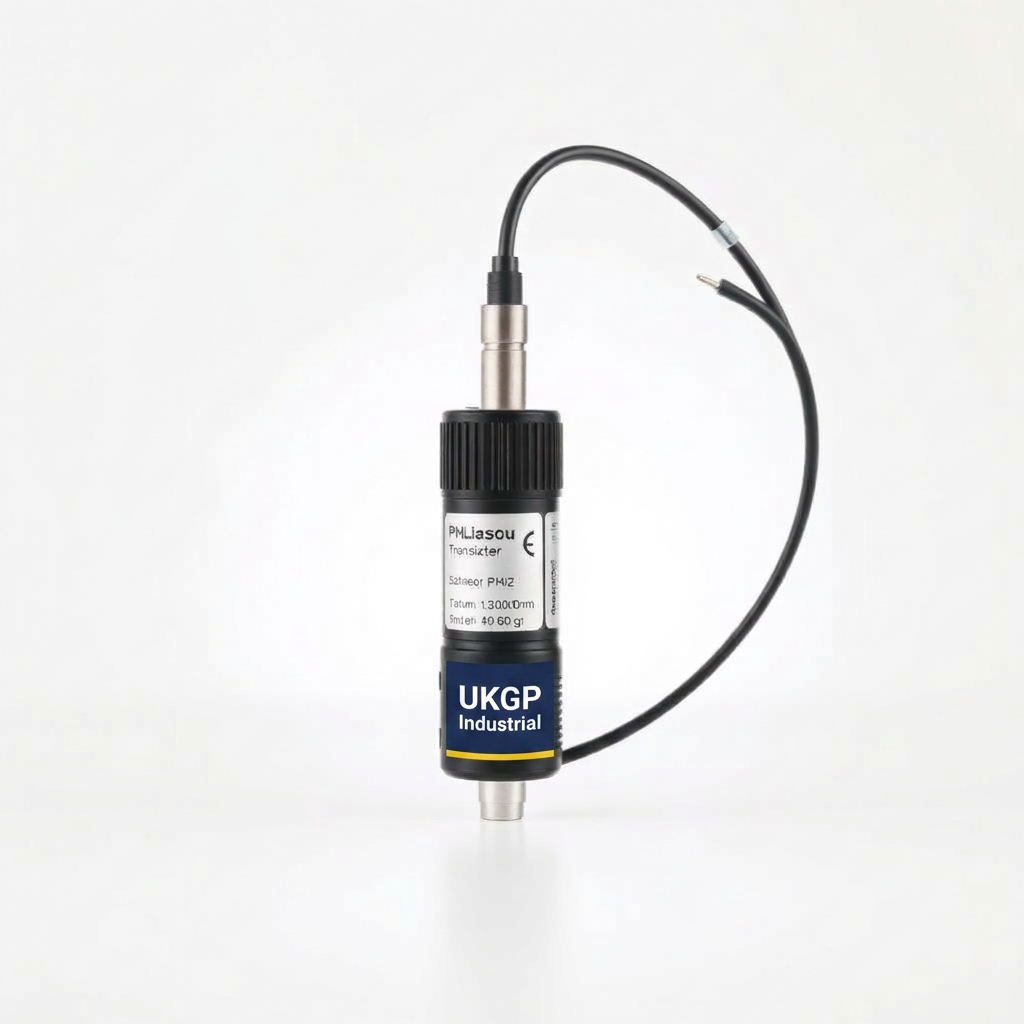
When specifying a ph redox sensor, engineers must look beyond the basic measurement range and evaluate the physical build quality. For a UK plant room environment, an IP68-rated housing for the transmitter is often required to protect against moisture and dust. The UKGP industrial pH sensor & transmitter assembly is designed specifically for these conditions, featuring a factory-calibrated sensor and a robust transmitter capable of seamless BMS integration. Most commercial installations benefit from the ease of an M12 cable kit, which simplifies the wiring process for M&E contractors. When choosing a ph redox sensor, ensure it offers a 2-year warranty to guarantee reliability in a production or large-scale HVAC environment where downtime can be incredibly expensive for the client.
The interface between the ph redox sensor and the pipework is another critical consideration. It is often recommended to install the sensor within a bypass or a dedicated sampling line to allow for easy maintenance and periodic re-calibration without draining the entire system. Our UKGP industrial pH sensor & transmitter units are designed for such versatility, providing accurate data whether installed in a side stream or a main flow line. Using an industrial-grade ph redox sensor ensures that the electrodes are resistant to 'poisoning' from common system additives like glycol or standard inhibitors. This durability is what separates professional-grade sensors from cheaper alternatives that fail within months of installation in a contaminated system.
Finally, the choice between 4-20 mA analog signals and digital Modbus communication is a key technical decision. While 4-20 mA remains the standard for many legacy systems due to its simplicity, Modbus allows for more complex data transmission, including diagnostic information about the ph redox sensor itself. This facilitates predictive maintenance, informing the FM team when a sensor electrode is nearing the end of its life before it fails completely. Our kit, including the sensor, transmitter, and M12 cable, is built to support these modern communication protocols, ensuring that your water quality monitoring system is future-proofed against evolving building management technologies and higher data reporting requirements.
- IP68 rating for transmitter protection in damp locations
- Factory-calibrated for immediate deployment upon arrival
- Compatible with Modbus or 4-20 mA for BMS flexibility
- Includes M12 cable kit for straightforward site installation
Integrating Sensors with Side Stream Filtration
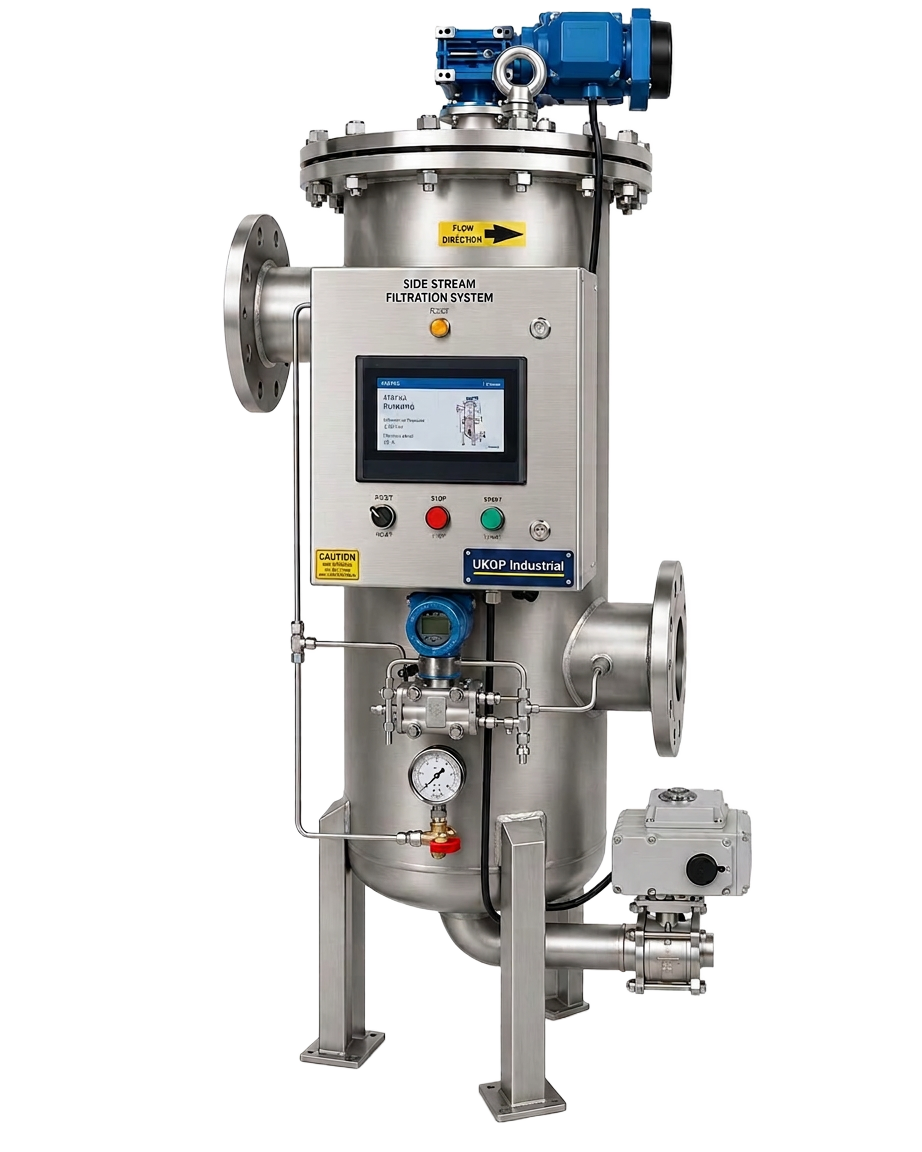
The effectiveness of a ph redox sensor is significantly enhanced when used in conjunction with a side stream filtration skid. In many UK commercial systems, suspended solids and magnetite can coat the sensor electrodes, leading to 'drift' or inaccurate readings. By ensuring the system water is continuously polished via side stream filtration, the ph redox sensor remains cleaner for longer, extending the intervals between manual cleanings. This combination of physical filtration and chemical monitoring represents the gold standard for maintaining closed-loop health as per BSRIA BG29 and BG50. It creates a stable environment where the ph redox sensor can operate with maximum precision, providing the engineer with a true reflection of the system's chemical balance.
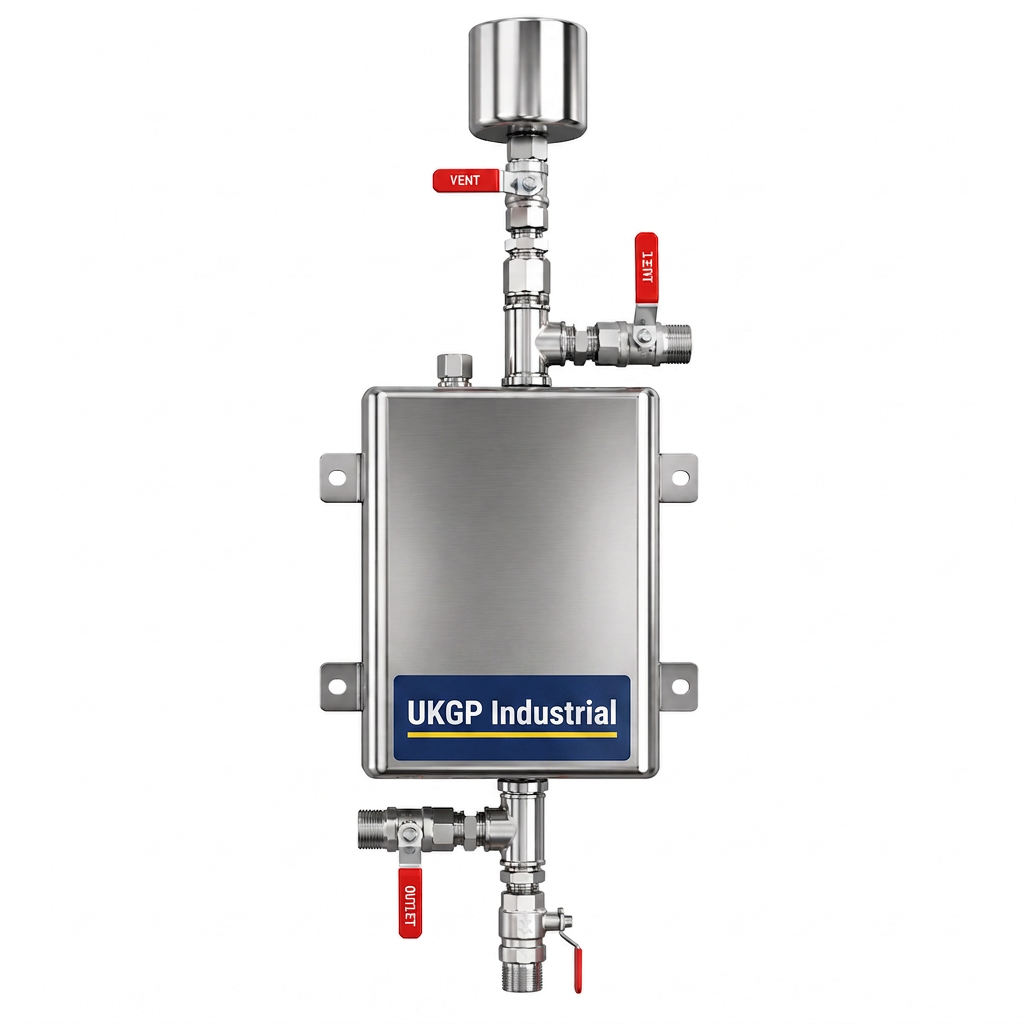
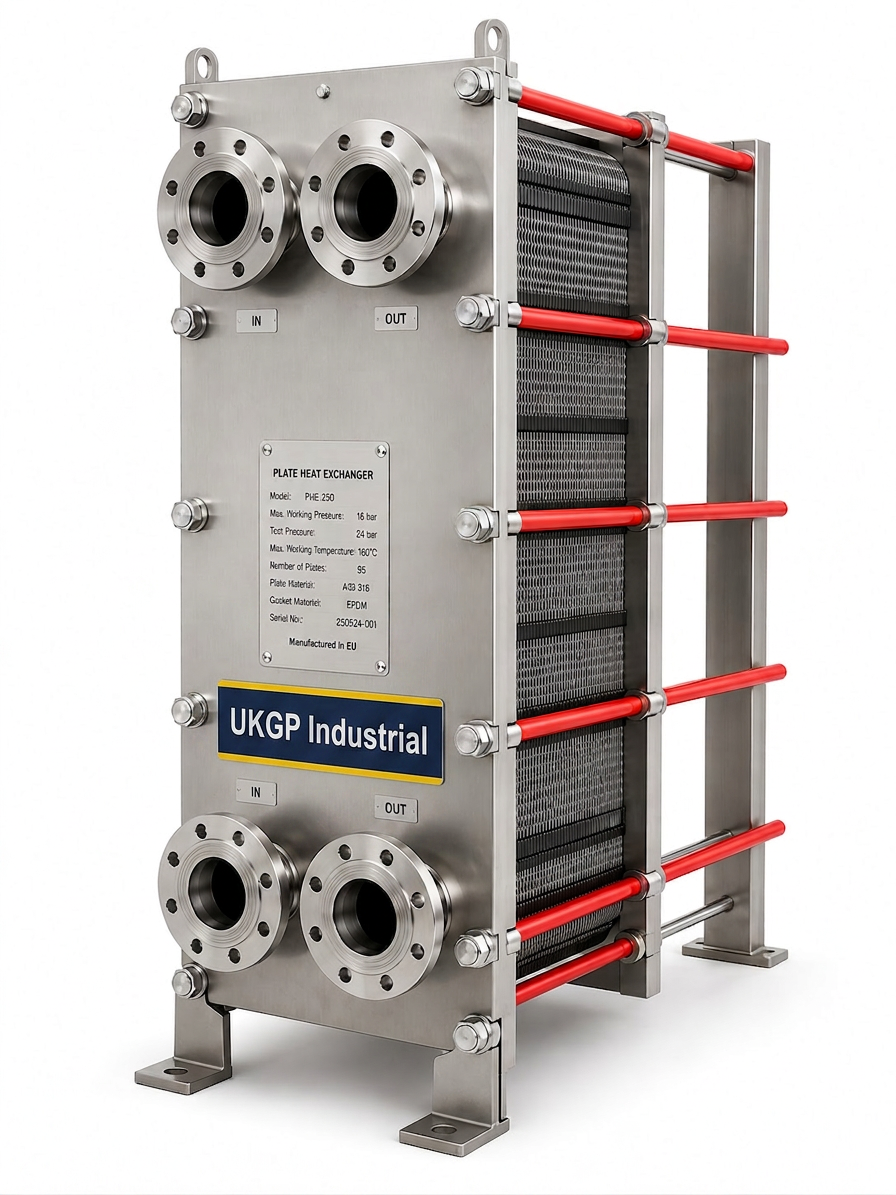
For procurement leads, the ROI of combining a ph redox sensor with high-quality filtration is found in reduced chemical consumption and lower energy bills. When a system is clean and chemically balanced, heat transfer surfaces like plate heat exchangers remain free of scale and sludge. This means the pumps do not have to work as hard, and the boilers can operate at lower flow temperatures while still meeting the building's heat demand. Monitoring this environment with a ph redox sensor helps to ensure that the chemical dosing pots are used efficiently, preventing the over-dosing of expensive inhibitors which can be just as detrimental as under-dosing in some metallurgical scenarios.
M&E contractors should consider the ph redox sensor as a critical feedback loop for the entire water treatment strategy. If the side stream filter is capturing high volumes of magnetite, the redox reading on the ph redox sensor will likely show an environment conducive to corrosion. By addressing both the physical and chemical state of the water, you provide the client with a comprehensive protection package. Whether you are installing new expansion bellows or a low loss header, the baseline water quality measured by the sensor determines how well those components will resist the test of time and operational stress in a high-pressure commercial circuit.
- Prevents electrode fouling from magnetite and sludge
- Reduces chemical waste by providing precise dosing data
- Extends the life of expensive plate heat exchangers
- Ensures total system health monitoring and maintenance
Calibration and Maintenance of Your Ph Redox Sensor
Periodic maintenance is essential to maintain the accuracy of any ph redox sensor installed in a commercial HVAC system. Unlike static mechanical components, electrochemical sensors require routine validation against known buffer solutions to account for electrode aging. A standard ph redox sensor should be checked every six months, though some high-demand industrial applications may require quarterly inspections. Our UKGP industrial pH sensor & transmitter units come factory-calibrated to simplify the initial startup, but a regular maintenance schedule ensures the 2-year warranty remains valid and the data remains trustworthy for the building's logbooks. Failure to maintain the sensor can lead to false readings, which might cause an engineer to incorrectly adjust chemical levels.
Choosing a ph redox sensor with a modular design, featuring an M12 cable kit and a separate transmitter, makes the maintenance process much more efficient. When an electrode eventually reaches the end of its functional life—typically 12 to 24 months depending on water conditions—the FM team can simply replace the sensor head without having to replace the entire transmitter or re-run complex wiring to the BMS. This 'plug and play' approach reduces the hourly labour cost for the client and ensures minimal downtime for the monitoring system. Always ensure that the ph redox sensor you select is compatible with the specific chemicals used in your plant room, as certain specialised biocides can impact sensor life if not correctly specified.
It is also worth noting that the physical location of the ph redox sensor significantly impacts maintenance requirements. Sensors should be installed where they are easily accessible but protected from physical damage and extreme vibration. By integrating the sensor into a managed water treatment regime that includes regular manual testing as a cross-reference, you can ensure the highest levels of system integrity. For those looking to upgrade their monitoring capabilities, our team at UKGP provides expert support to ensure your ph redox sensor is correctly sized and integrated into your existing pipework and control architecture, providing peace of mind for both the contractor and the end-user.
- Factory-calibrated sensors reduce initial commissioning time
- Modular M12 cable design facilitates easy sensor replacement
- Regular 6-month calibration cycles maintain data accuracy
- Informed sensor placement reduces maintenance labour costs
Protecting Assets with the Right Ph Redox Sensor
The commercial case for installing a high-specification ph redox sensor is compelling when compared to the cost of system failure. A single leak in a primary main or a failed commercial boiler heat exchanger can cost tens of thousands of pounds in repairs and business interruption. By investing in a ph redox sensor, building owners are effectively buying an insurance policy for their HVAC infrastructure. The ability to detect a sudden drop in pH or an increase in oxidation potential allows for immediate remediation, stopping corrosion in its tracks before structural damage occurs. This is particularly important in systems featuring mixed metals, where galvanic corrosion can be accelerated by poor water chemistry.
Furthermore, modern sustainability goals and ESOS reporting encourage the use of precision instruments like the ph redox sensor to optimise energy use. A fouled system, caused by the chemical imbalances that a sensor would have detected, is significantly less efficient. By keeping the water chemistry within the 'green' zone, the ph redox sensor helps maintain the high thermal performance of components such as low loss headers and plate heat exchangers. This leads to a direct reduction in carbon emissions, helping UK businesses meet their net-zero targets while lowering operational overheads. The data provided by the ph redox sensor is therefore not just a technical requirement, but a commercial asset for any facilities department.
To ensure you receive the correct equipment for your specific application, we recommend requesting a quote for a UKGP industrial pH sensor & transmitter. Our kits, which include the ph redox sensor, the transmitter, and a high-quality M12 cable, offer a reliable, IP68-rated solution backed by a 2-year warranty. Whether you are an M&E contractor finishing a plant room fit-out or a consultant drafting a specification for a new laboratory complex, our technical team can help you select the precise monitoring equipment needed to satisfy BSRIA BG50 and ensure the longevity of your mechanical services. Contact us today to discuss your project and secure the future of your building's water quality.
- Protects against catastrophic failures in mixed-metal systems
- Supports ESG and sustainability goals through efficiency
- Offers a clear ROI through reduced repair and fuel costs
- Comprehensive 2-year warranty for industrial peace of mind
Frequently asked questions
Why is a ph redox sensor better than manual testing?
- While manual testing is essential for detailed analysis, a ph redox sensor provides continuous, 24/7 monitoring. This allows for the immediate detection of chemical spikes or oxygen ingress that manual tests, often performed weeks apart, would likely miss, preventing corrosion in real-time.
Does this ph redox sensor integrate with my current BMS?
- Yes, our ph redox sensor and transmitter kits are designed for commercial integration. They offer standard 4-20 mA or Modbus communication protocols, allowing them to interface seamlessly with almost any modern Building Management System used in the UK.
How often should a ph redox sensor be calibrated?
- For most commercial HVAC applications under BSRIA BG50 guidance, we recommend calibrating your ph redox sensor every six months using standard buffer solutions to ensure the electrode remains accurate as it ages.
What is the difference between pH and Redox/ORP?
- pH measures the acidity or alkalinity of the water, which affects scale formation and general corrosion. Redox (ORP) measures the potential for oxidation, which helps identify the presence of oxygen or biological activity that could cause localized pitting.
Is the ph redox sensor suitable for high-pressure systems?
- Our industrial ph redox sensor kits are designed for the pressures typically found in commercial heating and chilled water circuits. They are robustly constructed to withstand plant room conditions that would normally damage laboratory-grade equipment.