The Engineering Logic Behind a Ph Probe Storage Solution
In the UK commercial HVAC sector, the reliability of water quality data hinges on the hydration of the glass membrane found in industrial pH electrodes. A dedicated ph probe storage solution is not merely a convenience but a technical requirement to prevent the reference junction from drying out. When a sensor is allowed to dehydrate, the gel layer on the glass bulb becomes unresponsive, leading to significant drift or total failure when re-introduced to the system. For engineers following BSRIA BG50 protocols, maintaining a calibrated and hydrated sensor is essential for the continuous monitoring of closed-loop heating and chilled water systems where pH fluctuations can signal the onset of aerobic or anaerobic corrosion cycles.
Choosing the correct ph probe storage solution fundamentally involves a high-concentration Potassium Chloride (KCl) medium, typically 3.0M or 4.0M. Using deionised (DI) or distilled water is a common but catastrophic mistake in the field, as it leaches ionic content from the reference electrolyte through osmosis, rapidly depleting the sensor's lifespan. Professional-grade storage ensures the ion concentration remains balanced, allowing for immediate response times upon system startup. UKGP industrial pH kits are designed to withstand these environments, but even the highest specification IP68 rated equipment requires proper offline care when systems are drained or sensors are removed for scheduled maintenance or seasonal system flushing.
From a commercial perspective, replacing industrial sensors prematurely due to poor storage practices adds unnecessary cost to facilities management budgets. A well-managed ph probe storage solution regime extends the life of the electrode from months to years, providing a better return on investment for the plant-room instrumentation. When consultants specify monitoring equipment, they should consider the full lifecycle of the component. A robust storage strategy ensures that when the M&E contractor hands over the project, the water treatment systems are functioning exactly as intended by the original design specifications, avoiding the 'day-one' failures often seen in poorly commissioned commercial buildings across the UK.
- Prevents the dehydration of the sensitive glass electrode membrane
- Maintain ionic balance between the probe and the storage medium
- Ensures rapid response times and minimal calibration drift
- Aligns with BSRIA BG50 requirements for accurate water monitoring
- Reduces the Total Cost of Ownership (TCO) for plant-room assets
BSRIA Compliance and Water Quality Monitoring
BSRIA BG29 and BG50 provide the framework for the pre-commission cleaning and ongoing water treatment of closed-loop systems. A central tenet of these standards is the frequent and accurate testing of water chemistry, where pH is a primary indicator of system health. By utilising a professional ph probe storage solution during downtime, engineers ensure their field measurements remain within the tight tolerances required by UK building services standards. If a sensor is left in a dry state between inspections, the data it produces becomes unreliable, potentially masking a drop in pH that could lead to rapid pitting of heat exchangers and pipework headers.
Commercial boiler systems and chilled water circuits are highly susceptible to metallurgical damage if chemical dosing is not precisely managed. The use of a standard ph probe storage solution facilitates a 'set and forget' reliability for these critical sensors. When M&E contractors pull sensors for cleaning or when a side-stream filtration unit is isolated, the probe should immediately be placed into its protective boot filled with the appropriate storage electrolyte. This practice ensures that the internal reference chemistry remains stable, allowing for a seamless transition back to live monitoring once the system maintenance window has closed.
Furthermore, BS 8552 provides guidance on the sampling and monitoring of water within buildings. It emphasizes the need for equipment to be correctly calibrated and maintained to provide representative data. A ph probe storage solution is the lynchpin of this maintenance cycle. Without it, the sensor's 'slope'—the electrical output per pH unit—degrades, making it impossible to calibrate the transmitter to the required precision. For FM teams, this means that the data sent to the Building Management System (BMS) remains accurate, allowing for automated chemical dosing triggers that keep the system within the safe operating parameters defined by CIBSE and BSRIA.
- Adherence to BSRIA BG29/2021 pre-commission cleaning standards
- Ensures data integrity for BS 8552 water sampling compliance
- Protects expensive commercial heat exchangers from undetected acidity
- Facilitates accurate BMS integration for automated dosing control
Integrating UKGP Systems with Ph Probe Storage Solution Practices
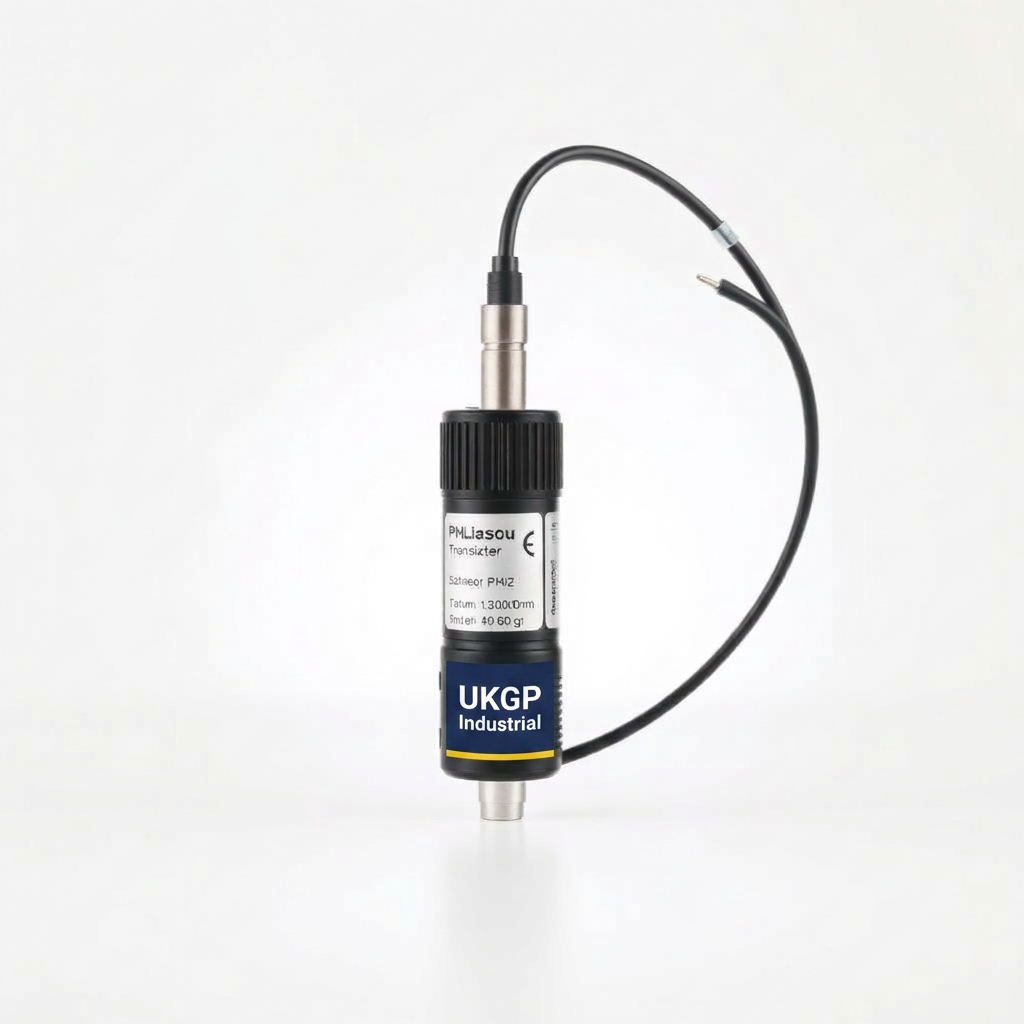
Our UKGP industrial pH sensor & transmitter kits are designed for the rigours of the UK plant-room environment. Each kit includes a high-accuracy sensor, a dedicated transmitter, and a durable M12 cable kit. Offering connectivity via 4-20 mA or Modbus, these units are factory-calibrated to move straight into service. However, to maintain the performance levels covered by our 2-year warranty, adopting a ph probe storage solution during any period of non-immersion is non-negotiable. The IP68 rated housing protects the electronics, but the electrochemical interface remains organic and sensitive to the external environment, requiring constant hydration to stay within spec.
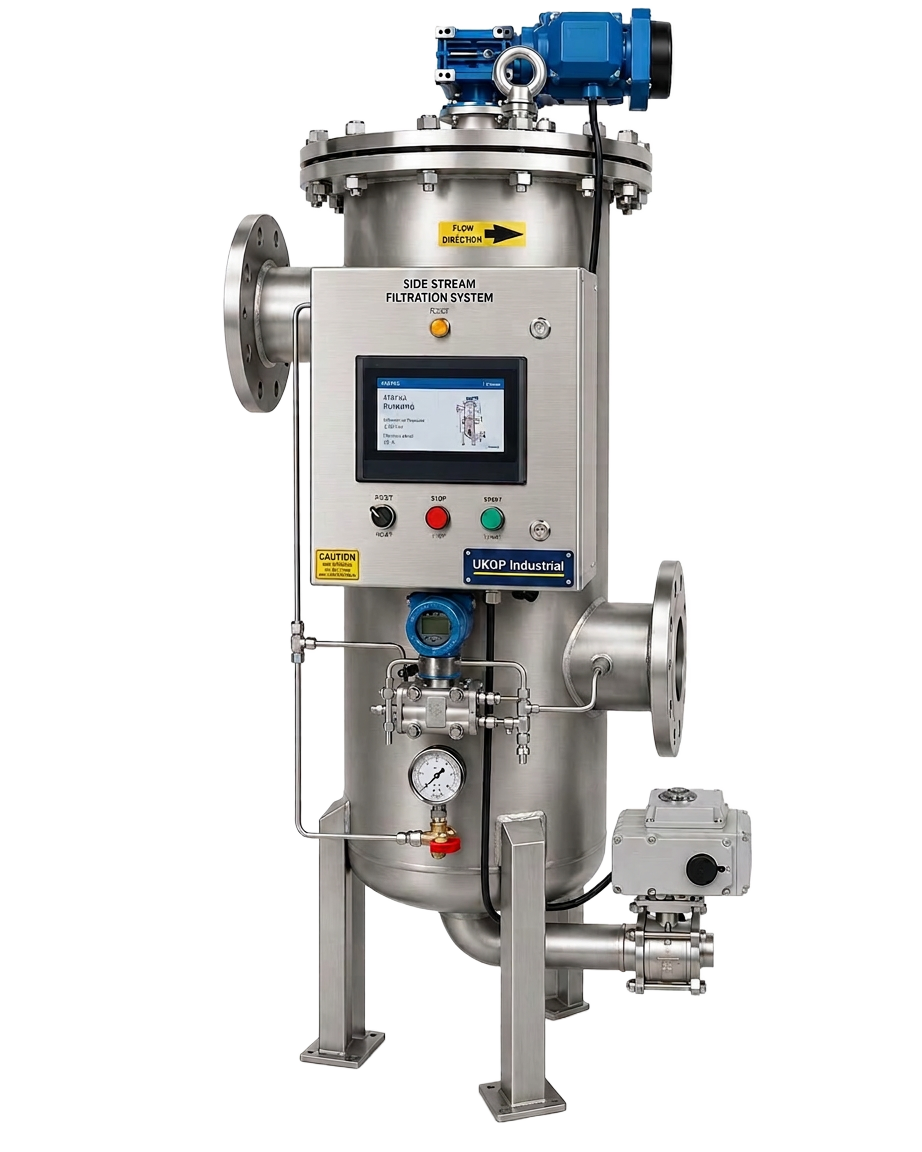
When integrating these sensors into a comprehensive water treatment strategy, engineers often pair them with other UKGP solutions, such as side stream filtration skids. The pH data provided by our transmitters can act as a diagnostic tool, indicating when corrosion products might be increasing despite the filtration efforts. Keeping the sensor in a ph probe storage solution when the filtration loop is undergoing high-level maintenance prevents the 'lag' in data recovery often experienced with dry sensors. This ensures that the facility manager has real-time, actionable insights into the condition of the system water at all times, rather than waiting for lab results.
Procurement leads and building services consultants often prefer UKGP because our equipment is built specifically for the UK market. Our pH transmitters are designed to be intuitive, allowing onsite staff to perform calibrations easily—provided the probe has been kept in a ph probe storage solution to maintain its sensitivity. By specifying our factory-calibrated sensors alongside a strict maintenance protocol, contractors can guarantee that the plant-room will pass BSRIA BG50 inspections with flying colours. Request a quote for our full sensor and transmitter kit to upgrade your building's water monitoring capabilities and experience industrial-grade reliability.
- Factory-calibrated sensors for immediate UK plant-room deployment
- IP68 protection combined with 4-20 mA or Modbus output options
- Includes a 2-year warranty when maintained with proper storage solutions
- M12 cable kit ensures simple and robust electrical installation
- Ideal for integration with side-stream filtration and dosing systems
Managing Secondary Risks in Plant-Room Environments
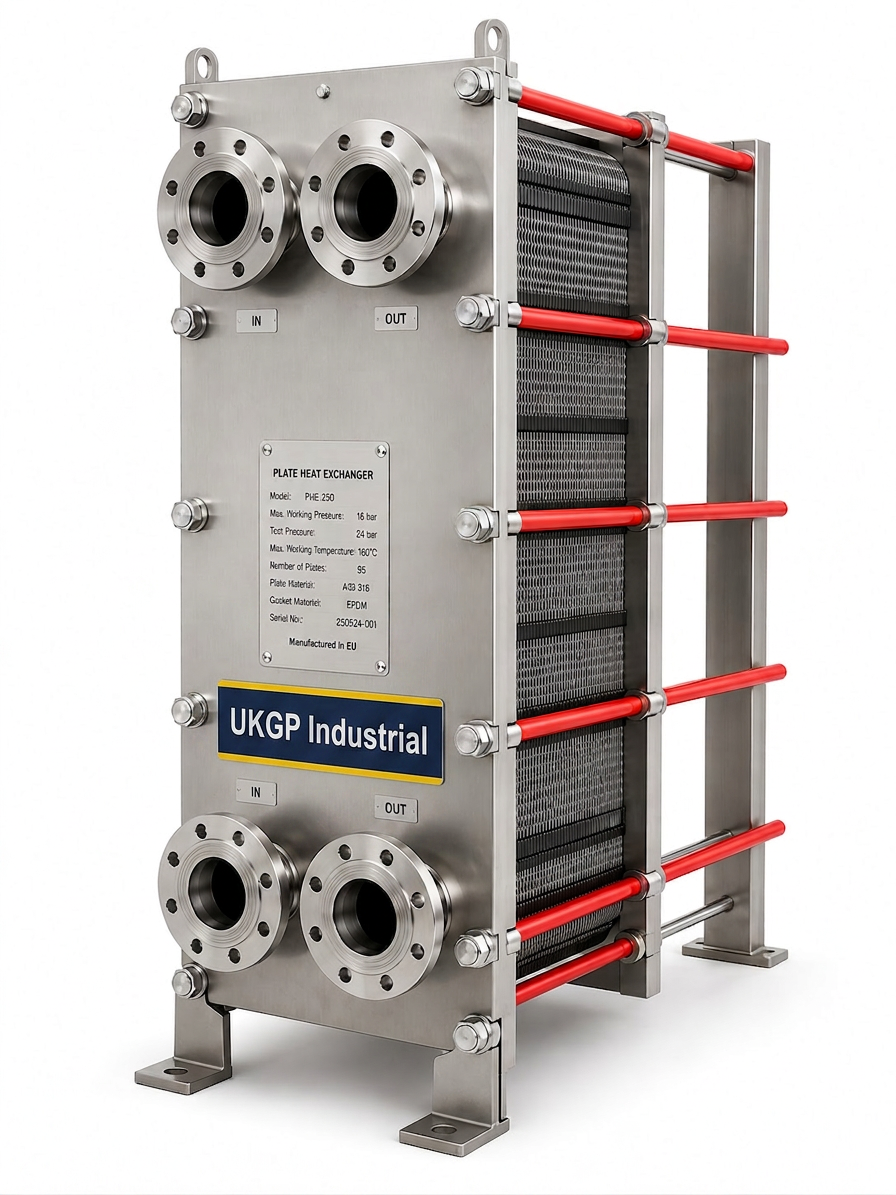
While maintaining sensor accuracy is vital, it is part of a broader strategy to protect the entire thermal network. For instance, the accurate monitoring enabled by a ph probe storage solution helps prevent the degradation of metallic components such as plate heat exchangers and expansion bellows. If pH levels are allowed to drift into the acidic range due to faulty sensor readings, the protective magnetite layer on steel pipework is compromised, leading to the liberation of suspended solids. These solids can block narrow channels in exchangers or create abrasive wear on pump seals, leading to costly emergency repairs and system downtime.
By ensuring your ph probe storage solution is always at hand, you eliminate the risk of 'false positives' in your water chemistry reporting. A sensor that has been improperly stored may suggest the pH is within the alkaline range when it is actually dipping, preventing the timely dosing of corrosion inhibitors. This is particularly dangerous in systems featuring aluminium components often found in modern high-efficiency commercial boilers from leading UK OEMs. Aluminium requires a very specific, narrow pH range to stay passive; any deviation caused by a poorly maintained sensor can lead to rapid heat exchanger failure and the total loss of the asset.
Effective storage also simplifies the task of the maintenance engineer. Instead of spending hours trying to revive a sluggish sensor that was left dry in a decommissioned pipe, the engineer can simply remove the probe from its ph probe storage solution, perform a quick single-point calibration check, and return the system to service. This efficiency is critical in high-pressure commercial environments where downtime must be kept to an absolute minimum. Implementing a standard operating procedure for probe storage across all sites is a hallmark of a professional FM firm that takes its BSRIA and CIBSE obligations seriously.
- Protects expensive plate heat exchangers from corrosive water chemistry
- Essential for the protection of pH-sensitive aluminium components
- Reduces time spent on recalibration during routine maintenance visits
- Prevents the breakdown of the pipework's protective magnetite layer
Standard Operating Procedures for Storage
A proper SOP for ph probe storage solution usage begins with the cleaning of the sensor. Before immersion in the storage medium, the bulb should be rinsed with clean water to remove any chemical residue or scale that could contaminate the KCl solution. For industrial sensors used in thick or dirty fluids, a mild detergent or diluted acid wash may be required as per manufacture instructions. Once clean, the probe is inserted into a storage cap or bottle containing the ph probe storage solution, ensuring the junction and the glass bulb are fully submerged. This creates a stable environment that mimics the probe's internal electrolyte.
Storage temperatures should also be considered. While the UKGP sensors are built for the heat of a plant-room, the storage solution itself should be kept in a cool, dark place if the sensors are being stored long-term in a workshop or van. Evaporation of the storage liquid will lead to the crystallization of the Potassium Chloride, which can scratch the delicate glass bulb if not careful. Regularly checking the levels of the ph probe storage solution in the protective caps is a simple task that can be added to the monthly plant-room checklist to ensure that all standby monitoring equipment is ready for immediate deployment.
Finally, when moving a probe from its ph probe storage solution back into the process line, it should be rinsed again to prevent the high-concentration KCl from affecting the initial readings or contaminating the system water. This level of attention to detail is what separates a standard M&E installation from a high-performance building services solution. Following these steps ensures that the UKGP industrial pH sensor & transmitter remains a high-precision instrument throughout its lifecycle, providing the accurate 4-20 mA or Modbus data required by modern, energy-efficient building control systems.
- Always rinse the probe before and after placing it in storage
- Ensure the reference junction is fully submerged in the KCl solution
- Store in a cool, dark environment to prevent evaporation and salt buildup
- Include storage solution level checks in monthly maintenance rounds
The Commercial Impact of Optimal Sensor Care
The economic argument for investing in a proper ph probe storage solution is clear. The cost of a few liters of KCl solution is a fraction of the price of an industrial pH sensor, and an even smaller fraction of the cost of a catastrophic boiler or chiller failure. In many UK commercial contracts, the M&E contractor is liable for the system health during the defects liability period. Proper sensor maintenance, documented through the use of storage solutions, provides a paper trail showing that the contractor has followed BSRIA BG29 and BG50 best practices, protecting them from claims related to water-borne corrosion or system inefficiency.
Furthermore, accurate pH monitoring allows for the optimisation of chemical dosing. Over-dosing chemicals is a waste of money and can lead to increased environmental impact, while under-dosing leads to system damage. By keeping the monitoring equipment in peak condition using a ph probe storage solution, procurement leads can ensure that the chemical spend is precisely what is needed to protect the assets—no more, no less. This sustainability-minded approach is increasingly important for UK companies looking to meet ISO 14001 targets and improve the overall efficiency of their building operations while adhering to CIBSE design guidelines.
In conclusion, the ph probe storage solution is a small but critical component in the management of commercial HVAC water systems. Whether you are an FM provider managing multiple sites across Surrey and London, or a consultant specifying a new plant-room build, understanding and implementing these storage practices is essential. For those looking for a reliable, industrial-grade monitoring solution, the UKGP industrial pH sensor & transmitter—available with a 2-year warranty and factory calibration—remains the professional choice for performance and longevity. Contact our technical team today for a quote on our complete pH monitoring kits and storage advice.
- Minimises the risk of liability during the building handover phase
- Optimises chemical dosing costs through highly accurate sensor data
- Supports environmental sustainability and ESG targets for buildings
- Enhances the operational lifespan of the entire HVAC thermal network
Frequently asked questions
Can I use tap water instead of a ph probe storage solution?
- No. Tap water contains varying levels of ions and chlorine that can damage the reference junction. Furthermore, the low ionic strength of tap water compared to the probe's internal electrolyte will cause the sensor to leach ions, leading to permanent damage and inaccurate readings.
How often should I replace the ph probe storage solution in the storage cap?
- It is best practice to refresh the solution every 2-3 months or whenever you notice significant evaporation or crystal formation. For sensors that are frequently pulled and re-inserted, the solution should be replaced if it becomes dirty or cloudy to prevent contamination of the electrode.
What happens if my pH probe has already dried out?
- If a probe has dried out, you can attempt to rehydrate it by soaking it in a high-quality ph probe storage solution (3.0M KCl) for at least 24 hours. After soaking, perform a full two-point calibration. If the sensor 'slope' is still below 90% or the response is sluggish, the sensor may be permanently damaged and requirement replacement.
Is the UKGP pH sensor compatible with all storage solutions?
- Our industrial pH sensors are compatible with standard 3.0M or 4.0M Potassium Chloride (KCl) storage solutions used across the UK water treatment industry. We recommend using high-purity solutions to ensure the 2-year warranty and factory-calibration accuracy are maintained.
Do BSRIA standards explicitly mention pH probe storage?
- BSRIA BG50 and BG29 emphasize the necessity of accurate and reliable monitoring equipment. While they may not detail the chemical makeup of storage solutions, they stipulate that all instrumentation must be maintained and calibrated according to the manufacturer's instructions to ensure the validity of water quality reports.