BSRIA BG50 Compliance and the ph probe mettler toledo
In the UK building services sector, BSRIA BG50 (Maintenance of Closed Heating and Cooling Systems) dictates that water chemistry must be monitored continuously to prevent microbial growth and metallurgical failure. Many M&E contractors specify a ph probe mettler toledo due to their reputation for precision in laboratory and high-end industrial settings. However, in a B2B plant room environment, the primary objective is durability and integration with building management systems (BMS). Ensuring that your pH monitoring solution can communicate effectively via 4-20 mA or Modbus is critical for real-time alerts and preventative maintenance scheduling. If your system deviates from the recommended pH range—typically between 8.2 and 10.0 for steel systems—the risk of pitting corrosion increases exponentially, potentially voiding manufacturer warranties on major heating plant components.
When evaluating a ph probe mettler toledo against industrial alternatives, engineers must consider the specific requirements of the installation. Commercial boiler systems and chilled water circuits are subject to pressure fluctuations and temperature swings that can degrade subpar sensors. A high-quality industrial pH sensor must be robust enough to provide repeatable data without constant manual recalibration. BS 8552 provides further guidance on the sampling and monitoring of water within buildings, emphasizing the need for reliable instrumentation. UKGP understands these regulatory pressures and provides factory-calibrated sensors designed to meet these exact UK industry standards. Whether you are retrofitting an existing plant room or designing a new energy centre, the integration of high-uptime pH monitoring is no longer optional; it is a fundamental requirement for risk mitigation and operational efficiency.
Procurement leads often find that while a ph probe mettler toledo offers exceptional laboratory precision, the practicalities of site installation require a more holistic kit approach. This includes not just the sensor itself, but the associated transmitters, waterproof M12 cabling, and mounting hardware. By choosing an industrial-grade solution equivalent to the leading brands, facility managers can achieve the same level of accuracy while benefiting from components specifically hardened for the mechanical room environment. UKGP focuses on providing complete kits that simplify the installation process for sub-contractors. This ensures that the commissioning phase is handled smoothly and that the BSRIA water treatment records are populated with accurate, live data from day one, protecting the capital investment of the building owner over the long term.
- Adherence to BSRIA BG50 guidelines for closed-loop water treatment.
- Integration with BMS via standard 4-20 mA or Modbus RTU protocols.
- Requirement for high-pressure and high-temperature tolerance in plant rooms.
- Importance of accurate pH data to prevent systemic corrosion and scale.
- Compliance with BS 8552 for building water sampling and monitoring.
Technical Specifications for Industrial pH Monitoring
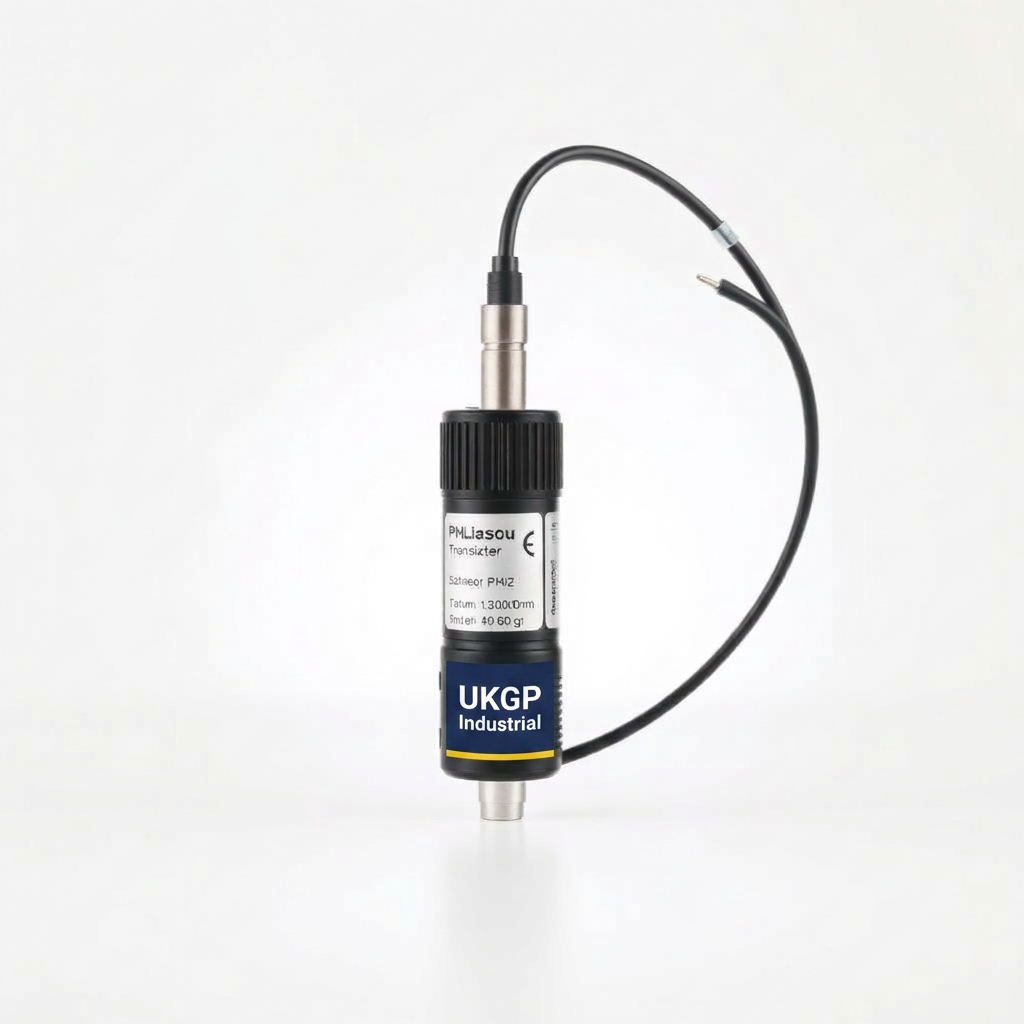
Selecting the right instrumentation requires a deep dive into technical specifications that go beyond brand recognition. While a ph probe mettler toledo may be the specified default in some legacy documents, modern UKGP industrial pH sensors offer equivalent performance with features tailored for the commercial M&E market. Our sensors come with an IP68 rating, ensuring they are fully protected against dust and long-term immersion in water. This is a common requirement in plant rooms where leaks or condensation are prevalent. The inclusion of a dedicated transmitter allows for local display and signal conditioning, ensuring that the 4-20 mA output signal remains stable even over long cable runs to the central control panel. This technical robustness ensures that the data used by your FM team is both accurate and actionable.
The hardware interface is equally important when comparing industrial sensors. A standard ph probe mettler toledo might require proprietary connectors, whereas UKGP solutions utilise universal M12 cable kits. This standardized approach allows for easier replacement and maintenance, reducing downtime during the annual service interval. Each sensor is factory-calibrated, meaning it is ready for immediate deployment upon delivery. Furthermore, the 2-year warranty provided by UKGP gives consultants and contractors peace of mind that the equipment is built to last. When specifying for large-scale commercial developments, the ability to rely on a UK-based supplier for technical support and rapid stock availability is an often-overlooked commercial advantage that can save significant time during the practical completion phase of a project.
The chemical environment of a heating or cooling circuit can be aggressive. Dosing with inhibitors and biocides is necessary for system health, but these chemicals can sometimes drift the pH levels if not monitored correctly. An industrial pH sensor must provide a linear response across the typical 0-14 pH range, although the critical monitoring zone for building services is much narrower. High-quality glass electrodes and reference junctions are essential to prevent 'poisoning' of the sensor by system contaminants. By utilizing a sensor and transmitter kit that is specifically designed for these industrial conditions, you ensure that your chemical dosing pots and side stream filtration units are working in harmony based on accurate environmental feedback, rather than guesswork or infrequent manual testing.
- IP68-rated housing for maximum protection in damp plant room conditions.
- Standardized M12 cabling for simplified installation and maintenance.
- 4-20 mA or Modbus outputs for seamless BMS connectivity.
- Factory-calibrated sensors to ensure immediate accuracy on-site.
- Extended 2-year warranty for commercial reliability and peace of mind.
Integrating Sensors with Side Stream Filtration
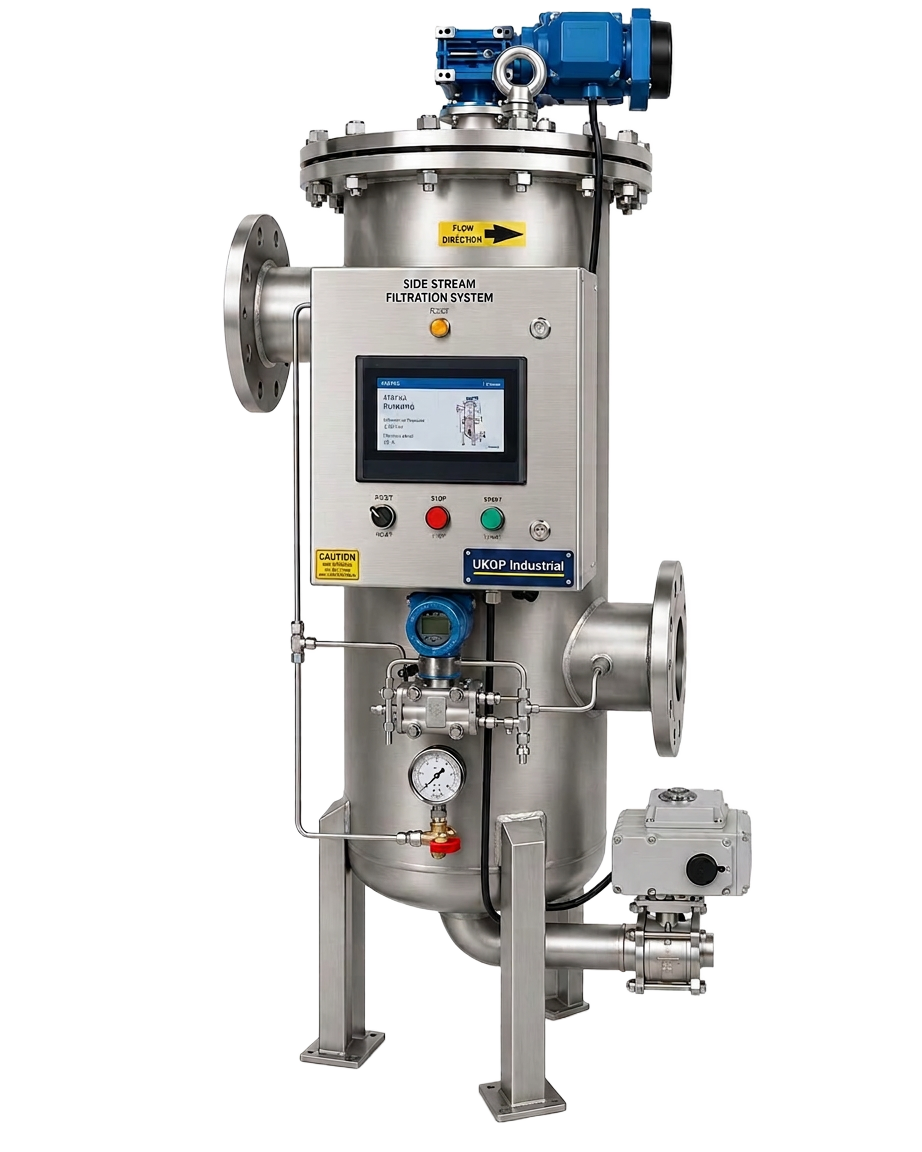
The effectiveness of side stream filtration is significantly enhanced when paired with accurate pH monitoring. While many focus on the mechanical removal of magnetite and debris, the underlying water chemistry dictates how quickly that debris forms. Using a ph probe mettler toledo or a UKGP alternative allows plant engineers to see the immediate impact of water quality changes. If the pH drops, it typically indicates an influx of fresh, oxygenated water or a failure in the chemical treatment regime. By monitoring this via a transmitter, the filtration system's performance can be validated. If the water remains within the alkaline range specified by BSRIA BG29 and BG50, the filtration load is reduced, and the lifespan of the filter media or centrifugal separator is significantly extended for the end user.
In many modern energy centres, the pH sensor is installed in a bypass arrangement or directly into the side stream loop. This allows for easy isolation and calibration without shutting down the primary heating or cooling circuit. When comparing a ph probe mettler toledo to other industrial units, the ease of maintenance in these confined spaces is a major factor for Facility Managers. A modular system consisting of a separate sensor, transmitter, and cable allows for individual components to be replaced if damaged, rather than requiring a whole-system overhaul. This modularity is a core feature of UKGP industrial pH sensor kits, providing a practical solution for the long-term lifecycle management of the building's mechanical assets. This approach is highly recommended for any site targeting high BREEAM or LEED ratings.
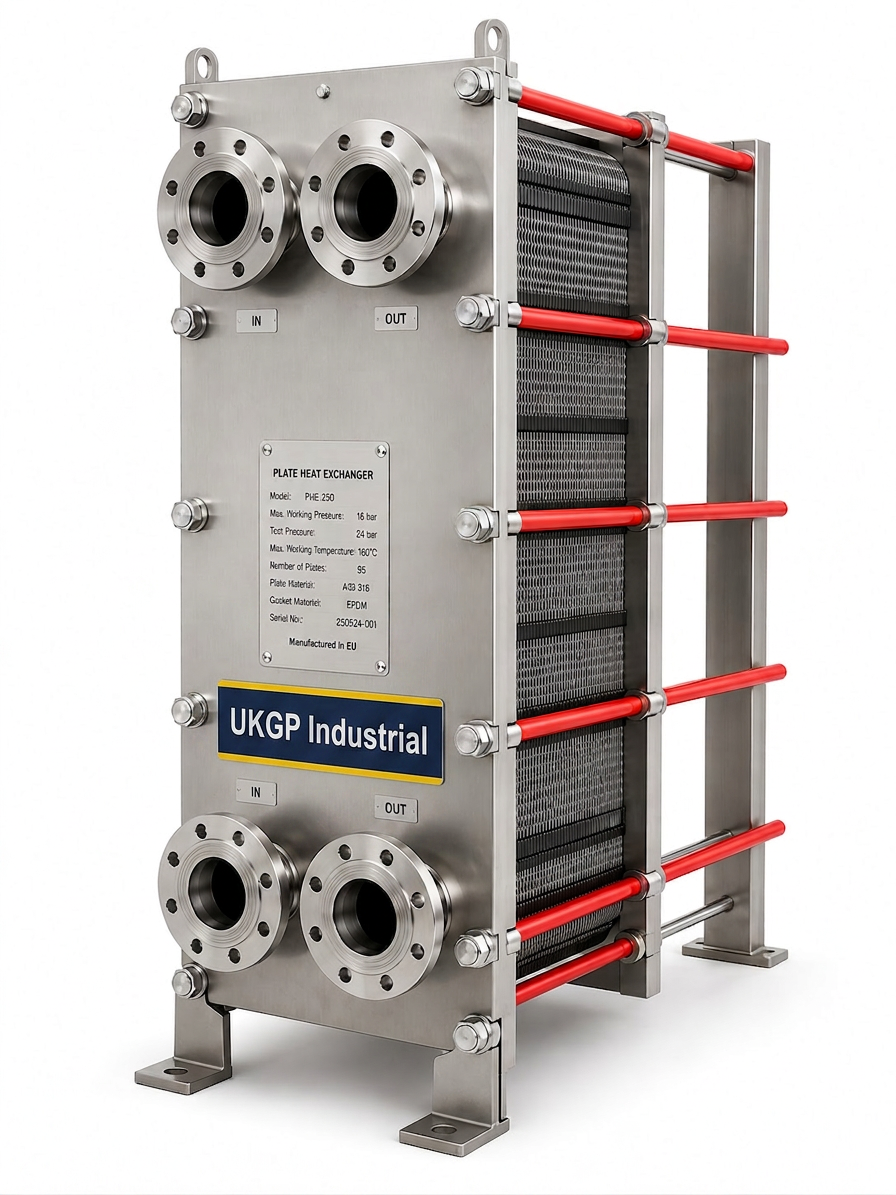
Finally, the commercial implications of accurate pH monitoring cannot be overstated. A failure to maintain water chemistry can lead to the premature failure of plate heat exchangers and boiler heat cells. Major commercial boiler manufacturers often stipulate specific water quality parameters as a condition of their warranty. By providing a continuous data log from a high-quality pH sensor, the FM team can prove compliance during any warranty claim or insurance survey. Investing in a robust industrial pH transmitter kit is a minor capital expense compared to the potentially catastrophic costs of a full-system chemical clean or the replacement of a primary heat generator. UKGP technical sales leads are available to discuss how our kits can be integrated into your next project specification to ensure these risks are effectively managed.
- Enhanced protection for plate heat exchangers and boiler heat cells.
- Verification of chemical treatment effectiveness in real-time.
- Easier maintenance through modular sensor and transmitter design.
- Supporting evidence for manufacturer warranty compliance.
- Reduced risk of expensive system downtime and chemical cleaning.
Optimising pH Monitoring for HVAC Systems
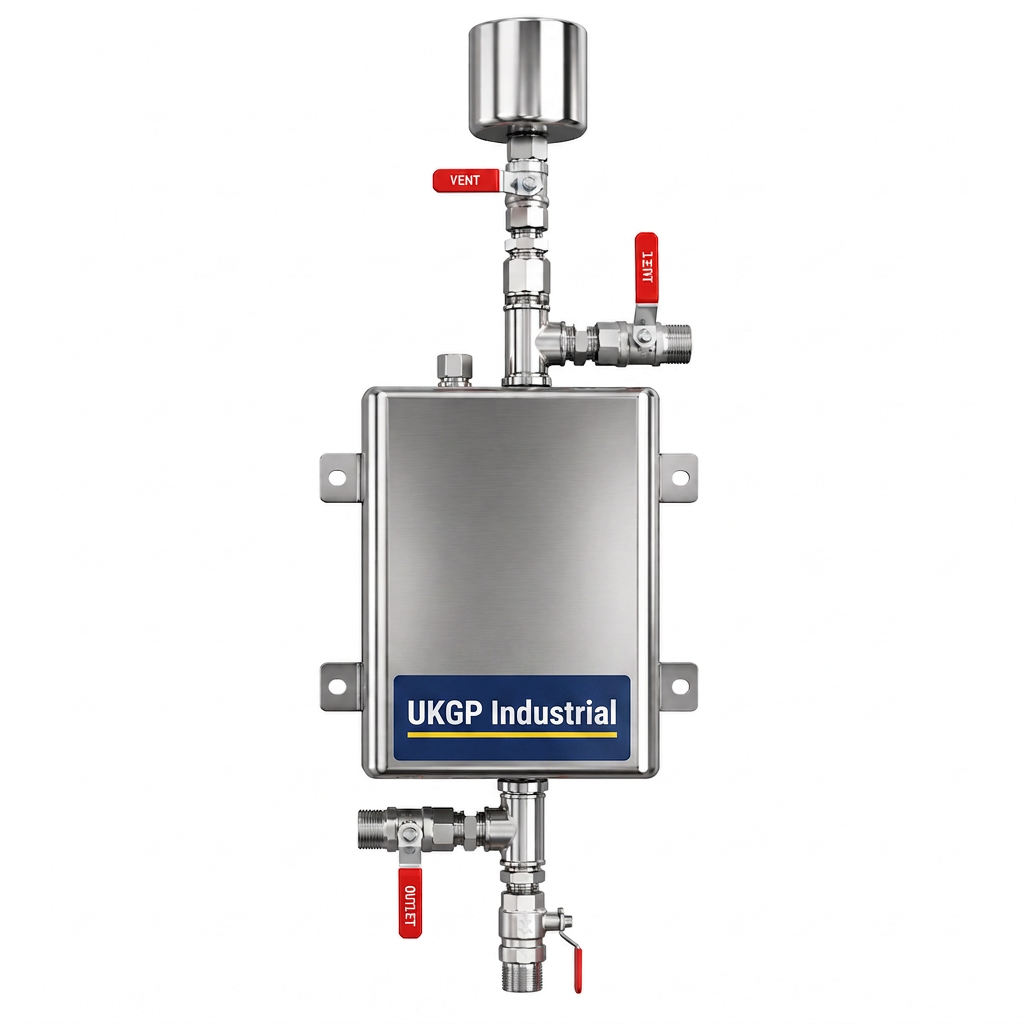
The precision offered by a ph probe mettler toledo is often used as the benchmark in high-spec HVAC projects across London and the UK. To achieve similar results, UKGP’s industrial pH sensor and transmitter kits utilize advanced diagnostic electronics that can detect sensor fouling or glass breakage. This level of sophistication is necessary because manual water testing is often only carried out monthly or quarterly, leaving the system vulnerable to rapid changes in chemistry between tests. In a pressurized system, a sudden leak and the subsequent functioning of a pressurized top-up unit will introduce raw, untreated water. Only continuous monitoring can catch the resulting pH drop immediately, allowing for the automatic or manual injection of chemicals via dosing pots to restore the system's protective alkalinity.
Commercial plant rooms also present electrical challenges, including electromagnetic interference from large pumps and variable speed drives. An industrial-grade transmitter is essential because it converts the high-impedance signal from the pH electrode into a robust, low-impedance 4-20 mA or Modbus signal. Unlike a basic ph probe mettler toledo intended for lab use, our industrial transmitters are designed with superior noise rejection to ensure signals remain clean across long distances. This ensures that the BMS receives a true reflection of the water state. When specifying your next project, ensure the M12 cable kit is included to maintain the integrity of this signal path, as poor quality wiring is a frequent cause of 'sensor drift' and false alarms in commercial building management systems.
Furthermore, the physical installation of the sensor should follow CIBSE guidelines for access and maintenance. Placing the pH sensor in a high-visibility, accessible location within the plant room encourages regular inspection and makes the factory-calibrated accuracy easier to maintain. UKGP sensors are designed for standard industrial fittings, making them a direct replacement for many legacy probes found in existing systems. We recommend a proactive replacement strategy every 12 to 24 months, depending on the severity of the system environment, to ensure 100% uptime of your monitoring data. Contact our UK-based technical team today for a quote on a complete pH monitoring kit, including the sensor, transmitter, and required cabling for your specific site requirements.
- Continuous monitoring to detect raw water ingress from top-up units.
- Superior noise rejection for high-EMV plant room environments.
- Simplified M12 connections to reduce installation errors.
- Compatibility with standard industrial piping and bypass loops.
- Proactive maintenance paths to ensure long-term data reliability.
Installation Best Practices for pH Instrumentation
Correct installation is the key to getting the best performance from a ph probe mettler toledo or any comparable industrial sensor. The probe must always be installed such that the glass bulb remains submerged and does not trap air bubbles, which would lead to erratic readings. Most engineers prefer a vertical or 45-degree angle installation in a flow-through cell. UKGP provides technical advice on the optimal placement within the primary or secondary circuit. By ensuring the sensor is placed after the air and dirt separators but before the main pumps, you get a representative sample of the system water without the turbulence that can affect reading stability. This strategic placement is essential for meeting the data quality standards required by modern building performance audits.
Wiring is another critical factor. Using the provided M12 cable kit ensures that the sensor maintains its IP68 rating, which is vital if the area is subject to wash-downs or high humidity. The transmitter should be mounted at eye level with the digital display clearly visible to the plant room operator. This allows for 'sanity checks' where the local display can be compared against the BMS readout. If you are replacing an existing ph probe mettler toledo, check that the power requirements and signal outputs match; UKGP kits are designed for standard 24V DC loops, making them highly compatible with the majority of UK control panels. Our technical documentation provides clear wiring diagrams to ensure your sub-contractors can complete the install without needing specialized instrumentation training.
Finally, commissioning should involve a verification check against a calibrated handheld meter. While our sensors are factory-calibrated, the unique chemistry of every building’s water can vary. BSRIA BG50 recommends that all automated sensors are regularly checked against manual samples to identify any long-term drift or fouling. If the sensor indicates a pH drop below 8.0 in a steel-based system, immediate action via the chemical dosing pot is required. By following these best practices and specifying high-quality UKGP transmitters, you ensure the longest possible life for your building’s infrastructure, from its low loss headers to its sophisticated heat pumps. Get in touch for a detailed specification sheet and competitive pricing for your current project tenders.
- Avoid air bubble entrapment by utilizing correct sensor orientation.
- Maintain IP68 integrity with high-quality M12 connector kits.
- Ensure local display accessibility for manual operator verification.
- Compatibility with standard 24V DC power and control systems.
- Cross-verification with manual testing as per BSRIA recommendations.
Commercial Benefits of Standardized pH Monitoring
From a procurement perspective, the decision to standardize on a high-quality pH monitoring solution goes beyond technical specs. While a ph probe mettler toledo carries a premium for its brand name, UKGP offers an industrial alternative that delivers the same measurement accuracy with a more commercial focus. This includes a 2-year warranty as standard, which is superior to many laboratory-focused brands. For M&E contractors, this means lower risk during the defects liability period. For the client, it means a lower total cost of ownership as the parts are designed for the long-term maintenance cycles of a commercial building. Standardizing your fleet of plant rooms with the same sensor and transmitter kits also simplifies the spare parts inventory for your FM provider.
The use of Modbus RTU communication is an increasingly popular reason to upgrade from basic analog probes. While a standard ph probe mettler toledo might offer a simple analog millivolt signal, a UKGP transmitter can provide a wealth of digital data, including temperature and sensor health diagnostics, directly over a 2-wire bus. This reduces the amount of wiring required for large-scale energy centres and allows for more granular remote monitoring. As more buildings move toward a 'Digital Twin' or smart building model, having digitally native sensors becomes a prerequisite rather than a luxury. Our kits are built for this future, providing the data density required for modern energy management and carbon reduction strategies.
In summary, whether you are dealing with a specification that asks for a ph probe mettler toledo or you are looking for the best industrial monitoring solution for a new project, UKGP has the technical expertise to assist. Our products are designed for the UK market, adhering to all relevant BSRIA and CIBSE guidelines. We provide a complete solution: the sensor, the transmitter, the M12 cable kit, and the technical support required to keep your systems running at peak efficiency. Contact our Surrey office to request a quote or to talk through the technical requirements of your specific HVAC or industrial process application. Our team is ready to provide the reliable, factory-calibrated instrumentation you need to ensure system longevity.
- Reduced capital expenditure compared to laboratory-grade brand names.
- Longer warranty periods (2 years) for reduced commercial risk.
- Digital health diagnostics via Modbus for smart building integration.
- Simplified spare parts management across multiple building sites.
- Comprehensive technical support from a UK-based manufacturer.
Frequently asked questions
Can I use a ph probe mettler toledo in a high-pressure heating system?
- Yes, certain models can be used, but you must ensure they are rated for the system's operating pressure and temperature. The UKGP industrial pH sensor is specifically designed for these plant room conditions, offering IP68 protection and factory calibration for use in high-pressure commercial circuits.
Why is factory calibration important for a pH sensor?
- Factory calibration ensures that the ph probe mettler toledo alternative is ready for immediate use upon installation. This saves site time for contractors and ensures that the initial BSRIA BG29 or BG50 baseline readings are accurate without needing complex on-site calibration procedures during commissioning.
What is the advantage of a 4-20 mA output for pH monitoring?
- A 4-20 mA output is the industry standard for commercial plant rooms. It allows the ph probe mettler toledo transmitter to send a signal over long distances to a BMS without signal degradation from electromagnetic interference, which is common in areas with large pumps and motors.
How often should an industrial pH probe be replaced?
- In accordance with BSRIA guidelines and typical building service maintenance schedules, we recommend replacing or professionally recalibrating your pH sensor every 12 to 24 months. Factors like water quality and temperature will influence the exact lifespan of the sensor glass.
Does your pH sensor kit include everything needed for installation?
- Yes, the UKGP kit includes the industrial pH sensor, a compatible transmitter, and a waterproof M12 cable kit. This provides a complete out-of-the-box solution that is easily integrated into any commercial heating or cooling system.