Understanding the need for a ph probe for soil in industrial UK sites
In the UK building services sector, monitoring acidity and alkalinity levels is not restricted to closed-loop heating and cooling circuits. When managing subterranean infrastructure, or sites with high levels of industrial run-off, utilizing a ph probe for soil becomes a vital component of the risk management strategy. According to BS 8552:2012, water quality in buildings must be monitored to prevent contamination and material degradation. A robust ph probe for soil allows facilities managers to detect aggressive groundwater conditions or chemical leaching that could compromise external piping, expansion bellows, or concrete foundations. Unlike domestic gardening tools, an industrial-grade ph probe for soil must withstand variable moisture levels, compaction, and corrosive pollutants while maintaining high-fidelity signal transmission to the main Building Management System (BMS).
The selection process for an industrial ph probe for soil must account for the physical environment of the UK plant room or external utility run. Soil chemistry can fluctuate wildly based on seasonal rainfall and the presence of buried industrial waste. If the pH levels drop significantly below neutral, the risk of acid-induced pitting in buried utility services increases exponentially. By deploying a reliable ph probe for soil, consultants can provide data-driven evidence for the installation of protective coatings or the adjustment of chemical dosing regimes. UKGP Industrial specializes in providing these sensors as part of a wider water treatment and monitoring portfolio, ensuring that M&E contractors have access to the hardware necessary for long-term site stability and compliance with local environmental discharge regulations.
Precision in measurement is the foundation of effective facility management. A ph probe for soil that fails to deliver accurate data leads to poor decision-making and potentially catastrophic asset failure. When specifying these units, engineers must look beyond the initial cost and evaluate the total cost of ownership, including calibration requirements and sensor longevity. In high-stakes environments where groundwater monitoring is mandated by BSRIA BG50 guidelines for water treatment in building services, the integration of a ph probe for soil provides an essential early-warning system. This allows for proactive maintenance rather than reactive repairs, which are significantly more expensive and disruptive to commercial operations. Request a bespoke quote for our industrial-grade sensor kits to ensure your project meets these rigorous UK standards.
- Compliance with BS 8552 water quality and soil monitoring standards
- Protection of buried metallic assets and expansion bellows via acidity detection
- Seamless integration with industrial BMS via 4-20mA or Modbus output
- Reduction in reactive maintenance through continuous groundwater telemetry
Technical specifications for heavy-duty pH monitoring
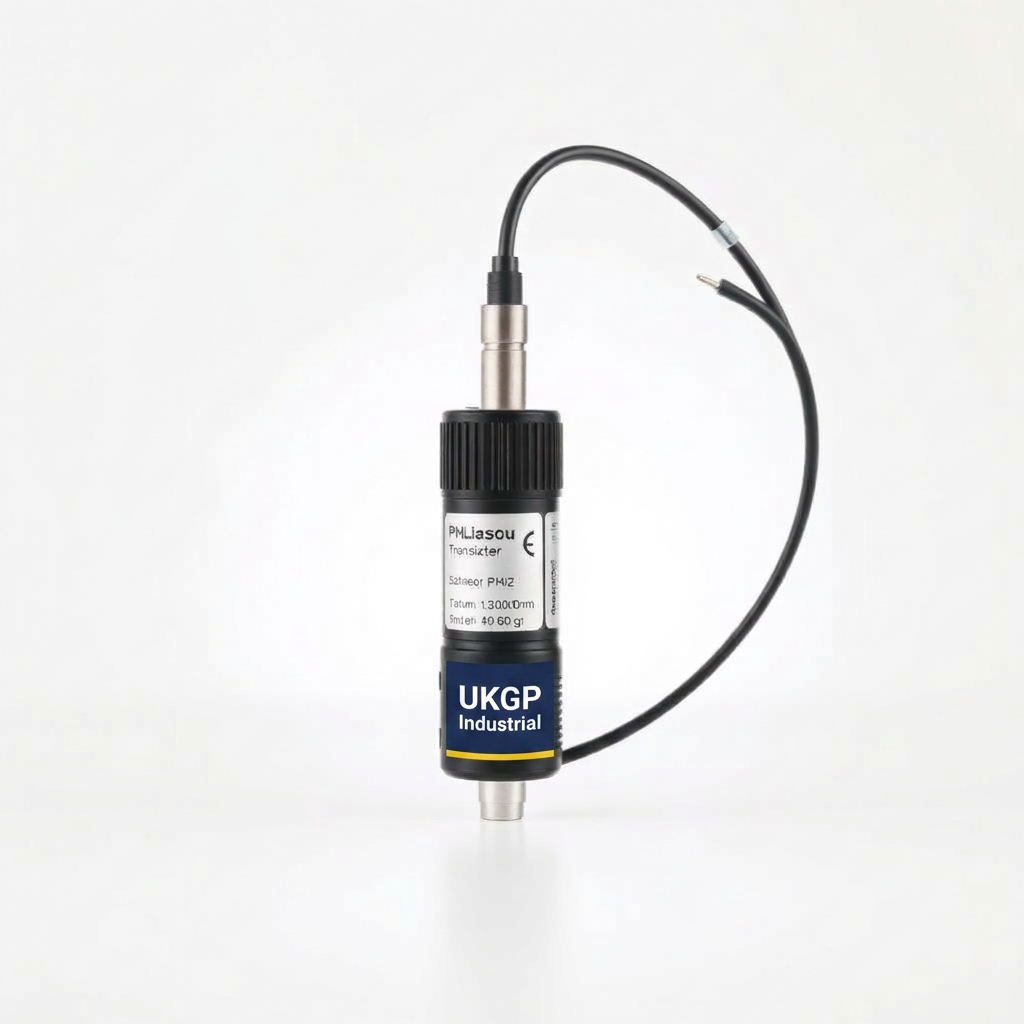
When your project demands a high-accuracy ph probe for soil, the hardware must be engineered to survive harsh buried environments. Our UKGP industrial pH sensor and transmitter kits are designed with an IP68 rating, ensuring they are fully submersible and dust-tight, which is critical for moisture-heavy soil applications. Each kit includes the sensor, a dedicated transmitter, and an M12 cable kit for simplified installation. These units are factory-calibrated to reduce onboarding time and come with a 2-year warranty, reflecting our confidence in their durability. Whether you require a traditional 4-20 mA analogue output or a digital Modbus connection, our transmitters integrate perfectly with modern PLC and SCADA systems commonly found in UK commercial plant rooms.
Site engineers typically face challenges with drift and calibration frequency in standard sensors. However, the UKGP industrial pH sensor and transmitter solution utilizes advanced glass electrodes or ISFET technology depending on the specific soil density and moisture requirements. By leveraging a factory-calibrated system, contractors can ensure that the initial baseline readings for the ph probe for soil are pinpoint accurate. This is particularly important during the commissioning phase of a commercial build, where BSRIA BG29 flushing and cleaning protocols might influence local effluent pH levels. A high-quality transmitter ensures that the weak signal from the pH electrode is converted into a robust industrial signal capable of crossing long cable runs without interference from nearby motors or pumps.
Selecting the right mounting assembly for your ph probe for soil is just as important as the sensor itself. For direct soil insertion or effluent pit monitoring, the housing must resist physical impact and chemical abrasion. Our systems are designed to offer long-term stability with minimal drift, which is a major advantage for FM teams tasked with biannual or annual maintenance cycles. By standardising on a UKGP solution, you gain the benefits of a technical support team based in Surrey and a supply chain that understands the specific pressures of the UK M&E market. Ensure your site is protected by upgrading to a professional-grade pH monitoring solution that provides the reliability and precision required by modern building consultants and engineers.
- Full IP68 protection for submersible and soil-buried applications
- Choice of 4-20 mA or Modbus communication for maximum flexibility
- Factory-calibrated sensors to ensure immediate site accuracy
- Includes M12 cable kit and comprehensive 2-year warranty
Integrating pH sensors with side stream filtration systems
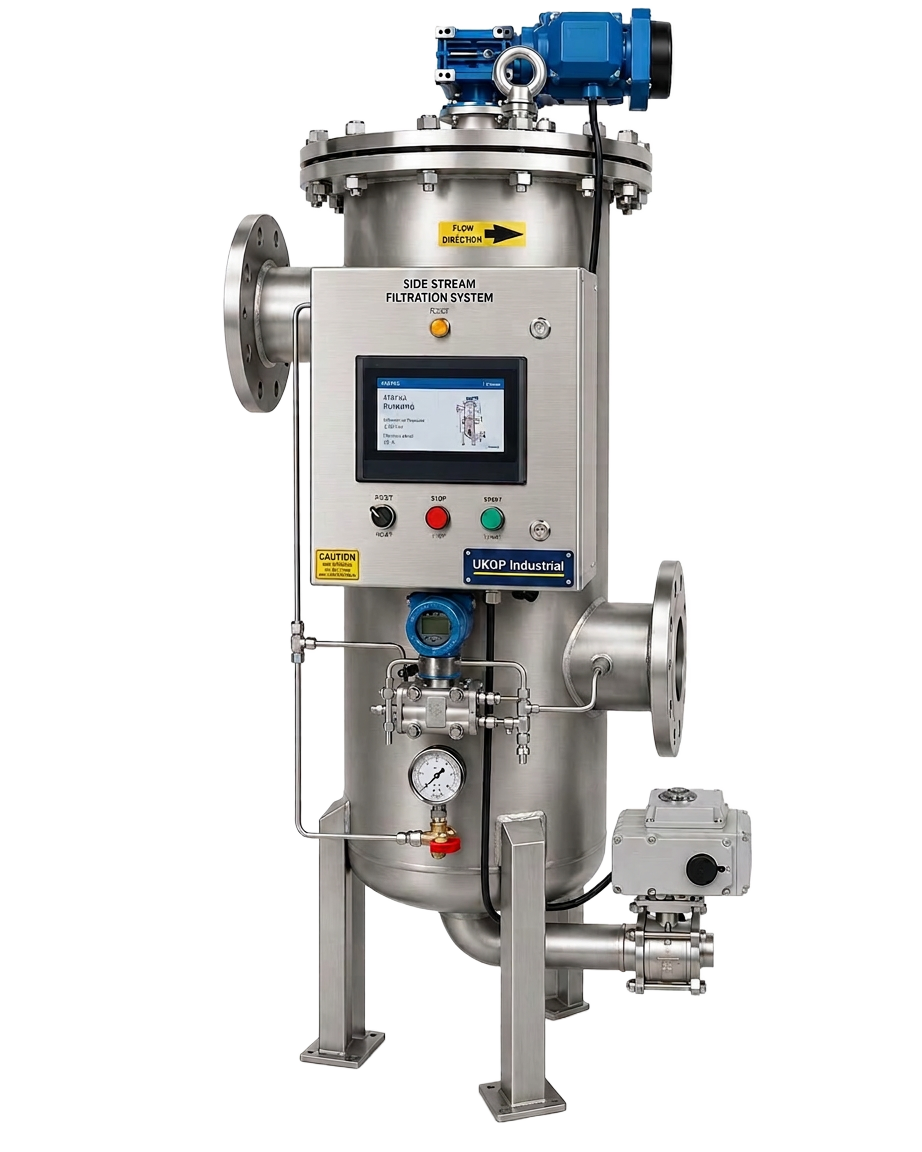
The relationship between soil pH monitoring and internal water quality cannot be ignored. In many commercial facilities, groundwater characteristics directly influence the design of cooling towers and external heat rejection equipment. Using a ph probe for soil to monitor the external environment allows engineers to predict potential contamination risks to the internal closed-loop systems. To maintain the hygiene of these internal systems, UKGP recommends the use of side stream filtration skids. These skids remove suspended solids and prevent the buildup of sludge, which can be exacerbated by fluctuating pH levels that encourage the precipitation of hard water salts or the growth of biofilm as defined in BSRIA BG50 standards for water treatment.
Side stream filtration works in tandem with chemical dosing and pH monitoring to ensure that the heat transfer surfaces within a building remain efficient. If a ph probe for soil indicates a breach in a buried pipeline, the resulting ingress of contaminants will immediately be flagged by the internal side stream filtration system's pressure drop sensors. This holistic approach to site monitoring ensures that both the external environment and the internal plant remains within optimal operating parameters. UKGP provides complete filtration solutions that complement our pH sensing technology, offering a unified strategy for water and environmental management. This synergy is essential for major commercial developments where downtime is not an option and energy efficiency is a primary KPI.
Consultants should specify side stream filtration alongside pH transmitters to provide a dual-layered defense against corrosion and fouling. While the ph probe for soil monitors the external risk, the filtration unit manages the internal reality. Maintaining a clean system ensures that the 4-20 mA or Modbus data provided by our sensors results in actionable maintenance rather than emergency repairs. Our Surrey-based technical team can help size both your pH monitoring equipment and your filtration skids to match the specific flow rates and chemical profiles of your site. Our goal is to provide UK engineers with the most reliable hardware for sustained operational excellence and compliance with all relevant CIBSE guidelines for HVAC system health.
- Maintains water clarity and prevents debris-related sensor fouling
- Essential for compliance with BSRIA BG50 water quality targets
- Improves the efficiency of heat exchangers and boiler systems
- Available as bespoke skids to fit compact UK plant-room footprints
Environmental compliance and BS 8552 standards
In the United Kingdom, environmental regulations regarding site discharge and soil health are becoming increasingly stringent. The use of a ph probe for soil is often a mandatory requirement for sites undergoing brownfield redevelopment or those situated near sensitive watercourses. BS 8552 provides the framework for sampling and monitoring water within buildings, but this often extends to the effluent and soil interactions at the building's perimeter. A high-quality ph probe for soil ensures that any alkaline or acidic runoff caused by construction activities or industrial processes is monitored in real-time. This prevents the site from exceeding its discharge consent limits set by the Environment Agency, which can lead to significant fines and legal complications.
For the M&E contractor, providing a documented log of pH levels is a key part of the handover process. By installing a UKGP industrial pH sensor and transmitter, you can automate this data collection. The Modbus output allows for remote data logging, providing a clear audit trail that proves the site has remained within the required pH range throughout the commissioning phase and beyond. This level of transparency is highly valued by procurement leads and developers who are increasingly focused on the ESG (Environmental, Social, and Governance) performance of their assets. A ph probe for soil is not just a technical tool; it is a piece of compliance hardware that protects the reputation of the project delivery team.
Furthermore, CIBSE guidelines emphasize the importance of monitoring for 'corrosivity' in the environment surrounding building services. An unexpected shift in soil pH can indicate a chemical leak or an underground reaction that could eventually penetrate mechanical rooms. By proactively using a ph probe for soil, facilities managers can detect these issues months before they manifest as physical damage. The 2-year warranty and factory-calibrated nature of our sensors make them the ideal choice for long-term environmental monitoring projects. If you are currently designing a site monitoring plan, contact our technical sales team for expert advice on sensor placement and transmitter integration to ensure your site remains compliant with all current UK legislation.
- Supports ESG reporting through automated environmental data logging
- Prevents Environment Agency fines via real-time effluent monitoring
- Crucial for brownfield sites and sensitive UK environmental zones
- Facilitates compliance with CIBSE corrosivity monitoring recommendations
Installation and calibration of the ph probe for soil
Correct installation is paramount when deploying a ph probe for soil in a commercial setting. The sensor should be placed in a location that represents the average soil conditions of the site, away from localized anomalies like concrete washouts or temporary chemical storage unless those are the specific targets of the monitoring. Because our sensors come as a kit with a transmitter and an M12 cable, the physical connection is straightforward and secure, maintaining an IP68 seal that is vital for longevity. For soil applications, the probe is often housed in a protective sleeve or a perforated still well to allow moisture interaction while preventing physical damage from shifting earth or stones. This ensures the ph probe for soil remains functional for years without requiring frequent replacement.
Calibration of a ph probe for soil typically involves two-point or three-point verification using buffer solutions. Since UKGP units are factory-calibrated, the initial setup is greatly simplified for the installer. However, for BSRIA-compliant maintenance, we recommend periodic on-site validation to account for the specific ionic strength of the soil at that location. The transmitter's interface allows for easy adjustments to the 4-20 mA scale or Modbus registers, ensuring that the readings at the BMS accurately reflect the conditions in the ground. Our transmitters are designed to be user-friendly, allowing plant-room engineers to perform these checks quickly during routine site inspections without needing specialized third-party contractors.
Durability in the field is enhanced by our 2-year warranty, providing peace of mind for procurement leads who need to justify the investment in higher-grade monitoring equipment. When a ph probe for soil is integrated into a wider building management strategy, it pays for itself by preventing the unseen 'silent' damage caused by acidic ground conditions. Whether you are managing a single commercial unit or a large industrial estate, the quality of your pH data determines the success of your asset protection plan. Ready to secure your site’s future? Request a quote today for our IP68-rated pH sensor and transmitter kits and benefit from factory-calibrated precision and local UK technical support.
- Straightforward installation with M12 cable kits and IP68 seals
- Factory-calibrated to minimize initial setup time and errors
- Robust design suitable for insertion in sleeves or still wells
- 2-year warranty ensures long-term reliability in harsh UK ground
Selecting the right transmitter for soil pH data
The transmitter is the 'brain' of the pH monitoring system, and choosing the right one for your ph probe for soil is essential for reliable data transmission. In many UK industrial sites, electromagnetic interference (EMI) from large HVAC motors and power distribution can degrade sensitive signals. Our transmitters convert the high-impedance signal from the pH sensor into a robust 4-20 mA or Modbus RTU signal, ensuring the data reaches the control room without distortion. This is particularly important when the ph probe for soil is located at a significant distance from the main plant room. A high-quality transmitter also provides a local display, allowing engineers to verify readings at the source during site walks, which is a practical feature highly valued by FM teams.
Scaling and range configuration are also handled at the transmitter level. For soil monitoring, the pH range is usually expected to stay between 4.0 and 9.0, but the transmitter allows you to customize the output scale to catch even minor deviations. This granularity is vital for detecting the early stages of groundwater acidification. When you purchase a UKGP industrial pH sensor and transmitter kit, you get a matched pair that has been tested to work together seamlessly. This avoids the common integration issues found when mixing and matching components from different manufacturers. The result is a more stable, reliable, and faster-to-install system for M&E contractors working on tight deadlines.
Finally, the choice between 4-20 mA and Modbus should be driven by the existing BMS architecture. For older sites, a simple 4-20 mA loop is often easier to integrate, while new 'Smart Building' projects will benefit from the rich data and diagnostic information available via Modbus. Our transmitters support both paths, making them a versatile choice for any commercial project in the UK market. By selecting a ph probe for soil from UKGP, you are choosing a product backed by years of industrial experience and a commitment to the highest standards of engineering. Contact us to discuss your specific transmitter requirements and get a detailed quote for your next project.
- Matched transmitter and sensor kits for guaranteed compatibility
- High resistance to EMI in busy industrial and commercial environments
- Local display for quick on-site verification and maintenance checks
- Flexible output options (4-20 mA or Modbus) for any BMS setup
Frequently asked questions
Why is an industrial ph probe for soil different from a standard sensor?
- An industrial ph probe for soil is engineered for durability and long-term deployment. Unlike standard sensors, our units feature IP68-rated housing, robust glass or ISFET electrodes resistant to soil abrasion, and are paired with high-quality transmitters to ensure accurate data transmission over long distances in electrically noisy environments.
What output options are available for the UKGP pH transmitters?
- Our transmitters offer either 4-20 mA analogue output for traditional control loops or Modbus RTU digital output for advanced data logging and integration with modern building management systems (BMS). This flexibility makes them suitable for both retrofits and new-build UK commercial projects.
How often should a ph probe for soil be calibrated?
- While our sensors arrive factory-calibrated, we recommend following BSRIA BG50 and BS 8552 guidelines, which typically suggest validation or recalibration every 6 to 12 months depending on the stability of the soil conditions and the criticality of the application. The transmitter interface makes this a quick and simple process for site engineers.
Can the ph probe for soil be used in direct burial applications?
- Ideally, the ph probe for soil should be installed within a protective sleeve or still well to allow for easy removal during maintenance while ensuring consistent contact with soil moisture. Our IP68-rated design and M12 cable kits provide the necessary protection against water ingress and mechanical stress in these environments.
Does the pH monitoring kit come with a warranty?
- Yes, our industrial pH sensor and transmitter kits come with a 2-year warranty as standard. This reflects the high build quality and reliability that UK building services consultants and contractors expect from UKGP Industrial products.