The Critical Role of pH Probe Calibration in UK HVAC Systems
In the UK commercial heating and cooling sector, maintaining precise alkalinity levels is a cornerstone of effective water treatment. Adhering to BSRIA BG50 and BS 8552 requires automated monitoring that is both reliable and accurate. This is where ph probe calibration becomes a non-negotiable part of the maintenance regime. Without regular verification against certified buffer solutions, sensors can suffer from reference junction potential shifts or glass membrane impedance changes. These technical drifts lead to inaccurate readings, potentially masking acidic conditions that accelerate the corrosion of steel pipework and heat exchangers, or alkaline spikes that damage aluminium components found in many modern commercial boiler designs. Procurement leads must prioritise sensors that simplify this calibration workflow.
Precision in measurement is not merely about high-end hardware; it is about the repeatable accuracy provided by a robust ph probe calibration protocol. When M&E contractors install closed-loop systems, the initial commissioning phase according to BSRIA BG29 must include the setting of baseline chemical parameters. If the sensing equipment is not factory-calibrated or easily adjustable in the field, the risk of data inaccuracy increases significantly. A calibrated transmitter ensures that the 4-20 mA or Modbus signal sent to the Building Management System (BMS) truly reflects the reality within the pipework. This allows facilities managers to make informed decisions regarding chemical dosing and bypass filtration, ultimately extending the lifecycle of the entire plant-room infrastructure and reducing lifecycle costs.
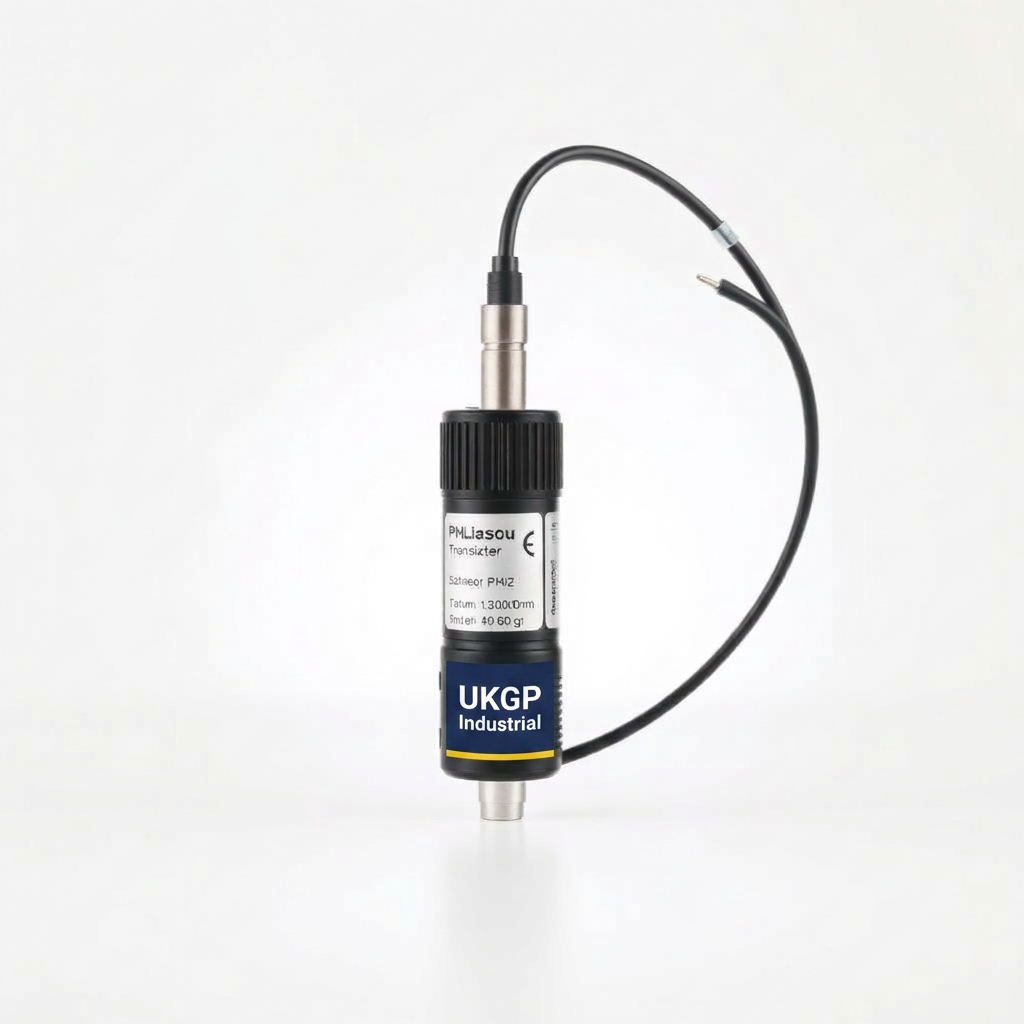
Selecting a pH monitoring solution for a heavy-duty industrial environment requires a balance between sensitivity and durability. For instance, the UKGP industrial pH sensor and transmitter kit provides a comprehensive solution for those seeking professional-grade accuracy. This kit includes a high-spec sensor, a dedicated transmitter, and a secure M12 cable kit. By choosing a system that is factory-calibrated and offers a 2-year warranty, engineers can reduce the frequency of manual interventions. The ability to output via 4-20 mA or Modbus makes it incredibly versatile for UK plant rooms, providing the data granularity needed for modern smart buildings. When performance matters, investing in a robust monitoring package is the most commercially aware strategy for long-term system protection.
- Ensures compliance with BSRIA BG50 water quality parameters
- Prevents electrolytic corrosion in multi-metal HVAC systems
- Reduces chemical waste by preventing over-dosing and under-dosing
- Provides verifiable data logs for site compliance audits
- Facilitates early detection of system leaks or contamination
Technical Specifications for Accurate pH Monitoring
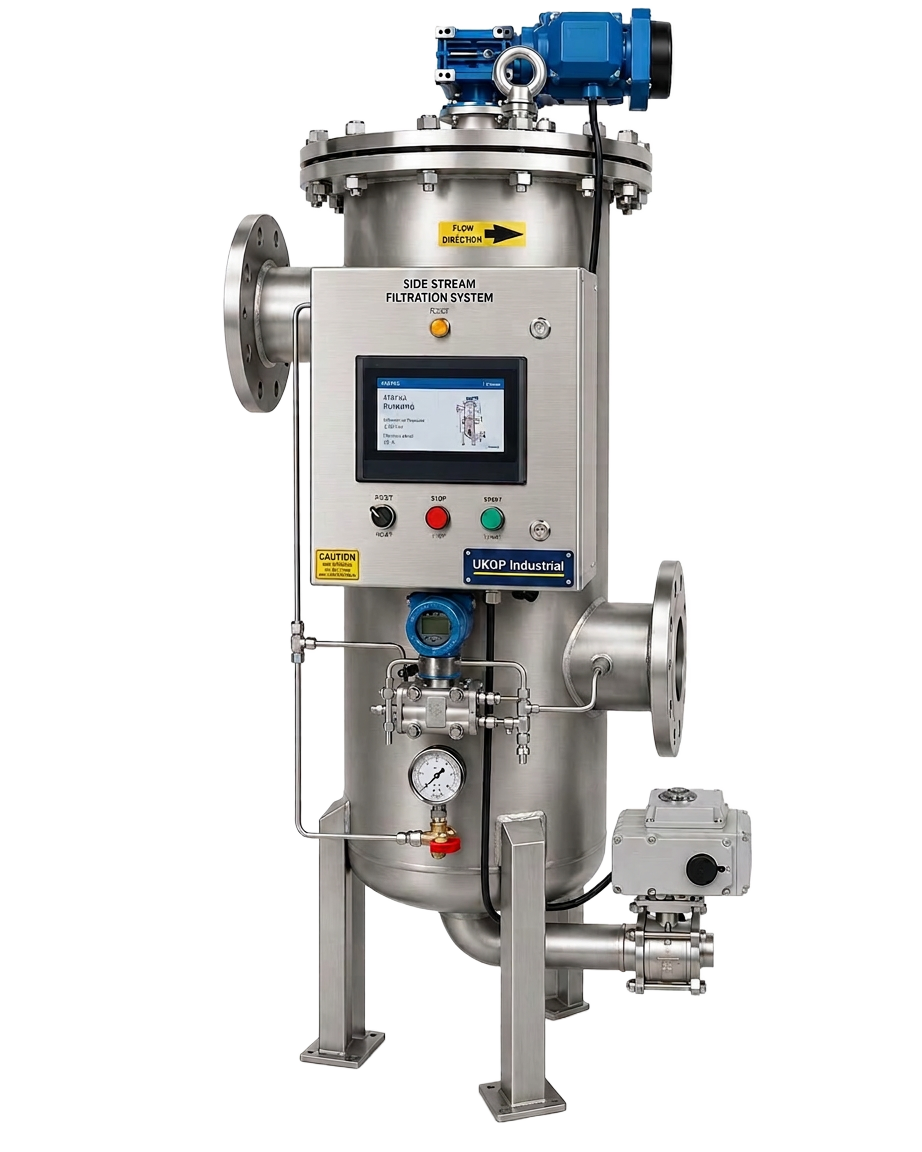
When sizing and selecting sensors for industrial applications, engineers must look beyond the basic measurement range. The technical environment of a UK plant room—characterised by temperature fluctuations and varying flow rates—demands a sensor with high ingress protection, typically IP68. Because ph probe calibration is a chemical process, the physical housing of the probe must withstand the specific pressures of the system without leaktightness failure. Our units are designed to integrate seamlessly into side stream filtration loops or main headers, providing high-fidelity data that stays accurate even between scheduled maintenance intervals. Reliability is further enhanced by using factory-calibrated components that minimise the out-of-the-box error margin commonly seen in budget-grade laboratory sensors repurposed for industrial use.
Integrating sensors via a low loss header or a dedicated side stream circuit allows for more stable laminar flow across the sensor bulb, which is optimal for consistent readings. While the sensor itself is the reactive element, the transmitter is the ‘brain’ that translates electrochemical signals into actionable data. Choosing a transmitter that supports both 4-20 mA and Modbus communications ensures compatibility with both legacy BMS frameworks and modern IoT-enabled control panels. UK building services consultants frequently specify these dual-output options to future-proof installations. This level of technical foresight ensures that as the building's digital infrastructure evolves, the water quality monitoring remains robust and fully integrated without requiring a complete hardware overhaul or expensive interface modules.
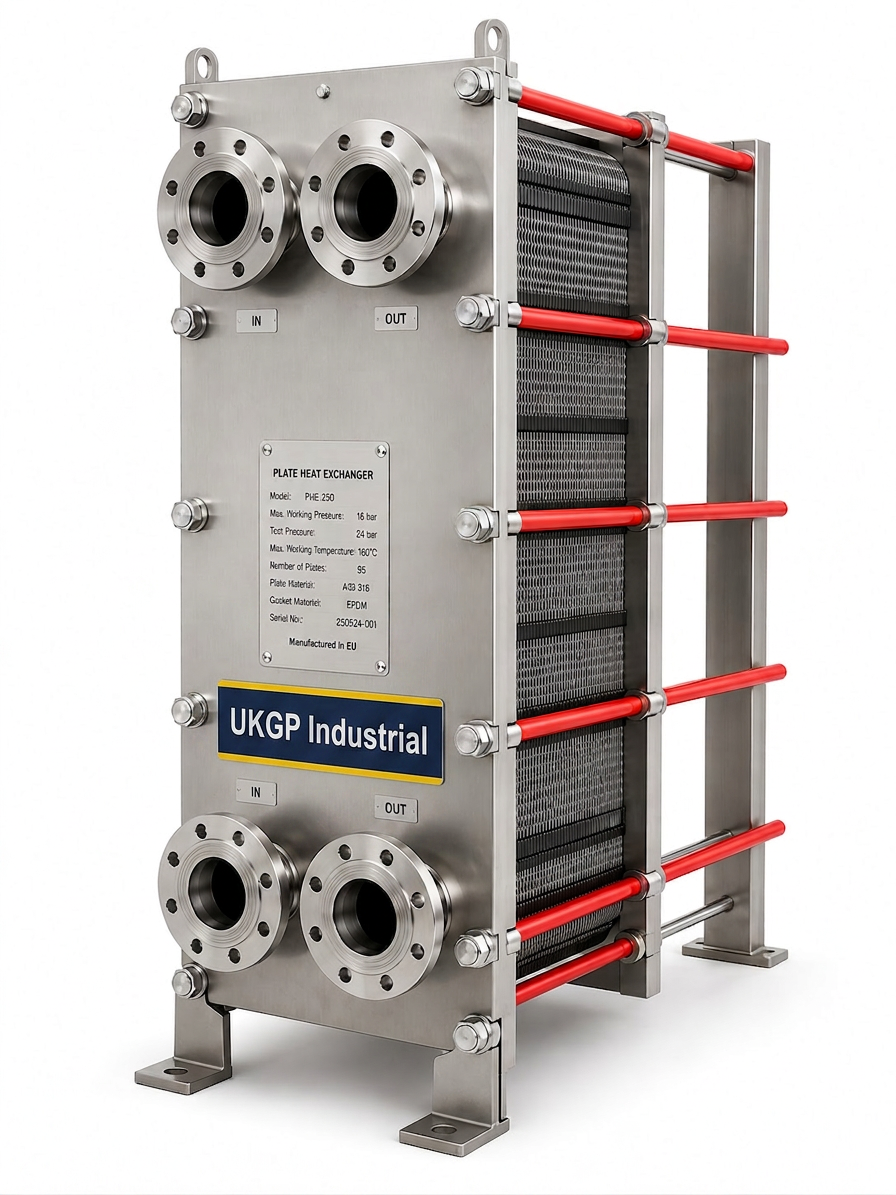
Practicality in the field is a major consideration for plant-room engineers. A sensor that is difficult to remove for cleaning or ph probe calibration will inevitably be neglected, leading to system failure. Use of high-quality M12 connector cables ensures that signals are shielded from the electromagnetic interference often found near large pump motors or variable speed drives. This signal integrity is vital for maintaining the narrow pH windows required for sensitive components like plate heat exchangers. By standardising on a factory-calibrated kit with a 2-year warranty, procurement leads can ensure that their maintenance contractors have the best tools for the job, backed by UK-based technical support and a clear path for replacement when the sacrificial sensor eventually reaches the end of its service life.
- IP68 rated housing for maximum protection against moisture and dust
- Flexible communication via 4-20 mA or Modbus RTU protocols
- Shielded M12 cable kits to prevent signal interference
- Durable sensor design suitable for high-pressure HVAC loops
- Comprehensive 2-year warranty for peace of mind
Procedural Steps for Effective ph probe calibration
The actual process of ph probe calibration should follow a strict methodology to ensure the results are valid for BSRIA reporting. First, the sensor must be thoroughly cleaned of any biofilm or chemical scaling that may have accumulated during operation in the heating circuit. Once clean, the probe is immersed in at least two different buffer solutions—typically pH 4.0, 7.0, or 10.0—depending on the target operating range of the system. The transmitter is then adjusted until the output matches the known value of the buffer. This 'two-point' calibration accounts for both the 'zero' offset and the 'slope' or efficiency of the probe. In a commercial setting, this procedure should be carried out at least quarterly, or more frequently if high chemical dosing rates are used.
Environmental factors within the plant room can influence the speed and accuracy of the calibration process. Temperature compensation is a critical feature to look for in a transmitter, as the electrochemical response of the pH glass is temperature-dependent. A high-quality transmitter will automatically adjust the reading based on the fluid temperature, ensuring that the ph probe calibration remains valid even as system temperatures fluctuate from 10°C to 80°C. For FM teams, having a system that simplifies this process via a clear digital interface on the transmitter is a significant advantage. It reduces the time spent on-site and ensures that the readings recorded in the logbook are as accurate as possible, protecting the asset owner's investment in boilers and pipework.
Commercial awareness in HVAC maintenance involves reducing downtime and maximising the longevity of sacrificial components. Using a UKGP industrial pH sensor and transmitter allows for rapid swap-outs and easier calibration cycles. Because our kits are factory-calibrated, the initial setup is streamlined, allowing M&E contractors to move quickly through the commissioning phase. We recommend that engineers keep a spare sensor on-site, allowing for an immediate exchange if a probe fails during a routine ph probe calibration check. This proactive approach prevents periods of 'blind' operation where the system chemistry could drift dangerously out of spec. Request a quote for our full sensor, transmitter, and M12 cable kit to ensure your site is fully equipped for professional water quality management.
- Always use fresh, certified buffer solutions for every calibration
- Clean the sensor junction with a soft brush or specific cleaner
- Utilise temperature compensation to ensure data accuracy
- Document all calibration values to track sensor degradation over time
- Store sensors in the correct storage solution when not installed
Compliance with BSRIA BG50 and BS 8552
Water treatment in UK commercial buildings is heavily regulated by standards that demand transparency and accuracy. BSRIA BG50 (Water treatment for closed heating and cooling systems) specifically highlights the need for regular monitoring to prevent corrosion and scale. Accuracy in these measurements is only achievable through consistent ph probe calibration. Failure to maintain these standards can lead to the invalidation of warranties from major UK commercial boiler OEMs and heat exchanger manufacturers. For a Facility Manager, proving that the system has been maintained within the specified pH range is the best defence against insurance claims or unexpected capital expenditure for plant replacement. Our pH monitoring solutions are designed with these specific compliance frameworks in mind.
BS 8552 provides the code of practice for sampling and monitoring water quality in many HVAC systems. It emphasises that the frequency of testing should be determined by the complexity and risk profile of the system. Automated pH monitoring with a calibrated probe provides a much higher level of protection than intermittent manual dip-testing. Manual tests are prone to human error and provide only a 'snapshot' of the system health, whereas a transmitter linked to a BMS provides 24/7 visibility. By integrating a factory-calibrated UKGP industrial pH sensor and transmitter, contractors provide their clients with a high-integrity data stream that meets the most stringent consultancy specifications and provides an audit trail for long-term water treatment efficacy.
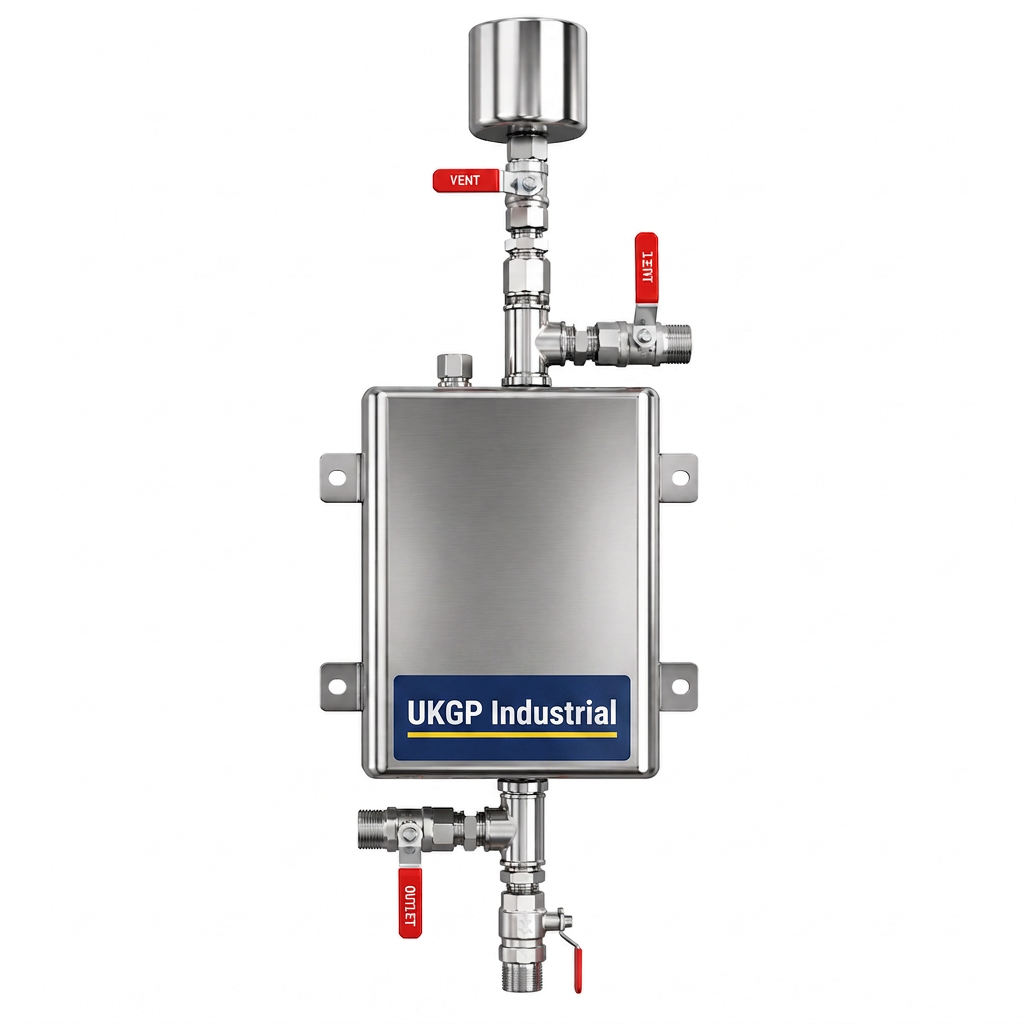
Furthermore, the integration of these sensors into a broader water treatment strategy—including the use of chemical dosing pots and air and dirt separators—creates a comprehensive protection layer. When the pH sensor alerts the BMS to a drop in alkalinity, the system can trigger an alert for manual chemical addition or even automate the process via a dosing pump. This level of automation is becoming the standard for high-profile UK commercial developments and government buildings where uptime is critical. Selecting a 4-20 mA or Modbus compatible transmitter ensures that this data is always available to the engineers who need it. Our IP68 rated kits, featuring a 2-year warranty, represent the gold standard for engineers who value precision and reliability in extreme plant-room conditions.
- Validated monitoring protocols protect boiler and chiller warranties
- Automated alerts prevent 'silent' corrosion events
- Continuous data logging supports BS 8552 performance monitoring
- Reduces the risk of microbial growth facilitated by poor pH control
- Provides commercial certainty for FM providers and building owners
Design Considerations for Procurement Leads
From a procurement perspective, the total cost of ownership (TCO) is a more important metric than the initial purchase price. A cheap sensor without a robust transmitter or easy ph probe calibration features will ultimately cost more in manual labour and premature failure. UKGP focuses on providing industrial-grade kits that offer long-term value. Our pH sensors are designed for easy maintenance, with a focus on durability in the harsh chemical environments found in chilled water and LTHW circuits. By specifying a complete kit—including the sensor, transmitter, and M12 cable—procurement teams ensure that all components are perfectly matched, eliminating compatibility issues during the installation phase on-site. This holistic approach saves time and money for the M&E contractor.
When evaluating quotes, always check for the inclusion of factory calibration and warranty terms. A 2-year warranty on an industrial pH sensor kit is a strong indicator of build quality, especially for components that are in constant contact with treated water. It is also worth considering the communication protocol required by the project. Does the BMS require a traditional 4-20 mA analogue loop, or is it a modern digital network using Modbus? Our transmitters offer both, providing maximum flexibility for any project. This versatility allows procurement leads to standardise on a single model across multiple sites, simplifying spare parts inventory and training for their engineering teams. Professional water quality management starts with investing in the right hardware from the outset.
Finally, ensure that the selected equipment is suitable for the specific physical layout of the plant room. Space is often at a premium, so compact transmitters that can be easily mounted near the sampling point are preferred. The use of robust M12 cables allows for flexible routing around other plant equipment without compromising signal quality. For any technical queries regarding the selection and sizing of PH sensors for your specific application, contact our UK-based team. We can provide detailed technical data sheets and quotes for the UKGP industrial pH sensor and transmitter, ensuring your next project meets all BSRIA and CIBSE requirements for water quality monitoring. Let us help you safeguard your HVAC assets with the industry's most reliable sensing technology.
- Evaluate TCO over simply looking at the lowest entry price
- Standardise on dual-output transmitters for inventory efficiency
- Prioritise IP68 rated components for longevity in damp plant rooms
- Verify factory-calibration status to reduce commissioning time
- Check manufacturer warranty terms to ensure long-term support
Optimising Maintenance with Factory-Calibrated Sensors
Maintenance teams often face time pressure, and complicated ph probe calibration routines can lead to skipped checks. By choosing a factory-calibrated sensor and transmitter kit, the initial barrier to entry is lowered. The UKGP kit comes ready for installation, meaning that the engineer only needs to perform a verification check rather than a full zero-and-span setup from scratch. This is a significant operational advantage in large-scale residential developments or commercial offices where dozens of systems may need to be commissioned simultaneously. A clear, intuitive transmitter display provides immediate feedback, allowing for swift adjustments and ensuring the system remains within the tight pH bounds required to inhibit bacterial growth and Scale formation.
The use of Modbus communication further optimises maintenance by allowing for remote diagnostics. If a sensor begins to drift or shows signs of failure during a ph probe calibration, the BMS can flag this to the central FM dashboard before it becomes a critical issue. This shift from reactive to predictive maintenance is exactly what BSRIA BG50 encourages. It allows for planned sensor replacements during scheduled shutdowns, rather than emergency repairs that can disrupt building operations. Our IP68 sensors are built to handle the rigours of continuous operation, and the included 2-year warranty serves as a testament to their industrial pedigree. When combined with a 4-20 mA output for local control, these sensors provide a fail-safe monitoring solution.
In summary, the choice of pH monitoring equipment is a critical decision for any UK HVAC project. By focusing on industrial-grade hardware, ease of ph probe calibration, and robust digital integration, engineers can ensure their systems run efficiently for decades. We invite building services consultants and contractors to request a quote for the UKGP industrial pH sensor and transmitter kit. Our complete package—including the sensor, advanced transmitter, and M12 cable kit—is the professional choice for those who demand accuracy and durability. Protect your plant room, comply with industry standards, and reduce your maintenance overhead by choosing UK-engineered sensing solutions designed for the toughest commercial environments.
- Factory calibration reduces commissioning errors and site time
- Remote diagnostics via Modbus enable predictive maintenance
- Local alerts via 4-20 mA output provide immediate site feedback
- High-quality M12 cabling ensures consistent signal integrity
- Durable construction minimises the frequency of sensor replacement
Frequently asked questions
How often does a ph probe calibration need to be performed?
- According to industry best practices and BSRIA guidelines, industrial pH probes should be calibrated at least every three months. However, in systems with high chemical throughput or critical sensitivity, monthly checks may be required to ensure the 4-20 mA or Modbus data remains accurate.
What are the benefits of a factory-calibrated pH sensor?
- A factory-calibrated sensor, such as the UKGP industrial pH sensor, ensures that the unit is accurate out of the box. This streamlines the commissioning process for M&E contractors and provides a reliable baseline for all future ph probe calibration procedures on-site.
Can the UKGP pH transmitter connect directly to my BMS?
- Yes, our transmitters are designed for seamless integration, offering both a traditional 4-20 mA analogue output and a digital Modbus RTU interface. This ensures compatibility with almost any commercial Building Management System used in the UK.
Why is IP68 rating important for a pH sensor and transmitter?
- Plant rooms are often damp or prone to occasional leaks. An IP68 rating ensures that the sensor and its connections are fully submersible and dust-tight, preventing signal failure and hardware damage, which is vital for maintaining consistent ph probe calibration results.
What is included in the UKGP pH sensor kit?
- The UKGP kit is a complete industrial monitoring solution. it includes a high-accuracy pH sensor, a dedicated transmitter, a shielded M12 cable kit, and come factory-calibrated with a 2-year warranty as standard.