The Role of a ph meter sensor arduino in Modern Plant Rooms
In the sphere of UK building services, the shift toward proactive maintenance is driven by the need to extend the operational life of boilers and chillers. Integrating a ph meter sensor arduino into a plant room's monitoring array allows Facility Managers to move beyond monthly manual sampling toward continuous data acquisition. This is particularly relevant when adhering to BSRIA BG29 and BG50 guidelines, which emphasise that water chemistry should be monitored constantly to prevent the degradation of inhibitors. By using a microcontroller-based solution, engineers can capture fluctuations in acidity that suggest a fresh water leak or the exhaustion of chemical treatments before they manifest as physical damage to the heat exchangers.
While hobbyist electronics are often associated with the phrase, a professional-grade ph meter sensor arduino application in an industrial setting requires robust hardware that can withstand the rigours of high-pressure HVAC environments. The ability to output a reliable signal to a Building Management System (BMS) ensures that any deviation from the optimal pH range—typically between 8.2 and 10.0 for steel systems—is flagged immediately. This integration prevents the 'blind' operation of systems where corrosion might be silently accelerating due to anaerobic bacterial activity or glycol degradation, both of which significantly lower the pH and compromise the protective magnetite layer on internal pipework surfaces.
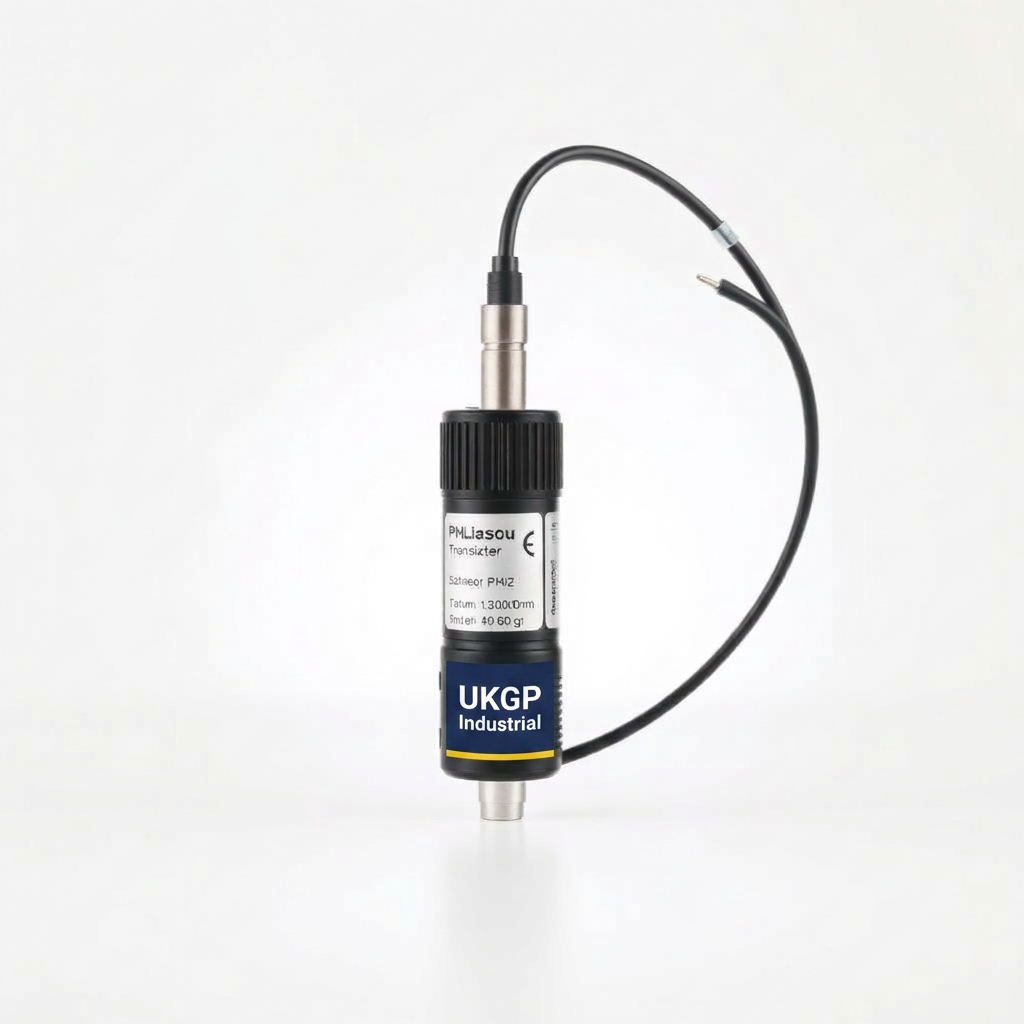
Our UKGP industrial sensors are designed to bridge the gap between complex digital processing and rugged mechanical reliability. When specifying a ph meter sensor arduino system, procurement leads must consider the longevity of the probe and the ease of calibration. An industrial-grade transmitter ensures that the low-voltage signal from the pH electrode is converted into a stable output that an Arduino or a standard PLC can interpret without electromagnetic interference. This setup provides a commercial-grade alternative to basic handheld testers, offering the consistency required for large-scale M&E projects across London and the wider UK commercial landscape.
- Continuous 24/7 monitoring as per BSRIA BG50 recommendations.
- Reduction in manual laboratory testing costs for FM teams.
- Early warning system for glycol degradation in chilled water loops.
- Seamless integration with MODBUS or 4-20mA monitoring platforms.
- Improved asset life for commercial condensing and non-condensing boilers.
Technical Specifications for Industrial pH Transmitters
When integrating a ph meter sensor arduino into your site infrastructure, the choice of transmitter is the most critical decision for long-term stability. A standard consumer-grade sensor will often drift or fail within weeks when exposed to the constant flow and pressure of a primary heating circuit. UKGP provides a high-spec industrial pH sensor and transmitter kit that is factory-calibrated and ready for immediate deployment. This kit includes a robust sensor, a dedicated transmitter, and an M12 cable kit, ensuring that the connection to your microcontroller or BMS is secure and weatherproof. With an IP68 rating, our hardware is perfectly suited for the humid and sometimes damp conditions found in subterranean plant rooms.
The transmitter options include 4-20 mA or Modbus protocols, making them highly versatile for those looking to build a bespoke monitoring hub using an Arduino or a professional PLC. By choosing a factory-calibrated unit with a 2-year warranty, M&E contractors can ensure they are meeting the strict performance requirements of modern specifications. The accuracy provided by our industrial-grade components ensures that the ph meter sensor arduino data is not just a trend, but a precise measurement that can be used to trigger automated chemical dosing pumps, keeping the system water strictly within the parameters defined by CIBSE guidelines and UK water treatment standards.
Transitioning to a digital monitoring solution also assists in the documentation required for health and safety audits. Having a digital log of pH levels over time proves that the system has been maintained responsibly and that inhibitor levels have been kept stable. Whether you are managing a decentralised heat network or a single large-scale plant room, the UKGP industrial pH sensor & transmitter offers the durability needed to turn a simple ph meter sensor arduino idea into a professional-grade monitoring reality. For those looking to upgrade their current monitoring kit, we offer rapid delivery across the UK to keep your projects on schedule and within budget.
- IP68 rated housing for maximum environmental protection.
- Choice of 4-20 mA or Modbus digital communication protocols.
- M12 cable kit included for quick and secure installation.
- Factory-calibrated sensors to ensure 'out-of-the-box' accuracy.
- Comprehensive 2-year warranty for peace of mind in commercial bids.
Maintaining System Integrity with Side Stream Filtration
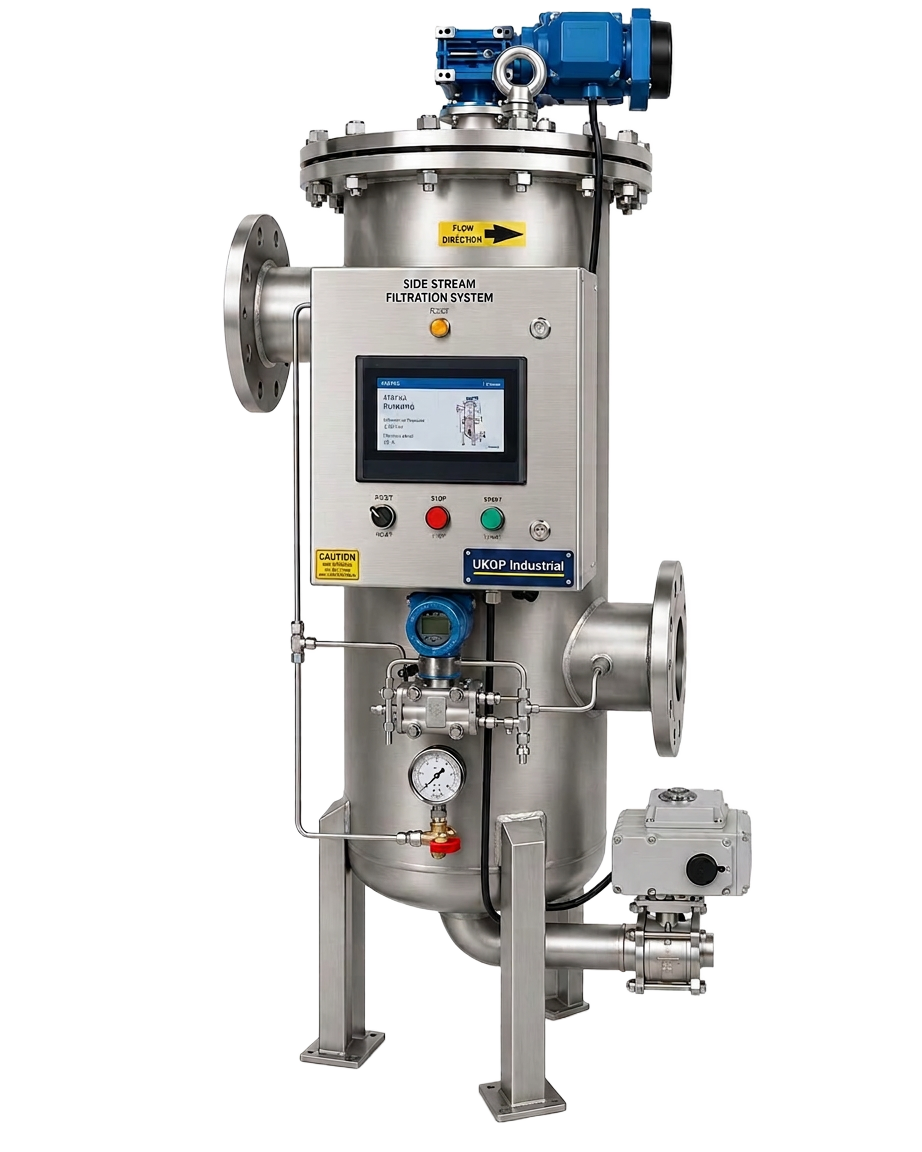
While monitoring acidity with a ph meter sensor arduino is vital, it is only one part of the water quality puzzle. High pH levels do not protect against the physical presence of suspended solids, which can lead to erosion-corrosion and the fouling of heat exchangers. Side stream filtration is the recommended solution in BSRIA BG50 for removing magnetite and non-magnetic debris from closed loops. By combining real-time pH data with high-efficiency filtration, engineers can ensure that the water remains both chemically balanced and physically clean. This dual approach is the gold standard for maintaining the efficiency of modern low-temperature heating systems and chilled water circuits in high-occupancy buildings.
A side stream filtration skid works by continuously diverting a small percentage of the total system flow through a fine filter medium or magnetic separator. This prevents the accumulation of sludge that can interfere with the accuracy of a ph meter sensor arduino by coating the probe in debris. When a probe becomes fouled, it may report inaccurate readings, leading to incorrect chemical dosing and potential system damage. Integrating a high-quality filtration unit ensures that all sensors in the loop, including pH and conductivity probes, remain clean and functional for longer periods, reducing the frequency of maintenance shutdowns and sensor recalibration cycles.
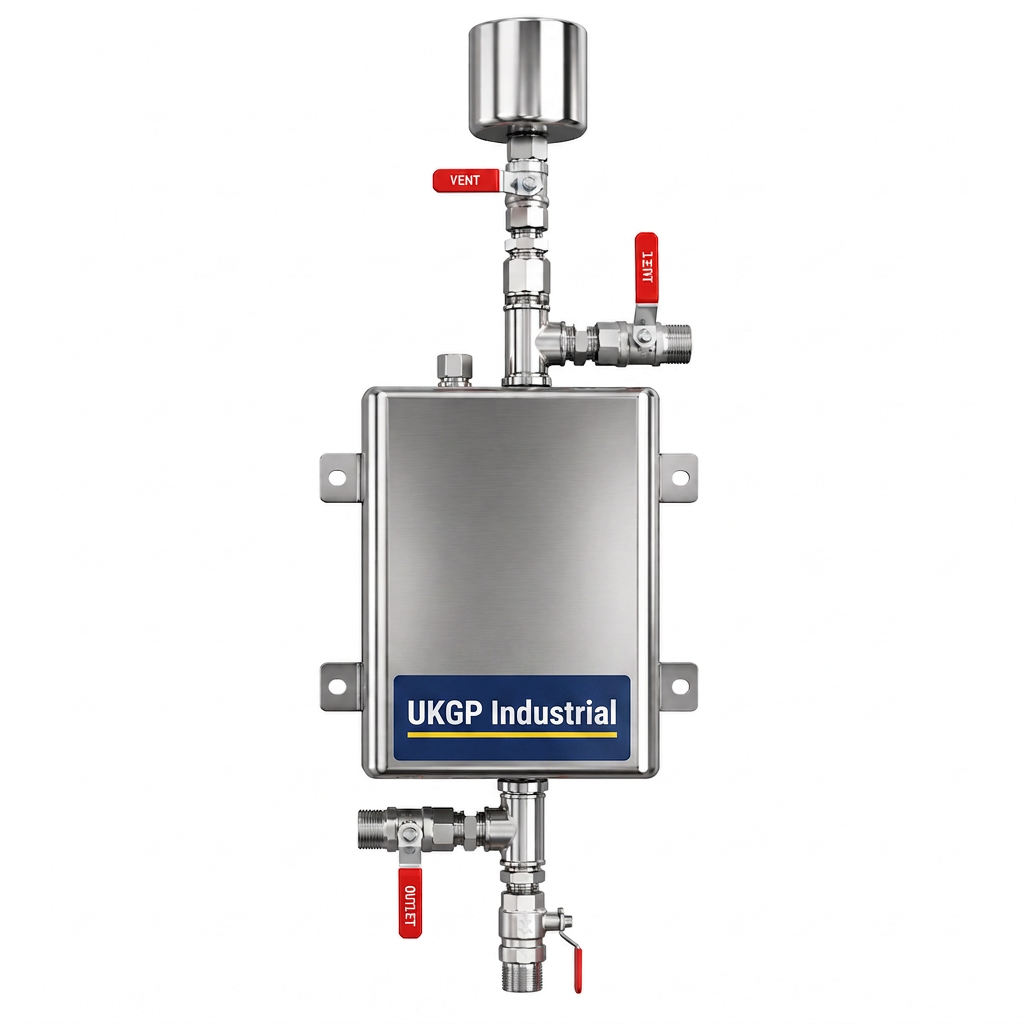
UKGP manufactures bespoke side stream filtration skids that complement our electronic monitoring solutions. For procurement leads, bundling the filtration and monitoring packages ensures that the entire water treatment strategy is cohesive. When the ph meter sensor arduino detects a drop in pH, it often coincides with increased microbial activity, which in turn can increase the load of organic solids in the system. A robust filtration system captures these solids, while the dosing pot allows for the rapid re-introduction of alkaline inhibitors to restore balance. This holistic view of plant room health is what separates modern smart buildings from legacy systems that rely on reactive, 'break-fix' maintenance models.
- Removes suspended solids down to 5 microns to protect sensors.
- High-performance magnetic separation for magnetite capture.
- Reduces the risk of microbial induced corrosion (MIC).
- Lowers overall energy consumption by maintaining heat transfer efficiency.
- Available in various sizes to suit different system volumes and flow rates.
Installation Best Practices for pH Monitoring Points
Positioning the ph meter sensor arduino probe is critical for obtaining a representative sample of the system's chemistry. Probes should be installed in a bypass loop or a low-velocity area where they are constantly submerged in the circulating fluid but not subject to extreme turbulence. It is also essential to install the sensor upstream of any chemical injection points to avoid 'spiking' the data. For M&E contractors, ensuring that the sensor is accessible for routine cleaning and calibration is a requirement of BS 8552. A well-designed installation allows for the sensor to be isolated and removed without draining the entire system, typically achieved through the use of high-quality isolation valves and a dedicated sensor manifold.
Electrical interference is a common challenge when using a ph meter sensor arduino in an environment filled with high-powered pumps and fans. Using shielded M12 cables and professional transmitters, like those provided by UKGP, is necessary to ensure the signal remains clean. If the signal is being used to control hazardous processes, such as acid-base neutralisation in wastewater, the reliability of the Arduino code and the quality of the hardware cannot be compromised. The industrial 4-20 mA output from our transmitters is inherently resistant to noise, making it the preferred choice for long cable runs between the plant room floor and the central control cabinet.
Finally, the calibration of the ph meter sensor arduino must be performed using certified buffer solutions, typically at pH 4.0, 7.0, and 10.0. While our UKGP sensors arrive factory-calibrated, BS 8552 suggests periodic verification to account for sensor aging. In a commercial environment, a drift of even 0.5 pH can be the difference between a stable system and one that is actively corroding. By implementing a strict calibration schedule and using professional-grade transmitters, FM teams can rely on their data to make informed decisions about water treatment, ultimately protecting the building's infrastructure and the comfort of its occupants.
- Install sensors in bypass loops for ease of maintenance.
- Use shielded M12 cabling to prevent signal noise from VFDs.
- Regularly verify sensor accuracy against certified buffer solutions.
- Ensure sensors are placed before chemical dosing points for accuracy.
- Utilise isolation valves to permit sensor removal without system shutdown.
The Commercial Case for Automated pH Monitoring
For procurement leads and asset managers, the investment in a ph meter sensor arduino system is justified by the significant reduction in risk and long-term operating costs. Large commercial boilers from leading UK manufacturers represent a massive capital expenditure; allowing their heat exchangers to fail prematurely due to poor water chemistry is a preventable financial loss. Automated monitoring provides a 'digital twin' of the water quality, allowing for remote oversight. This is particularly beneficial for FM companies managing multiple sites, as it reduces the need for frequent site visits and allows for a more targeted response when water quality issues are detected by the telemetry system.
Beyond asset protection, maintaining correct pH levels as monitored by a ph meter sensor arduino contributes to energy efficiency. Scale and sludge build-up act as insulators, forcing the heating or cooling system to work harder to achieve the desired setpoints. Even a millimetre of scale can increase energy costs by up to 10%. By ensuring the water is kept in a non-corrosive, non-scaling state, the system operates at peak thermodynamic efficiency. This aligns with UK government targets for carbon reduction and helps commercial tenants reduce their utility bills, making the building more attractive and sustainable in the long term.
UKGP supports M&E contractors and consultants by providing technical data sheets and expert advice on integrating pH transmitters into complex plant room designs. Our pH sensor and transmitter kits are designed for rapid integration, ensuring that even on tight project timelines, the water quality monitoring system can be commissioned effectively. Request a quote today for our industrial pH range to ensure your next project benefits from the highest standards of accuracy and reliability. With our 2-year warranty and IP68 protection, you can be confident that the ph meter sensor arduino solution you install will perform reliably for years to come.
- Reduces capital risk by protecting expensive boiler heat exchangers.
- Lowers energy bills by preventing scale-related efficiency losses.
- Enables remote monitoring for large FM portfolios across the UK.
- Supports compliance with environmental and water safety regulations.
- Provides a verifiable audit trail of system maintenance and chemistry.
Compliance with BS EN 14917 and Water Quality Standards
Adhering to British and European standards is non-negotiable for professional M&E contractors. While a ph meter sensor arduino might be the brain of the monitoring system, it must work in harmony with mechanical components that meet standards like BS EN 14917 for expansion bellows and other pressure-containing parts. A failure in any part of the system can lead to oxygen ingress, which immediately alters the pH and promotes rapid corrosion. Therefore, the monitoring system must be viewed as part of a holistic pressure-management and water-quality strategy. By monitoring the pH, engineers can often detect the secondary effects of mechanical failures, such as a burst expansion vessel or a leaking seal, long before they are noticed during a physical inspection.
The integration of a ph meter sensor arduino also supports compliance with BS 8552, which covers the sampling and monitoring of water in building services. This standard highlights the importance of consistency and accuracy in data collection. Using an industrial transmitter ensures that the measurements are repeatable and traceable. When consultants specify UKGP products, they are choosing hardware that is built for the professional market, ensuring that the plant room meets the rigorous demands of the primary keyword and the technical expectations of modern building regulations. This level of detail is essential for signing off large-scale commercial installations and ensuring insurance requirements are met.
In conclusion, the use of a ph meter sensor arduino, when coupled with industrial-grade transmitters and sensors from UKGP, provides a powerful tool for modern building management. It transforms water quality from an annual 'check-box' exercise into a dynamic, manageable parameter that safeguards the efficiency and longevity of the entire HVAC system. Whether you require a single sensor kit or a complete water treatment package including dosing pots and filtration, UKGP is your Surrey-based partner for technical excellence. Contact our engineering team to discuss your specific requirements and secure a quote for our factory-calibrated pH monitoring solutions.
- Aligns with BS 8552 requirements for water sampling consistency.
- Detects system failures indirectly through pH fluctuations.
- Ensures long-term reliability for pressure-managed closed loops.
- Supports M&E contractors in meeting strict commercial project specs.
- Provides the data needed for BSRIA BG50 logbook compliance.
Frequently asked questions
Can I use a standard ph meter sensor arduino for industrial HVAC monitoring?
- While you can use an Arduino for the logic, the probe and transmitter must be industrial-grade (IP68, factory-calibrated) to withstand the high pressures and temperatures of an HVAC plant room. UKGP provides the necessary industrial transmitters to make this possible.
What output does the UKGP pH transmitter provide?
- Our transmitters offer either 4-20 mA or Modbus outputs, ensuring they are compatible with both hobbyist microcontrollers like Arduino and professional Building Management Systems (BMS).
How often should I calibrate my pH sensor in a plant room?
- In accordance with BSRIA guidelines, we recommend checking the calibration every 3 to 6 months to ensure maximum accuracy, although our sensors are factory-calibrated for immediate use upon delivery.
What is the warranty on the UKGP pH sensor & transmitter kit?
- We provide a comprehensive 2-year warranty on our pH sensor and transmitter kits, reflecting our confidence in their durability for commercial and industrial applications.
Does the kit include everything needed for connection?
- Yes, the UKGP kit includes the sensor, the transmitter, and a high-quality M12 cable kit to ensure a secure, weatherproof connection to your monitoring hardware.