The Role of a pH Meter for Food in Process Integrity
In the UK food and beverage industry, maintaining precise chemical balance is not merely a matter of taste; it is a critical safety and longevity requirement for the entire mechanical infrastructure. A professional-grade pH meter for food must withstand frequent Clean-in-Place cycles and aggressive sanitisation protocols that would typically degrade standard industrial probes. Building services consultants often overlook the corrosive nature of specific food-grade acids or alkaline cleaning agents, which can lead to rapid electrode drift. By specifying an industrial-standard sensor, engineers ensure that the recorded data reflects the actual process state, preventing costly batch rejections or equipment damage. Our systems are designed to bridge the gap between delicate laboratory precision and the rugged reality of a Surrey-based production facility, providing a stable backbone for quality control.
Furthermore, the integration of these sensors into the wider plant room ecosystem is essential for total system health. While BSRIA BG50 focuses heavily on heating and cooling water, the principles of avoiding internal corrosion and scale through chemical monitoring apply equally to the secondary circuits in food processing plants. A reliable pH meter for food allows for real-time adjustments to dosing regimes, ensuring that the water used in heat exchangers or jackets remains within the specified parameters. This proactive approach reduces the likelihood of pitting or microbial influenced corrosion, which are common failure points in commercial kitchens and processing hubs. When consulting on new builds, UKGP recommends looking for equipment that offers both high accuracy and industrial resilience to ensure long-term operational efficiency and reduced maintenance overheads for facility managers.
Precision in measurement starts with the physical interface of the probe. Unlike standard sensors, an industrial pH meter for food must feature materials that are non-reactive and easy to sterilise. The transition from manual testing to automated, continuous monitoring represents a significant leap in data reliability for UK FM teams. Instead of relying on periodic grab samples, which may miss transient pH spikes, our industrial transmitters provide a constant data stream. This allows for immediate corrective action via the BMS or local dosing control. By choosing an industrial-grade solution, procurement leads can justify the initial capital expenditure through the reduction of manual labour and the elimination of human error in critical readings, ultimately protecting the brand's reputation and the plant's operational uptime.
- Enhanced resistance to CIP and SIP processes
- Reduction in batch rejection rates through real-time monitoring
- Compliance with UK food safety and mechanical integrity standards
- Integration with automated dosing systems for chemical stability
Technical Specifications for Sanitary pH Monitoring
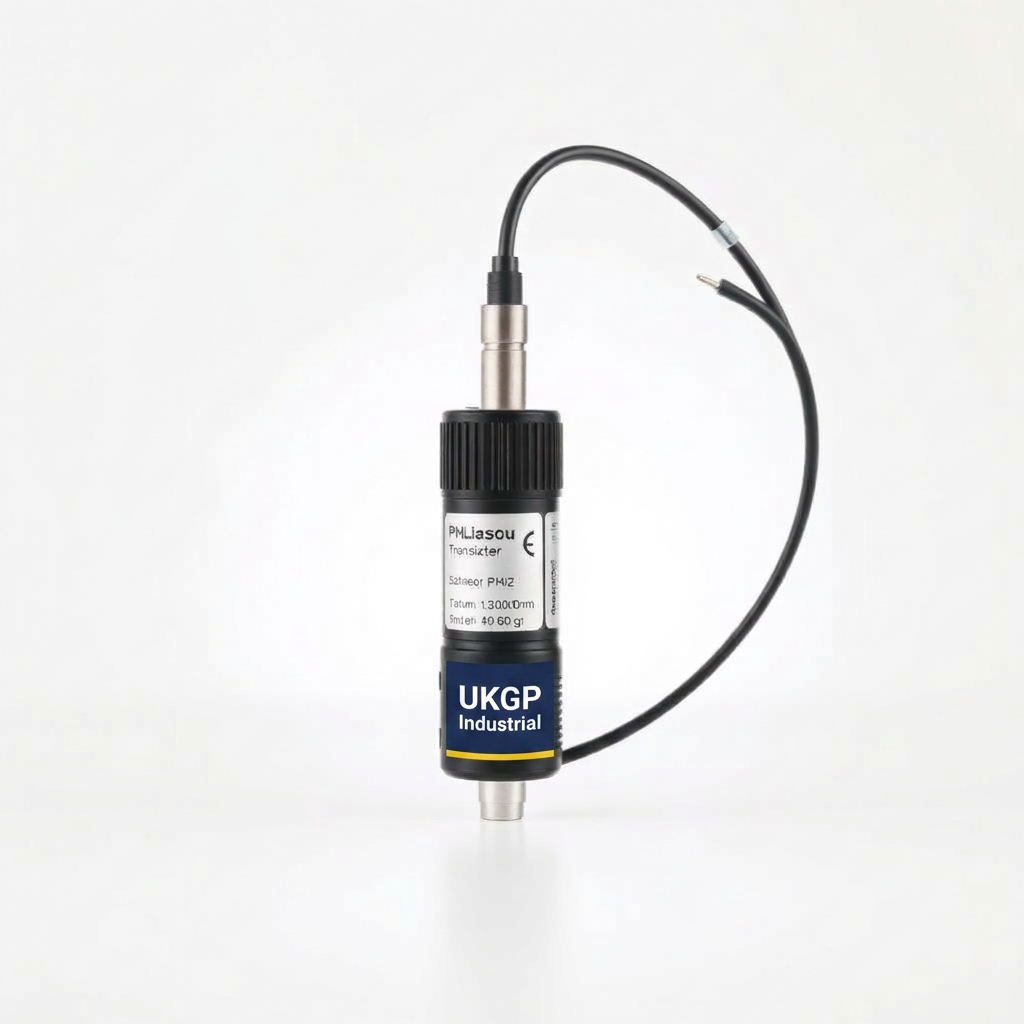
When specifying a pH meter for food, the mechanical connection and signal output are just as vital as the electrode tip itself. Modern M&E installations require robust connectivity, often favouring M12 cable kits over traditional flying leads to ensure moisture-protected, vibration-resistant links in busy plant rooms. The UKGP industrial pH sensor and transmitter package is engineered for exactly these environments, offering an IP68-rated housing that stands up to the damp conditions prevalent in food manufacturing. A high-quality transmitter converts the high-impedance signal from the pH probe into a standard 4-20 mA or Modbus loop, allowing for long cable runs without signal degradation or electromagnetic interference from nearby pumps and motors.
Calibration stability is another critical factor for plant-room engineers who cannot afford frequent downtime for sensor maintenance. Our transmitters are factory-calibrated, meaning they can be deployed rapidly into the process line. Furthermore, the inclusion of temperature compensation is non-negotiable for any pH meter for food, as the chemistry of organic liquids changes significantly with heat fluctuations. Without active compensation, a reading at 60 degrees Celsius would be fundamentally different from one at room temperature, leading to incorrect dosing and potential process failure. By utilising our dual-output transmitters, engineers get a holistic view of the fluid's state, enabling more sophisticated control strategies that meet both CIBSE guidelines and internal quality benchmarks.
Long-term reliability is guaranteed through our 2-year warranty, reflecting our confidence in the industrial build quality of our instrumentation. In an era where supply chain delays can cripple production, having a Surrey-based partner like UKGP Industrial ensures rapid access to technical support and replacement parts. Contractors appreciate the ease of installation provided by our complete kits, which include the sensor, transmitter, and shielded M12 cabling. This holistic approach eliminates the compatibility issues often found when sourcing components from multiple vendors. Request a quote today to see how our industrial-spec pH transmitters can streamline your next food-grade installation while ensuring the highest levels of accuracy and durability.
- IP68-rated protection for wash-down environments
- Choice of 4-20 mA or Modbus RTU communication protocols
- Factory-calibrated sensors for immediate 'plug and play' use
- Comprehensive 2-year warranty for peace of mind
Maintaining System Health with Side Stream Filtration
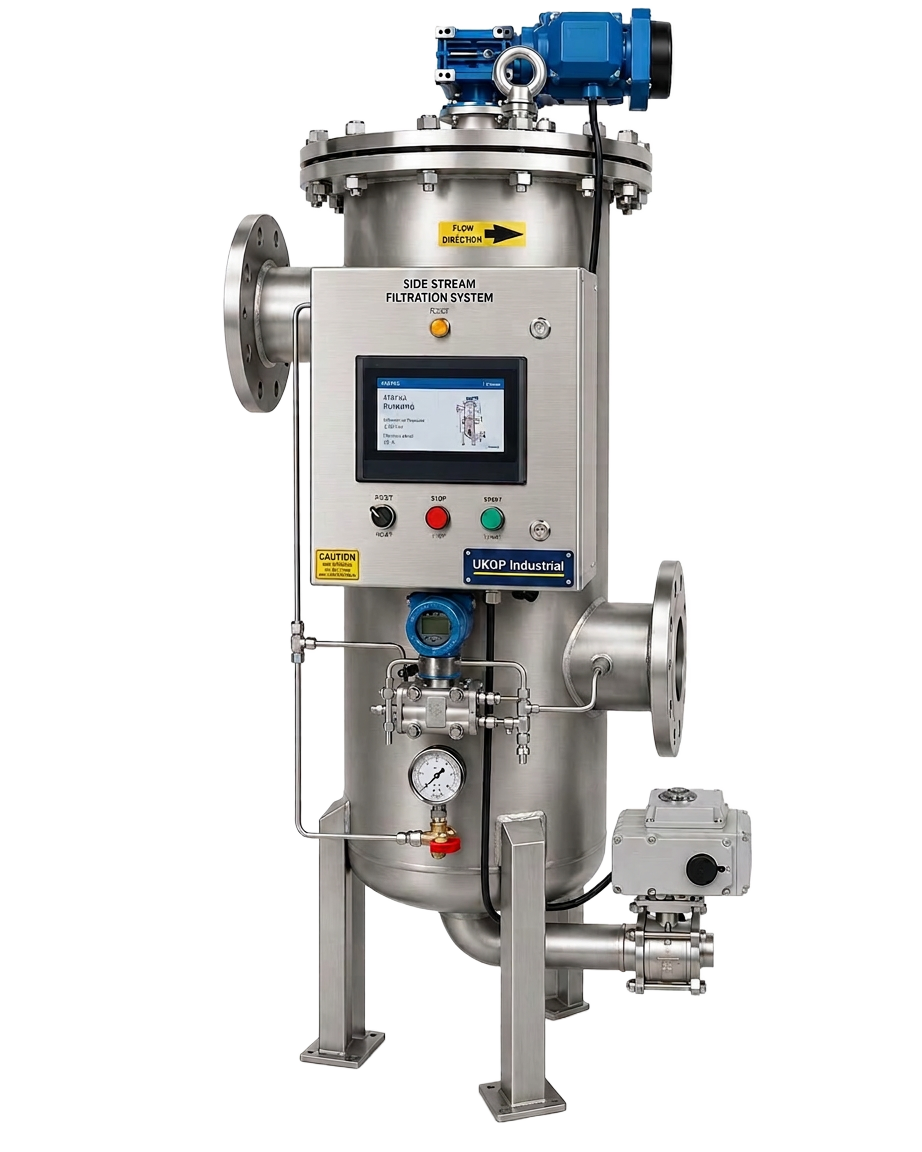
Secondary to the pH meter for food, maintaining the physical cleanliness of the process water is paramount. Suspended solids can coat pH electrodes, causing 'poisoning' of the reference junction or slow response times. This is why UKGP Industrial advocates for the integration of side stream filtration skids alongside sensitive instrumentation. By removing magnetite and non-metallic debris down to 5 microns, these filters protect the delicate membranes of the pH sensors. BSRIA BG29 highlights the necessity of clean system water to prevent pre-commissioning issues, but this logic extends into the operational phase. A clean system ensures that the pH meter for food provides the most accurate data possible without interference from particulate matter.
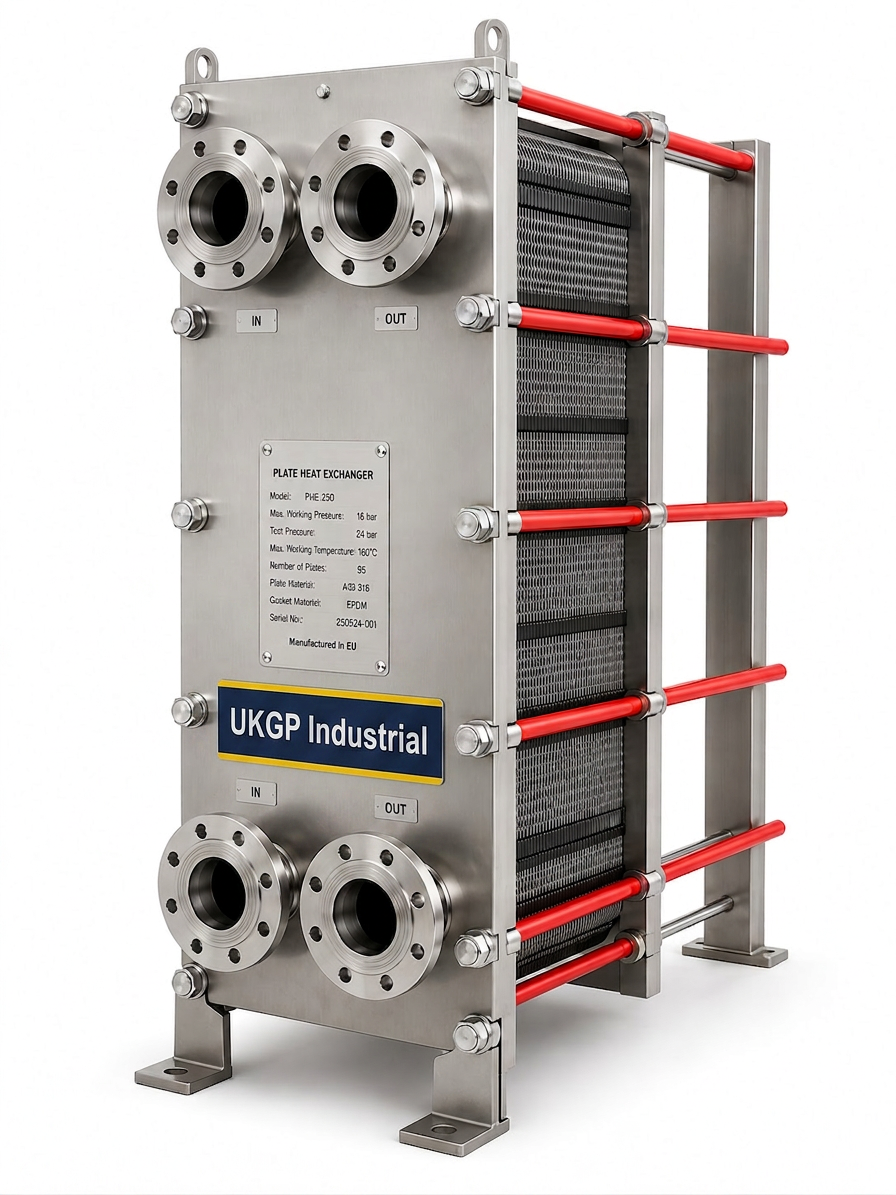
Integrating a side stream filter also extends the life of plate heat exchangers and pumps within the facility. When a pH meter for food detects an acidic shift, it often indicates a microbial bloom or chemical imbalance that can lead to increased debris through corrosion. A filtration skid works in tandem with the pH monitoring system to catch these solids before they can settle in low-flow areas of the plant room. For M&E contractors, this dual-layered approach to water quality—chemical monitoring and physical filtration—represents the Gold Standard in building services. It satisfies the rigorous requirements of UK water regulations and ensures the system remains compliant with BS 8552 monitoring protocols over its entire lifecycle.
Choosing UKGP for both your filtration and your instrumentation needs simplifies the procurement process. Our engineers design these systems to work together, ensuring that the flow rates and pressures are compatible with the housing of the pH sensor. This reduces the risk of air entrainment or turbulent flow, which can otherwise cause erratic readings on a pH meter for food. By treating the plant room as a cohesive ecosystem rather than a collection of parts, facility managers can achieve lower total cost of ownership and higher reliability. Our Surrey warehouse stocks the necessary components to support fast-track projects, ensuring your filtration and monitoring goals are met without delay.
- Protects sensitive pH probes from particulate fouling
- Aligns with BSRIA BG29 and BG50 water quality standards
- Reduces maintenance frequency for sensors and heat exchangers
- Improves the longevity of the entire thermal system
Chemical Dosing and Automation Best Practices
The primary purpose of installing a high-precision pH meter for food is to drive an automated chemical dosing system. In food-grade environments, the accuracy of this dosing is critical for both product safety and the protection of stainless steel pipework. Using the 4-20 mA signal from a UKGP transmitter, an M&E engineer can program a dosing pump to inject neutralising agents or biocides the moment the pH level drifts outside of the target range. This closed-loop control is far superior to manual dosing pots for primary control, although dosing pots remain essential for scheduled batch additions of inhibitors or glycol as per CIBSE recommendations. The synergy between continuous monitoring and controlled chemical introduction is the only way to ensure 24/7 compliance.
When designing these systems, one must consider the placement of the pH meter for food relative to the dosing point. To prevent 'hunting' or overcommunication in the control loop, the sensor should be placed downstream of a mixing zone, such as a low loss header or a series of bends, to ensure a representative sample of the fluid is measured. Our industrial transmitters feature adjustable damping settings to help smooth out readings in turbulent conditions, providing a steady signal for the dosing controller. This level of technical control is why Surrey's top engineering firms choose UKGP for their most demanding food and pharmaceutical applications, where the tolerances for error are practically zero.
Finally, the documentation of these levels is becoming a mandatory requirement for many UK food safety audits. A digital pH meter for food that outputs via Modbus can log data directly to a cloud-based server or local HMI, providing a timestamped record of system conditions. This empirical evidence is invaluable during building handovers or when demonstrating compliance with BS EN 14917 for expansion bellows and other pressure-containing components that might be susceptible to stress corrosion cracking in poorly managed water. By investing in a high-calibre transmitter and sensor kit, you are not just buying a tool; you are securing a verifiable record of your facility's operational integrity and safety standards.
- Enables precise closed-loop chemical control
- Reduces chemical waste and ensures environmental compliance
- Provides audit-ready data logs for food safety inspections
- Prevents corrosive damage to expensive plant room infrastructure
Installation and Commissioning for Long-Term Accuracy
Successful commissioning of a pH meter for food starts with correct orientation and location within the process pipework. It is essential that the probe remains fully submerged at all times; installing the sensor in a vertical riser or using a U-trap can prevent the reference junction from drying out, which is a common cause of premature sensor failure. Our UKGP specialists advise contractors to install the pH sensor in a bypass line or after an air & dirt separator to ensure the fluid is free from bubbles that could interfere with the electrode's potential. Proper installation ensures that the factory-calibrated accuracy remains true from the moment the system is powered on.
Electrical noise is another factor that can plague plant rooms. By using the shielded M12 cable kits provided with our industrial pH transmitters, you mitigate the risk of EMI from high-voltage cables. This is a frequent issue identified during BSRIA BG50 inspections where 'ghost' readings lead to incorrect chemical dosing. When you source a complete kit from UKGP, you receive components that are matched for impedance and shielding requirements. This meticulous attention to detail at the installation phase saves days of troubleshooting during the final handover. Our 2-year warranty provides further assurance that the hardware is built to last in the demanding rhythmic cycle of a full-scale food production line.
For final commissioning, we recommend a two-point buffer verification. While our units arrive factory-calibrated, verifying the pH meter for food against standard buffers (pH 4, 7, or 10) once installed accounts for any site-specific variables. This process is simplified by the user-friendly interface on our transmitters, which allows for quick offset adjustments without needing specialised laboratory equipment. For procurement leads, this ease of use means lower training costs for site staff and a faster route to achieving full operational status. For any technical queries during this phase, our Surrey-based support team is available to provide expert advice on everything from cable pinouts to terminal configurations for 4-20 mA loops.
- Optimal sensor placement ensures continuous fluid contact
- Shielded M12 cabling prevents signal interference from plant machinery
- Simplified calibration procedures reduce commissioning time
- Surrey-based technical support for rapid on-site problem solving
The UKGP Advantage: Industrial Reliability and Support
Choosing a pH meter for food from UKGP Industrial means partnering with a supplier that understands the specific pressures of the UK mechanical and electrical sectors. We don't just ship boxes; we provide engineered solutions that meet the practical needs of consultants and contractors. Our industrial pH sensors are designed for the long haul, featuring robust glass or ISFET electrodes that handle the thermal shocks common in food processing. Combined with our IP68 transmitters, these kits offer a level of resilience that far exceeds standard commercial offerings. We back this up with a 2-year warranty and a commitment to holding stock in Surrey for next-day dispatch whenever possible.
In addition to instrumentation, our expertise spans the entire plant room, from expansion bellows that comply with BS EN 14917 to high-efficiency low loss headers. This broad perspective allows us to advise on how a pH meter for food interacts with other components in your system. We understand that a failure in one area can lead to a cascade of issues across the facility. By providing reliable, high-specification equipment, we help you build systems that are easier to maintain, more efficient to run, and fully compliant with the latest UK industry standards. Whether you are dealing with a retrofit or a new build, our technical team is ready to assist with detailed specifications and drawings.
We invite all building services professionals, FM leads, and M&E contractors to experience the difference of UKGP quality. Our industrial pH sensor and transmitter kits are the preferred choice for those who cannot compromise on accuracy or durability. To discuss your project requirements or to receive a competitive quote on our range of pH monitoring solutions, please contact our team. With our factory-calibrated sensors and comprehensive M12 cable kits, you can ensure that your food-grade application remains within the tightest tolerances, protecting both your product and your equipment for years to come.
- Expert engineering advice for complex food-grade installations
- Full suite of plant room products for a cohesive system
- Fast delivery from Surrey-based stock for urgent projects
- Durable IP68 hardware designed for industrial wash-down areas
Frequently asked questions
Why is a standard pH probe not suitable for food applications?
- Standard probes often lack the sanitary mechanical connections and resilience to Clean-in-Place (CIP) chemicals. A specific industrial pH meter for food uses non-leaching materials and can withstand the thermal and chemical shocks inherent in food production environments.
Does the UKGP pH transmitter support Modbus?
- Yes, our industrial pH transmitters are available with either 4-20 mA analogue outputs or Modbus RTU digital communication, allowing for seamless integration into modern BMS and data logging systems for UK food safety compliance.
What is the benefit of the M12 cable kit?
- The M12 cable kit provides an IP68-rated, vibration-resistant connection between the sensor and transmitter. This is superior to traditional wiring in food industry plant rooms where moisture and hygiene wash-downs are frequent.
How often should an industrial pH meter for food be calibrated?
- While our sensors are factory-calibrated, we recommend a monthly verification check in critical food processes. The stability of our industrial-grade electrodes is designed to minimise drift, reducing the maintenance burden on facility managers compared to cheaper alternatives.
Is the 2-year warranty standard for all UKGP pH transmitters?
- Yes, we provide a 2-year warranty on our industrial pH sensors and transmitters. This reflects our commitment to quality and the durability of our equipment in demanding M&E and industrial environments.