The Engineering Reality of ph meter calibration
In the context of UK heating and cooling systems, ph meter calibration is not merely a routine maintenance task but a critical safeguard against systemic failure. Modern closed-loop systems, often constructed with multi-metal components including aluminium, copper, and mild steel, require a strictly controlled pH environment to prevent electrolytic corrosion. BSRIA BG50 specifically highlights the importance of keeping pH levels within the manufacturer's specified range—typically 8.2 to 9.5 for steel-only systems or slightly lower for projects featuring high aluminium content. When a technician performs a ph meter calibration, they are ensuring that the 4-20mA or Modbus output from the transmitter accurately reflects the chemical state of the fluid, allowing for automated dosing systems to respond with precision.
The frequency of ph meter calibration is often dictated by the criticality of the site. In mission-critical environments such as data centres or large commercial healthcare facilities, a routine check every quarter is considered best practice. However, many engineers find that standard-grade sensors require more frequent attention due to the harsh nature of industrial secondary loops. By transitioning to higher-specification industrial sensors, the time between required calibration events can be significantly extended, improving the site's overall operational efficiency. It is vital to remember that a single-point calibration may suffice for quick checks, but a two-point or three-point calibration using certified buffer solutions is mandatory for true accuracy across the 0-14 pH scale.
When procurement leads look at the ROI of water quality monitoring, they must weigh the cost of technician time against the precision of the hardware. Using low-cost, disposable sensors often leads to a false economy, as the 'drift' associated with poor-quality glass junctions necessitates weekly ph meter calibration. Conversely, investing in industrial-grade transmitters with integrated temperature compensation ensures that the reading remains stable even as the plant-room temperature fluctuates. This stability is crucial because pH is a temperature-dependent measurement; without internal thermal correction, a sensor that was accurate at 25 degrees Celsius will provide false data when the system temperature rises to 60 degrees, leading to incorrect chemical adjustments.
- Ensures compliance with BSRIA BG50 water quality guidelines
- Prevents premature corrosion in multi-metal hydronic systems
- Reduces chemical waste by preventing over-dosing and under-dosing
- Maintains accurate records for insurance and environmental audits
Identifying Causes of Sensor Drift
Sensor drift is the primary enemy of reliable ph meter calibration, representing the gradual deviation of the sensor reading from its actual value over time. In UK plant rooms, the most common cause of drift is 'poisoning' of the reference electrode. This occurs when ions from the process fluid migrate into the reference junction, changing its internal chemistry. For systems undergoing aggressive chemical flushing in accordance with BSRIA BG29, the high concentration of cleaning agents can penetrate standard seals, leading to immediate offsets. This is why using an IP68-rated, factory-calibrated unit with a robust M12 cable kit is essential; it provides physical protection against the moisture and chemical ingress that typically plagues cheaper laboratory-style probes used in industrial settings.
Another major factor causing drift is the physical scaling or fouling of the pH-sensitive glass membrane. In secondary heating loops where hard water issues persist, calcium carbonate deposits can form a barrier over the sensor. This barrier slows down the hydrogen ion exchange, resulting in a sluggish response and significant inaccuracies. When performing ph meter calibration, engineers often find that the response time to reach a stable reading in the buffer solution increases as the sensor ages or fouls. If the sensor takes longer than 60 seconds to stabilize, it is often a sign that the junction is blocked or the glass membrane has been 'etched' by caustic chemicals, necessitating a replacement of the sensor head to maintain system integrity.
Electrical noise—or electromagnetic interference (EMI)—in the plant room can also present as apparent drift. In the proximity of large VFDs or pumps, a standard unshielded pH cable can act as an antenna, picking up stray signals that distort the 4-20 mA loop or Modbus communication. This interference makes consistent ph meter calibration nearly impossible, as the 'zero point' seems to float randomly. UKGP Industrial addresses this by providing high-quality shielded M12 cable kits that ensure the signal from the sensor to the transmitter remains clean. Ensuring a solid earth connection for the transmitter and using twisted-pair cabling for Modbus RTU communications are standard fixes that every M&E contractor should implement during the commissioning phase.
- Inaccurate readings due to reference junction poisoning
- Physical scaling of the glass membrane in hard-water areas
- Temperature-induced errors without compensation algorithms
- EMI interference from nearby pumps and variable frequency drives
The Role of Side Stream Filtration in Stability
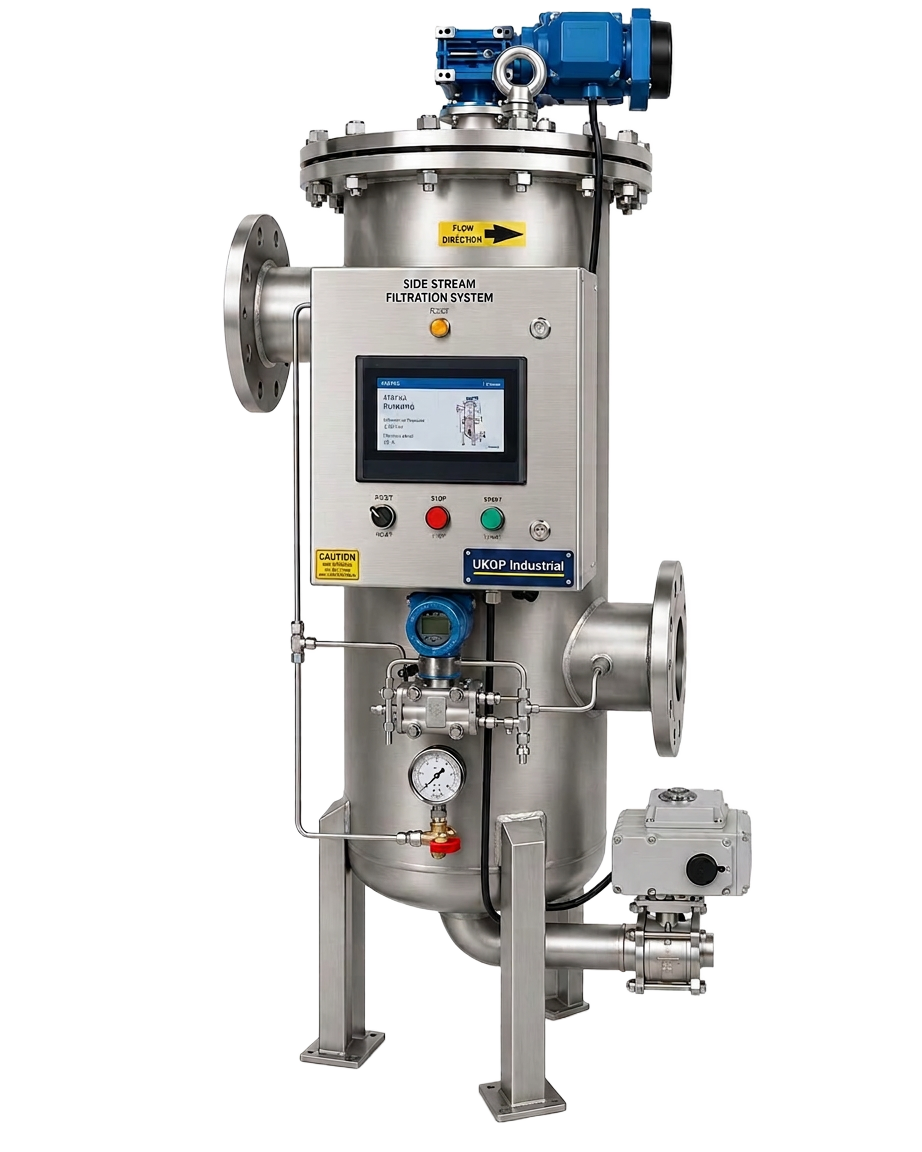
A stable ph meter calibration is significantly easier to maintain when the system fluid is free from suspended solids and magnetite. Magnetite (black iron oxide) is notoriously difficult for pH sensors because it is both abrasive and electrically conductive. If magnetite particles bridge the gap between the reference and measuring electrodes, it can cause an internal short-circuit. By integrating side stream filtration into the plant-room design, facilities managers can remove particles down to 5 microns, protecting the pH sensor and other sensitive instruments like ultrasonic flow meters. This cleaner environment reduces the frequency of manual sensor cleaning and ensures that the readings remain within the calibrated tolerances for much longer periods.
Moreover, high levels of suspended solids can lead to 'mechanical drift,' where the physical impact of debris against the glass bulb wears away the sensitive layer. In a typical UK commercial heating system, a side stream filtration skid equipped with a magnetic separator is the first line of defence. When the fluid is filtered, the pH sensor's response time remains fast, and the ph meter calibration process becomes a straightforward verification rather than a difficult correction. This synergy between filtration and instrumentation is often overlooked by procurement leads who view them as separate line items, yet they are fundamentally linked in terms of long-term operational expenditure and system longevity.
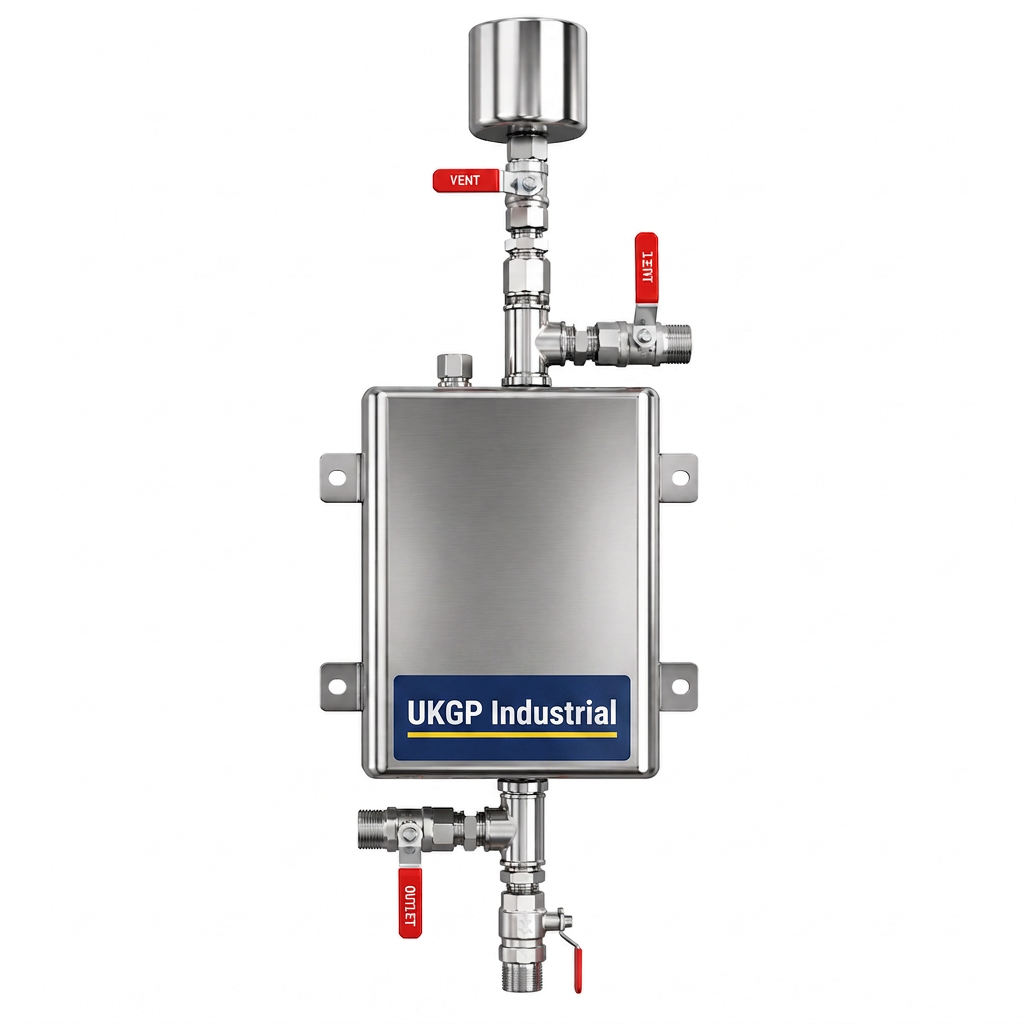
Installing a UKGP Industrial side stream filtration unit alongside your chemical dosing station creates a closed-loop ecosystem where water quality is both managed and verified. The reduction in total suspended solids (TSS) directly correlates with the reliability of your pH monitoring. When the water is clear, the light-sensitive components and electrochemical junctions of the pH probe are not obscured by sludge. This allows for a more robust ph meter calibration curve to be established during commissioning, providing the building services consultant with the data needed to prove the system is operating within the parameters defined by BS 8552 regarding water quality monitoring.
- Removes abrasive magnetite that damages pH glass membranes
- Prevents conductive sludge from shorting out industrial electrodes
- Extends the service life of pH sensors by reducing mechanical wear
- Improves the consistency and reliability of automated dosing
Best Practices for Buffer-Based Calibration
To achieve a successful ph meter calibration, one must use fresh, NIST-traceable buffer solutions, typically pH 4.0, 7.0, and 10.0. The process should always begin with a thorough cleaning of the probe using deionised water to remove any residual process fluid. It is a common mistake in the field to reuse buffer solutions to save costs; however, once exposed to air, the pH 10.0 buffer specifically begins to absorb CO2, which lowers its pH value and renders the calibration inaccurate. Always use a fresh 'shot' of buffer for each sensor. For London-based plant rooms where ambient temperatures can fluctuate, ensure the buffers have reached the same temperature as the sensor to avoid thermal shock and stabilize the internal reference potential.
The transmitter should be programmed to recognize the specific temperature-pH curve of the buffers being used. High-quality industrial transmitters automate this process, recognizing the buffer value and adjusting the 'slope' and 'offset' (Isopotential point) accordingly. After the ph meter calibration is complete, the transmitter should ideally display the electrode's slope as a percentage of the theoretical ideal (59.16 mV per pH unit at 25C). If the slope falls below 85% or exceeds 105%, it is a clear indication that the sensor is nearing the end of its life and should be replaced. This predictive maintenance approach allows FMs to order replacements before a total failure occurs, preventing downtime in vulnerable HVAC systems.
Finally, documentation is an essential part of the ph meter calibration workflow. Under BS 8552, a log of all water quality readings and calibration events must be maintained. Modern transmitters with Modbus connectivity can stream this data directly to a Building Management System (BMS), but manual verification during PPM (Planned Preventative Maintenance) visits is still required to confirm the physical state of the probe. Contractors should record the 'as found' and 'as left' values to track the drift rate over months. If the drift is consistently high, it may indicate a need for more frequent side stream filter changes or a review of the corrosion inhibitor levels within the system, ensuring the entire plant room operates at peak performance.
- Use fresh, certified buffer solutions for every calibration event
- Clean the sensor with DI water between buffer immersions
- Monitor electrode 'slope' to predict the end of sensor life
- Record all calibration data to comply with BS 8552 requirements
Troubleshooting Calibration Failure
If a ph meter calibration fails repeatedly, the first check should be the physical integrity of the M12 cable. Kinks, tight bends, or water ingress into the connector can alter the impedance of the circuit, causing erratic readings. Because pH sensors operate on high-impedance signals, even a tiny amount of moisture can create a leakage path that bypasses the glass electrode's signal. Our UKGP Industrial pH kits utilize rugged M12 connectors specifically to mitigate this risk. If the wiring is sound, the next step is to examine the reference junction for discolouration. A dark or clogged junction prevents the internal electrolyte from making contact with the process fluid, making it impossible for the transmitter to establish a stable reference voltage during the calibration cycle.
Environmental factors such as high pressure or flow rates can also interfere with the calibration's real-world accuracy. If the sensor is calibrated in a beaker of still buffer solution but behaves differently when mounted in a high-velocity pipe, you may be experiencing a 'streaming potential' effect. To fix this, always ensure the sensor is installed in a location with stable flow and that the ph meter calibration is performed as close to the operating temperature as possible. If the plant room is particularly cold, warming the buffers in a water bath can help, although most modern transmitters with Pt100/Pt1000 temperature elements will compensate for this automatically if given enough time to reach equilibrium.
In some instances, the transmitter's internal electronics may be the source of the issue, particularly if it has been subjected to power surges or extreme heat. Using a pH simulator to inject a known millivolt signal into the transmitter can help isolate whether the fault lies with the probe or the head unit. For engineers seeking a reliable, long-term solution, our factory-calibrated pH sensor & transmitter kits come with a 2-year warranty and are designed for the rigours of the UK industrial market. By standardising on high-quality hardware, the time spent troubleshooting failed ph meter calibration events is drastically reduced, allowing the maintenance team to focus on more complex HVAC optimisation tasks.
- Check M12 cable connections for moisture or physical damage
- Verify junction integrity and look for signs of electrolyte depletion
- Use a pH simulator to verify transmitter electronic health
- Ensure flow-rate stability to avoid streaming potential errors
Integrating pH Monitoring with BMS Systems
Modern building services rely on data integration, and ph meter calibration is most effective when the results are visible. A 4-20 mA output provides a simple, robust analog signal, but Modbus RTU offers significantly more depth, allowing the BMS to pull not only the pH value but also temperature, sensor health diagnostics, and calibration reminders. This level of transparency is essential for FM teams managing multiple sites. If a remote sensor starts to drift, an automated alert can be triggered, allowing a technician to be dispatched with the correct buffer solutions and tools for a ph meter calibration before the system water chemistry deviates outside of the safe BSRIA limits.
When integrating these sensors, the choice of transmitter is paramount. It must be capable of surviving the humid, often hot conditions of a UK plant room. Look for IP68-rated enclosures that can be pipe-mounted or wall-mounted near the dosing pot or side stream filter. By placing the pH transmitter in a visible location, engineers are reminded of the need for periodic ph meter calibration during their daily walk-arounds. A local display that shows the current pH and temperature allows for quick manual checks against handheld testers, providing a secondary layer of validation that the system's chemical balance is being maintained correctly.
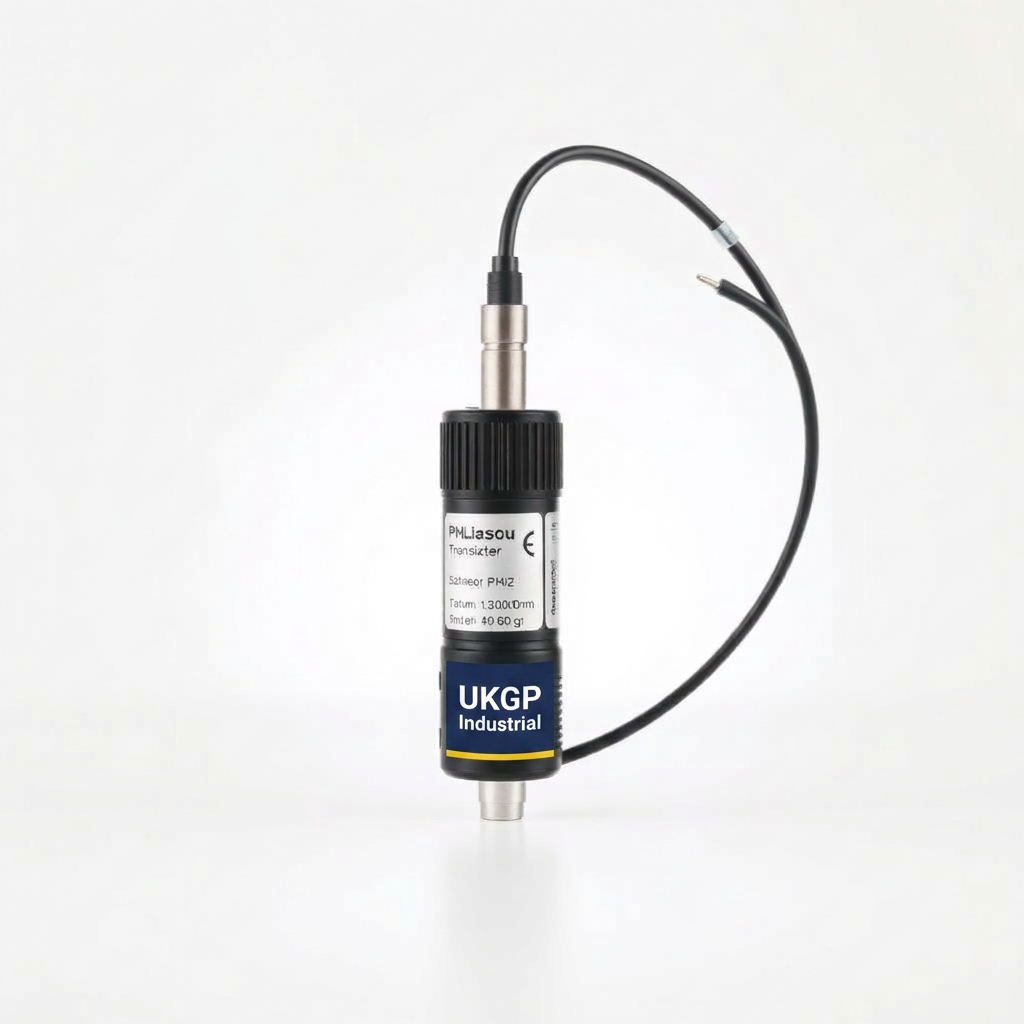
For procurement leads and M&E contractors, specifying a complete kit—including the sensor, transmitter, and cable—is the best way to ensure compatibility and ease of installation. Our UKGP industrial pH sensor & transmitter kits are designed precisely for this purpose. They are factory-calibrated to ensure they work straight out of the box, though we always recommend a field ph meter calibration upon commissioning to account for local installation variables. With a 2-year warranty and a focus on industrial durability, these units provide the reliable data feed necessary for high-efficiency boiler and chiller operation, ultimately protecting the building's capital assets and reducing lifelong maintenance costs.
- Choose Modbus RTU for rich data diagnostics and remote alerts
- Specify IP68-rated enclosures for plant-room longevity
- Use a local display for easy manual verification and PPM checks
- Invest in factory-calibrated kits to simplify site commissioning
Frequently asked questions
How often should I perform ph meter calibration in a heating system?
- According to BSRIA BG50, water quality should be monitored constantly. For industrial systems, we recommend a ph meter calibration check every 3 months, or more frequently if the system is undergoing heavy chemical treatment or if significant drift is detected by the BMS.
Why does my pH sensor drift more in hot water loops?
- High temperatures accelerate the chemical aging of the pH glass membrane and increase the rate of electrolyte depletion in the reference junction. This thermal stress is the leading cause of drift, making temperature-compensated sensors essential for accuracy.
Can I use any buffer solution for ph meter calibration?
- While most buffers are standard, you must use high-quality, NIST-traceable solutions that are within their expiry date. For commercial systems, a two-point calibration using pH 7.0 and pH 10.1 is typical, as most hydronic loops are slightly alkaline.
Do I need a specific cable for my pH transmitter?
- Yes, pH sensors produce a high-impedance signal that is very sensitive to noise. You should use a shielded M12 cable kit to prevent electromagnetic interference from pumps and VFDs, which can cause reading instability and calibration errors.
What is the difference between 4-20 mA and Modbus for pH monitoring?
- 4-20 mA is a simple analog signal representing the pH value. Modbus RTU is a digital protocol that provides additional data, such as sensor temperature and diagnostic status, making it superior for integration into modern Smart Building systems.