Understanding the Role of a pH Meter and Probe in BG50 Compliance
In the UK building services sector, the BSRIA BG50/2021 guidance emphasizes the necessity of consistent water chemistry monitoring to prevent the degradation of metallic components. A high-quality ph meter and probe serves as the primary diagnostic tool in this process, providing continuous data that allows for the precise adjustment of inhibitors and biocides. Without accurate readings, systems are vulnerable to both acidic corrosion and alkaline scaling, both of which can lead to premature failure of heat exchangers and circulatory pumps. Engineers must ensure that their chosen instrumentation can withstand the temperature fluctuations and pressures typical of commercial plant rooms while delivering stable outputs for the building management system.
Maintenance teams often overlook the synergy between the sensing element and the transmitter, yet this pairing is fundamental to operational success. When a ph meter and probe are incorrectly matched or poorly calibrated, the resulting drift can mask underlying acidification issues within the loop. This is particularly dangerous in systems incorporating aluminium components, where the pH window must be tightly controlled between 7.0 and 8.5 to prevent amphoteric corrosion. By deploying industrial-grade sensors that offer factory-calibrated precision, M&E contractors can significantly reduce the commissioning time required during the handover phase of a project, ensuring that the water chemistry meets the strict standards demanded by modern specifications.
Effective monitoring also supports the wider sustainability goals of a facility by reducing chemical waste and energy consumption. An accurate ph meter and probe allow for demand-based dosing rather than arbitrary scheduled additions, which minimizes the environmental impact of the site's water treatment regime. This data-driven approach is increasingly requested by procurement leads who are tasked with lowering operational expenditure while maintaining high asset availability. By integrating reliable pH sensing into the plant room's core infrastructure, managers can move away from reactive maintenance and toward a proactive model that identifies potential water quality issues long before they manifest as physical blockages or leaks in the thermal network.
- Aligns with BSRIA BG50 and BG29 water quality standards
- Prevents amphoteric corrosion in mixed-metal systems
- Reduces chemical consumption through precision dosing
- Provides real-time data for BMS integration and alerts
- Ensures long-term protection for expensive plant assets
Selection Criteria for an Industrial pH Meter and Probe
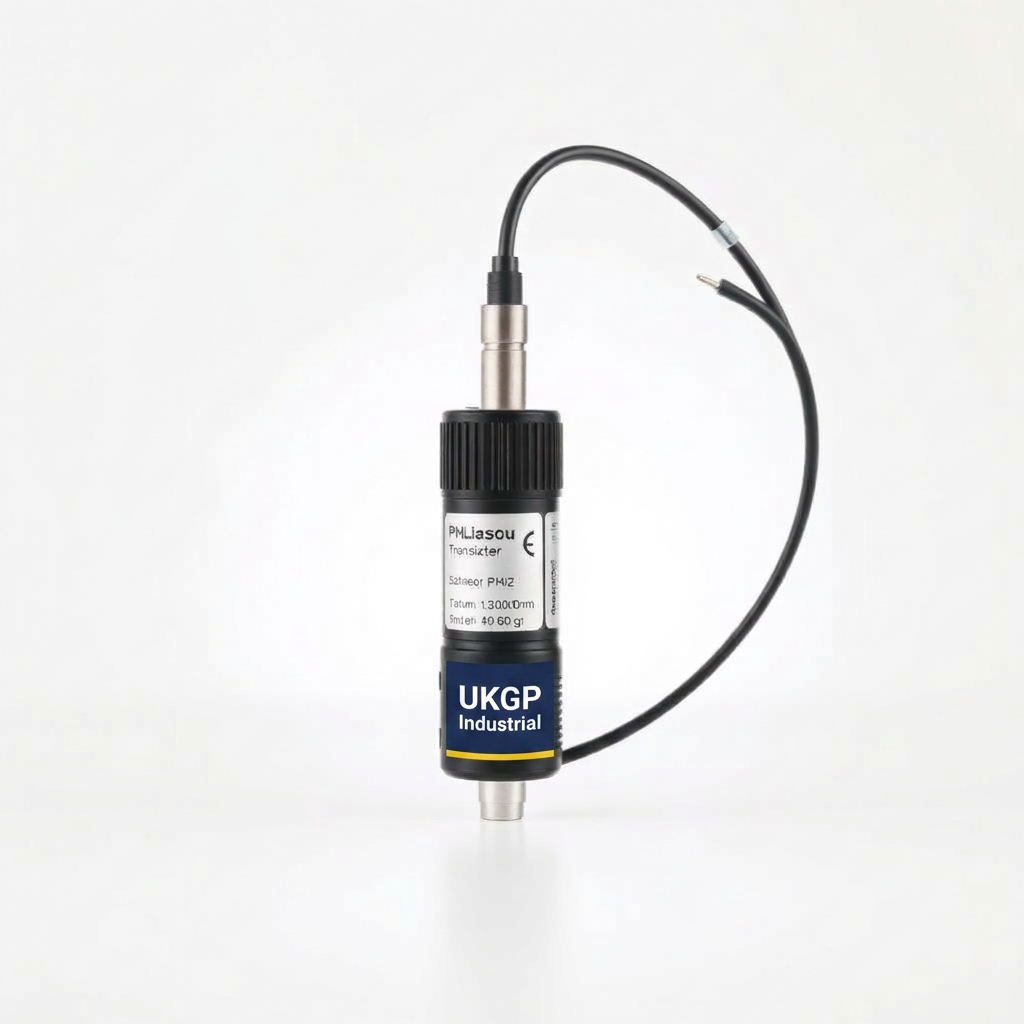
When specifying a ph meter and probe for industrial or commercial HVAC applications, the hardware must be robust enough to handle the rigours of continuous immersion. Unlike laboratory sensors, an industrial ph meter and probe must be designed with high-grade junctions and durable glass electrodes that resist fouling. For UKGP Industrial clients, we recommend looking for sensors that offer a wide measurement range and high temperature compensation. This ensures that even when system temperatures fluctuate during peak demand, the 4-20 mA or Modbus signals sent to the control panel remain accurate. Robustness is further enhanced by choosing units with IP68 ratings, protecting the sensitive electronics from the damp conditions often found in basement plant rooms.
Connectivity is another vital factor for modern building services engineers who require remote visibility of their assets. A ph meter and probe that utilizes an M12 cable kit allows for easy 'plug and play' installation, reducing the risk of wiring errors during site setup. Furthermore, the choice between a simple 4-20 mA analogue loop and a digital Modbus RTU output depends on the sophistication of the site's existing control infrastructure. Modbus can provide additional diagnostic data, such as sensor health and temperature trends, which is invaluable for facilities management teams looking to optimize their PPM (Planned Preventative Maintenance) schedules. Always ensure the transmitter is compatible with the sensor's impedance requirements for stable readings.
Commercial awareness is key when selecting a ph meter and probe, as the total cost of ownership extends beyond the initial purchase price. Opting for a factory-calibrated sensor with a 2-year warranty provides peace of mind and reduces the immediate need for on-site calibration gases and specialized training. UKGP Industrial's range is specifically designed to meet these needs, offering a complete kit including the sensor, transmitter, and necessary cabling. This holistic approach to procurement ensures that all components are perfectly matched for performance, preventing the signal interference issues that often plague mixed-manufacturer setups. Request a quote for our industrial pH kits to secure a reliable, long-term solution for your water monitoring requirements.
- IP68 rated housing for harsh plant room environments
- Dual connectivity options: 4-20 mA or Modbus RTU
- M12 cable kits for simplified, error-free installation
- Factory-calibrated sensors to streamline commissioning
- Comprehensive 2-year warranty for commercial security
Best Practices for Precise Dosing and Monitoring
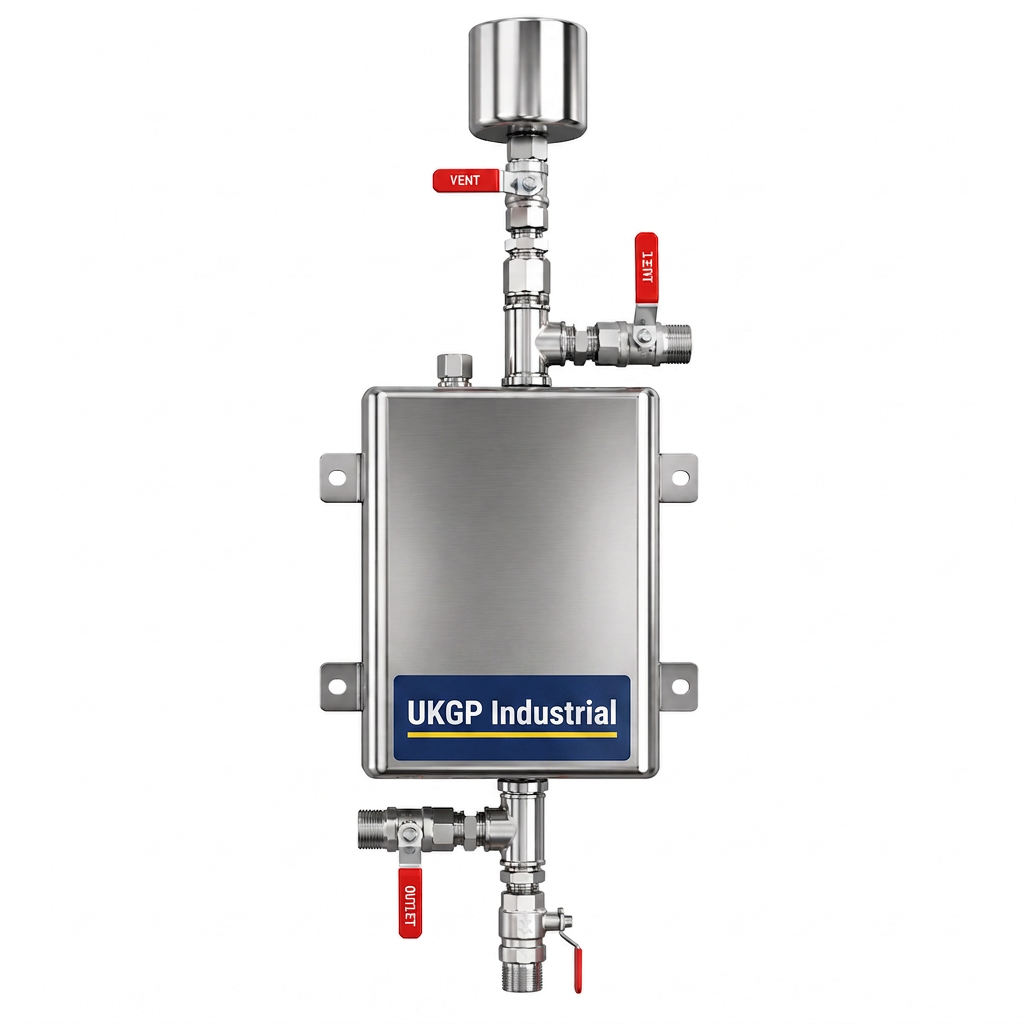
An industrial ph meter and probe is only as effective as the dosing system it informs. In many UK installations, these sensors are paired with chemical dosing pots to ensure that the initial chemical charge and subsequent top-ups are handled correctly. While the pH sensor provides the data, the dosing pot allows for the manual or automated introduction of inhibitors to correct any deviations. Integrating the ph meter and probe directly into the loop near the dosing point ensures a rapid response to chemistry changes, preventing localized corrosion. This setup is particularly effective in high-volume systems found in hospitals, data centres, and district heating networks where water volume turnover is high.
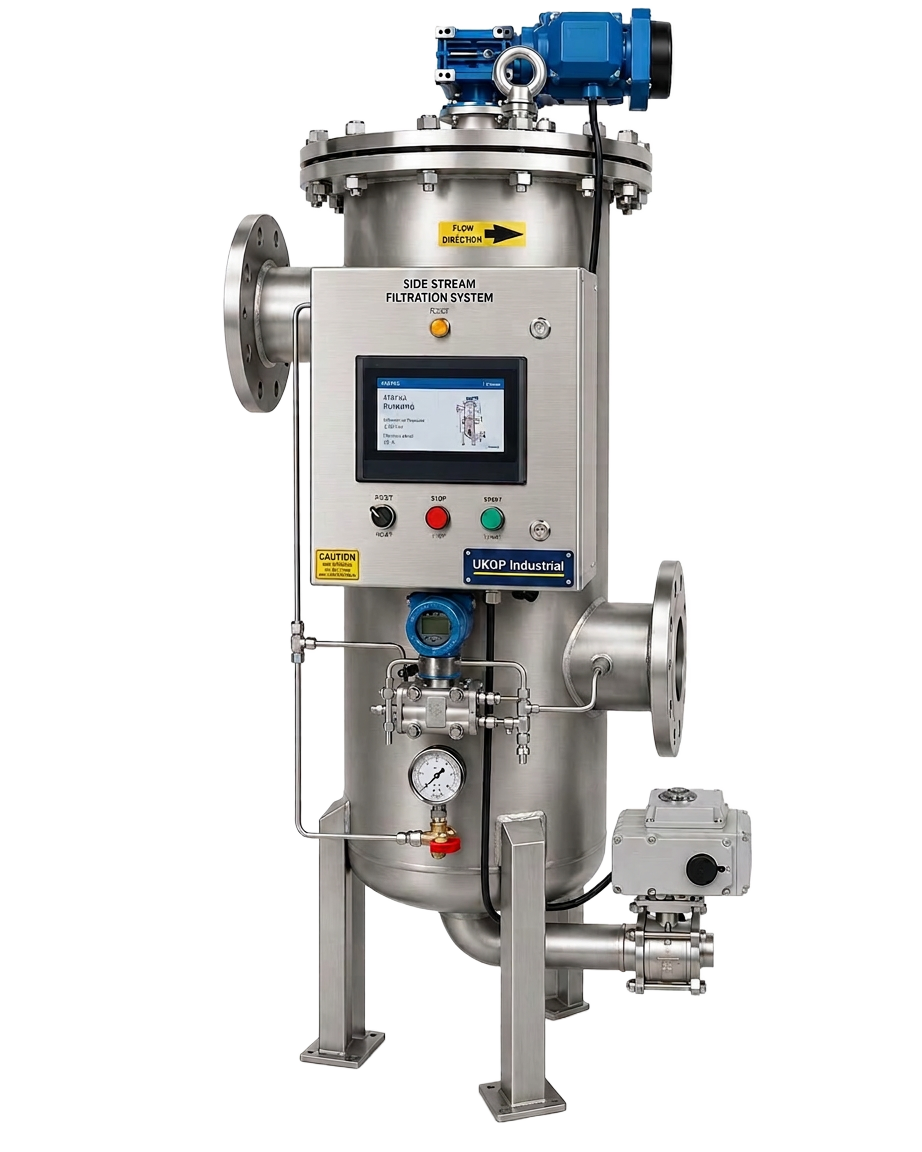
Maintenance routines should include periodic physical inspections of the ph meter and probe to check for biofilm or scale accumulation on the sensor bulb. Even with high-quality IP68-rated equipment, the physical interface between the water and the electrode can become obscured by debris. This is where high-efficiency filtration becomes essential. By installing the pH sensor downstream of a side stream filtration unit, you ensure that the sensing environment is relatively free from suspended solids, which extends the life of the probe and maintains the accuracy of the 4-20 mA signal. Combining these technologies creates a comprehensive water treatment suite that satisfies CIBSE guidelines and ensures long-term system efficiency.
For engineers responsible for multi-site portfolios, the ability to rely on the data coming from a ph meter and probe cannot be overstated. When the pH levels stay within the specified range for the system's metallurgy, the protective passive layer on the internal pipework remains intact. If the ph meter and probe indicate a drop toward acidic levels, it serves as an early warning system to check for microbiologically influenced corrosion (MIC) or oxygen ingress. By responding to these digital alerts rather than waiting for annual water samples, FM teams can save thousands of pounds in remedial flushing and chemical cleaning costs. This proactive stance is the hallmark of modern, efficient building management.
- Pairs seamlessly with manual and automatic dosing pots
- Protects internal metallurgy by maintaining passive layers
- Early warning system for MIC and oxygen ingress risks
- Reduces the frequency of expensive remedial flushing
- Enhances data reliability for multi-site FM managers
Installation and Positioning for Reliable Readings
The physical location of your ph meter and probe within the system significantly impacts the validity of the data collected. Sensors should be installed in a location with constant flow to ensure the sample is representative of the whole system, avoiding stagnant dead legs where localized chemistry might differ. Preferably, the ph meter and probe should be positioned on the return line of the primary loop, where the water has circulated through the building's emitters. This provides a 'worst-case' snapshot of the system's condition. Installation should allow for easy access for periodic cleaning and the occasional recalibration mandated by BS 8552, ensuring that the sensor is not 'forgotten' behind other plant-room equipment.
Orientation is also a critical technical consideration. Most industrial pH probes should be installed at an angle of at least 15 degrees above the horizontal to ensure that the internal electrolyte remains in contact with the pH bulb and to prevent air bubbles from being trapped. When installing a ph meter and probe that utilizes an M12 cable kit, ensure that the cable runs are protected from high-voltage cables to prevent electromagnetic interference from affecting the 4-20 mA or Modbus signals. UKGP Industrial's sensors are designed with internal shielding to mitigate these risks, but following standard M&E installation practices remains essential for the highest levels of signal integrity.
Finally, the pressure and temperature ratings of the installation point must not exceed the specifications of the ph meter and probe. While our industrial sensors are built for durability, exceeding their design limits will lead to sensor drift or catastrophic seal failure. Always check the system's maximum operating pressure against the sensor's datasheet before installation. If the system experiences high levels of particulates, consider a bypass mounting arrangement which allows the ph meter and probe to be isolated for maintenance without shutting down the entire primary loop. This setup, combined with our 2-year warranty, ensures that your monitoring capabilities remain online with minimal downtime and maximum reliability.
- Install in high-flow areas to ensure representative sampling
- Maintain 15-degree minimum angle for electrode contact
- Shield signal cables from high-voltage interference
- Verify pressure/temperature compatibility before site fitting
- Use bypass mounting for easier sensor maintenance
Calibrating and Maintaining Your pH Sensing Equipment
Routine maintenance is the cornerstone of any reliable industrial ph meter and probe. Although UKGP's units are factory-calibrated for immediate deployment, UK site conditions and chemical concentrations will eventually cause the sensor to drift. A quarterly calibration check against known buffer solutions is recommended to verify the slope and offset of the ph meter and probe. This process ensures that the 4-20 mA output accurately reflects the actual acidity or alkalinity of the system water. If a sensor shows significant drift or slow response times even after cleaning, it may be approaching the end of its service life and should be replaced to maintain BSRIA BG50 compliance.
The cleaning process for an industrial ph meter and probe must be handled with care. A soft cloth or specialized cleaning solution should be used to remove scale or biological growth from the glass bulb, taking care not to scratch the sensitive surface. After cleaning, the ph meter and probe should be rinsed and then checked against a pH 7.0 buffer. If the readout is within the acceptable tolerance, the unit can be returned to service. In systems with high oil content or heavy glycol concentrations, more frequent cleaning may be necessary to prevent the junction from clogging, which is a common cause of erratic readings in older or poorly maintained HVAC systems.
Documentation of maintenance and calibration is vital for audit trails and insurance purposes. Every time the ph meter and probe is serviced, the results should be logged in the site's water treatment records. This provides a history of the system's chemistry and can help identify long-term trends, such as gradual acidification that might indicate a slow leak and the subsequent intake of raw, un-inhibited make-up water. By combining our robust industrial pH sensors with a disciplined maintenance regime, plant-room engineers can demonstrate full control over their water systems, backed by the reliability of our factory-guaranteed hardware and expert UK-based technical support.
- Quarterly calibration checks preserve signal accuracy
- Gentle cleaning prevents damage to sensitive glass bulbs
- Full documentation supports chemical treatment audit trails
- Identifies trends like gradual acidification from leaks
- Minimizes downtime through scheduled sensor replacement
The Commercial Benefits of UKGP Industrial pH Solutions
Choosing a ph meter and probe from UKGP Industrial provides more than just a measurement; it offers commercial security and peace of mind for the entire project team. From the procurement lead looking for a cost-effective, durable solution to the FM engineer needing reliable data, our kits are designed for the specific demands of the UK market. Each ph meter and probe comes as a complete kit, including the transmitter and M12 cabling, ensuring that there are no hidden extras or compatibility headaches. Our focus on industrial-grade performance means these units are suited for the toughest environments, from industrial manufacturing plants to high-rise commercial offices.
Our ph meter and probe sets feature IP68 protection and are factory-calibrated, meaning they are ready to contribute to your site's BSRIA compliance from day one. The inclusion of both 4-20 mA and Modbus options as standard allows for future-proofing; as building management systems evolve, your sensor technology will remain compatible. Furthermore, our 2-year warranty is a testament to our confidence in the build quality of our instrumentation. We understand that in a critical plant room, reliability is the most valuable feature a product can have, and we strive to deliver that through rigorous quality control and technical expertise.
In a market focused on efficiency and asset longevity, having an accurate ph meter and probe is no longer optional. It is the frontline defense against the silent threat of corrosion. Whether you are replacing a legacy sensor or specifying a new build project, UKGP Industrial provides the technical support and high-performance hardware required. We invite you to contact us for a quote or to discuss the integration of our pH sensing kits into your water treatment strategy. By partnering with us, you ensure that your systems operate within their design parameters, protecting your investment and ensuring the comfort and safety of building occupants for years to come.
- Complete kit including sensor, transmitter, and M12 cable
- Factory-calibrated to reduce site commissioning time
- Modbus and 4-20 mA outputs for flexible BMS integration
- IP68 rated for maximum resistance to moisture and dust
- Expert UK technical support with a 2-year product warranty
Frequently asked questions
How often should an industrial ph meter and probe be calibrated?
- In accordance with BSRIA BG50 guidelines, we recommend a quarterly calibration check. However, in systems with high levels of contamination or significant temperature swings, monthly checks may be necessary to ensure the 4-20 mA signal remains accurate and reliable.
Can I use a standard lab pH probe in a plant room system?
- We strongly advise against this. A laboratory ph meter and probe is not designed for the continuous immersion, high pressures, and flow rates of an HVAC system. Industrial-grade sensors like those from UKGP feature robust junctions and IP68-rated housings specifically for these conditions.
What is the benefit of Modbus over a 4-20 mA output?
- While both provide accurate readings, Modbus RTU offers digital reliability and additional data, such as sensor diagnostics and temperature. This is particularly useful for remote monitoring and integrating your ph meter and probe into a sophisticated Building Management System (BMS).
Why is an IP68 rating important for a ph meter and probe?
- Plant rooms are often humid or prone to leaks. An IP68 rating ensures that the ph meter and probe transmitter are fully protected against dust and continuous immersion in water, preventing electrical failure and ensuring long-term operational stability.
Does the UKGP ph meter and probe come with a warranty?
- Yes, our industrial ph meter and probe kits come with a comprehensive 2-year warranty. This reflects our commitment to quality and provides commercial security for contractors and facilities managers specifying our equipment for critical infrastructure.