Understanding the Role of the pH Measuring Electrode in HVAC
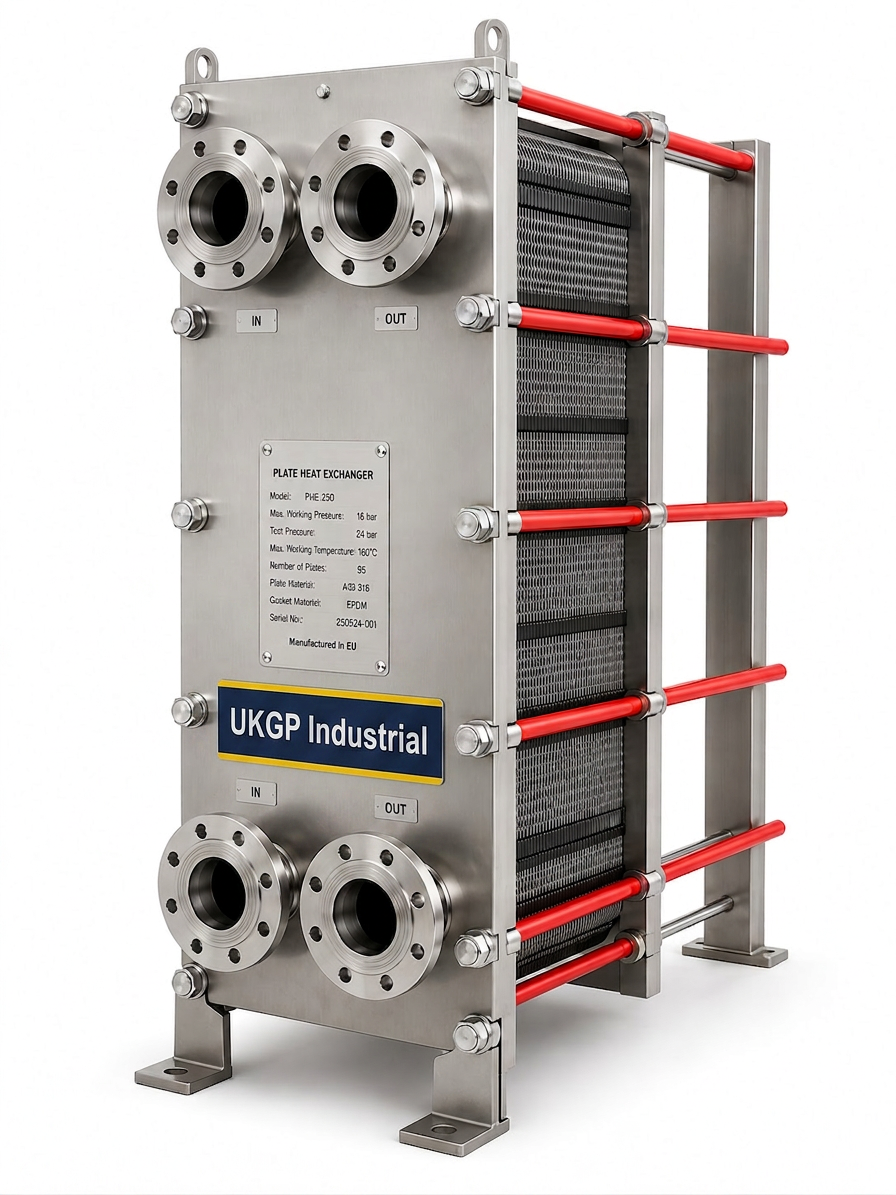
In modern UK building services, the chemical profile of closed-loop heating and chilled water systems is no longer a 'set and forget' matter. A high-quality ph measuring electrode serves as the primary diagnostic tool, providing real-time data to prevent the aggressive corrosion associated with acidic or overly alkaline conditions. Whether you are managing an industrial district heating scheme or a commercial office HVAC plant, the electrode must withstand the rigours of continuous immersion and thermal fluctuations. By installing a precision-engineered ph measuring electrode, mechanical contractors can transition from reactive chemical dosing to a predictive maintenance model, significantly reducing the risk of premature component failure and costly downtime. This proactive approach is particularly essential when protecting expensive assets like plate heat exchangers and high-efficiency commercial boilers.
Precision in measurement is the foundation of energy-efficient plant operation. When a ph measuring electrode fails or drifts, the resulting chemical imbalance can lead to the formation of magnetite or scaling. These deposits increase the thermal resistance within the system, forcing pumps and heat sources to work harder to maintain set-point temperatures. Using a robust ph measuring electrode allows for the fine-tuning of inhibitor levels, ensuring the protective film on pipework remains intact without wasting expensive chemicals. For M&E contractors, specifying a reliable sensor during the fit-out phase means fewer snagging issues and a smoother handover to the facilities management team. It is a small investment that offers substantial protection for the entire water circuit, reflecting a commitment to engineering excellence and life-cycle cost management.
Choosing the right technology involves more than just selecting a standard glass probe. Industrial environments demand a ph measuring electrode designed for longevity and resilience. The integration of advanced materials and manufacturing techniques ensures that UKGP electrodes provide stable 4-20 mA or Modbus signals, which are essential for modern Building Management Systems (BMS). As UK building codes and BSRIA guidelines become increasingly focused on water quality logging, the role of the ph measuring electrode has shifted from a secondary accessory to a critical infrastructure component. It provides the empirical evidence required to prove that the system is operating within the specified parameters, protecting warranties and ensuring that the plant operates at its peak designed efficiency throughout its operational life.
- Ensures compliance with BSRIA BG50 monitoring standards
- Reduces long-term corrosion risks in commercial pipework
- Minimises chemical waste through precise real-time data
- Essential for protecting high-value heat exchange equipment
- Facilitates seamless 24/7 BMS integration via Modbus
BSRIA BG50 and the Importance of Accurate pH Monitoring
BSRIA BG50 defines the best practice for water treatment in closed heating and cooling systems, placing a heavy emphasis on consistent monitoring. A ph measuring electrode is central to this compliance framework, as pH levels outside the 9.0 to 10.5 range for steel systems (or lower for aluminium components) can lead to rapid metal loss. Commercial engineers must ensure they are using a ph measuring electrode that can provide repeatable results over extended periods without constant recalibration. In the UK market, where building services consultants are under increasing pressure to deliver 'smart' buildings, the ability to log pH data digitally via a precise electrode is a significant advantage. This data not only demonstrates compliance but also provides an early warning system for raw water ingress or chemical degradation.
Failure to adhere to BSRIA guidelines can void manufacturer warranties on leading commercial boiler brands and heat pumps. By incorporating a professional-grade ph measuring electrode into the plant room design, you create a documented history of water quality. This is particularly vital in large-scale projects where multiple contractors might be involved in the commissioning phases. A reliable ph measuring electrode ensures that any deviations are caught before they cause irreversible damage to the system. For procurement leads, investing in a high-specification sensor is a risk-mitigation strategy that protects the capital investment of the entire mechanical installation. It simplifies the reporting process and provides peace of mind for both the building owner and the maintenance provider who is responsible for the site.
The technological requirements for a modern ph measuring electrode include robust ingress protection and secure connectivity. In busy UK plant rooms, sensors are often exposed to moisture and mechanical stress. Using a ph measuring electrode with an IP68 rating, such as those supplied in UKGP kits, ensures that the sensitive internal components are protected from the environment. When combined with an M12 cable kit, the installation becomes standardized and secure, reducing the likelihood of signal noise or connection failure. This focus on physical durability and electrical stability is what differentiates an industrial-grade ph measuring electrode from cheaper, less reliable alternatives. Ultimately, high-quality monitoring is the cheapest insurance policy a facility manager can buy for their complex water systems.
- Supports adherence to CIBSE CP1 and BSRIA standards
- Prevents the voiding of commercial boiler plant warranties
- Provides an audit trail for water quality management
- Reduces the frequency of manual chemical sampling
- Enhances the longevity of aluminium and steel system components
Technical Specifications for a High-Grade ph measuring electrode
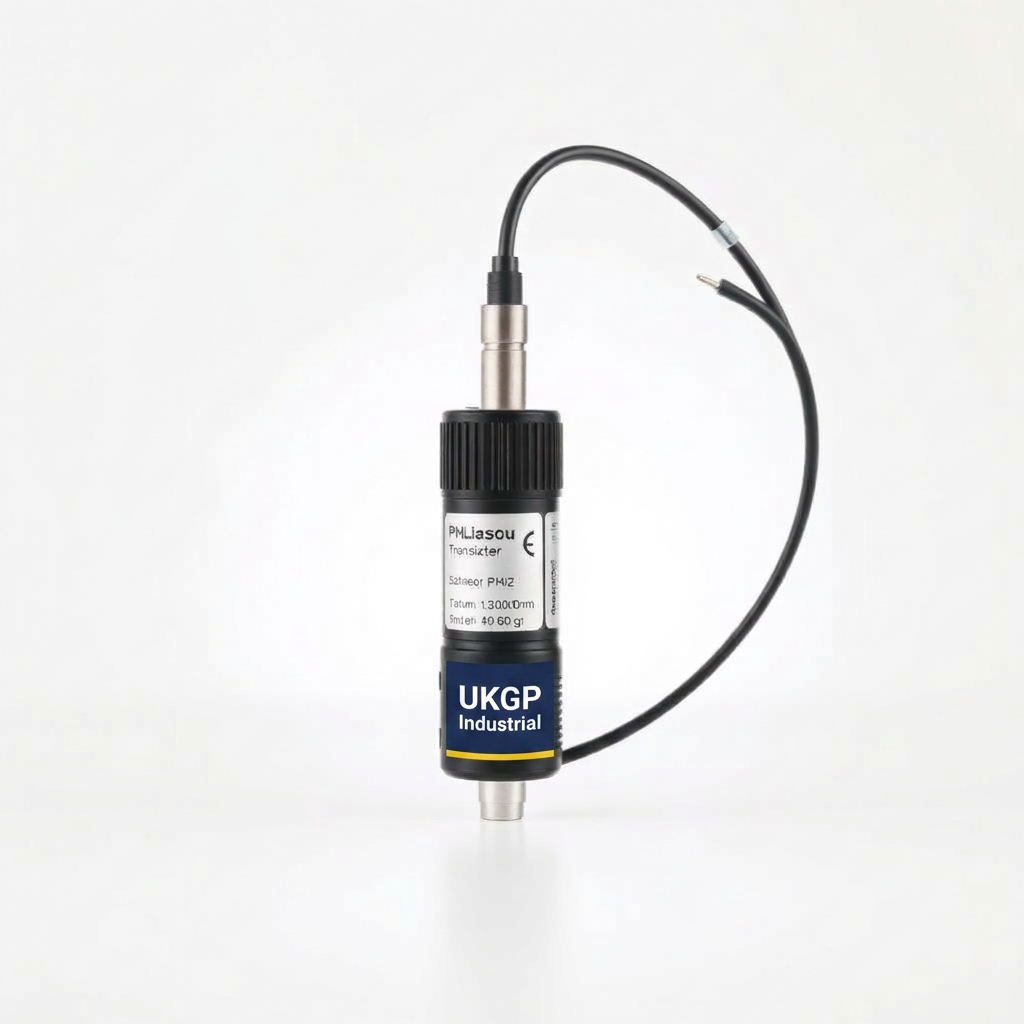
When specifying a ph measuring electrode for industrial use, several technical factors must be considered to ensure performance. The UKGP solution features a comprehensive kit including a factory-calibrated ph measuring electrode, a high-performance transmitter, and a durable M12 cable. This plug-and-play approach ensures that the sensor is ready for immediate deployment in critical systems. With options for both 4-20 mA analogue output and Modbus digital communication, our electrode fits seamlessly into any control architecture. The factory-calibrated nature of this ph measuring electrode means that building services engineers can install the unit with confidence, knowing the baseline measurements are accurate from day one of the commissioning process.
Durability is a non-negotiable factor in commercial HVAC settings. The UKGP ph measuring electrode is housed in a design that offers IP68 protection, making it suitable for even the toughest plant room environments where dampness or overhead leaks may occur. Furthermore, the inclusion of a 2-year warranty provides long-term security for procurement specialists who are looking for reliable partners in the UK supply chain. The transmitter component translates the electrode's millivolt signal into a robust data stream, ensuring that long cable runs to the BMS cabinet do not suffer from signal degradation. This technical precision is essential for maintaining the narrow chemical windows required in modern high-pressure heating systems.
Maintenance and calibration are simplified with the right equipment. While our ph measuring electrode is built for stability, the modular design allows for easy replacement of the probe without replacing the entire transmitter assembly. This reduces long-term maintenance costs and ensures that the system stays online with minimal disruption. For engineers, the clarity of the M12 connection system means that wiring errors are virtually eliminated. Whether you are upgrading an existing site or designing a new commercial development, opting for a UKGP industrial ph measuring electrode ensures that your water quality monitoring is accurate, resilient, and fully integrated into your smart building strategy. We invite you to request a quote for our sensor kits to see how they can improve your plant room management.
- IP68 rated housing for maximum environmental resilience
- Choice of 4-20 mA or Modbus for flexible BMS integration
- Factory-calibrated for rapid on-site commissioning
- Includes a 2-year warranty for commercial peace of mind
- Modular M12 cable system for secure signal transmission
Integrating Sensors with side stream filtration and Dosing
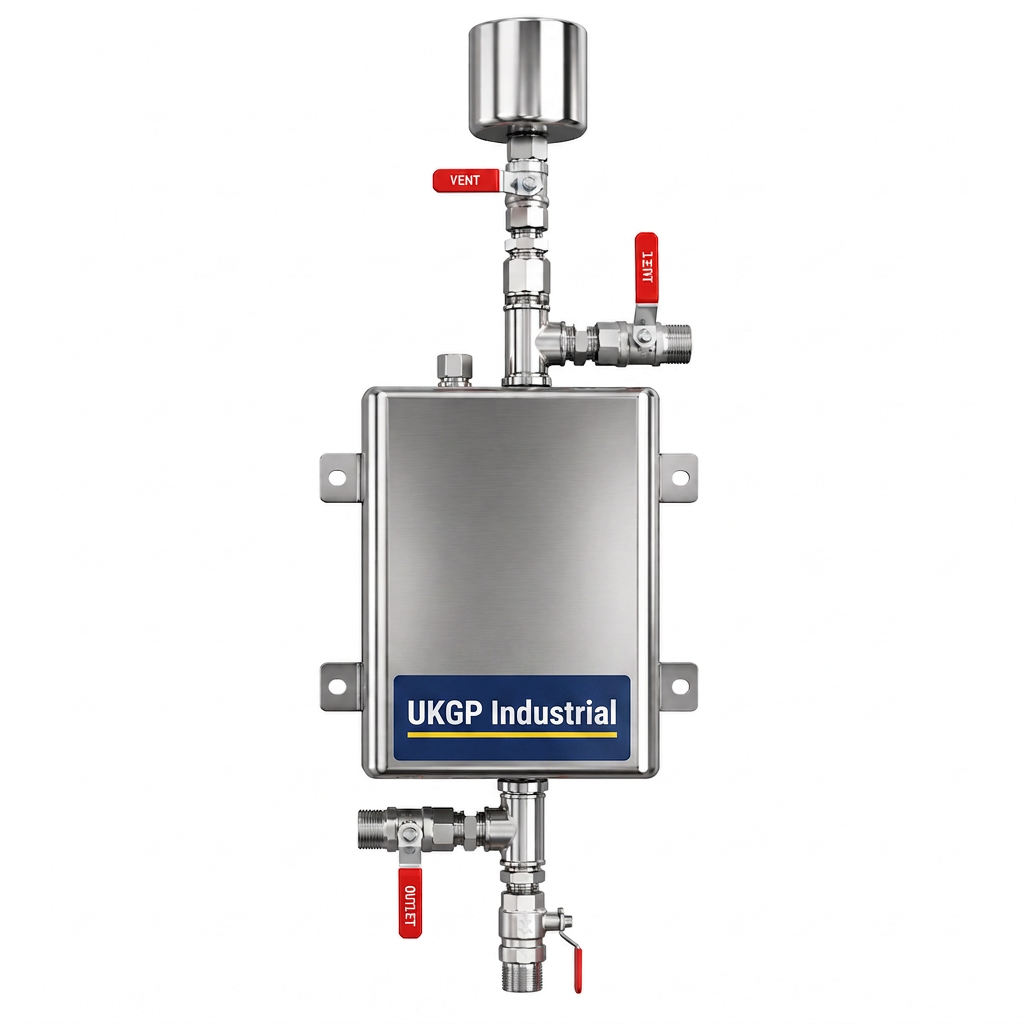
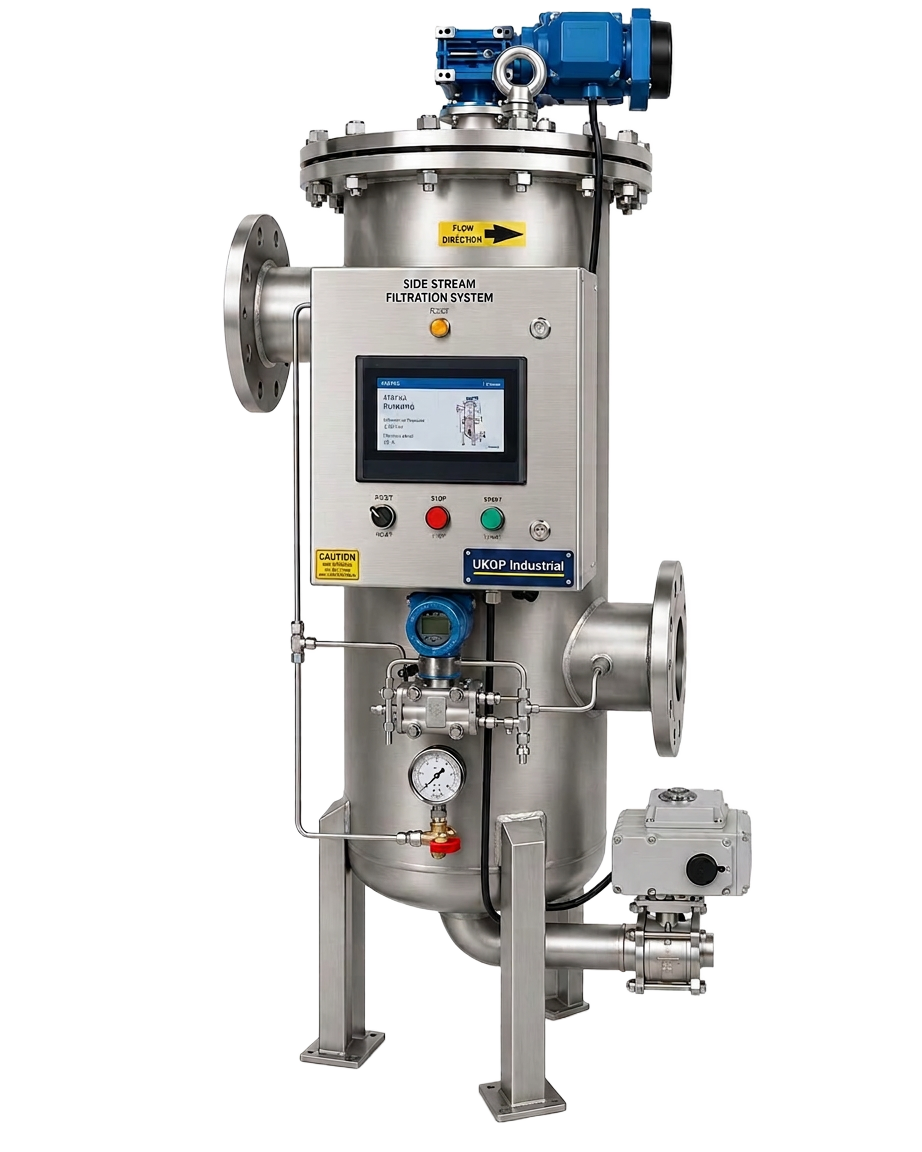
A ph measuring electrode does not operate in isolation; it is a vital part of a wider water treatment strategy that includes side stream filtration and chemical dosing. By monitoring the pH levels closely, the BMS can trigger chemical dosing pots to release precise amounts of inhibitor or pH adjuster. This automated loop ensures that the water chemistry remains optimal regardless of system load or water loss. Incorporating a ph measuring electrode alongside your filtration skid allows for a holistic view of system health. While the filter removes suspended solids and magnetic debris, the electrode ensures the chemical environment prevents the formation of new contaminants. This dual approach is recommended by BSRIA BG29 and BG50 for maintaining efficient heat transfer.
In large-scale commercial developments, the synergy between a reliable ph measuring electrode and high-quality expansion bellows or low loss headers is crucial. Proper water chemistry prevents the degradation of flexible joints and internal baffles, which are often the first components to show signs of corrosive wear. By using an industrial-grade ph measuring electrode, maintenance teams can identify when the system water is becoming aggressive before it attacks these vulnerable areas. This systematic monitoring is especially important in systems using varied metals, where galvanic corrosion can be accelerated by incorrect pH levels. The electrode acts as an early warning sentinel, protecting everything from the boiler tubes to the furthest terminal units in the building.
For FMs and M&E contractors, the goal is always to deliver a system that is easy to manage and cost-effective to run. A ph measuring electrode that provides clear, actionable data makes this goal achievable. Instead of relying on monthly manual testing, which only provides a snapshot in time, continuous monitoring via an industrial pH sensor allows for the detection of rapid shifts in water quality. This is particularly useful in systems where raw water top-ups are frequent, as these can quickly dilute chemical concentrations and shift the pH. By choosing a UKGP ph measuring electrode kit, you are investing in a coordinated solution that integrates with your existing infrastructure to provide a complete picture of your HVAC system’s chemical health.
- Automates chemical dosing pumps via BMS integration
- Protects expansion bellows and low loss headers from corrosion
- Complements BG29 pre-commission cleaning and maintenance
- Enables rapid detection of raw water ingress or leaks
- Optimises the performance of side stream filtration skids
Installation Best Practices for Your pH Measuring Electrode
Proper placement of the ph measuring electrode is essential for obtaining representative readings of the system water. It should be installed in a location with consistent flow, typically on a bypass line or after the side stream filtration unit. Installing the ph measuring electrode in a stagnant area of pipework will lead to inaccurate data and potentially false alarms. UKGP recommends using a dedicated sensor housing that allows for easy removal during periodic maintenance or cleaning. Because our electrodes are factory-calibrated, the initial setup is straightforward, but care must be taken during the physical installation to avoid damaging the sensitive glass membrane that makes up the electrode's measuring tip.
Electrical integration is further simplified by the use of standard industrial protocols. Whether your facility uses a 4-20 mA analogue loop or a Modbus-based network, the ph measuring electrode transmitter serves as a robust bridge between the sensor and the controller. It is important to ensure that the M12 cable is routed away from high-voltage power lines to prevent electromagnetic interference, which can cause 'jitter' in the pH readings. By following these basic installation principles, contractors can ensure that the ph measuring electrode provides a clean, stable signal that correctly reflects the chemical state of the HVAC circuit. This attention to detail during the installation phase pays dividends in the form of reduced troubleshooting and more reliable system control.
Regular maintenance, although minimal for high-quality units, ensures the long-term accuracy of your ph measuring electrode. Every few months, the electrode tip should be inspected for biological fouling or scaling, which can be gently cleaned using approved solutions. Because our industrial pH sensor kits are designed for the UK plant room environment, they are built to be accessible and serviceable. When the time eventually comes to replace the ph measuring electrode, the modular design ensures that this can be done quickly and without the need for specialist tools. Investing in a professional UKGP transmitter and electrode set is the most effective way to ensure your commercial heating or cooling system remains compliant with BS 8552 and other relevant industry standards.
- Install in a bypass or main flow for accurate sampling
- Route M12 cables away from high-interference power lines
- Utilise the modular design for easy sensor tip replacement
- Perform periodic cleaning to remove fouling and debris
- Check calibration every six months to ensure peak accuracy
Procurement and Sourcing for UK Building Projects
When sourcing a ph measuring electrode for a UK-based project, lead times and technical support are often as important as the product specs. UKGP, based in Surrey, understands the pressures of construction and maintenance schedules. We supply standard kits comprising the sensor, transmitter, and cable to ensure you have everything needed for a successful installation. Choosing a UK-based supplier for your ph measuring electrode means you have access to local technical expertise and a 2-year warranty that is actually enforceable. This reliability is vital for procurement leads who need to manage vendor lists and ensure that all equipment meets the stringent safety and performance standards required in modern British commercial buildings.
Comparing different models of ph measuring electrode can be challenging, but focusing on established industrial certifications is a good starting point. Our sensors are designed to withstand the pressures and temperatures typical of large-scale heating circuits, ensuring they don't fail just when they are needed most. The commercial value of a dedicated ph measuring electrode is found in the avoidance of major system failures. Replacing a set of commercial boilers or a massive plate heat exchanger due to poor water chemistry is a multi-thousand-pound mistake that can be avoided with a few hundred pounds of investment in high-quality monitoring equipment. It is the definition of a commercially aware engineering choice that prioritises life-cycle value over the cheapest initial purchase price.
We encourage all UK mechanical contractors and facility managers to consider the UKGP range of pH sensors and transmitters for their next project. Our team is available to discuss your specific requirements, whether you need a single unit for a plant room upgrade or multiple sensors for a new district heating network. By selecting a UKGP industrial ph measuring electrode, you are choosing a product designed for the realities of the UK HVAC industry. Contact our Surrey office today to request a quote for our comprehensive sensor kits, featuring factory-calibrated electrodes, IP68 transmitters, and M12 cable connectivity. Let us help you ensure your water quality is managed with the precision and reliability that your building services projects deserve.
- Surrey-based stock and local technical support
- Comprehensive kits including sensor, transmitter, and cables
- Supports long-term asset management and cost reduction
- Meets the needs of UK building services specifications
- Rapid quoting and delivery for time-sensitive projects
Frequently asked questions
How often should a ph measuring electrode be calibrated?
- For industrial UK plant rooms, we recommend checking the calibration of your ph measuring electrode every 6 to 12 months. While UKGP electrodes are factory-calibrated, environmental factors can cause slight drift over time. Regular verification ensures BSRIA BG50 compliance.
Is the UKGP ph measuring electrode compatible with Modbus?
- Yes, our industrial pH sensor kits are available with either 4-20 mA analogue or Modbus digital outputs. This allows for seamless integration into the majority of modern Building Management Systems (BMS) used in commercial buildings.
What is the warranty on a UKGP ph measuring electrode?
- We provide a 2-year warranty on our ph measuring electrode and transmitter kits. This reflects our confidence in the industrial build quality and the reliability of our components in demanding HVAC environments.
Can the electrode be used in high-temperature heating systems?
- Our sensors are specifically designed for commercial heating and cooling circuits. However, we recommend checking the specific temperature ratings for your application to ensure the ph measuring electrode remains within its optimal operating range.
Does the kit include the connection cable?
- Yes, the UKGP kit includes a high-specification M12 cable kit to ensure a secure, watertight connection between the ph measuring electrode and the transmitter, maintaining its IP68 rating.